In This Guide
- Can You Drive an RV in Alaska? License & Age Rules
- Road Conditions & Terrain in Alaska
- RV Size Limits, Bridges & Restricted Zones
- Fuel: Diesel vs. Petrol & Cost per 100 km
- Tolls, Vignettes & Border Rules
- Driving Tips for RV Rental Travelers
- Recommended RV Class for Alaska Roads
- Should I Choose a Compact Van Instead of a Large RV in Alaska?
- Can I Park Anywhere? Free & Wild Camping Rules in Alaska
- Can I Drive an RV Into the City Center? Heights, Tunnels & Local Signage
- What You Shouldn't Miss
For live availability and current prices, start with our RV Rental Alaska - Complete Guide 2026 guide.
Can You Drive an RV in Alaska? License & Age Rules
A standard Class D driver's license, valid in your home state or country, is sufficient for driving most RV rentals in Alaska, as commercial driver's licenses (CDL) are typically only required for vehicles exceeding 26,000 pounds Gross Vehicle Weight Rating (GVWR) or those transporting hazardous materials. This means you won't need any special permits or endorsements for a typical rented motorhome or campervan. For international visitors, an International Driving Permit (IDP) is recommended to accompany your valid home country license for translation purposes, though it's not universally mandatory in Alaska. Many visitors find our guide to RV Rental USA - Complete Guide 2026 a helpful starting point for broader travel across North America. Most RV rental companies, including Bandana's trusted partners like El Monte and Cruise America, require drivers to be at least 21 years old. There are no additional young driver surcharges or vehicle class restrictions based on age, ensuring that a 21-year-old can rent any available Class B campervan, Class C motorhome, or Class A motorhome. Bandana makes sure to offer full transparency on age and licensing requirements, so there are no surprises when you plan your Alaskan adventure. We are true RV specialists, dedicated to making your journey as smooth as possible from the very first click.Road Conditions & Terrain in Alaska
Alaska's road conditions vary significantly, encompassing well-maintained paved highways, extensive gravel sections, frost-heaved roads, and less-maintained routes, particularly as you venture into remote areas like the McCarthy Road. You should anticipate diverse terrain including majestic mountainous passes, dramatic coastal stretches, and vast interior plains, often experiencing rapid and unpredictable weather changes. Driving a rented motorhome or campervan here means being prepared for anything from smooth sailing to bumpy stretches; drive slowly and carefully, and you can drive almost anywhere without issues. No need to stress - just use common sense and pay attention. Gravel roads are common on routes to iconic destinations such as parts of Denali National Park or the Kenai Peninsula. These sections necessitate slower speeds and increased caution due to loose stones, dust, and potential washboarding that can affect your vehicle's stability. Frost heaves, resulting from the freezing and thawing of ground over permafrost, can create abrupt bumps and dips in paved roads, requiring reduced speeds to prevent damage to your RV's suspension and contents. Wildlife crossings, especially moose and bears, are frequent throughout Alaska; maintaining constant vigilance, particularly at dawn, dusk, and in forested areas, is crucial for safe driving. Always keep a safe distance from wildlife you encounter. Remote fueling stations are common in Alaska's expansive wilderness; comprehensive trip planning including fuel stop locations and carrying extra fuel when advised is highly recommended. To get a better idea of what to expect, check out our RV Travel Guide to Alaska - Tips and Top Spots 2026 for expert insights.RV Size Limits, Bridges & Restricted Zones
While Alaska generally does not enforce strict overall length limits for recreational vehicles on its primary highways, drivers must always be attentive to local signage for specific height or weight restrictions, especially when entering smaller towns or campgrounds. It's rare to encounter low bridges on major Alaskan routes suitable for RV travel, but it is imperative for drivers to know their rented RV's precise height and width to safely navigate any underpasses, parking structures, or narrower sections you might encounter. Bandana RV rentals provide detailed vehicle specifications to ensure you're fully informed. Unlike some international destinations, Alaska currently has no specific "environmental zones" or emissions restrictions that significantly impact RV travel in its cities, allowing greater freedom for your mobile home adventure. However, ferry services, such as the renowned Alaska Marine Highway System, do impose strict length, height, and weight limitations for RVs, alongside specific pricing structures. Making advance reservations and having accurate vehicle measurements are essential for seamless ferry travel with your caravan rental. Always consult the ferry schedules and requirements well in advance of your trip.Fuel: Diesel vs. Petrol & Cost per 100 km
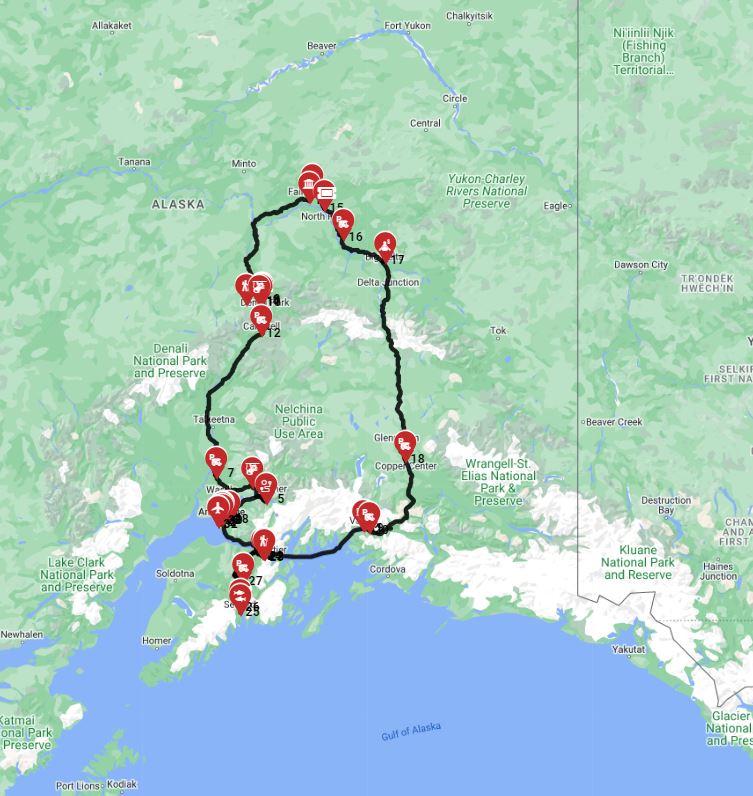
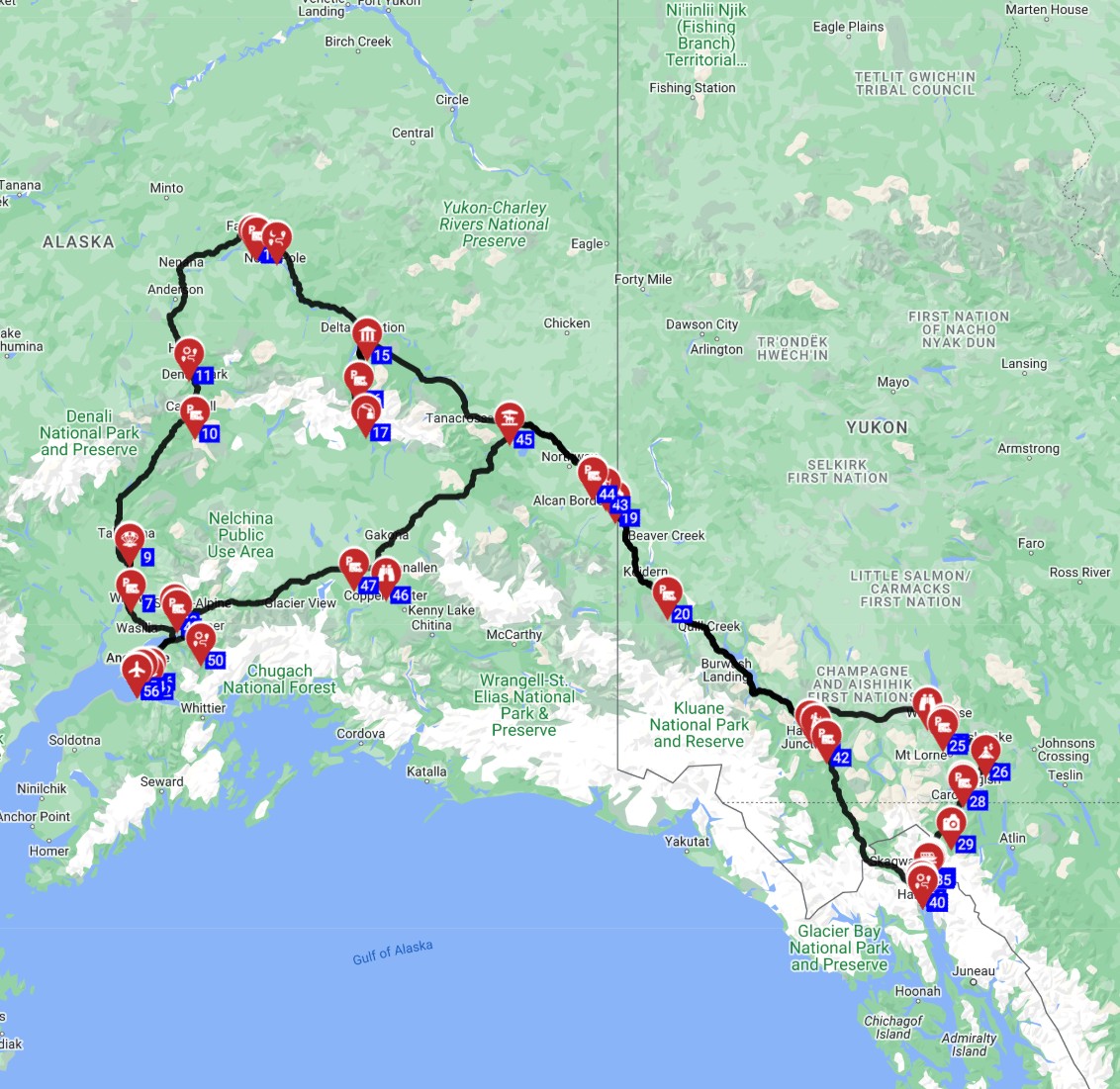
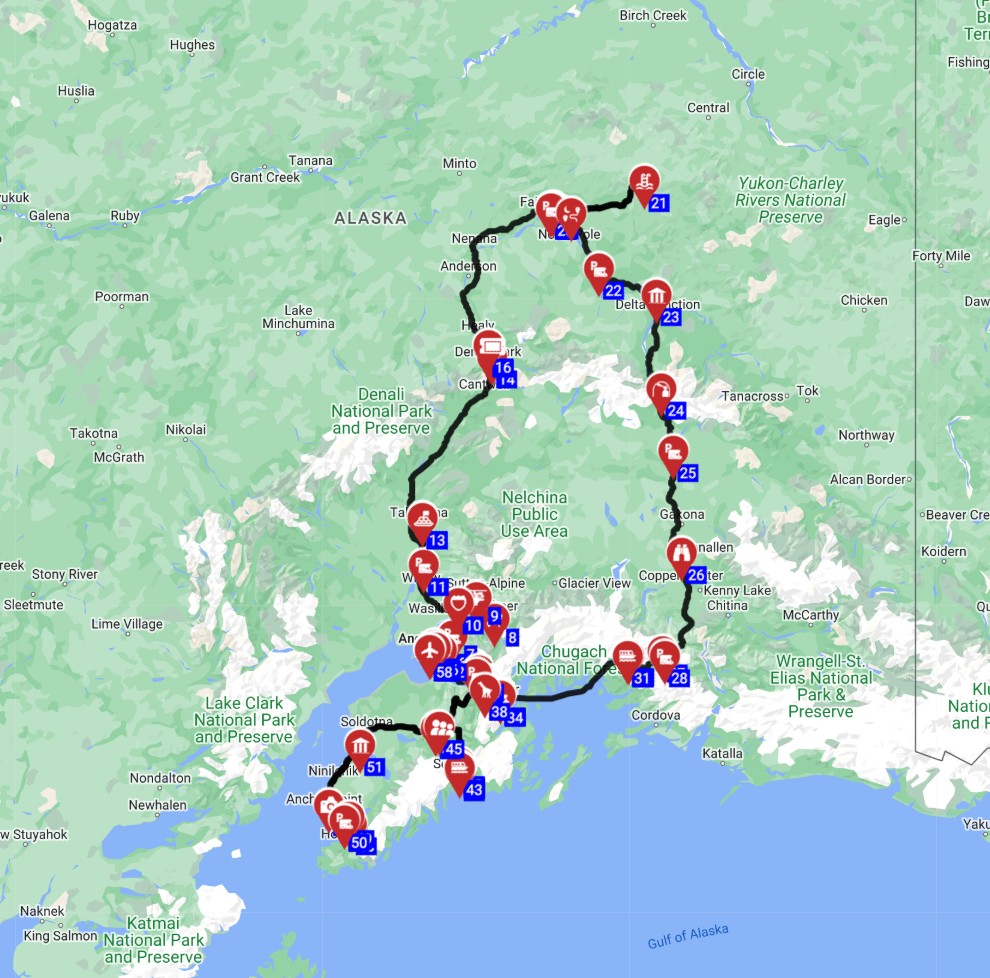
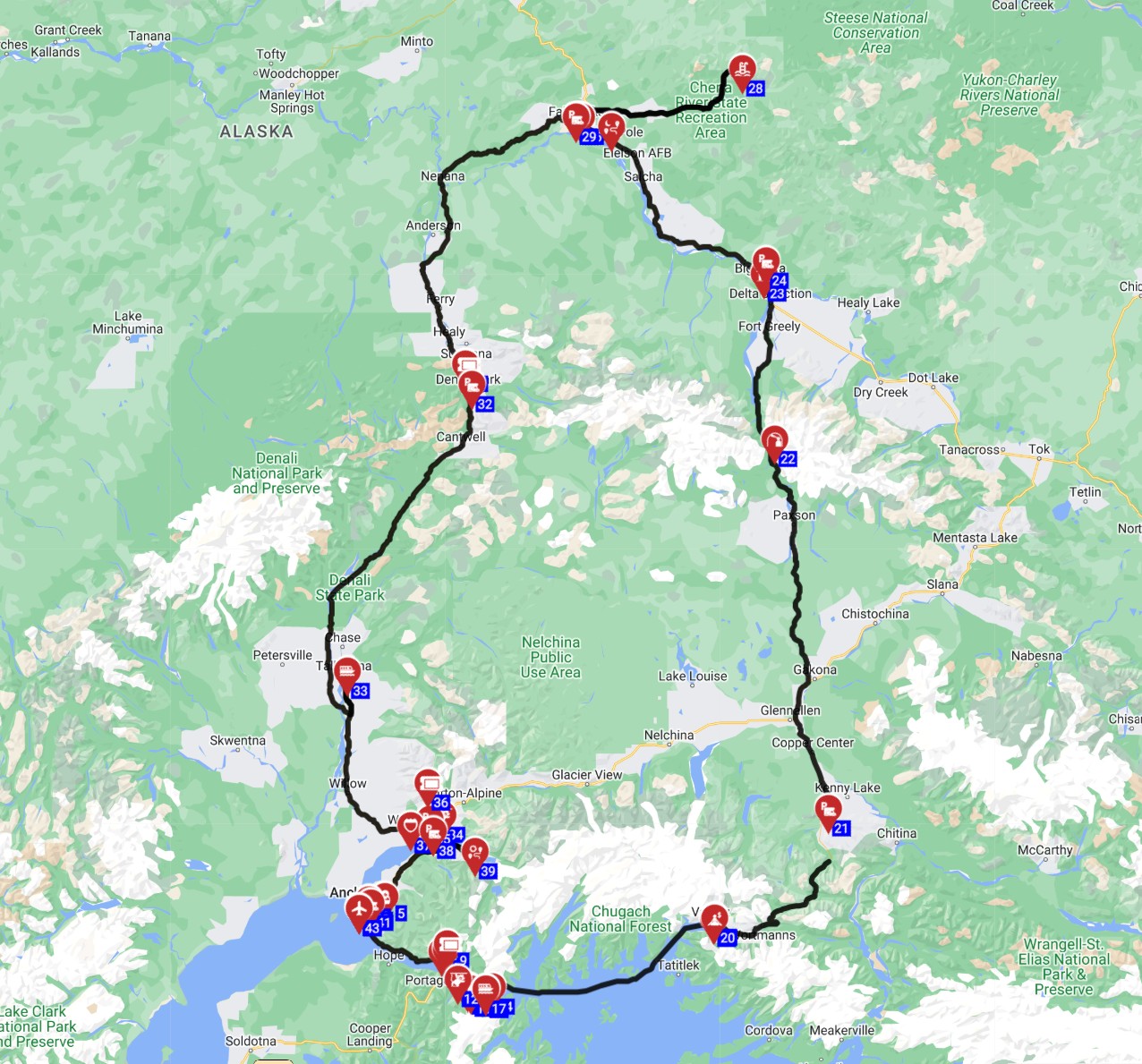
Both diesel and petrol (gasoline) are widely available across Alaska, although fueling stations can be quite sparse in very remote regions like parts of the Dalton Highway, necessitating diligent trip planning for fuel stops. Based on Bandana's global fleet averages, Class C (Alcove) RVs typically consume 10-12 Liters/100 km, while more compact Class B (Camper Van) models average 8-10 Liters/100 km. Vehicles like the "cruise america rv rental example Explorer" have a fuel consumption of 11 Liters/100 Km, and a "rv rentals utah example Sunrise Escape" can be 20-25 Liters/100 Km, so checking specific models is key. Fuel costs in Alaska are generally higher than in the lower 48 states, with prices often increasing significantly as you travel further from major population centers like Anchorage or Fairbanks. Budgeting for an Alaska RV trip should account for these elevated fuel prices; a vehicle consuming 10-12 Liters/100 km can incur substantial costs over the long distances typical of Alaskan travel. We recommend planning your route and estimating fuel consumption carefully. For routes offered through RV PLANET routes, travelers can itemize and track every expense along the way for easy budgeting, ensuring full transparency in your trip's ancillary costs.Tolls, Vignettes & Border Rules
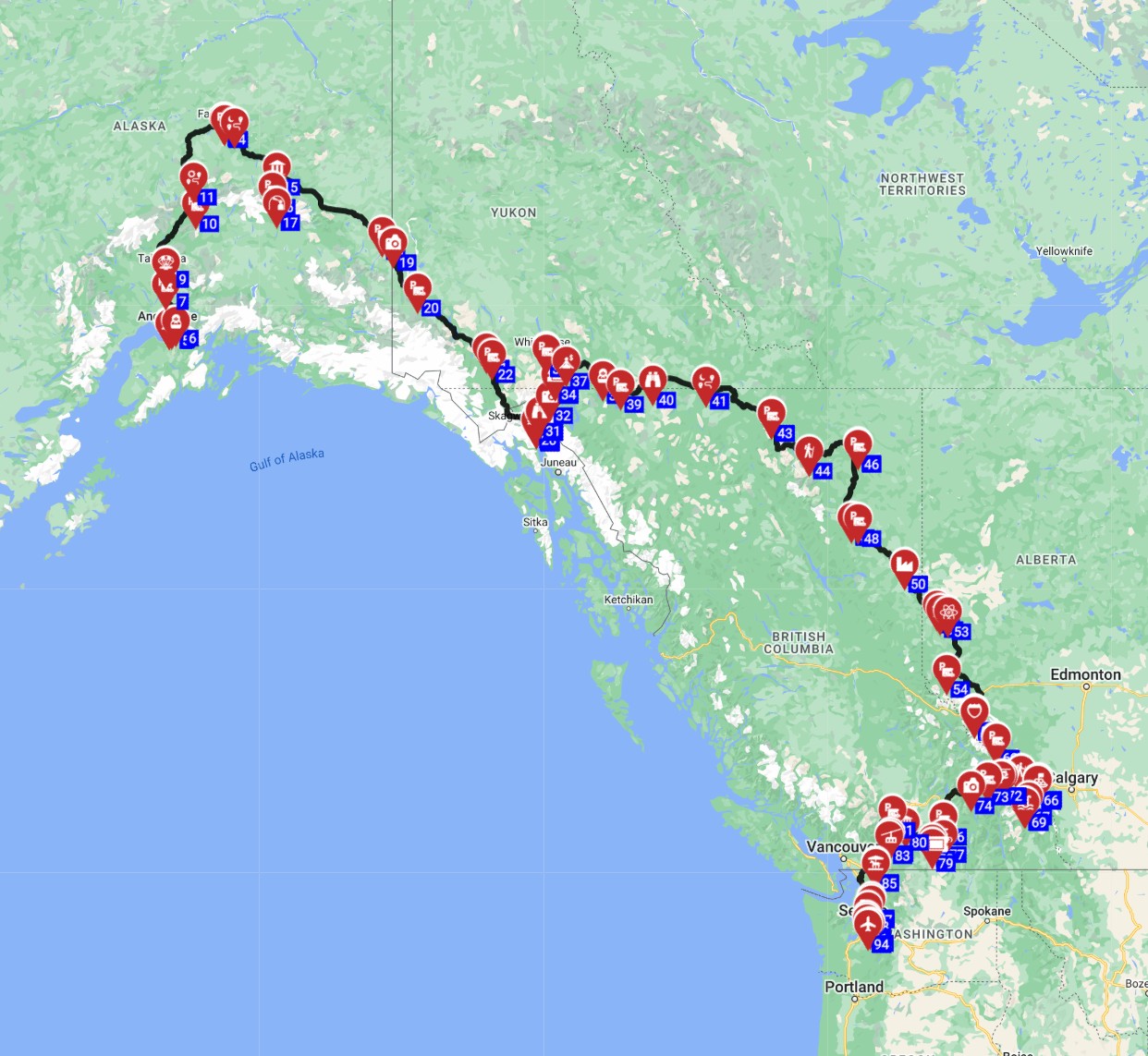
Alaska has very few, if any, toll roads or vignette systems; the primary financial considerations for travel beyond fuel are ferry costs or fees for private access roads. The most critical "border rules" for RV travelers involve driving through Canada to access Alaska via the Alaska Highway, which requires a valid passport for all travelers (including children) and valid vehicle registration and proof of insurance. Ensure your documents are up-to-date and easily accessible. Canadian customs officials may inquire about your travel itinerary, intended duration of stay, and all items being brought into the country; be prepared for thorough checks and honest declarations. It's also crucial to ensure your RV insurance policy explicitly provides coverage for travel in Canada, as some U.S. policies may have limitations. It's advisable to obtain a Canadian Non-Resident Inter-Province Motor Vehicle Liability Insurance Card (often called a Yellow Card) from your insurer for a worry-free journey. While Bandana RVs in other regions may offer options for pre-purchased toll passes, tolls are not a significant factor for overland travel within Alaska itself; focus your planning on meticulous preparation for the US-Canada border crossing.Driving Tips for RV Rental Travelers
For RV rental travelers in Alaska, constant wildlife awareness is paramount; drive defensively and scan roadsides constantly, especially during dawn and dusk, for moose, bears, and other animals. If an animal enters the road, know to brake slowly and avoid aggressive swerving to maintain control of your large mobile home. Alaska's roads, particularly those with gravel sections or frost heaves, are best navigated at slower, cautious speeds to ensure safety, comfort, and prevent vehicle damage. Travel slowly, max 100-150 km per day on average, to fully immerse yourself in the incredible scenery. Connectivity challenges are common in many remote Alaskan areas, so prepare for limited or non-existent cell service and internet connectivity. Consider renting or bringing a satellite communication device for emergencies to maintain peace of mind. A comprehensive emergency kit including extra food, water, a first-aid kit, a spare tire, essential tools, and cold-weather gear is a must, even during summer months. With extreme daylight hours in summer due to the "Midnight Sun," utilize blackout curtains or eye masks in your rented RV to maintain a consistent sleep schedule and manage light exposure during camping. Popular destinations like Denali National Park require advance reservations for transit buses, campgrounds, and backcountry permits, especially during the peak summer season, due to high demand. You'll find a spot. If not at the first campground, then the next one. Call ahead before driving. For finding campsites and campgrounds during your trip, we recommend using RV PLANET (rvplan.net) - a great resource for locating available spots along your route.Recommended RV Class for Alaska Roads
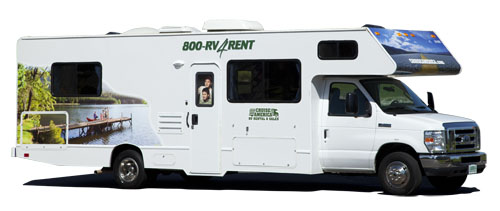
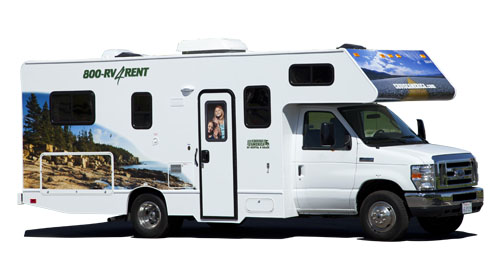
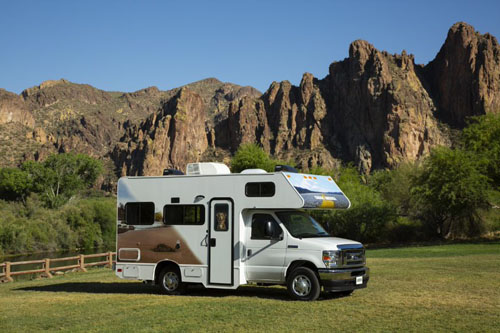
For most Alaska road trips, a Class C (Alcove) or a Class B (Camper Van) RV from Bandana's fleet offers an excellent balance of comfort, maneuverability, and practical amenities suitable for Alaskan roads. Imagine the freedom of a Class B campervan like the "Category Van" or "Patagonia Camper 4x4 double cab" as you navigate scenic byways. A Class C (Alcove) RV, with models like "alaska rv rental example Category C" or "Adak Argonaut 21 - Gold" averaging lengths around 7.5 meters and sleeping for 5-6 people, provides ample living space and amenities for families, capable of handling most paved highways and well-maintained gravel roads comfortably. Class B (Camper Van) RVs, averaging 5.8 meters in length with sleeping for 2-3 people, are ideal for couples or small groups seeking greater agility, easier parking, and better fuel economy on Alaska's diverse routes. Models like "rv rental denver example Category Van" or "luxury rv rentals example Carthago Malibu 600" offer a compact yet fully equipped experience. While larger Class A (Integrated) RVs can certainly navigate Alaska's main arteries, their size (often 9-10 meters or more, like a "MHLUX" which is 10.7m long) may present challenges in certain smaller campgrounds, parking lots, or on more rugged unpaved side roads. Class C and B options generally offer more flexibility for exploring the breadth of Alaska's diverse landscapes. For those planning a luxurious RV trip, consider our Luxury RV Rental in Alaska - Premium Prices 2026 guide.Should I Choose a Compact Van Instead of a Large RV in Alaska?
Most RV sizes can be successfully driven on Alaska's main roads, meaning the choice between a compact van and a larger RV often hinges on personal preference for comfort, desired amenities, and group size rather than strict maneuverability limitations. If you're a couple looking for efficiency and ease of parking, a Class B campervan like the "2 Berth Hi Top" or "Active Classic" could be perfect. A compact van, such as Bandana's Class B (Camper Van) models, offers advantages in fuel efficiency, easier parking in towns, and greater agility for navigating smaller roads or ferry terminals. Larger RVs like Class C (Alcove) or Class SI (Semi-integrated) provide significantly more interior living space, dedicated sleeping areas, full kitchen facilities (perfect for preparing meals like those in our RV-friendly recipes playlist), and expanded storage, enhancing comfort during longer trips or periods of inclement weather. While a compact van may offer slightly better handling on very narrow or exceptionally winding unpaved roads, these types of routes are not typical for major Alaskan tourist itineraries. Most popular destinations are accessible by standard-sized RVs, and remember, you can drive almost anywhere without issues if you drive slowly and carefully. When considering which motorhome is right for you, consider your travel style, the number of people in your party (a "Paradise Family 5" sleeps 5, while a "Luxury Small" sleeps 2), and how much time you anticipate spending inside your RV versus actively exploring the outdoors.Can I Park Anywhere? Free & Wild Camping Rules in Alaska
No, you cannot park your RV just anywhere in Alaska for overnight camping; legal overnight parking is restricted to designated campgrounds, private property with explicit permission, or certain public lands where dispersed camping is specifically permitted. Understanding local regulations is key to avoiding issues. Dispersed camping (also known as boondocking) is generally allowed on lands managed by the Bureau of Land Management (BLM) and in some National Forests in Alaska, provided you adhere to Leave No Trace principles and specific local regulations. It is illegal to overnight park in Alaska State Parks outside of designated campsites, or on private property without the property owner's direct consent. Always check local ordinances for specific cities and towns, like Anchorage or Fairbanks, regarding street parking or overnight stays in municipal areas, as many have explicit restrictions. Rules for free and wild camping vary significantly by region and land management agency; always verify current local regulations and heed all posted signage before parking overnight. Many national and state parks only reserve 25-30% of their spots, leaving the rest for first-come-first-serve campers, so you'll always find a spot. If not at the first campground, then the next one; just call ahead before driving. For pre-planned routes and campsite guidance, RV PLANET (rvplan.net) offers fantastic itineraries.Can I Drive an RV Into the City Center? Heights, Tunnels & Local Signage
Yes, you can generally drive an RV into city centers in Alaska, such as Anchorage or Fairbanks, as most main roads are designed to accommodate large vehicles, but close attention to specific local signage is crucial. Alaska’s urban areas are accustomed to larger vehicles, so don't feel restricted by your motorhome's size. Drive slowly and carefully, and you can drive almost anywhere without issues. No need to stress - just use common sense and pay attention. Be aware of potential height restrictions for parking garages, drive-thrus, or rare low underpasses; always know your rented RV's exact height before entering tight spaces. Tunnels are not a common or significant restriction for RVs on major routes within Alaska's cities. However, parking in city centers can be challenging due to limited large-vehicle spots; look for designated RV parking areas, or consider parking on the outskirts and utilizing local public transportation if available. Always pay close attention to local signage regarding vehicle dimensions, one-way streets, and resident-only parking zones to avoid fines or difficult maneuvers. Our RV Rental Alaska - Complete Guide 2026 offers further insights into city driving.🎬 Video coming soon
What You Shouldn't Miss
- Drive the Alaska Highway (Alcan): Experience the epic 2,232 km journey through Canada to reach Alaska, encountering diverse wildlife and stunning vistas along the way.
- Explore Denali National Park: Take the transit bus deep into the park to witness Mount Denali (formerly Mount McKinley), North America's tallest peak, and spot grizzly bears and caribou. Reservations for transit buses and backcountry permits are highly recommended during peak season.
- Visit Kenai Fjords National Park: Embark on a boat tour from Seward to see tidewater glaciers, marine wildlife like orcas and puffins, and the dramatic coastal landscape. Consider renting a comfortable Class C motorhome like an "Adak Argonaut 23 - Gold" for this region.
- Experience the Midnight Sun: During a summer week-long trip, particularly in Fairbanks, enjoy nearly 24 hours of daylight, allowing for extended outdoor activities and unique camping experiences.
- Take a scenic flightseeing tour: Witness Alaska's vast wilderness, glaciers, and remote peaks from above - a truly unforgettable perspective.
- Fish for Salmon in Kenai River: Join a guided fishing trip for world-class salmon fishing, a quintessential Alaskan experience.
Looking for expert insights from Avi Bandana? Top 5 Adventures - recommendations from Avi Bandana
Final Thoughts
An RV rental adventure in Alaska offers an unparalleled opportunity to immerse yourself in one of the world's most breathtaking wildernesses. From the moment you pick up your comfortable motorhome or agile campervan, you're empowered to explore at your own pace, connect with nature, and create memories that will last a lifetime. Remember, planning is part of the fun, and with Bandana Caravan by your side, you'll have all the support you need, from transparent pricing to expert advice. Embrace the spirit of slow travel, allowing yourself time to truly feel the place, connect to the unique Alaskan culture, savor the food, and soak in the magnificent scenery. Whether you're navigating epic highways or finding a serene spot for the night, an RV is your perfect mobile base. Let the majestic beauty of the Last Frontier inspire your next great road trip. Get inspired for your next trip! Discover top destinations, planning tips, all in one place! Plan a trip itinerary in advance with minimal effort and maximum enjoyment.On the routes offered through RV PLANET routes, you can itemize and track every expense along the way for easy budgeting.