In This Guide
- Where to Camp in North Canada - Top Options
- Campground Types in North Canada (National, Private, Wild)
- Featured RV Park or Campground in North Canada
- Hookups & Amenities - What to Expect
- Booking Windows & Reservations in North Canada
- Nearby Supermarkets & Resupply Points
- Best RV Class for Camping in North Canada
- How to Save on Campgrounds in North Canada
- What is the 3-3-3 rule for RV travel?
- Can you park up anywhere in an RV in Canada?
- What are some luxury RV campgrounds in Canada?
- Can a US citizen go camping in Canada?
- How much does it cost to park an RV in Canada?
- Are there luxury RV parks?
- Where is the best campsite in Canada?
- How do I reserve campsites in Canada?
Imagine yourself embarking on an unforgettable journey through North Canada, a region of unparalleled natural beauty and raw wilderness. From the vast Yukon to the rugged Northwest Territories and the remote Nunavut, a luxury RV rental offers the perfect blend of comfort and adventure, allowing you to explore these pristine landscapes at your own pace. For live availability and current prices, start with our RV Rental North Canada - Complete Guide 2026 guide. We are true RV specialists, dedicated to helping you discover the joy of RV travel with full transparency and dedicated support.
Where to Camp in North Canada - Top Options
North Canada offers unique camping experiences in Yukon, Northwest Territories, and Nunavut, which are distinct from typical Western Canada destinations and require careful planning. In Yukon, options like Tombstone Territorial Park provide stunning scenery and varying amenities, often with 30-50 basic sites. Another popular choice is Congdon Creek Campground (Kluane National Park area), offering 60+ sites and access to incredible hiking. The Northwest Territories features campgrounds such as Fred Henne Territorial Park near Yellowknife, which boasts 100+ serviced sites (electric/water) and convenient access to the capital. For the adventurous, venturing towards the remote beauty of Nahanni National Park Reserve requires meticulous planning for RV access, often involving smaller, rugged campervans or truck campers. Nunavut, with its extremely limited established RV camping, emphasizes truly wild and self-sufficient experiences, frequently requiring specific permits and extreme preparedness due to its remote, Arctic environment. For more detailed route plans and campsite options, exploring RV PLANET routes can be highly beneficial.
Campground Types in North Canada (National, Private, Wild)
North Canada provides diverse camping types, including National Parks, Territorial Parks, private campgrounds, and Crown land for wild camping, each with distinct features. National Parks, such as Kluane National Park and Ivvavik National Park, offer regulated sites, often with limited amenities like outhouses and water pumps, requiring reservations and adherence to specific rules focused on conservation. Territorial Parks, managed by the respective Yukon or Northwest Territories governments, are generally more accessible and may provide basic services like outhouses, fire pits, and water, with some offering electrical hookups at 15-30 amps. Private campgrounds, predominantly found in larger towns like Whitehorse or Yellowknife, offer the most amenities, including full hookups (30-50 amp), laundry, showers, and Wi-Fi, often at a nightly rate of CAD $40-80. Wild camping (boondocking) on Crown land is permitted in many areas but requires a thorough understanding of local regulations, respect for Indigenous territories (where specific permits may be needed), strict adherence to Leave No Trace principles, and extreme self-sufficiency for water, waste, and emergency preparedness. Always call ahead to campgrounds before driving long distances to confirm availability and services.
Featured RV Park or Campground in North Canada
When seeking a featured RV park in North Canada for a luxury experience, look for locations that balance essential amenities with unparalleled access to wilderness and local attractions. While traditional "resort-style" luxury RV parks with golf courses or swimming pools are rare in the remote North, a premium experience is defined by the quality of the natural setting and the reliability of services available in a remote context. An ideal choice often offers full or partial hookups (typically 15-30 amp power), clean facilities, and proximity to scenic routes like the Alaska Highway or Dempster Highway, or major Northern hubs like Whitehorse. Prioritize campgrounds known for friendly staff, reliable services, and those that can provide invaluable local insights into road conditions, fuel availability, and wildlife safety unique to the region. For instance, Robert Service Campground in Whitehorse offers 90+ sites, including full hookups and stunning views of the Yukon River, serving as an excellent base for exploring the territory in a rented camper or motorhome.
Hookups & Amenities - What to Expect
In North Canada, RV travelers should expect a range of hookup availability, from full-service sites in private campgrounds to primitive, no-service sites in remote territorial parks and wild camping areas. Full hookups (electric, water, sewer) are primarily found in private campgrounds or some larger territorial parks near towns, typically offering 15, 30, or 50 amp service. Remote areas will have limited water sources, requiring rented RVs to be self-sufficient with fresh water tanks (e.g., a "cruise america rv rental example Explorer" has an 82-liter fresh water tank) and potentially purification methods for natural sources. Dump stations are available in most larger campgrounds and some service stations, but they can be sparse on long stretches, necessitating careful planning for waste disposal. Wi-Fi and cell service are highly limited or non-existent in vast areas of the Northern wilderness; consider reliable satellite communication devices like a satellite messenger for emergency preparedness. Laundry and shower facilities are typically confined to private campgrounds or a few larger territorial parks; be prepared for self-sufficiency or limited access when planning your luxury RV rental journey. Preparing meals in your well-equipped RV kitchen is part of the adventure; you can find inspiration in our RV-friendly recipes playlist. On the routes offered through RV PLANET routes, you can itemize and track every expense along the way for easy budgeting.
Booking Windows & Reservations in North Canada
For a luxury RV rental experience in North Canada, planning ahead is advisable, especially for popular sites and during peak summer months of July and August. Parks Canada, which manages National Parks like Kluane, typically opens reservations months in advance (e.g., January–March for summer bookings), with prime spots filling quickly. However, many national park campgrounds only release 25%-30% of spots for reservations, with the remaining 70-75% being first-come, first-served (FCFS), offering flexibility for spontaneous travelers who arrive early in the day. Territorial park reservations might be less competitive or operate primarily on a FCFS basis, but it is always recommended to check specific park websites or call ahead before driving long distances into remote areas. While popular spots require advance booking, the sheer vastness of North Canada often means you will almost certainly find a place, if not at the first campground, then at the next, offering peace of mind for those with flexible plans. Luxury RV travelers seeking specific amenities such as full hookups should prioritize booking private campgrounds or well-serviced territorial parks well in advance, ideally 3-6 months before their trip.
Nearby Supermarkets & Resupply Points
Resupplying in North Canada requires careful planning due to long stretches between major towns and limited services, particularly when venturing off the main highways like the Alaska Highway or Dempster Highway. Major resupply points are typically found in larger Northern communities like Whitehorse (Yukon) and Yellowknife (Northwest Territories), where you can find larger supermarkets, hardware stores, and specialized outdoor equipment shops. Smaller communities along popular routes may have general stores with limited selections and higher prices; travelers should plan to stock up on essentials, fuel, and water when passing through larger centers, ensuring sufficient provisions for several days. It is crucial to research fuel availability and hours of operation for gas stations along your planned route, as many are small, operate seasonally, or have limited hours, sometimes hundreds of kilometers apart. Consider carrying extra fuel in approved containers and a well-stocked pantry for an extended road trip. When planning your budget for these ancillary costs, remember that RV PLANET routes allow you to itemize and track every expense along the way.
Best RV Class for Camping in North Canada
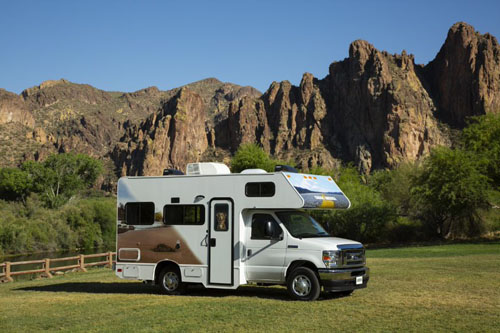
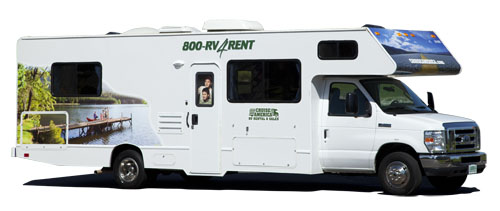
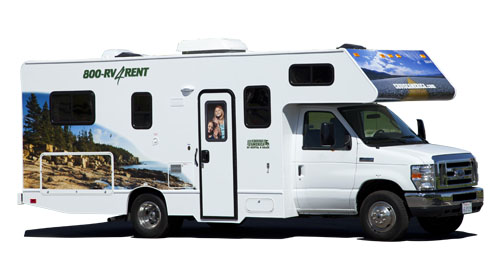
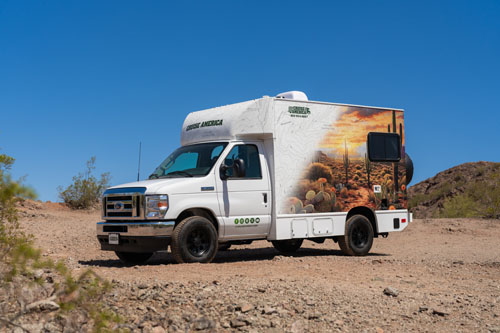
The best RV class for camping in North Canada balances luxury, comfort, and the crucial ability to navigate varied road conditions, which can include long stretches of gravel, especially when exploring further afield. Class SI - Semi-integrated motorhomes, like a "2 Berth Tamar" with automatic transmission, averaging 6.9m in length and offering 3.8 sleeping places, provide a good balance of maneuverability and amenities. These are suitable for both paved and well-maintained gravel roads while ensuring a luxurious experience. Class B - Camper Vans, such as the agile "Active Bunk Auto" which averages 5.8m in length and 3.2 sleeping places, are highly maneuverable and fuel-efficient (8-10 Liters/100 Km). They are excellent for navigating narrower or rougher roads, offering a more compact but versatile luxury option suitable for extensive boondocking in remote areas. While Class C - Alcove motorhomes (like a "4 Berth Deluxe," averaging 7.5m in length and 5.8 sleeping places) offer ample space for families, their larger size can be more challenging on unpaved or very remote Northern roads. For truly rugged and off-road capability in remote areas, a Class TC - Truck Camper, such as a "4x4 Truck Camper Gold," is an excellent choice, though often with less interior luxury space. Consider your itinerary's specific road conditions, your desired level of luxury, and your comfort with boondocking versus relying on full hookups when selecting your ideal rented RV.
How to Save on Campgrounds in North Canada
Saving on campground fees in North Canada involves strategic planning, leveraging discounts, and adapting your camping style to the unique regional conditions. Start by utilizing any campground discount cards or programs offered by your luxury RV rental provider, like Bandana's partner discounts, which can reduce nightly rates at participating private campgrounds by 10-15%. Traveling during the shoulder season (late May to early June or late August to early September) can result in lower rates and fewer crowds, while still offering favorable weather and excellent opportunities for aurora viewing. Opt for municipal or territorial campgrounds over private resorts when extensive amenities are less of a priority, as they often have significantly lower nightly fees, typically CAD $15-30. Many campgrounds offer reduced weekly rates; planning extended stays of three or more nights at a single location can lead to considerable savings. If traveling with another rented RV, inquire about sharing hookups (if allowed and feasible) or group rates, though this is less common in the remote North. Embrace boondocking or wild camping on approved Crown land where legal, which is often free and provides an immersive wilderness experience, but requires utmost self-sufficiency and adherence to local regulations.
What is the 3-3-3 rule for RV travel?
The 3-3-3 rule for RV travel is a widely recommended guideline for pacing your trip: drive no more than 300 miles (approximately 480 km) per day, arrive at your destination by 3 PM, and stay for a minimum of 3 nights. This rule is designed to promote a relaxed travel pace, significantly reduce driver fatigue, and allow ample time to set up your rented RV, explore the surrounding area, and truly immerse yourself in the luxury RV experience. Adhering to the 3-3-3 rule is particularly beneficial in North Canada, where long stretches between services, variable road conditions (including gravel sections on routes like the Dempster Highway), and abundant wildlife necessitate a more leisurely and cautious approach to driving. Slow travel, averaging 100-150 km per day, allows you to truly feel the place, connect to the culture, the food, and the stunning scenery, rather than rushing through the journey.
Can you park up anywhere in an RV in Canada?
No, you cannot park up anywhere in a rented RV in Canada; legal 'wild camping' or boondocking is generally restricted to Crown land and requires understanding specific local regulations, while private land or municipal areas typically prohibit it without explicit permission. Parking an RV without permission on private land or within city limits is often considered trespassing or illegal parking and can result in significant fines (CAD $100-$500). Crown land, particularly in the vast Northern territories, often allows for dispersed camping, but regulations vary by province/territory, and specific permits may be required for certain areas, especially within Indigenous territories. Practicing 'Leave No Trace' principles is paramount when wild camping, including packing out all waste, proper human waste disposal, and minimizing environmental impact. Always be aware of wildlife safety protocols, especially for bears, and ensure you are prepared for extreme solitude and emergencies when camping in truly remote Northern areas.
What are some luxury RV campgrounds in Canada?
While traditional 'luxury RV resorts' with extensive amenities are more common in southern Canada, in the remote North Canada, luxury RV campgrounds often translate to well-maintained sites within territorial parks or private campgrounds that offer essential services amidst breathtaking natural backdrops. The 'luxury' in the North often lies in the access to unique attractions like midnight sun viewing, aurora borealis, vast wilderness, and experiences on iconic routes such as the Dempster Highway or Alaska Highway, combined with the comfort of a modern rented motorhome. Examples of a luxury experience in North Canada include fully serviced sites at larger territorial parks near cities like Whitehorse (Yukon) or Yellowknife (NWT), offering reliable hookups and facilities in a pristine environment for approximately CAD $40-80 per night. Look for campgrounds that provide spacious, private sites, clean washrooms, reliable potable water sources, and potentially satellite Wi-Fi or local guiding services, enhancing the premium Northern adventure in your rented campervan. For comprehensive listings of campgrounds and their amenities, consult RV PLANET (rvplan.net).
Can a US citizen go camping in Canada?
Yes, US citizens can absolutely go camping in Canada, provided they meet standard Canadian entry requirements, which include a valid passport for all modes of entry, and adhere to all national, provincial, and territorial park regulations. Ensure your passport is valid for the duration of your trip, and be prepared to declare all items, including food, alcohol, and any firearms, at the border. Familiarize yourself with Canadian customs regulations, particularly regarding prohibited items such as certain foods or plants, and check current travel advisories. While not mandatory in most cases, an International Driving Permit (IDP) is recommended for visitors from non-English-speaking countries, although a standard U.S. driver's license is sufficient for operating any rented motorhome or campervan. It is also important to have appropriate RV insurance that covers travel in Canada and to understand local driving laws. For broader travel information, you might find our "RV Rental USA - Complete Guide 2026" helpful as well.
How much does it cost to park an RV in Canada?
The cost to park a rented RV in Canada varies significantly, ranging from free for approved Crown land camping (boondocking) to CAD $25-70+ per night for serviced sites in national, provincial, or private campgrounds. National and provincial park campgrounds typically charge CAD $25-50 per night for basic sites (no hookups), with serviced sites (electric, water, sewer) ranging from CAD $35-70+. Private campgrounds, especially those with extensive amenities or in popular tourist areas like Whitehorse, can charge CAD $40-80+ per night for full-service sites. Territorial parks in North Canada often have fees comparable to provincial parks, generally CAD $15-30 for basic sites, with some offering power for an additional charge of CAD $5-10. Additional costs may include daily park entry fees (e.g., Parks Canada Discovery Pass, approx. CAD $72 for a family annual pass), firewood (CAD $8-12 per bundle), dump station usage if not included (CAD $5-15), and pet fees (CAD $2-5/night). The final price for your RV rental, like a luxury motorhome, is dynamic and set at actual booking time, similar to flight tickets.
Are there luxury RV parks?
Yes, there are luxury RV parks across Canada, although in remote North Canada, 'luxury' typically translates to well-maintained sites with essential services and breathtaking natural surroundings rather than extensive resort-style amenities such as swimming pools or golf courses. In the Canadian North, a luxury RV park experience emphasizes spacious, private sites with reliable electrical (30-50 amp) and water hookups, and sometimes a sewer connection, all set within spectacular natural landscapes. These parks provide a comfortable and often exclusive base for exploring the wilderness, offering a serene environment, often with amenities like clean bathhouses, potable water, and potentially community fire pits for a truly Northern experience. The true luxury of Northern RV parks lies in their access to unparalleled wildlife viewing, aurora borealis displays, and the sheer solitude of the 'True North,' all from the comfort of your rented motorhome, such as an "Adak Argonaut 21 - Gold." For premium pricing and route ideas, explore our "Luxury RV Rental in North Canada - Premium Prices 2026" guide.
Where is the best campsite in Canada?
Determining the 'best' campsite in Canada is subjective, depending on individual traveler preferences, but for a luxury RV experience in North Canada, top contenders offer a blend of essential amenities, stunning natural beauty, and access to unique northern activities. For scenic beauty and unparalleled wilderness access, destinations like Tombstone Territorial Park in Yukon are highly rated, offering breathtaking mountain views and extensive hiking opportunities from its 30+ primitive sites. Campgrounds near Whitehorse, Yukon, or Yellowknife, NWT, such as Fred Henne Territorial Park, might be considered 'best' for luxury RVers seeking full hookups and convenient access to town services and attractions. For an unparalleled remote wilderness experience, though more challenging for larger RVs, locations like the periphery of Nahanni National Park Reserve (NWT) offer a profound connection to nature. The 'best' campsite in North Canada will align with your desired balance of comfort, accessibility, and the specific natural wonders (e.g., specific wildlife, aurora viewing spots, access to the Arctic Ocean via the Inuvik-Tuktoyaktuk Highway) you wish to experience during your rented caravan adventure.
How do I reserve campsites in Canada?
To reserve campsites in Canada, especially for popular national and provincial parks, you typically use online reservation systems that open several months in advance, though territorial parks in North Canada may have simpler systems or more first-come, first-served options. For National Parks, visit the Parks Canada Reservation Service website (reservation.pc.gc.ca), where you can search for availability and book sites up to 12 months in advance for some locations, with an average transaction fee of CAD $11.50. Each province and territory manages its own park reservation system (e.g., Yukon Parks, NWT Parks), which typically launch reservations for the upcoming season in late winter or early spring. Private campgrounds usually have their own booking websites or accept reservations by phone; contacting them directly is often the best approach for securing a spot for your luxury rented motorhome. Due to the remote nature of many Northern camping destinations, always check the specific park or campground website for the most up-to-date reservation information and opening dates, as policies can vary widely. Remember that 25-30% of national park spots are reservable, with the rest often available on a first-come, first-served basis, providing flexibility if your preferred spot is booked.
What You Shouldn't Miss
- Drive the Dempster Highway: Experience one of Canada's most iconic and challenging routes, leading to the Arctic Circle and beyond into the Northwest Territories. Ensure your rented RV is prepared for gravel and remote conditions.
- Experience the Midnight Sun in Yukon: Visit Whitehorse or Dawson City in June or July to witness the spectacular phenomenon of 24 hours of daylight, perfect for extended evening explorations.
- Chase the Aurora Borealis: From late August to April, the dark, clear skies of North Canada offer some of the best opportunities worldwide to witness the mesmerizing Northern Lights from your cozy motorhome.
- Explore Kluane National Park and Reserve: Home to Canada's highest peak, Mount Logan, and massive icefields, this UNESCO World Heritage site in Yukon offers unparalleled hiking, wildlife viewing, and majestic scenery.
- Visit Yellowknife, NWT: Explore the vibrant capital of the Northwest Territories, famous for its houseboat community, Diamond Centre, and as a prime viewing location for the aurora.
- Looking for expert insights from Avi Bandana? Top 5 Adventures - recommendations from Avi Bandana: Avi suggests exploring the remote Carcross Desert, a series of unique northern sand dunes, and the quirky Signpost Forest in Watson Lake for a memorable roadside attraction.
Final Thoughts
Embarking on a luxury RV camping trip in North Canada is more than just a vacation; it's an immersive experience into one of the world's last true wildernesses. With a rented motorhome or campervan, you unlock the freedom to chase the aurora, witness the midnight sun, and explore stunning national and territorial parks at your own pace, all while enjoying the comforts of home.
Remember, the key to a successful Northern adventure lies in planning and preparation, particularly regarding resupply points, varied road conditions, and campground availability. But don't let the remoteness deter you – with the right information and a spirit of adventure, North Canada offers unparalleled rewards.
Ready to plan your unforgettable journey? Compare Luxury RV Rentals in North Canada now and let Bandana Caravan help you find the perfect motorhome for your epic Northern escape!