For live availability and current prices, start with our RV Rental Japan - Complete Guide 2026 guide.
In This Guide
- Where to Camp in Japan — Top Options
- Campground Types in Japan (National, Private, Wild)
- Featured RV Park or Campground in Japan
- Hookups & Amenities — What to Expect
- Booking Windows & Reservations in Japan
- Nearby Supermarkets & Resupply Points
- Best RV Class for Camping in Japan
- Class SI - Semi-integrated RVs for Japan Travel
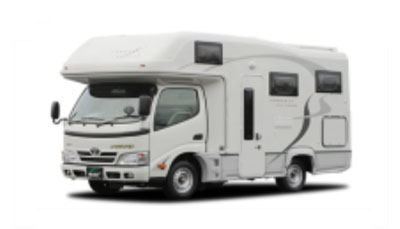
- Class C - Alcove RVs for Family Adventures in Japan
- Class B - Camper Vans: Ideal for Navigating Japan
- Class A - Integrated RVs: Luxury and Space in Japan
- Class TC - Truck Campers: Compact Versatility for Japan
- How to Save on Campgrounds in Japan
- Do You Need a Special License to Drive an RV in Japan
- Is it easy to drive an RV in Japan
- How Much Does an RV Rental Cost in Japan
- Can You Camp Anywhere in Japan
Where to Camp in Japan — Top Options
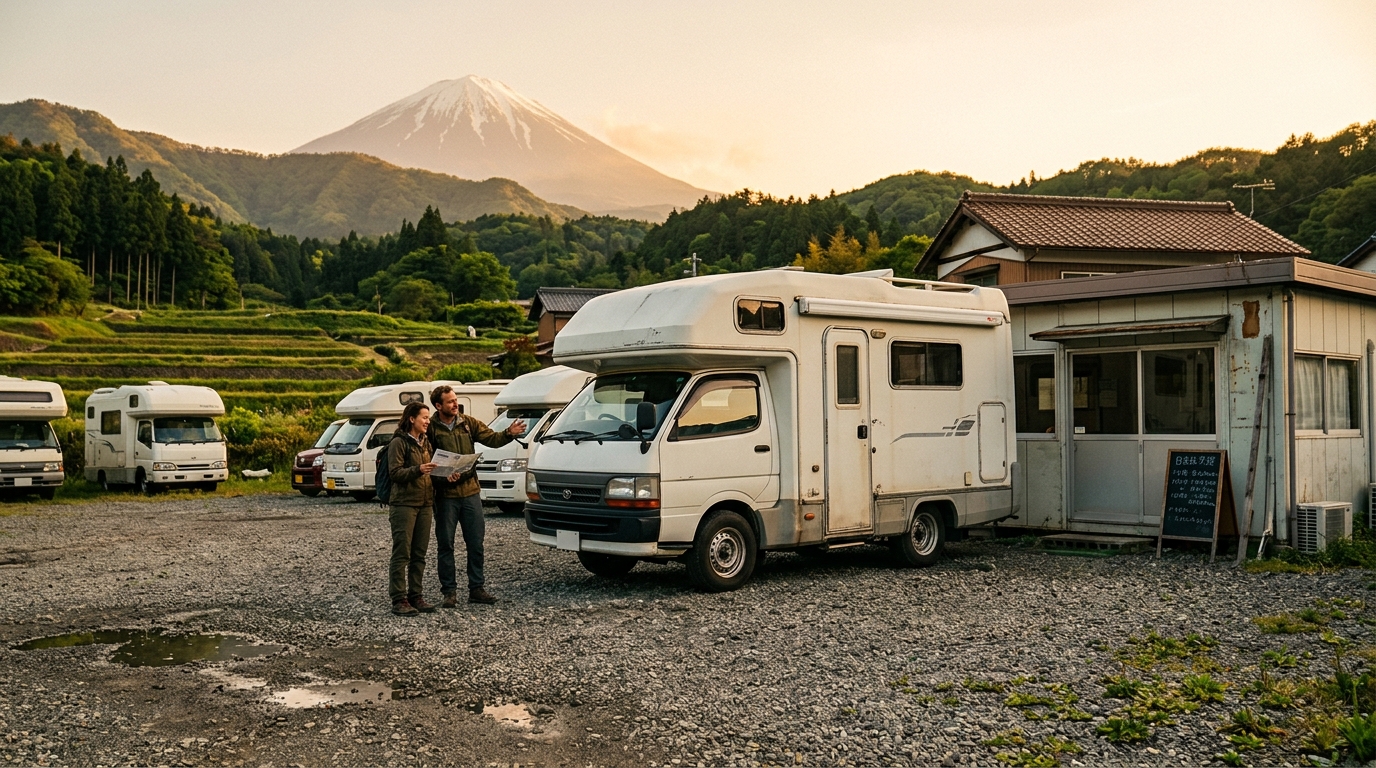
For luxury RV travel in Japan, picturesque regions offer diverse experiences, from vast natural landscapes to iconic mountain vistas. Hokkaido is a prime destination for its expansive natural beauty and cooler summer temperatures, perfect for RV exploration. The Fuji Five Lakes region provides breathtaking views of Mount Fuji with numerous well-equipped RV sites. For those seeking adventure, the Japanese Alps offer incredible hiking, access to natural hot springs (onsen), and scenic mountain drives. Coastal areas present unique seaside experiences and opportunities to savor fresh seafood. RV travel in Japan also opens doors to discovering authentic local experiences and hidden gems not easily accessible by public transport, allowing for a more intimate connection with the country's culture and scenery. Travel slowly, max 100-150 km per day on average, to truly feel the place and connect with the local culture, food, and scenery.
Campground Types in Japan (National, Private, Wild)
Japan offers various types of camping spots for RV travelers. National Park Campgrounds are situated in scenic locations and often provide basic facilities, but they are popular during peak seasons and require early booking. Private Campgrounds are typically amenity-rich, offering full hookups, modern restrooms, and family-friendly activities, though they come at a higher cost. Michi-no-Eki (Roadside Stations) are designated as free overnight parking spots for RVs, not official campgrounds, and expect basic facilities like restrooms and shops; strict etiquette is crucial, meaning no extensive setups and adherence to quiet hours. True wild camping is generally discouraged and often illegal due to cultural norms emphasizing respect for private property and public spaces. Glamping sites are an emerging luxury option, providing pre-set tents or cabins with upscale amenities and services.
Featured RV Park or Campground in Japan
When selecting a premium campsite for your luxury RV rental in Japan, look for parks offering full hookups (electricity, water, sewage) for a truly comfortable stay. Parks featuring modern and clean sanitary facilities, including showers and laundry services, are hallmarks of premium sites. On-site amenities such as convenience stores or restaurants can significantly enhance your experience. Proximity to local attractions, hiking trails, or natural hot springs (onsen) is a key advantage for exploring the region. For international visitors, sites with clear signage and potentially English-speaking staff will greatly improve ease of use and overall enjoyment.
Hookups & Amenities — What to Expect
Electrical hookups in Japan are typically 100V with Type A/B outlets; visitors from countries with 120V/240V systems will need adapters and surge protectors. Fresh water hookups are widely available and provide potable water directly to your RV. Grey and black water dump stations are standard at most full-service campgrounds. Wi-Fi availability can vary, with some parks offering free access while others may charge a fee or have limited coverage. Laundry facilities, usually coin-operated, and clean shower blocks are common amenities. Many campgrounds are located near or offer access to public baths or onsen; it's advisable to familiarize yourself with Japanese bathing etiquette before your visit. On the routes offered through RV PLANET routes, you can itemize and track every expense along the way for easy budgeting.
Booking Windows & Reservations in Japan
For a premium luxury RV travel experience in Japan, booking campsites 3-6 months in advance is advisable, especially during peak seasons such as cherry blossom viewing, autumn foliage, and national holidays. During shoulder seasons, such as late spring or early autumn, reservations 1-2 months ahead are generally sufficient, and you might find some last-minute options. Many national park campgrounds release only a portion of their spots (25-30%) for advance reservations, with the remainder being available on a first-come, first-served basis. Even for spontaneous travelers, finding a place to stay is highly probable, though it may not be your first choice; calling ahead to campgrounds is always recommended. Premium luxury RV parks, particularly those with exclusive features, tend to have tighter booking windows and experience higher demand.
Nearby Supermarkets & Resupply Points
Stocking up on groceries and fresh produce is easy with Japan's extensive network of supermarkets and convenience stores. Major supermarket chains like AEON, Ito-Yokado, Seiyu, and Life are excellent for comprehensive shopping. Ubiquitous convenience stores (konbini) such as 7-Eleven, FamilyMart, and Lawson are ideal for quick snacks, drinks, and essential items, often operating 24/7. Michi-no-Eki locations frequently feature local produce markets, selling regional specialties and fresh ingredients, which are perfect for stocking your rented RV's kitchen. Planning your resupply stops is recommended, especially when venturing into more rural or mountainous regions where larger supermarkets may be less frequent. For ideas you can prep on the road, watch our RV-friendly recipes playlist on YouTube.
Best RV Class for Camping in Japan
When choosing an RV for your Japanese adventure, smaller classes like Camper Vans (Class B) and Semi-integrated models (Class SI) are highly recommended for navigating Japan's often narrow roads and bustling cities. Vehicle length and width are critical factors for maneuverability, especially when accessing remote natural sites or traditional towns. Evaluate the sleeping capacity against your travel group size to ensure comfort. Fuel efficiency is a practical consideration, given Japan's expressway tolls and fuel costs. Luxury RV options are available across various classes, offering premium interiors and features regardless of size, allowing you to find the perfect balance of comfort and practicality for your journey.
Class SI - Semi-integrated RVs for Japan Travel
Bandana's global fleet of Class SI (Semi-integrated) RVs typically averages around 6.9 meters in length, offering a balanced blend of spaciousness and maneuverability. These vehicles usually accommodate an average of 3-4 sleeping places, making them well-suited for couples or small families. Common fuel consumption for these models is around 10-11 Liters/100 km, providing reasonable efficiency for longer journeys across Japan's varied terrain. Their streamlined design makes them easier to handle than larger RVs, especially on Japan's diverse roads and in urban centers. Class SI RVs often feature permanent beds, a compact kitchen, and a bathroom, ensuring comfort and convenience for your travels.
Class C - Alcove RVs for Family Adventures in Japan
Class C Alcove RVs, averaging around 7.5 meters in length within Bandana's fleet, provide ample space ideal for larger groups or family adventures. These RVs typically offer 5-6 sleeping places and are suitable for accommodating an average of 4-5 adults, making them excellent for extended trips. Fuel consumption for Alcove models is commonly around 10-12 Liters/100 km, offering reasonable efficiency. The distinctive over-cab sleeping area effectively maximizes bed count without significantly increasing the vehicle's footprint compared to larger Class A models. While offering extensive living space, their larger size necessitates careful route planning to navigate narrower rural roads and manage urban centers, parking, and tolls effectively.
Class B - Camper Vans: Ideal for Navigating Japan
Bandana's Class B Camper Vans average approximately 5.8 meters in length, making them exceptionally maneuverable for Japan's roads and urban environments. These compact RVs typically provide 3-4 sleeping places and comfortably accommodate around 2-3 adults, perfect for couples or small groups prioritizing agility. Fuel consumption is efficient, ranging from 8-10 Liters/100 km, which helps reduce operational costs during your travels. Their size is comparable to driving a large passenger van, simplifying parking and access to smaller towns and attractions. Despite their compact footprint, luxury camper vans are outfitted with comfortable beds, a small kitchen, and often a compact wet bath, providing all the essentials for a convenient and enjoyable trip.
Class A - Integrated RVs: Luxury and Space in Japan
Class A Integrated RVs, averaging around 7.5 meters in length in Bandana's global fleet, offer the most spacious and luxurious RV experience available. These models typically provide 4-5 sleeping places and accommodate around 4 adults, making them ideal for travelers who prioritize comfort and extensive amenities. Fuel consumption for Class A RVs is commonly in the range of 8-12 Liters/100 km. Class A RVs feature expansive living areas, often with multiple slide-outs, full kitchens, and larger bathrooms, providing an unparalleled level of comfort. While offering exceptional luxury, their significant size necessitates careful route planning to avoid narrow roads and manage urban parking and tolls.
Class TC - Truck Campers: Compact Versatility for Japan
Class TC Truck Campers, averaging about 5.5 meters in length within Bandana's fleet, offer a highly versatile and robust option for exploring Japan's diverse landscapes. These campers typically provide 2-3 sleeping places, suitable for adventurous couples or solo travelers. Fuel consumption generally ranges from 12-17 Liters/100 km, reflecting their capable build. A key advantage of truck campers is the ability to detach the camper unit from the truck, allowing for flexible exploration and the use of the truck for day trips to areas that might be inaccessible with a full RV. Truck campers are excellent for off-road or remote camping opportunities, providing a rugged yet comfortable base for your adventures.
How to Save on Campgrounds in Japan
To optimize your budget for campgrounds in Japan, inquire about any specific campground discount programs or partnerships that rental companies might offer, which can reduce rates at participating sites. Traveling during the shoulder seasons, such as late spring or early autumn, typically results in lower rates and fewer crowds compared to peak times. Opting for municipal or regional campgrounds is often more affordable than staying at privately owned, resort-style parks. Many campgrounds provide extended stay discounts, with rates often decreasing for weekly or multi-night bookings (e.g., stays of 3 or more nights). If traveling in a convoy, explore options for sharing hookups or splitting site costs with other RVs, where permitted by the campground.
Do You Need a Special License to Drive an RV in Japan
Most foreign visitors will require an International Driving Permit (IDP), obtained in their home country before arriving in Japan, to legally drive an RV. The IDP must be presented alongside your valid national driving license. For residents of certain countries, such as Germany, France, Switzerland, Belgium, Taiwan, and Monaco, an official Japanese translation of your national license, obtained from the Japan Automobile Federation (JAF), may be required instead of or in addition to an IDP. Crucially, most rental RVs in Japan, particularly Camper Vans (Class B) and Semi-integrated models (Class SI), fall within standard passenger vehicle weight limits, thus not requiring a commercial or special heavy vehicle license. Always ensure you meet the minimum age requirement set by rental companies, which is typically 21 years old, though some may require renters to be 25 for larger Class A motorhomes.
Is it easy to drive an RV in Japan
Driving an RV in Japan is manageable, particularly with smaller classes like Camper Vans (Class B) or Semi-integrated RVs (Class SI), though drivers should be prepared for specific challenges. Narrow roads are common, especially in rural areas, older towns, and when accessing certain scenic spots; therefore, careful navigation and selecting an appropriate RV size are crucial. City driving can present difficulties due to dense traffic and limited, expensive parking. Consider parking RVs at the outskirts of major cities and utilizing Japan's efficient public transport systems, such as the Shinkansen for long distances or local trains and buses for urban exploration, to mitigate these challenges. Road signs are often bilingual (Japanese and English), but having a GPS with English voice guidance is highly recommended. Remember that Japan drives on the left-hand side of the road, which may require adjustment for drivers accustomed to right-hand traffic. Toll roads are prevalent on expressways; renting an Electronic Toll Collection (ETC) card with your RV is highly recommended for convenience and potential discounts.
How Much Does an RV Rental Cost in Japan
Luxury RV rental costs in Japan typically range from ¥15,000 to ¥50,000+ per day (approximately $100–$350 USD), with variations influenced by RV class, rental duration, and the season. Detailed rental expenses include the base rental fee, which is generally higher for larger RV classes, such as Class A, and during peak travel periods. Fuel costs can be a significant factor, as most RVs consume around 10-12 Liters/100 km; it’s wise to factor in current Japanese fuel prices. Expressway toll fees are substantial; an ETC card, often available with rentals, can streamline payments and potentially offer discounts, helping to manage this expense. Campground fees can range from free (at Michi-no-Eki) to ¥2,000–¥7,000+ per night for amenity-rich private campgrounds and luxury glamping sites. Food budgets can be managed by utilizing the RV's kitchen for self-catering, taking advantage of reasonably priced Japanese supermarkets and local markets. Basic liability insurance is typically included, but travelers should consider purchasing additional comprehensive insurance options for greater peace of mind against damage or theft. Other potential costs include parking fees in urban areas, ferry charges for island travel, and entry fees for attractions or public baths.
Can You Camp Anywhere in Japan
True wild camping, meaning setting up camp on undesignated land, is generally not permitted and is culturally considered disrespectful in Japan. Michi-no-Eki (roadside stations) offer legally tolerated overnight parking for RVs but are not intended for extensive camping setups, so avoid deploying awnings, setting out chairs, or engaging in extensive outdoor cooking. Designated campgrounds, including national park sites, private RV parks, and glamping resorts, are the primary and fully accepted locations for overnight stays and accessing camping amenities. Respect for private property, local customs, and environmental preservation is paramount when considering any overnight stop. Always dispose of waste properly, minimize noise, and avoid actions that might disturb local communities or the natural environment.
What You Shouldn't Miss
- Explore the diverse landscapes of Hokkaido, from its national parks to its serene coastlines, in your rented RV.
- Experience the iconic beauty of Mount Fuji from the shores of Lake Kawaguchi or Lake Ashi, enjoying the convenience of RV-accessible viewpoints.
- Immerse yourself in the natural beauty and therapeutic waters of the Japanese Alps by visiting traditional onsen towns.
- Discover the charm of Japan's coastal regions, sampling fresh local seafood and enjoying scenic seaside drives.
- Seek out hidden gems and remote cultural experiences that are uniquely accessible by RV, away from the usual tourist paths.
- Visit a Michi-no-Eki with an onsen for a relaxing break, blending practical resupply with a quintessential Japanese experience.
Final Thoughts
Embarking on an RV adventure in Japan offers a unique and immersive way to experience the country's rich culture and stunning natural beauty. From the majestic landscapes of Hokkaido to the iconic views surrounding Mount Fuji, your rented motorhome provides the freedom to explore at your own pace.
Remember to plan ahead, especially for popular seasons, and embrace the journey by traveling slowly. With the right preparation and the flexibility that RV travel provides, you're set for an unforgettable exploration of Japan. Get inspired for your next trip! Discover top destinations, planning tips, all in one place! Plan a trip itinerary in advance with minimal effort and maximum enjoyment.
Discover Japan's diverse regions and hidden gems by comparing luxury RV rentals. Find the perfect vehicle for your adventure and start planning an experience that blends comfort, convenience, and the thrill of discovery.
Ready to find your ideal RV for Japan? Compare RV rental prices and availability across Japan to secure your adventure.