For live availability and current prices, start with our RV Rental France - Complete Guide 2026 guide.
In This Guide
- Where to Camp in France — Top Options
- Campground Types in France (National, Private, Wild)
- Featured RV Park or Campground in France
- Hookups & Amenities — What to Expect
- Booking Windows & Reservations in France
- Nearby Supermarkets & Resupply Points
- Best RV Class for Camping in France
- How to Save on Campgrounds in France
- How Much Does a Luxury RV Rental in France Cost
- Can You Wild Camp in France with an RV
- What Are Essential Apps for RV Travel in France
- How Do Tolls and Low Emission Zones Work for RVs in France
- What Are the Best RV Itineraries for France
- How Can I Travel Sustainably with an RV in France
- What Local Etiquette Should I Know for RVing in France
- What are Schengen Visa Rules for RV Trips in France
Where to Camp in France — Top Options
France offers a diverse range of camping experiences, from scenic coastal resorts to tranquil mountain retreats, with popular regions like the Loire Valley, Provence, and the Atlantic coast providing numerous excellent options for luxury RV renters. The Loire Valley is particularly ideal for exploring historic châteaux and enjoying riverside activities, boasting many campgrounds conveniently located near major attractions. Provence, renowned for its fragrant lavender fields, charming historical towns, and easy access to the Mediterranean coastline, offers a quintessential French experience. Along the Atlantic coast, you'll find expansive sandy beaches perfect for surfing and vibrant coastal towns such as Biarritz and Lacanau. For those seeking dramatic landscapes, the French Alps provide stunning mountain scenery, extensive hiking trails, and, in season, access to world-class winter sports facilities. Each region presents a unique backdrop for your French RV adventure.
Campground Types in France (National, Private, Wild)
France provides a spectrum of camping options to suit every RV traveler, from well-regulated municipal and private campgrounds to a more limited, often tolerated, approach to wild camping and dedicated *aires de service*. Municipal and private campgrounds in France range from basic communal sites to luxurious private resorts, consistently offering amenities like hookups, showers, swimming pools, and often online booking capabilities, ensuring comfort and convenience for luxury RV renters. Within national or regional parks, wild camping is typically forbidden; however, designated campgrounds within these protected areas adhere to environmental standards while still providing access to natural beauty. It's important to note that wild camping (*camping sauvage*) is generally illegal in France but may be tolerated in truly remote, unpopulated areas, away from public roads and protected sites, strictly requiring a 'leave no trace' approach. A highly practical alternative for RVers are the popular and legal *aires de service*. These are specifically designed motorhome stopovers, often free or low-cost, providing essential services such as fresh water, waste disposal, and often overnight parking, making them a highly recommended option.
Featured RV Park or Campground in France
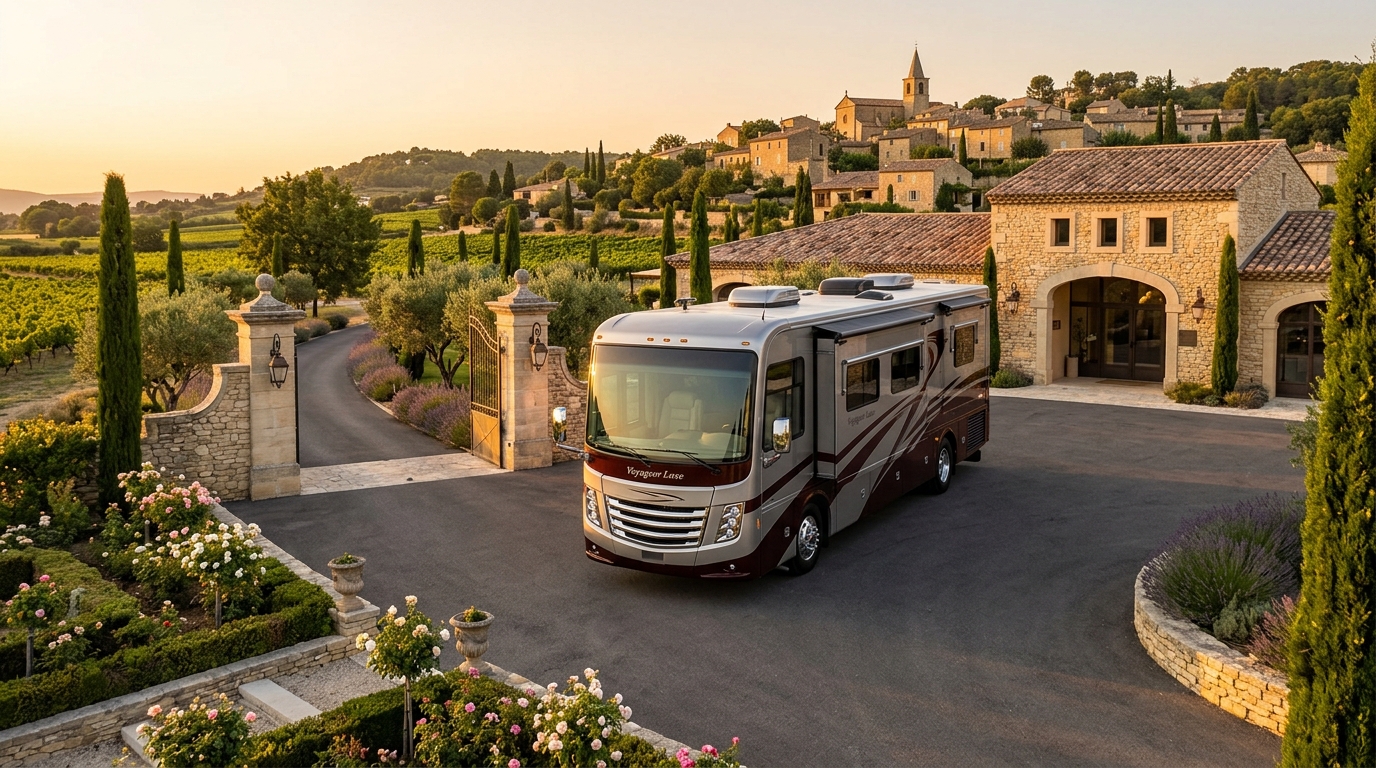
A premier RV park in France, designed to enhance the luxury RV travel experience, typically offers full hookups, swimming pools, on-site restaurants, and sometimes organized activities, often situated in scenic locations such as beachfronts or surrounded by vineyards. For discerning luxury RV travelers, the focus is on high-quality sites that prioritize spacious pitches, modern and impeccably clean sanitary facilities, and a comprehensive range of on-site amenities like gourmet dining options, spa services, or direct access to recreational activities. Many high-end campsites, frequently part of well-regarded chains such as Yelloh! Village or Les Castels, provide a complete resort experience tailored for comfort and relaxation, seamlessly blending with the luxury RV lifestyle and ensuring a memorable stay.
Hookups & Amenities — What to Expect
Luxury RV rentals in France typically come equipped for maximum comfort, and campgrounds generally offer essential hookups for a seamless experience, including electricity, fresh water, and designated waste disposal points. Expect most pitches to provide electricity connections of either 6A or 10A (220-240V); it is advisable for renters to carry a European 2-pin adapter (CEE 7/4 or Type E/F) and a sufficiently long hook-up cable. Fresh water taps are readily available, either at individual pitches or central points, alongside the crucial *'vidange'* (waste disposal) areas for grey water and cassette toilet emptying. High-end campsites often enhance the luxury experience by providing additional amenities such as heated showers, immaculate restrooms, laundry facilities, reliable Wi-Fi (sometimes requiring a premium subscription), and convenient on-site shops or restaurants, ensuring all your needs are met.
Booking Windows & Reservations in France
For a truly luxurious RV travel experience in France, it is highly recommended to book campsites well in advance, particularly during peak season (July-August) and for popular coastal or mountain regions. However, for those who prefer a more spontaneous approach, flexibility in your chosen locations can often lead to finding same-day or next-day bookings, especially in the shoulder seasons. During peak season (July and August), securing spots at popular luxury sites is essential, with bookings often needed 6-12 months ahead as they fill up very quickly. The shoulder seasons (May-June, September-October) offer a better balance of planning and flexibility, with booking a few weeks to a couple of months in advance being advisable, although last-minute availability is more common. In the off-season (November-April), finding availability becomes much easier, with many sites operating on a first-come, first-served basis or requiring minimal advance booking. While some national park campgrounds release only a portion of their spots for reservation, leaving the rest for first-come, first-served availability, it's always prudent to call ahead before driving long distances to avoid disappointment. Ultimately, with flexibility regarding specific locations, you will almost certainly find a suitable place—if not at the first campground, then the next—ensuring your luxury RV adventure continues smoothly.
Nearby Supermarkets & Resupply Points
Resupplying your luxury RV in France is exceptionally convenient, thanks to the widespread availability of major supermarket chains like Leclerc, Carrefour, Intermarché, and Super U across the country, many of which conveniently offer dedicated RV parking. These major chains provide a comprehensive range of high-quality groceries, fresh produce, and a delicious selection of regional specialties, making it easy to stock up. You'll typically find these supermarkets located on the outskirts of towns and cities, ensuring easy accessibility from main routes and generally offering ample parking spaces suitable for RVs. To further enrich your culinary experience and support local communities, complement your provisions by visiting vibrant local *marchés* (markets) for incredibly fresh, seasonal produce, artisanal cheeses, and authentic regional delicacies. On the routes offered through RV PLANET routes, you can itemize and track every expense along the way for easy budgeting.
Best RV Class for Camping in France
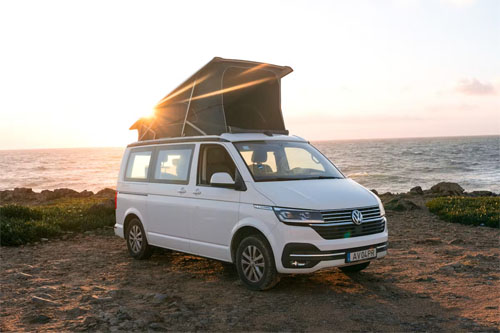
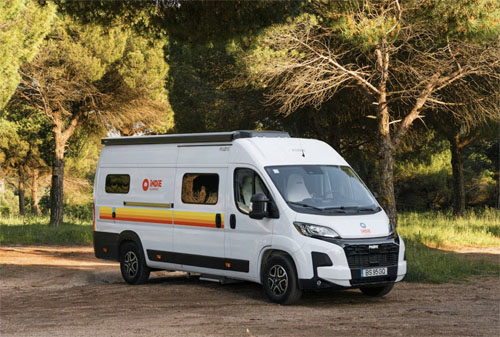
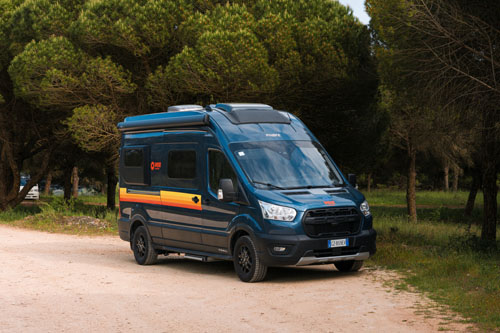
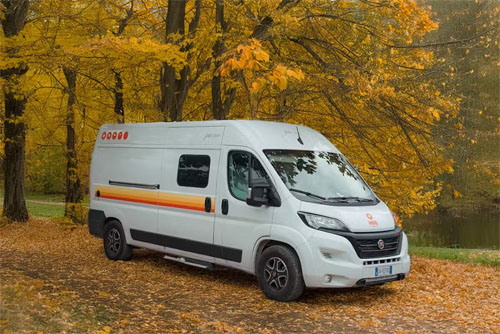
When considering the best RV class for camping in France, Class B Camper Vans, averaging around 5.8 meters in length and typically accommodating 3.2 sleeping places (an average of 2.7 adults), offer excellent maneuverability for navigating narrow village roads and provide a discreet option for *aires de service* or even tolerated wild camping. For those seeking a comfortable balance of space and navigability on longer trips with more amenities, Class SI Semi-integrated RVs, averaging 6.9 meters in length and accommodating an average of 3.8 sleeping places (around 3.4 adults), are a popular choice. These semi-integrated models provide more interior space, a more functional kitchen, and a separate washroom compared to camper vans, making them ideal for families. They offer a good compromise between comfort and manageable driving on French roads, typically consuming 10-11 Liters/100km according to Bandana's global fleet average. While Class A Integrated motorhomes offer the ultimate in luxury and space (averaging 7.5 meters in length and accommodating 4.4 sleeping places), their considerable size can present challenges on very narrow French regional roads, requiring meticulous route planning. They are best suited for open highways and larger, well-appointed campsites, consuming approximately 11-12 Liters/100km from Bandana's global fleet average. For ideas you can prep on the road, watch our RV-friendly recipes playlist on YouTube.
How to Save on Campgrounds in France
To effectively save on campground costs during your luxury RV trip in France, leverage discount cards, strategically book during the shoulder season, opt for simpler municipal sites, and consider longer stays to benefit from weekly rates. Utilizing specific campground discount cards, such as ACSI or CampingCard International, can offer significantly reduced nightly rates at participating sites, particularly when traveling outside of peak season. Traveling during the shoulder seasons, which include May to June and September to October, can dramatically lower nightly rates compared to the peak summer months, while also allowing you to experience fewer crowds. Consider opting for smaller municipal (communal) campgrounds, which are generally more basic and considerably more affordable than larger, amenity-rich private resorts. Many campgrounds extend discounts for weekly or even monthly stays; therefore, planning to stay for three or more nights at fewer locations can yield significant savings over the course of your trip. Finally, take full advantage of the numerous free or low-cost *aires de service* for overnight parking, which can substantially reduce your overall expenditure on camping fees, allowing you to allocate more budget to experiences.
How Much Does a Luxury RV Rental in France Cost
The cost of a luxury RV rental in France varies considerably, influenced by the vehicle class, rental duration, the specific season, and the included amenities, typically ranging from €1,500 to €3,500+ per week during the peak summer season. Larger, more luxurious Class A Integrated or newer Class SI Semi-integrated models will naturally command higher rental fees than more compact Class B Camper Vans. Seasonality plays a significant role, with peak season (July-August) prices being the highest, while shoulder seasons (May-June, September-October) offer better value, and the off-season provides the most affordable rates. A comprehensive budget must account not only for the rental fee but also for insurance, fuel (for example, Bandana's Class SI typically uses 10-11 Liters/100km), extensive tolls, campground fees (which can range from €20-€60 per night), and daily food expenses. To make your trip more economical, consider minimizing dining out by cooking in your RV, utilizing free or low-cost *aires de service* for overnight parking, purchasing groceries from large supermarkets, and seeking out free local attractions and activities.
Can You Wild Camp in France with an RV
While wild camping with an RV in France, known as *camping sauvage*, is strictly regulated and generally forbidden, it is often tolerated in very remote, non-protected areas, provided you practice discretion and adhere to a 'leave no trace' policy. It's crucial to understand that wild camping is prohibited on public roads, beaches, protected natural sites, and near historical monuments, with local municipal bylaws often imposing further restrictions. In truly remote, private land (always with the owner's explicit permission), or very isolated spots away from public view, discreet wild camping might be tolerated if you arrive late, leave early, and ensure absolutely no disturbance or litter is left behind. The highly recommended and vastly more practical alternative are the designated motorhome stopovers, *aires de service*. These provide legal, safe, and frequently free or low-cost options, offering essential services like water and waste disposal, making them the preferred choice for overnight stays. Always prioritize safety by parking responsibly, never blocking access, managing all waste properly, and being prepared to relocate if asked by local authorities.
What Are Essential Apps for RV Travel in France
To navigate France effectively and enhance your RV travel experience, several essential apps are indispensable, including robust navigation tools like Google Maps or Waze, dedicated RV park finders such as Park4Night or Campercontact, and vital language aids like Google Translate. Utilize Google Maps or Waze for general navigation, ensuring you input your RV's dimensions where possible to avoid low bridges, narrow roads, or unsuitable routes; however, dedicated RV navigation apps often provide more specific and safer routing for larger vehicles. Park4Night and Campercontact are particularly invaluable for locating campgrounds, *aires de service*, and even potential tolerated wild camping spots, complete with user reviews, photos, and detailed service information. For managing expenses on the road, apps like Fuel Flash can help you find the cheapest fuel stations, while Google Maps can efficiently locate dump stations, fresh water points, and other necessary local services. Google Translate is vital for real-time translations and basic communication, significantly enhancing your cultural integration and interactions with locals. Always remember to download offline maps for areas where mobile signal might be weak, and consider obtaining a local SIM card for reliable mobile internet access throughout your trip.
How Do Tolls and Low Emission Zones Work for RVs in France
France features an extensive network of toll roads (autoroutes), where RVs are typically categorized based on their height and weight, influencing the toll costs. Additionally, urban areas are increasingly implementing Low Emission Zones (ZFEs), which require vehicles to display a Crit'Air sticker indicating their emission level to gain access. Most French motorways are toll roads; RVs under 3.5 tons and 3 meters high usually fall into 'Class 2,' while larger motorhomes may be classified as 'Class 3' or 'Class 4,' directly affecting the tolls charged. For payment and convenience, while manual payment with cash or card is accepted at toll booths, using an electronic *badge télépéage* (e.g., Liber-t Vacances) is highly recommended for faster and more seamless passage. Major French cities, including Paris and Lyon, have implemented ZFEs that restrict vehicle access based on their Crit'Air sticker rating. Therefore, all vehicles, including foreign-registered RVs, must display a Crit'Air vignette to enter a ZFE during restricted hours. This sticker must be ordered online from the official French government website well in advance of your trip to avoid potential fines.
What Are the Best RV Itineraries for France
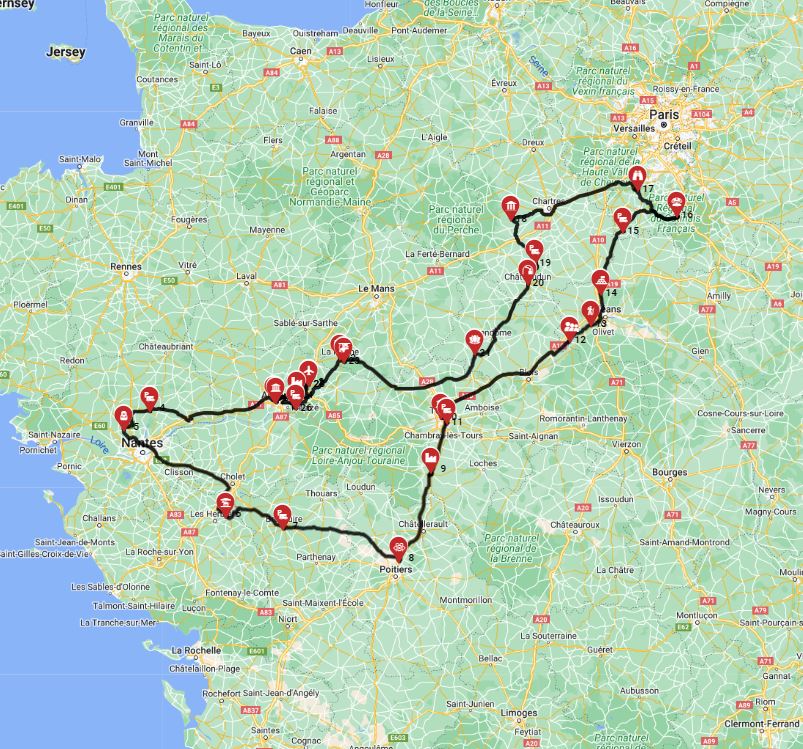
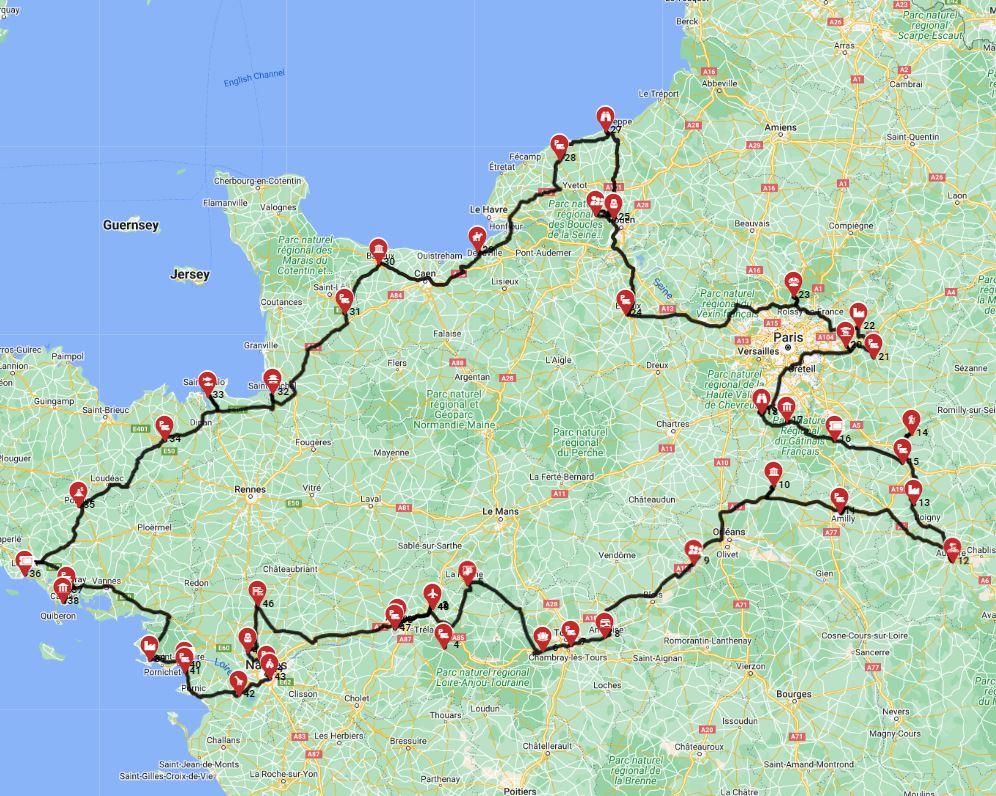
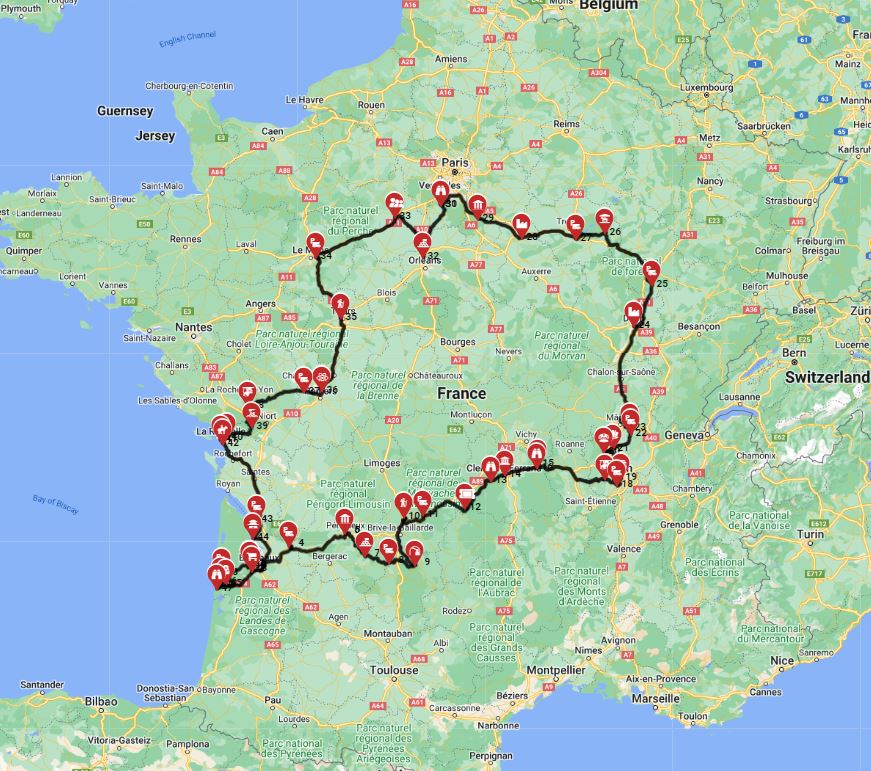
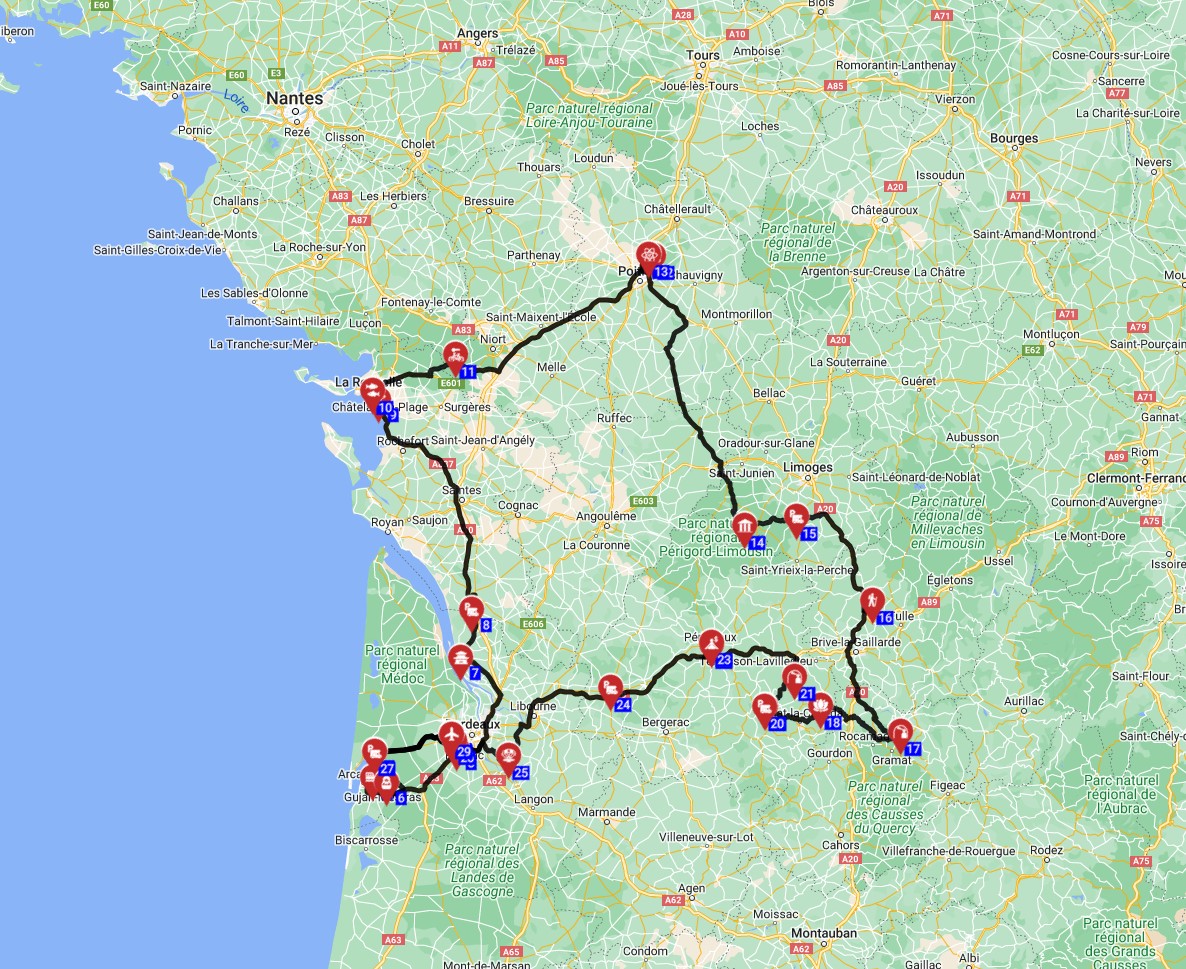
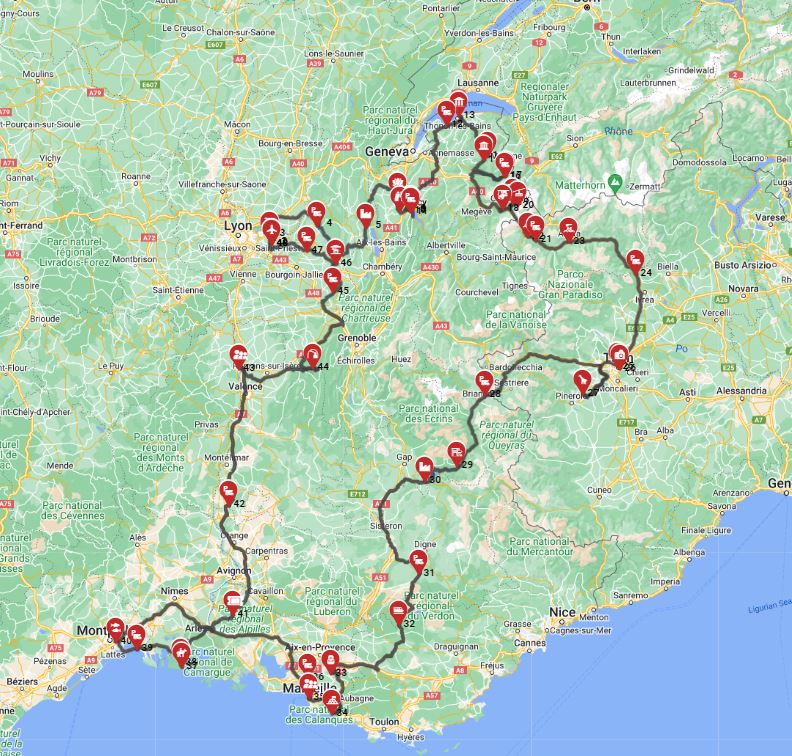
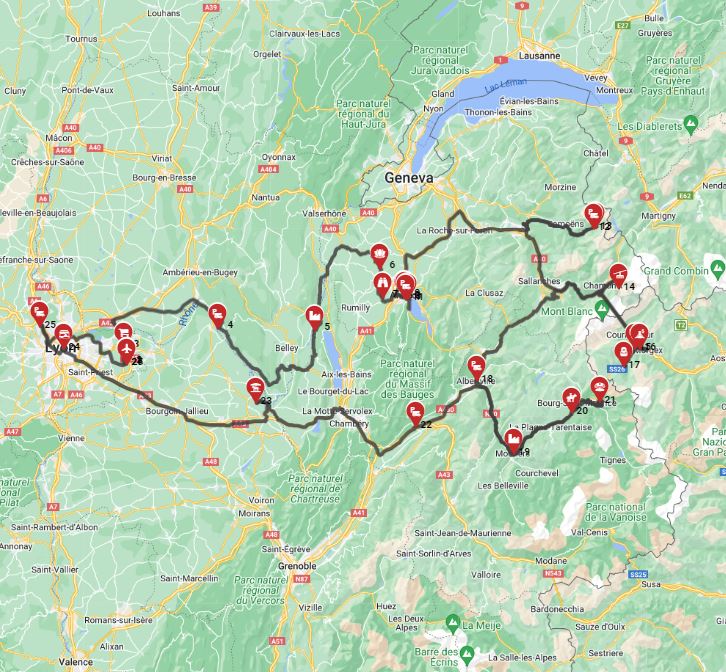
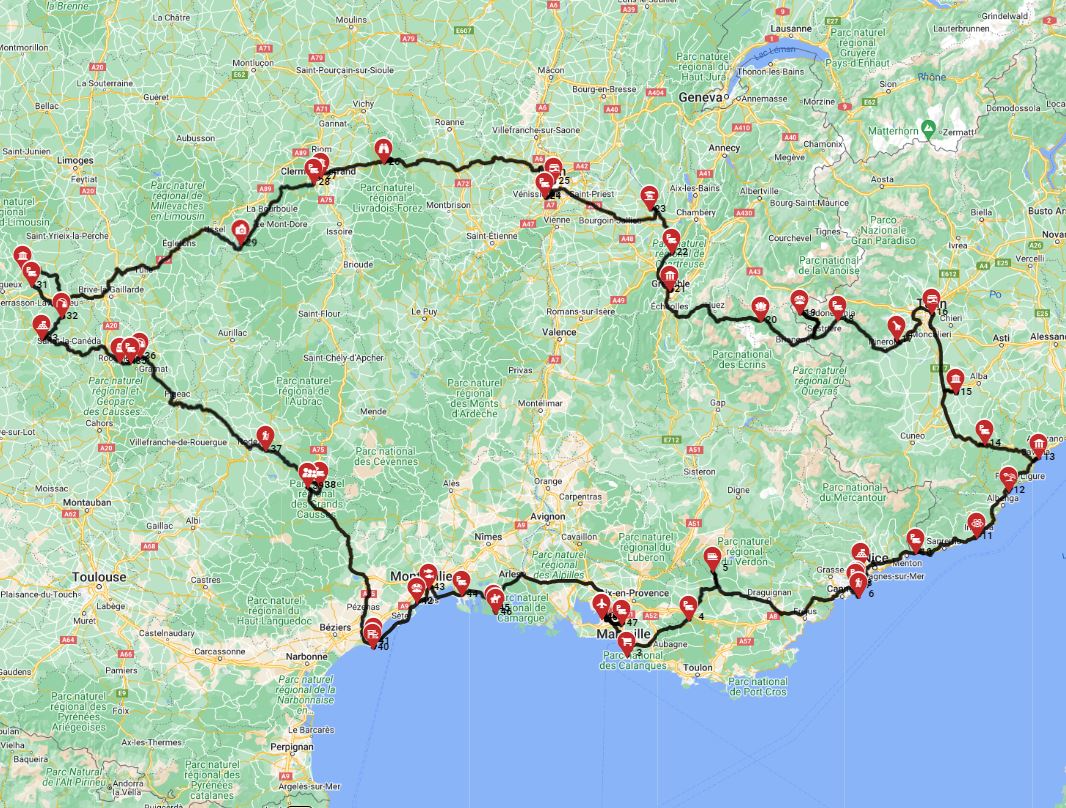
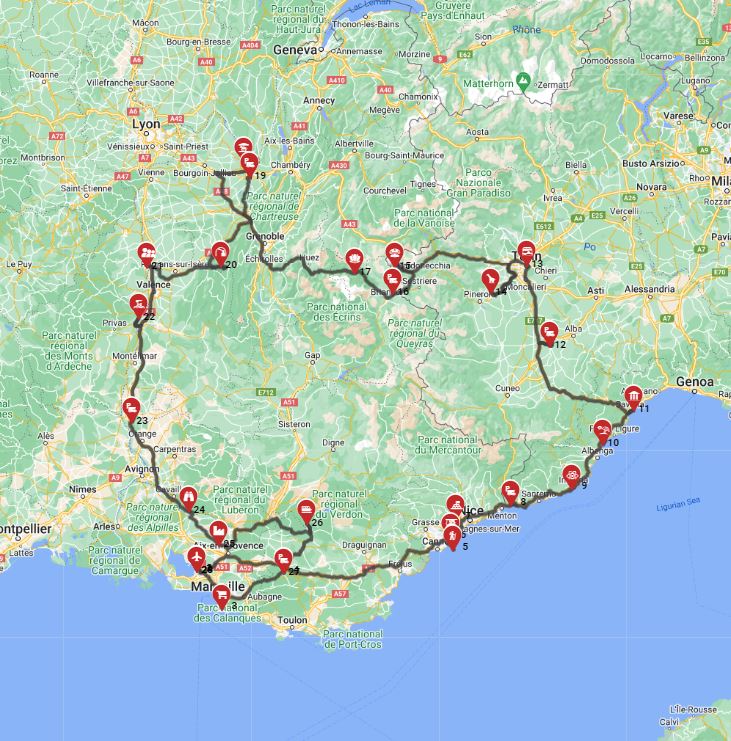
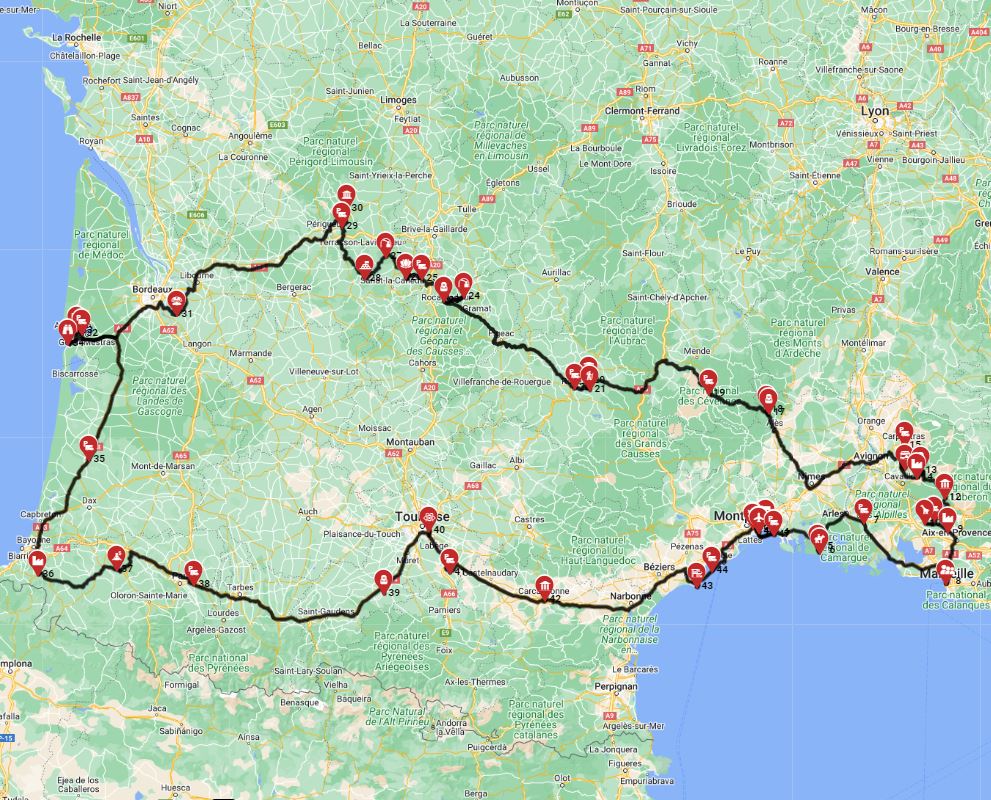
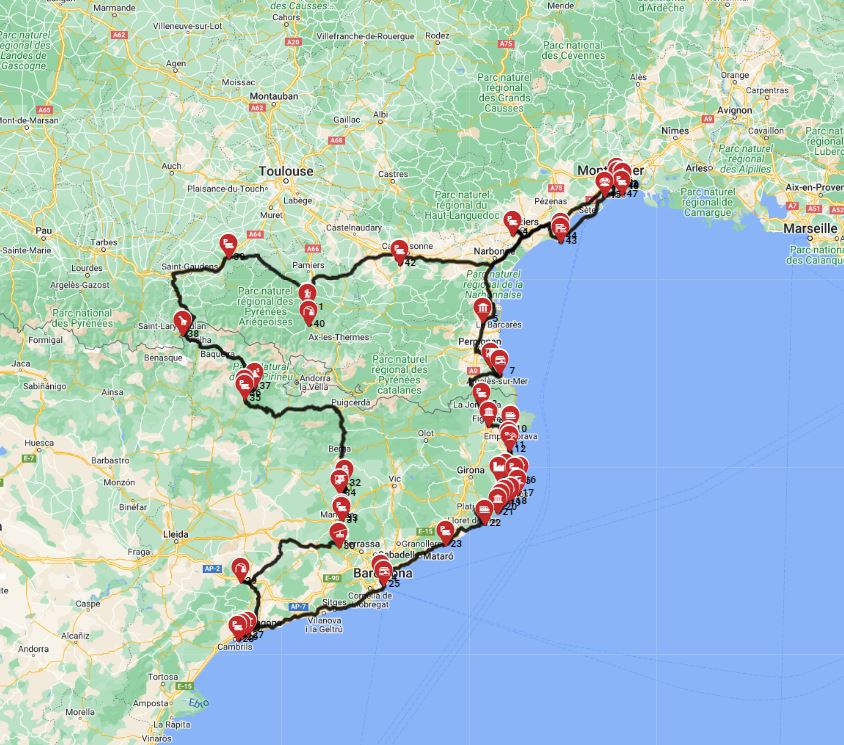
The best RV itineraries for France are those that cater to a variety of interests, ranging from historical château tours in the picturesque Loire Valley to scenic coastal drives along the glamorous Côte d'Azur, or immersive cultural explorations through the heart of Provence. For a journey through wine country, consider the Loire Valley Wine Route to discover the grandeur of iconic châteaux like Chambord and Chenonceau, with ample opportunities to visit vineyards and charming riverside towns. To witness the stunning lavender fields in full bloom, plan a trip to Provence in late June or July, and then continue to explore its picturesque hilltop villages and enjoy the Mediterranean coastline. History enthusiasts will appreciate a historical journey through the significant D-Day landing sites in Normandy, combined with visits to charming coastal towns and the majestic Mont Saint-Michel. For those seeking off-the-beaten-path experiences and fewer crowds, consider itineraries through the volcanic landscapes of Auvergne, the renowned Jura wine region, or the pristine Cévennes National Park, which offer deep immersion in nature and authentic French life. Alternatively, the Dordogne Valley presents a region rich in prehistoric caves, medieval castles, and beautiful rivers, perfect for both history buffs and nature lovers.
How Can I Travel Sustainably with an RV in France
Traveling sustainably with a luxury RV in France involves a mindful approach to resource consumption, responsible waste management, showing respect for local environments, and actively supporting local economies. By actively sorting recycling, using reusable bags, water bottles, and coffee cups, and utilizing designated waste disposal points at *aires* and campgrounds, you can significantly reduce your environmental footprint. Be conscious of water usage for showers and dishes, and manage electricity consumption efficiently, especially when operating off-grid with your RV's systems. When exploring natural areas, always stay on marked paths, avoid disturbing wildlife, never leave litter behind, and strictly adhere to all rules and regulations within national and regional parks. To directly contribute to the communities you visit, purchase produce from local markets, dine at small, family-run restaurants, and buy from local artisans. Furthermore, adopting eco-driving practices by planning your routes efficiently to reduce fuel consumption, maintaining steady speeds, and avoiding excessive idling, aligns perfectly with these eco-friendly travel principles and enhances your overall journey.
What Local Etiquette Should I Know for RVing in France
Understanding local French etiquette, from appropriate greetings and dining customs to market interactions, is key to enriching your RVing experience and fostering positive interactions with communities. Always initiate interactions with a polite 'Bonjour Monsieur/Madame' (during the day) or 'Bonsoir Monsieur/Madame' (in the evening), and use 'Au revoir' when departing to show respect for local customs. Lunch is typically served from 12 PM to 2 PM, and dinner from 7 PM onwards; service tends to be more relaxed, and while tipping is not mandatory, it is appreciated for good service, usually by rounding up the bill. At local markets, it's customary to avoid touching produce without asking; vendors prefer to select and bag items for you. When driving and parking your RV, be aware of the 'priority à droite' rule (yielding to the right at unmarked intersections) and strictly adhere to all posted speed limits. Ensure your RV is parked responsibly, without obstructing local traffic or private access. Finally, maintain low noise levels, particularly during siesta hours (often 1 PM to 3 PM) and after 10 PM in residential areas and campgrounds, to respect local tranquility. While English is spoken in many tourist areas, attempting basic French phrases like 's'il vous plaît' (please) and 'merci' (thank you) is always appreciated and can significantly enhance your interactions.
What are Schengen Visa Rules for RV Trips in France
Non-EU citizens planning extended RV trips in France must familiarize themselves with the Schengen Area's '90/180-day rule,' which permits a stay of up to 90 days within any 180-day period across all Schengen countries, including France. This crucial regulation means that each day you are in the Schengen Area, you must look back 180 days to count your days of presence, ensuring you do not exceed 90 days in total. Overstaying this limit can lead to severe penalties, including fines, deportation, and potential future entry bans into the Schengen Area. For luxury RV trips extending beyond the 90-day limit, non-EU citizens are required to apply for a specific long-stay visa, such as a tourist or visitor visa, from the French embassy or consulate in their home country *before* commencing travel. Additionally, ensure your passport is valid for at least three months beyond your intended departure date from the Schengen Area and was issued within the last 10 years to comply with all entry requirements.
What You Shouldn't Miss
- Drive the Route des Grandes Alpes for unparalleled mountain scenery, navigating iconic passes like the Col de l'Iseran.
- Explore the fairy-tale castles of the Loire Valley, staying at charming campgrounds nestled along the river.
- Immerse yourself in the lavender fields of Provence during bloom season (late June to July) for a truly sensory experience.
- Trace the historic D-Day landing beaches in Normandy and visit the breathtaking Mont Saint-Michel.
- Savor local markets in Provence or Burgundy for fresh produce and regional delicacies, a perfect RV stop.
- Experience the vibrant coastal life along the Atlantic coast, from Biarritz to Lacanau, with plenty of seaside campgrounds.
Final Thoughts
France, with its diverse landscapes and rich culture, offers an unparalleled RV adventure. From the rolling vineyards of Bordeaux to the dramatic peaks of the Alps, exploring it by motorhome provides a unique sense of freedom and immersion. Remember to plan ahead, especially for peak season travel, but also embrace the spontaneity that RVing allows. With the right preparation and a spirit of adventure, your luxury RV rental in France promises an unforgettable journey.
We’re here to help you plan every step of the way, ensuring your French RV adventure is as seamless and enjoyable as possible. Start comparing motorhome rental prices for France today and get inspired for your next trip!