For live availability and current prices, start with our RV Rental California - Complete Guide 2026 guide.
In This Guide
- Where to Camp in California - Top Options
- Campground Types in California (National, Private, Wild)
- Featured RV Park or Campground in California
- Hookups & Amenities - What to Expect
- Booking Windows & Reservations in California
- Nearby Supermarkets & Resupply Points
- Best RV Class for Camping in California
- How to Save on Campgrounds in California
- What RV is best for California?
- How much does it cost to RV in California?
- What is the best month to RV in California?
- What are the best RV routes in California?
- Do I need a special license to drive an RV in California?
- Is RV camping allowed everywhere in California?
- Are RVs allowed in all California State Parks?
- What kind of RV can go to Yosemite?
- What are important RV safety tips for California?
- Is California pet-friendly for RVs?
- How can I RV sustainably in California?
- What should I pack for an RV trip in California?
- What are post-trip considerations for RV rentals in California?
- What You Shouldn't Miss
- Why Book with Bandana Caravan
- Final Thoughts
- Frequently Asked Questions
California, a state of unparalleled diversity, offers an incredible backdrop for an unforgettable RV adventure, from its sun-drenched beaches to towering Sierra Nevada peaks and vast desert landscapes. Imagine waking up to the sound of crashing waves along the Pacific Coast Highway, or stepping out your campervan door directly into the pristine wilderness of a national park. With a rented motorhome, the Golden State truly unfolds before you, offering freedom, flexibility, and comfort for every mile of your journey. For live availability and current prices, start with our RV Rental California - Complete Guide 2024 guide, which provides a comprehensive look at everything you need to know about exploring this stunning region on wheels.
Where to Camp in California - Top Options
California offers incredibly diverse camping experiences, ranging from the dramatic coastal sites near Big Sur and San Diego to tranquil mountainous retreats in the Eastern Sierra and Yosemite National Park, alongside unique desert adventures in Joshua Tree National Park. These regions are consistently popular due to their stunning natural beauty and abundant outdoor activities. Coastal areas, like those around San Clemente State Beach, provide milder weather and ocean access, while mountain destinations are perfect for hiking in summer and snow sports in winter. The desert offers unique landscapes and stargazing opportunities, best explored in cooler months.
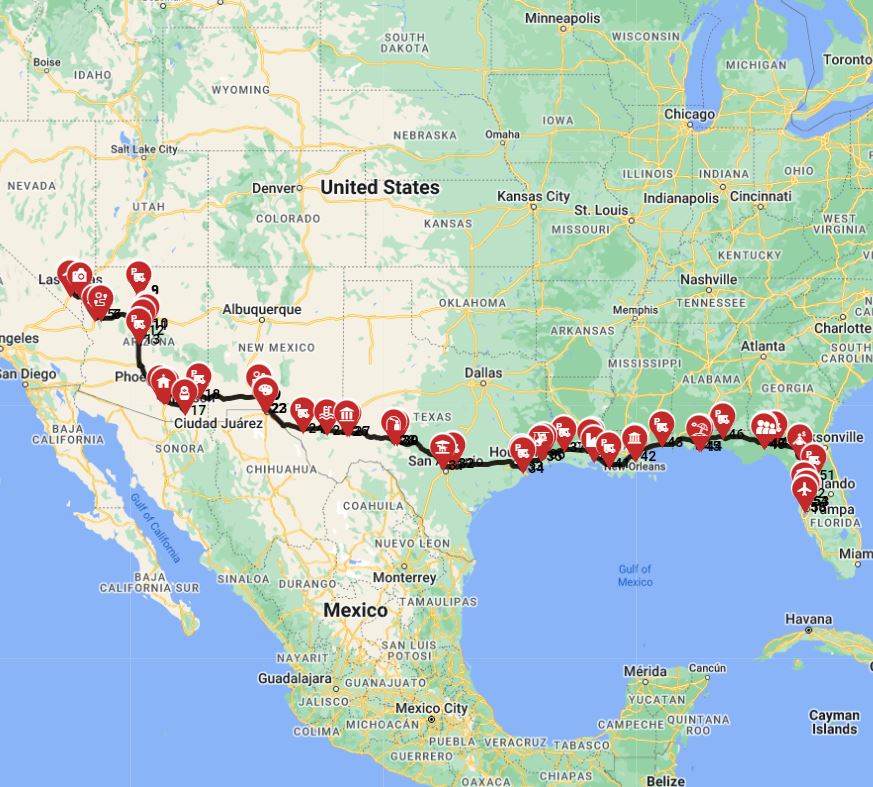
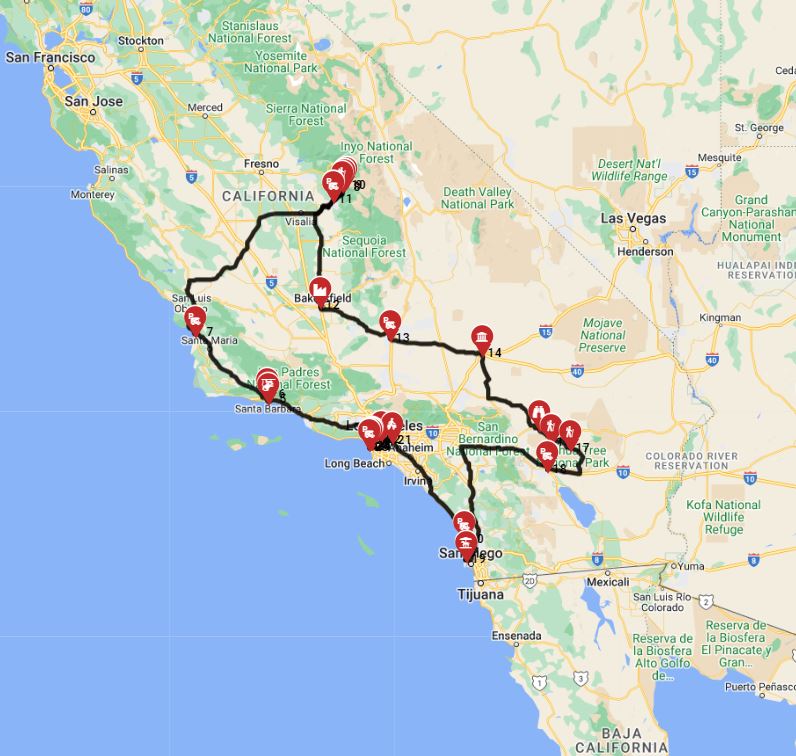
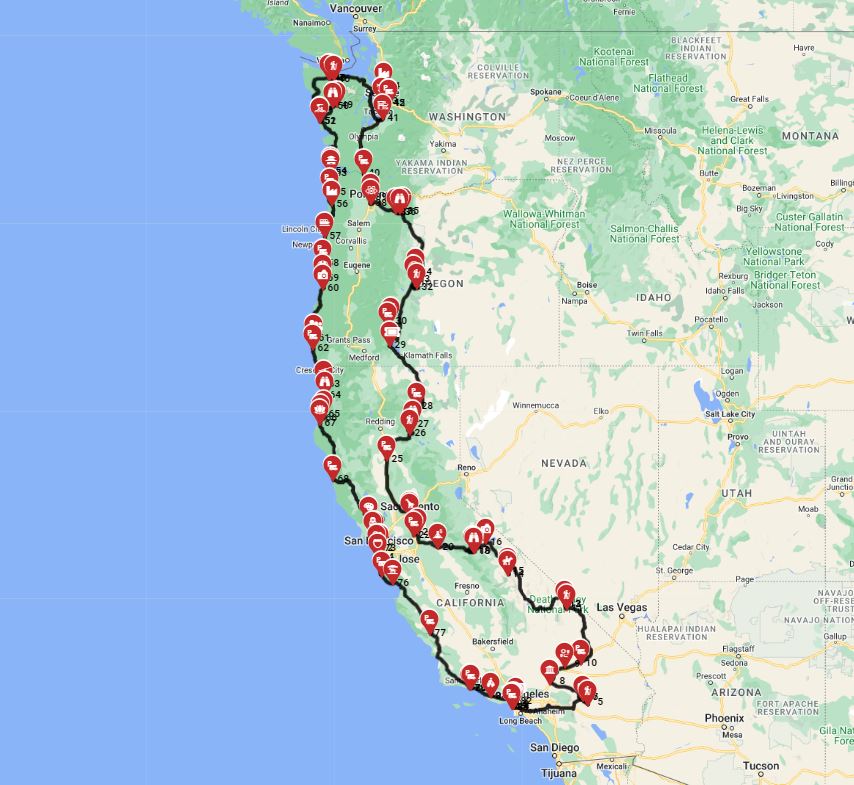
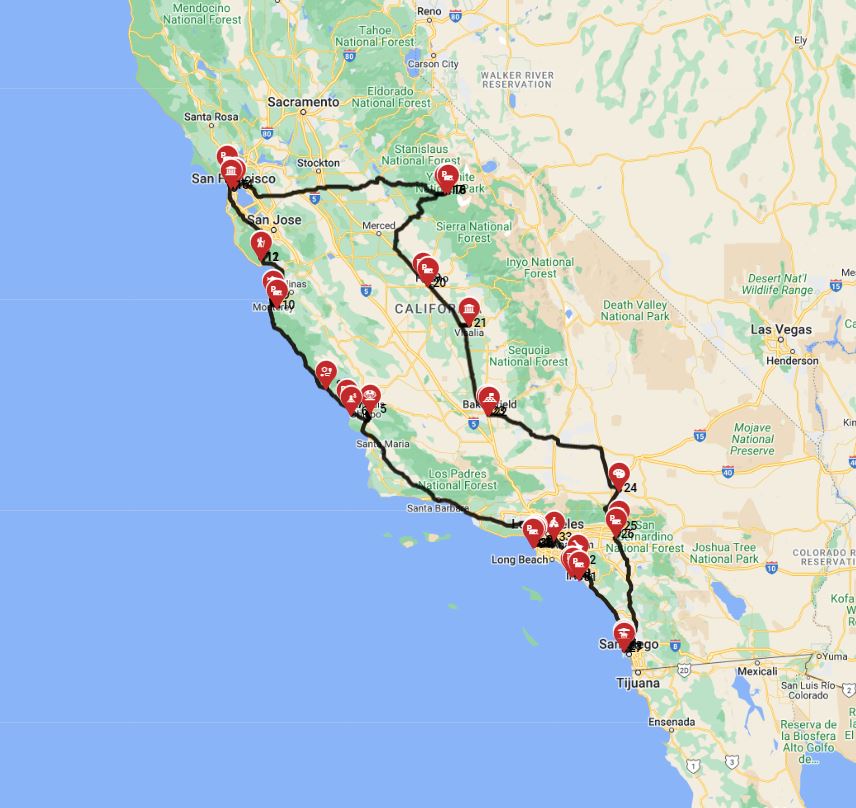
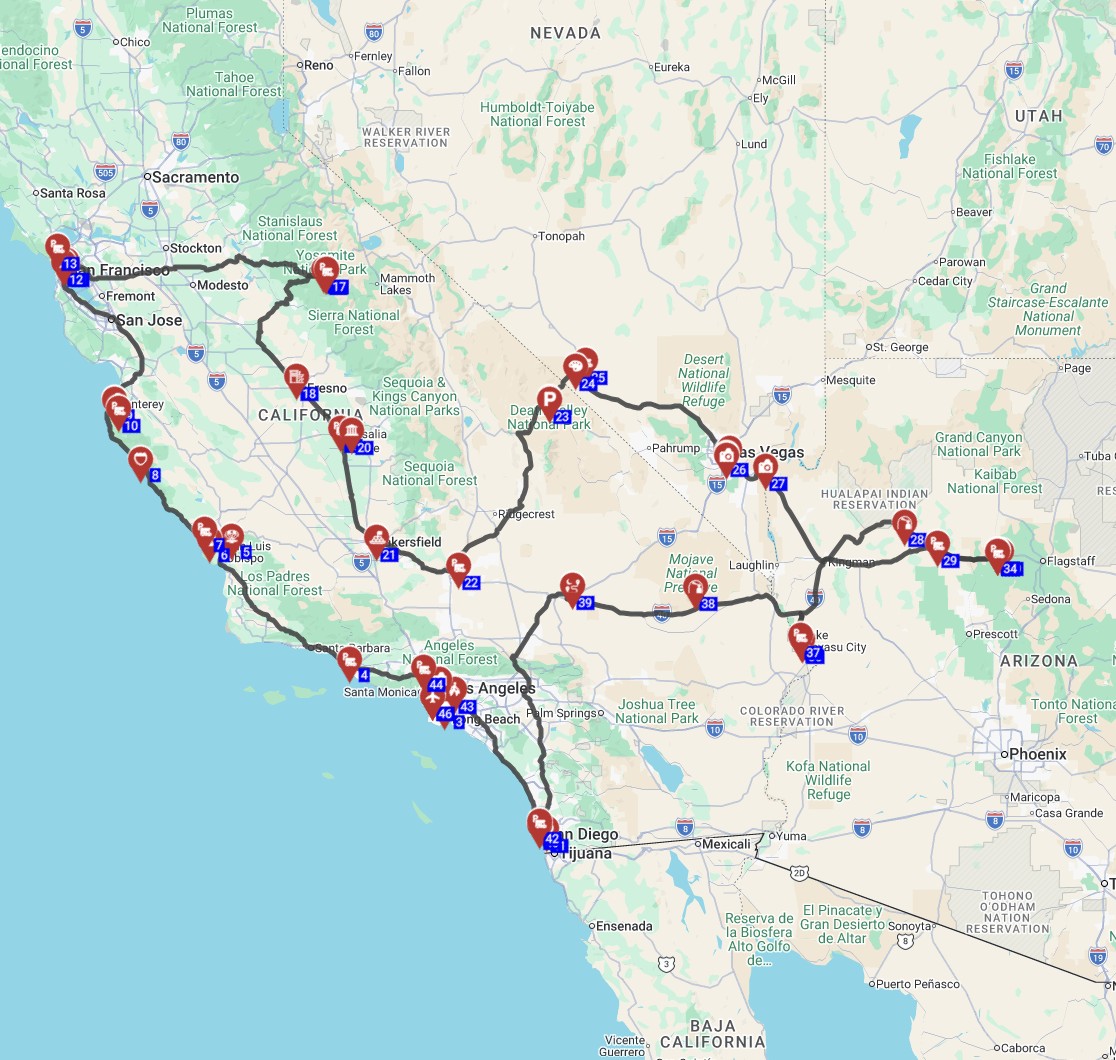
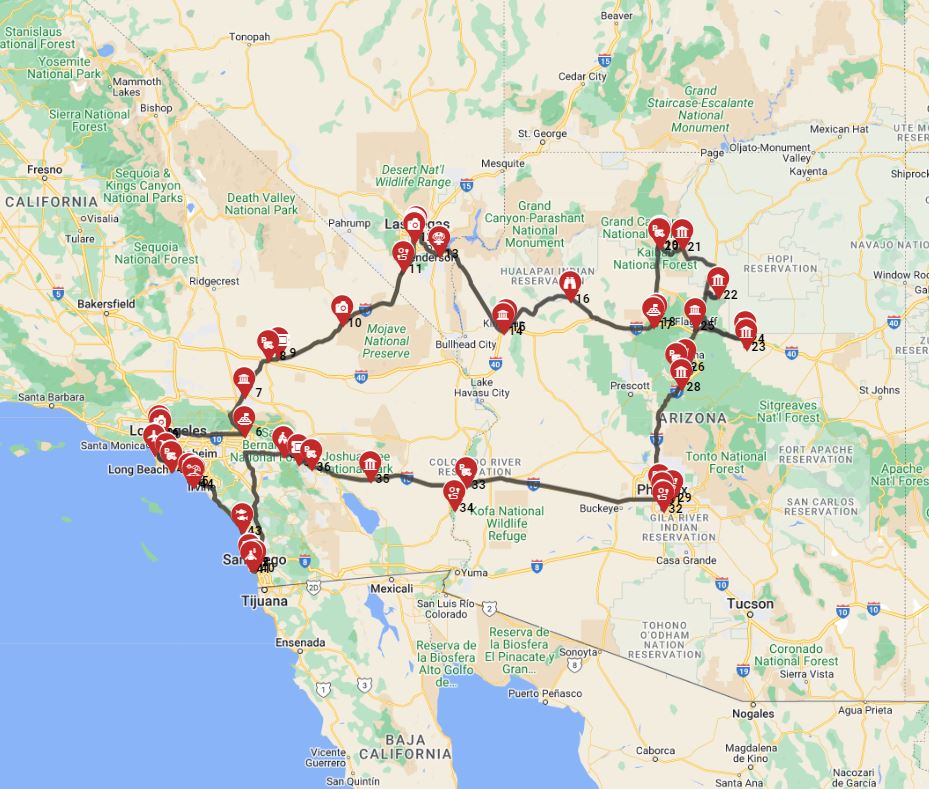
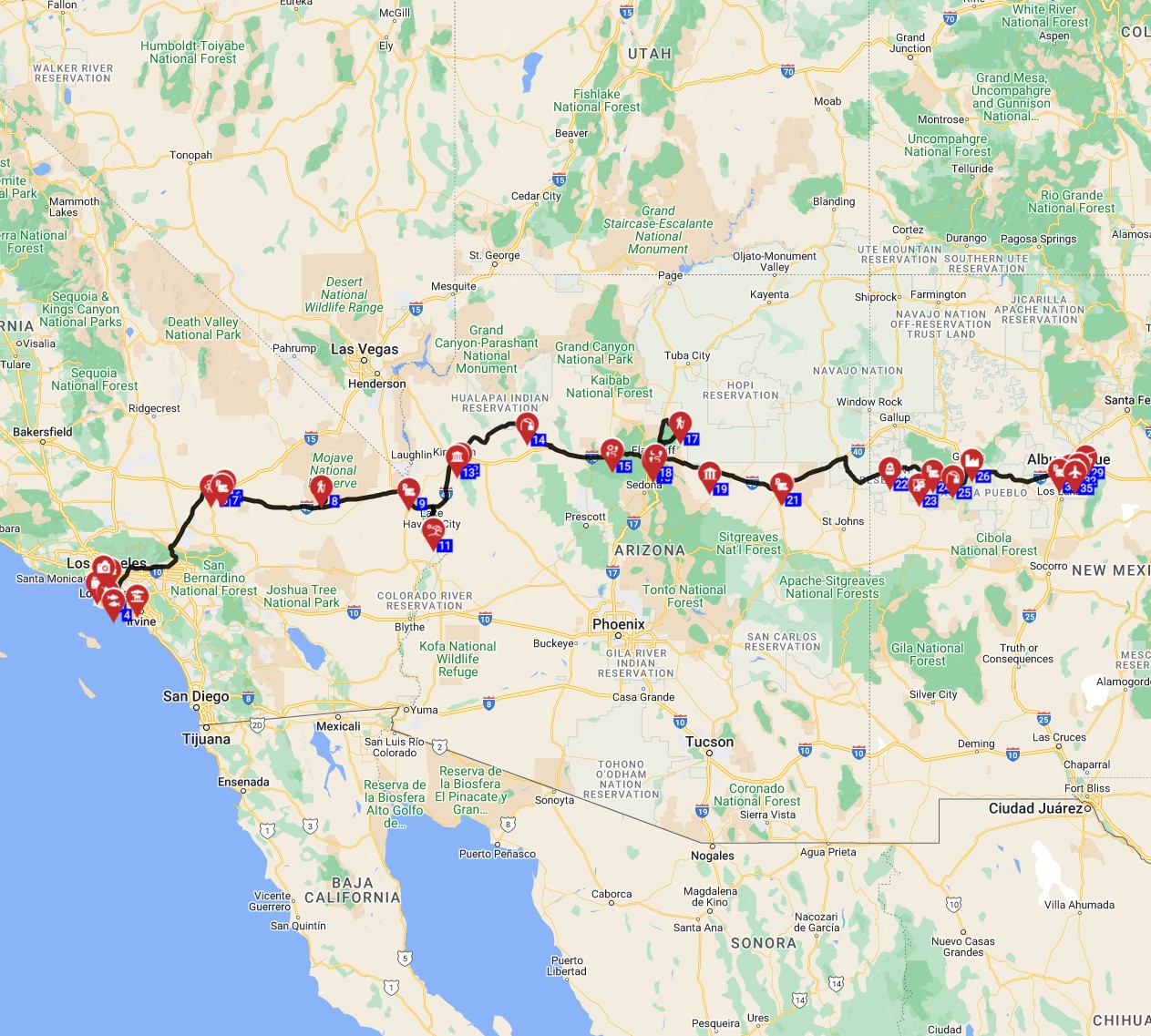
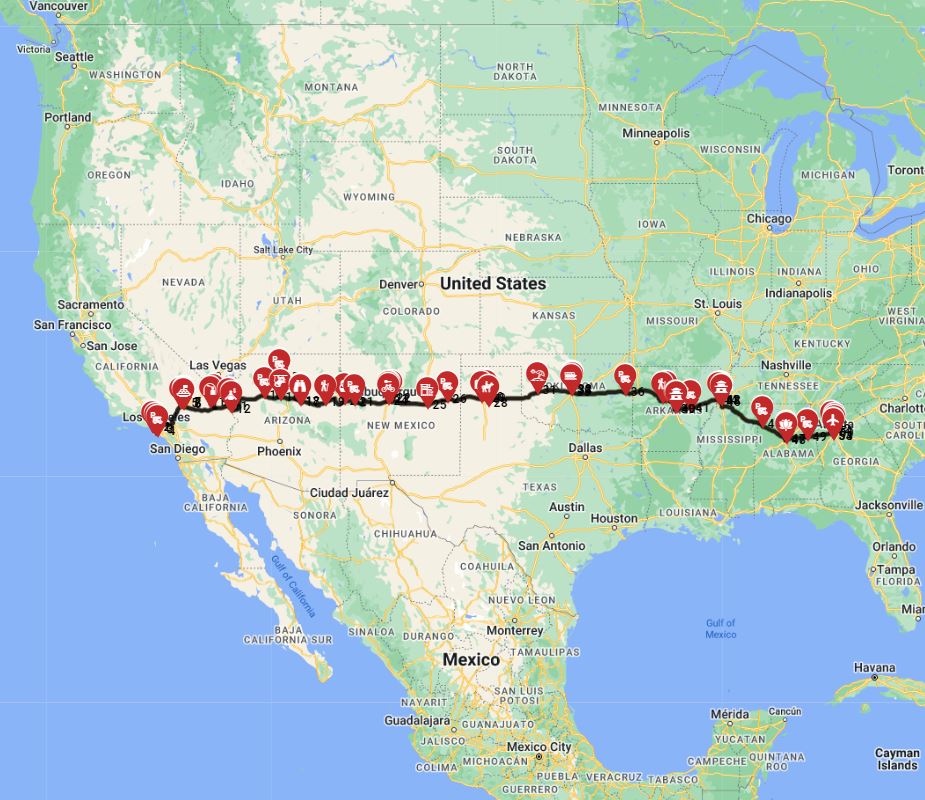
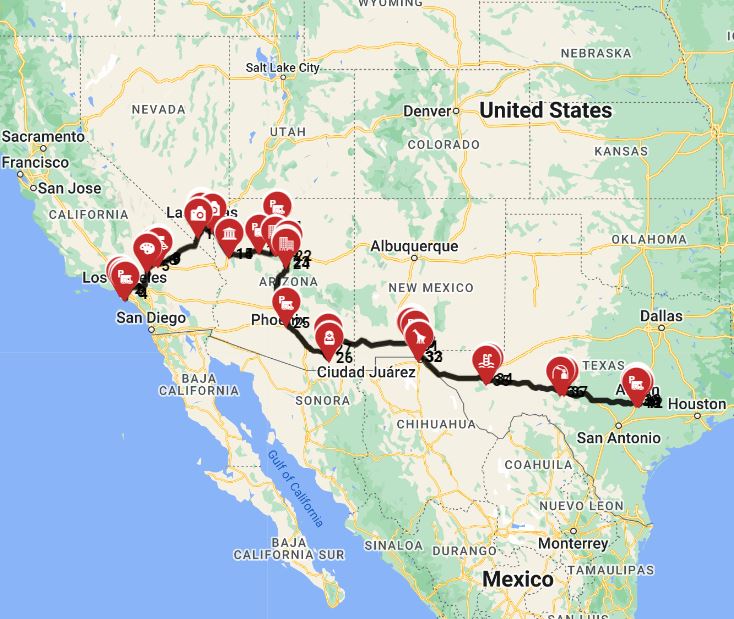
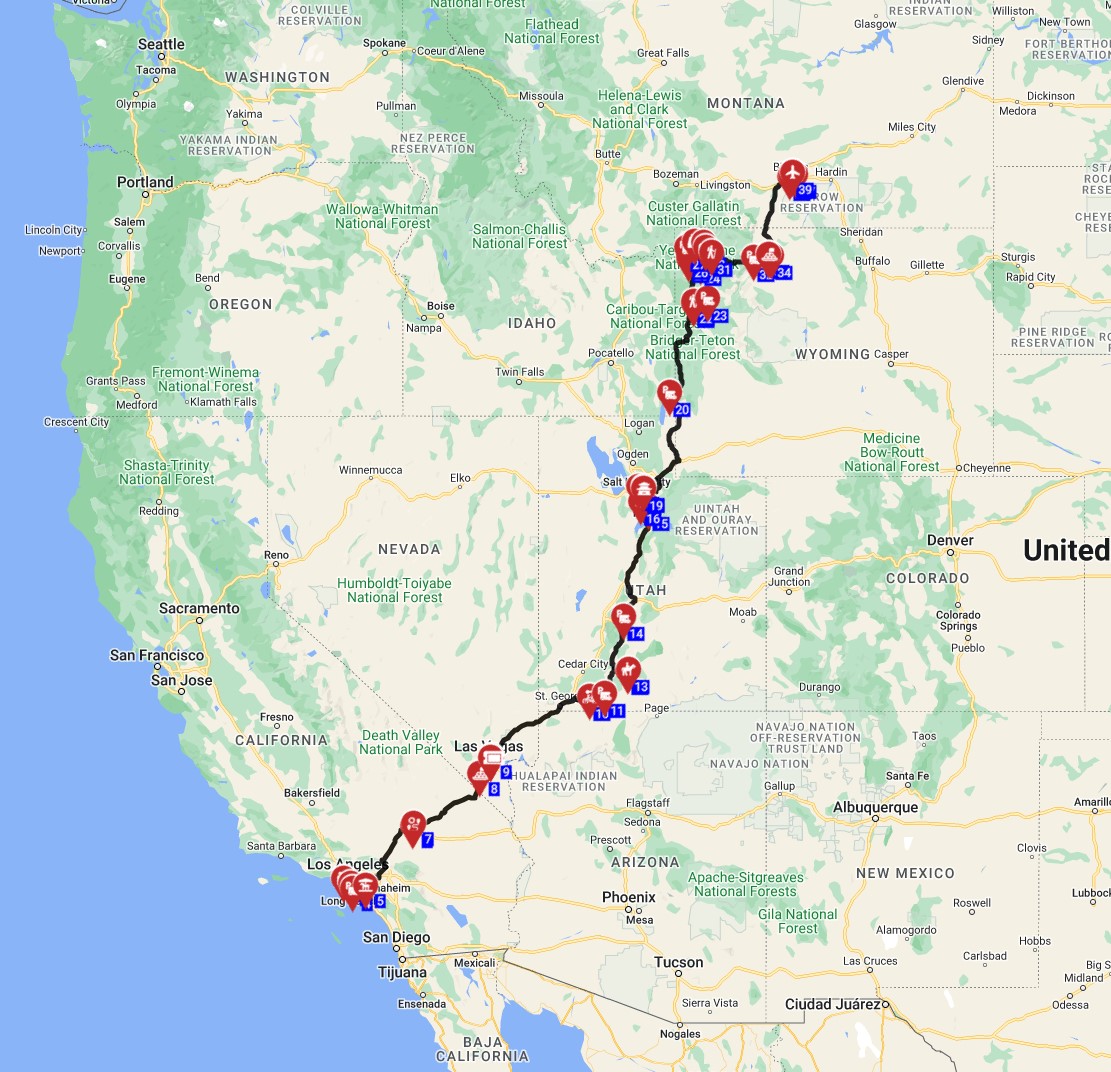
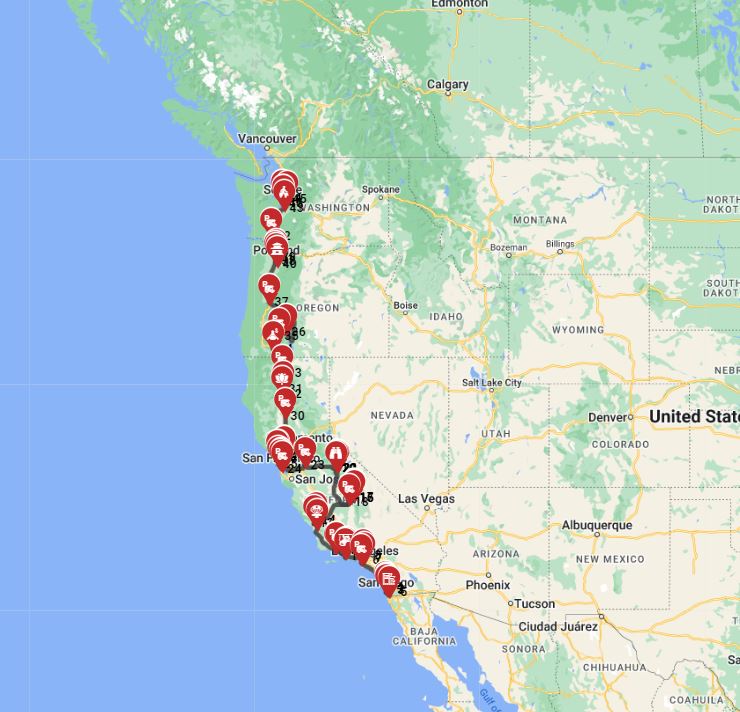
When planning your route, consider the specific activities and climates you're seeking. RVPLANET (rvplan.net) offers more than 1,300 pre-planned routes across 5 continents, including detailed itineraries for California that feature various camping options and points of interest. One popular option is the "San Francisco Roundtrip - The Best of the Southwest by Motorhome: From California’s Coast to Arizona’s Canyons," a 25-day adventure covering 4463.4 km that includes 8 hiking areas and 4 scenic routes, ensuring a rich exploration of the state's diverse geography. Another exciting route is "
Campground Types in California (National, Private, Wild)
California provides three primary types of RV camping: National and State Park campgrounds, private RV parks, and dispersed (wild) camping on public lands like those managed by the Bureau of Land Management (BLM) or in National Forests. Each offers a distinct experience. National and State Park campgrounds, often set amidst stunning scenic beauty, provide basic amenities such as water and dump stations, with some offering electric hookups. These sites are generally budget-friendly but are highly sought after, requiring reservations often made 6 months in advance. On the routes offered through RV PLANET routes, you can itemize and track every expense along the way for easy budgeting.
Private RV parks, on the other hand, typically feature full hookups (electric, water, sewer), Wi-Fi, laundry facilities, and a host of recreational amenities like swimming pools and clubhouses, making them ideal for those seeking more comfort and convenience. These come at a higher price point, but can be a true luxury RV camping experience. For the adventurous spirit, wild camping (also known as boondocking) is permissible on much of California's national forest and BLM land. This offers free, primitive camping without amenities, emphasizing self-sufficiency and strict adherence to Leave No Trace principles and specific area regulations.
Understanding these options allows you to tailor your RV rental adventure to your preferred style, whether it's the rustic charm of a national park or the full-service luxury of a private resort. Before heading out, always confirm the regulations for your chosen camping style and location to ensure a smooth and enjoyable trip.
Featured RV Park or Campground in California
When selecting an RV park in California, travelers should prioritize locations that perfectly align with their travel style, whether that means proximity to iconic national parks, breathtaking coastal views, or extensive family-friendly amenities. A top-rated featured park will generally offer essential full hookups (30 or 50 amp electrical connections, fresh water, and sewer) alongside clean restrooms, hot showers, and often additional luxuries such as swimming pools, modern laundry facilities, or on-site convenience stores. Many of California's premier RV resorts are strategically situated near major attractions or provide direct access to outdoor activities like beach entry or extensive hiking trails.
For example, parks near Big Sur offer unparalleled ocean vistas, while those on the fringes of Yosemite National Park provide easy access to hiking and sightseeing. Always check recent traveler reviews and thoroughly review the specific amenity lists of any prospective park. This is especially crucial for travelers with larger motorhome rentals or particular needs, such as pet-friendly areas or specific site dimensions. Verifying these details ensures that the campground not only meets but enhances your overall California RV rental experience, guaranteeing a comfortable and convenient stay.
Hookups & Amenities - What to Expect
RV campgrounds in California typically offer a range of hookups and amenities designed to accommodate various motorhome types and traveler preferences, from basic necessities to full-service luxury. Standard hookups you can expect include both 30-amp and 50-amp electrical connections to power your rental RV, fresh water hookups for drinking and washing, and sewer connections for convenient disposal of grey and black water tanks. These full hookup sites provide the highest level of comfort, allowing you to use your RV's facilities without needing to frequently seek out dump stations.
Beyond these essential utilities, many private campgrounds and even some state or national parks provide additional comforts. You might find Wi-Fi access, though it can sometimes be limited in remote areas, as well as clean laundry facilities and hot showers. Picnic tables and fire rings are common at almost all campsites, inviting you to enjoy outdoor meals and campfire evenings. It's always a good practice to confirm the exact hookups and amenities available when you book your site, as primitive camping areas might offer only a basic picnic table and fire ring, while premium resorts boast extensive luxuries that can significantly enhance your luxury RV camping in California experience.
Booking Windows & Reservations in California
Securing an RV campsite in California, particularly during peak seasons or for highly coveted destinations such as national parks, often necessitates booking well in advance due to extremely high demand. For popular national and state parks, reservations can typically be made up to 6 months ahead of time and are frequently snatched up within minutes of becoming available, underscoring the critical need for a proactive booking strategy. Travelers who prefer a more spontaneous approach might find success with 'first-come, first-served' (FCFS) sites, which are quite common in national forests and certain state parks. However, arriving very early in the day (often before dawn) is crucial, especially during weekends or holidays, to secure a spot.
Regardless of your planning style, it is always highly recommended to call campgrounds directly before embarking on long drives to confirm current availability, even for FCFS sites, as capacity can change rapidly. Our "RV Rental Deals in California - Latest Offers 2024" guide can also provide insights into potential opportunities. Bandana RV supports both types of travelers; whether you're a meticulous planner who likes everything organized or a spontaneous adventurer who prefers to book day-to-day, remember that many popular parks reserve only 25-30% of their spots, leaving the rest for FCFS. You'll find a spot- if not at the first campground, then the next one. Just use common sense and call ahead before driving.
Nearby Supermarkets & Resupply Points
California offers abundant supermarket and resupply points conveniently located near popular RV routes and camping areas, ensuring easy access to groceries and essential provisions throughout your trip. Travelers can readily find major grocery chains like Vons, Ralphs, Safeway, Albertsons, and Whole Foods, as well as numerous smaller local markets, in towns and cities across the state. When meticulously planning your week-long trip or extended road trip, it is wise to identify larger towns or urban centers along your route where you can fully stock up on supplies, as options tend to become much sparser near remote national parks or deep wilderness areas.
Additionally, always keep a keen eye out for smaller convenience or general stores within camping communities for any last-minute necessities, though be aware that prices may be higher in these more isolated locations. Planning your meals and grocery stops in advance is key to a smooth RV journey, and for those who enjoy cooking on board their rental motorhome, check out our RV-friendly recipes playlist for delicious and easy meal ideas. For tracking all these ancillary costs- from fuel to campground fees and groceries - RV PLANET routes allow you to itemize and track every expense for easy budgeting, ensuring no surprises along the way.
🎬 Video coming soon
Best RV Class for Camping in California
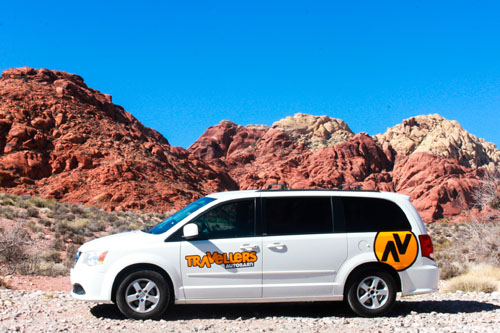
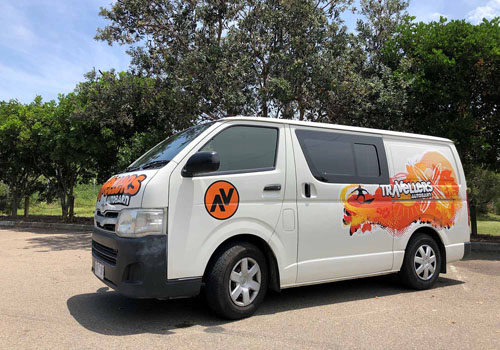
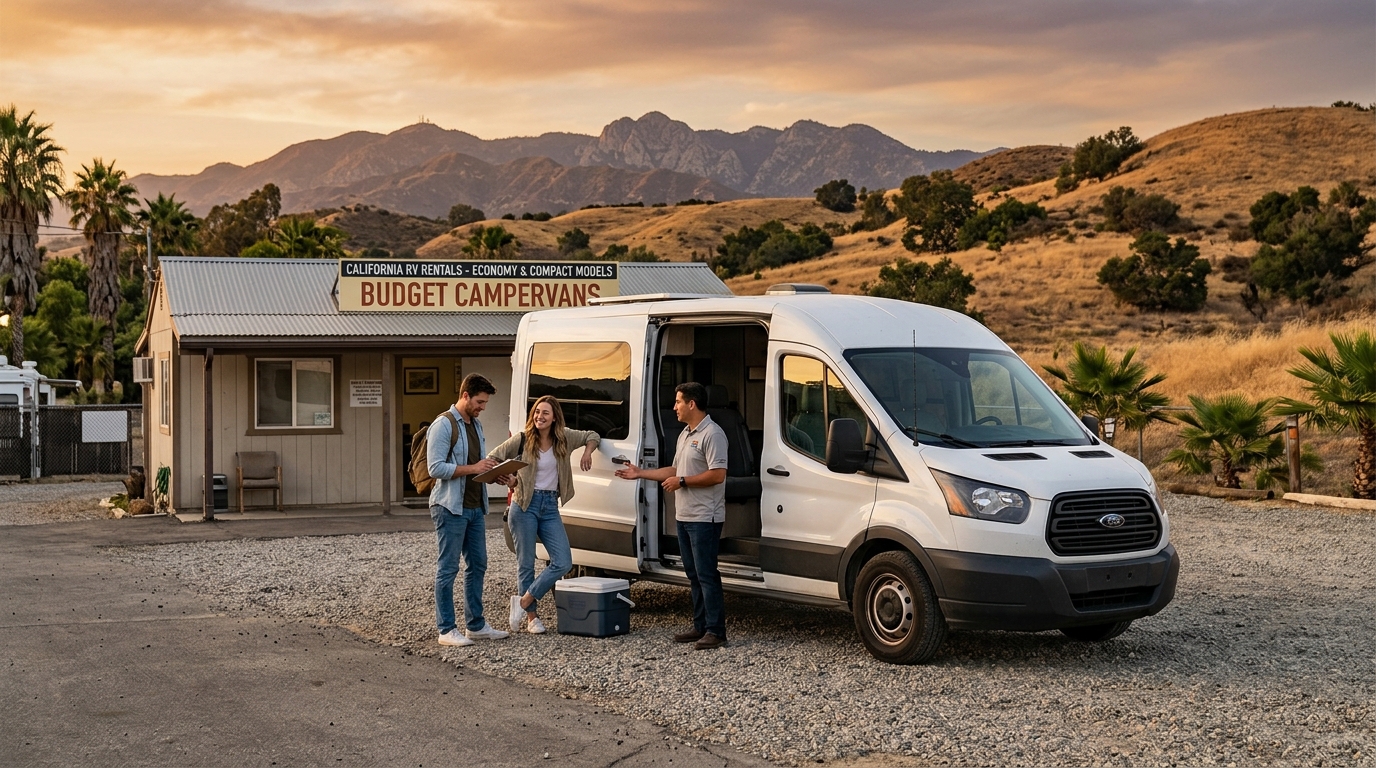
The best RV class for camping in California largely hinges on your unique travel style, desired destinations, and the size of your travel group, with Class B Camper Vans and Class C Alcoves offering highly versatile options. Class B Camper Vans, which typically average around 5.8 meters in length (like the "rv rental denver example Category Van" with a shower and toilet, ideal for a couple), are superb for gracefully navigating winding scenic roads and accessing smaller national park campsites, providing excellent maneuverability. These smaller units are often preferred for challenging routes like portions of the Pacific Coast Highway that may have length restrictions.
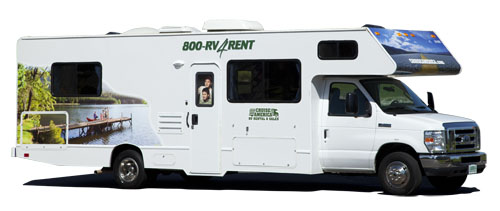
For groups averaging 4-5 adults or families seeking more spacious living areas and amenities, Class C Alcove RVs, usually around 7.5 meters long (such as the "24' Class C Motorhome" with a length of 7.46m and sleeping for 5), are a fantastic choice. These are well-suited for more fully equipped private or state park campgrounds. When choosing your rented motorhome, always consider specific vehicle length and weight restrictions for certain park roads, such as those leading into Yosemite Valley or along the Big Sur coast, to ensure a comfortable and compliant journey. Our "Luxury RV Rental in California - Premium Prices 2024" guide can help you compare options.
How to Save on Campgrounds in California
To significantly reduce camping costs during your RV rental adventure in California, strategic planning and leveraging discount programs are key. Many Bandana RV customers find that utilizing campground discount cards, such as Passport America or Good Sam Club, can provide substantial savings at numerous participating private RV parks across the state. These programs often offer 10-50% off nightly rates, easily recouping the membership cost on an extended road trip.
Booking your campsites during the shoulder seasons (typically April-May or September-October) rather than the peak summer months can also lead to considerably lower rates and fewer crowds. Additionally, opting for municipal, county, or regional park campgrounds, which often have lower fees compared to private RV resorts, is a smart budgeting move. For longer stays, inquire about weekly or monthly rates, as many campgrounds offer discounted prices for commitments of 3+ nights. If traveling with another family or group, sharing hookup costs at larger sites that permit multiple RVs can further reduce your per-night expense, making your motorhome rental more affordable.
What RV is best for California?
The best RV for a California adventure depends significantly on your planned itinerary and desired travel experience. For navigating stunning scenic drives like parts of Highway 1 or accessing popular national parks, smaller Class B Camper Vans (Bandana's global fleet averages 5.8m in length, like the "rv rental denver example Category Van") or Class SI Semi-integrated models are often ideal due to their superior maneuverability. These compact units can more easily handle winding mountain roads and fit into smaller, more rustic campsites, and they generally adhere to most national park vehicle length restrictions.
If your trip involves more family time, requiring ample living space and amenities, a larger Class C Alcove RV (Bandana's global fleet averages 7.5m in length, such as the "rv rentals utah example Sunrise Escape" which is 7.6m and sleeps 5) or even a Class A Integrated unit might be more suitable. These provide enhanced comfort, larger kitchens, and more storage, perfect for well-equipped private RV parks or state campgrounds with full hookups. However, for iconic routes or specific national park areas like Yosemite Valley, it's crucial to always check for specific length and weight limits before selecting your rental RV to avoid any unexpected restrictions or navigation challenges. Our selection of Class B, Class C, and Class A motorhomes offers a range of options to match every journey.
How much does it cost to RV in California?
The total cost to RV in California encompasses more than just the initial rental fee, including significant variables like fuel, campground fees, food, activities, and necessary permits, which can vary widely based on your trip's duration and style. Campground fees for a night can range from free for dispersed camping on public lands, to $30-50 for state or national park sites, and upwards of $60-100+ for private RV resorts offering full hookups and extensive amenities. Fuel costs will be a substantial part of your budget, as California's vast distances mean considerable mileage. Bandana's global fleet averages fuel consumption of 10-12 Liters/100 km for Class C motorhomes and approximately 10 Liters/100 km for Class B campervans, so factor in current fuel prices.
Beyond these, budget for additional expenses such as national park entrance fees (e.g., $35 per vehicle for a 7-day pass, or an $80 annual America the Beautiful Pass if visiting multiple parks), any activity permits, and of course, groceries for cooking in your rented RV and occasional dining out. Remember that rental prices are dynamic, similar to flight tickets, changing daily based on availability, seasonality, and supplier decisions, with the final price set at the actual booking time. Comparing prices for your RV rental in California - Prices and Best Deals 2024 is the best way to get a clear picture. RV PLANET routes allow you to itemize and track every expense, making budgeting for your California RV adventure straightforward and transparent.
What is the best month to RV in California?
The best months to RV in California are typically during the shoulder seasons, specifically April-May in spring and September-October in fall, when the weather is generally pleasant across diverse regions and tourist crowds are thinner. Spring offers lush landscapes, abundant wildflowers, and comfortable temperatures, making it ideal for exploring both coastal areas and deserts like Joshua Tree. While some high-elevation mountain passes might still have snow, most major attractions are fully accessible, providing a beautiful balance for varied regional experiences.
Fall, from September to October, brings crisp air, vibrant fall foliage in mountainous areas such as the Eastern Sierra, and consistently warm, clear days along the coast. This period is perfect for hiking, scenic drives, and outdoor activities without the intense heat of summer or the heavier crowds. Summer does provide access to all areas, including the highest elevation mountain parks, but travelers should anticipate higher temperatures in the central valleys and deserts, along with peak crowds at popular destinations and the potential for wildfire season impacts. Winter offers unique experiences, particularly in the desert and some coastal areas, but mountain access can be limited by snow.
What are the best RV routes in California?
California is home to numerous iconic and breathtaking RV routes, with perennial favorites including the legendary Pacific Coast Highway (Highway 1), the majestic Sierra Nevada Scenic Byway, and the immensely diverse Deserts and Mountains Route. The Pacific Coast Highway offers unparalleled ocean views from Monterey down through the dramatic cliffs of Big Sur. However, be mindful that specific sections, particularly through Big Sur, may have length restrictions for larger RVs; a Class B Camper Van often provides the ideal maneuverability for this winding, cliff-hugging road.
For an unforgettable mountain adventure, the Eastern Sierra Scenic Byway (US-395) provides convenient access to the grandeur of Yosemite National Park, the stunning beauty of Mammoth Lakes, and the stark landscapes of Death Valley. This route offers dramatic elevation changes and abundant opportunities for outdoor activities. Additionally, a loop connecting Southern California's national parks, such as Joshua Tree, Death Valley, and Sequoia/Kings Canyon, presents an incredible diversity of ecosystems and experiences. When embarking on any of these routes, always check current road conditions and any specific RV size limits, especially during different seasons. Our curated itineraries on RV PLANET can guide you, like the "
Do I need a special license to drive an RV in California?
In California, you typically do not need a special license to drive most rented RVs, as a standard Class C driver's license is sufficient for vehicles under 26,000 pounds (approximately 11,793 kg). The vast majority of rental motorhomes, including all Class B Camper Vans, Class C Alcoves (like the "MHC24" with a GVW of 42 Kg), and Class SI Semi-integrated models, comfortably fall within these weight limits. This makes RV travel accessible to almost any licensed driver.
However, for exceptionally large Class A Integrated RVs or any recreational vehicle exceeding 26,000 pounds Gross Vehicle Weight (GVW), a non-commercial Class B or Class A driver's license may be required. These larger units are less common in standard rental fleets but it is essential to verify the GVW of your specific rental RV and consult the official California DMV website if you are unsure. An International Driving Permit (IDP) is recommended for visitors from non-English-speaking countries to supplement their home country license, but it is not mandatory in most cases for operating a recreational vehicle. The minimum rental age is 21, and there are no young driver surcharges or vehicle class restrictions based on age with Bandana RV.
Is RV camping allowed everywhere in California?
RV camping is not permitted everywhere in California; it is generally restricted to designated campgrounds, private RV parks, and specific public lands where dispersed camping is explicitly allowed. Overnight parking and sleeping in a rented RV on city streets, in residential areas, or on private property without express permission from the owner is typically prohibited by local ordinances across California. These regulations are in place to manage traffic, ensure public safety, and maintain community aesthetics.
Designated areas for legal overnight RV stays, often without hookups, include extensive national forests, Bureau of Land Management (BLM) lands, and some tribal lands. On these public lands, boondocking (dispersed camping) is frequently permitted for durations typically up to 14 days, offering a unique, off-grid experience. It is always imperative to check local regulations, pay close attention to posted signage, and thoroughly review park rules, especially when venturing into urban areas or environmentally sensitive natural environments, to prevent incurring fines or having your rental motorhome towed. Respecting these rules helps ensure continued access for all RV travelers.
Are RVs allowed in all California State Parks?
While many California State Parks are designed to accommodate RVs, it is important to note that not all parks, or indeed all campsites within them, are suitable for every RV size, and some primitive parks may not permit RVs at all. Most state parks that feature campgrounds offer designated RV sites with varying levels of amenities. These can range from basic dry camping (no hookups) to sites providing full hookups (electric, water, and sewer connections), catering to different preferences for comfort and self-sufficiency.
It is absolutely crucial for RV renters to check the specific length and height restrictions for each individual state park and campground they plan to visit before making a booking. Larger rented RVs, particularly long Class C units and any Class A motorhomes, may face significant limitations on access roads or within certain older, smaller campgrounds. Always refer to the official California State Parks website or contact the park directly to confirm RV accessibility, precise site dimensions, and the availability of desired amenities for your specific vehicle. This proactive approach ensures a smooth arrival and a pleasant camping experience in California. You can also explore options for Weekly RV Rental in California - Pricing 2024 to plan your state park stays.
What kind of RV can go to Yosemite?
Most rental RVs can indeed access Yosemite National Park, offering incredible opportunities to explore its majestic landscapes, but specific roads and campgrounds within the park do have length restrictions, particularly for vehicles exceeding 35 feet (10.7 meters) in length. Smaller RVs, such as agile Class B Camper Vans (Bandana's global fleet averages 5.8m, like the "cruise america example EX-Group A" at 5.99m) and Class SI Semi-integrated units (global fleet averages 6.9m), offer the greatest flexibility for navigating Yosemite's famously winding roads and fitting into its often tighter, older campsites. These compact motorhomes make navigating the scenic routes much less stressful.
While Class C Alcove RVs (Bandana's global fleet averages 7.5m, for example, the "CA-25" at 7.6m) are generally permitted, larger Class A Integrated RVs (also averaging around 7.5m) may encounter limitations on specific roads, such as the steep and winding Glacier Point Road, or find it challenging to reserve spots in older, more secluded campgrounds like Upper Pines. Before your visit, always consult the official Yosemite National Park website for the most current vehicle length restrictions, any temporary road closures, and specific campground guidelines. This diligence will significantly impact your itinerary and ensure you select the best rental RV for your Yosemite adventure.
What are important RV safety tips for California?
Prioritizing safety during your RV rental in California involves preparing for the state's diverse environmental conditions and being aware of specific road hazards. One crucial aspect is preparing for potential wildlife encounters, especially when camping in or near national parks and rural areas. Always secure food, maintain a respectful distance from animals like bears and coyotes, and know how to react in an encounter. Your rental RV provides a safe haven, but caution outside is paramount.
During California's wildfire season, which typically spans summer and fall, it is essential to stay informed about fire danger levels, red flag warnings, and potential evacuation routes. Always adhere strictly to burn bans and never leave campfires unattended. On the road, exercise extra caution on steep mountain grades and the notoriously winding coastal roads, such as sections of Highway 1, especially when driving larger motorhomes. Drive slowly and carefully, and you can drive almost anywhere without issues. No need to stress - just use common sense and pay attention. Be aware of potential rockslides or mudslides during heavy rainy seasons, particularly in mountainous or coastal regions. Additionally, ensure your rental RV is properly maintained, with tire pressures checked and fluid levels topped off, to minimize mechanical issues during your extended road trip.
Is California pet-friendly for RVs?
California is generally a pet-friendly state for RV travelers, welcoming furry companions on many adventures, but specific guidelines and restrictions do apply, particularly within national and state parks. Careful planning is essential to ensure a smooth trip for you and your pets. Many private RV parks and campgrounds across California are very accommodating to pets, often featuring designated pet areas, dog parks, and even pet-washing stations. However, most require dogs to be leashed at all times and may have specific breed or size restrictions, so always confirm with the campground in advance.
In national parks like Yosemite and Sequoia, pet access is typically more restricted. Pets are generally allowed on paved roads, in developed campgrounds, and in designated picnic areas, but they are usually not permitted on hiking trails, in wilderness areas, or inside public buildings. California State Parks also have varying pet policies, with some allowing dogs on certain trails or beaches while others strictly limit their access. Before your trip, always research the specific pet policies for individual parks, attractions, and beaches you plan to visit. Ensure your pet's vaccinations are up-to-date, carry plenty of waste bags, and bring extra water, especially when exploring warmer regions, to keep your furry friend comfortable and compliant.
How can I RV sustainably in California?
Practicing sustainable and eco-friendly RVing in California is vital for preserving the state's incredibly diverse ecosystems and minimizing your environmental impact, ensuring these beautiful landscapes remain pristine for future generations. The cornerstone of sustainable RV travel is adhering strictly to 'Leave No Trace' principles. This means diligently packing out all trash, including food scraps, and disposing of all waste properly. Always utilize designated dump stations for your grey and black water tanks; never discharge these into the environment. Avoid disturbing wildlife or natural habitats by staying on marked roads and trails, and camping only in designated areas.
Conserving precious resources like water and electricity is also crucial, especially in a state prone to droughts. Take shorter showers, turn off lights when not needed, and unplug devices to reduce power consumption, particularly when boondocking or in areas with limited hookups. When selecting a rental RV, consider fuel-efficient models when possible; for instance, Bandana's fleet includes Class B Camper Vans that average 10 Liters/100 km. Plan efficient routes to minimize unnecessary idling and fuel consumption, aiming for slow travel at a maximum of 100-150 km per day on average. This approach allows you to truly feel the place, connect to the culture, the food, and the scenery, all while protecting California's natural beauty. For additional ways to support sustainable travel and plan eco-conscious routes, explore the resources on RV PLANET.
What should I pack for an RV trip in California?
A comprehensive packing list for an RV trip in California needs to be thoughtfully tailored to the incredibly diverse environments you'll likely encounter, from cool coastal fog to scorching desert heat and potential mountain snow. Essential clothing items include versatile layered options, as temperatures can fluctuate dramatically within a single day; think moisture-wicking base layers, insulating fleeces, and a waterproof outer shell. Sturdy hiking shoes are a must for exploring national parks and scenic trails, along with comfortable casual footwear for campground relaxation. Don't forget ample sun protection, including a wide-brimmed hat, high-SPF sunscreen, and sunglasses, especially for high-altitude or desert excursions. Insect repellent is also highly recommended for evenings.
For specific destinations: if heading to desert regions like Joshua Tree, pack extra water containers, lightweight breathable clothing, and additional protection from intense sun exposure. For mountain areas such as the Eastern Sierra, bring warmer layers, quality rain gear, and reliable navigation tools. Beyond personal items, remember RV-specific essentials like leveling blocks for uneven campsites, a fresh water hose with a pressure regulator, a basic tool kit for minor repairs, and perhaps a portable grill or camp chairs to enhance your outdoor enjoyment. Many rental motorhomes come with basic kitchenware, but consider bringing your favorite cooking spices or a specialty coffee maker to enjoy meals on the go. Our RV-friendly recipes playlist is a great resource for meal inspiration on your trip.
What are post-trip considerations for RV rentals in California?
Practical post-trip considerations for RV rentals in California are crucial to ensure a smooth return process and a positive overall experience with your rental provider, such as Bandana RV. Before dropping off your motorhome, you will need to locate and utilize designated dump stations to properly empty both your black and grey water tanks. These facilities are readily available at most campgrounds, many rest stops, and dedicated RV service centers, and returning tanks empty is often a requirement to avoid additional fees.
Performing a thorough interior cleaning is also expected. This includes wiping down all surfaces, sweeping or vacuuming floors, and ensuring all personal belongings and trash are completely removed. This step prevents any potential additional cleaning charges. Finally, carefully review your rental agreement for any specific return instructions, such as required fuel levels, propane tank status, and any necessary post-trip inspection protocols. By addressing these details, you'll complete your California RV adventure with ease and transparency, just as you began it with full price transparency and no hidden fees.
What You Shouldn't Miss
- **Yosemite National Park:** Drive or take a shuttle into Yosemite Valley to witness iconic landmarks like El Capitan, Half Dome, and Yosemite Falls. Book your RV site well in advance, sometimes 6 months out, as sites fill rapidly.
- **Pacific Coast Highway (Highway 1):** Experience one of the world's most scenic drives, especially the dramatic Big Sur section. Consider a smaller Class B campervan for easier navigation through winding roads and hairpin turns.
- **Joshua Tree National Park:** Explore the unique landscape where two deserts meet, famous for its distinctive Joshua trees and incredible stargazing opportunities. Visit during the cooler shoulder seasons (fall and spring) to avoid extreme temperatures.
- **Lake Tahoe:** Enjoy crystal-clear waters and surrounding mountain activities, from hiking and mountain biking in summer to skiing and snowboarding in winter. RV parks around the lake offer stunning views and amenities.
- **San Francisco:** Park your rented RV outside the city and use public transport to explore Fisherman's Wharf, Alcatraz, and the Golden Gate Bridge. Remember, driving large RVs in cities requires careful attention, but it is manageable.
- **Eastern Sierra Scenic Byway (US-395):** This route offers access to ghost towns like Bodie, the ancient Bristlecone Pine Forest, and gateways to Yosemite's lesser-known eastern side, providing diverse landscapes and historical insights.
Final Thoughts
Embarking on a luxury RV camping adventure in California offers an unparalleled way to experience the Golden State's magnificent and varied landscapes. From the rugged beauty of its coastlines to the majestic serenity of its national parks and the vast expanse of its deserts, a rented motorhome gives you the freedom to craft a truly personalized journey. With Bandana RV, you're not just renting a vehicle; you're gaining a partner dedicated to making your trip seamless and transparent, backed by decades of expertise.
Remember to plan thoughtfully, embracing the spirit of slow travel to fully immerse yourself in each destination. Whether you're seeking a quiet retreat or an action-packed family vacation, California's premium RV resorts and diverse campgrounds await. Get inspired for your next trip, discover top destinations, and use our planning tips to ensure a memorable escape. We're here to support you before, during, and after your booking, ensuring every detail is covered so you can focus on the joy of discovery.