In This Guide
- Top 5 Tips for long term rv rental RV Rental in Sweden
- Before You Book - Class, Dates, Insurance
- Pre-Trip Prep - Packing Checklist for Sweden
- On the Road - Driving, Fueling, Navigation
- At the Campground - Setup, Hookups & Etiquette
- Long Term RV Rental-Specific Tips for Sweden
- Common Mistakes to Avoid in Sweden
- What is the true cost of a long-term RV rental in Sweden
- How does Allemansrätten apply to RVs in Sweden
- How do you manage RV logistics in Sweden
- What are the best seasons for RV travel in Sweden
- What are some unique RV destinations in Sweden
- How can RV travelers experience Swedish culture
- What are safety tips for RV travel in Sweden
- What essential gear do I need for RV travel in Sweden
Embarking on a long-term RV rental adventure in Sweden offers an unparalleled sense of freedom, allowing you to immerse yourself deeply in its breathtaking landscapes and vibrant culture. Whether you dream of endless summer days under the Midnight Sun in Lapland or chasing the Northern Lights in winter, Sweden provides an incredible backdrop for an extended journey by motorhome or campervan. Our aim at Bandana RV is to make your long-term RV rental in Sweden as seamless and enjoyable as possible, providing you with all the essential information and support needed before, during, and after your booking. For live availability and current prices, start with our RV Rental Sweden - Complete Guide 2026 guide.
Top 5 Tips for long term rv rental RV Rental in Sweden
Ensuring a smooth long-term RV rental in Sweden requires careful planning, especially when considering the extended duration of your trip. Our experts have gathered these top tips to help you prepare for an unforgettable adventure. We pride ourselves on being true RV specialists, not just a side department of a generic travel agency, which means we understand the nuances of this type of travel.
Firstly, book your RV well in advance, particularly if you plan a long-term rental during peak summer season (June-August) or for specific winter events like Northern Lights tours, as this ensures the best availability and potentially better rates. Secondly, familiarize yourself thoroughly with Sweden's "Allemansrätten" (Right of Public Access) to understand the regulations for wild camping and proper waste disposal specific to RVs, preventing any unexpected issues during your journey. Thirdly, prepare a comprehensive budget that goes beyond just the rental fees to include fuel, road tolls, potential ferry costs, campsite fees, and activities, ensuring full transparency in your financial planning. Fourthly, research the specific challenges and opportunities that each season presents; for instance, summer brings extended daylight hours and mosquitoes, while winter demands preparedness for snow, ice, and shorter daylight periods. Finally, embrace Swedish culture by trying local traditions like 'fika' (a traditional coffee and pastry break), exploring charming smaller towns and less-known regions, and engaging respectfully with local communities to truly connect with the country. On the routes offered through RV PLANET routes, you can itemize and track every expense along the way for easy budgeting.
Before You Book - Class, Dates, Insurance
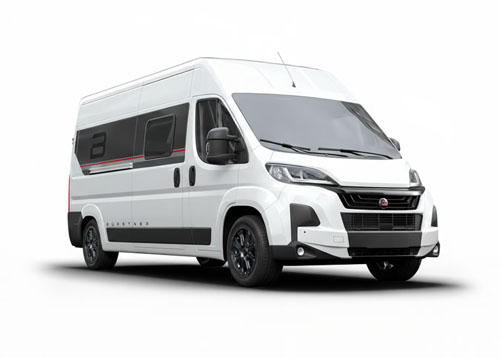
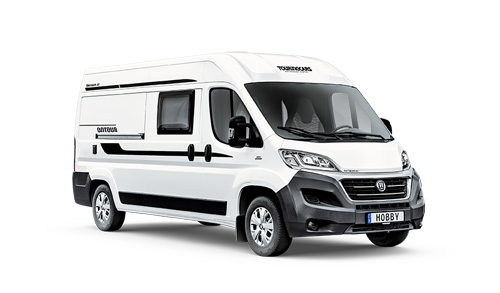
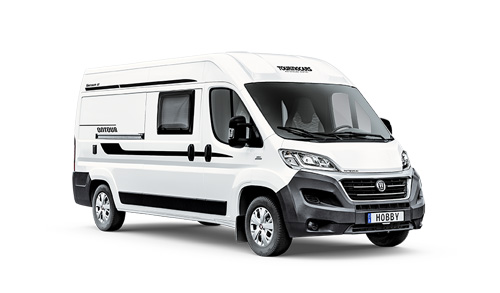
Choosing an RV class for long-term rental in Sweden involves considering the number of travelers, desired comfort level, and storage needs; larger integrated models offer more space, while smaller campervans provide greater maneuverability for navigating diverse terrain. For couples seeking comfort and amenities on an extended trip, a Class B campervan like the "V2L" (5.99m length, 100L fresh water tank) with a double bed and compact kitchen might be ideal, while families often prefer a spacious Class C motorhome like the "MHC28" (7.3m length, 160L fresh water tank, 7 sleeping places). Locking in your rental dates as early as possible is always beneficial for long-term bookings during popular seasons, helping secure your preferred vehicle and potentially better rates, though spontaneous travelers can often find last-minute availability too. Regarding insurance, basic rental insurance is always included with Bandana's offerings. To see prices including the most comprehensive coverage, select that option during your search; then, all relevant insurance options will be clearly shown, allowing you to upgrade to a top-level deductible for extra peace of mind throughout your journey.
Pre-Trip Prep - Packing Checklist for Sweden
Packing efficiently for a long-term RV trip in Sweden requires items suitable for varying climates and activities, ensuring comfort and preparedness across different regions and seasons. While many essential items like kitchenware and bedding are often included with your rented motorhome, bringing personal essentials will enhance your experience. Consider layers for clothing, practical kitchen items for cooking your favorite meals on the road, safety gear, and all necessary travel documents. For cooking enthusiasts, don't forget to check out our RV-friendly recipes playlist for inspiration!
- Layers of clothing (thermal base, fleece, waterproof outer)
- Comfortable walking shoes
- Swimsuit (for saunas/lakes)
- Mosquito repellent and nets (especially for summer)
- Reusable water bottles and coffee cups
- Basic cooking spices, oil, and non-perishables
- First-aid kit
- Headlamp or flashlight
- Reflective vest
- Power bank and European plug adapter
- Driver's license (an International Driving Permit is recommended for visitors from non-English speaking countries, but not mandatory)
- Passport/ID
- RV rental documents and insurance papers
- Printed maps or offline navigation backups
On the Road - Driving, Fueling, Navigation
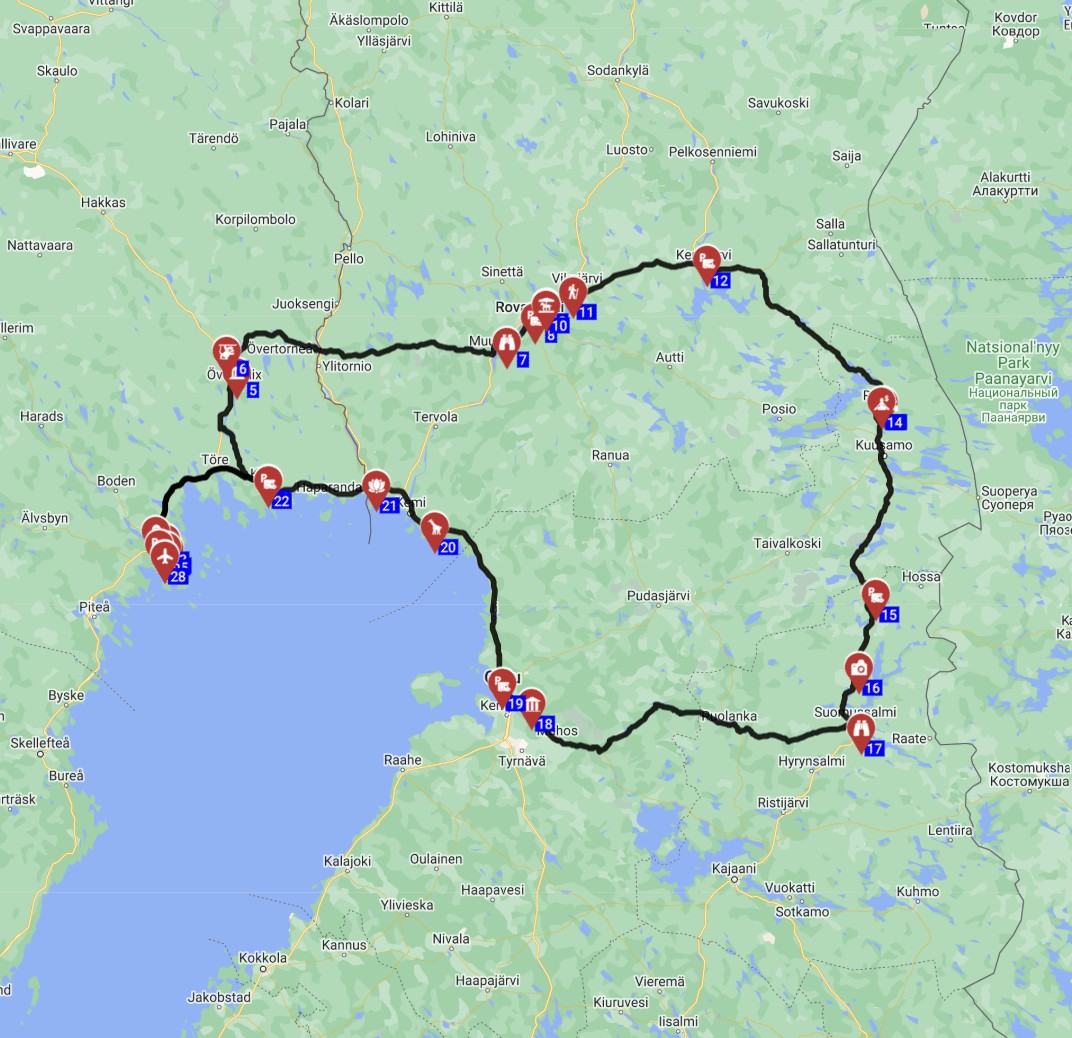
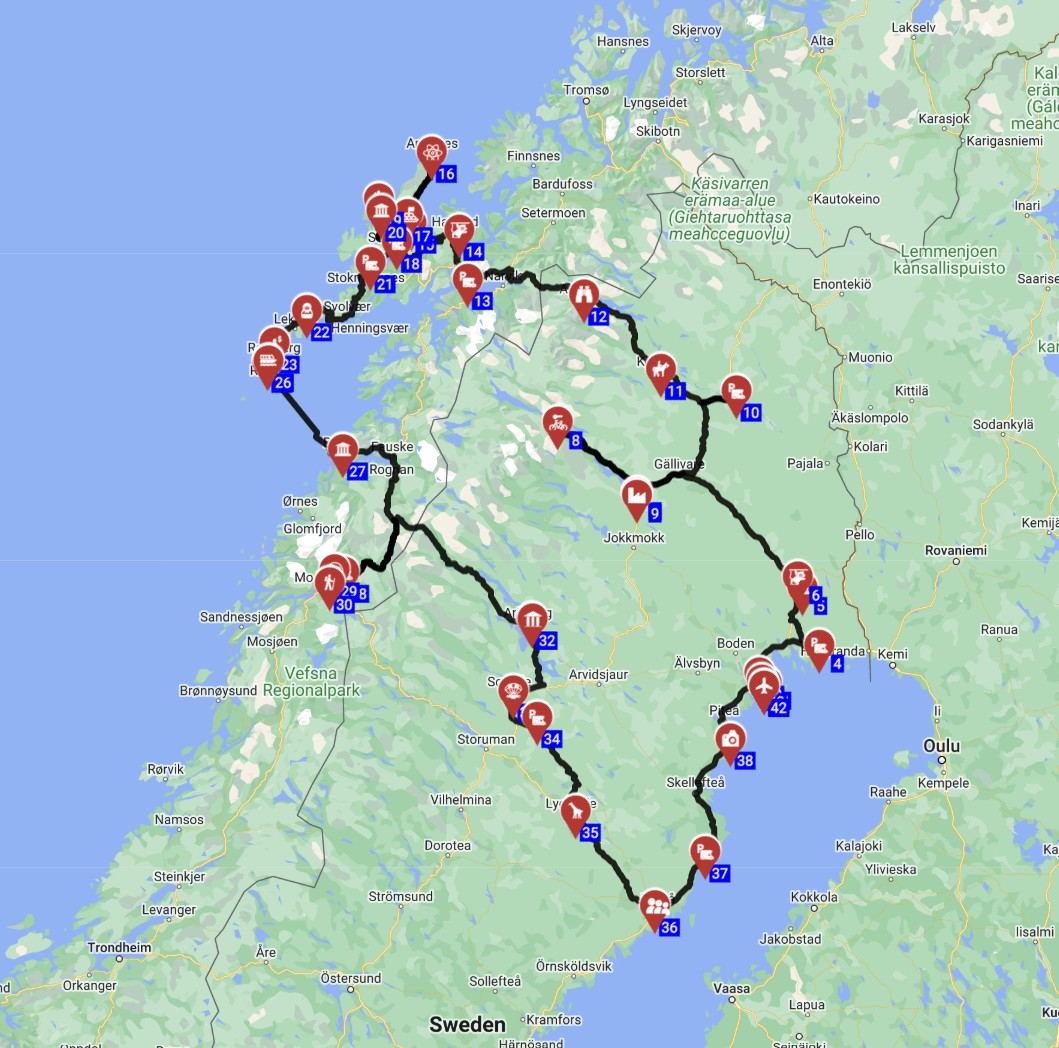
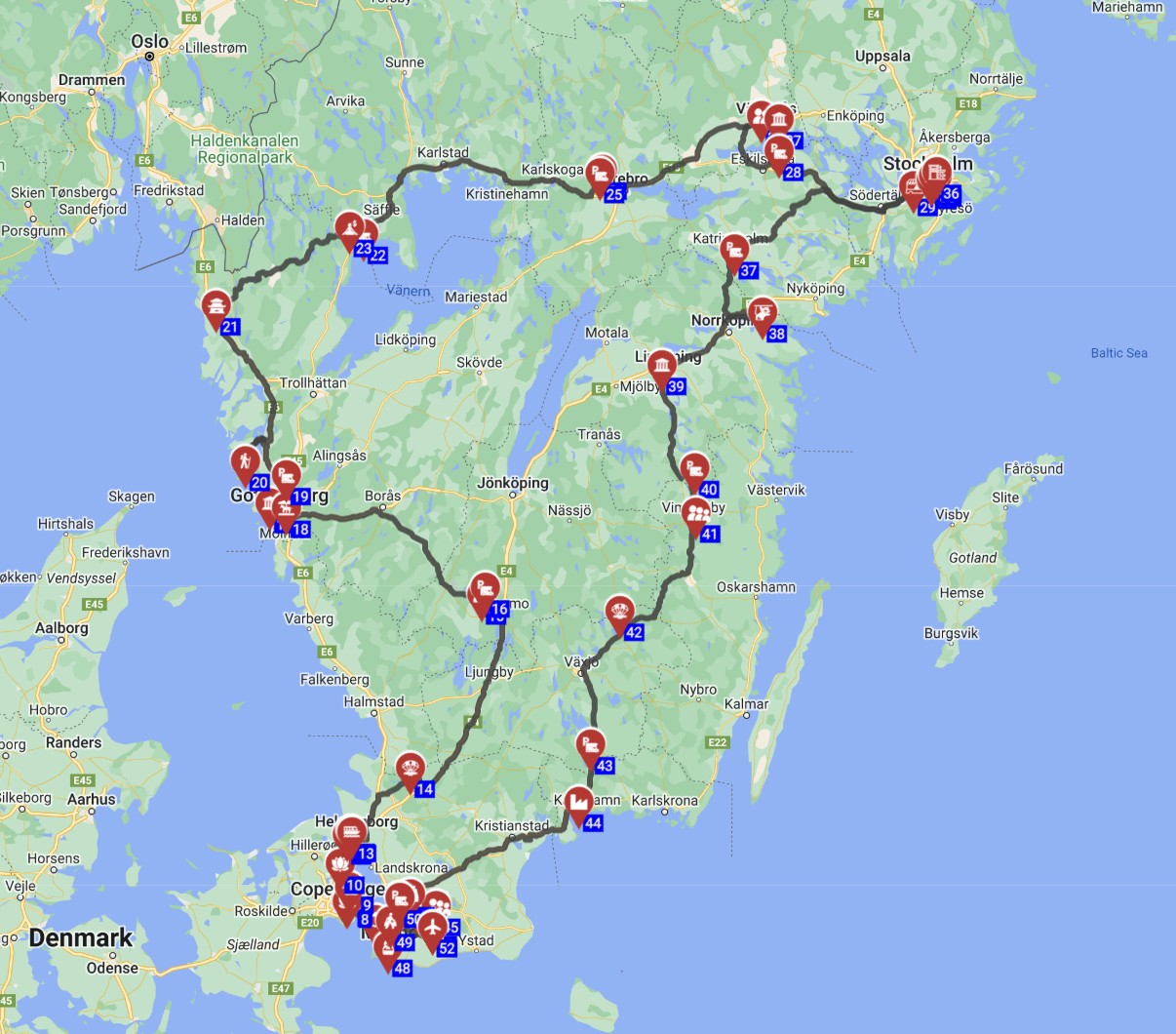
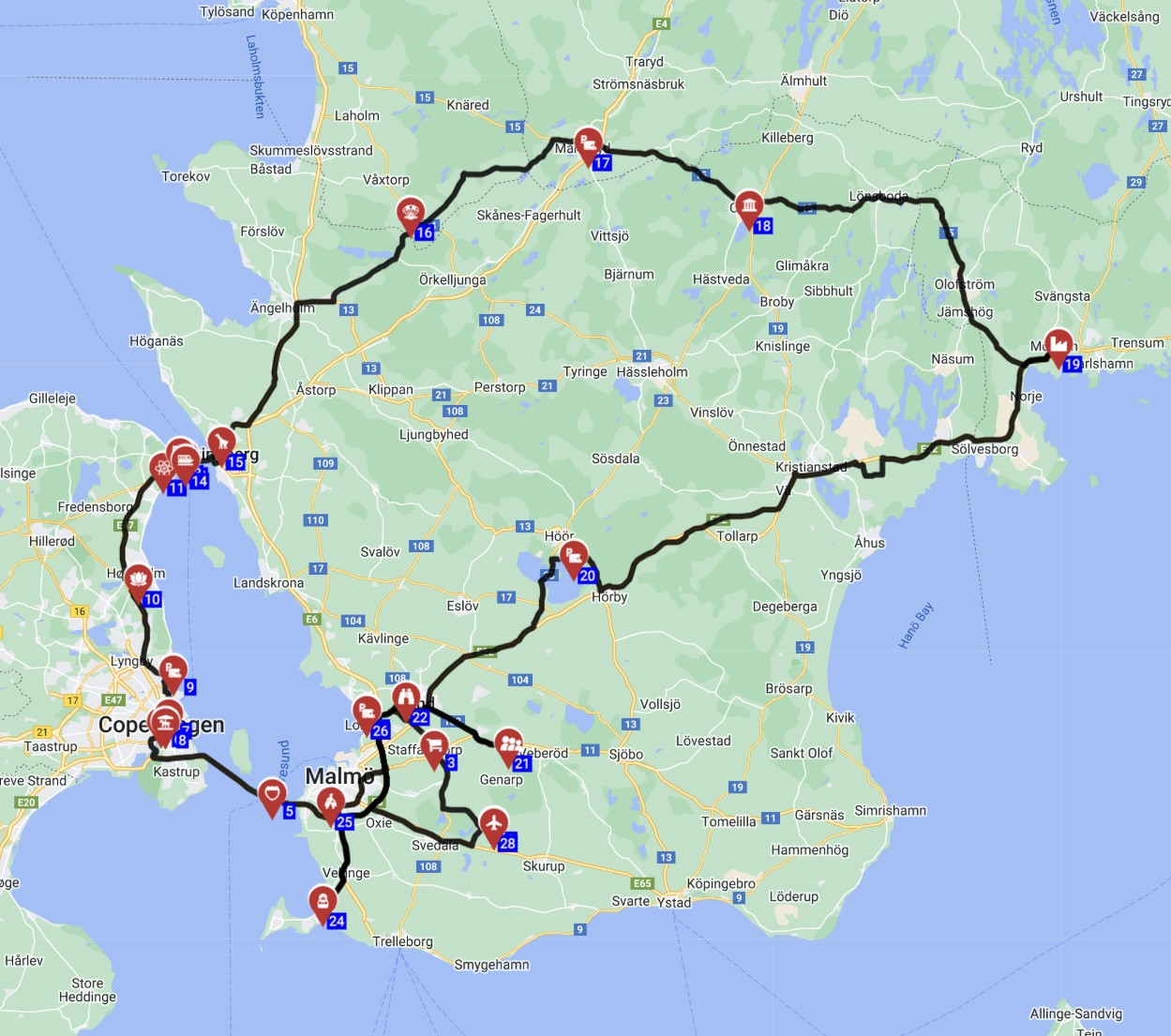
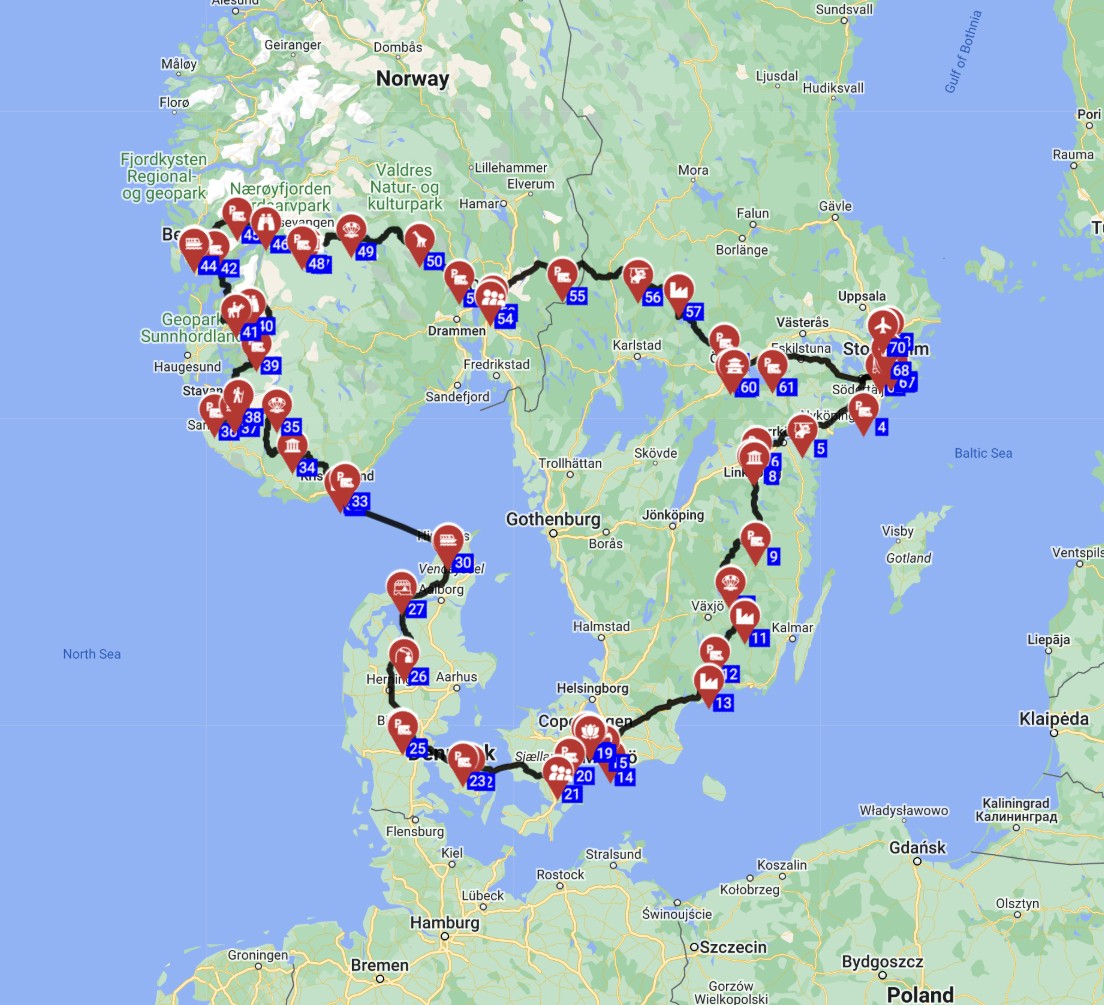
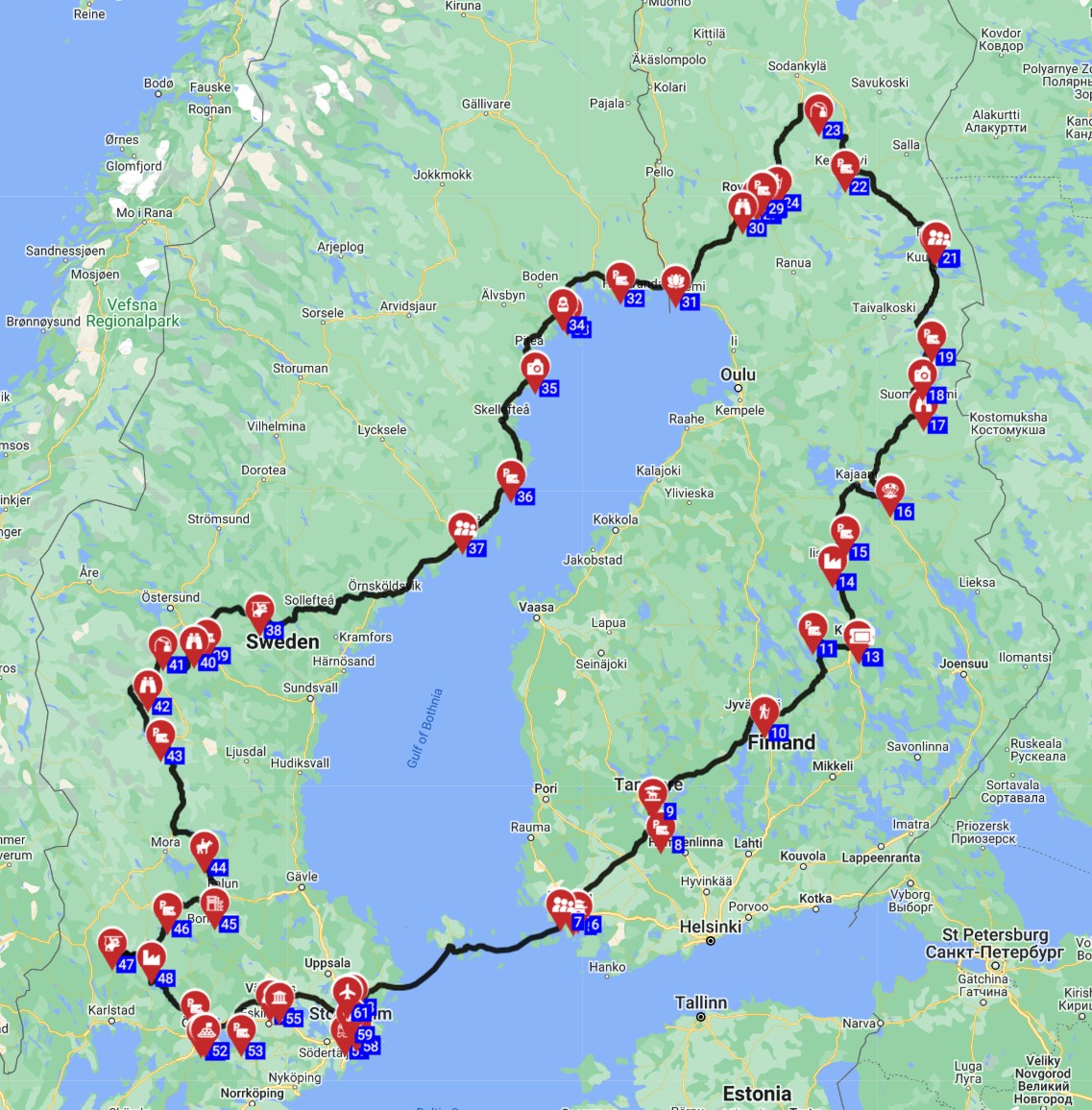
Driving a rented RV in Sweden requires adherence to local traffic laws, including speed limits which are often lower for heavier vehicles (typically 80 km/h on main roads for RVs over 3.5 tonnes), and understanding road signs for wildlife crossings. Sweden drives on the right side of the road, and headlights must be on at all times, even during the day, which is a key safety regulation. Fueling is generally straightforward with readily available petrol (bensin) and diesel (diesel) stations across the country, though planning ahead in remote northern areas, such as when following the "Stockholm Round trip - Sweden, Denmark and Norway Family Adventure" itinerary, is wise as stations can be sparse. Navigation can be efficiently handled using GPS apps with offline map capabilities, complemented by physical maps for areas with limited signal, and being mindful of specific road conditions such as gravel roads (grusvägar) or winter ice. Drive slowly and carefully, and you can drive almost anywhere without issues. No need to stress - just use common sense and pay attention. For more in-depth information about driving regulations, our Driving an RV in Sweden - Complete Guide 2026 provides comprehensive details.
At the Campground - Setup, Hookups & Etiquette
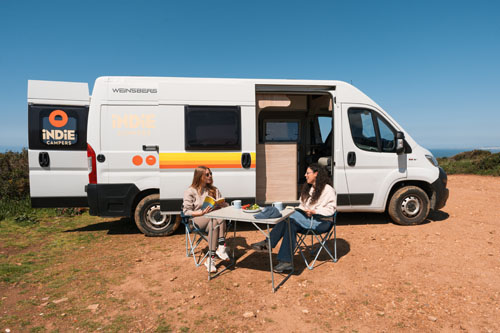
Upon arriving at a Swedish campground, the typical setup for your rented campervan or motorhome involves parking level, extending any awnings for outdoor living, and then connecting utilities in a specific order: first electricity, then fresh water, and finally preparing for grey/black water disposal. Hookups usually include standard European electrical sockets (CEE 16A), potable water hoses, and designated grey/black water dump stations, which are common and well-maintained at official campsites. Swedish campground etiquette emphasizes quiet hours, typically from 10 PM to 7 AM, respect for fellow campers' privacy, and maintaining the cleanliness of shared facilities, reflecting the country's appreciation for order and nature. Most campgrounds have good facilities, including showers and often shared kitchens for preparing delicious meals, and sometimes even communal saunas for a true Swedish experience.
Long Term RV Rental-Specific Tips for Sweden
For long-term RV rentals in Sweden, leverage the inherent flexibility to explore far beyond major tourist hubs, allowing you to spend extended periods in specific regions like the Arctic Circle for Northern Lights viewing or the serene West Coast archipelago. Prioritize selecting an RV model with ample storage and comfortable living space, as you will be spending many weeks or even months living in it. A Class C motorhome like the "MHC30" (9.15m length, 160L fresh water tank, 9 sleeping places) or a spacious Class A like the "Class A - Thor ACE 30" (9.37m length, 189L fresh water tank) offers superior comfort and space for longer journeys. To manage costs effectively over an extended period, actively seek out free overnight parking spots where Allemansrätten permits, and budget for less frequent but more thorough campsite stays for full hookups and amenities. Embrace slow travel, aiming for an average of 100-150 km per day, allowing for spontaneous detours and deeper immersion into local culture and natural surroundings without a rushed itinerary. To plan out every detail and budget for ancillary costs like fuel, food, and campground fees, consider using RV PLANET routes to itemize and track expenses along the way.
Common Mistakes to Avoid in Sweden
Avoiding common mistakes can significantly enhance your long-term RV rental experience in Sweden. Instead of underestimating booking demand, secure your long-term RV rental well in advance, especially for popular summer or winter trips, to guarantee your preferred vehicle. Rather than ignoring Allemansrätten, thoroughly research its nuances for RVs to avoid illegal parking or improper waste disposal, which can lead to fines and environmental damage. Instead of solely relying on major cities, plan to explore Sweden's vast and diverse landscapes, from coastal regions to deep forests and mountains, for a truly immersive experience. Rather than packing light regardless of the season, ensure you have appropriate gear for all potential weather conditions, especially for seasonal challenges like winter driving on potentially icy roads or summer mosquito season. Also, remember that road rules in Sweden can differ from your home country; for comprehensive guidance, our Driving an RV in Sweden - Complete Guide 2026 offers essential information.
What is the true cost of a long-term RV rental in Sweden
The true cost of a long-term RV rental in Sweden extends beyond the daily rental fee, encompassing significant expenses like fuel, road tolls, ferry fees, food, attraction entry, and varying campsite costs versus potential wild camping expenses. Fuel can be a major ongoing cost, especially for longer distances and larger RVs, so factor in current fuel prices which average around €1.80 per liter for diesel. Expect to pay tolls for bridges (e.g., Öresund Bridge) and congestion charges in cities like Stockholm and Gothenburg, which apply to RVs, often varying based on vehicle size and time of day. Ferry costs, particularly for island hopping in the archipelagos or crossing major waterways with an RV, should be researched and budgeted for in advance, as they can be substantial. Food expenses can vary significantly; self-catering in the rented RV is generally more economical than eating out frequently, especially for a long-term trip. Campsite fees range from basic amenities (around €25/night) to full-service resorts (up to €50-€60/night); wild camping, where permitted, can significantly reduce accommodation costs but requires strict adherence to Allemansrätten. For the latest market trends and potential discounts, refer to our RV Rental Deals in Sweden - Latest Offers 2026 guide. Planning your trip with a detailed budget helps you enjoy the journey without financial surprises.
How does Allemansrätten apply to RVs in Sweden
Allemansrätten, Sweden's Right of Public Access, generally permits responsible access to nature for activities like hiking, cycling, and picking berries, but its application to RVs for overnight parking is more restricted than for hikers, typically limiting overnight stays on private land without permission, and requiring adherence to strict waste disposal guidelines. For RVs, Allemansrätten generally allows short, respectful stays for a night or two on public land that isn't designated for specific use, provided no damage is caused and privacy is respected. However, it does not grant the right to park a rented motorhome indefinitely on private land without the owner's explicit permission. Overnight parking is often restricted along public roads, in nature reserves, national parks, and designated no-parking areas, so always look for signs indicating any prohibitions. Waste disposal is a critical aspect: all waste, including grey and black water, must be properly disposed of at designated dump stations, never in nature, to preserve Sweden's pristine environment. RVers are responsible for leaving no trace, respecting privacy, avoiding damage to nature or property, and preventing disturbance to wildlife, making conscious camping choices paramount.
How do you manage RV logistics in Sweden
Managing RV logistics in Sweden involves planning routes that include designated dump stations and water refill points, understanding the availability of propane and electricity at campsites, and being aware of specific road conditions, particularly when booking ferries for larger vehicles or navigating remote areas and winter conditions. Finding dump stations (tömningsstationer) and water refills (vattenpåfyllning) is crucial for a long-term trip, as these services are often available at official campsites, some larger gas stations, and specific RV service points; planning their locations in advance can prevent inconvenient detours. Propane (gasol) for cooking and heating is widely available, with most rented RVs using standard European bottles, and electricity hookups (CEE 16A) are common at most campgrounds, ensuring comfort during your stay. Road conditions vary significantly by season: winter driving requires proper winter tires (which rental companies typically provide for the season) and awareness of icy roads and shorter daylight hours, while remote areas may have gravel roads (grusvägar) requiring slower, more careful driving. Booking ferries for RVs, especially to islands like Gotland or across larger lakes, requires specifying vehicle dimensions and weight, and can be done online in advance to secure a spot and avoid delays.
What are the best seasons for RV travel in Sweden
The best seasons for RV travel in Sweden depend on your preferences and desired activities, with each season offering distinct advantages. Summer (June-August) is by far the most popular for its warmth, extended daylight hours (including the Midnight Sun in the north), and full access to all areas, though it coincides with peak tourist season and potentially higher prices and more crowded campsites. Spring (April-May) and Autumn (September-October) provide unique natural beauty with blossoming nature or vibrant fall colors, fewer crowds, and generally pleasant temperatures for hiking and exploring; this can be an excellent time for a long-term RV trip to experience the changing landscapes. Winter (November-March) offers unique experiences like Northern Lights viewing, especially in Swedish Lapland, and winter sports, but requires an RV equipped for cold weather, proper winter tires, and careful driving on potentially icy or snow-covered roads. Regardless of the season, a rented RV provides the flexibility to adapt to changing conditions and make the most of Sweden's diverse climate.
What are some unique RV destinations in Sweden
Beyond Sweden's major cities and well-trodden paths, unique RV destinations in Sweden offer incredible opportunities for extended exploration, including the rugged High Coast (Höga Kusten), the tranquil archipelagos of Bohuslän, the deep forests of Värmland, or the Sami cultural landscapes of Lapland, all providing specific scenic routes and hidden gem campsites or wild camping spots. The High Coast, a UNESCO World Heritage site featuring dramatic cliffs and stunning sea views, is perfect for a week-long stay, with several campsites nestled by the water and ample hiking opportunities. Bohuslän's archipelago on the west coast offers picturesque fishing villages like Smögen and Fjällbacka, granite cliffs ideal for climbing, and opportunities for sea kayaking and fresh seafood. Värmland, in central Sweden, is known for its vast forests, clear lakes, and rich cultural heritage tied to authors like Selma Lagerlöf, making it ideal for peaceful wild camping and hiking with your rented mobile home. Swedish Lapland provides an unparalleled Arctic wilderness experience, with opportunities to learn about Sami culture, witness the Northern Lights, and explore national parks like Abisko, boasting 100+ km of hiking trails; this region truly benefits from a long-term rental to absorb its vastness. Look for specific scenic routes like the 'Inlandsvägen' (Inland Road), a 1,200 km journey from south to north, for a cross-country adventure, or coastal routes in Skåne for charming seaside towns and historic castles.
🎬 Video coming soon
How can RV travelers experience Swedish culture
RV travelers can deeply experience Swedish culture by engaging in local traditions like 'fika' (a cherished coffee break often accompanied by pastries), participating in communal 'sauna' experiences, learning about 'foraging' for wild berries and mushrooms under Allemansrätten, and observing local etiquette such as respecting personal space and queuing politely. Embrace 'fika' by visiting local bakeries in small towns or preparing your own with freshly brewed coffee and a cinnamon bun in your rented campervan; it's a quintessential Swedish social institution that offers a glimpse into daily life. Seek out communal saunas, often found at campsites or public baths, to engage in a traditional and relaxing Swedish pastime, especially invigorating after a day of outdoor activities. Explore the natural bounty through foraging, particularly for lingonberries, blueberries, and mushrooms (always with proper identification and knowledge), a practice deeply rooted in Sweden's connection to nature and perfectly suited for a long-term RV trip. Engage with locals at farmers' markets, craft fairs, or community events, respecting their generally reserved and indirect communication style, which can lead to genuine connections. Learning a few basic Swedish phrases (e.g., 'Hej' for hello, 'Tack' for thank you, 'Ursäkta' for excuse me) will further enhance your interactions and demonstrate your appreciation for the local culture.
What are safety tips for RV travel in Sweden
Beyond general road safety, key safety tips for RV travel in Sweden include understanding safe wild camping practices, being aware of and prepared for wildlife encounters such as moose, and knowing how to access emergency services efficiently, especially in remote areas. For wild camping with your rented mobile home, prioritize well-lit, visible spots away from dense forests and active farms, and ensure your RV is securely parked; it is always wise to inform someone of your planned location. Be highly vigilant for wildlife, especially moose (älg) and deer, particularly at dawn and dusk on forested roads, as collisions are a significant concern; adhere to speed limits and be prepared to brake suddenly. Familiarize yourself with Sweden's emergency number (112) for police, ambulance, and fire services, and ensure your phone is charged and has reception, or carry a satellite communication device if venturing into truly off-grid areas. Always carry a comprehensive first-aid kit, reflective vests for roadside emergencies, and a warning triangle as required by law. Inform family or friends of your itinerary, especially when venturing into remote regions, to ensure someone knows your whereabouts.
What essential gear do I need for RV travel in Sweden
Essential gear for RV travel in Sweden varies by season but commonly includes robust navigation tools, appropriate clothing layers for unpredictable weather, a basic first-aid kit, and specific items like mosquito nets for summer, winter tires and an engine block heater for colder months, and country-specific electrical adapters. Year-round essentials should include a reliable navigation system (GPS with offline maps are invaluable in remote areas), a comprehensive first-aid kit, a fire extinguisher, and a basic tool kit for minor repairs. For summer trips, mosquito nets for windows and doors are highly recommended, along with strong insect repellent and light, breathable clothing to handle the long daylight hours and often pleasant temperatures. Winter travel necessitates specific gear such as proper winter tires (which are legally required and typically provided by rental companies during winter months), an engine block heater (essential for cold starts in sub-zero temperatures, often built into winter-ready RVs), warm layered clothing, and potentially snow chains for mountain passes. Ensure you have a European-standard CEE electrical adapter for campground hookups and possibly a multi-socket extension cord. Consider bringing binoculars for wildlife viewing, sturdy hiking boots for exploring national parks, and a good quality camera to capture Sweden's stunning natural beauty. When you rent a motorhome, many of these items can be added as extras, offering convenience for your extended trip.
What You Shouldn't Miss
- **Explore the Stockholm Archipelago by Ferry and RV:** Take a ferry from central Stockholm (such as from Strömkajen) with your rented campervan to explore some of the 30,000 islands of the archipelago, enjoying picturesque villages, charming cafes, and secluded swimming spots.
- **Experience the Midnight Sun in Abisko National Park:** Drive your RV north to Abisko National Park in Swedish Lapland (approximately 1,100 km from Stockholm) during June-July to experience continuous daylight, hike the King's Trail (Kungsleden), and witness the incredible phenomenon of the Midnight Sun. The park boasts 400 sq km of pristine Arctic wilderness.
- **Cycle the Göta Canal in Östergötland:** Park your motorhome near one of the canal locks, like Berg's Locks outside Linköping, and rent bicycles to explore the scenic towpaths of the Göta Canal, often referred to as Sweden's "blue ribbon."
- **Discover Fika and Craftsmanship in Dalarna:** Journey to the heart of Swedish tradition in Dalarna county. Visit Nusnäs (near Mora, about 300 km northwest of Stockholm) to see the iconic Dala horse being carved, enjoy traditional 'fika' in a local cafe, and explore the region's red-painted cottages from your rented RV.
- **Hike and Forage in Skuleskogen National Park on the High Coast:** Set up your long-term RV rental at a nearby campsite and explore the dramatic geological formations and ancient forests of Skuleskogen National Park (about 400 km north of Stockholm). Take advantage of Allemansrätten to responsibly forage for wild berries and mushrooms, connecting with nature.
- **Visit the Vasa Museum in Stockholm:** Immerse yourself in maritime history at the Vasa Museum, home to the incredibly preserved 17th-century warship Vasa, which sank on its maiden voyage in 1628. This indoor attraction is a perfect complement to outdoor RV adventures, showcasing Sweden's rich past.
Final Thoughts
A long-term RV rental in Sweden isn't just a vacation; it's an opportunity to truly live the journey, discovering hidden gems and forging unforgettable memories. From the tranquil lakes and vast forests to the bustling cities and unique cultural traditions, Sweden offers endless possibilities for exploration by motorhome or campervan. With Bandana RV, you're not just booking a vehicle; you're gaining a partner dedicated to supporting your adventure every step of the way.
We're here to handle the details, so you can focus on the unparalleled experience of extended travel. Imagine waking up to a different scenic view each day, having the flexibility to change your plans on a whim, and experiencing the freedom only a rented RV can provide. So, pack your bags, choose your ideal motorhome, and prepare for an incredible Swedish escapade. Discover top destinations, planning tips, all in one place!