In This Guide
- Top 5 Tips for long term rv rental RV Rental in South Europe
- Before You Book - Class, Dates, Insurance
- Pre-Trip Prep - Packing Checklist for South Europe
- On the Road - Driving, Fueling, Navigation
- At the Campground - Setup, Hookups & Etiquette
- long term rv rental-Specific Tips for South Europe
- Common Mistakes to Avoid in South Europe
- What are the best countries for long term RV rental in Southern Europe
- How much does a long term RV rental in Southern Europe cost
- What is the best season for long term RV travel in Southern Europe
- What legal documents do I need for RV rental in Southern Europe
- What are the rules for wild camping in Southern Europe
- How do I manage RV logistics like water, waste, and LPG in Southern Europe
- How can I experience local culture with an RV in Southern Europe
- What are the safety tips for RV travel in Southern Europe
- What You Shouldn't Miss
- Why Book with Bandana Caravan
- Final Thoughts
- Frequently Asked Questions
Imagine yourself winding through sun-drenched coastal roads, exploring ancient ruins, and savoring delicious local cuisine, all from the comfort of your very own mobile home. A long-term RV rental in South Europe offers an unparalleled sense of freedom and discovery, allowing you to truly immerse yourself in the rich tapestry of cultures, breathtaking landscapes, and vibrant histories that this region boasts. From the Iberian Peninsula's dramatic cliffs to Italy's rolling vineyards and Greece's turquoise waters, an extended journey in a rented motorhome or campervan lets you travel at your own pace, creating a memorable adventure that traditional hotel stays simply can't match.
Here at Bandana RV, we're true RV specialists. Since 2001, we've helped tens of thousands of travelers explore the world by RV, providing full transparency with no hidden fees and 24/7 support from real people to assist you with pre-booking comparisons and coordination. For live availability and current prices, start with our RV Rental South Europe - Complete Guide 2026 guide.
Top 5 Tips for long term rv rental RV Rental in South Europe
Securing your preferred vehicle and dates, especially for peak seasons, requires booking well in advance, ideally 3-6 months ahead for a long term RV rental in South Europe. Understanding your rental agreement thoroughly, including details like mileage limits, insurance coverage, and specific return conditions, is essential to avoid surprises. Researching country-specific road rules, such as speed limits and urban access regulations, alongside local camping laws before you travel, will save you significant hassle. For instance, Italy has numerous ZTL (Limited Traffic Zones) in historic city centers where special permits are required or RVs are prohibited entirely, making careful planning crucial. Packing efficiently and considering what non-essential items you can purchase locally to save valuable space inside your motorhome is always a smart move. Finally, ensuring your personal travel insurance covers extended vehicle rental and any potential medical emergencies abroad provides crucial peace of mind throughout your journey.
Before You Book - Class, Dates, Insurance
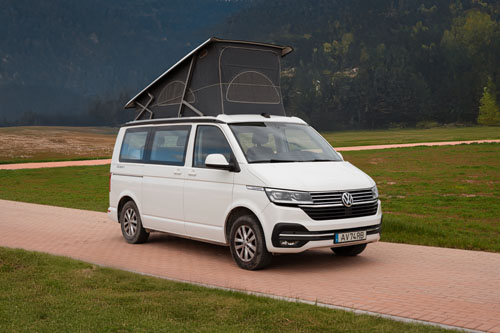
Selecting the right RV class for a long-term rental in Southern Europe depends on your group size, budget, and desired comfort level, as larger motorhomes offer more amenities for extended stays. For example, a couple might prefer a compact Class B campervan like the "rv rental denver example Category Van" for its maneuverability and ease of parking, featuring amenities like a shower and toilet. A family of four might opt for a Class C motorhome like the "cruise america rv rental example Explorer" which typically includes 4 sleeping places, 4 seat belts, a 82-liter fresh water tank, and a 75-liter fuel tank, making it suitable for longer trips. These larger vehicles often come with a gas stove and refrigerator, ideal for preparing meals on the road.
Locking in your rental dates as early as possible, ideally 3-6 months in advance for peak season (June-August) or popular models, helps ensure availability and potentially better rates. Prices for RV rentals are dynamic, much like flight tickets, changing daily based on factors like availability, seasonality, and supplier promotions, with the final price set at actual booking time. Basic insurance is always included in your rental. To view prices including the most comprehensive coverage for ultimate peace of mind, you can select that option during your search on Bandana RV; all relevant insurance options will then be shown clearly.
We believe in full transparency, meaning there are no hidden fees or surprises when you book through us. You can also upgrade to a top-level deductible reimbursement for extra peace of mind, which is an optional upgrade renters can purchase.
Pre-Trip Prep - Packing Checklist for South Europe
Preparing for your long-term RV adventure in Southern Europe starts with creating a comprehensive packing list tailored to the region's diverse climate and your unique travel style. For clothing, prioritize lightweight, breathable fabrics for warm days, a light jacket or sweater for cooler evenings, a swimsuit for coastal dips, and comfortable walking shoes for exploring. In the kitchen, consider bringing reusable water bottles, small cooking essentials like your favorite spices or local olive oil, a compact coffee maker, and basic utensils if not provided, allowing you to prepare delightful meals with fresh ingredients. If you're inspired to cook delicious meals in your rented motorhome, be sure to check out our RV-friendly recipes playlist.
For safety, always carry a first-aid kit, a high-visibility vest (mandatory in many EU countries), a warning triangle, and spare fuses. Crucial documents to have on hand include your passport, an International Driving Permit (IDP) if your national license is not in English, your rental agreement, and insurance details, preferably with physical copies as backups. Don't forget adapters for European electrical outlets and a portable power bank for mobile devices.
At the Campground - Setup, Hookups & Etiquette
Setting up your rented RV at a Southern European campground typically involves parking your motorhome on your designated pitch, leveling it using ramps if needed, and then connecting to utilities in a specific order. The standard hookup sequence is electricity first (using a CEE 17 blue adapter, common across Europe), then fresh water (ensure you have the correct hose and connectors), and finally, managing grey and black water waste at designated dump stations. You'll find many national/state parks reserve only 25-30% of spots for advance booking, with the rest being first-come-first-serve. You'll find a spot. If not at the first campground, then the next one. Call ahead before driving to confirm availability.
Adhering to campground etiquette is important; observe quiet hours, keep your pitch tidy, and respect your neighbors' space. Many campsites in South Europe offer excellent facilities like laundromats, showers, and communal areas, which are particularly beneficial for long-term travelers. For finding campsites and campgrounds during your trip, we recommend using RV PLANET (rvplan.net) - a great resource for locating available spots along your route.
long term rv rental-Specific Tips for South Europe
For long-term RV rentals, planning extended stays at fewer locations across South Europe can offer deeper cultural immersion and significantly reduce travel fatigue. This approach allows you to truly feel the place, connect to the culture, the food, and the scenery, adhering to the slow travel philosophy of maximizing 100-150 km per day on average. Consider flexible booking options and target off-peak travel seasons for potential cost savings on both rental rates and campsite fees, often seeing discounts of 10-30% outside of summer. Prioritize an RV layout that comfortably supports daily living for weeks or months, ensuring adequate sleeping arrangements, sufficient storage, and a functional kitchen. A Class C motorhome like the "Campervan for 2 - Automatic" (despite its name, often a compact Class C for 2-4 people) or a Class B campervan such as the "Active Classic" can offer a good balance of comfort and maneuverability.
Embrace local markets for fresh produce and unique ingredients to enhance your cooking experience and connect with local communities. For families with kids on extended journeys, planning for regular breaks and incorporating activities that cater to all ages is crucial to prevent travel burnout and keep everyone engaged. Remember, a long-term rental is about the journey as much as the destination, so make the most of every stop.
Common Mistakes to Avoid in South Europe
A common mistake first-time long-term RV renters make in South Europe is failing to pre-book popular campsites during peak season; instead, secure your spots well in advance, especially in sought-after coastal and national park areas. Ignoring local driving regulations and road signs, particularly those indicating speed limits (e.g., 80 km/h for RVs on some national roads) or restricted access zones (ZTLs), can lead to fines; always familiarize yourself with country-specific rules. Underestimating the narrowness of historic town roads can be challenging for larger motorhomes; plan routes that avoid confined areas or use designated RV parking outside city centers, then explore on foot or with public transport. Not checking LPG bottle compatibility or availability across different countries is a frequent oversight; research the required adapters and refill options (e.g., Calor Gas vs. Campingaz) for your journey to ensure you always have cooking and heating fuel.
Over-scheduling your itinerary is another pitfall; instead, build in flexibility for spontaneous stops and extended stays in places you unexpectedly love. Driving slowly, maximum 100-150 km per day on average, allows for a more relaxed and immersive experience. Finally, failing to factor in ancillary costs beyond the rental, such as fuel, tolls, and campground fees, can disrupt your budget. For help itemizing and tracking every expense along the way for easy budgeting, consult the RV PLANET routes.
What are the best countries for long term RV rental in Southern Europe
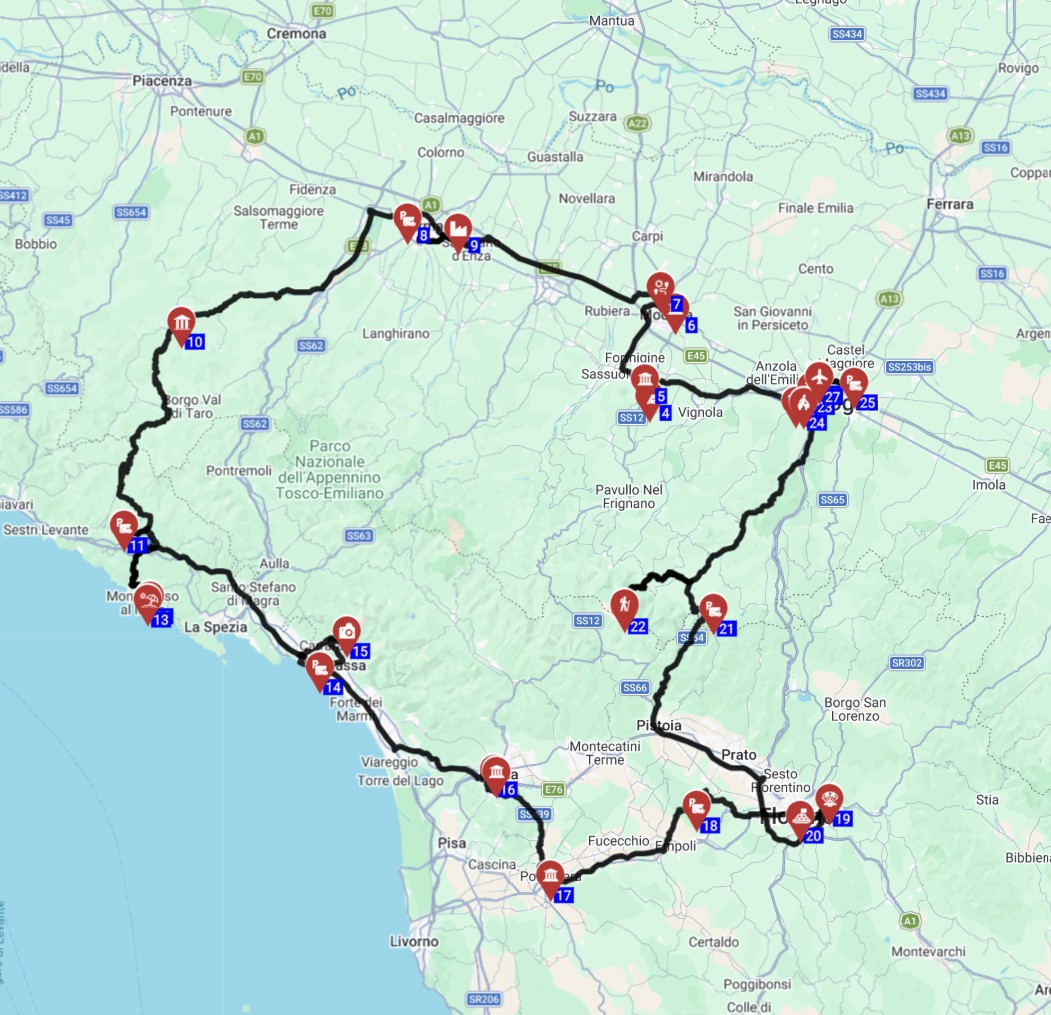
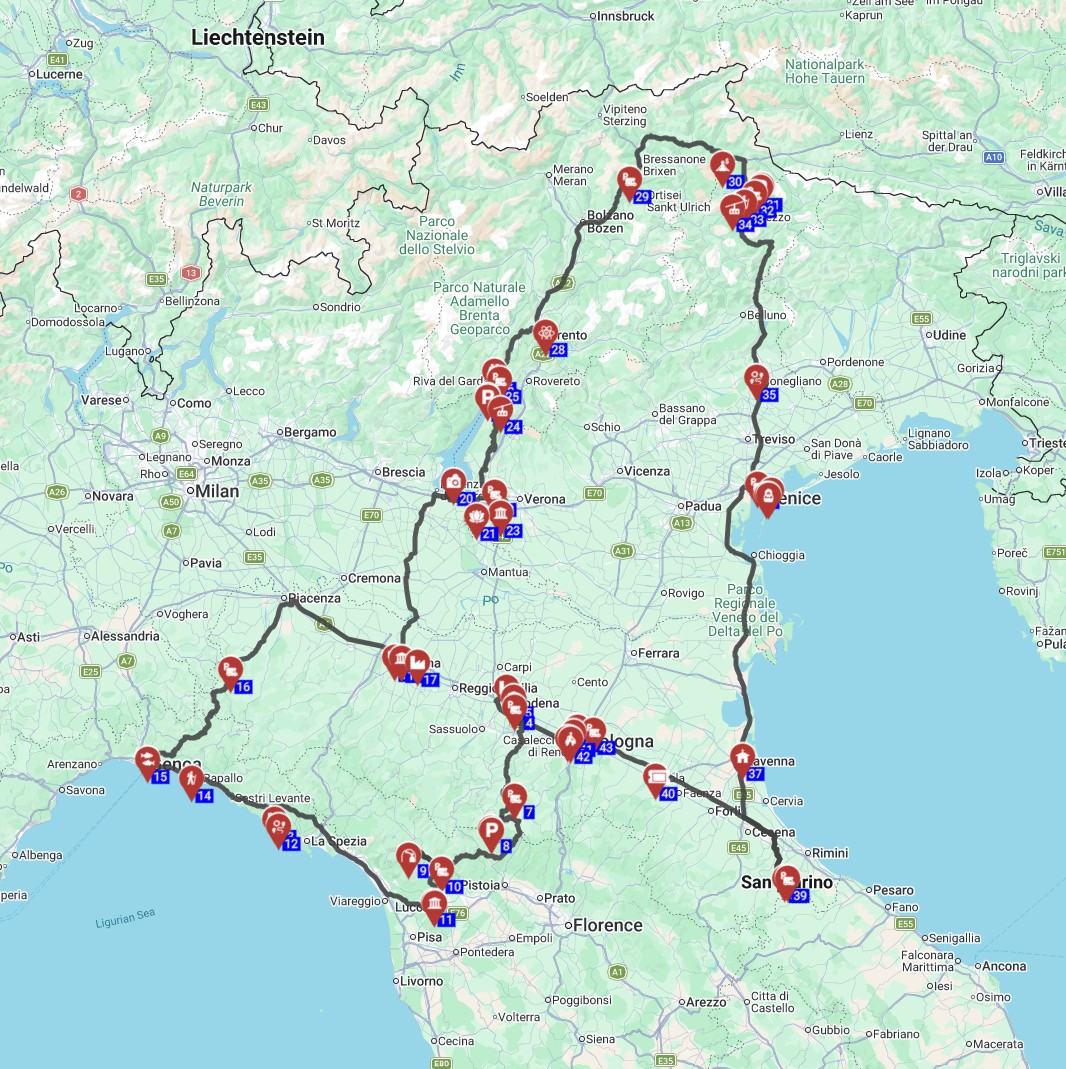
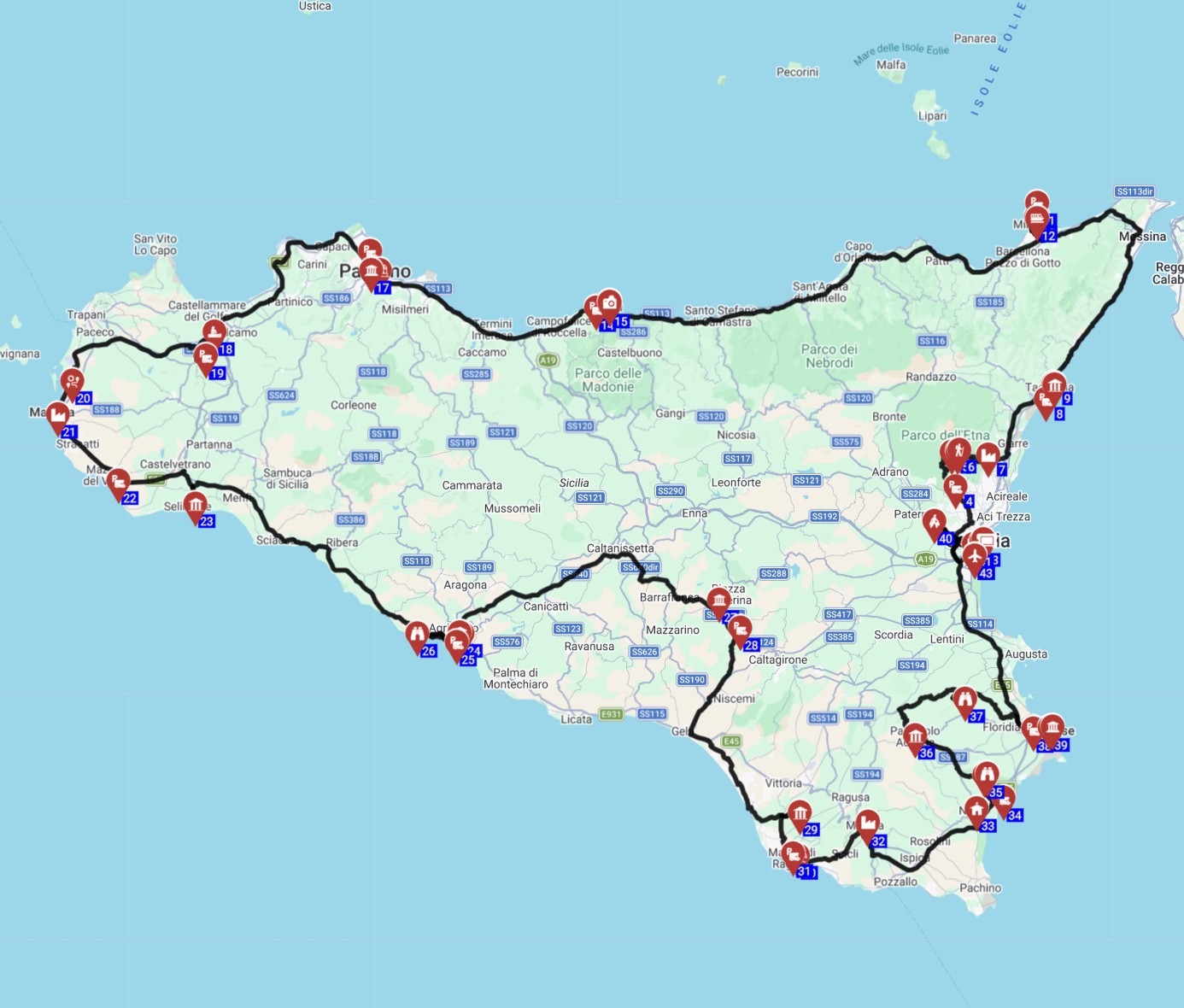
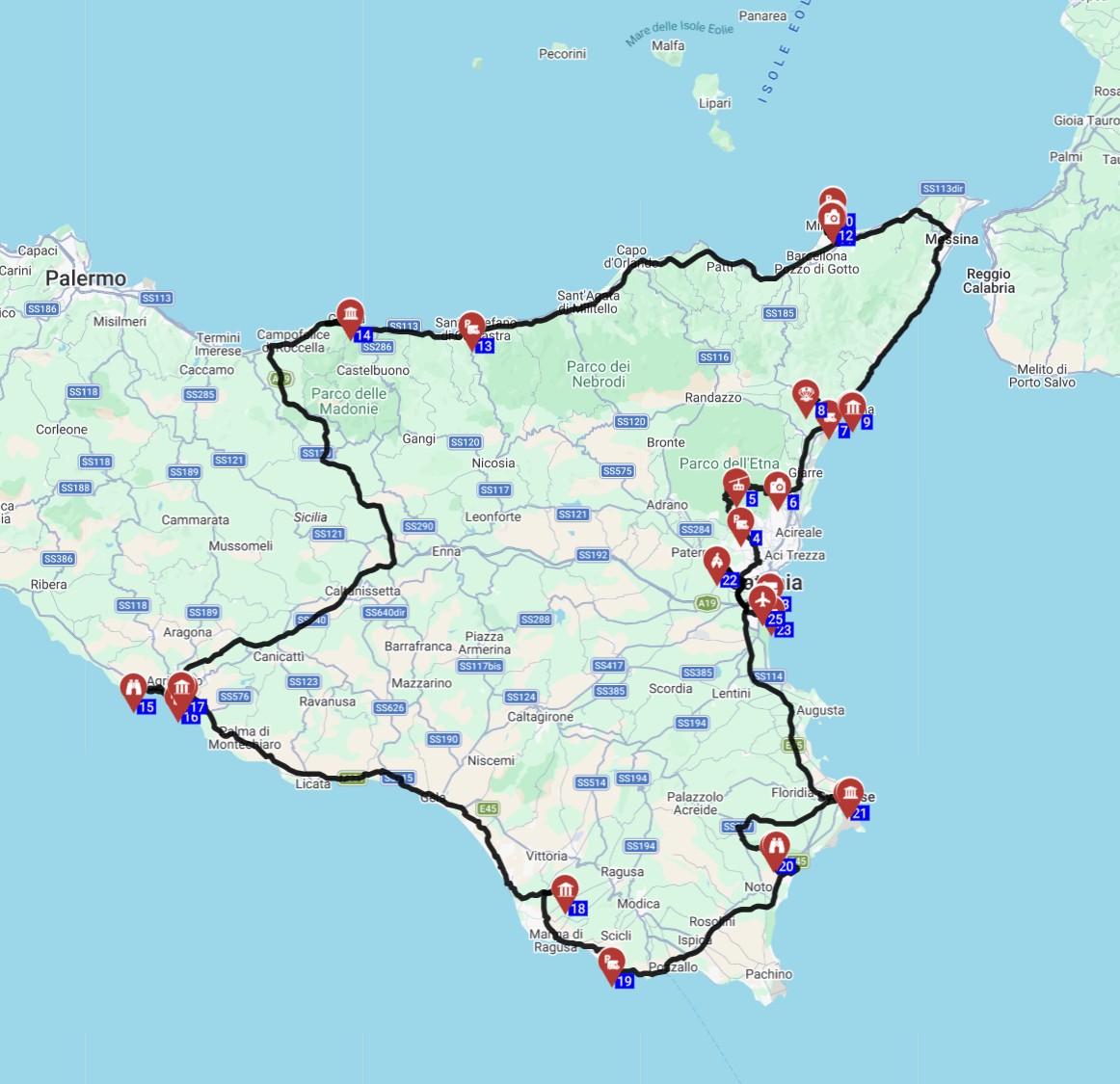
Southern Europe offers diverse countries ideal for long-term RV rental, each with unique landscapes and cultural experiences. Portugal stands out for its mild winters, stunning coastline, and affordability, particularly in the Algarve region, making it excellent for off-season long stays. The average campsite fee there can be as low as €15-€25 per night outside of summer. Spain provides a wide array of climates and landscapes, from the vibrant Andalusian south to the northern Picos de Europa, with extensive RV infrastructure and varying wild camping rules; many cities like Seville or Barcelona offer designated RV parking. Italy captivates with its rich history, diverse culinary scene, and picturesque regions like Tuscany and Sicily, though road access in historic centers can be challenging for larger RVs with lengths over 7 meters.
Croatia offers a spectacular Adriatic coastline with numerous island-hopping opportunities, popular for summer travel with well-equipped campsites, but fewer options for winter motorhoming, with peak season campsite rates reaching €40-€50 per night. Greece presents ancient ruins and beautiful islands, best explored by RV on the mainland and easily accessible islands, with varying levels of RV facilities and a strong emphasis on local interaction. For example, a "MIC" motorhome, often a Class C, offers a generous 100-liter fresh water tank and 100-liter waste water tank, perfect for longer exploration in such diverse landscapes.
How much does a long term RV rental in Southern Europe cost
The cost of a long-term RV rental in Southern Europe varies significantly based on factors like rental duration, RV class, season, and specific country. Expect daily rental rates to decrease for longer periods, with monthly rates typically offering the best value, ranging from €800 to €2500+ for a standard Class C motorhome like the "Group D" (a 5-berth motorhome with a 125-liter fresh water tank) depending on the vehicle size and amenities. Fuel is a major expense; diesel prices vary by country (e.g., generally lower in Spain at approximately €1.60/liter than Italy at €1.80/liter), so budget for approximately 10-15 liters per 100 km and factor in your RV's fuel efficiency, which for a typical motorhome like the "F4" is 12-14 liters/100 km. Tolls are common in countries like Italy and parts of Spain, with costs adding up, so budget for electronic toll devices or cash payments.
Campsite fees range from €15-€50 per night for standard pitches, varying by location, amenities, and season, with off-grid or wild camping significantly reducing accommodation costs where permitted. For instance, Portugal may offer more budget-friendly options compared to popular Italian coastal areas. Additional costs might include propane (gas bottle prices average €20-€30), dump station fees (often €5-€10 outside of campsites), and groceries. The final price for your rental is dynamic, just like airline tickets, and is determined at the actual booking time based on real-time availability and supplier pricing decisions.
What is the best season for long term RV travel in Southern Europe
The optimal season for a long-term RV trip in Southern Europe generally spans spring (April-May) and autumn (September-October) due to pleasant weather, fewer crowds, and lower prices, with rental rates often 15-30% cheaper than peak summer. Spring offers blooming landscapes and moderate temperatures, ranging from 15-25°C, ideal for hiking and exploring without the intense summer heat. Autumn provides comfortable warmth, grape harvests, and vibrant fall colors, making it excellent for cultural immersion and outdoor activities across regions like Tuscany or the Douro Valley.
Summer (June-August) is peak season, characterized by high temperatures (often exceeding 30°C in inland areas), crowded tourist spots, and significantly higher rental and campsite costs, especially along coastal areas and islands. Winter (November-March) can be mild in southern regions like Andalusia (Spain) and the Algarve (Portugal), offering a unique experience with fewer tourists and specific open campsites catering to winter motorhomers, though some facilities may close. Driving an RV like the "MH2 - IDUNN" (a 2-berth with heating) in these milder winter zones allows for comfortable, cost-effective exploration, with many campsites offering long-stay discounts.
What legal documents do I need for RV rental in Southern Europe
For RV travel in Southern Europe, key legal documents typically include a valid passport, your national driving license, and a highly recommended International Driving Permit (IDP). Your passport must be valid for at least six months beyond your intended departure date from the Schengen Area, which covers most Southern European countries. An International Driving Permit (IDP) is highly recommended and often legally required in countries such as Italy, Greece, and Spain for non-EU license holders, as it provides a multi-language translation of your national driving license. Remember, the IDP serves as a translation and is not a standalone license, so you must always carry your physical national driving license alongside it.
The RV rental company will provide the necessary vehicle registration documents and proof of insurance, often a Green Card (Carte Verte), which you must carry in your rented motorhome at all times. Additionally, consider comprehensive travel insurance that includes medical coverage, roadside assistance, and personal belongings protection, separate from your vehicle rental insurance, for long-term peace of mind. Bandana RV offers options to upgrade to a top-level deductible reimbursement, ensuring you travel with complete confidence.
What are the rules for wild camping in Southern Europe
Wild camping regulations in Southern Europe vary significantly by country and even by local municipality, often prohibiting or heavily restricting it. In Portugal, for instance, wild camping is generally prohibited outside of designated areas, with specific exceptions for fully self-contained RVs in certain municipalities for short durations (typically 48-72 hours) and outside of protected nature areas. Spain has more varied regulations; while explicitly forbidden in some regions and along most coastlines, 'tolerated' overnight parking (not camping, meaning no awnings, tables, or chairs extended outside the vehicle) is often possible outside nature reserves and private land, provided you are fully self-contained and don't extend beyond the vehicle footprint.
Italy, Greece, and Croatia typically have strict bans on wild camping outside of official campgrounds, with fines for violations ranging from €100-€500, especially in coastal and protected areas. Always look for explicit signage, consult local tourist information, or use reliable apps like Park4Night for legal and safe overnight spots, including 'aires' or service points that allow overnight stays for RVs. Respect private property, leave no trace, and prioritize designated campsites or formal 'sostas' to avoid legal issues and contribute to sustainable travel practices. You'll find many national/state parks reserve only 25-30% of spots; the rest are first-come-first-serve. You'll find a spot. If not at the first campground, then the next one. Call ahead before driving to ensure availability.
How do I manage RV logistics like water, waste, and LPG in Southern Europe
Managing water, waste, and LPG are essential daily logistics for long-term RV travel in Southern Europe, requiring proactive planning. Fresh water refills are readily available at most campgrounds, dedicated RV service points (known as *aires* in France or *sostas* in Italy and Spain), and sometimes at larger fuel stations or public fountains, with a 100-liter fresh water tank (like in the "Koru Star 4 Freedom" campervan) typically lasting 2-3 days for a couple. Dumping grey water (from sinks and showers) and black water (from the toilet) must be done at designated disposal points, which are typically found at campsites, RV service areas, and occasionally at larger fuel stations. Never dispose of waste water indiscriminately.
LPG (Liquefied Petroleum Gas) for cooking and heating uses different bottle connection types across Europe; ensure your rental RV has the correct adapters or refillable bottles suitable for the region, as exchanging bottles can be challenging across borders. Internet connectivity for long-term stays can be managed effectively with local SIM cards (e.g., Orange, Vodafone, TIM in Italy and Spain) or an eSIM for data across multiple countries, offering better value than roaming charges. Consider investing in a reliable mobile WiFi hotspot for consistent internet access, especially if you plan to work remotely or need constant navigation data.
How can I experience local culture with an RV in Southern Europe
A rented RV or campervan facilitates unique cultural immersion in Southern Europe by allowing access to less-traveled areas and direct engagement with local communities. Seek out local food markets in towns and villages, such as those in Provence, France, or the markets of Andalusia, to purchase fresh, regional produce, interact with vendors, and prepare authentic meals in your RV’s kitchen. Attending local festivals, *fiestas*, or religious celebrations, which are abundant throughout Southern Europe, offers genuine cultural insights that are easily accessible when you have the flexibility of a motorhome. For example, the "Paradise Family 5" motorhome, with its gas stove and microwave, is perfect for cooking up local market finds.
Utilize your mobile home to visit smaller, non-touristy villages and remote natural parks, often revealing traditions and landscapes missed by mainstream tourism. Learning a few basic phrases in the local language (e.g., 'hello,' 'thank you,' 'please') will significantly enhance interactions and show respect. Engage with locals at campsites, cafes, or public squares; many are open to sharing insights about their culture and region. Remember the Bandana philosophy: travel slowly, max 100-150 km per day on average, to truly feel the place and connect to the culture, the food, and the scenery.
What are the safety tips for RV travel in Southern Europe
Prioritizing safety and security is crucial for a worry-free long-term RV rental in Southern Europe, encompassing both vehicle security and personal well-being. Always park your rented motorhome in well-lit, secure locations, preferably official campgrounds or designated guarded RV parks, especially overnight. Many reputable campsites in popular destinations like the French Riviera or along Italy's coast offer secure, monitored parking, sometimes with gated access, for an average of €25-€40 per night. Take precautions against theft by not leaving valuables visible, locking all doors and windows when away from the vehicle, and considering additional security measures like internal locks or portable alarms. For a longer trip, having an RV with robust security features, like those found in newer models categorized as "Up to 3 years on the road," is beneficial.
Keep emergency contact numbers handy, including the universal EU emergency number (112), roadside assistance for your rental motorhome, and your rental company's support line. Be mindful of your surroundings, especially in crowded tourist areas like city centers or popular attractions, to prevent pickpocketing. Inform family or friends of your general itinerary, and consider using a GPS tracker for your RV for added peace of mind. Lastly, ensure your personal travel insurance covers medical emergencies, trip interruptions, and personal belongings for comprehensive protection during your extended journey across South Europe.
What You Shouldn't Miss
- Explore the Amalfi Coast by Campervan (Italy): Drive one of the world's most scenic coastal roads in a compact campervan like the "V2L" (a 2-berth Fiat Ducato with a 100-liter fresh water tank), stopping at charming towns like Positano and Ravello. Park outside the main villages and use local transport or walk to avoid narrow streets.
- Wine Tasting in Tuscany (Italy): Immerse yourself in the rolling hills of Tuscany in your rented motorhome, visiting vineyards and enjoying local produce. Many agriturismos offer overnight parking for RVs, combining a delightful culinary experience with a tranquil stay.
- Coastal Road Trip along the Algarve (Portugal): Discover golden beaches and dramatic cliffs in a rented RV, exploring towns like Lagos and Faro. The region is known for its RV-friendly campsites, many with ocean views.
- Hiking in the Picos de Europa (Spain): Park your campervan near a trailhead and explore the stunning mountain landscapes of northern Spain. This national park offers numerous opportunities for outdoor adventures, from gentle walks to challenging hikes.
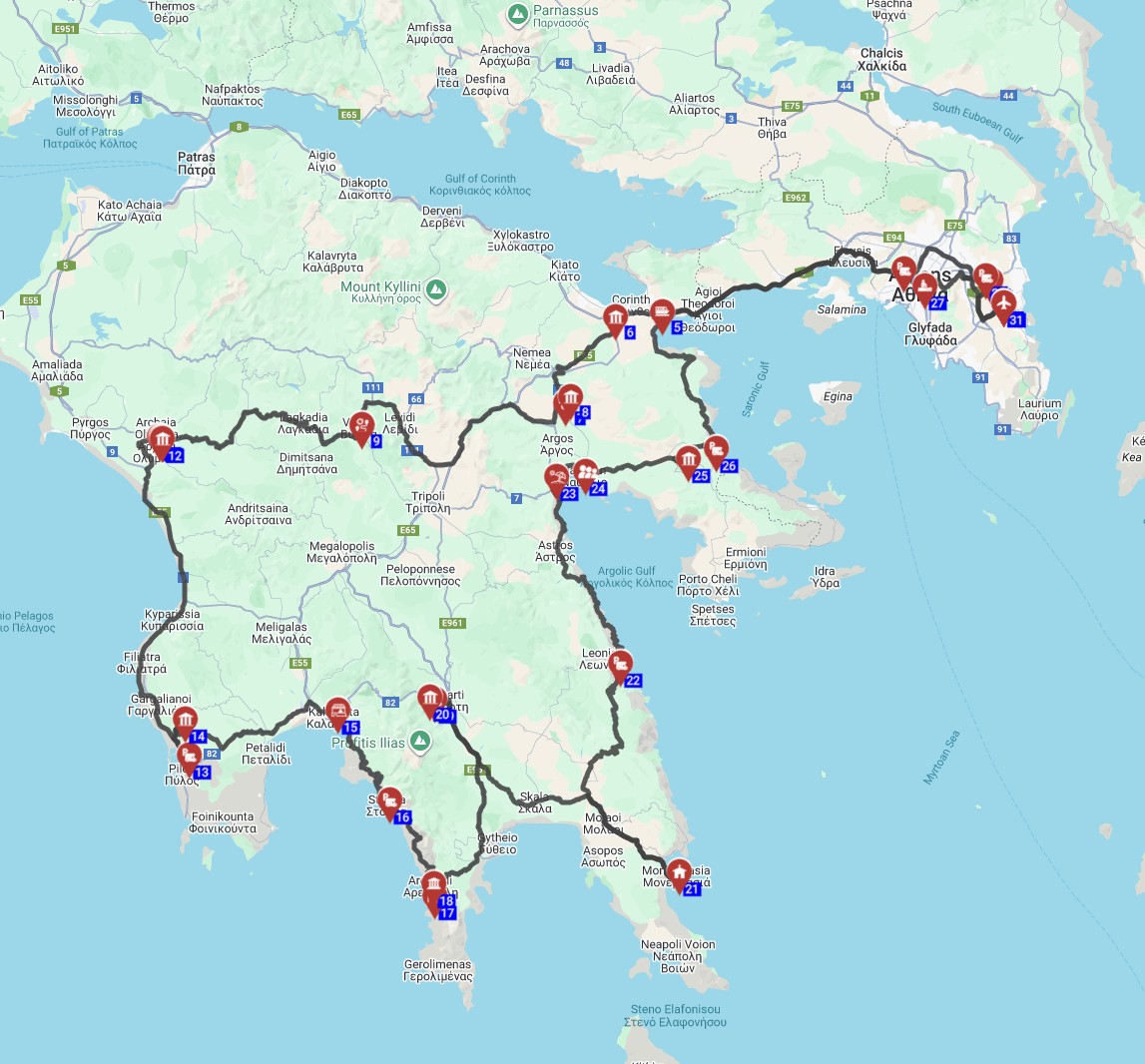
- Historical Exploration in Athens (Greece): While driving in Athens city center is limited, park your motorhome in a nearby campsite and use public transport to explore ancient sites like the Acropolis and the Parthenon, then retreat to your comfortable RV.
- "Top 5 Adventures - recommendations from Avi Bandana" (link to relevant content)
Final Thoughts
Embarking on a long-term RV rental in South Europe is more than just a trip; it's an invitation to experience the continent's beauty and culture on your own terms. With the right preparation and a spirit of adventure, you can navigate diverse landscapes, connect with local life, and create a truly unforgettable journey. Remember to embrace slow travel, savoring each moment and allowing flexibility for unexpected discoveries along the way.
At Bandana RV, we're passionate about helping you unlock these incredible experiences. Our commitment to full transparency, expert advice, and comprehensive support means you can plan your extended South Europe RV adventure with complete confidence. Get inspired for your next trip and discover top destinations, planning tips, all in one place!
Ready to start planning your dream long-term RV trip? Compare Motorhome Prices for South Europe now and let the journey begin!