For live availability and current prices, start with our RV Rental Germany - Complete Guide 2026 guide.
In This Guide
- Top 5 Tips for long term rv rental RV Rental in Germany
- Before You Book - Class, Dates, Insurance
- Pre-Trip Prep - Packing Checklist for Germany
- On the Road - Driving, Fueling, Navigation
- At the Campground - Setup, Hookups & Etiquette
- long term rv rental-Specific Tips for Germany
- Common Mistakes to Avoid in Germany
- What is Stellplatz Culture in Germany and How Does it Differ from Wild Camping?
- What is the Total Cost of an RV Trip in Germany Beyond the Rental Fee?
- When is the Best Time to Rent an RV in Germany for Different Regions and Activities?
- What are the Rules for Driving an RV on the Autobahn and in German Cities?
- What Legal Documents and Safety Equipment are Required for RVing in Germany?
- How Can I Find Off-the-Beaten-Path RV Experiences in Germany?
- What Essential German Phrases Do I Need for RV Travel?
- What are the Rules and Tips for RVing with Pets in Germany?
- How to Practice Sustainable and Responsible RVing in Germany?
- What You Shouldn't Miss
Imagine embarking on an extended adventure through Germany, exploring ancient castles, picturesque villages, and the stunning natural beauty from the comfort of your very own home-on-wheels. A long-term RV rental in Germany offers unparalleled freedom and flexibility, allowing you to immerse yourself in the culture and scenery at your own pace. With Bandana Caravan, your journey is seamless from the start, as we pride ourselves on being true RV specialists, not just another travel agency side department. For live availability and current prices, start with our RV Rental Germany - Complete Guide 2024 guide, which provides a comprehensive overview to kickstart your planning.
Top 5 Tips for long term rv rental RV Rental in Germany
Securing your long-term motorhome rental in Germany requires careful planning to ensure a smooth and memorable trip. First, booking 3-6 months early for your desired vehicle and dates is essential, especially if you're traveling during peak summer or holiday seasons, which often yield the best selection and rates. Second, become acquainted with Germany's extensive 'Stellplatz' culture, offering over 4,000 designated overnight parking spots, often free or low-cost, providing services distinct from traditional campgrounds.
Third, develop a detailed budget that covers not just the rental but also variable costs like fuel, which is currently estimated around €1.80-€2.00 per liter for diesel in 2024, campground fees, and groceries. Fourth, prepare all necessary legal documents, including a recommended International Driving Permit (IDP) alongside your standard driver's license, and ensure your rented mobile home contains the mandatory safety equipment such as a first-aid kit, warning triangle, and reflective safety vest(s). Finally, plan a balanced itinerary that blends efficient Autobahn travel for covering distances with leisurely drives along scenic routes, aiming for about 100-150 km per day to truly savor each region. This approach will maximize your enjoyment and allow you to fully experience the heart of Europe. On the routes offered through RV PLANET routes, you can itemize and track every expense along the way for easy budgeting.
Before You Book - Class, Dates, Insurance
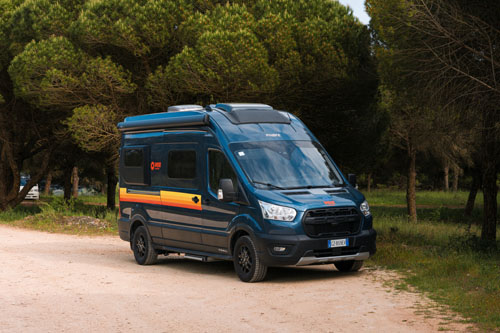
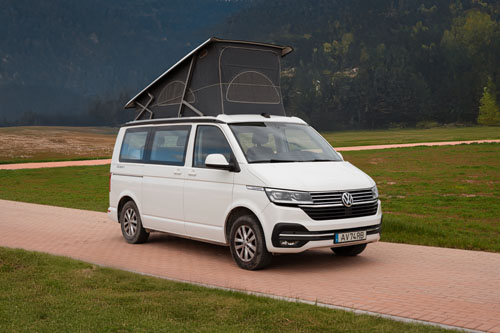
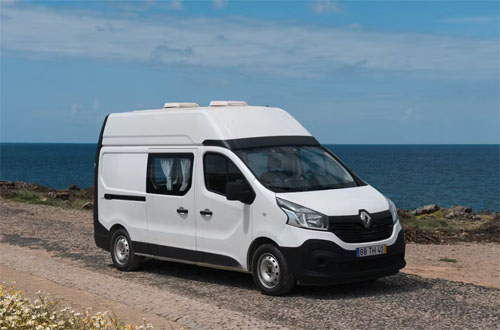
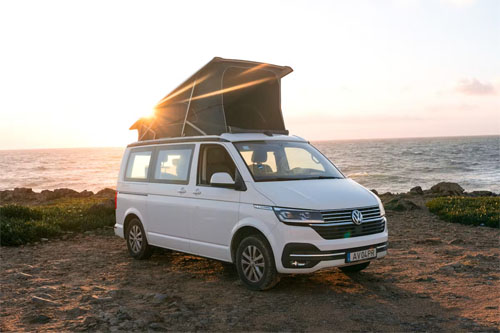
Choosing the right motorhome class is crucial for your long-term German adventure, directly impacting your comfort and travel experience. For couples, a compact campervan like an "rv rental denver example Category Van" with its toilet and shower or a "luxury rv rentals example Carthago Malibu 600" offers nimble handling and efficient fuel consumption, perfect for navigating charming towns. Families or larger groups might prefer a Class C alcove model such as an "rv rentals example Comfort Class" or a "Group G" with bunk beds, providing generous living and sleeping space for 5-7 people, often including a larger refrigerator and gas stove for comfortable cooking. Whatever your group size, we handle the details, you live the journey, offering personal service from day one until your booking is confirmed.
Booking lead times are dynamic, much like flight tickets, changing daily based on demand and seasonality. While many popular national and state parks reserve only 25-30% of their spots in advance, leaving the rest for first-come-first-serve, pre-planning 3-6 months ahead is recommended for the best selection and prices, especially for extended trips during summer. However, spontaneous travel is also entirely possible; just call ahead to campgrounds for availability. Regarding insurance, basic liability coverage is typically included with your rental, but for enhanced peace of mind, you can upgrade to a top-level deductible for extra protection, which we facilitate transparently. We believe in full transparency: what you see is what you pay, with no surprise fees at pickup, reflecting Avi Bandana's founder philosophy: "We sell the way we'd like to buy - with honesty. No hidden fees, no surprises, no tricks or gimmicks. What you see is what you get."
Pre-Trip Prep - Packing Checklist for Germany
Preparing thoroughly before your long-term RV trip to Germany ensures you have everything needed for a comfortable and compliant journey. Pack versatile clothing layers, as German weather can vary, from cool mornings to warm afternoons, even in summer. Include rain gear and comfortable walking shoes for exploring cities like Aachen or hiking in natural parks. Essential safety equipment required by German law includes a first-aid kit, a warning triangle, and at least one high-visibility reflective vest, all of which should be readily accessible within the mobile home.
Gather all necessary personal and vehicle documentation, including your national driver's license, the RV rental agreement, and insurance papers; an International Driving Permit (IDP) is highly recommended for non-EU drivers. Don't forget your passport, a credit card for fuel and emergencies, and any relevant travel insurance documents. For enjoying meals on board, consider bringing along your favorite spices or non-perishable staples. If you plan to do much cooking, remember to check our RV-friendly recipes playlist for inspiration that works perfectly in a campervan kitchen.
At the Campground - Setup, Hookups & Etiquette
Upon arrival at a German campground or Stellplatz, familiarizing yourself with the setup process and local etiquette will make your stay more enjoyable. Connect your electrical hookup first, followed by water, and then position your waste disposal hose. Most facilities offer standard European 2-pin plugs for electricity, so ensure your rental camper is equipped with the correct adapter. Many sites, even larger ones near Bad Duben or Bad Kreuznach, provide ample fresh water and waste disposal stations, making it easy to manage your resources during an extended trip.
German campgrounds are typically well-maintained and orderly, emphasizing respect for fellow campers. Quiet hours are strictly observed, often including a midday 'Middagspause' (quiet break), especially in the south. Practice responsible waste disposal, taking advantage of Germany's efficient 'Mülltrennung' (waste separation) system and the 'Pfand' (deposit-return) system for bottles and cans, which can even offer a small refund. Keep your camping area tidy, and be mindful of noise levels, particularly in the evenings. For assistance in budgeting for these ancillary trip costs, including campground fees, fuel, and other daily expenses, RV PLANET routes allow you to itemize and track every expense along the way.
long term rv rental-Specific Tips for Germany
Embracing flexibility is key to an enriching long-term RV rental experience in Germany. While popular destinations are appealing, allowing yourself to discover local and off-the-beaten-path experiences will lead to unique memories. Prioritize an RV model with generous living and storage space for extended comfort; for instance, a "hire campervan example Paradise S/T" for couples offers a good balance, while a "rent rv example EX-Group F" provides ample room for families of 2+2. Remember our advice: travel slowly, max 100-150 km per day on average, taking time to feel the place, connect to the culture, the food, and the scenery.
Learning a few essential German phrases, such as "Guten Tag" (good day), "Bitte" (please), and "Danke" (thank you), will significantly enhance interactions at local establishments and campgrounds. To truly immerse yourself, actively seek out opportunities for cultural engagement through local markets, festivals, and smaller towns like Aalen or Ammern, which often reveal the authentic charm of Germany. Our Rent&Plan service can provide you with pre-planned routes by professionals, taking the guesswork out of where to go and what to see, and you even get a 25% planning discount when using rvplan.net for these expertly crafted itineraries.
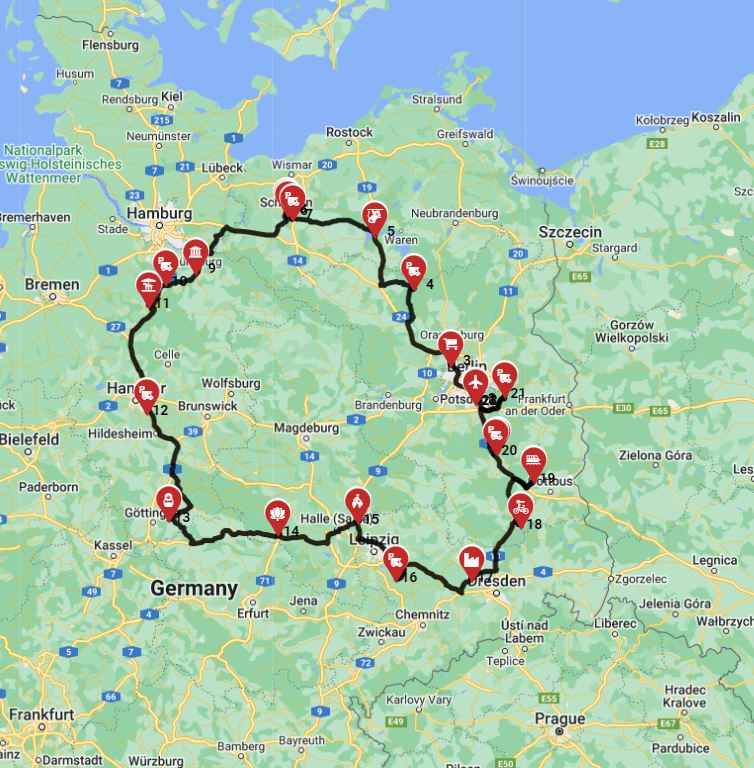
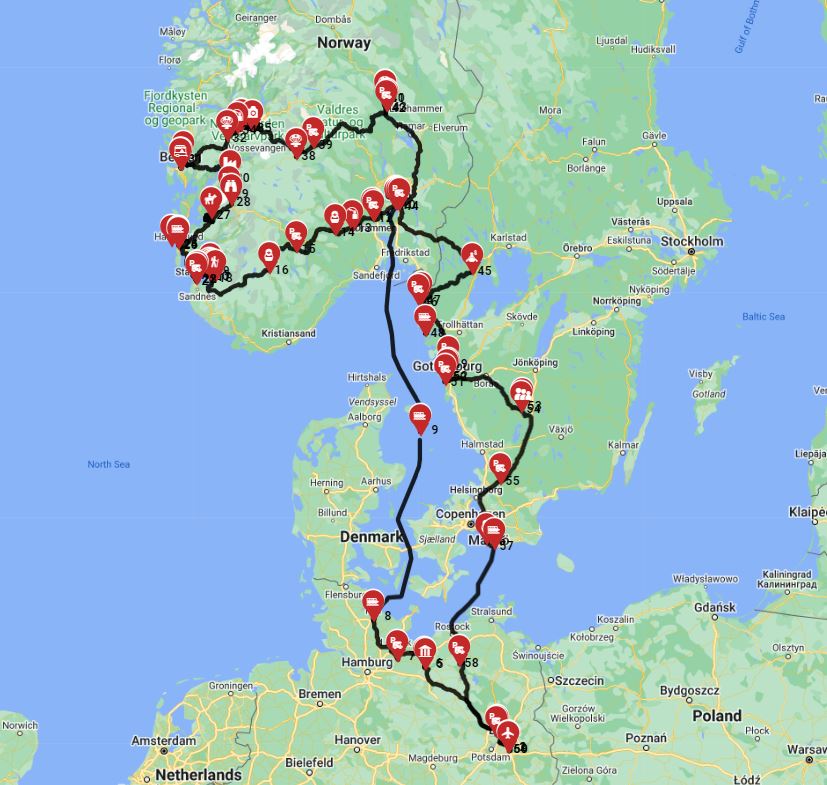
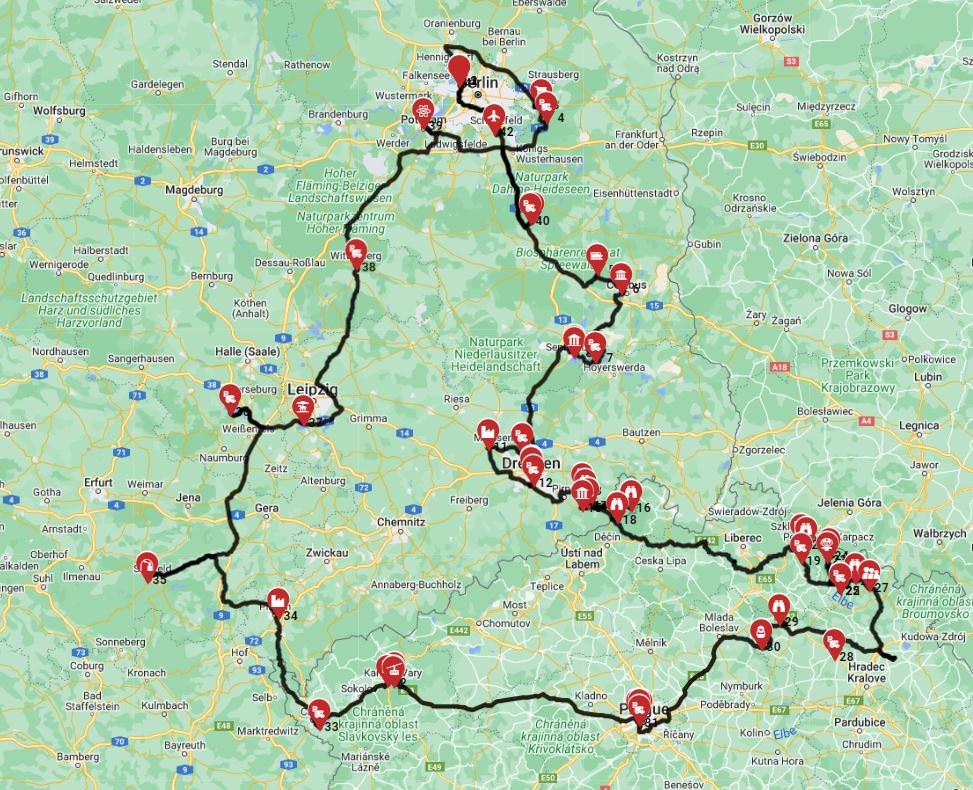
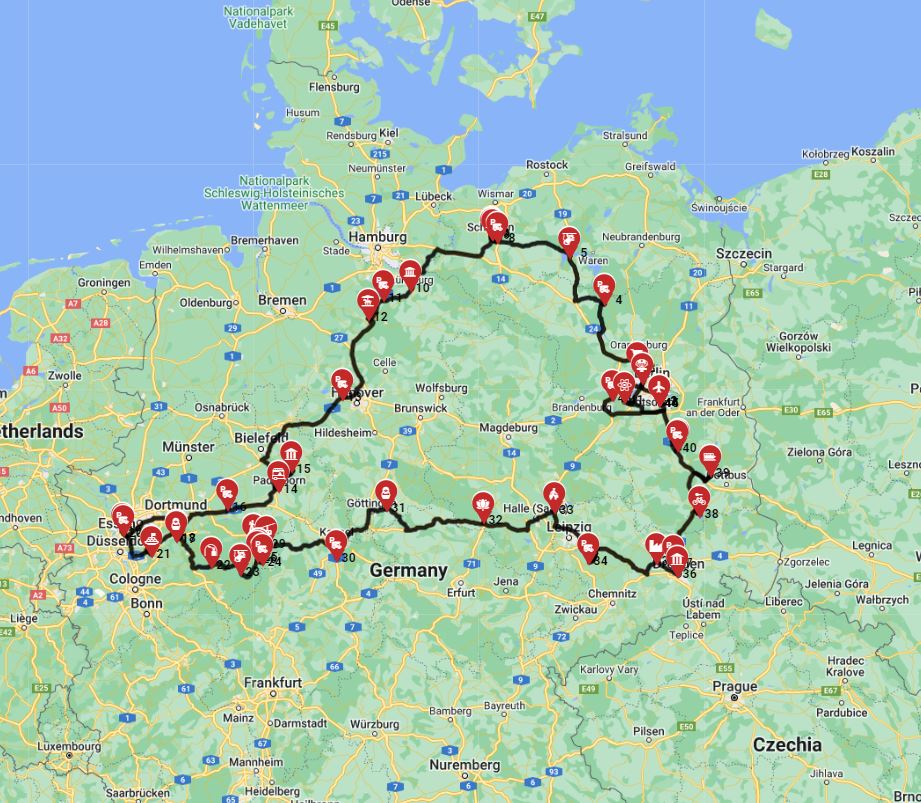
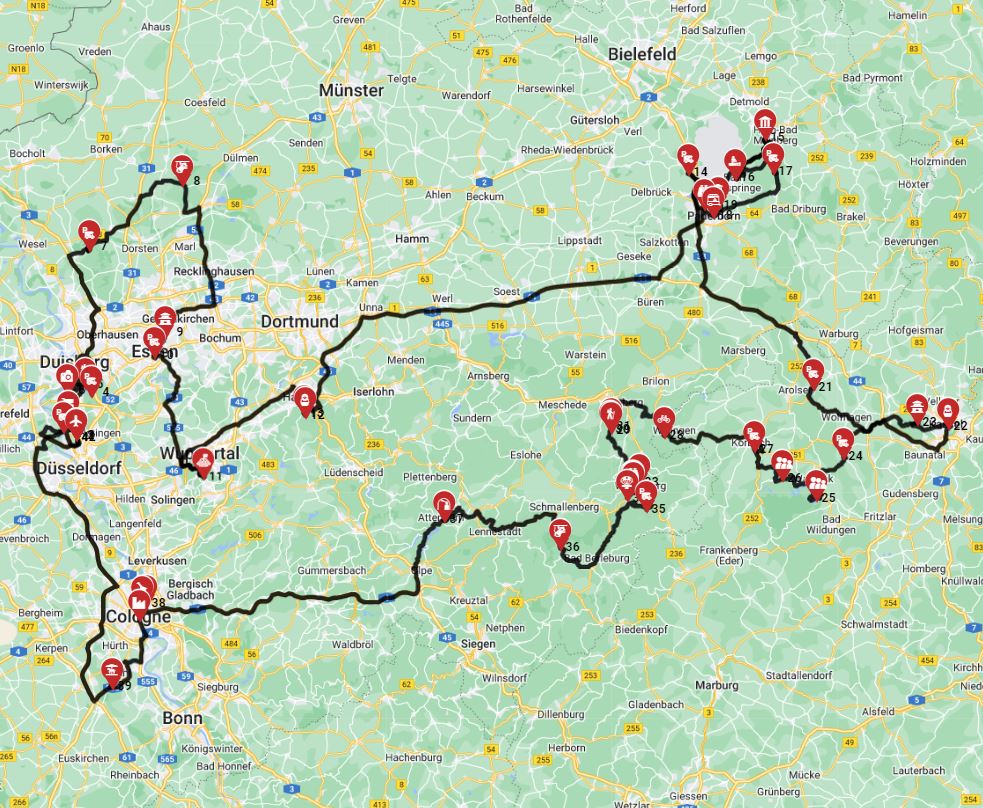
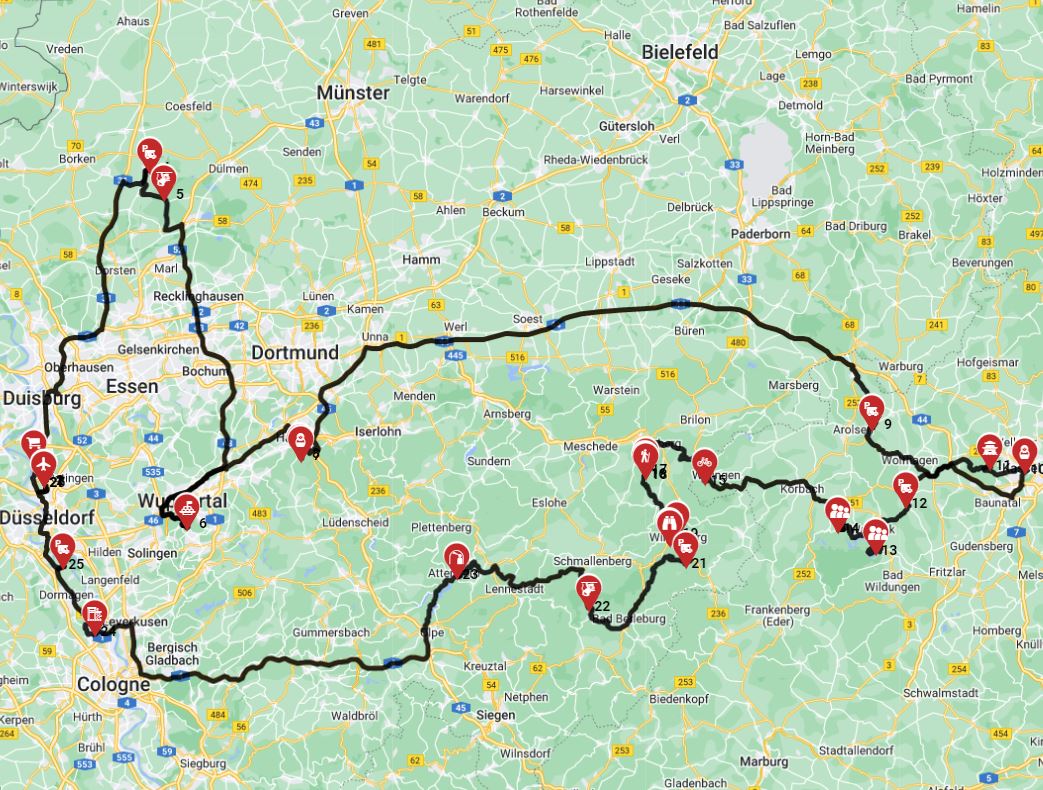
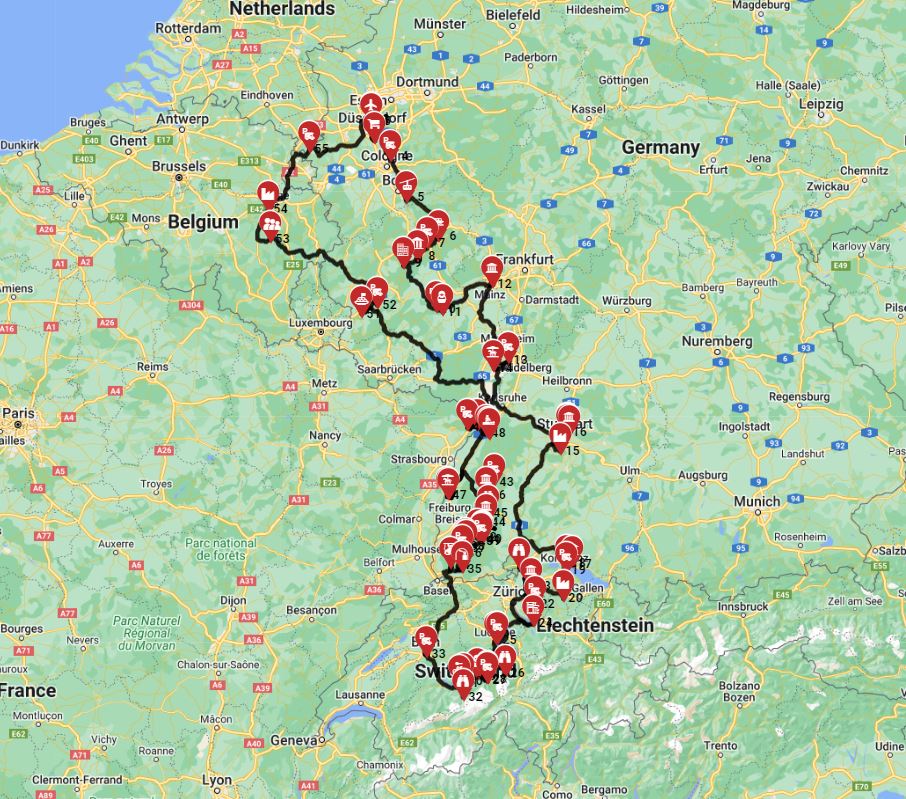
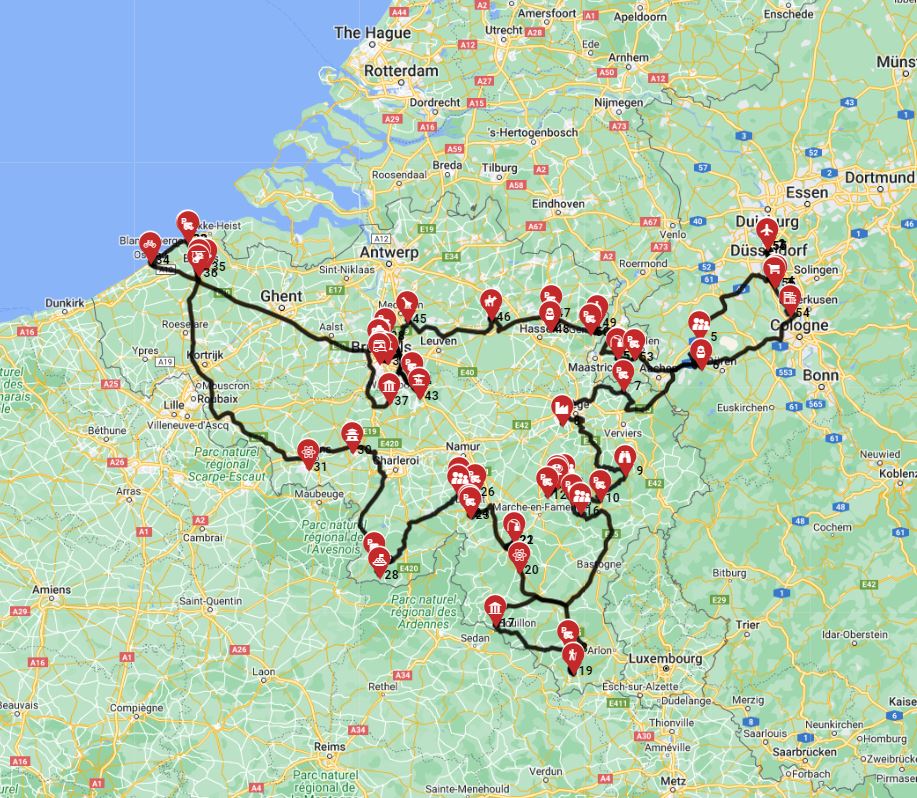
This 15-day, 2230.1 km Frankfurt Roundtrip - North Germany - Including Hamburg & Berlin route plan by RV PLANET (rvplan.net) includes 2 museums, 2 traditional restaurants, and 2 family activities, ensuring a rich exploration of northern Germany.
🎬 Video coming soon
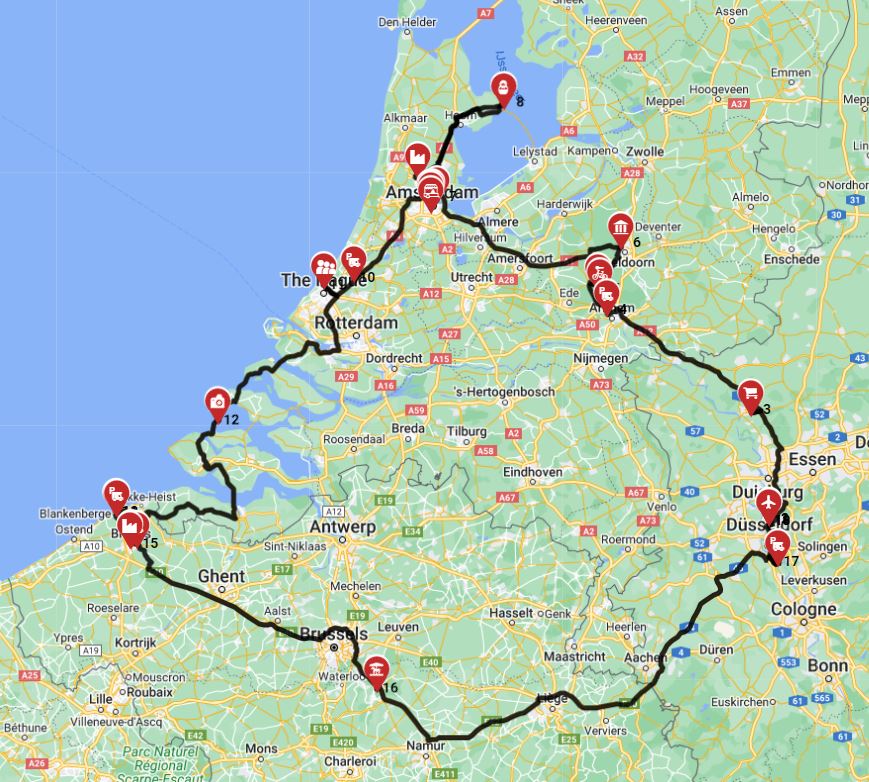
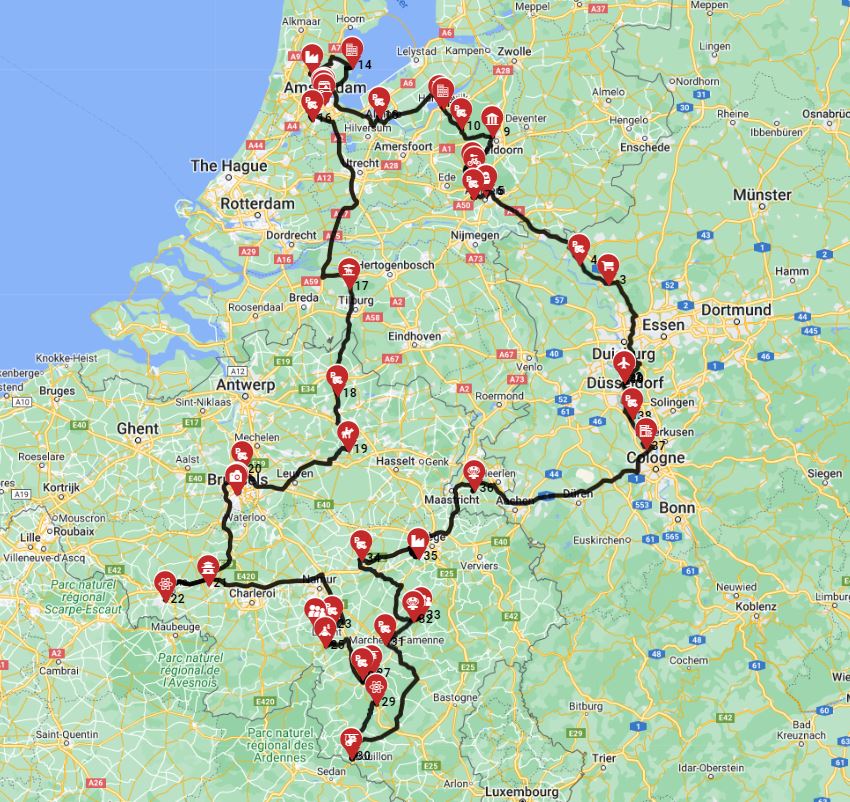
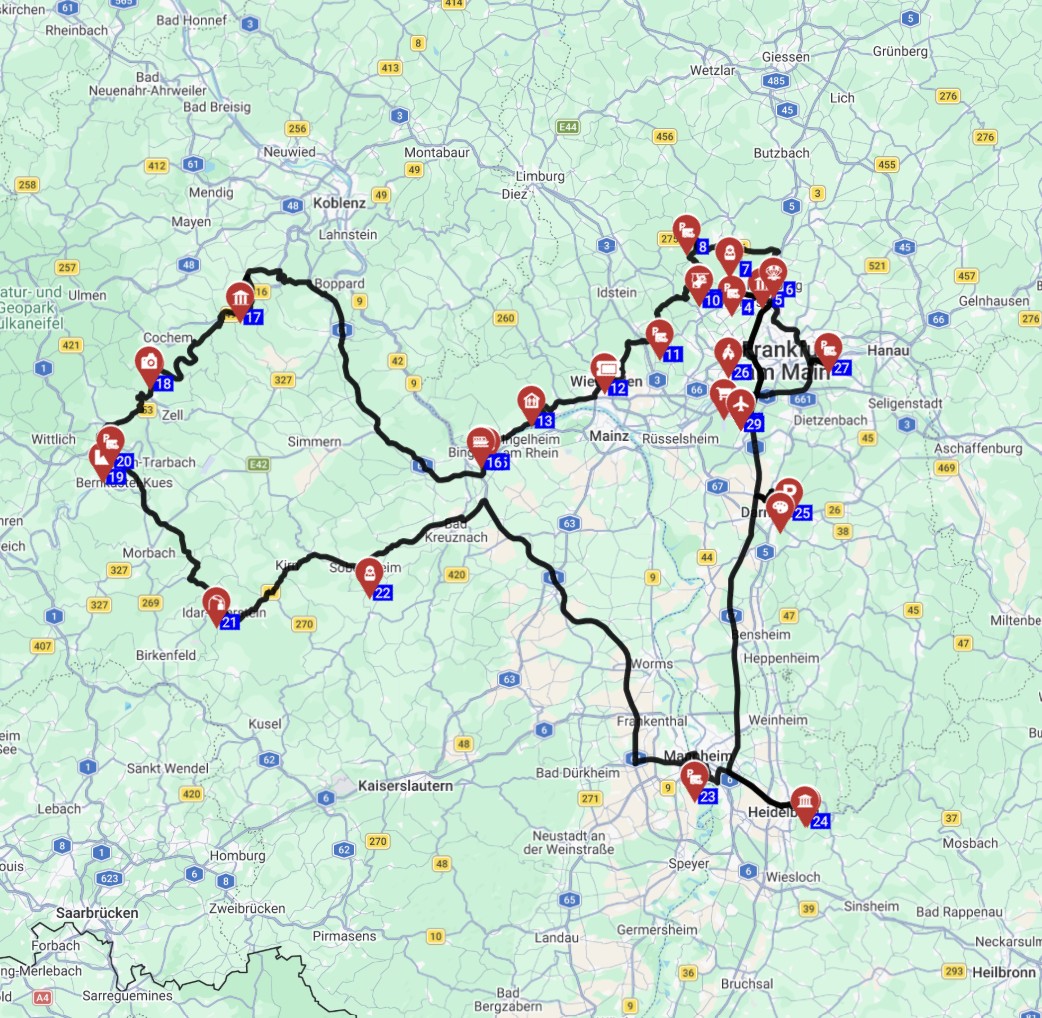
For a shorter week-long trip, the 8-day, 742.3 km
Common Mistakes to Avoid in Germany
New RV renters in Germany often make a few common mistakes that can easily be avoided with proper preparation. The most critical is attempting illegal wild camping; always use designated Stellplätze or official campgrounds, as wild camping is generally prohibited and can result in significant fines. Another frequent oversight is failing to carry the legally required vehicle safety equipment, such as a first-aid kit, warning triangle, and reflective vest(s), which are mandatory and can lead to penalties if absent during a road check or emergency.
On the Autobahn, respect RV-specific speed limits (typically 80-100 km/h) and strict right-lane discipline. Do not assume all sections are unlimited speed, especially for larger vehicles. Lastly, familiarize yourself with Germany's meticulous waste separation and recycling rules ('Mülltrennung'). Improper disposal can lead to fines and is generally frowned upon. By being mindful of these points, your long-term RV rental in Germany will be much more enjoyable and hassle-free.
What is Stellplatz Culture in Germany and How Does it Differ from Wild Camping?
Germany's Stellplatz culture refers to a network of dedicated overnight parking spots for motorhomes, distinct from traditional campgrounds. Stellplätze are legal, often municipal-run, and provide basic services such as fresh water, waste disposal, and sometimes electricity, either for a small fee or completely free. They offer a convenient, no-frills option for touring RVs, allowing travelers to park for a night or two, often near town centers or attractions, in places like Affing Mühlhausen or Am Mellensee.
This differs significantly from wild camping, which involves parking and sleeping overnight outside of designated areas. Wild camping is generally illegal throughout Germany and can lead to fines ranging from €10 to €500, depending on the municipality and whether environmental damage occurs. Stellplätze provide a safe, regulated, and socially accepted alternative, granting RVers flexibility and a taste of local life without violating local regulations.
What is the Total Cost of an RV Trip in Germany Beyond the Rental Fee?
Beyond the long-term RV rental cost itself, which is dynamic and varies by season and vehicle, several ancillary expenses contribute to the total cost of an RV trip in Germany. Fuel is a significant variable, with diesel prices in 2024 estimated around €1.80-€2.00 per liter. For a motorhome averaging 10-15 liters/100 km, a 2,000 km trip would incur €360-€600 in fuel alone. Accommodation costs range widely; while many Stellplätze are free or charge €5-€15 per night, full-service campgrounds can cost €25-€50+ per night, depending on amenities and location.
Tolls for RVs under 3.5 tons are generally not required on German Autobahns, but specific tunnels or mountain passes might have fees. Groceries and dining out will depend on your habits; cooking most meals in your well-equipped rented mobile home can save a lot, while a single meal at a traditional restaurant might cost €15-€30 per person. Budgeting for attraction entry fees, such as castles or museums, and incidental expenses like propane or dump fees, is also essential. For detailed budget planning and tracking all these expenses, RV PLANET (rvplan.net) offers routes that allow you to itemize and monitor every cost, providing full transparency.
When is the Best Time to Rent an RV in Germany for Different Regions and Activities?
The best time to rent an RV in Germany varies significantly depending on your preferred regions and activities. Spring (April-May) and early autumn (September-October) are often ideal, offering pleasant temperatures between 10-20°C, fewer crowds, and generally lower rental and campground costs. These shoulder seasons are perfect for hiking in the Bavarian Alps or exploring cultural sites in cities like Frankfurt without the summer rush. For those interested in a "Winter RV Rental in Germany - Pricing Guide 2024," off-season travel provides a unique perspective on German Christmas markets and winter landscapes, though some smaller campgrounds may have limited facilities or be closed.
Summer (June-August) is peak season, with warmer temperatures (20-30°C) perfect for lake activities, cycling, and enjoying outdoor festivals. However, this period also sees higher demand, increased prices for RV rentals, and more crowded campgrounds, especially in popular areas like the Black Forest or along the Rhine River. If your schedule is flexible, traveling mid-week or targeting less-visited regions during summer can help mitigate the crowds. Regardless of the season, our partners like El Monte, Cruise America, Apollo, and Britz offer a wide range of motorhomes suitable for any German adventure.
What are the Rules for Driving an RV on the Autobahn and in German Cities?
Driving an RV on Germany's Autobahn system requires adherence to specific speed limits and lane discipline. While some sections are famous for having no general speed limit, RVs typically have a maximum speed of 100 km/h (about 62 mph) on Autobahns, and larger motorhomes (over 3.5 tons) might be restricted to 80 km/h (about 50 mph). Always keep to the right lane unless overtaking, and only overtake when necessary. Failing to observe these rules can result in fines and is considered discourteous.
When entering German cities and towns like Aschersleben or Ammern, pay close attention to signs. Many urban areas, particularly older city centers, have narrow streets and restricted zones. Drive slowly and carefully, and you can drive almost anywhere without issues. No need to stress - just use common sense and pay attention to road signs, especially for height and weight restrictions. Utilizing park-and-ride facilities on the outskirts of cities is often the most convenient way to explore, allowing you to avoid parking difficulties and navigate busy streets with ease. Don't forget that many cities have 'Umweltzonen' (environmental zones) requiring an 'Umweltplakette' (emissions sticker) for entry, which you should confirm for your rental vehicle.
What Legal Documents and Safety Equipment are Required for RVing in Germany?
When RVing in Germany, carrying the correct legal documents and essential safety equipment is mandatory for all drivers. A standard car driver's license is sufficient for operating any Class A, B, or C motorhome in Germany, but an International Driving Permit (IDP) is highly recommended for visitors from non-English-speaking countries to facilitate communication with authorities, though it is not strictly mandatory in most cases. Always have your passport, the RV rental agreement, and comprehensive insurance documentation readily accessible.
In terms of vehicle safety equipment, German law mandates that all vehicles, including rental motorhomes and campervans, must carry a first-aid kit (Verbandskasten), a warning triangle (Warndreieck), and at least one high-visibility reflective safety vest (Warnweste) for the driver. It's prudent to carry a vest for every passenger. Ensure all these items are present and easily reachable within your rented mobile home, as police checks can occur, and non-compliance can lead to on-the-spot fines.
How Can I Find Off-the-Beaten-Path RV Experiences in Germany?
To truly discover unique and off-the-beaten-path RV experiences in Germany, venture beyond the well-known tourist routes like the Romantic Road. Explore lesser-known regions such as the Harz Mountains, a beautiful range in northern Germany perfect for hiking and medieval town visits, or the Spreewald, a unique UNESCO biosphere reserve southeast of Berlin known for its traditional punt boats and cucumber fields. These areas offer authentic charm and fewer crowds for your long-term RV rental.
Utilize local tourism offices in smaller towns; they are a goldmine of information for regional festivals, local markets, and hidden gems. RV-specific apps and online forums often share user-generated content about unique Stellplätze located near vineyards, farms, or small artisanal shops, providing an intimate connection to local German life. Engage with locals at markets and cafes for personal recommendations, as they often know the best secluded spots or upcoming village events, making your journey truly special and enriching.
What Essential German Phrases Do I Need for RV Travel?
Learning a few essential German phrases can significantly enhance your RV travel experience in Germany and smooth your interactions with locals. Basic greetings like "Guten Tag" (good day), "Guten Abend" (good evening), and polite expressions such as "Bitte" (please) and "Danke" (thank you) are always appreciated. When looking for services, knowing "Wo ist der Stellplatz?" (Where is the motorhome parking?), "Haben Sie einen freien Platz?" (Do you have a free spot?), or "Kann ich Wasser auffüllen?" (Can I fill water?) will be very helpful at campgrounds or Stellplätze.
At fuel stations or shops, phrases like "Diesel, bitte" (Diesel, please) or "Wie viel kostet das?" (How much does that cost?) are practical. For emergencies, "Hilfe!" (Help!), "Ich brauche einen Arzt" (I need a doctor), or "Wo ist das Krankenhaus?" (Where is the hospital?) are crucial. Familiarizing yourself with common road signs will also make navigation easier. German people generally appreciate any effort to speak their language, and a friendly "Hallo" goes a long way.
What are the Rules and Tips for RVing with Pets in Germany?
RVing with pets in Germany is generally pet-friendly, but strict EU entry requirements must be met. Ensure your pet is microchipped, has an up-to-date rabies vaccination, and possesses an EU Pet Passport or an official health certificate issued by a veterinarian. These documents are mandatory for crossing borders within the EU and often checked. Most RV rental companies, including Bandana's partner suppliers like El Monte and Cruise America, offer pet-friendly motorhomes, but always confirm their specific pet policies and any additional cleaning fees when booking your long-term RV rental.
At campgrounds and Stellplätze, always keep your pets leashed in public areas and diligently clean up after them. Many parks and natural reserves in Germany welcome dogs, but some might require them to be on a leash or prohibit them in certain sensitive areas. Local restaurants with outdoor seating often permit well-behaved dogs. By ensuring proper documentation and responsible pet ownership, your furry friends can enjoy the German adventure alongside you in your rented camper.
How to Practice Sustainable and Responsible RVing in Germany?
Practicing sustainable and responsible RVing in Germany contributes to preserving its beautiful landscapes and culture for future travelers. Adhere strictly to Germany's comprehensive waste separation system, known as 'Mülltrennung'. Separate your trash into designated bins for paper, plastic/packaging (Gelber Sack), organic waste (Bioabfall), and glass. Make use of the 'Pfand' system for bottles and cans by returning them to supermarkets for a deposit refund, typically €0.08-€0.25 per item, which also helps reduce waste.
Conserve water and electricity usage at Stellplätze and campgrounds, especially when not on a full hookup site. Always dispose of grey water (Abwasser) and black water (Schwarzwasser) at designated dump stations, never in undesignated areas or natural environments. Respect local flora and fauna, stick to marked trails, and minimize your environmental footprint by avoiding unnecessary noise. By following these guidelines, your long-term RV rental in Germany will not only be enjoyable but also environmentally conscious.
What You Shouldn't Miss
- **The Romantic Road:** Drive a section of this classic 400-kilometer route through Bavaria, stopping in Rothenburg ob der Tauber, a perfectly preserved medieval walled town.
- **Rhine Valley Castles:** Cruise along the Rhine River or drive a Class B campervan like a "hire campervan example Active Classic" for flexibility, witnessing dozens of fairytale castles perched on hillsides, especially between Koblenz and Bingen.
- **Black Forest Exploration:** Immerse yourself in the dark, mysterious beauty of the Black Forest, hiking scenic trails, and savoring Black Forest cake in charming villages.
- **Bavarian Alps Road Trip:** Journey through southern Bavaria, marveling at dramatic mountain scenery and visiting iconic Neuschwanstein Castle.
- **Berlin's History & Culture:** Explore the vibrant capital city by parking your rented motorhome at a nearby campground and using public transport to visit landmarks like the Brandenburg Gate, Reichstag, and East Side Gallery.
- **Mosel Valley Wine Route:** Enjoy the winding Mosel River, famous for its steep vineyards and delicious Riesling wines. Many small towns like Cochem offer beautiful riverside Stellplätze.
Looking for expert insights from Avi Bandana? Top 5 Adventures - recommendations from Avi Bandana
Final Thoughts
Embarking on a long-term RV rental in Germany is more than just a vacation; it's an opportunity to discover the rich tapestry of European culture and stunning landscapes at your own pace. With a rented motorhome, you gain the freedom to follow your curiosity, lingering in places like Bad Kreuznach that capture your heart, or exploring remote regions of Bavaria that few tourists see. Remember our advice: embrace slow travel, allowing 100-150 km per day on average, to fully connect with the places you visit.
Whether you're a seasoned RVer or planning your first extended adventure, the detailed planning and support offered by Bandana Caravan ensures a worry-free experience. From transparent pricing to expert route plans on rvplan.net, we're here to help you every step of the way. Don't just travel-live the journey!
Get inspired for your next trip! Discover top destinations, planning tips, all in one place, and plan a trip itinerary in advance with minimal effort and maximum enjoyment.