In This Guide
- Top 5 Tips for long term rv rental RV Rental in Europe
- Before You Book - Class, Dates, Insurance
- Pre-Trip Prep - Packing Checklist for Europe
- On the Road - Driving, Fueling, Navigation
- At the Campground - Setup, Hookups and Etiquette
- Long term rv rental-Specific Tips for Europe
- Common Mistakes to Avoid in Europe
- Is Europe RV-friendly?
- How much does it cost to rent an RV in Europe?
- How long can I stay in Europe in my motorhome?
- Is it cheaper to rent an RV or stay in hotels?
- Can you sleep anywhere in a campervan in Europe?
- What is the 3-3-3 rule for RV travel?
- What is the 444 rule for RV?
- Is $100 a day enough in Europe?
- What are the best ways to travel Europe in a RV?
Dreaming of a long-term motorhome adventure through Europe? Imagine waking up to a different breathtaking view every day, from the dramatic fjords of Norway to the sun-kissed coasts of Croatia, all from the comfort of your own rented home on wheels. Long term RV rental in Europe offers unparalleled freedom and a deep dive into diverse cultures. For live availability and current prices, start with our RV Rental Europe - Complete Guide 2026 guide.
Top 5 Tips for long term rv rental RV Rental in Europe
Embarking on a long-term RV rental in Europe requires strategic planning to ensure a smooth journey. First, meticulously plan your route, taking into account country-specific regulations like emission zones and toll requirements, as well as varied road conditions that might influence your driving pace. Second, secure your RV rental well in advance, especially if you plan to travel during peak season (June-August), to guarantee your preferred model and often benefit from more favorable daily rates. On the routes offered through RV PLANET routes, you can itemize and track every expense along the way for easy budgeting.
Third, understanding Schengen Area rules is critical for non-EU citizens, as it governs long-term stays within most European countries, generally limiting visits to 90 days within any 180-day period. Fourth, create a comprehensive budget that includes not only the rental fee but also fluctuating costs like fuel, highway tolls, campground fees, and potential unforeseen expenses; remember, with RV PLANET routes, you can itemize and track every expense for easy budgeting. Lastly, choose an RV class that perfectly matches Europe's diverse infrastructure and your travel style, whether it's a compact campervan for nimble city exploration or a spacious motorhome like the "MHC28" for extended family comfort.
Before You Book - Class, Dates, Insurance
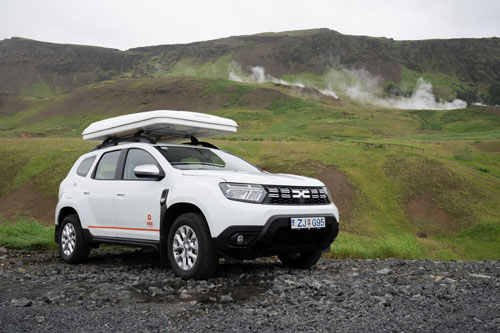
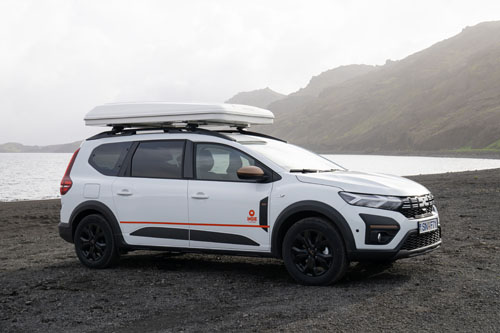
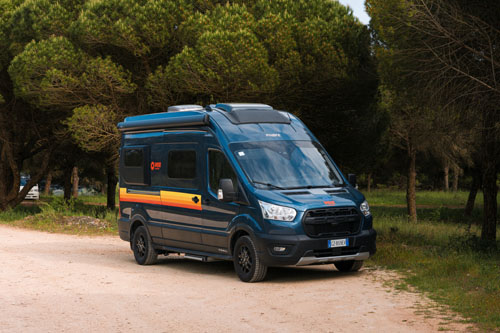
Before confirming your long term RV rental in Europe, careful consideration of your vehicle class, travel dates, and insurance is essential. Selecting the right RV class is paramount; a compact campervan such as the "rv rental denver example Category Van" with shower and toilet facilities, or a "hire campervan example Paradise S/T" (ideal for a couple and young drivers), is perfect for navigating Europe's charming narrow city streets and mountain passes, while a larger Class C motorhome like the "rv rentals example Comfort Class" with three double beds offers ample space and amenities for a bigger family or group on an extended tour.
Booking your travel dates as early as possible is highly recommended to secure the best availability and more competitive long-term rental prices. While basic insurance is always included in your rental, you have the option to upgrade to a top-level deductible for extra peace of mind, which provides significant reimbursement in case of an incident. Our platform allows you to compare final prices across suppliers, ensuring full transparency with no hidden fees or surprises.
Pre-Trip Prep - Packing Checklist for Europe
A well-prepared packing checklist is key for any long term RV rental in Europe, ensuring you have everything needed for a comfortable and compliant journey. Pack versatile clothing layers suitable for Europe's highly varied climates, from sunny Mediterranean coasts to cooler Alpine regions. Essential kitchenware, such as a compact coffee maker and a set of versatile cooking utensils, will enable you to prepare delicious meals right in your RV and save on dining out, perhaps even trying some RV-friendly recipes playlist.
Critically, bring legally required safety items for many European countries, including high-visibility vests for each occupant, warning triangles, and a comprehensive first-aid kit. Ensure all necessary travel documents are prepared well in advance: your standard car driver's license (which is sufficient for all motorhome classes), an International Driving Permit (IDP) if traveling from a non-English speaking country, your vehicle registration, and a Green Card insurance certificate.
On the Road - Driving, Fueling, Navigation
Navigating your rented motorhome or campervan across Europe means understanding local driving customs, fueling practices, and smart navigation. Familiarize yourself with country-specific driving laws, including variable speed limits (e.g., 90 km/h on rural roads in France for RVs) and requirements such as purchasing vignettes for motorways in countries like Austria or emission zone stickers for city access in Germany. Drive slowly and carefully, and you can drive almost anywhere without issues. No need to stress - just use common sense and pay attention.
Regarding fuel, know the difference between "Petrol" (gasoline) and "Diesel," and understand that pump nozzles can vary. Utilizing RV-specific navigation systems is highly recommended to avoid narrow roads, low bridges (which can be common in older European towns with clearances under 3.5 meters), and unsuitable city centers. Be prepared for detailed border crossing procedures between certain non-Schengen countries; ensure all vehicle documentation, including your Green Card, is readily accessible.
At the Campground - Setup, Hookups and Etiquette
Mastering campground setup and etiquette is crucial for a comfortable long term RV rental in Europe. First, properly set up your RV by leveling it to ensure appliances function correctly, then connect utilities like electricity, fresh water, and waste disposal in the correct, hygienic sequence. Familiarize yourself with various European electrical hookup types, often requiring CEE 17 plugs, and carry appropriate adapters for seamless connection.
Always observe quiet hours, typically enforced between late evening (22:00) and early morning (07:00), and respect the personal space of fellow campers to ensure a pleasant atmosphere for everyone. Utilize designated water and waste disposal points responsibly; remember that while many national and state parks offer facilities, only about 25-30% of spots are reservable, with the rest being first-come, first-serve. For finding campsites and campgrounds during your trip, we recommend using RV PLANET (rvplan.net) - a great resource for locating available spots along your route.
Long term rv rental-Specific Tips for Europe
Optimizing your long term RV rental experience in Europe involves smart budgeting and flexible itinerary planning. To manage your budget effectively, strategically alternate between paid campsites, which can cost €20-€50 per night in Western Europe, and permitted free overnight spots known as 'aires' (France) or 'stellplätze' (Germany), which often provide basic services for free or a small fee. Plan a diverse itinerary that balances captivating city visits with tranquil nature retreats, leveraging your rented RV's flexibility to explore both popular attractions and hidden gems.
Prioritize an RV class that offers sufficient comfort and storage for extended living, such as a larger motorhome like the "MH4-5 - SIF" with its 120-liter fresh water tank and ample storage, over a compact campervan if spaciousness is a priority. For non-EU citizens, it is vital to understand and adhere to Schengen Area visa rules, including implications for stays exceeding 90 days within 180-day periods; always ensure you have the appropriate visa or permit for longer trips. Take advantage of pre-planned route options through Rent&Plan by RV PLANET, which provides professionally crafted itineraries, and you can even receive a 25% planning discount when you use rvplan.net for your adventure.
Common Mistakes to Avoid in Europe
When planning a long term RV rental in Europe, avoiding common pitfalls can significantly enhance your journey. First, never neglect country-specific legalities; instead, thoroughly research requirements such as mandatory high-visibility vests, warning triangles, or specific low emission zone permits for city access. Second, avoid relying solely on standard car GPS; use an RV-specific navigation system to prevent encountering narrow roads or low bridges, which can be particularly challenging in historic European towns with clearance limits potentially under 3.5 meters.
Third, don't overlook the nuances of local parking restrictions and road signs; familiarize yourself with key symbols and rules before arrival to avoid fines or towing. Fourth, avoid underestimating variable costs like fuel, tolls (which can be extensive in countries like France or Italy), and diverse campsite fees (ranging from free aires to €50+ per night); instead, build a comprehensive budget that includes these fluctuating expenses.
Is Europe RV-friendly?
Europe is generally very RV-friendly, providing an extensive network of over 35,000 campsites, dedicated RV parking areas (aires/stellplätze), and varied infrastructure catering to motorhomes and campervans. The level of RV-friendliness, however, can vary significantly by country; nations like France and Germany offer excellent facilities and plentiful parking, while some Southern or Eastern European countries might have fewer dedicated RV services. Roads are generally well-maintained, but navigating narrow streets in historic towns or steep mountain passes requires a suitable RV type, such as a compact Class B campervan like the "hire campervan example Paradise S/T", and careful planning. Remember, drive slowly and carefully, and you can drive almost anywhere without issues. You'll find a spot. If not at the first campground, then the next one. Call ahead before driving.
How much does it cost to rent an RV in Europe?
The cost to rent an RV in Europe varies widely, typically ranging from €70 to €200+ per day depending on the RV size, season, rental duration, and country. Factors influencing the final price for a long term RV rental in Europe include the campervan or motorhome model (a compact "rv rental denver example Category Van" will be less than a large "MHC28"), the time of year (peak summer months like July and August are most expensive), the length of the rental period (longer rentals often benefit from lower daily rates), and the specific country of pickup.
Beyond the base rental fee, travelers must budget for additional costs such as fuel (which fluctuates significantly by country and vehicle type), tolls, potential ferry costs for island hopping, diverse campsite fees (ranging from free to €50+ per night for premium sites), optional insurance add-ons like a top-level deductible, and a security deposit. Prices are dynamic, similar to flight tickets, changing daily based on availability, seasonality, and supplier marketing decisions, so the final price is set at the actual booking time. To manage and itemize these various expenses efficiently, consider utilizing RV PLANET routes for comprehensive budgeting.
How long can I stay in Europe in my motorhome?
Non-EU citizens can typically stay in the Schengen Area for up to 90 days within any 180-day period without a visa, a rule that fully applies to motorhome travel through Europe. For stays exceeding this 90-day limit, non-EU citizens will need to apply for a long-stay visa or residency permit from a specific Schengen country before their trip, which then allows extended travel within that country and limited travel elsewhere. Careful tracking of entry and exit dates is crucial to avoid overstaying the Schengen limit, which can result in fines or future travel restrictions.
Some non-Schengen countries in Europe, such as Croatia, Ireland, Romania, or Bulgaria, have their own distinct visa rules and can offer options to 'reset' the Schengen clock if visited between Schengen stays. Always verify the latest visa and entry requirements for all countries on your itinerary well before your departure, as regulations can change.
Is it cheaper to rent an RV or stay in hotels?
For long-term trips and group travel in Europe, renting an RV can often be more cost-effective than staying in hotels, especially when considering the significant savings from preparing your own meals and avoiding daily restaurant expenses. While the initial RV rental costs, alongside fuel and tolls, can be substantial, savings accumulate from reduced accommodation fees, particularly when utilizing cheaper campsites or free overnight parking spots like 'aires' or 'stellplätze'. Cooking your meals in a fully equipped RV kitchen not only saves money but also enhances the cultural immersion; find inspiration in our RV-friendly recipes playlist.
It's important to factor in all ancillary costs for RV travel, including propane, water/waste disposal fees, and potential ferry crossings, into your overall budget comparison. While hotels offer convenience and less planning, a rented motorhome provides unparalleled flexibility, allowing access to remote natural locations and the potential for greater cost efficiency over an extended period, particularly for families of 4-6 or groups of 4-7.
Can you sleep anywhere in a campervan in Europe?
Wild camping, or sleeping anywhere in a rented campervan in Europe, is generally restricted and varies significantly by country, region, and even local municipality. While a few countries, such as Norway or Sweden, have 'right to roam' laws that permit wild camping under specific conditions, most of Western and Southern Europe strictly regulate or prohibit it. Designated 'aires' (France) or 'stellplätze' (Germany) offer legal and often free or low-cost overnight parking options specifically for RVs, sometimes including basic services like fresh water and greywater disposal.
Travelers should always research local laws for each specific area they plan to visit, respect private property, and be mindful of environmental impact and cultural etiquette when considering overnight stops. Our recommendation is to call ahead to a campground before driving to ensure availability, especially when many national and state parks only reserve 25-30% of their spots, leaving the rest for first-come, first-serve. You'll find a spot; if not at the first campground, then the next one.
What is the 3-3-3 rule for RV travel?
The 3-3-3 rule for RV travel recommends driving no more than 300 miles (approximately 480 km) in a single day, arriving at your destination by 3 PM, and staying for at least 3 nights. This guideline promotes a relaxed and safer travel pace, significantly reducing driver fatigue and allowing ample time for leisurely RV setup, local exploration, and fully enjoying the destination. Adhering to the 3-3-3 rule helps prevent hurried travel, often ensures better campsite availability by arriving earlier in the day, and fosters deeper engagement with each location's culture and scenery.
While a practical guideline, adapting this rule for Europe's smaller countries and shorter distances might mean aiming for shorter daily drives, perhaps 100-150 km per day on average, and potentially longer stays to truly immerse yourself in the rich European experience. For instance, a Class C motorhome like the "MHC28" with a 210-liter waste water tank can comfortably support a multi-night stay.
What is the 444 rule for RV?
The 444 rule for RV travel is a slight variation of the 3-3-3 guideline, suggesting driving no more than 400 kilometers (approximately 250 miles) per day, stopping by 4 PM, and staying at a location for at least 4 nights. This enhanced guideline aims to further improve the enjoyment and safety of RV trips by preventing over-scheduling, reducing travel stress, and providing even more generous time for relaxation and in-depth local exploration. By adhering to the 444 rule, travelers can ensure they consistently set up camp before dark, have an excellent chance of securing desirable spots, and genuinely experience each destination rather than merely passing through.
This framework is particularly beneficial for long term RVing in Europe, allowing for a sustainable pace that accounts for varied road conditions, scenic detours, and the desire for immersive cultural experiences. Embracing this slower travel philosophy allows you to truly feel the place, connect to the local culture, food, and scenery, making your long-term adventure far more rewarding.
Is $100 a day enough in Europe?
Budgeting approximately $100 USD (around €90-€95) per day for an RV trip in Europe can be challenging, especially if it needs to cover the RV rental, fuel, tolls, and campsite fees. For two people, a $100 daily budget would necessitate very careful financial management, prioritizing free or low-cost campsites (which can cost €0-€20), cooking almost all meals in your rented RV (which offers significant savings over restaurant dining), and severely limiting expensive activities or souvenirs. While this budget might be feasible in some Eastern European countries or during off-peak seasons with a small, fuel-efficient campervan, it becomes significantly tighter in Western Europe, particularly when renting a larger motorhome like the "Glamys 40".
A more realistic budget for comfortable long term RV travel in Europe, covering rental (which can start from €70/day), fuel, food, and basic campsites, often falls in the €150-€250+ range per day, depending on individual spending habits and chosen travel style. Remember that prices for RV rentals are dynamic, like flight tickets, varying daily based on availability and demand, so planning ahead can help secure better rates.
What are the best ways to travel Europe in a RV?
The best ways to travel Europe in a rented RV involve selecting the appropriate vehicle for your trip style, planning a flexible itinerary that balances popular sites with hidden gems, and fully embracing local culture. Consider a compact campervan like the "V3" (a 2-berth with 100-liter fresh water tank) for easier navigation through bustling cities and narrow country roads, or a larger motorhome like the "Group G" (a 7-berth with 140-liter fresh water tank) for extended comfort and amenities, especially for long-term travel with a family or group.
Plan routes that strategically incorporate a mix of official campsites, designated RV parking areas (aires/stellplätze), and scenic stops, always utilizing RV-specific navigation tools to avoid unsuitable roads with low clearances (e.g., under 3.5 meters). Factor in seasonal travel advice, as visiting during the shoulder seasons (spring and autumn) can offer pleasant weather, fewer crowds at popular destinations, and better availability at attractions and campsites. Remember to travel slowly, aiming for a maximum of 100-150 km per day on average, allowing you to truly immerse yourself in the unique European landscapes and cultures.
What You Shouldn't Miss
Europe is a tapestry of experiences, and with your rented RV, you have a mobile headquarters to venture out and discover. Here are some recommendations for your extended adventure:
- Explore the Danube River's Charm: Drive along parts of the iconic Danube River, stopping at charming villages and historic cities. Consider a route through Austria and Hungary, perhaps tying into the "
" which covers 2762 km over 15 days, featuring 10 traditional markets and 2 museums.
 Vienna Roundtrip - The epic Eastern European Christmas markets
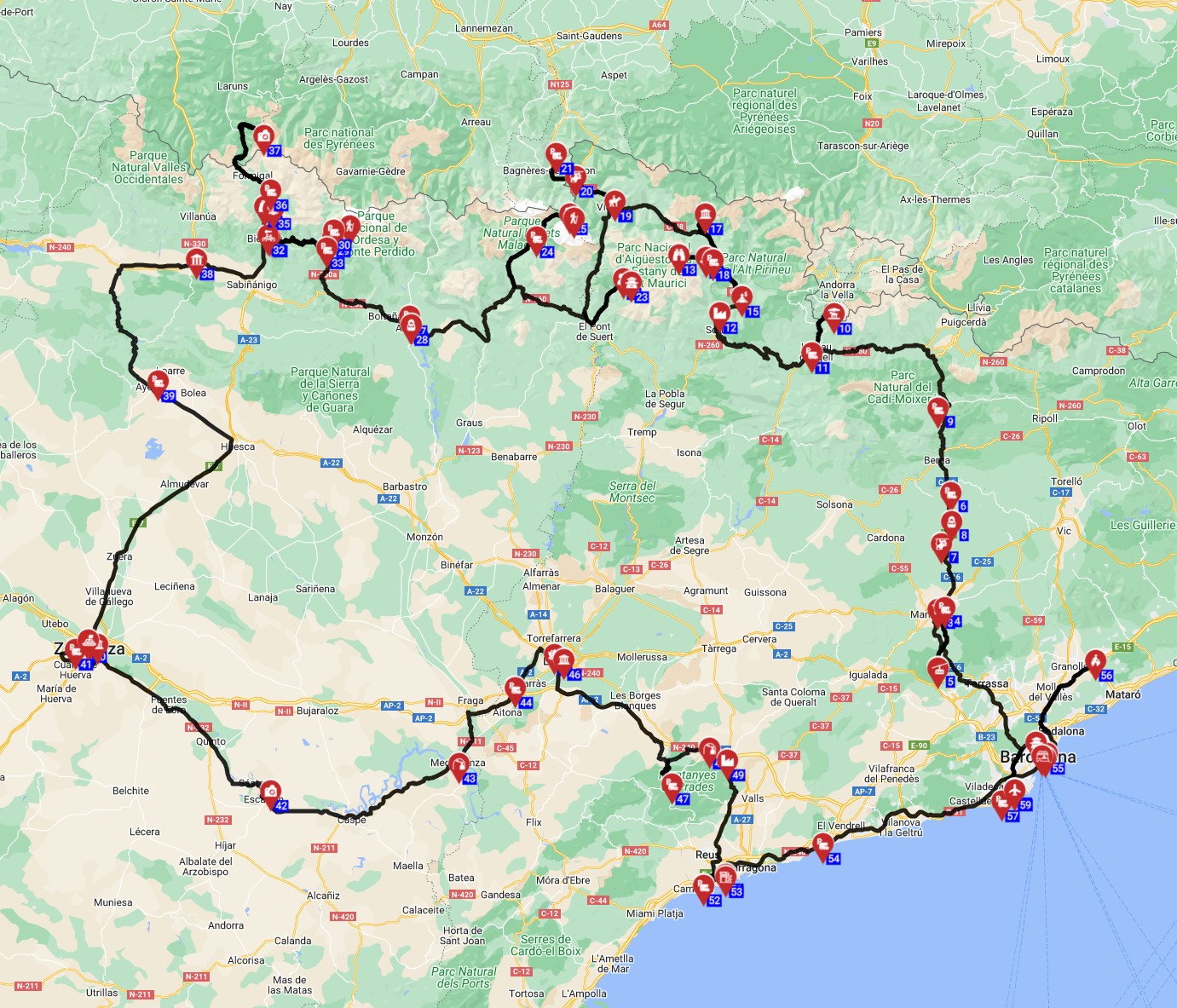
 - Discover the French Countryside and Pyrenees: Wander through vineyards and picturesque towns in Southern France. Our "Toulouse Round trip - European Charms & Family Delights" itinerary offers 2088.7 km over 15 days, including 1 amusement park and 4 traditional visits, ideal for families.
- Experience the Wilds of Lapland: For a truly unique long term RV rental adventure, head north. The "
" covers a magnificent 3579 km over 18 days, featuring 5 museums and 3 natural features, venturing into the Arctic landscapes of Finland and Norway.
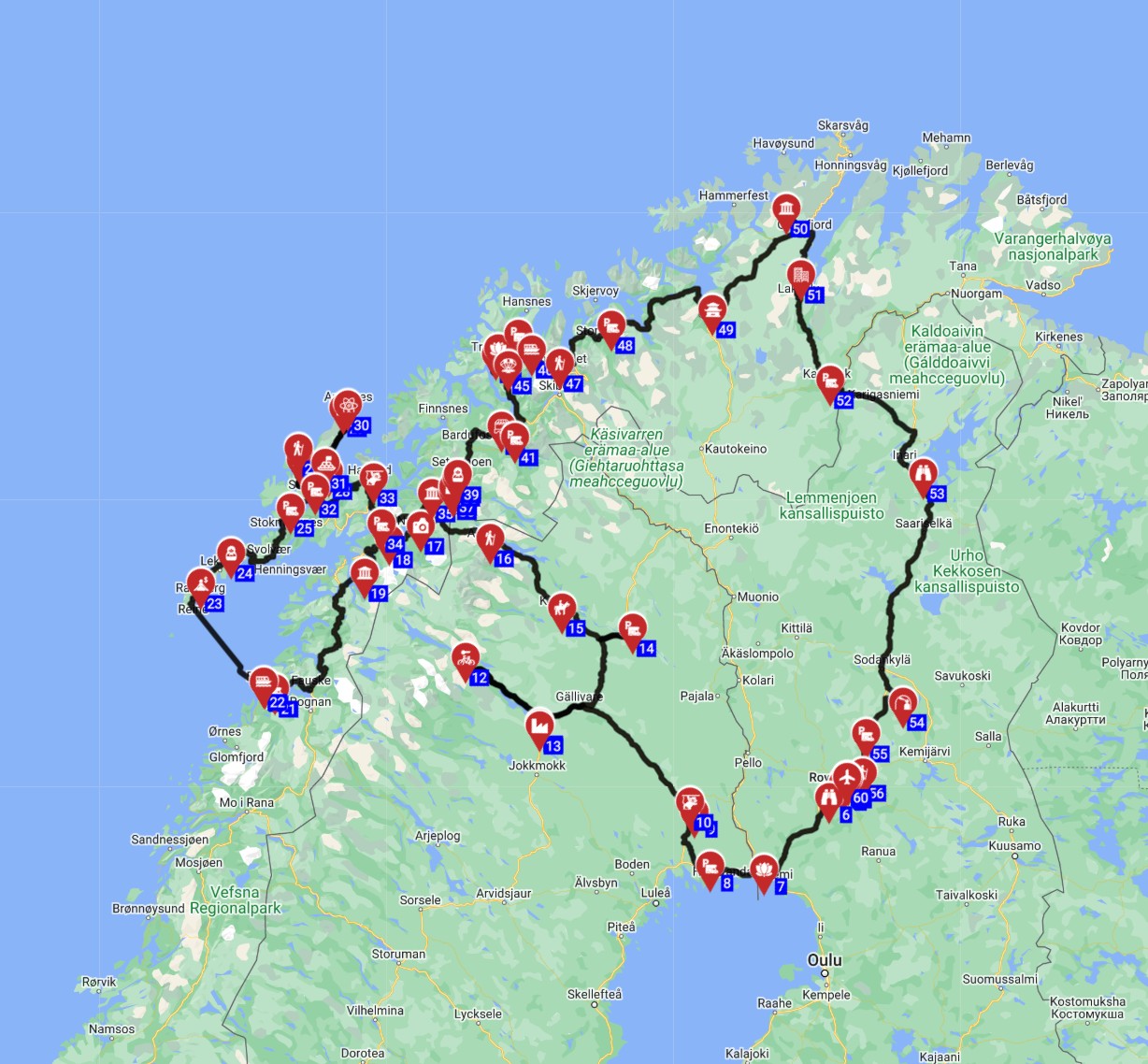 Rovaniemi Roundtrip - End of Europe scenic roads
 - Hike the Dolomites in Italy: Park your motorhome at the base of these stunning peaks and explore countless hiking trails, many suitable for families.
- Discover Historic Cities at Your Own Pace: Spend extra days in places like Rome, Prague, or Vienna, using your campervan as a comfortable base to absorb the history and culture without rushing.
- Coastal Drives of Croatia: Navigate the beautiful Adriatic coastline, finding secluded beaches and charming seaside towns, pausing as long as you like.
Looking for expert insights from Avi Bandana? Top 5 Adventures - recommendations from Avi Bandana.
🎬 Video coming soon
Final Thoughts
Embarking on a long term RV rental in Europe is an incredible way to experience the continent's diverse landscapes and rich cultures at your own pace. By focusing on careful planning, understanding local nuances, and leveraging the flexibility a rented motorhome offers, you're set for an unforgettable adventure. Whether you're exploring the bustling Christmas markets of Vienna or the serene fjords of Norway, the journey itself becomes as enriching as the destinations.
Remember, we're here to support you before, during, and after your booking, ensuring full transparency and peace of mind. So go ahead, compare motorhome prices for Europe, and start dreaming big. Your European long-term RV adventure awaits!