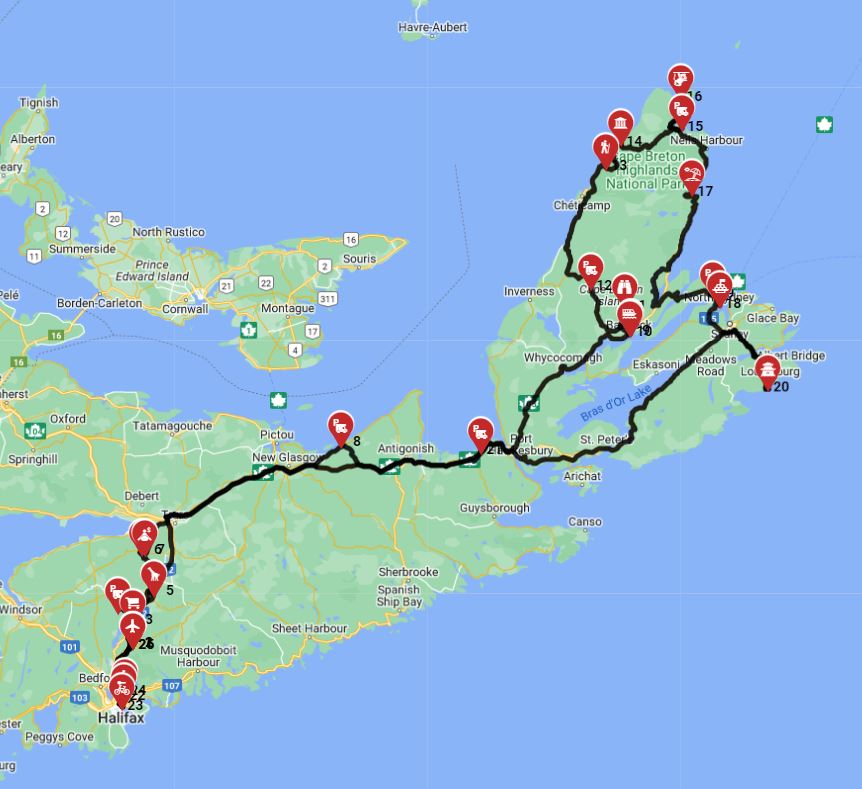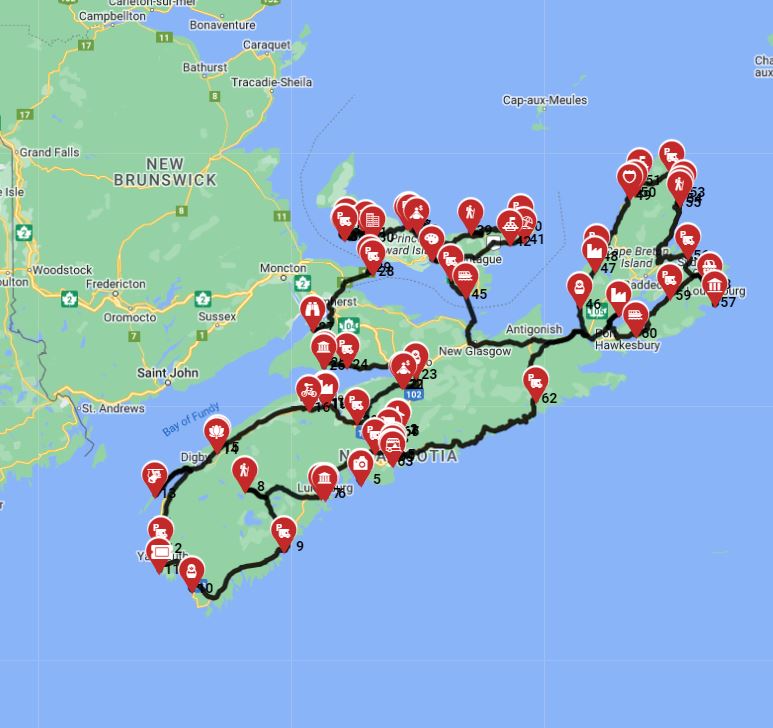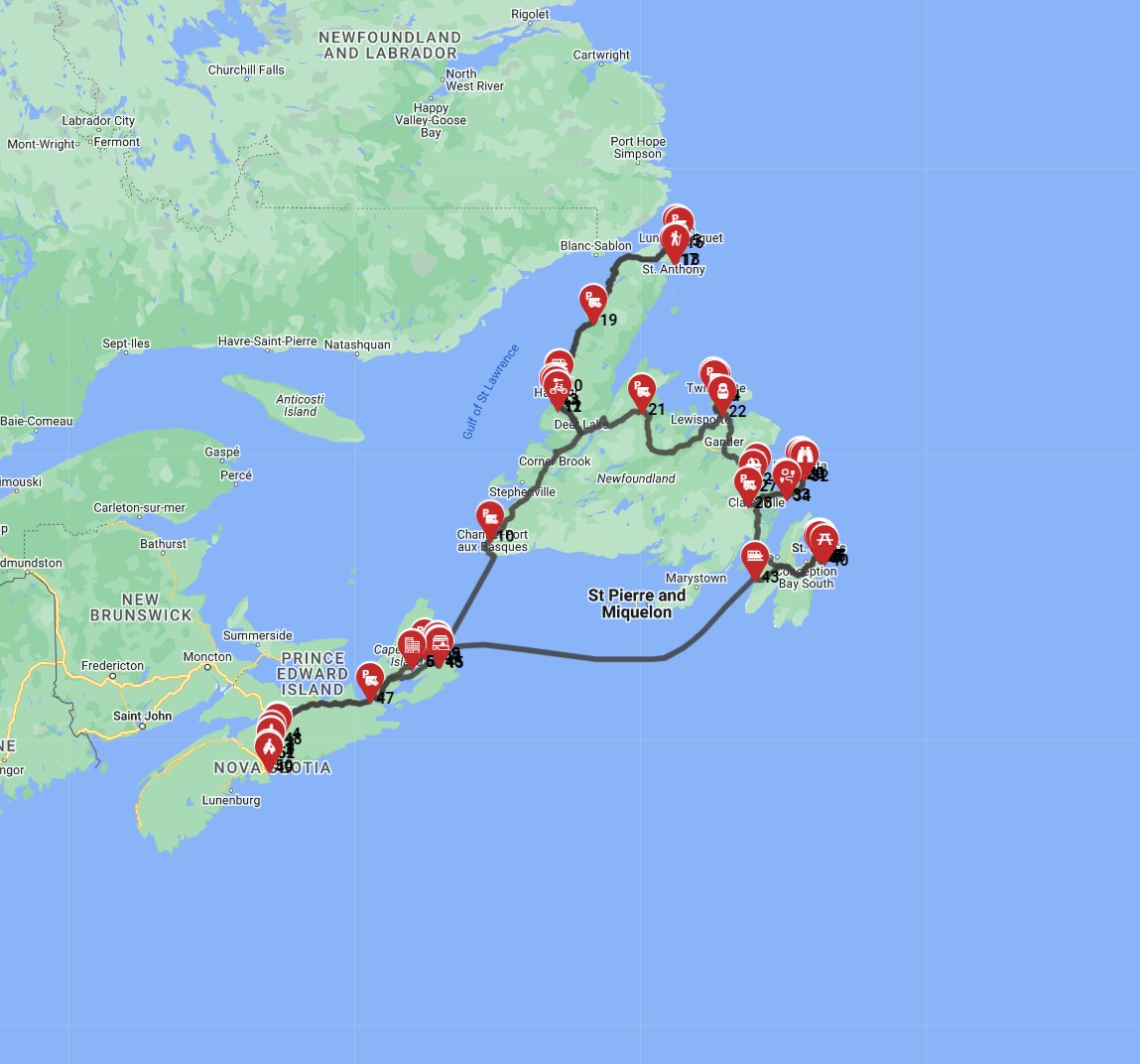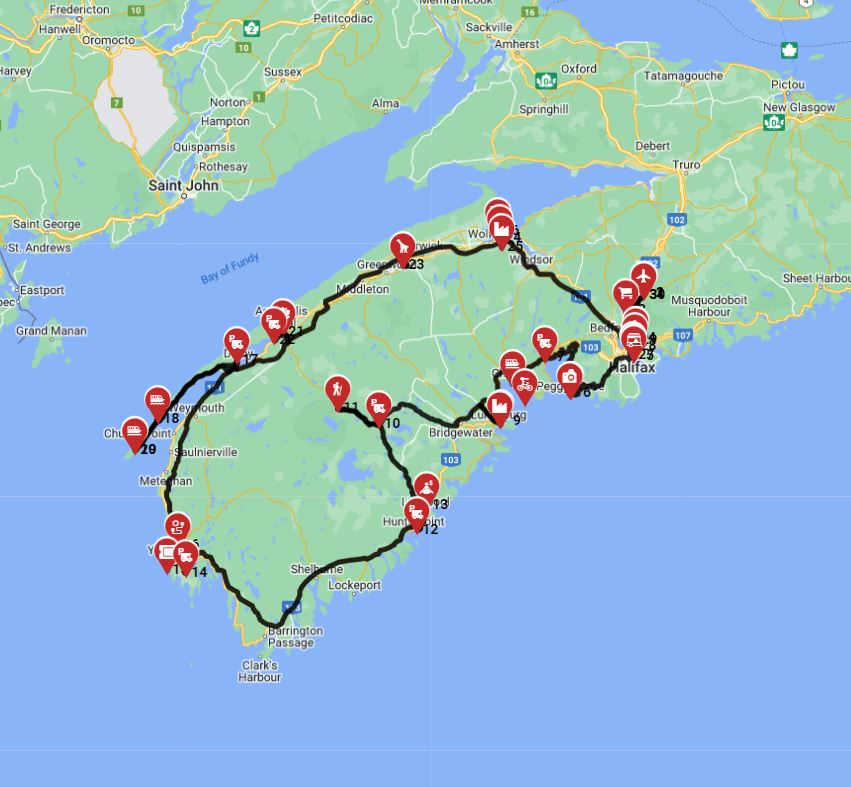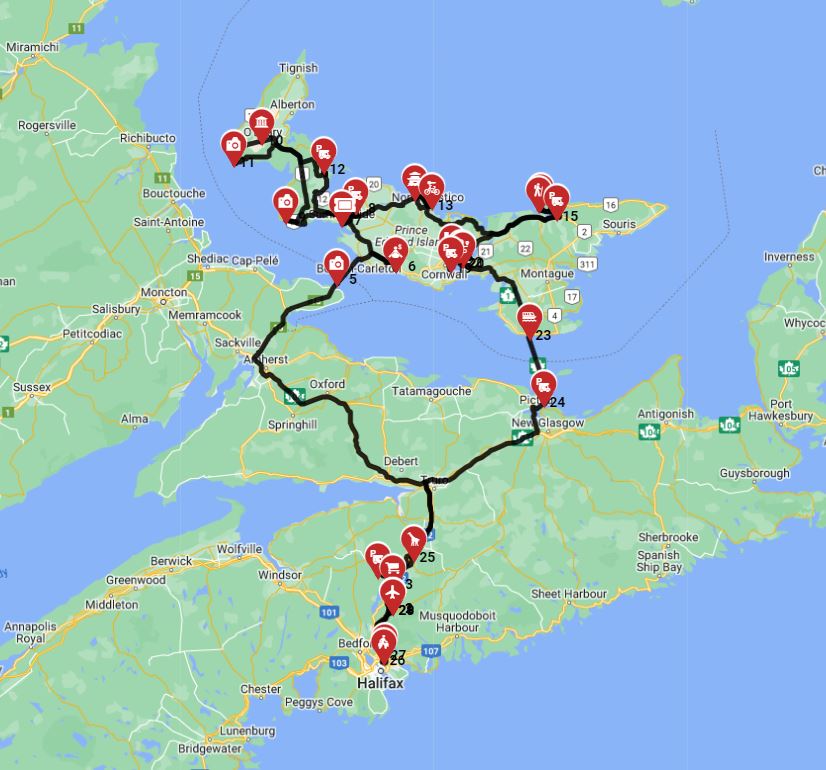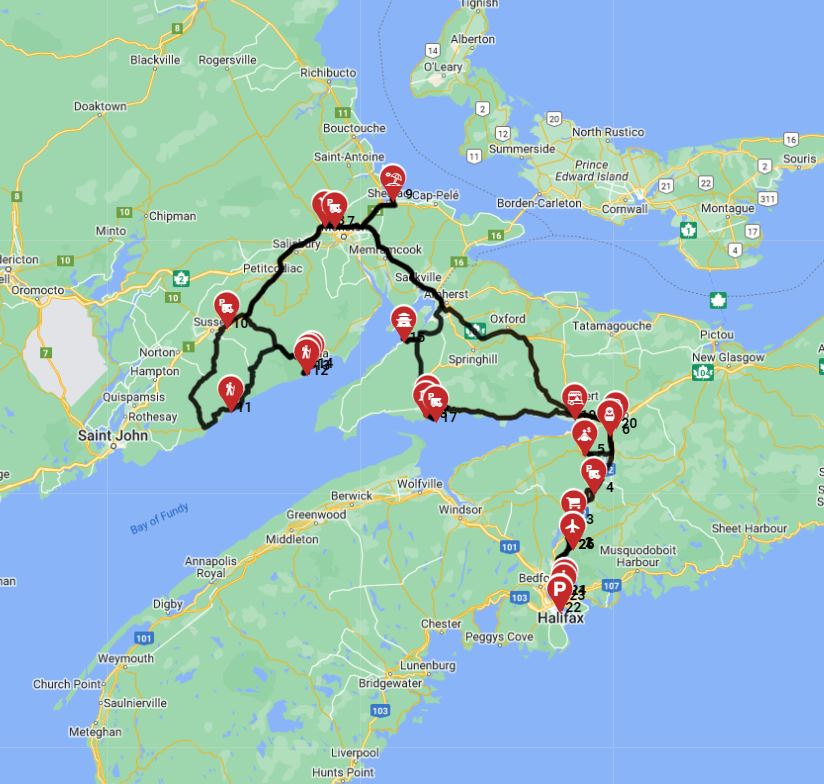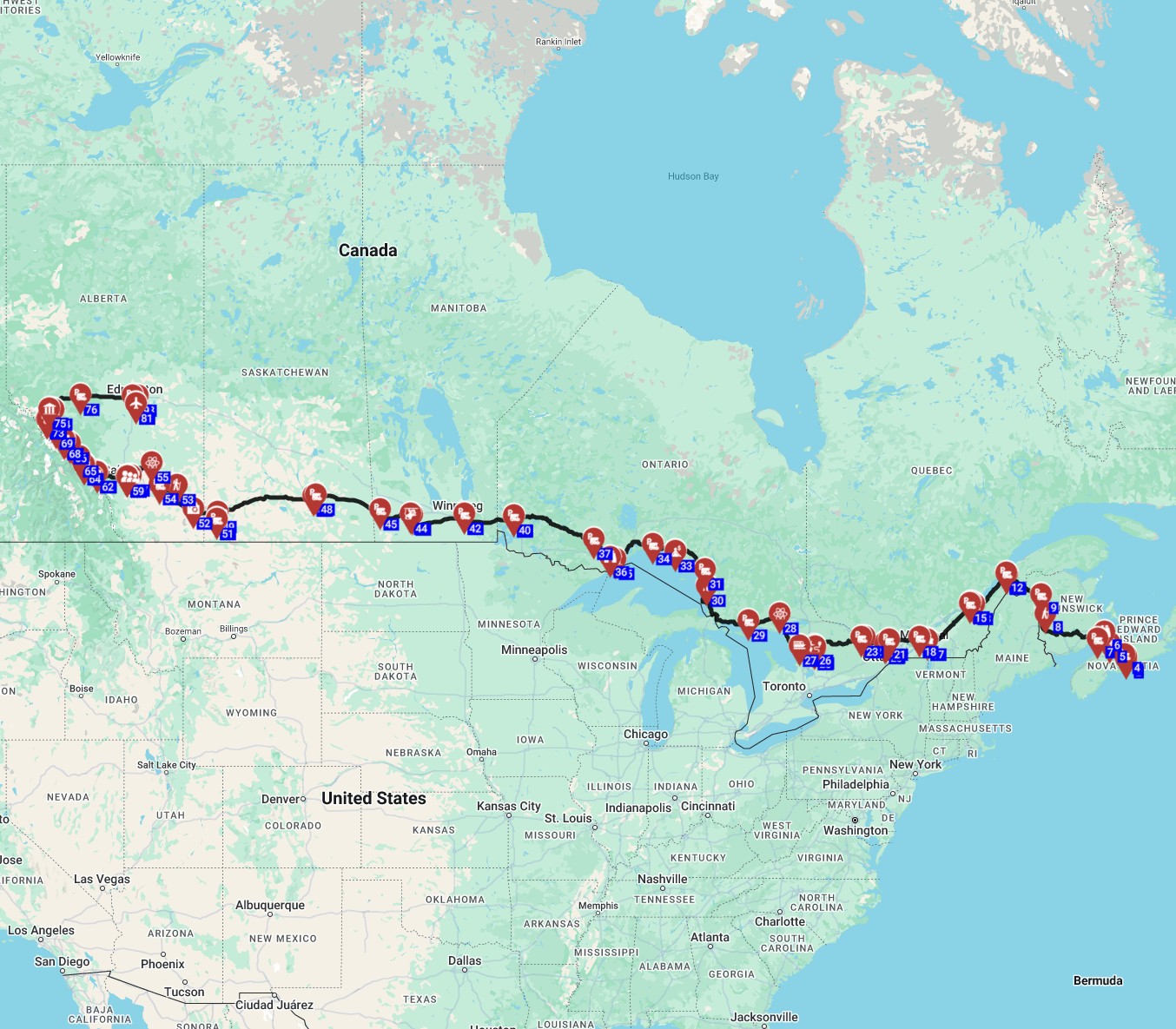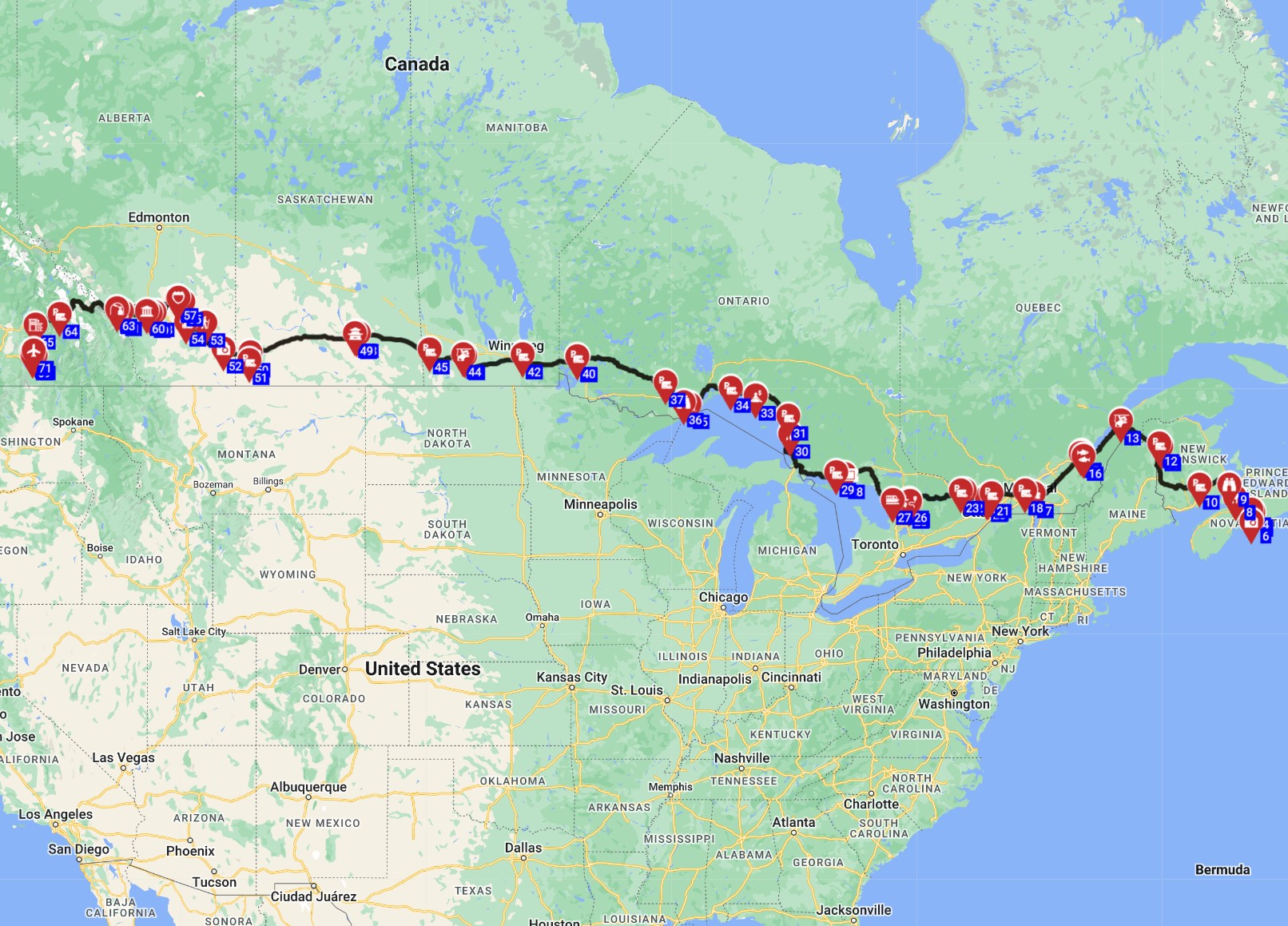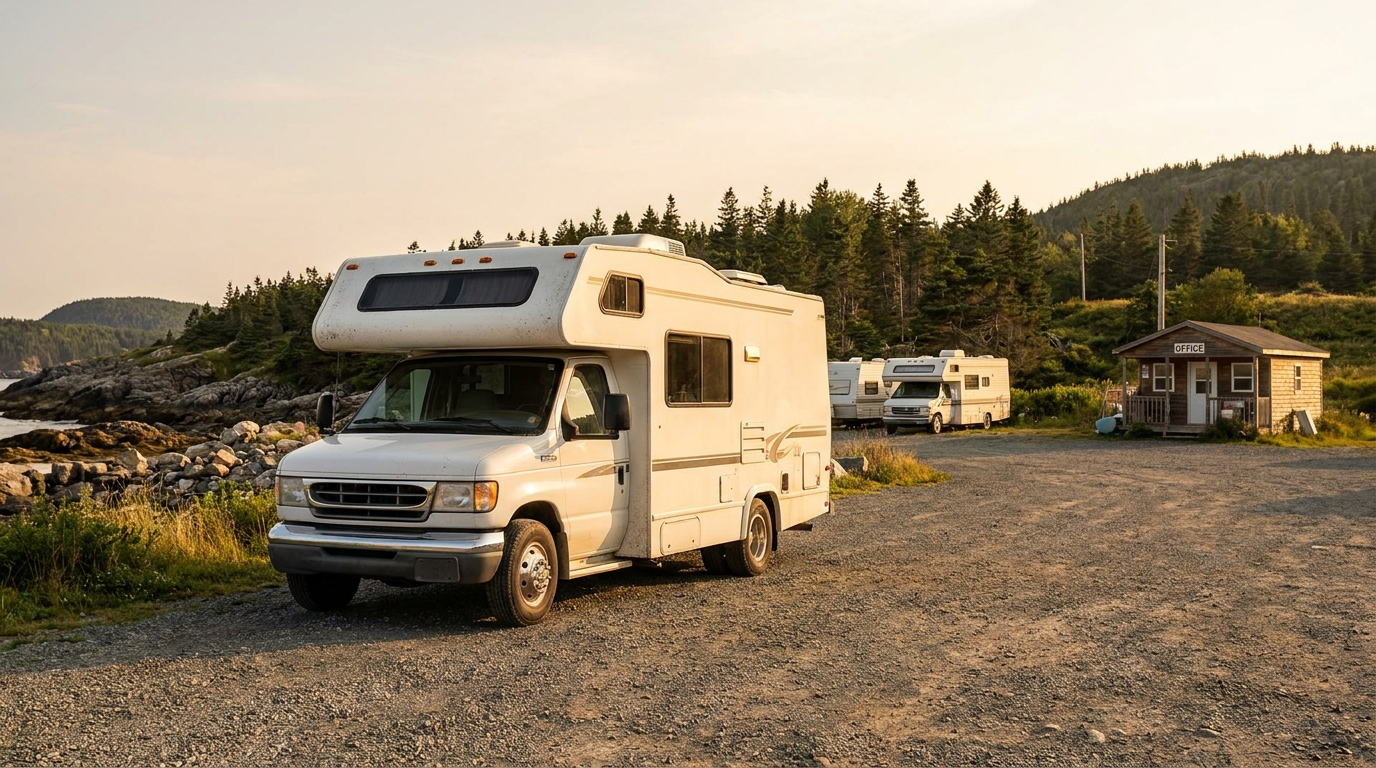
For live availability and current prices, start with our RV Rental East Canada - Complete Guide 2026 guide.
In This Guide
- Top 5 Tips for long term rv rental RV Rental in East Canada
- Before You Book - Class, Dates, Insurance
- Pre-Trip Prep - Packing Checklist for East Canada
- On the Road - Driving, Fueling, Navigation
- At the Campground - Setup, Hookups and Etiquette
- long term rv rental-Specific Tips for East Canada
- Common Mistakes to Avoid in East Canada
- What are the toll roads and national park permits for RV rental in East Canada?
- What are the driving laws and emergency services in East Canada for RV travelers?
- How does RV insurance work for long-term rentals in East Canada?
- How much does a 1-week / 2-week / 1-month long term rv trip cost in East Canada?
- What is the long term rv rental cost for couples vs. families with kids in East Canada?
- Can I find last-minute long term rv rental deals in East Canada?
- I'm flexible - how do I find the cheapest long term rv rental?
- What You Shouldn't Miss
- Frequently Asked Questions
Embarking on a long-term RV adventure through East Canada is an experience like no other, offering incredible freedom to explore rugged coastlines, historic cities, and charming fishing villages at your own pace. Imagine waking up to the sound of waves crashing on the shores of Nova Scotia, savoring fresh lobster on Prince Edward Island, or tracing ancient Viking footsteps in Newfoundland. A long-term RV rental allows you to truly immerse yourself in the unique culture and breathtaking natural beauty of the Maritimes and Atlantic Canada.
For live availability and current prices, start with our RV Rental East Canada - Complete Guide 2024. As true RV specialists, we've helped tens of thousands of travelers since 2001, providing honest advice and transparent pricing so you can focus on the journey ahead, knowing there are no hidden fees or surprises.
Top 5 Tips for long term rv rental RV Rental in East Canada
Booking well in advance, especially for popular routes or during summer in East Canada, is crucial to secure your preferred RV class and dates for long-term rentals.
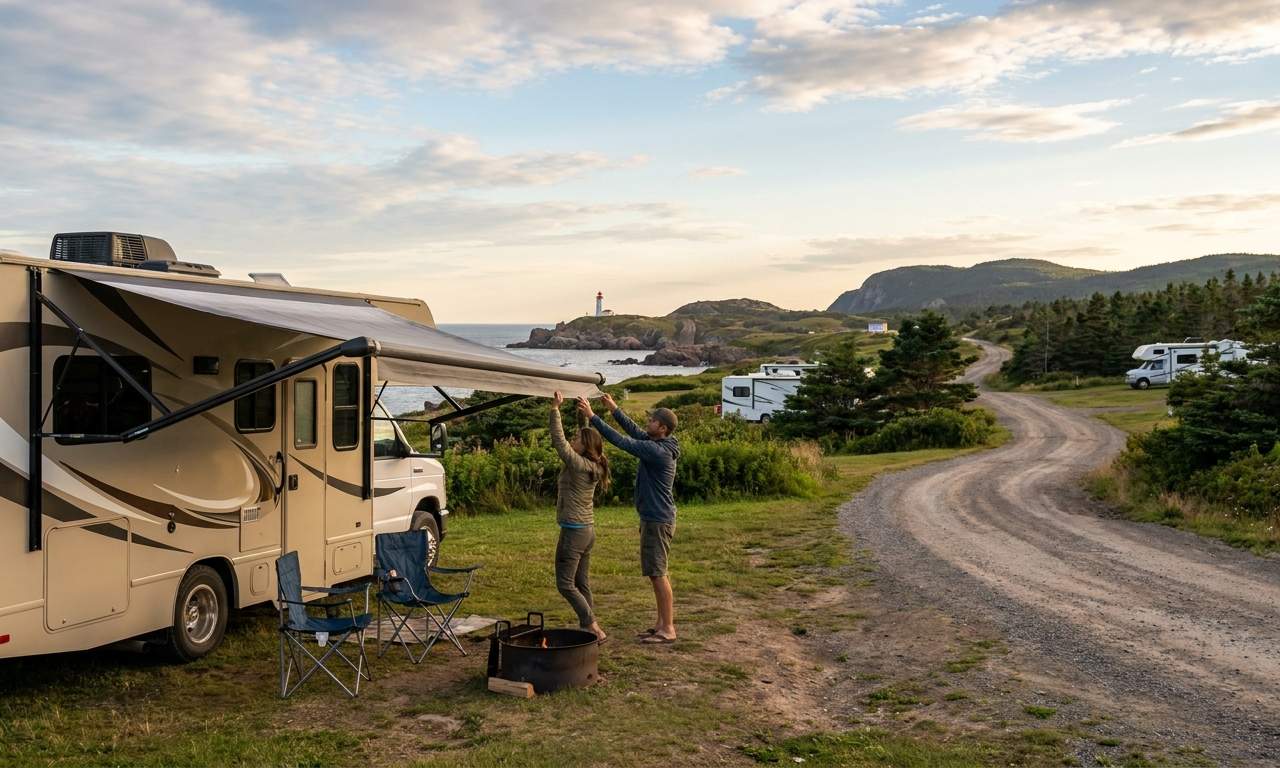
- Book Ahead: Secure your ideal motorhome or campervan 3-6 months prior to your trip, particularly if you plan to travel between July and September, to ensure availability and better rates.
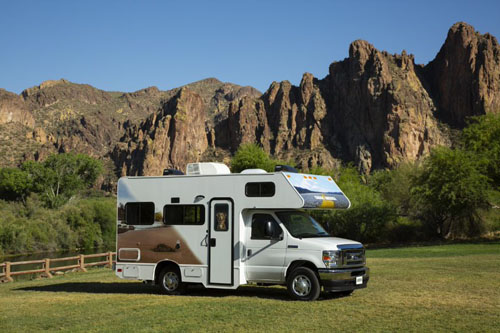
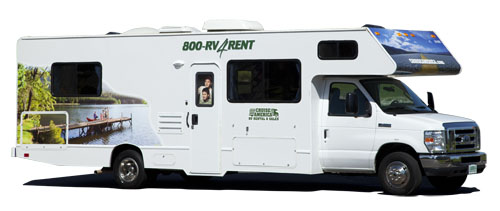
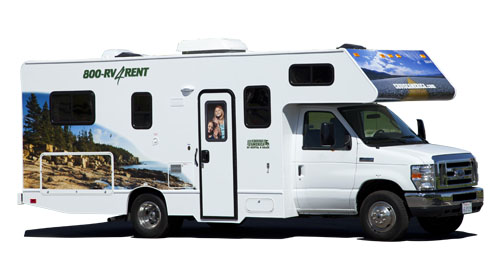
- Choose the Right Rig: Select an RV class suitable for East Canada's varied terrain and your group size. A compact Class B campervan like the "rv rental denver example Category Van" is nimble for winding coastal roads, while a larger Class C motorhome such as the "cruise america rv rental example Explorer" offers more space for families.
- Budget Wisely: Factor in all costs beyond the rental fee, including fuel, campsites (typically $30-$70 CAD/night), ferry fees (e.g., Marine Atlantic for Newfoundland), and activities, for a realistic budget. On RV PLANET routes, you can itemize and track every expense for easy budgeting.
- Embrace Flexibility: Plan flexible itineraries to allow for spontaneous discoveries, adapting to weather changes, and taking advantage of local recommendations. Remember, many national and provincial parks reserve only 25-30% of their spots, leaving the rest for first-come, first-serve.
- Research Local Regulations: Look into specific provincial regulations and road conditions across New Brunswick, Nova Scotia, Prince Edward Island, and Newfoundland & Labrador, as they can differ, impacting everything from speed limits to alcohol consumption laws in public spaces.
Before You Book - Class, Dates, Insurance
Selecting the right RV class for a long-term rental in East Canada is crucial, balancing space and comfort with ease of driving and fuel efficiency, especially considering potential narrow roads in historic towns or scenic routes.
For couples, a Class B campervan like a "hire campervan example Paradise S/T" offers excellent maneuverability and fuel efficiency, typically consuming around 11-13 liters per 100 km. Families of four to six might prefer a Class C motorhome like the "cruise america rv rental example Explorer" (7.1m length, 163/210cm double bed), providing more living and sleeping space, including a double bed over the cab (160/220cm) and a fresh water tank of 82 liters. If you're comparing options, our RV Rental in East Canada - Prices and Best Deals 2024 guide can help.
Locking in your dates as early as possible, ideally 3-6 months out for peak summer travel (July-August), can secure better rates and availability for long-term rentals, potentially saving you significantly. Prices are dynamic, similar to flight tickets, changing daily based on availability and seasonality. Bandana offers full transparency with no hidden fees, so what you see at booking is exactly what you pay.
Basic insurance with liability coverage is always included with your rental. For enhanced peace of mind, you can upgrade to a top-level deductible for extra protection, significantly reducing your out-of-pocket exposure in case of an incident. We're here to help you compare all options, ensuring you travel with confidence.
Pre-Trip Prep - Packing Checklist for East Canada
A well-organized packing list ensures you have essentials for East Canada's diverse climates and potential remote areas, enhancing comfort and readiness for various activities.
East Canada's weather can change quickly, from sunny days to cool evenings and sudden rain showers. Packing layers is essential, including a waterproof rain jacket, a warm fleece or sweater, and comfortable t-shirts. Sturdy, waterproof hiking boots are highly recommended for exploring national parks and coastal trails. Don't forget insect repellent, especially for summer trips to wooded areas, along with sunscreen and hats to protect against the sun. For a more detailed look at costs, check out our Cheap RV Rental in East Canada - Budget Guide 2024.
Inside your rented motorhome, you'll want to have some basic cooking utensils and non-perishable pantry staples. Many RVs come equipped with a kitchen, so preparing meals like breakfast and dinner on board is a breeze. Check out our RV-friendly recipes playlist for ideas! Reusable water bottles and bags are eco-friendly and practical for grocery runs. A cooler can be helpful for extra food and drinks, especially for longer stretches between towns.
Safety items like a first-aid kit, flashlight or headlamp, and a multi-tool are crucial. Ensure you have copies of your driver's license, passport (if planning to cross the US border), and your RV rental agreement. While digital maps are convenient, downloading offline maps or carrying physical maps is a smart backup, as cell service can be spotty in remote areas like parts of Newfoundland. If you're looking for more advanced planning, explore Rent&Plan, our sister company, which offers 1,300+ pre-planned routes across 5 continents, and you can get a 25% planning discount when using rvplan.net.
On the Road - Driving, Fueling, Navigation
Navigating East Canada by RV involves understanding regional road conditions, fuel availability, and connectivity in remote areas to ensure a smooth and enjoyable trip.
Always be mindful of your RV's height, width, and length, especially when entering older towns with narrow streets or low overhangs in places like Lunenburg, Nova Scotia. Drive slowly and carefully, and you can drive almost anywhere without issues. No need to stress - just use common sense and pay attention. Prepare for winding coastal roads, such as the Cabot Trail on Cape Breton Island, where a nimble Class B campervan can be particularly advantageous. Fuel prices can vary significantly between provinces and more rural areas; plan your stops in larger towns where prices are often more competitive and stations are better equipped to accommodate larger vehicles.
For navigation, supplement GPS with physical maps or downloaded offline maps, as cell service can be spotty in some scenic or remote parts of New Brunswick, Nova Scotia, and Newfoundland & Labrador, crucial for maintaining connectivity. This is especially true on routes like the Viking Trail in Newfoundland, where a reliable offline solution is invaluable. Be aware of local wildlife, particularly moose and deer, especially during dusk and dawn; drive cautiously and scan the roadsides, and know that ferry travel is often essential for inter-island or coastal exploration in the Maritimes and Newfoundland, with Marine Atlantic being a key service.
At the Campground - Setup, Hookups and Etiquette
Setting up your RV at a campground is a routine process that ensures comfort and access to utilities, making your rented motorhome truly feel like home.
Upon arrival at your campsite, first position your RV on a level spot using leveling blocks if necessary. Next, connect your electrical cord to the power pedestal, ensuring the circuit breaker is off before plugging in, and then turn it on. Then, connect your fresh water hose (using a pressure regulator to protect your RV's plumbing) to the campground's spigot. Finally, connect your sewer hose to the campsite's dump station, making sure your black and grey tank valves are closed until you are ready to empty the tanks. Remember, we don't help find campsites during the rental, but for finding campsites and campgrounds during your trip, we recommend using RV PLANET (rvplan.net) - a great resource for locating available spots along your route. On the routes offered through RV PLANET routes, you can itemize and track every expense along the way for easy budgeting.
Observing campground etiquette is vital for a pleasant experience for everyone. Respect quiet hours, typically from 10 PM to 7 AM, and keep your campsites tidy by properly disposing of trash. Be mindful of your neighbors' privacy and space, and keep pets on a leash and clean up after them. Many national and provincial parks in East Canada offer a variety of sites, from full hookups to more rustic options, often reserving 70-75% of spots for first-come, first-serve campers, so calling ahead can be a good strategy.
long term rv rental-Specific Tips for East Canada
For long-term RV rentals in East Canada, prioritizing a rig with ample storage and a comfortable living space can significantly enhance your extended adventure through the Maritimes and Newfoundland.
Consider securing monthly or extended-stay rates at campgrounds, which often provide better value than nightly bookings for longer trips. Research options for free or low-cost boondocking (dispersed camping) spots in Crown Lands or municipal parks where permitted; these can offer unique, secluded experiences, but always verify local regulations. It's important to remember that East Canada offers diverse landscapes, so a motorhome like the "rv rentals example Comfort Class" with "3 double beds" and "RV size - Large" would be ideal for a larger family seeking extensive exploration, while a "2 Berth Hi Top" campervan (Class B - Camper Van) provides a cozier, more fuel-efficient option for couples.
Plan for regular resupply stops in larger towns, as grocery stores, propane refills, and dump stations can be infrequent in very rural East Canada areas, especially in Newfoundland or parts of Gaspésie in Quebec. Embrace a slower travel pace to truly immerse yourself in the regional culture and attractions, allowing for deeper exploration of specific East Canada locations and minimizing long driving days. The philosophy of slow travel, averaging max 100-150 km per day, allows you to truly feel the place, connect to the culture, the food, and the scenery.
Common Mistakes to Avoid in East Canada
Avoiding common pitfalls can make your East Canada RV adventure smoother and more enjoyable, preventing unnecessary stress and enhancing your overall trip.
Instead of underestimating travel times between destinations, especially on scenic coastal routes or when factoring in ferry schedules for services like Marine Atlantic to Newfoundland, always build in extra time for unexpected stops, photo opportunities, or delays. Rather than overpacking your RV, which can reduce fuel efficiency and maneuverability, focus on versatile, essential items and plan for laundry services available at many campgrounds. You can comfortably explore East Canada with a 100L fresh water tank and 80L waste water tank found in many RV models without needing excessive supplies.
Instead of relying solely on cell service for navigation and communication, which can be unreliable in more remote East Canada locations, download offline maps and carry a physical map as a backup. Rather than neglecting to book popular ferry crossings or desirable campsites in advance during peak season, secure these reservations well ahead of time to avoid disappointment. Many popular Parks Canada campgrounds fill up quickly, especially on weekends and holidays. Finally, instead of ignoring local wildlife warnings, particularly for moose or bears (common in areas like Gros Morne National Park), remain vigilant on roadsides and secure food items properly at campsites to prevent encounters.
What are the toll roads and national park permits for RV rental in East Canada?
RV travelers in East Canada will encounter minimal toll roads, primarily in Nova Scotia on Highway 104 between Truro and Amherst, and require a Parks Canada Discovery Pass for entry into federal national parks.
Nova Scotia's Cobequid Pass on Highway 104 is the only major toll road in Atlantic Canada, with tolls varying by vehicle type; RVs with more than 2 axles will pay more. Other provinces in East Canada, such as New Brunswick and Prince Edward Island, do not have provincial toll roads, though some bridges or tunnels may have fees. For accessing national parks across East Canada, like Cape Breton Highlands National Park or Gros Morne National Park, a Parks Canada Discovery Pass is essential, offering unlimited admission for a full year; a family/group pass costs $139.40 CAD for up to seven people in one vehicle.
What are the driving laws and emergency services in East Canada for RV travelers?
RV travelers in East Canada drive on the right-hand side of the road, follow speed limits posted in kilometers per hour, and have access to emergency services via the universal 911 number.
Speed limits typically range from 50 km/h (30 mph) in urban areas to 80-110 km/h (50-68 mph) on highways and expressways, with variations by province; always pay attention to posted signs. A standard car driver's license is sufficient for driving all motorhome classes (Class A, B, and C) in East Canada, with no special license or additional permits required. For international visitors, an International Driving Permit (IDP) is recommended in conjunction with your home country's license, though not strictly mandatory in all situations. In case of any emergency, dial 911 for police, fire, or ambulance services across all East Canada provinces, including Quebec, New Brunswick, Nova Scotia, Prince Edward Island, and Newfoundland & Labrador.
How does RV insurance work for long-term rentals in East Canada?
RV insurance for long-term rentals in East Canada typically includes basic liability coverage as part of the rental agreement, with additional options available for enhanced protection and peace of mind.
Standard car driver's licenses are sufficient for all Class A, Class B, and Class C motorhome rentals in East Canada, eliminating the need for special permits. While basic insurance is included, renters can opt to upgrade to a top-level deductible for extra peace of mind, significantly reducing their financial liability in the event of an accident or damage. This upgrade provides comprehensive coverage that protects you from unexpected costs. Bandana ensures full transparency in all pricing, so you'll know exactly what insurance options and costs are involved before you book.
How much does a 1-week / 2-week / 1-month long term rv trip cost in East Canada?
The cost of a long-term RV trip in East Canada is dynamic, varying significantly by season, RV class, and booking lead time, but typical ranges can be estimated for planning purposes.
- 1-Week Rental: Expect to pay approximately $900 - $2,500 CAD for a week-long RV rental, with a compact campervan like the "Category Van" (ideal for a couple, 95L fresh water tank) being at the lower end, and a larger Class C motorhome such as the "4 Berth Adventurer" (7.4m length, 125L fresh water tank) at the higher end, especially during peak summer.
- 2-Week Rental: A two-week adventure typically ranges from $1,600 - $4,500 CAD. This duration offers a better daily rate compared to single-week rentals, making it a popular choice for exploring multiple provinces. Consider a medium-sized Class C like the "MHC24" (7.3m length, sleeps 6) for family comfort.
- 1-Month Long-Term Rental: For a month-long trip, rental costs usually fall between $2,500 and $7,000+ CAD. This extended duration often provides the most cost-effective daily rate. For instance, a Class C motorhome can cost $3,000-$5,000 monthly during shoulder seasons. Beyond the rental, budget for ancillary costs such as fuel (averaging $1.70-$2.00 CAD per liter), campground fees ($30-$70 CAD/night), propane refills ($20-$40 CAD), and groceries. Remember, on RV PLANET routes, you can itemize and track every expense along the way for easy budgeting, ensuring no surprises.
What is the long term rv rental cost for couples vs. families with kids in East Canada?
The long-term RV rental cost in East Canada differs significantly for couples versus families with kids, primarily due to variations in preferred vehicle size, amenities, and sleeping capacity.
For couples, a Class B campervan (like a "Combi Van" with a 130/185cm double bed, 60L fresh water tank) or a smaller Class C motorhome is generally sufficient and more budget-friendly, often ranging from $80-$150 CAD per day on a monthly rental during off-peak seasons. These smaller vehicles are easier to drive and park, consume less fuel (e.g., 9-12 liters/100 km for a "Combi Van"), and are perfectly suited for two travelers. Our Luxury RV Rental in East Canada - Premium Prices 2024 guide offers options for those seeking more luxurious compact vehicles.
Families with 4-6 people, however, will typically require a larger Class C or Class A motorhome to accommodate everyone comfortably. These larger vehicles, such as a "MHC28" (7.3m length, sleeps 7, with two double beds and a single bed) or "MHLUX" (10.7m length, sleeps 7, with a V-10 engine), offer more sleeping areas, a larger dining space, and more storage. Their rental costs can range from $150-$350+ CAD per day on a monthly basis, with higher fuel consumption (e.g., 25 liters/100 km for an "MH-A" Class A) and potentially higher ferry fees. Despite the higher costs, the added space and amenities make extended family travel much more enjoyable.
Can I find last-minute long term rv rental deals in East Canada?
Finding last-minute long-term RV rental deals in East Canada is possible, particularly during shoulder seasons or for spontaneous travelers, though prices are dynamic and availability can fluctuate.
While booking well in advance is generally recommended for the best selection and rates, especially during the peak summer months (July-August), last-minute deals can sometimes emerge. These might appear if rental companies have unexpected cancellations or excess inventory. Prices are dynamic, similar to airline tickets, and can change daily based on demand and availability. Therefore, a "Long-Term RV Tips for East Canada - Extended Travel 2024" trip can still be spontaneously arranged.
For spontaneous travelers, flexibility with pick-up dates and RV models can increase the chances of securing a good last-minute deal. Additionally, many national and provincial parks in East Canada, such as those in New Brunswick and Nova Scotia, reserve 70-75% of their campsites for first-come, first-serve arrivals, meaning you'll often find a spot even if you haven't pre-booked. Just remember to call ahead before driving a long distance, as spots fill up quickly in popular areas.
I'm flexible - how do I find the cheapest long term rv rental?
If you're flexible with your travel dates and RV model, you can significantly increase your chances of finding the cheapest long-term RV rental in East Canada by leveraging off-peak travel and comparison tools.
Traveling during the shoulder seasons (May-June or September-October) or even the early spring/late fall offers much lower daily rates and fewer crowds compared to peak summer. Consider a mid-week pick-up and drop-off, as these can sometimes be cheaper than weekend rentals. Utilizing a comparison platform like Bandana allows you to easily compare final prices across multiple suppliers (such as El Monte, Cruise America, Apollo, and Britz) for various Class A, Class B, and Class C motorhomes and campervans, ensuring what you see is what you pay with no surprise fees at pickup. You can also look for "RV Rental Deals in East Canada - Latest Offers 2024" to find current promotions.
Another excellent strategy is to explore one-way rental options, which can sometimes come with relocation discounts, particularly during seasonal shifts. Our One-Way RV Rental in East Canada - Price Guide 2024 provides more details on this. Finally, consider using RV PLANET (rvplan.net) to plan your itinerary. Not only does it offer comprehensive route planning, but using it also provides a 25% planning discount, rewarding you for your organized approach to discovering East Canada.
🎬 Video coming soon
What You Shouldn't Miss
- Drive the Cabot Trail, Cape Breton Island, Nova Scotia: This world-renowned scenic highway, spanning over 298 km (185 miles), offers breathtaking coastal views, stunning highlands, and charming Acadian villages. Allow at least 3-5 days to truly experience its beauty and hiking trails.
- Explore Gros Morne National Park, Newfoundland: A UNESCO World Heritage site, this park boasts dramatic fjords, ancient mountains, and unique geological formations. Take a boat tour into Western Brook Pond fjord and hike its challenging trails.
- Experience the Bay of Fundy, New Brunswick & Nova Scotia: Witness the highest tides in the world, marvel at the Hopewell Rocks in New Brunswick, and consider a tidal bore rafting adventure.
- Discover Peggy's Cove, Nova Scotia: This iconic fishing village with its historic lighthouse is a picture-perfect stop, offering quintessential East Coast charm and fresh seafood.
- Cycle the Confederation Trail, Prince Edward Island: Convert your RV into a mobile base for cycling adventures along PEI's gentle 435 km (270 miles) Confederation Trail, enjoying the island's picturesque landscapes and red sand beaches.
Looking for expert insights from Avi Bandana? Top 5 Adventures - recommendations from Avi Bandana
Final Thoughts
An extended RV rental in East Canada offers an unparalleled opportunity to discover its unique charm, stunning landscapes, and rich cultural heritage. From the vibrant coastal communities to the serene national parks, having your own mobile home allows you to savor every moment at your own pace, truly living the journey rather than just passing through.
Whether you’re a meticulous planner or a spontaneous adventurer, Bandana Caravan is here to support you every step of the way. With our transparent pricing, extensive selection from trusted suppliers, and dedicated support, your long-term RV trip through East Canada is set to be an unforgettable experience. Prepare to explore hidden gems, enjoy local flavors, and create lasting memories on the open road.
Discover top destinations, planning tips, all in one place! Plan a trip itinerary in advance with minimal effort and maximum enjoyment. Get inspired for your next trip! Compare Motorhome Prices for East Canada Now.