In This Guide
- Top 5 Tips for Long Term RV Rental in Center Europe
- Before You Book - Class, Dates, Insurance
- Pre-Trip Prep - Packing Checklist for Center Europe
- On the Road - Driving, Fueling, Navigation
- At the Campground - Setup, Hookups and Etiquette
- Long Term RV Rental-Specific Tips for Center Europe
- Common Mistakes to Avoid in Center Europe
- How much does it cost to rent an RV in Europe?
- How long can I stay in Europe in my motorhome?
- Is Europe RV-friendly?
- What do Europeans call an RV?
- What is the 333 rule for campervan?
- Is it cheaper to rent an RV or stay in hotels?
- Where is the cheapest place in Europe to buy a camper van?
- What is the 444 rule for RV?
Embarking on an extended motorhome journey through Center Europe offers an unparalleled sense of freedom, allowing you to immerse yourself in diverse cultures, breathtaking landscapes, and rich histories at your own pace. With a rented RV, you transform your vacation into a mobile home base, taking your comfort and flexibility wherever you roam. Whether you dream of tracing ancient Roman routes, exploring the majestic Alps, or discovering quaint, charming villages, long-term RV rental in Center Europe provides the perfect canvas for your adventure. For live availability and current prices, start with our RV Rental Center Europe - Complete Guide 2026 guide.
Top 5 Tips for Long Term RV Rental in Center Europe
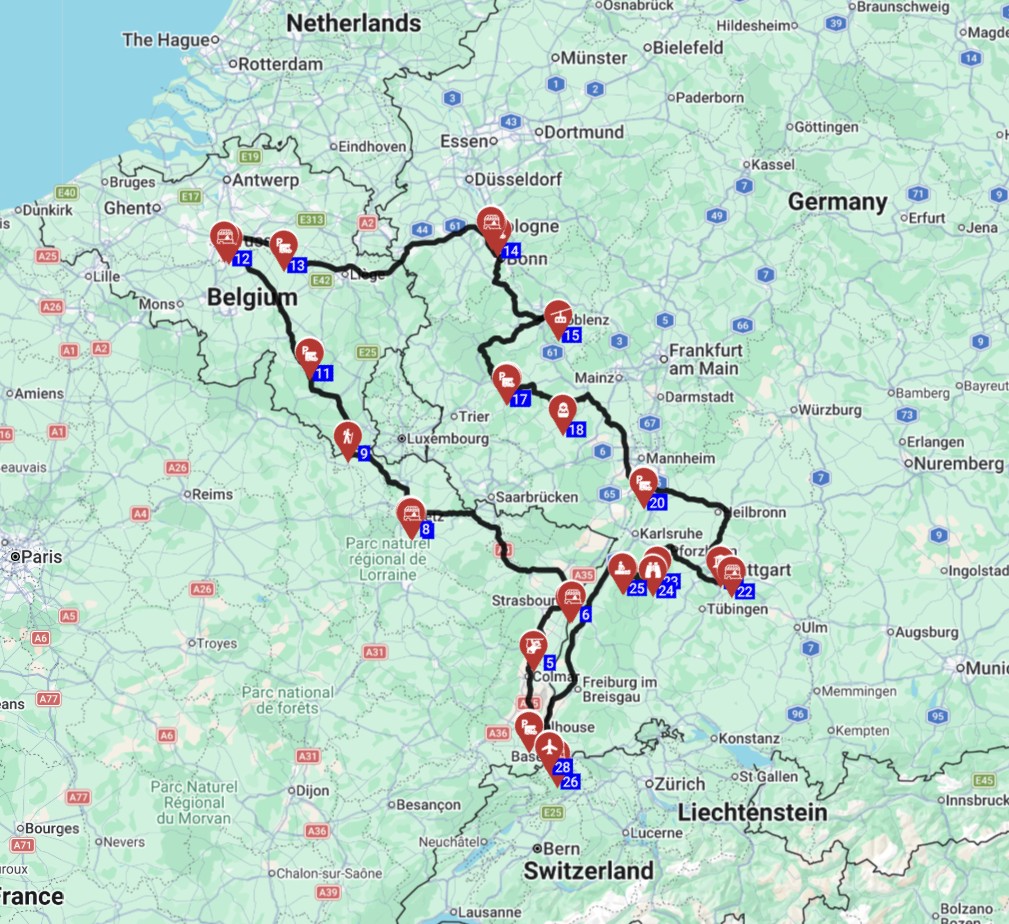
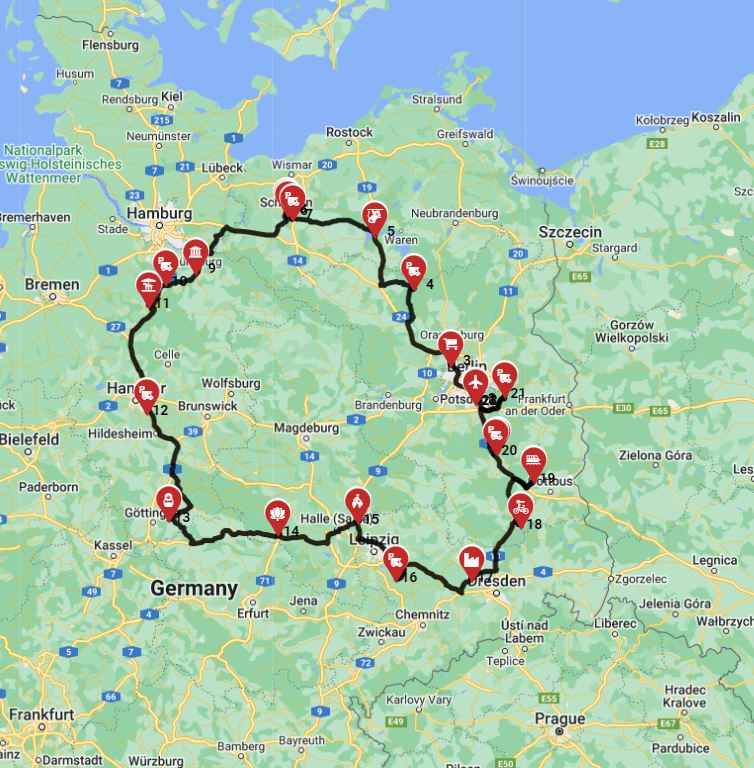
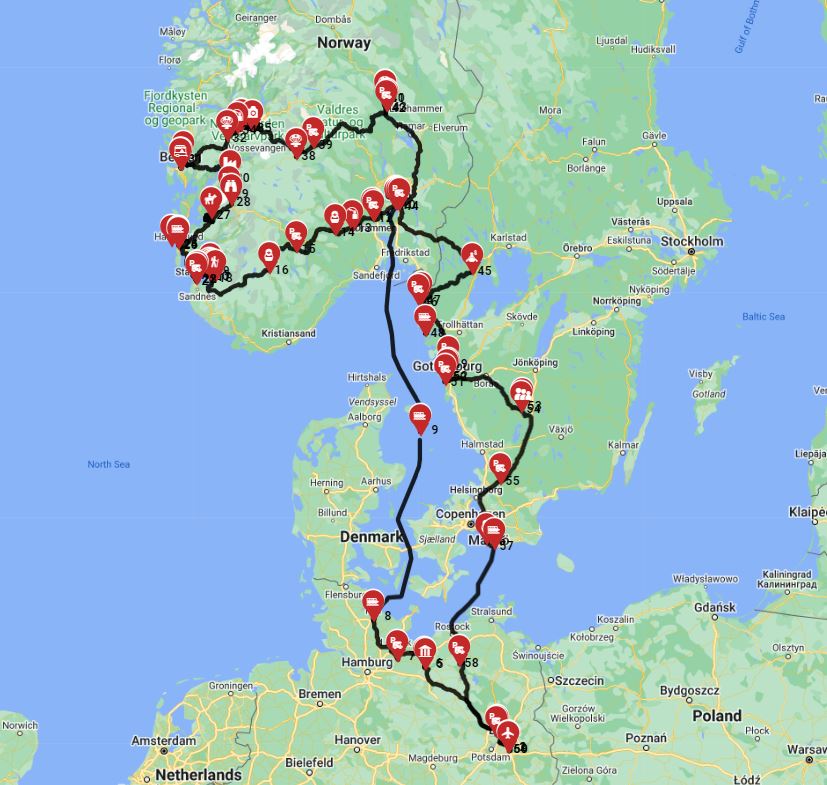
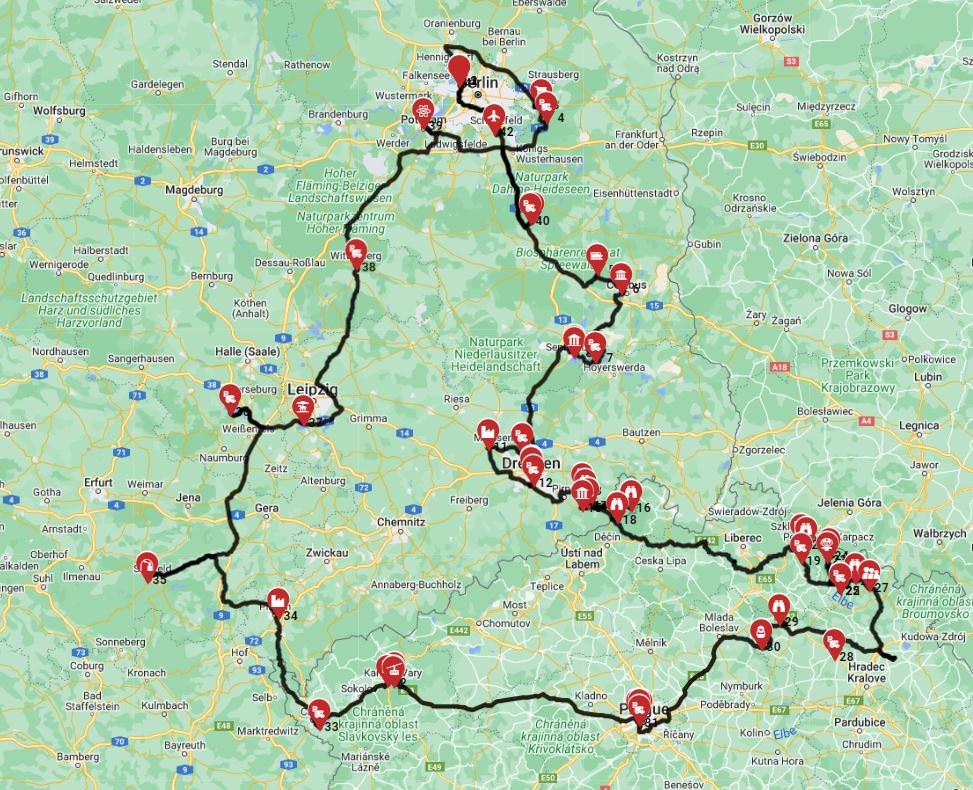
A successful long-term RV rental in Center Europe hinges on thoughtful preparation and understanding local nuances. Planning your route with Central European specifics in mind, like navigating mountain passes and city access, is crucial. For instance, the majestic Grossglockner High Alpine Road in Austria demands careful driving and often involves tolls, while a nimble Class B campervan, like the 'hire campervan example Paradise S/T' model, is ideal for winding through small village streets and urban centers. Understanding Schengen Area rules for long-term stays is essential to avoid overstaying your welcome; non-EU citizens typically have a 90-day limit within a 180-day period. Additionally, factoring in comprehensive costs beyond just the rental fees, such as fuel, tolls, and mandatory environmental stickers, ensures a smooth financial journey. On the routes offered through RV PLANET routes, you can itemize and track every expense along the way for easy budgeting.
Choosing an RV size appropriate for Center Europe's diverse roads, from spacious highways to charming village streets, will enhance your comfort and maneuverability. Remember, you can drive slowly and carefully, and you can drive almost anywhere without issues. No need to stress - just use common sense and pay attention. Finally, packing versatile layers for varied climates and bringing all essential documents for border crossings and emergencies ensures you're prepared for anything. This meticulous planning is key to maximizing your extended adventure across Germany, Austria, Switzerland, Hungary, Czech Republic, and beyond.
Before You Book - Class, Dates, Insurance
Choosing the right RV class for a long-term rental in Center Europe involves considering both the number of travelers and the types of roads you'll navigate. Smaller campervans, such as a 'Class I Van' with a compact footprint and 80-liter fresh water tank, are often ideal for city centers and winding rural roads, offering easier parking and maneuverability. Larger motorhomes, like an 'rv rentals example Comfort Class' model designed for up to 6 people (ideal for families of 2+2) with generous living space, provide more comfort for extended stays in rural areas and longer journeys. Lock in your rental dates as early as possible, especially for peak seasons (June-August) or major festivals, to ensure the best availability and potentially better rates for long-term rentals; many popular models like the 'V3' motorhome, a recent model with 2 berths and 6.36m length, book up quickly.
Basic insurance is always included with your booking; to see prices that include the most comprehensive coverage, select that option during your search. This often covers more extensive damages or provides a lower deductible, offering greater peace of mind for an extended trip through multiple countries in Center Europe. Remember, you can upgrade to a top-level deductible for extra peace of mind, a key differentiator offered by Bandana RV. We believe in full transparency, with no hidden fees or surprises.
Pre-Trip Prep - Packing Checklist for Center Europe
A well-prepared packing checklist tailored for a long-term RV rental in Central Europe ensures a comfortable and compliant journey across its diverse regions. Beyond personal clothing, focusing on essential documents and practical items will set you up for success. You'll want to review our "RV Rental in Center Europe - Prices and Best Deals 2026" for budgeting. Consider the following categories for your extended adventure:
Essential Documents:
- Passport/Visa (especially relevant for Schengen duration, typically 90 days within 180)
- International Driving Permit (IDP) - recommended for non-English speaking countries, though a standard driver's license is sufficient for all motorhome classes
- Vehicle registration and rental agreement copies
- Travel insurance documents
- European Health Insurance Card (EHIC) if applicable for EU citizens
- Euros and a credit/debit card with no foreign transaction fees
Personal & Comfort Items:
- Layered clothing (for varying temperatures and altitudes, particularly in mountainous areas)
- Waterproof jacket and comfortable walking shoes for exploring cities and trails
- Swimsuit (for Central Europe's many beautiful lakes or thermal spas)
- Adapter for European outlets (Type F or E) and a portable power bank for on-the-go charging
RV-Specific & Practical Gear:
- Basic cooking utensils and non-perishable food items (plan to use your RV's kitchen to prepare delicious meals, saving on restaurant costs). Check out our RV-friendly recipes playlist for inspiration!
- Reusable water bottles and coffee cups to reduce waste
- Small cooler or insulated bag for day trips
- Eco-friendly cleaning supplies for maintaining your space
- First-aid kit with common medications, a reflective vest, and a warning triangle (mandatory in many countries)
- Navigation system with RV-specific routing (e.g., Google Maps offline, Sygic RV) to avoid low bridges or restricted zones
- European SIM card or eSIM plan for reliable connectivity across borders
- Basic phrasebook or translation app for local interactions, especially in countries like the Czech Republic or Hungary.
On the Road - Driving, Fueling, Navigation
Navigating Center Europe in a rented RV requires awareness of specific driving laws, fuel types, and navigation strategies unique to the region. Speed limits for RVs are often lower than for cars; for example, in Germany, larger motorhomes may be limited to 80 km/h (50 mph) on some highways, and mandatory winter tire requirements are strictly enforced in colder months across countries like Austria and Germany. Always carry a reflective vest and warning triangle, which are compulsory in many Central European countries.
Most rental motorhomes in Europe run on Diesel fuel; familiarize yourself with different fuel types (Diesel, Super E5, E10) before you travel. Be prepared for road tolls, which often come in the form of pre-paid vignettes for highways in countries like Austria, Switzerland, and the Czech Republic, or pay-as-you-go systems like in France and Italy. Critically, utilize an RV-specific GPS or app (e.g., Google Maps offline, Waze for traffic) that can account for vehicle dimensions to avoid low bridges, narrow streets, or restricted environmental zones (Umweltzonen in Germany, Crit'Air in France) that require special stickers or may prohibit entry. Driving slowly and carefully will allow you to drive almost anywhere without issues, without unnecessary stress.
At the Campground - Setup, Hookups and Etiquette
Setting up your rented RV at a Center European campground involves a systematic approach to hookups and adherence to local etiquette, ensuring a pleasant stay for everyone. Upon arrival, typically back into your designated pitch, then level your RV using blocks if necessary to ensure comfort and proper appliance function, particularly for refrigerators. Connect utilities in the correct order: first, hook up your fresh water hose (using a pressure reducer if available to protect your RV's water system), then connect to the electrical pedestal, and finally, empty your gray and black water tanks at designated dump stations when full. A typical Class C motorhome like the 'cruise america rv rental example Explorer' has an 82-liter fresh water tank and 82-liter waste water tank.
Respect quiet hours, usually from late evening until morning, keep your pitch tidy, and be mindful of your neighbors' privacy and space; Central European campgrounds often emphasize orderliness and community. Many RV parks offer excellent amenities, including laundry facilities, showers, and even restaurants, making long-term travel incredibly comfortable. For finding campsites and campgrounds during your trip, we recommend using RV PLANET (rvplan.net) - a great resource for locating available spots along your route, which also allows you to itemize and track every expense along the way for easy budgeting through RV PLANET routes.
Long Term RV Rental-Specific Tips for Center Europe
Tailoring your long-term RV rental strategy to your specific travel group enhances the Central European experience significantly. For families, planning routes with frequent stops at playgrounds or child-friendly attractions in cities like Munich or Vienna can keep everyone happy; consider larger RVs like the 'rv rentals example Comfort Class' with distinct sleeping areas for quiet nap times. Senior travelers might prefer ergonomic RV classes with automatic transmissions and easy-access bathrooms, focusing on shorter daily drives (we recommend traveling slowly, max 100-150 km per day on average) and extended stays at scenic locations such as the Austrian Lake District. For more family-specific planning, consult "Family RV Rental in Center Europe - Pricing Guide 2026".
Budget-conscious travelers can save by utilizing free overnight parking spots (known as 'stellplatze' or 'aires de services' in some regions), often found at rest stops or designated municipal areas, and cooking meals in the RV, balancing paid campsites with wild camping where permitted (always check local regulations). Luxury long-term renters can enhance their experience with premium add-ons like e-bikes for exploring local trails, satellite TV, or specific kitchen appliances, and book higher-end pitches with private facilities. Beyond the practicalities, take advantage of local markets for fresh produce, engage with local communities at festivals or events, and explore off-the-beaten-path destinations that short trips often miss to truly connect to the culture, the food, and the scenery.
Common Mistakes to Avoid in Center Europe
To ensure a smooth and enjoyable long-term RV rental in Center Europe, it's helpful to be aware of common pitfalls and how to navigate them effectively. Instead of ignoring the Schengen Area 90/180-day rule, meticulously track your entry and exit dates, or explore visa options if you plan to stay longer, as overstaying can lead to significant penalties. This rule is a critical consideration for "RV Rental Europe - Complete Guide 2026" travelers. Rather than overlooking road tolls and environmental stickers, research country-specific requirements in advance and purchase necessary vignettes or register your vehicle for environmental zones before entering to avoid fines; remember Germany's mandatory 'Umweltplakette' for certain city entries.
Instead of attempting to drive a large RV through historic city centers, which often feature narrow streets and limited parking, utilize park-and-ride facilities on the outskirts and explore cities like Prague, Vienna, or Budapest via public transport or bicycle. Drive slowly and carefully, and you can drive almost anywhere without issues; no need to stress – just use common sense and pay attention. Rather than relying solely on your native language, learning a few basic phrases in the local languages (e.g., German, French, Czech, Hungarian) for greetings, asking directions, or ordering food, which greatly enhances interactions and shows respect for local culture. Avoiding these common mistakes will contribute significantly to a hassle-free and enriching long-term adventure.
How much does it cost to rent an RV in Europe?
The cost to rent an RV in Center Europe for a long-term trip varies significantly based on factors like the motorhome's size, rental duration, season, and the specific country of pick-up, with daily rates generally ranging from €70 to €200 or more, often decreasing for longer rental periods. For example, a compact campervan might start from €70-€100 per day in the low season, while a large Class C motorhome like the 'cruise america example EX - Group D' model could cost €150-€250 per day during peak summer months. You can find more details in "RV Rental in Center Europe - Prices and Best Deals 2026".
Rental costs typically cover the vehicle and basic insurance, but comprehensive budgeting should also include fuel (a significant expense given European fuel prices, averaging around €1.70 per liter for Diesel), mandatory road tolls and vignettes for highways in many Central European countries (a 10-day Austrian vignette costs around €9.90, while longer-term options are available), and environmental zone stickers required in certain cities. Additional expenses encompass campground fees, which can range from €15-€50 per night depending on facilities and location, daily living costs for food and activities, and potential one-way rental fees if picking up and dropping off in different locations (these can range from €150 to €500 or more). Budgeting tools available via RV PLANET routes can help itemize and track all these expenses.
How long can I stay in Europe in my motorhome?
Non-EU citizens can typically stay in the Schengen Area, which includes most of Center Europe (like Germany, Austria, Czech Republic, Hungary, Slovakia, Poland, Slovenia), for a maximum of 90 days within any 180-day period using a standard tourist visa. This '90/180-day rule' applies to the entire Schengen zone cumulatively, meaning time spent in any Schengen country counts towards the limit, regardless of whether you're continuously traveling in your motorhome or making multiple entries. Travelers should meticulously track their entry and exit dates to avoid overstaying, which can lead to significant penalties, fines, and even future entry bans.
For stays exceeding 90 days within Center Europe, non-EU citizens would generally need to apply for a long-stay visa (e.g., national visa, work visa, student visa) from a specific European country. Such a visa would permit a longer stay in that particular country and often allow travel within the broader Schengen Area for up to 90 days within any 180-day period. Always consult the official visa and immigration policies of the specific Central European countries you plan to visit for the most current and accurate information relevant to your nationality and extended travel plans.
Is Europe RV-friendly?
Europe is generally RV-friendly, but its suitability varies significantly by country, with Center European nations offering a mix of excellent infrastructure and unique challenges for long-term motorhome travelers. Countries like Germany, Austria, and Switzerland boast well-maintained roads and extensive networks of designated 'stellplatze' (motorhome parking spots) and campgrounds, providing good services including fresh water, electricity hook-ups, and waste disposal points for rented RVs. These nations are particularly popular for scenic routes through the Alps and along rivers like the Danube.
However, navigating historic city centers in Center Europe can be challenging for larger RVs (such as those over 7 meters long, like the 'MHC28' motorhome with its 7.3-meter length) due to narrow streets, limited parking, and environmental zones that may restrict access without a specific permit. Utilizing park-and-ride facilities on the outskirts of cities like Prague, Vienna, or Budapest and exploring via public transport is often the most practical solution. Local regulations, such as specific driving laws for RVs (e.g., speed limits for vehicles over 3.5 tons, mandatory winter tire requirements, or carrying a breathalyzer kit in France), and varying access rules for wild camping (which is generally restricted or prohibited in most Central European countries), require research for each country in your itinerary. Despite these considerations, the extensive network of campgrounds and the sheer beauty of the region make Center Europe an incredibly rewarding destination for an RV adventure. Don't miss our "RV Travel Guide to Center Europe - Tips and Top Spots 2026" for more detailed advice.
🎬 Video coming soon
What do Europeans call an RV?
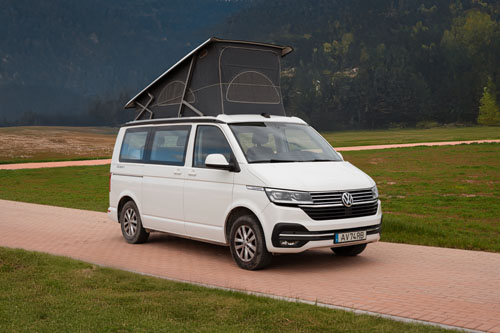
In Europe, the term 'RV' (Recreational Vehicle) is less commonly used than in North America; instead, various terms are used depending on the vehicle type and country, reflecting regional linguistic preferences. The most widely understood and encompassing English term for a self-propelled recreational vehicle across Europe is 'motorhome,' which is often used generically to refer to any large, integrated unit designed for living and driving. Smaller, van-based recreational vehicles, often preferred for their maneuverability in dense European cities, are frequently referred to as 'campervans' or simply 'campers,' such as the popular 'Active Pop Top' model.
In German-speaking countries (Germany, Austria, Switzerland), 'Wohnmobil' is the standard term for a motorhome, while 'Wohnwagen' refers to a caravan (travel trailer), which Bandana does not rent. French speakers use 'camping-car' for motorhomes and 'caravane' for trailers, whereas in Spanish, 'autocaravana' and 'caravana' are used, respectively. Countries like Hungary and the Czech Republic often adapt these terms or use their own specific words. These terms reflect regional linguistic variations and often align with the specific vehicle's design and function, so understanding the local terminology can be helpful when searching for amenities or talking to locals.
What is the 333 rule for campervan?
The '333 rule' for campervan or motorhome travel is a widely adopted guideline designed to promote a relaxed and enjoyable pace for long-term road trips in regions like Center Europe, preventing burnout and encouraging deeper exploration. It advises campers to: 1) Drive no more than 300 kilometers (approximately 186 miles) per day to avoid excessive fatigue and allow for spontaneous stops and sightseeing; 2) Arrive at your destination by 3 PM to ensure ample time for setting up camp, exploring the local area, and relaxing before dusk; and 3) Stay for at least 3 nights at each location to truly experience the surroundings and avoid the constant packing and unpacking that can make long trips feel rushed. Adhering to this rule helps prevent rushed travel, offers flexibility for detours to charming towns or natural wonders, and allows for more immersive experiences in Center Europe's diverse regions.
Is it cheaper to rent an RV or stay in hotels?
For a long-term trip in Center Europe, renting an RV can often be more cost-effective than staying in hotels, especially for families or groups of 4-6 people, primarily due to the combined savings on accommodation and food. A rented motorhome, such as a 'Category Family 5' model, allows you to prepare your own meals in its fully equipped kitchen, significantly reducing restaurant expenses, which can be a major cost factor in popular European destinations. You can cook delicious meals using local produce you pick up from markets.
While RV rental costs, fuel, tolls, and campground fees are considerable, these can frequently be less than the cumulative expense of multiple hotel rooms, dining out for every meal, and transportation between destinations. A two-week hotel stay for a family can easily surpass the cost of a long-term RV rental, where your accommodation and transport are combined. The decision also depends on travel style: hotels offer amenities and often urban convenience, whereas RVs provide unparalleled flexibility, proximity to nature, and the ability to cook and stay in one comfortable 'home' throughout your journey, allowing for a slower travel pace of max 100-150 km per day on average, connecting deeply with each place. For detailed pricing comparisons, check out "RV Rental Deals in Center Europe - Latest Offers 2026".
Where is the cheapest place in Europe to buy a camper van?
For those considering purchasing rather than long-term renting a campervan in Europe, countries like Germany and the Netherlands are often cited as having robust second-hand markets with competitive prices and a wide selection of used campervans and motorhomes. Germany, in particular, has a strong culture of caravanning and a large inventory of both new and used 'Wohnmobile' (motorhomes) and 'Wohnwagen' (caravans), often available at reasonable prices, especially for older models. Websites and local dealerships in these countries typically offer the best range.
However, when considering buying, remember to factor in import duties, registration costs, and potential language barriers, as well as the implications of ownership and registration for non-EU residents, which can be complex. While buying can be more economical for extremely long stays (e.g., over 6 months) or multiple trips over several years, a long-term rental typically remains the most practical and hassle-free option for most vacation travelers. Bandana RV specializes exclusively in RV rentals for vacation travel, offering transparency and support from trusted suppliers.
What is the 444 rule for RV?
The '444 rule' for RV travel is another popular guideline, similar to the 333 rule, aimed at promoting a relaxed and sustainable pace during a long-term road trip through regions like Center Europe. It generally suggests: 1) Drive no more than 400 miles (or kilometers) in a day, allowing for a comfortable travel speed without excessive fatigue and ensuring you have energy for exploring; 2) Stop driving by 4 PM to ensure ample time to find a campground, set up, and relax before dark, preventing rushed arrivals and allowing for evening activities; and 3) Stay for at least 4 nights at each location, encouraging deeper immersion in an area and reducing the constant effort of packing and unpacking your rented motorhome. This rule is particularly beneficial for extended trips through diverse regions like Center Europe, providing a framework for enjoying the journey rather than rushing between destinations, truly letting you feel the place, connect to the culture, the food, and the scenery.
What You Shouldn't Miss
- Explore the Bavarian Alps (Germany/Austria): Drive a rented motorhome through picturesque mountain roads, stopping at fairy-tale castles like Neuschwanstein and enjoying alpine lakes.
- Wander through Prague's Historic Old Town (Czech Republic): Park your RV on the outskirts and use public transport to explore the Charles Bridge, Old Town Square, and Prague Castle.
- Relax in Budapest's Thermal Baths (Hungary): Combine your RV trip with wellness by visiting one of the many thermal spa RV parks near the city or other natural springs.
- Cruise the Danube River Valley (Austria/Hungary): Follow the river by motorhome, enjoying charming towns, vineyards, and historic sites like Melk Abbey.
- Hike in Saxon Switzerland National Park (Germany): Discover unique sandstone formations and stunning panoramic views, perfect for active RV travelers.
- Discover Krakow's Cultural Richness (Poland): Immerse yourself in history at Wawel Castle and the Jewish Quarter, easily accessible from RV-friendly campgrounds nearby.
Looking for expert insights from Avi Bandana? Top 5 Adventures - recommendations from Avi Bandana: From hidden gems to must-see landmarks, Avi's personal experience guides you to truly unforgettable moments in Center Europe.
Final Thoughts
A long-term RV rental in Center Europe is more than just a vacation; it's an immersive experience that allows you to truly uncover the heart of this incredible region. Imagine waking up to alpine vistas one day, and exploring a historic city the next, all from the comfort of your mobile home. The flexibility, cost-effectiveness, and sheer adventure of it all make it an ideal choice for extended travel.
Remember to embrace the journey, travel slowly (max 100-150 km per day on average) to savor every moment, and use the resources available, like Bandana RV's transparent booking platform and RV PLANET's expert route plans. We're here to support you from your first search to your confirmed booking, ensuring all the small details are handled so you can focus on living the journey. Discover top destinations, planning tips, all in one place!
Ready to chart your course? Check Center Europe Motorhome Rental Prices Now and begin your unforgettable long-term RV adventure!