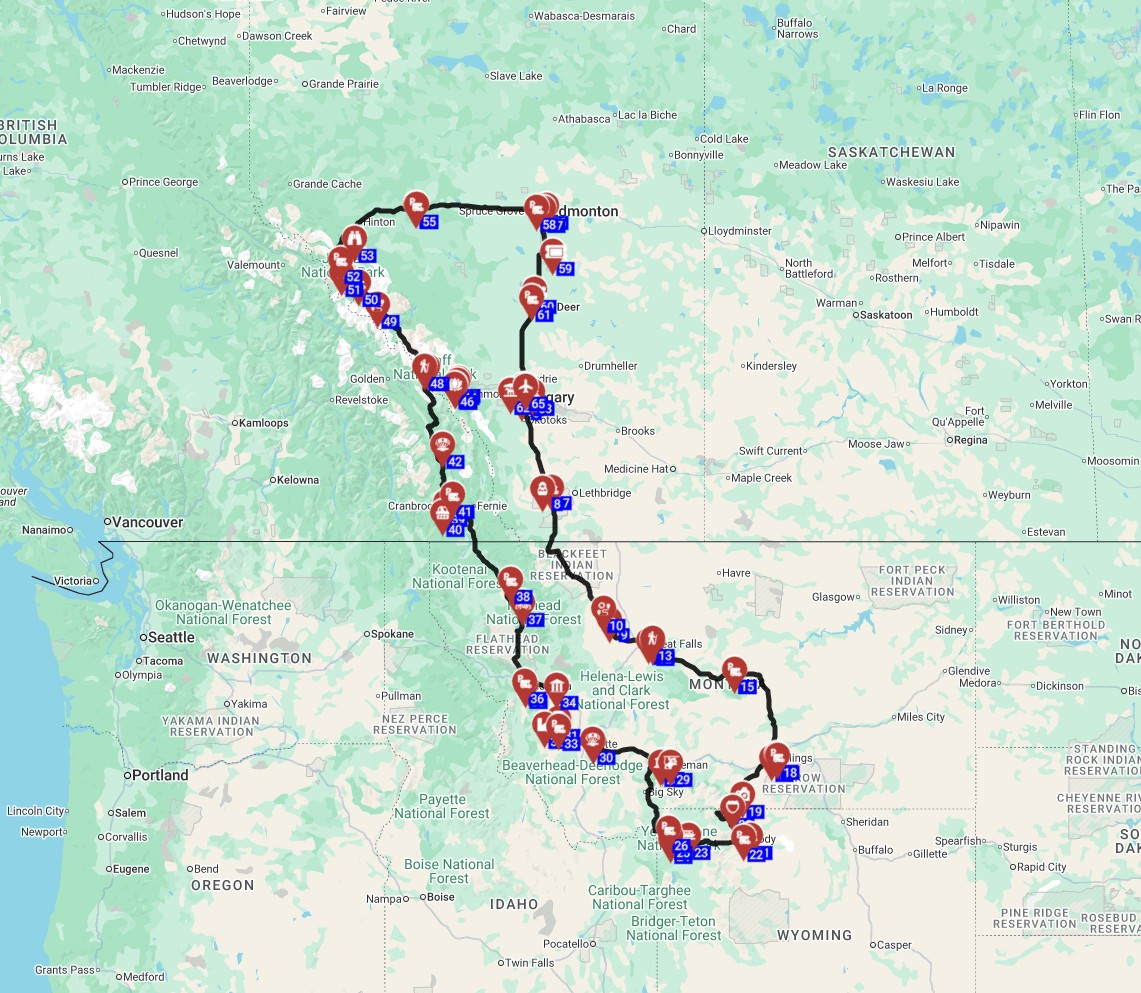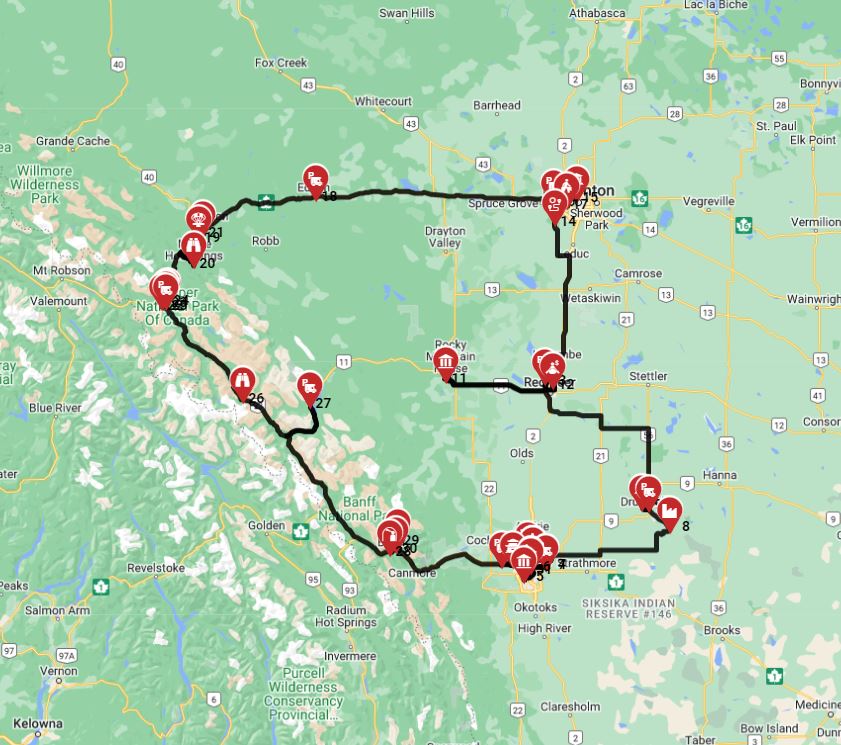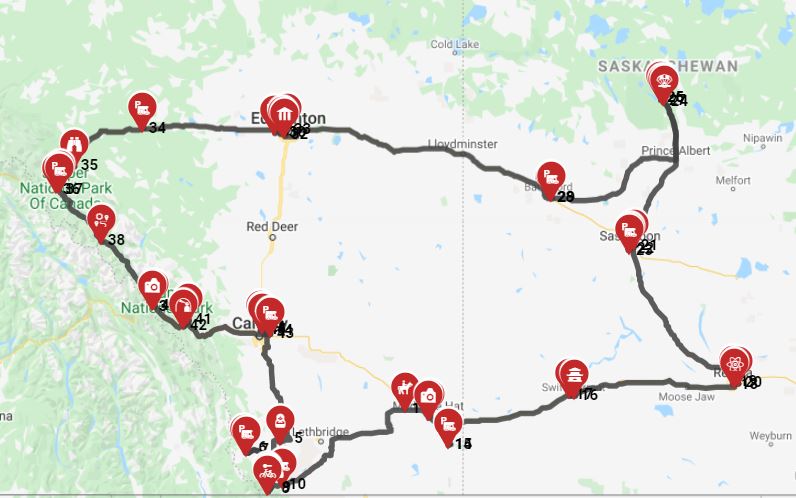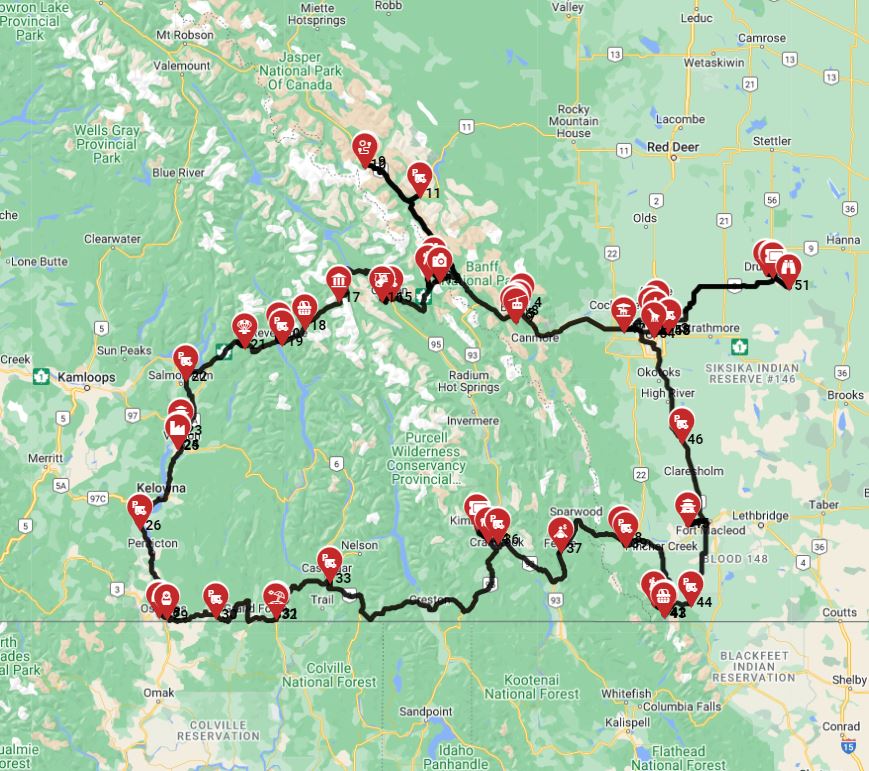
For live availability and current prices, start with our RV Rental Canada - Complete Guide 2026 guide.
In This Guide
- Top 5 Tips for Long-Term RV Rental in Canada
- What are the RV Rental Options in Canada?
- Before You Book - Class, Dates, Insurance
- Navigating Costs: How Much Does a Long-Term RV Rental in Canada Cost?
- Pre-Trip Prep - Packing Checklist for Canada
- On the Road - Driving, Fueling, Navigation in Canada
- At the Campground - Setup, Hookups and Etiquette in Canada
- Long-Term RV Rental-Specific Tips for Canada
- Common Mistakes to Avoid in Canada
- Canada RV Travel: Cross-Border and One-Way Logistics
- Wild Camping and Boondocking in Canada
- What is the Best Time of Year to RV in Canada?
- Top Cities for RV Rental in Canada
- What You Shouldn't Miss
Canada, with its vast landscapes, stunning national parks, and vibrant cities, offers an unparalleled canvas for an extended motorhome adventure. Planning a long term rv rental in Canada allows you to immerse yourself deeply in diverse cultures, traverse epic scenic routes, and truly experience the "Great White North" at your own pace. With over 23 years of experience helping tens of thousands of travelers explore the world by RV, Bandana RV specializes in making these long-term journeys accessible and stress-free. For live availability and current prices, start with our RV Rental Canada - Complete Guide 2024 guide, which will help you compare options from 50+ leading RV suppliers worldwide.
Top 5 Tips for Long-Term RV Rental in Canada
Securing a long-term RV rental in Canada requires strategic planning to ensure a smooth and budget-friendly journey. First, booking well in advance, especially for the peak summer months of July and August, is crucial for securing preferred models and potentially saving up to 25% on daily rates. Secondly, carefully compare different motorhome classes, from compact campervans like a Class B "Combi Van" (typically 5 meters long with a 60-liter fresh water tank) to spacious Class C models like a "Jayco Excursion" (often 8+ meters long with multiple beds and slide-outs), to find the perfect balance of comfort, maneuverability, and fuel efficiency for your travel group and planned activities. Don't forget to factor in all potential costs, beyond just the rental fee, including fuel, campground fees, comprehensive insurance, and activity permits, for an accurate budget. On the routes offered through RV PLANET routes, you can itemize and track every expense along the way for easy budgeting.
It is also essential to familiarize yourself with Canadian driving regulations, which can vary slightly by province, such as speed limits that range from 80 km/h to 110 km/h on major highways. Lastly, be prepared for diverse weather conditions, even during summer, particularly when traveling across Canada's vast regions; packing layers and having a flexible mindset for unforeseen changes will ensure a more enjoyable long-term RV adventure.
🎬 Video coming soon
What are the RV Rental Options in Canada?
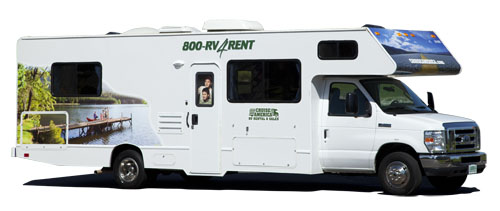
RV rental options in Canada primarily include Class A, Class B, and Class C motorhomes, each offering distinct advantages for long-term travelers. Class A motorhomes, such as a large "MHLUX" (often 10+ meters long with amenities like a refrigerator and gas stove with 3 burners), provide the most spacious and luxurious experience, ideal for larger families or groups up to 7 people seeking ample living space.
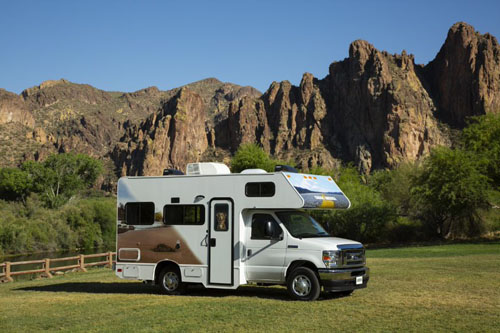
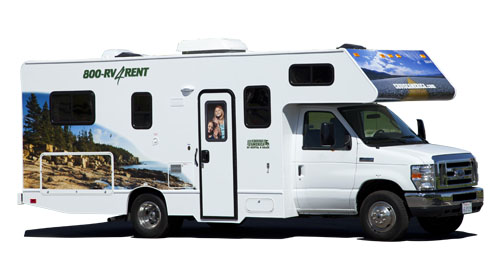
Class C motorhomes, like the "MH-B" which features a 302-liter refrigerator and a 208-liter fuel tank, are a popular mid-range choice, balancing comfort with relatively easier handling, making them suitable for families of 4-6. Smaller campervans (Class B), exemplified by a "Category Van" (often 5-6 meters long with a 80-liter freshwater tank), offer excellent fuel efficiency and enhanced maneuverability, perfect for solo adventurers or couples looking for a nimble vehicle for extended journeys. Regardless of your choice, each rented motorhome or campervan provides a comfortable mobile base for your Canadian exploration.
Before You Book - Class, Dates, Insurance
Before confirming your long-term RV rental in Canada, consider your ideal vehicle class, desired travel dates, and necessary insurance coverage. Selecting the right RV class involves balancing the interior space, maneuverability on Canadian roads, and fuel efficiency against your travel group size and planned activities. For instance, a Class B campervan like the "Hi5 Camper" is great for a couple with its compact size and fuel efficiency, while a Class C motorhome like the "Adak Argonaut 23 - Gold" is well-suited for a family of 4-5 with more sleeping capacity.
Lock in your preferred travel dates as early as possible for long-term rentals, particularly if planning to travel during peak summer (July-August) or popular shoulder seasons (May-June, September-October), to ensure the best rates and vehicle availability. Basic insurance is always included with your rental; however, comprehensive coverage options are available for added peace of mind, protecting against unforeseen circumstances. To see prices including the most comprehensive coverage, select that option during your search on Bandana Caravan's platform.
A standard car driver's license is sufficient for driving any motorhome class (Class A, B, or C) in Canada, with the minimum rental age being 21. For visitors from non-English speaking countries, an International Driving Permit (IDP) is recommended but not mandatory in most cases. Bandana RV offers transparent pricing, comparing final prices across 50+ suppliers with no hidden fees, helping you budget confidently for your adventure.
Navigating Costs: How Much Does a Long-Term RV Rental in Canada Cost?
The cost of a long-term RV rental in Canada is dynamic, changing daily based on factors like demand, seasonality, vehicle class, and rental duration. For a one-week RV trip in Canada, you might expect daily rates starting from CAD $150-$250 for a mid-sized Class C motorhome during shoulder seasons, with total rental costs for the week ranging from CAD $1,050 to $1,750. A two-week adventure could see daily rates slightly lower, perhaps CAD $120-$200, making the total rental approximately CAD $1,680-$2,800. Opting for a one-month long-term RV rental in Canada typically brings further daily rate reductions, potentially to CAD $100-$180 per day, resulting in a total monthly rental cost of CAD $3,000-$5,400.
For even longer journeys, like a two-month RV rental in Canada, expect total costs to range from CAD $5,000 to $15,000+, depending on the RV size and supplier. A three-month RV rental in Canada could range from CAD $7,500 to $20,000+, while a six-month RV rental in Canada is a significant investment, typically ranging from CAD $12,000 to $35,000+. These estimates are for the rental itself and do not include ancillary costs. The average price to rent an RV in Canada broadly falls between CAD $100 to $300 per night for standard models.
Beyond the rental vehicle, crucial ancillary costs include fuel (which can be a substantial expense given Canada's vast distances and an average fuel consumption of 11-25 liters per 100 km for motorhomes), campground fees (typically CAD $30-$70 per night for full-hookup sites), propane, dump fees, and tolls. Groceries and activities also add to your budget. For easier budgeting, remember that RV PLANET routes allow travelers to itemize and track every expense along the way.
Cheapest Way to Rent a Long-Term RV in Canada
To find the cheapest way to rent an RV in Canada, several strategies can help. Booking during the shoulder seasons (May-June or September-October) often yields lower daily rates than the peak summer. Opting for smaller, more fuel-efficient campervans, like a Class B "Camper Van" (e.g., a "DeLite" model with economical features), can significantly reduce both rental and fuel costs. Look for early bird discounts by booking 6-12 months in advance, or inquire about last-minute relocation deals if your travel dates are flexible. While rare for long-term periods, some suppliers offer reduced rates for one-way rentals to balance their fleet across different depots, as detailed in our One-Way RV Rental in Canada - Price Guide 2024. Comparing prices across multiple suppliers on a platform like Bandana Caravan also ensures you get the best deal, with transparent pricing and no hidden fees.
Pre-Trip Prep - Packing Checklist for Canada
A comprehensive packing checklist for a long-term RV rental in Canada is essential for a comfortable and prepared journey through its diverse landscapes. Crucial clothing items include layers suitable for varying temperatures, waterproof outerwear for unexpected rain (especially in coastal British Columbia), and comfortable walking shoes for exploring national parks. Essential kitchen items often not included in basic rentals might be a coffee maker, specific spices, or extra cutting boards. Remember that many rented motorhomes, such as a "cruise america rv rental example Explorer" with its 4-burner gas stove and 90-liter refrigerator, come equipped for basic cooking, but personal touches are always welcome for your RV-friendly recipes. RV-friendly recipes playlist.
Safety gear should include a first-aid kit, bear spray (and knowledge on how to use it safely in wildlife areas like Banff National Park), a flashlight, and emergency road kit. Don't forget all necessary documents: valid driver's licenses (an International Driving Permit is recommended for non-English speakers), passports, rental agreement copies, and any pre-booked campground reservations. Consider bringing reusable water bottles, refillable propane tanks if permitted, and eco-friendly toiletries to support sustainable travel practices in Canada's pristine wilderness. Our Cheap RV Rental in Canada - Budget Guide 2024 offers further tips on minimizing costs by packing smart.
On the Road - Driving, Fueling, Navigation in Canada
Driving a long-term rented RV in Canada requires a keen awareness of provincial road rules, planning for consistent fuel stops, and reliable navigation. Canada drives on the right side of the road, and speed limits typically range from 80 km/h to 110 km/h on highways, with slower limits in urban areas and national parks. Drive slowly and carefully, and you can drive almost anywhere without issues. No need to stress - just use common sense and pay attention. Pay particular attention to road signs, as rules can vary slightly between provinces. For instance, Quebec has specific rules regarding right turns on a red light in Montreal.
Fueling is a critical consideration for long-term trips across Canada's vastness. In remote regions, gas stations can be few and far between, so always top up your tank when possible, especially if your rented motorhome has a larger fuel tank capacity like the 208-liter tank on some Class C models. Reliable navigation systems are essential, as cellular service can be spotty in wilderness areas. Offline maps and a physical road atlas are highly recommended. Be acutely aware of wildlife; large animals like moose, deer, and even bears are common, especially at dawn, dusk, and in forested areas. Drive defensively and be prepared to stop quickly if animals are on or near the road.
At the Campground - Setup, Hookups and Etiquette in Canada
Efficient campground setup for a long-term RV rental in Canada ensures a comfortable and enjoyable stay. Upon arrival, carefully back your rented motorhome into your site, ensuring it is level before extending any slide-outs. Connecting hookups follows a specific sequence: secure the sewer hose first, then connect your fresh water hose, and finally plug into the electrical pedestal. Many Canadian campgrounds offer 15-amp, 30-amp, or 50-amp electrical service, along with potable water and sewer connections.
Adhering to campground etiquette is crucial for a harmonious experience with fellow campers. Always be mindful of quiet hours, typically enforced from 10 PM to 7 AM, and ensure your generator (if equipped on your rented RV) is only run during designated hours. Respect your neighbors' privacy, keep your campsite tidy, and properly dispose of all waste. Familiarize yourself with specific provincial park reservation systems, which often require bookings well in advance, especially for popular sites in national parks like Banff or Jasper. Many spots, however, are also first-come-first-serve, so if the first campground is full, try the next one and call ahead.
Long-Term RV Rental-Specific Tips for Canada
Long-term RV rentals in Canada offer unique opportunities for tailored travel experiences, whether you're a couple, a family, or a digital nomad. For budget-conscious renters, researching free overnight parking options such as certain Walmart locations, casino lots, or designated Crown Land (with permits in some areas) can significantly reduce costs. This is particularly relevant when considering how much it costs to stay in an RV park in Canada, which can average CAD $30-$70 per night.
Families with children benefit from rented RVs with distinct sleeping areas, such as the "Euro Deluxe" Class C motorhome offering three double beds, and ample storage for toys and gear. Planning frequent stops at provincial parks with playgrounds or natural attractions can help manage travel fatigue for younger travelers. Seniors may prioritize ease of driving and accessibility, making smaller Class C or Class B campervans with automatic transmissions, like the "Paradise Family 5" which is ideal for a couple, a suitable choice. Digital nomads should research cellular coverage maps across Canada's vast regions and consider portable Wi-Fi solutions, as connectivity varies widely, ensuring they remain productive on their long-term trip. Our RV Rental Deals in Canada - Latest Offers 2024 often highlight vehicles with features suitable for various group types.
Common Mistakes to Avoid in Canada
Avoiding common pitfalls can significantly enhance your long-term RV rental experience in Canada. A frequent mistake is failing to book campgrounds in advance, particularly in popular national or provincial parks during peak season; instead, secure your spots as early as possible to avoid disappointment, as many prime locations reserve only 25-30% of spots for first-come-first-serve. You'll find a spot, if not at the first campground, then the next one. Call ahead before driving.
Another common error is underestimating driving distances and time between destinations in Canada's vast landscape. Remember to travel slowly, aiming for a maximum of 100-150 km per day on average. Take time to feel the place, connect to the culture, the food, and the scenery, preventing rushed and tiring journeys. Neglecting to check weather forecasts for all planned regions can result in being unprepared for sudden changes, so monitor local weather diligently and pack layers. Overpacking can lead to reduced fuel efficiency and discomfort; instead, pack essential items, utilize laundromats during your extended trip, and consider purchasing specific gear locally as needed. Finally, always familiarize yourself with specific provincial regulations regarding alcohol consumption in an RV (generally restricted to your campsite) or wildlife interaction (maintain safe distances, never feed animals) to avoid fines and ensure safety.
Canada RV Travel: Cross-Border and One-Way Logistics
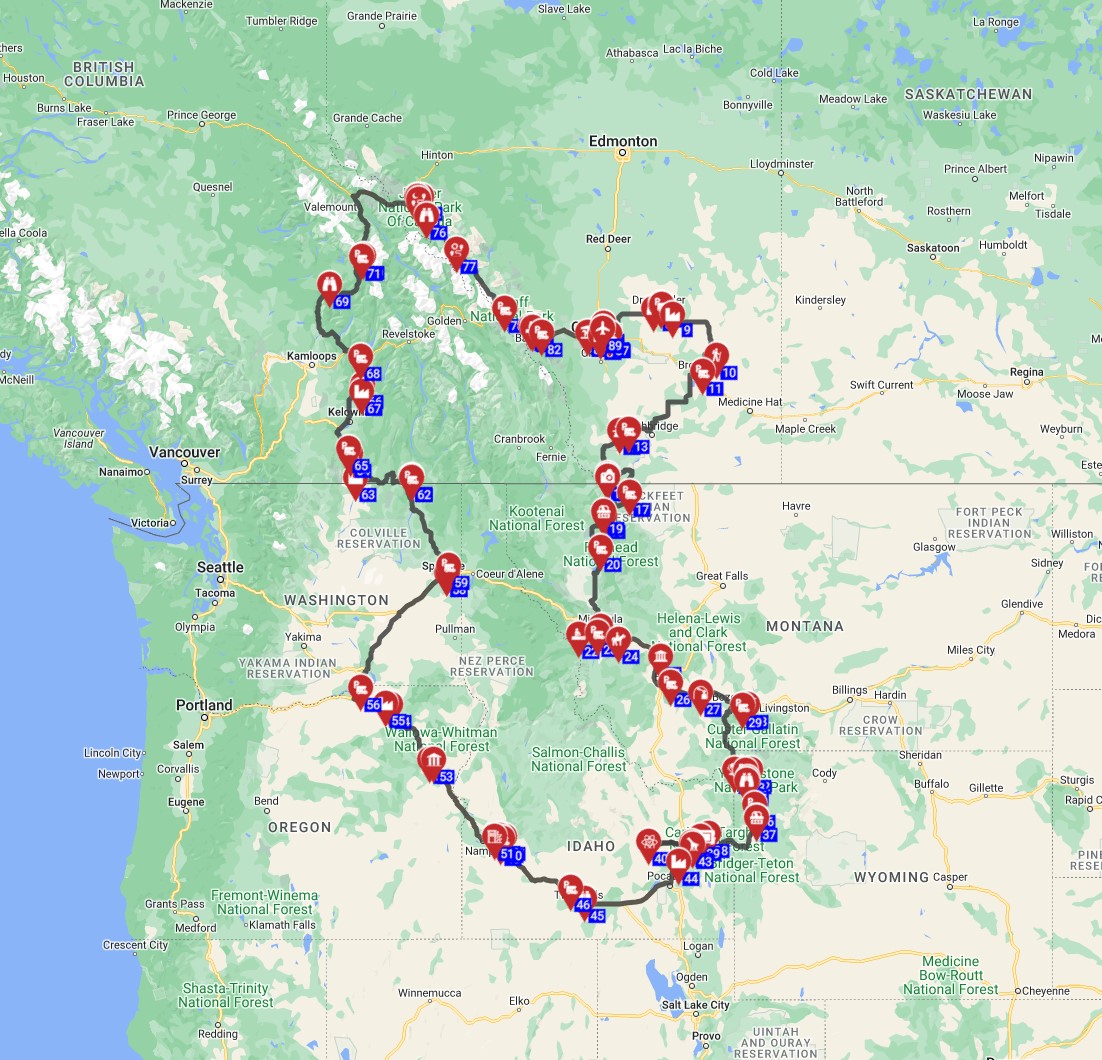
For those considering an expansive long-term RV adventure, understanding cross-border and one-way rental logistics in Canada is key. Yes, you can rent an RV in Canada and drive to USA, but it is crucial to confirm this option with your specific rental company. Policies vary, and cross-border travel often requires additional documentation and specific insurance coverage extensions for the USA. Ensure you have valid passports and any necessary visas for all occupants, along with the rented RV's registration and proof of Canadian rental insurance clearly covering US travel.
Furthermore, many major RV rental companies in Canada offer one-way rental options, allowing you to pick up a motorhome in one province and drop it off in another. This flexibility is ideal for travelers planning extensive cross-country journeys, such as from
Wild Camping and Boondocking in Canada
Yes, wild camping, also known as boondocking or dry camping, is possible in Canada in a rented RV, particularly on vast expanses of Crown Land. Crown Land is public land where dispersed camping is generally permitted for up to 21 days in one location without a fee, offering a unique and authentic wilderness experience for long-term RVers. However, it is paramount to adhere to provincial regulations, understand local restrictions, and practice 'Leave No Trace' principles to protect Canada's pristine environment.
It's important to note that National Parks and most Provincial Parks typically do not allow wild camping outside of designated campgrounds; always check park-specific rules and secure a reservation before attempting to camp within these protected areas. Before you set out, thoroughly research local bylaws and posted signage, as municipalities, Indigenous territories, and private land will have specific regulations against unauthorized overnight parking or camping. Being self-sufficient with fresh water (some Class C motorhomes, like the "C-LARGE", have up to a 182-liter fresh water tank) and waste disposal is key to successful boondocking, making your extended Canadian adventure even more adventurous.
What is the Best Time of Year to RV in Canada?
The best time of year to explore Canada in a rented RV largely depends on your desired activities and tolerance for crowds, with late spring (May-June) and early fall (September-October) generally offering the ideal balance. During these shoulder seasons, you'll experience pleasant weather, fewer tourists at popular attractions, and often more moderate rental prices, which can significantly impact your overall RV Rental in Canada - Prices and Best Deals 2024. Temperatures are mild, wildlife is active, and the scenery is spectacular, especially fall foliage in Eastern Canada.
Summer (July-August) is the peak season, providing the warmest temperatures, full access to all attractions, and extended daylight hours, making it perfect for families. However, this also means higher prices, increased demand for RV rentals and campgrounds, and larger crowds. Winter RVing (November-April) is primarily for experienced cold-weather campers, offering unique opportunities like skiing and ice fishing but requiring specialized winterized RVs and extensive preparation for challenging conditions, including snow and ice on roads. Whichever season you choose, planning your long-term itinerary with an understanding of regional climate variations will ensure a more enjoyable journey.
Top Cities for RV Rental in Canada
Canada boasts numerous excellent cities across its vast expanse from which to begin your RV rental adventure. Whether you're starting on the Pacific coast, exploring the Canadian Prairies, or touring the Maritimes, you'll find convenient pickup locations. Here are some top cities to consider for your long-term motorhome rental in Canada:
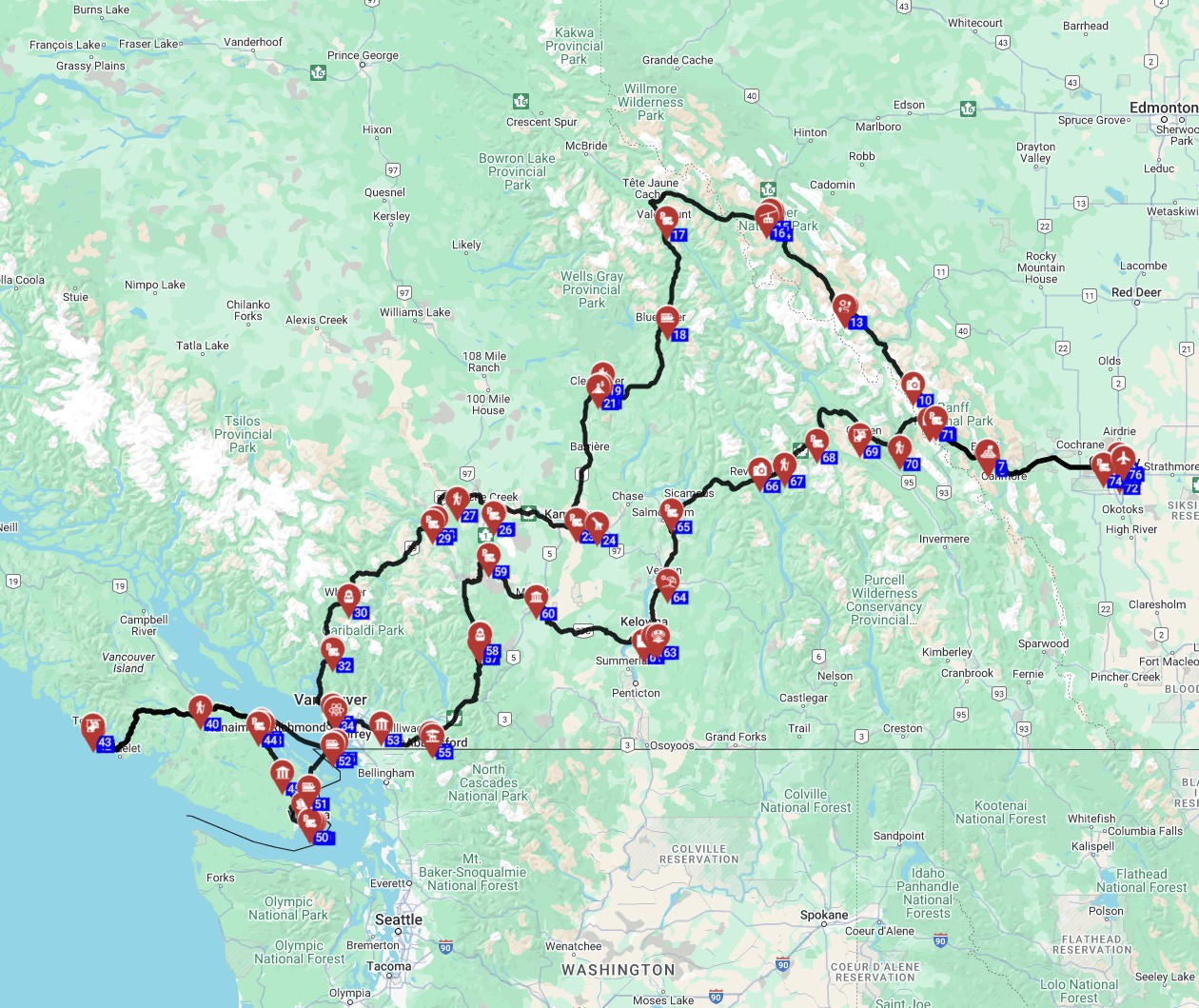
- Vancouver: Nestled in British Columbia, Vancouver offers stunning coastal scenery and is a gateway to the Rocky Mountains. It's an ideal starting point for a "
" or the western leg of a cross-country journey.
 Vancouver Round Trip - West Canada Cycling Adventure
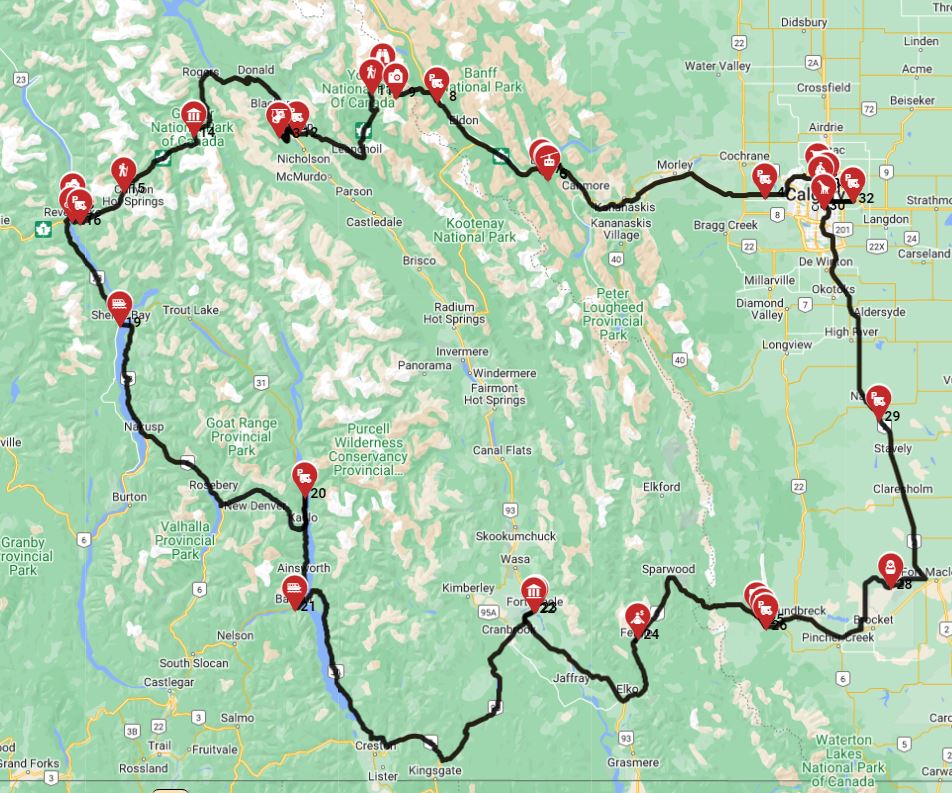
 - Calgary: Located in Alberta, Calgary is perfect for accessing Banff and Jasper National Parks, offering unparalleled mountain experiences within a short drive.
- Edmonton: Further north in Alberta, Edmonton provides another excellent launchpad for exploring the Canadian Rockies and northern Alberta's wilderness.
- Toronto: As Canada's largest city in Ontario, Toronto serves as a major hub for exploring the Great Lakes region, Niagara Falls, and eastern Canada.
- Montreal: In Quebec, Montreal offers a vibrant cultural experience and is a great starting point for exploring the charming towns and scenic beauty of the province.
- Halifax: The capital of Nova Scotia, Halifax is your entry point to the picturesque Maritime Provinces, known for their stunning coastlines and friendly communities, like the starting point for a "Halifax to Whitehorse - Exploring Canada’s Heartland in a Motorhome" adventure.
- Abbotsford: A city in British Columbia, close to the US border, offering convenient access to both Canadian and potentially USA RV routes.
- Bolton: Located in Ontario, providing another accessible pickup point near Toronto for exploring central Canada.
These cities offer a wide selection of RVs from various suppliers, ensuring you find the perfect campervan or motorhome for your extended Canadian journey.
What You Shouldn't Miss
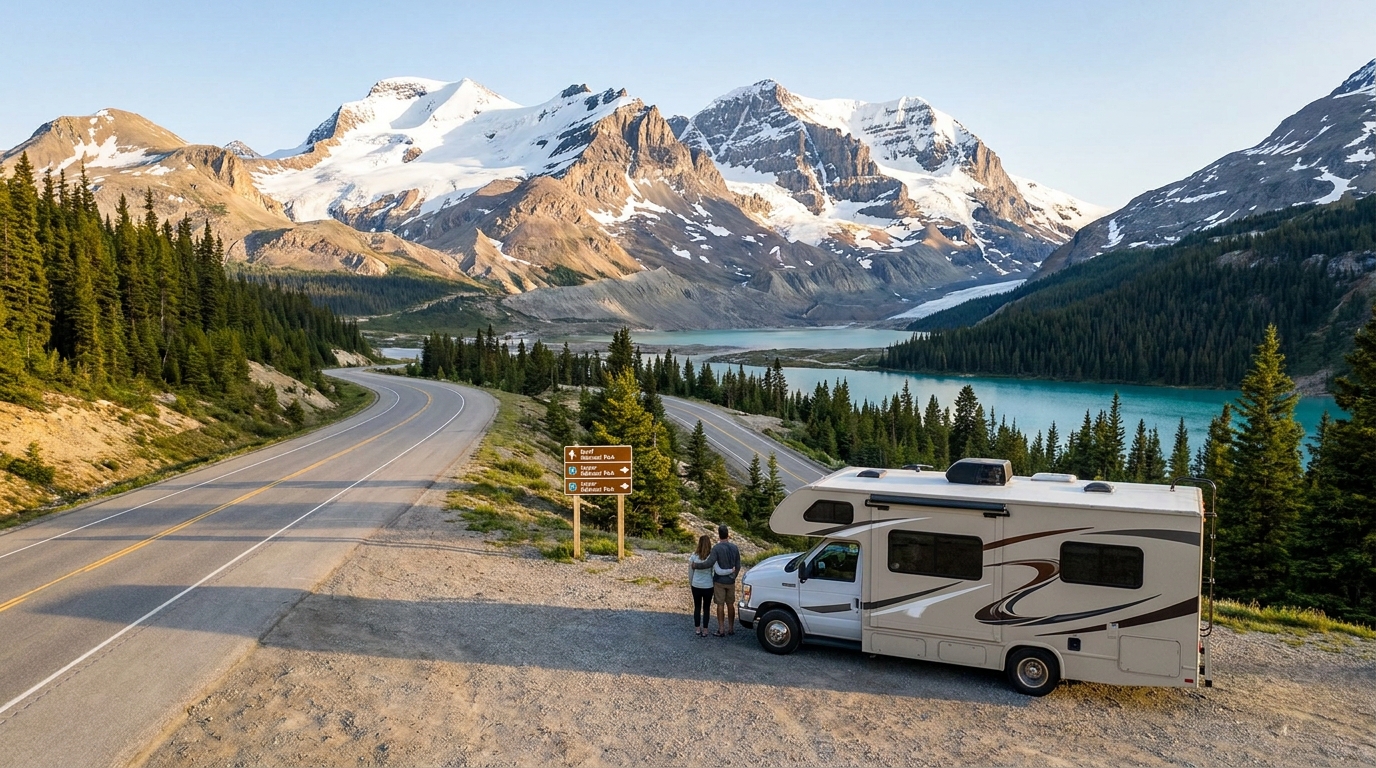
Embarking on a long-term RV rental in Canada opens up a world of unforgettable experiences, and some truly stand out. You shouldn't miss the breathtaking Canadian Rockies, driving the Icefields Parkway between Banff and Jasper National Parks, where you'll encounter numerous hiking trails, glaciers, and abundant wildlife. Imagine waking up to mountain views in your rented motorhome with features like the "Safari Landcruiser 4WD" which is ideal for a couple, and fresh mountain air.
Exploring the vast wilderness of British Columbia, perhaps along parts of the scenic "Vancouver Round Trip - West Canada Cycling Adventure," which includes 3 hiking areas and 2 parks, offers stunning coastal drives, lush forests, and vibrant cities like Vancouver. Head east to experience the maritime charm of Nova Scotia, or the French-Canadian culture of Quebec, driving quaint routes that feel a world away. A journey through the Canadian Shield in Ontario, with its 400,000 lakes, offers endless opportunities for lakeside camping and water activities.
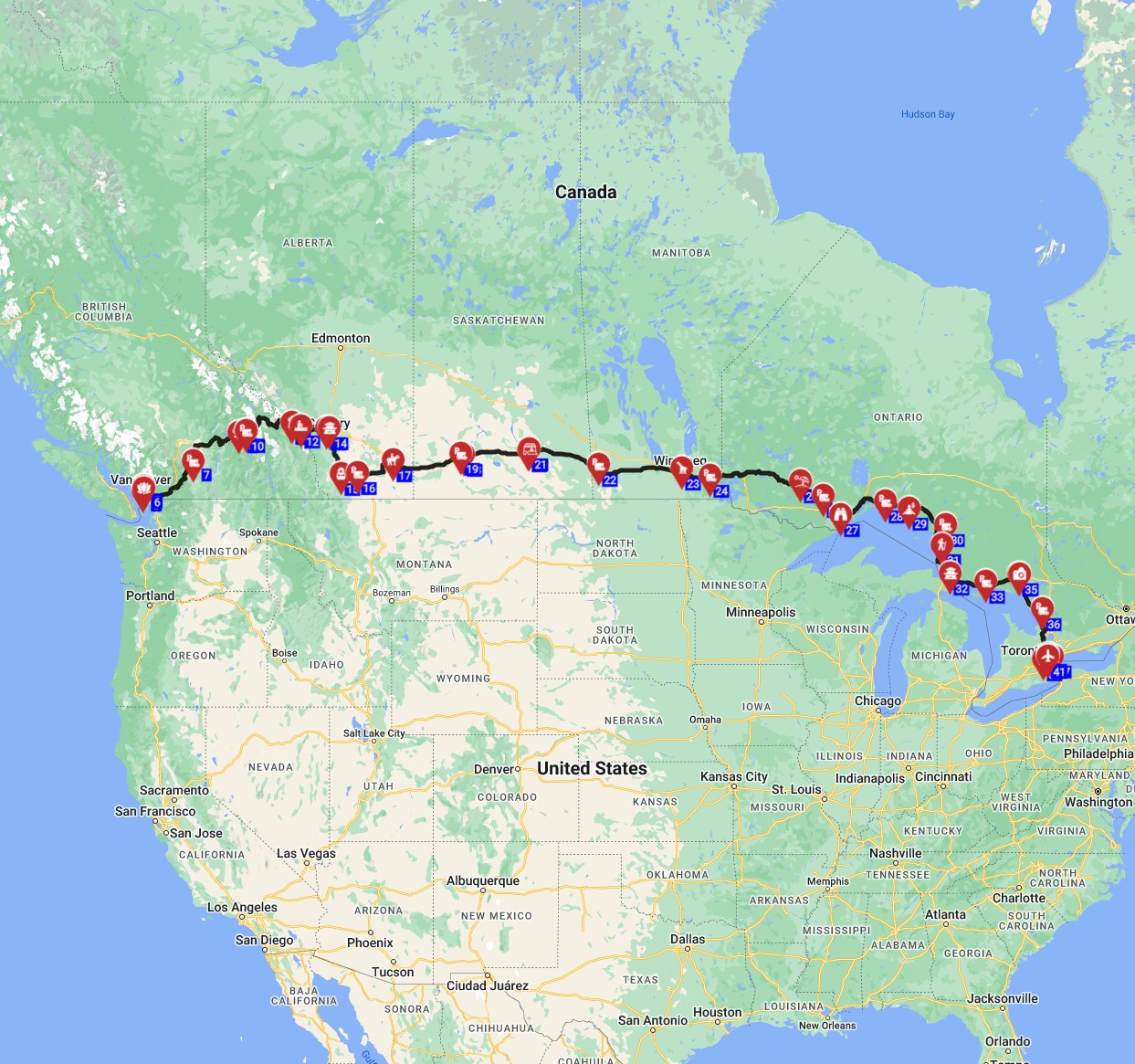
For those seeking an epic cross-country adventure, consider a route like the "Halifax to Whitehorse - Exploring Canada’s Heartland in a Motorhome," covering 9199.1 km over 37 days. This extensive itinerary includes visits to 6 museums, 4 natural features, and 3 historical sites, offering a deep dive into Canada's diverse heritage and natural beauty.
Don't forget to look for authentic cultural and Indigenous experiences, engaging respectfully with local communities and supporting Indigenous tourism initiatives whenever possible. These encounters can add profound depth to your Canadian journey.
Looking for expert insights from Avi Bandana? Top 5 Adventures - recommendations from Avi Bandana.
Final Thoughts
A long-term RV rental in Canada promises an extraordinary adventure filled with diverse landscapes, rich culture, and the freedom of the open road. From the majestic peaks of the Rockies to the vibrant Atlantic coast, a rented motorhome or campervan is your personal gateway to discovery. Embrace slow travel, allowing yourself the luxury of time to truly connect with each destination, whether it's a bustling city like Vancouver or a serene wilderness campground.
With careful planning, transparent pricing, and dedicated support from true RV specialists like Bandana RV, your extended Canadian journey will be smooth and unforgettable. We're here to guide you through every step, ensuring you have all the information and confidence needed for the road ahead. So, pack your bags, choose your ideal rented RV, and get ready to create lasting memories across Canada!
Discover top destinations and planning tips all in one place. Explore long term rv Rentals in Canada and compare Motorhome Prices for Canada today!