For live availability and current prices, start with our RV Rental California - Complete Guide 2026 guide.
In This Guide
- Essential Tips for Extended RV Rental in California
- Before You Book - Class, Dates, Insurance for a California RV Rental
- Pre-Trip Prep - Packing Checklist for RV Travel in California
- On the Road - Driving, Fueling, Navigation in California
- At the Campground - Setup, Hookups & Etiquette in California
- RV Rental-Specific Tips for Traveling in California
- Common Mistakes to Avoid During Your California RV Adventure
- How do I budget for an RV rental trip in California?
- How do I find RV park availability in California during peak season?
- What are realistic drive times for an RV trip in California?
- What are California's RV laws and regulations?
- What are the seasonal considerations for RVing in California?
- What are the essential RV logistics for beginners in California?
- What specific gear do I need for RVing in California's diverse environments?
- How do I stay safe from wildlife while RVing in California?
- What You Shouldn't Miss
- Why Book with Bandana Caravan
- Final Thoughts
- Frequently Asked Questions
Essential Tips for Extended RV Rental in California
Planning an extended motorhome rental in California requires careful preparation, starting with booking your preferred vehicle and campsites well in advance, especially during popular travel periods. A practical itinerary for your California adventure should account for the state's diverse terrains, from coastal highways to mountain passes, and potential urban traffic, ensuring a smooth and enjoyable journey. To ensure you have all the necessary information, our RV Rental California - Complete Guide 2024 provides a comprehensive overview of everything you need to know. Understanding California-specific RV regulations, such as vehicle length restrictions on certain scenic routes and local overnight parking rules, is also crucial for a stress-free trip. Furthermore, prepare for California's highly varied weather conditions by packing versatile layers and essential gear, whether you're heading to the mountains, coast, or desert. Finally, familiarizing yourself with RV hookups and dump station procedures before your trip will contribute significantly to a smoother and more confident travel experience.Before You Book - Class, Dates, Insurance for a California RV Rental
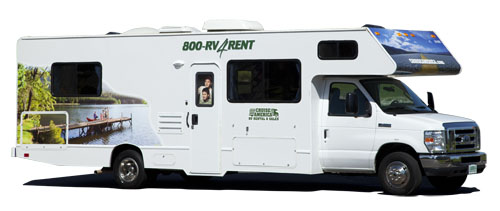
Choosing the right RV class for your California rental largely depends on your group size, budget, and the type of driving experience you desire. Class C motorhomes are a popular choice for families, offering a good balance of space and maneuverability, while Class A motorhomes provide a more luxurious and spacious travel experience for those seeking premium comfort. Booking your travel dates for a motorhome rental should be finalized early, particularly if you plan to visit during peak seasons like summer or spring breaks, to secure availability and often better rental rates. Our "RV Rental in California - Prices and Best Deals 2024" guide can help you compare options. Basic insurance coverage is always included with Bandana RV rentals, but for complete peace of mind and protection, it is wise to consider selecting comprehensive coverage options, including our top-level deductible reimbursement, during your booking process. This transparent approach ensures you know exactly what you’re getting, with no hidden fees or surprises.🎬 Video coming soon
Pre-Trip Prep - Packing Checklist for RV Travel in California
Packing for an extended California RV trip requires versatile clothing layers to suit the state's varied climates, from cool coastal mornings to warm desert afternoons and chilly mountain evenings. Equipping your rented RV's kitchen with basic cooking essentials, non-perishable food items, and a high-capacity water filter for potential boondocking will help you prepare delicious meals on the go. For ideas on what to cook, check out our RV-friendly recipes playlist. Essential safety items, such as a well-stocked first-aid kit, tire chains for unexpected mountain passes in winter, and a multi-tool for minor repairs, should always be carried to handle any unforeseen circumstances. Always keep crucial documents readily accessible, including your standard car driver's license (which is sufficient for all motorhome classes), your RV rental agreement, and any campground reservations.On the Road - Driving, Fueling, Navigation in California
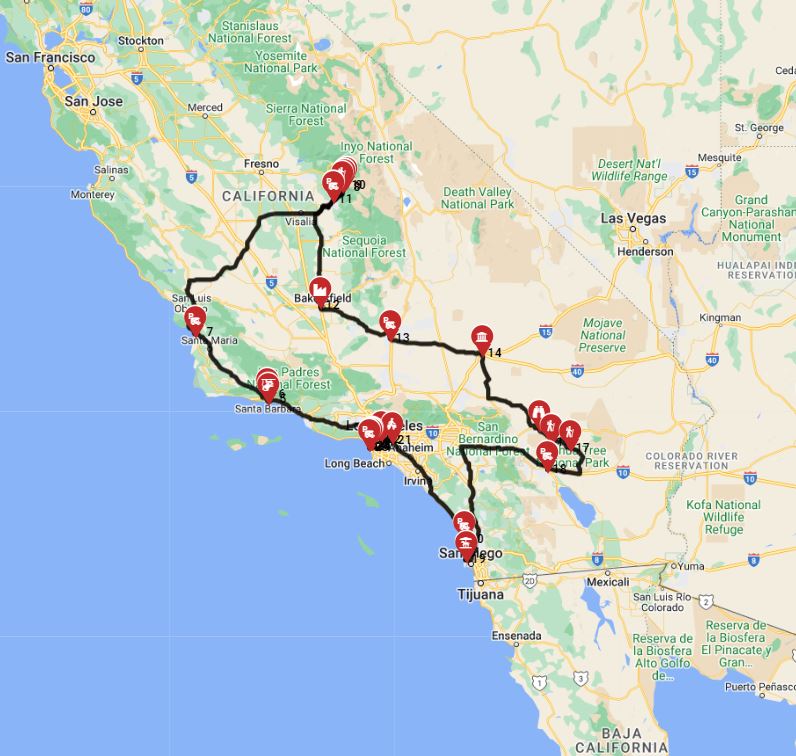
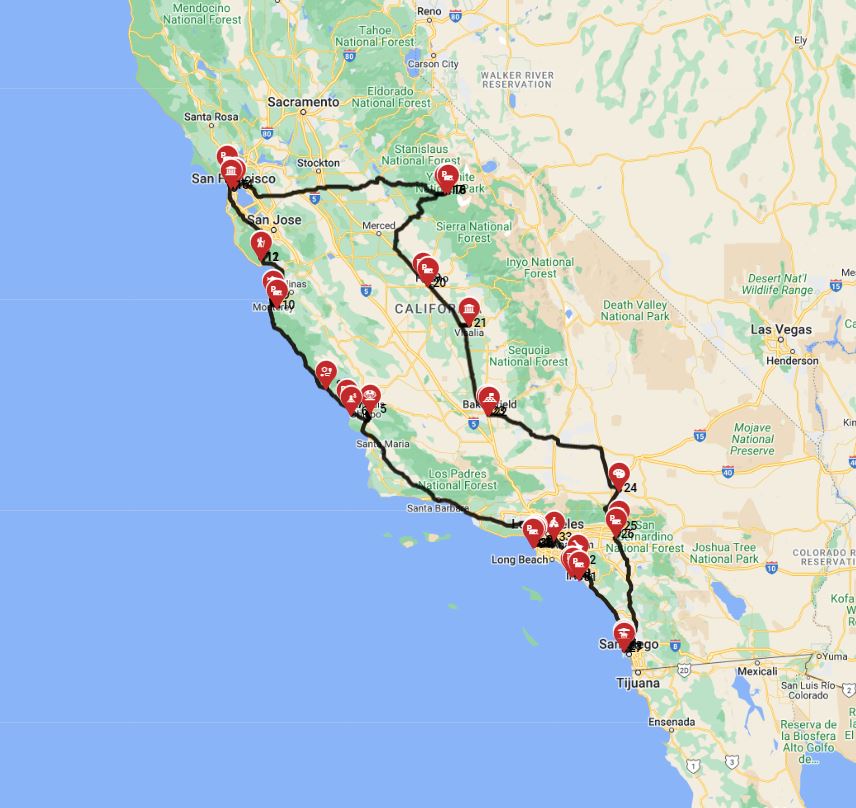
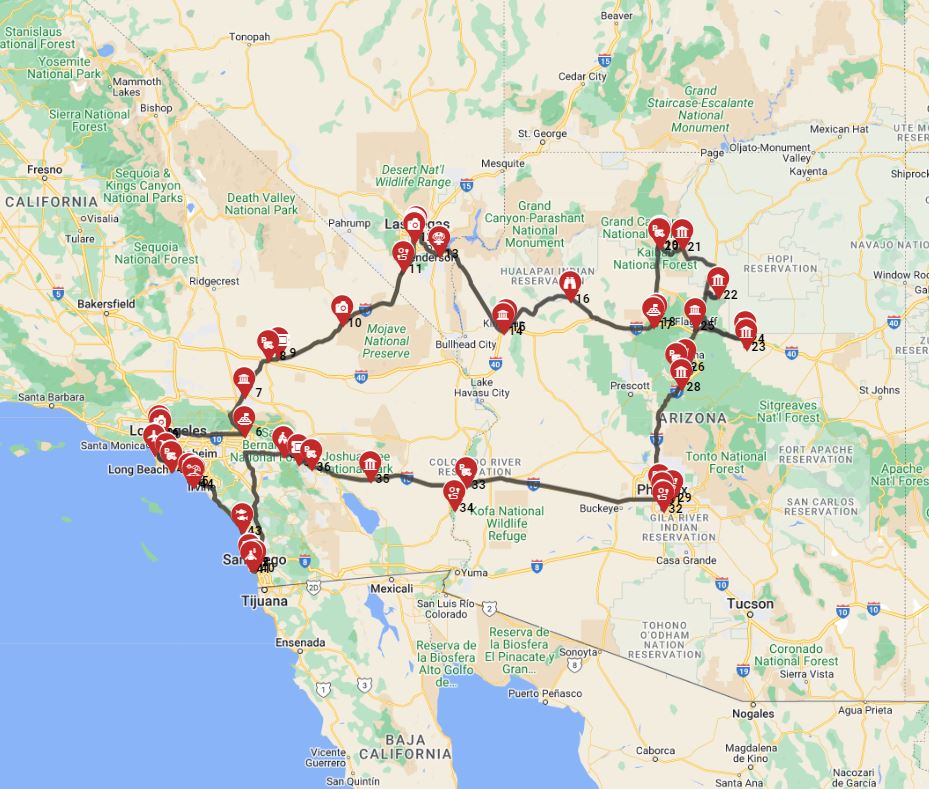
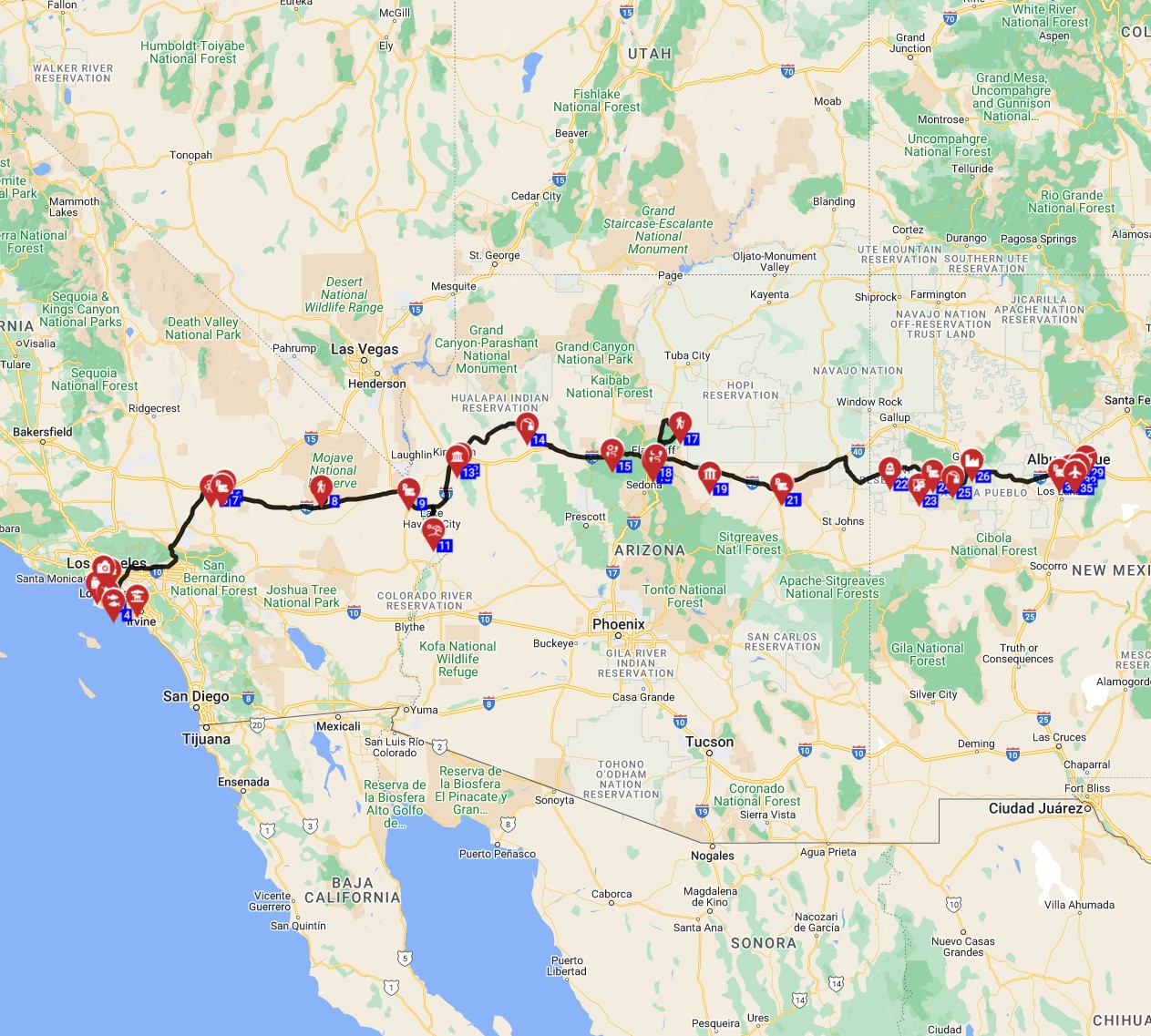
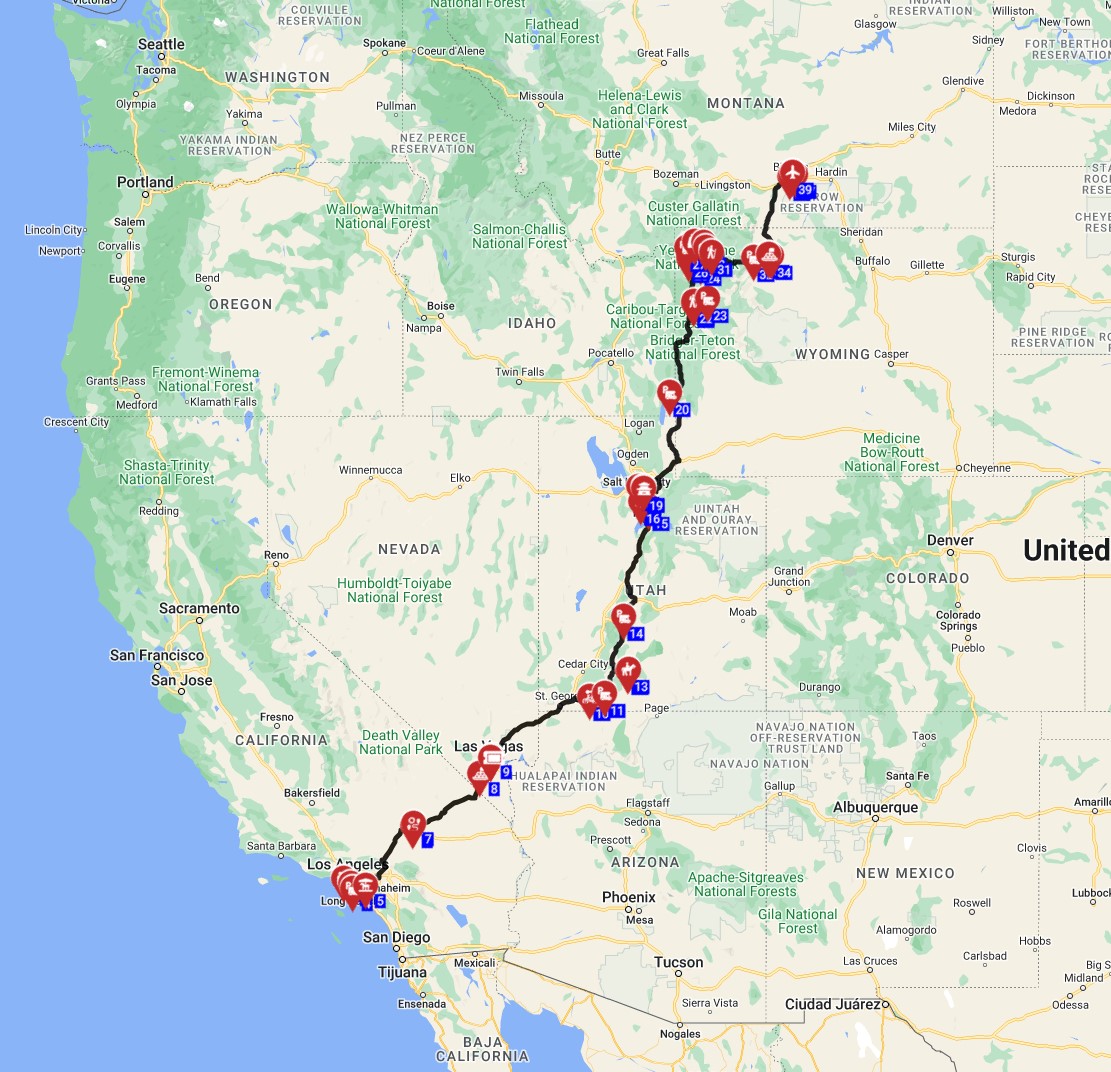
Driving a rented RV in California demands careful awareness of your vehicle's size and weight, especially when navigating winding mountain roads or the state's bustling urban areas. Drive slowly and carefully, and you can drive almost anywhere without issues. No need to stress - just use common sense and pay attention. Planning your fuel stops strategically is essential, as gas stations with ample space for larger Class A or Class C motorhomes can be sparse in some remote regions of California. Utilize RV-specific navigation apps to avoid low clearances and restricted roads, and to efficiently locate dumping stations and water refill points along your route. For comprehensive route plans that account for all these factors, explore RV PLANET routes, which allow you to itemize and track every expense. Our Rent&Plan service even offers pre-planned itineraries crafted by professionals. A popular choice is the "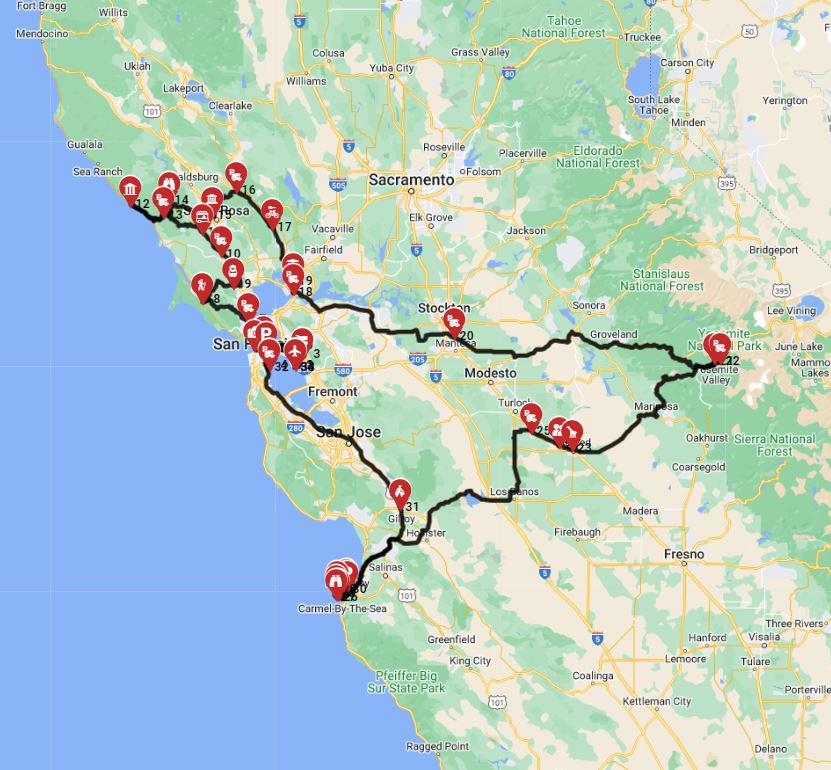
San Francisco Roundtrip
At the Campground - Setup, Hookups & Etiquette in California
Upon arriving at your chosen campsite in California, the first step is always to level your rented RV using leveling blocks, which ensures your refrigerator and other appliances function correctly and provides a comfortable sleeping environment. Connect your hookups in the correct order: sewer first, then water, and finally electricity, making sure all connections are secure to prevent leaks and electrical issues. Observance of campground quiet hours, usually from late evening until morning, and respect for your neighbors' space are essential for fostering a pleasant and harmonious camping experience for everyone. Many national and state parks in California, including sites with up to 47 powered campgrounds, reserve 25-30% of their spots for first-come, first-serve arrivals, meaning you can often find a spot even without an advance reservation. If not at the first campground, then the next one; always call ahead before driving.RV Rental-Specific Tips for Traveling in California
Families embarking on a motorhome rental in California will benefit from choosing Class C motorhomes like the "rv rentals example Comfort Class" with "3 double beds" for child-friendly amenities and ample space, and from planning shorter, nap-friendly drive days, limiting travel to 100-150 km per day. Seniors often find ergonomically designed Class B campervans or Class C motorhomes, such as the "Aero" or "Active Standard" models, easier to drive and access, ensuring comfort on longer journeys across the state. Budget-conscious renters can significantly reduce costs by researching and utilizing free overnight parking options, particularly on certain Bureau of Land Management (BLM) lands, always verifying local ordinances beforehand to avoid issues. For those seeking a more luxurious experience, premium add-ons for your motorhome rental, such as outdoor cooking sets, higher-end linens, or specialized excursion packages, can enhance a California trip. Remember that the "Top-Level Deductible Reimbursement" is an optional upgrade for extra peace of mind.Common Mistakes to Avoid During Your California RV Adventure
A common pitfall for first-time RV renters in California is over-scheduling their itinerary; instead, planning a realistic route that allows for spontaneous stops and relaxation is essential, keeping average daily travel to under 150 km. To prevent the disappointment of unavailable campsites, it's highly recommended to book RV parks and popular spots, especially within national parks like Yosemite or along coastal areas, several months in advance, though remember many parks keep 25-30% of spots for first-come, first-serve arrivals. Failing to check your rented motorhome’s vehicle clearance is a critical mistake; always be acutely aware of its height and length, particularly when navigating underpasses or winding scenic routes such as parts of Highway 1, which has length restrictions often at 40 feet or less for motorhomes. Finally, avoid neglecting your RV's essential systems; regularly check water, waste, and propane levels to ensure a smooth and comfortable trip, preventing unexpected disruptions. Our team is with you before, during, and after your booking to offer support and coordination.How do I budget for an RV rental trip in California?
Budgeting for a motorhome rental trip in California involves a clear understanding of several key components: rental fees, fuel costs, campsite fees, food expenses, and activity costs. To effectively manage fuel expenses, estimate the miles per gallon (typically 10-15 mpg for a Class C motorhome like the "cruise america rv rental example Explorer" with a 75-liter fuel tank) for your chosen RV class, plan efficient routes, and factor in that fuel prices can be higher in remote areas of California. You can significantly reduce food costs by preparing meals in your RV kitchen, shopping at local grocery stores, and packing non-perishables, rather than solely relying on dining out. Factor in diverse activity costs, from national park entrance fees (e.g., $35 for a 7-day vehicle pass for Yosemite) to specific regional attractions, and look for bundled passes or free natural wonders to explore; on RV PLANET routes, you can itemize and track every expense. For long-term stays, consider discounted weekly or monthly rates offered by many campgrounds. Comparing costs using our "RV Rental in California - Prices and Best Deals 2024" guide can also save you money.How do I find RV park availability in California during peak season?
Finding RV park availability in California during peak season requires early planning, effective use of reservation systems, and exploring diverse alternatives. You should utilize online reservation platforms like ReserveCalifornia.com for state parks or specific national park booking sites, which often open their booking windows 6-12 months in advance. For last-minute spots or alternatives, consider county parks, private campgrounds, Bureau of Land Management (BLM) lands for dispersed camping, or RV-specific apps like iOverlander for legal overnight parking options. Remember that many national and state parks reserve about 25-30% of their spots for first-come, first-served arrivals; if you don't find a spot at the first campground, try the next one, but always call ahead before driving. Being flexible with your travel dates and specific locations; sometimes shifting your trip by a few days or exploring less-trafficked regions can yield better availability. Our RV Rental Deals in California - Latest Offers 2024 page can help you find available options.What are realistic drive times for an RV trip in California?
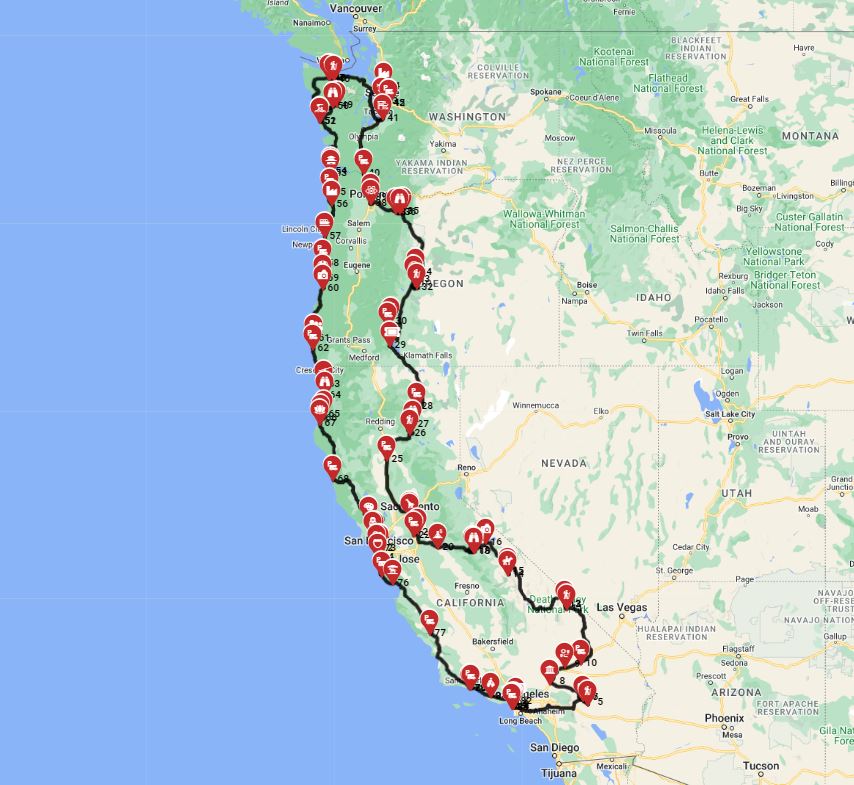
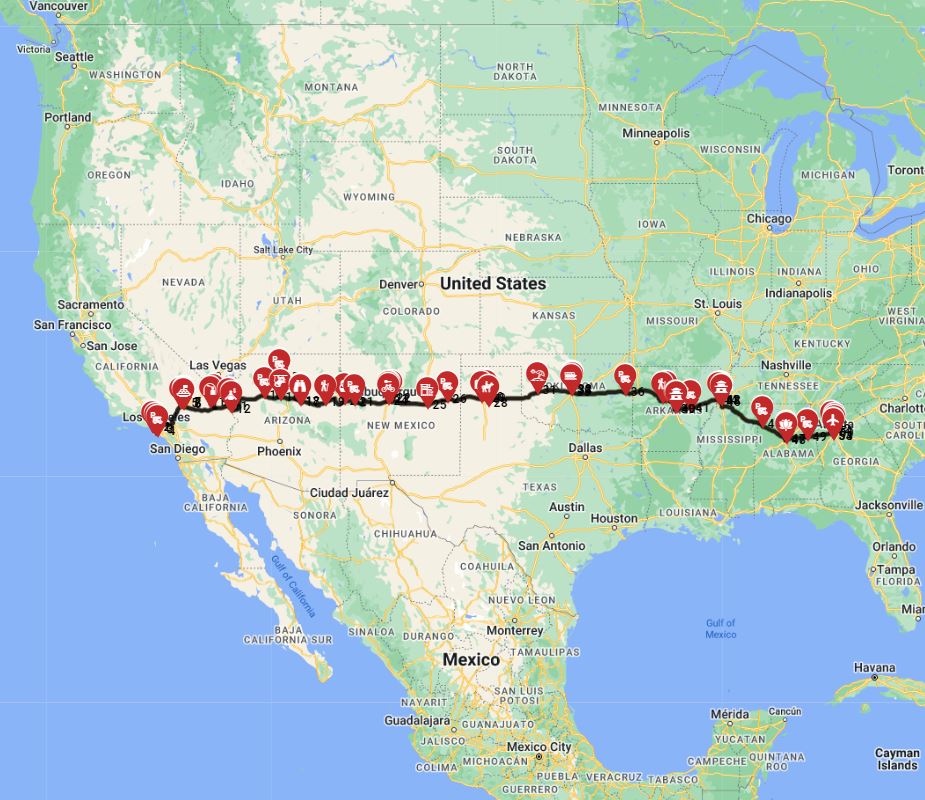
Realistic drive times for a rented RV trip in California are often longer than driving a standard car, depending on the diverse terrain, necessary stops, and the size of your motorhome. You should account for slower speeds on challenging mountain passes, winding coastal roads like sections of Highway 1 (where a large Class A motorhome, for instance, might be restricted or require extra caution), and potential urban traffic, especially around major cities such as Los Angeles or San Francisco. Drive slowly and carefully, and you can drive almost anywhere without issues. No need to stress - just use common sense and pay attention. Factor in frequent stops for fuel, rest, sightseeing, and RV-specific tasks like setting up and breaking down at campgrounds, which can add significant time to travel days. A general rule of thumb for enjoyable slow travel is to limit driving to 4-6 hours per day, covering a maximum of 100-150 km, allowing ample time to immerse yourself in the destinations. The "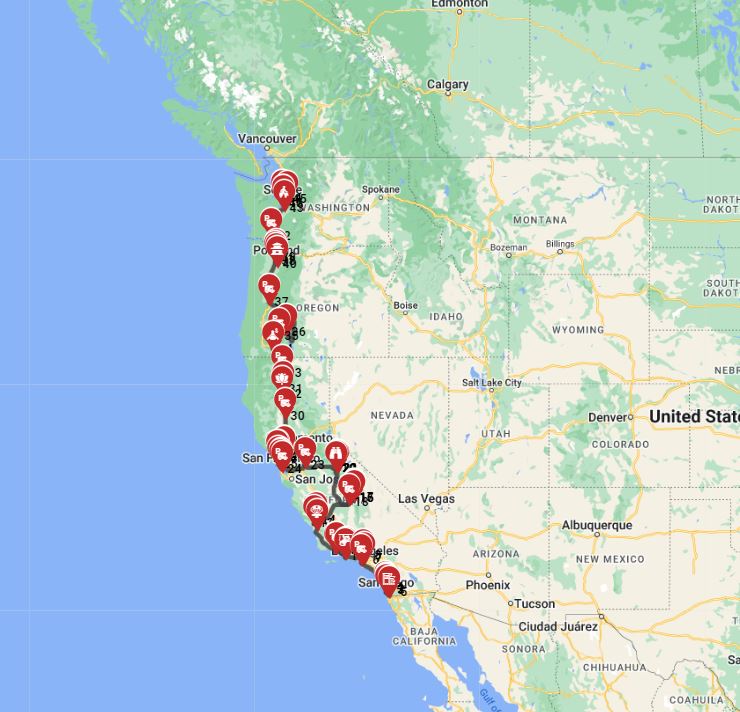
San diego to Seattle - California to the Pacific Northwest
What are California's RV laws and regulations?
California's RV laws and regulations are crucial for safe and compliant motorhome travel, encompassing vehicle length restrictions, specific route limitations, municipal overnight parking ordinances, and permits for dispersed camping. Be aware of total vehicle length restrictions; while a standard car driver's license is sufficient for all motorhome classes (Class A, B, and C) in California with no special license or CDL required, certain scenic or historic routes, particularly portions of Highway 1 through Big Sur, may have shorter length or height restrictions (often 40 feet or less for motorhomes) due to narrow and winding roads. Research local municipal ordinances for overnight parking, as many cities and counties in California have strict rules or outright bans on RVs parking on public streets. For dispersed camping in national forests or Bureau of Land Management (BLM) lands, understand that permits, such as the California Campfire Permit, may be required, and fire restrictions are common, especially during dry seasons. For one-way RV rentals in California, fees can range from $150-$500 depending on distance.What are the seasonal considerations for RVing in California?
Seasonal considerations for RVing in California involve preparing for the state's diverse regional weather patterns, potential natural events, and adapting your itinerary accordingly. Summer in California brings extreme heat to desert regions, such as Death Valley (where temperatures can exceed 49°C/120°F), and a heightened wildfire risk across the state, necessitating that travelers monitor fire alerts and have alternative routes ready. During winter, snow is common in the Sierra Nevada mountains, often requiring tire chains for motorhomes or limiting access entirely to certain roads and national parks; heavy rains can also cause potential mudslides in coastal or burn-scar areas. Spring and Fall generally offer mild temperatures (averaging 15-25°C/60-77°F across many regions) and fewer crowds, making them ideal for exploring, but be mindful of unpredictable weather shifts and regional variations. Planning ahead with our "RV Rental USA - Complete Guide 2024" can help you navigate these seasonal changes.What are the essential RV logistics for beginners in California?
Essential RV logistics for beginners in California involve understanding how to efficiently find and utilize dumping stations, refill water and propane tanks, perform proper hookup procedures, and safely level the RV on various terrains. You can locate dumping stations using RV-specific apps like iOverlander or campground directories before your black and grey water tanks become full, and practice the proper, sanitary procedure for emptying them. Know where to find potable water refills (available at most campgrounds and some gas stations or RV service centers) and propane refill stations, which are often found at large hardware stores or dedicated RV service centers throughout California. Practice hookup procedures (sewer, water, electricity) at your first campground, ensuring all connections are secure and understanding voltage requirements to prevent damage, and learn how to level your rented motorhome on varied terrain using blocks or built-in leveling systems for a comfortable stay.What specific gear do I need for RVing in California's diverse environments?
Specific gear for RVing in California's diverse environments must include items tailored for navigating mountain passes, extended boondocking, and preparedness for extreme weather conditions. For mountain travel, especially during colder months from November to April, carrying tire chains is often legally required on some passes, even if not immediately needed. If you plan to boondock or dispersed camp for longer periods, a high-capacity water filter (e.g., Sawyer or Berkey) is essential for purifying natural water sources, given that many Class B campervans have fresh water tanks of around 30-80 liters. Extreme weather preparedness means packing sun protection (wide-brimmed hats, high-SPF sunscreen) for the scorching deserts, warm layers for unexpectedly cool nights in higher elevations, and reliable rain gear for unexpected showers, especially along the coast. Consider a Class B campervan like the "hire campervan example Paradise S/T" which is ideal for a couple and offers a compact yet equipped option.How do I stay safe from wildlife while RVing in California?
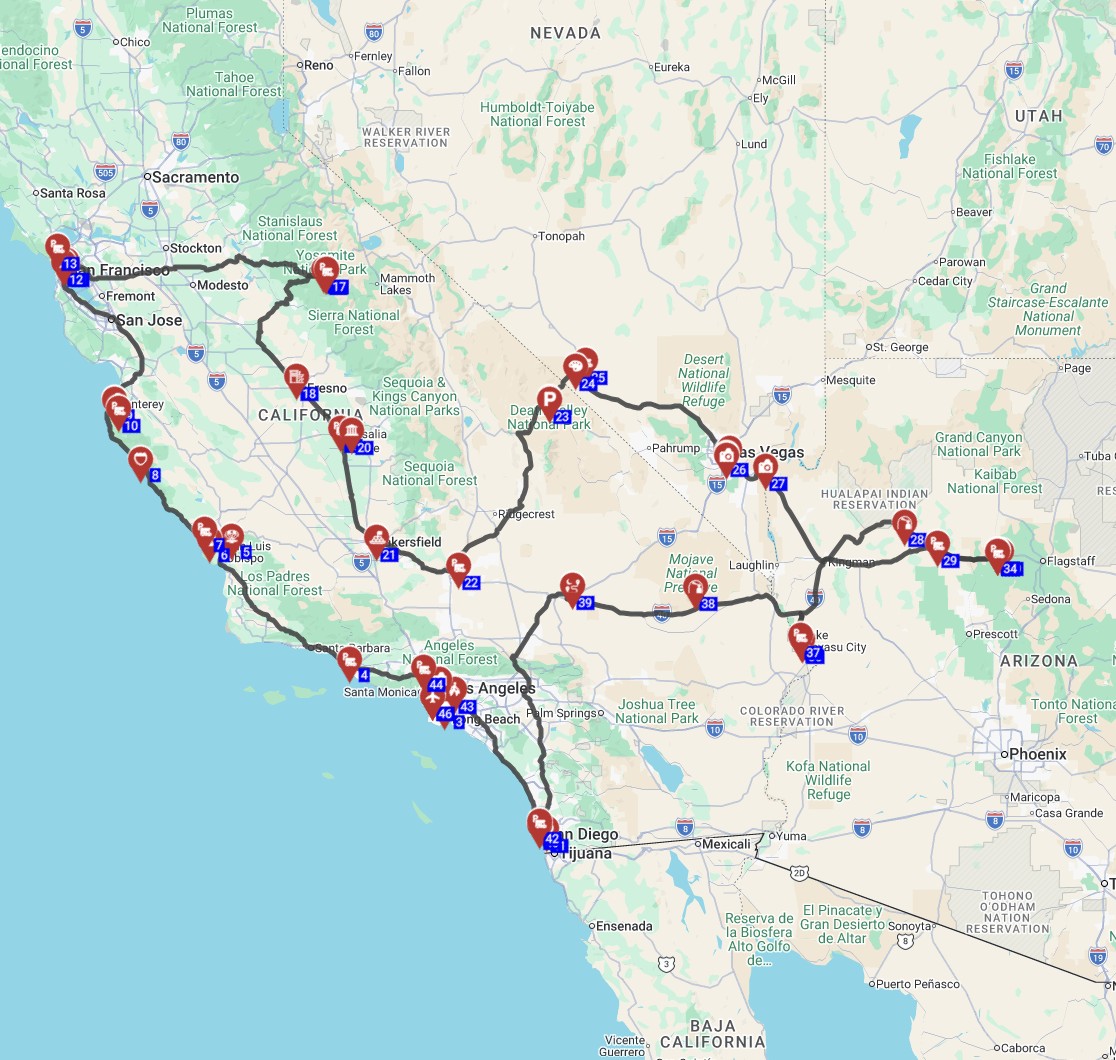
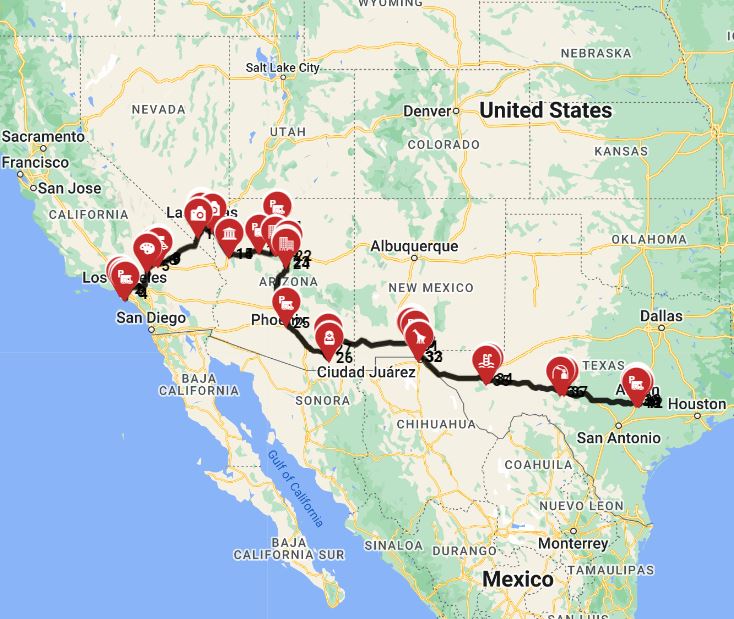
Staying safe from wildlife while RVing in California involves a keen awareness of local species, proper food storage techniques, and knowing safety protocols for potential encounters. In bear country, common in areas like the Sierra Nevada mountains and Yosemite National Park, always store food and any scented items in bear-proof containers or securely inside your hard-sided rented RV, never leaving them outside unattended, even for a short time. Be vigilant for rattlesnakes in warmer desert and grassy areas; always watch where you step, wear closed-toe shoes when hiking, and be aware that these reptiles often seek shade under RVs. Understand mountain lion safety protocols: avoid hiking alone, keep children and pets close, and know that making yourself appear large and making noise can deter them; also, after outdoor activities, thoroughly check yourself and your pets for ticks, especially in brushy areas, to prevent tick-borne illnesses. The "
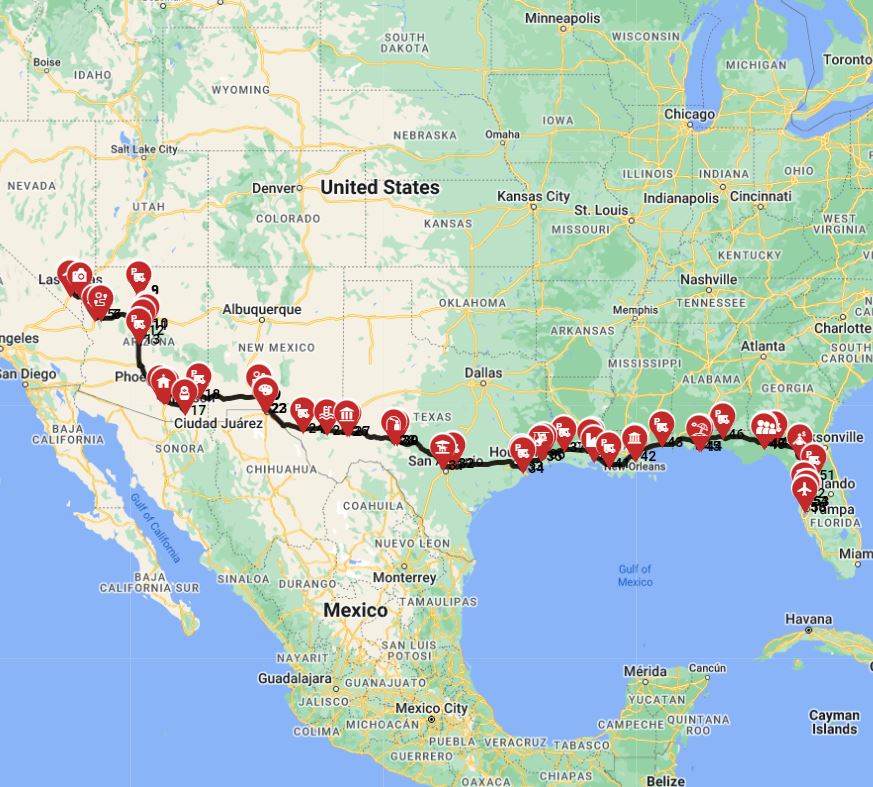
Charlotte to San Francisco - Southern Roots and California Shores
What You Shouldn't Miss
- **Yosemite National Park:** Drive your rented motorhome through the iconic Yosemite Valley, marvel at El Capitan and Half Dome, and hike to the base of Yosemite Falls, one of the world's highest. Remember to book campsites well in advance, especially for summer travel.
- **Big Sur's Coastal Beauty:** Navigate the stunning Highway 1 (checking for RV length restrictions), pulling over at scenic overlooks to capture the dramatic cliffs, redwood forests, and crashing waves. Spend a day at Pfeiffer Big Sur State Park.
- **The Deserts' Otherworldly Landscapes:** Explore Death Valley National Park, experiencing Badwater Basin's salt flats, or witness a wildflower "superbloom" in Anza-Borrego Desert State Park if your timing is right.
- **Redwood National and State Parks:** Immerse yourself in the ancient grandeur of the giant redwoods. Drive the Newton B. Drury Parkway and hike among these towering trees.
- **Lake Tahoe's Alpine Serenity:** Park your campervan at a lakeside campground and enjoy kayaking, paddleboarding, or hiking around the pristine blue waters and surrounding Sierra Nevada mountains.
- **San Francisco's City Charm:** Explore Fisherman's Wharf, walk across the Golden Gate Bridge, and navigate the city's unique neighborhoods. Drive slowly and carefully, and you can drive almost anywhere without issues. No need to stress - just use common sense and pay attention.
Final Thoughts
Embarking on a long-term RV rental adventure through California offers an unparalleled sense of freedom and discovery, allowing you to truly immerse yourself in the Golden State's incredible diversity. From the towering redwoods to the sun-drenched deserts and majestic Pacific coastline, a motorhome provides the perfect mobile base for extended exploration. Remember to embrace the spirit of slow travel, averaging no more than 100-150 km per day, to savor every moment and connect deeply with the culture and scenery. With Bandana RV, you're not just renting a vehicle; you're gaining a partner dedicated to making your journey seamless and enjoyable. Our commitment to full transparency, 24/7 support (pre-booking, booking, and post-booking coordination), and expert knowledge means you can plan your extended California RV trip with complete confidence. Get ready to create lasting memories on the open road. Compare RV Rental Prices for California today and start planning your unforgettable extended adventure!On the routes offered through RV PLANET routes, you can itemize and track every expense along the way for easy budgeting.