In This Guide
- Top 5 Tips for rv rental RV Rental in Alaska
- Before You Book - Class, Dates, Insurance
- Pre-Trip Prep - Packing Checklist for Alaska
- On the Road - Driving, Fueling, Navigation
- At the Campground - Setup, Hookups and Etiquette
- rv rental-Specific Tips for Alaska
- Common Mistakes to Avoid in Alaska
- What You Shouldn't Miss
- Why Book with Bandana Caravan
- Final Thoughts
- Frequently Asked Questions
An extended RV rental trip through Alaska offers an unparalleled opportunity to immerse yourself in the Last Frontier's majestic wilderness and vibrant cultures. Imagine waking up to snow-capped peaks, spotting grizzlies from your mobile home, and savoring fresh salmon caught just hours before. This guide provides authoritative and friendly advice for planning a memorable long-term RV adventure in Alaska, ensuring you're fully prepared for the journey of a lifetime.
Planning an extended trip requires thoughtful consideration, from selecting the right rented campervan to understanding local driving conditions and budgeting for all aspects of your journey. For live availability and current prices, start with our RV Rental Alaska - Complete Guide 2026 guide. We're here to support you every step of the way, from comparing options before your booking to coordinating all the details after, ensuring a seamless experience. On the routes offered through RV PLANET routes, you can itemize and track every expense along the way for easy budgeting.
🎬 Video coming soon
Top 5 Tips for rv rental RV Rental in Alaska
To maximize your extended RV adventure in Alaska, understanding key planning strategies is crucial for a smooth and enjoyable experience.
- Book early: Secure your preferred motorhome class and dates, especially for Alaska's popular peak season (mid-June through mid-August), by booking at least 3-6 months in advance. Many travelers book 6-12 months ahead to ensure they get their ideal Class C or Class A rented RV.
- Understand unique driving conditions: Be prepared for specific driving rules and road conditions unique to Alaskan routes. You might encounter gravel sections on highways like the Denali Highway and frost heaves that demand slower, cautious driving. Drive slowly and carefully, and you can drive almost anywhere without issues. No need to stress - just use common sense and pay attention, particularly when large vehicles like a `MHC30` (typically over 9 meters long with a 210 liter fuel tank) navigate narrow passes.
- Budget comprehensively: Plan your budget beyond just the rented RV cost, accounting for higher fuel prices, varied campground fees (ranging from $20-$70 per night), activities, and groceries. On RV PLANET routes, travelers can itemize and track every expense along the way for easy budgeting, which is especially helpful for longer trips.
- Pack layers for unpredictable weather: Alaskan weather is famously changeable, even during summer. Always pack layers of clothing, including waterproof jackets and pants, fleece, and wool, to adapt to sudden temperature shifts.
- Research connectivity options: Be aware that cell service and Wi-Fi can be extremely limited or non-existent in many remote areas of Alaska. Consider bringing a satellite phone or a device like a Garmin inReach for emergency communication, especially on routes like the Dalton Highway.
These tips will lay a solid foundation for your long-term RV rental in Alaska, allowing you to focus on the breathtaking scenery and unique experiences that await.
Before You Book - Class, Dates, Insurance
Choosing the right rented motorhome, securing optimal dates, and understanding insurance options are foundational steps for your Alaskan journey.
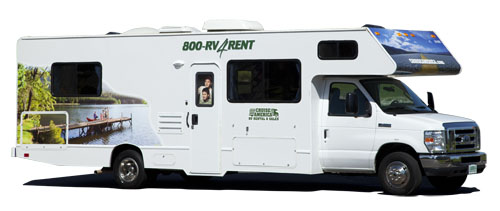
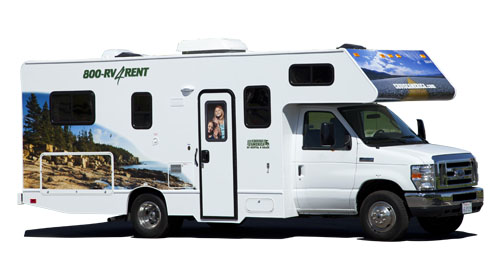
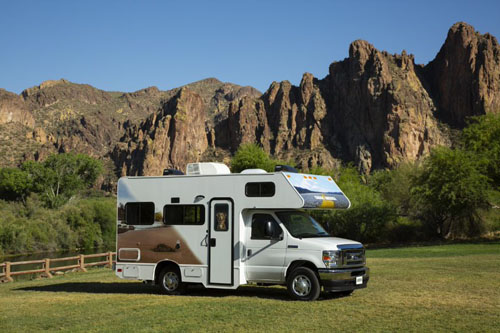
Selecting the appropriate RV class for your Alaska trip involves considering factors like your group size, desired comfort level, and the types of roads you plan to navigate. For couples or small families of 2-3, a compact campervan or a smaller Class C motorhome like an `alaska rv rental example Paradise S/T` with its automatic transmission and ample storage, or a `camper for rent example Category A` with a queen-sized bed, offers maneuverability and comfort. Larger families or groups might prefer a Class A motorhome like the spacious `MHLUX` (up to 10.7 meters long) or a 6-berth Class C like the `alaska rv rental example Category C` which can feature 3 double beds, providing more living space and amenities.
To secure your ideal RV and travel dates, especially during Alaska's popular summer season (mid-June to mid-August), booking 6-12 months in advance is highly recommended. For those with flexible travel plans, exploring shoulder seasons like May or September can offer fewer crowds and potentially lower rental rates. Remember, rental prices are dynamic, similar to flight tickets, changing daily based on availability, seasonality, and supplier decisions, with the final price set at actual booking time. Don't worry about last-minute bookings entirely, as many national and state parks reserve only 25-30% of their spots for advance reservations, leaving the rest for first-come-first-serve arrivals, so you'll often find a spot.
Basic insurance is always included with your rented vehicle, as mandated by law. For enhanced peace of mind, you can upgrade to a top-level deductible for extra protection. Bandana Caravan offers full transparency in pricing; what you see is what you pay, with no hidden fees or surprises at pickup. Our direct partnerships with 50+ leading RV suppliers worldwide, including trusted names like El Monte and Cruise America, ensure you have access to comprehensive coverage and competitive options. For more information on pricing, explore our "RV Rental in Alaska - Prices and Best Deals 2026" guide.
Pre-Trip Prep - Packing Checklist for Alaska
Preparing a tailored packing list is crucial for an Alaskan RV adventure, ensuring you're ready for diverse weather, various activities, and potentially remote conditions.
Clothing & Personal Items:
- Rain gear (waterproof jacket and pants)
- Layered clothing (fleece, wool, thermal underwear)
- Hiking boots and comfortable walking shoes
- Warm hat, gloves, and scarves
- Insect repellent (essential for mosquitoes in summer) and head nets
- Sunscreen and sunglasses (for long daylight hours)
- Bear spray (know how to use it safely and check local regulations)
Kitchen & Food Supplies:
- Basic cooking utensils and dinnerware (often included with rental, but check with supplier)
- Cooler or portable fridge for extra capacity, especially for fresh catches
- Food staples and non-perishables for remote stretches. Imagine making delicious meals on the road - for inspiration, check out our RV-friendly recipes playlist!
- Water bottles or purification tablets for hiking and emergency use
Safety & Emergency Kit:
- First-aid kit and any personal medications
- Emergency roadside kit (jumper cables, basic tools, tire repair kit)
- Flashlight or headlamp with extra batteries
- Satellite phone or Garmin inReach for remote communication where cell service is absent.
Documents & Navigation:
- Driver's license (a standard car license is sufficient for all motorhome classes) and RV rental agreement
- Passport (if planning to cross into Canada, which is common for Alaskan RV trips)
- Copies of important documents (physical and digital)
- Physical maps and downloaded offline maps are highly recommended, as GPS and cell service can be unreliable in many parts of Alaska, particularly on less-traveled routes.
On the Road - Driving, Fueling, Navigation
Navigating Alaskan roads in a rented RV requires specific considerations for safety, fuel planning, and understanding unique driving conditions to ensure a smooth journey.
Be prepared for various road surfaces, including gravel sections on iconic routes like the Denali Highway, and challenging frost heaves which can damage vehicles if driven too fast. The secret to driving any size RV in cities or on rougher roads is simply to drive slowly and carefully; you can go almost anywhere without issues. No need to stress - just use common sense and pay attention to road signs and conditions. Speed limits on Alaskan highways typically range from 55-65 mph (88-105 km/h), but always adjust for conditions. Remember to drive on the right side of the road, as in the rest of the USA.
Fuel stations can be sparse in remote Alaskan areas, so meticulously plan your fuel stops, especially if venturing off main highways. Carrying extra fuel in approved containers is a wise precaution for long stretches, and always top off your tank when you see a gas station. For instance, a Class C motorhome like the `CA-25` (length 7.6m, fuel tank 208 liters) offers a substantial range, but remote areas still demand foresight. For tracking all your trip expenses including fuel, RV PLANET routes provide a great tool for budgeting.
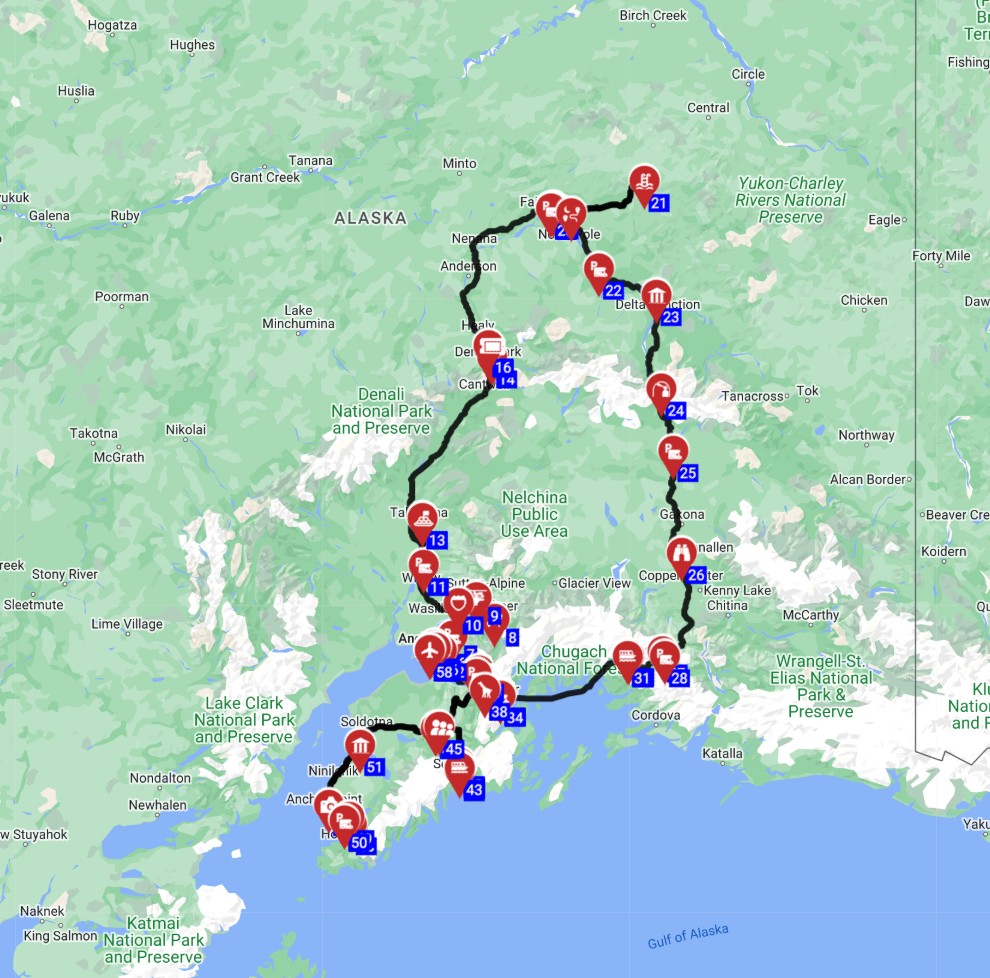
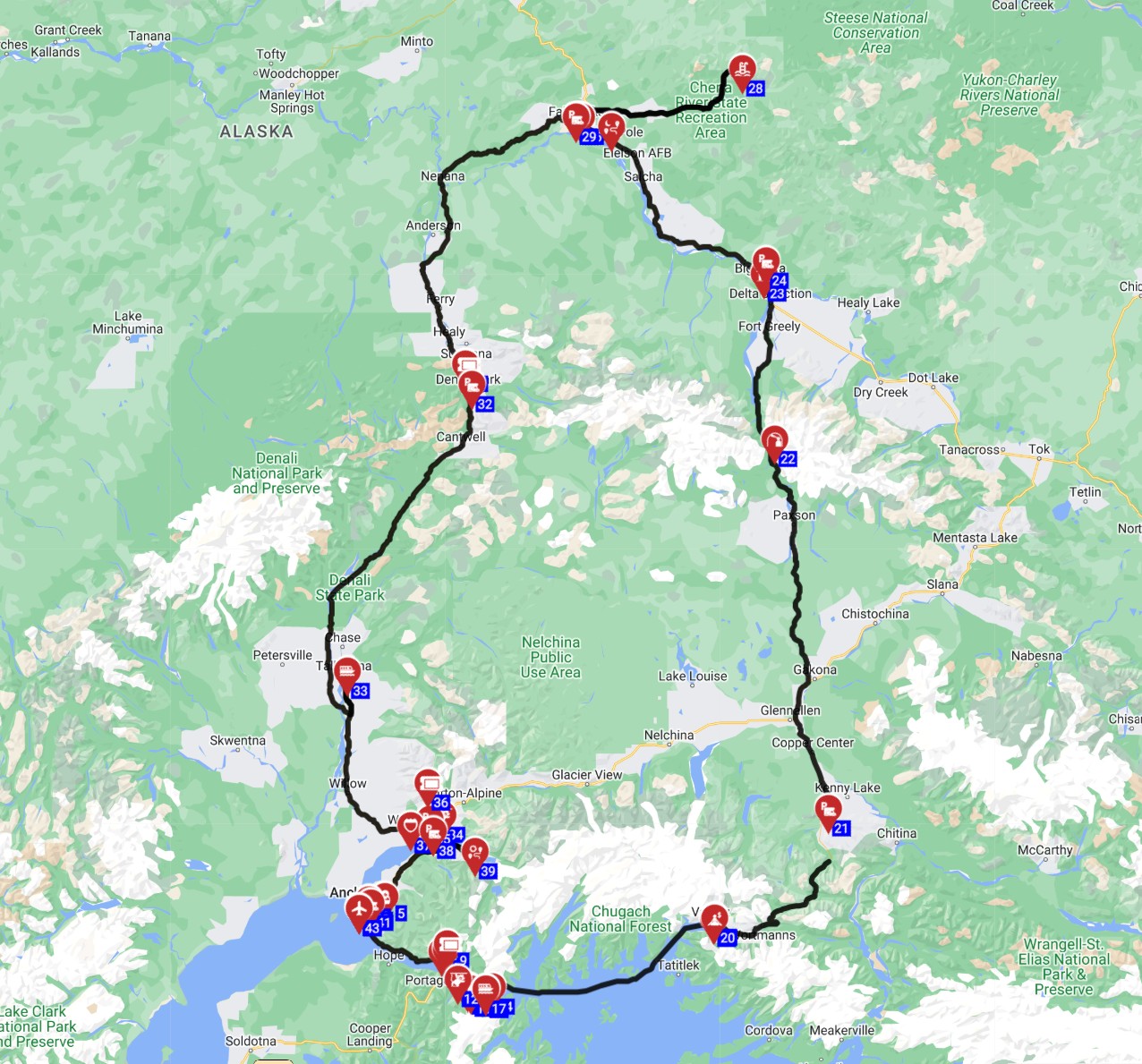
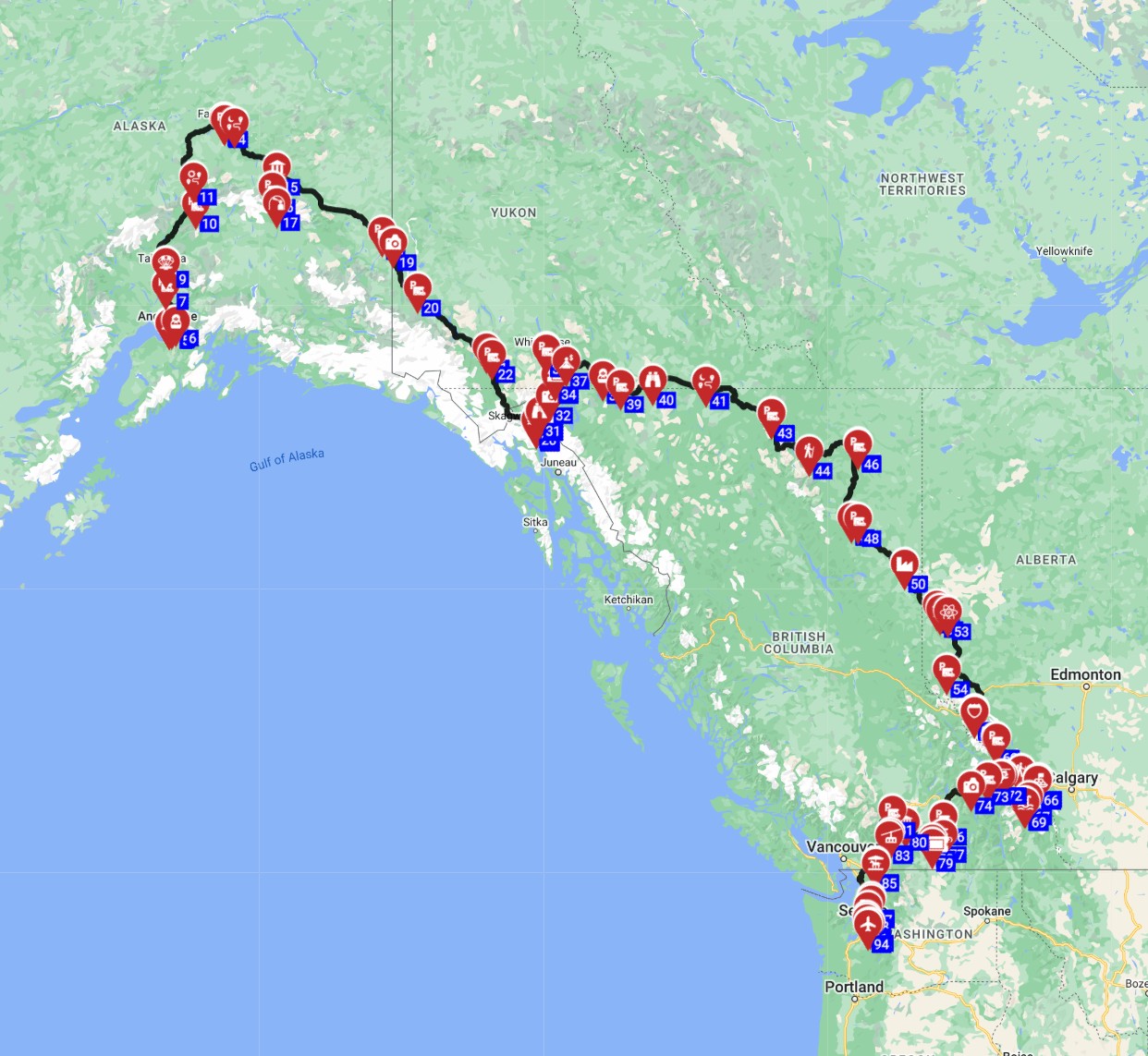
Wildlife encounters are common and truly a highlight of Alaskan RV travel. Maintain a safe and respectful distance from animals like moose, bears, and caribou. Never feed wildlife, and store all food securely to avoid attracting animals. Physical maps are highly recommended, alongside downloaded offline maps, as GPS and cellular service can be unreliable in many parts of Alaska, particularly on less-traveled routes like portions of the Dalton Highway. Consider purchasing a detailed Alaska road atlas before your trip, or explore one of our expertly crafted Anchorage Roundtrip - Alaska route plans.
At the Campground - Setup, Hookups and Etiquette
Setting up your RV at an Alaskan campground involves a standard procedure to ensure comfort and proper functionality, while observing local etiquette.
Upon arrival, always select your spot carefully, then begin by leveling your rented motorhome to ensure all appliances and plumbing systems function correctly. Use leveling blocks if necessary. Once level, proceed to hook up utility connections in the following order: first, attach your sewer hose to the campground's dump station and your RV's black/grey water tank outlet; then, connect your fresh water hose to the potable water supply, and finally, plug in your electrical power cord. Most campgrounds in Alaska offer 30-amp hookups, and many have 50-amp for larger Class A motorhomes, so ensure your RV is compatible.
Respect campground quiet hours, which typically run from 10 PM to 7 AM, by keeping noise to a minimum. This includes generator use, which is often restricted to specific hours. Proper waste disposal is paramount in Alaska's pristine environment; always dispose of all waste, including grey water and black water, at designated dump stations. Never release grey water directly onto the ground. Furthermore, always leave your campsite cleaner than you found it, adhering to Leave No Trace principles.
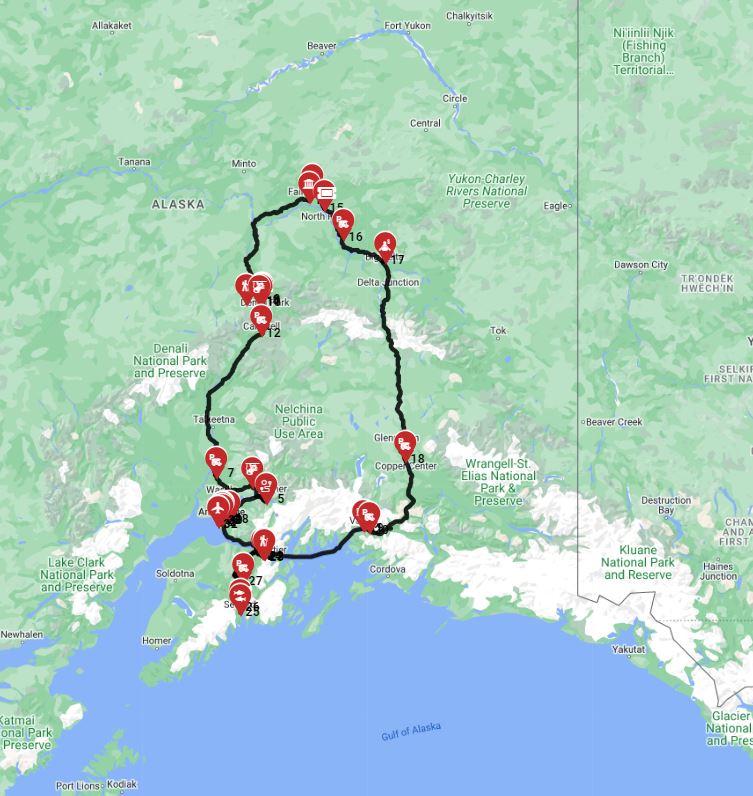
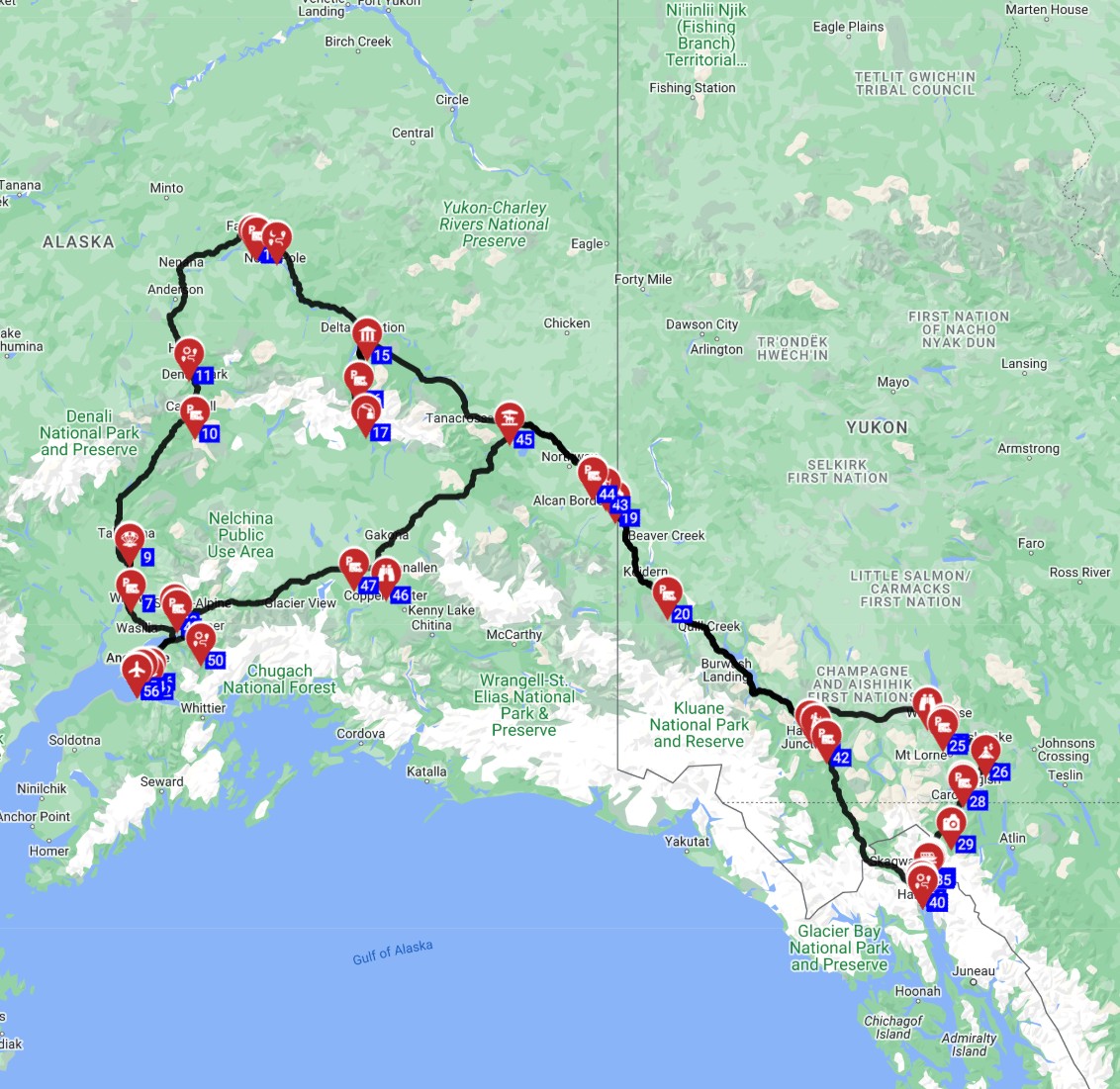
For finding available campsites and campgrounds during your trip, we recommend using RV PLANET (rvplan.net) - a great resource for locating spots and even pre-planned routes like the Anchorage Round Trip - Alaska-Yukon Discovery Trail, which includes 3 hiking areas and multiple natural features, making your planning effortless and your adventure exceptional. Many national and state parks in Alaska operate on a first-come-first-serve basis for most sites, so call ahead before driving long distances if you haven't reserved.
rv rental-Specific Tips for Alaska
Tailoring your RV rental choices and trip planning to your specific travel profile can significantly enhance your Alaskan experience, making your adventure uniquely suited to your needs.
For families with children: Consider renting RVs with separate sleeping areas, such as bunk beds found in models like the `Glamys 40` or `MC 4-360`, and ensure you have entertainment options for long drives. Incorporate frequent stops for active breaks at playgrounds or scenic viewpoints. A larger Class C motorhome like the `29′ Class C Motorhome`, featuring a slide-out and generator, offers ample space for family activities and comfortable living.
For senior travelers: A Class C or a mid-sized Class A motorhome like the `Class A - Thor ACE 30` may be preferred for easier maneuverability and amenities that prioritize comfort and accessible layouts. Opt for RVs with automatic transmissions and features that simplify daily living, ensuring a relaxed pace. Remember, slow travel is the best travel in Alaska; aim for a maximum of 100-150 km per day on average to truly savor the landscapes and culture.
For budget-conscious adventurers: You can save money by opting for smaller campervans or older, good value-for-money RVs like the `DeLite`. Utilize free overnight parking spots where permitted (always check local regulations), and maximize savings by cooking most meals in your RV's kitchen. Look for "RV Rental Deals in Alaska - Latest Offers 2026" to find current promotions.
For luxury travelers: Enhance your trip with premium RV add-ons like Wi-Fi hotspots, higher-end kitchenware, and booking campgrounds with full amenities and scenic views, such as those included in the Anchorage Roundtrip Heading North - The Great Alaskan Wilderness Road Trip. Consider an exclusive Class A motorhome rental like the `motorhome europe example C-27` or a spacious `Euro Deluxe` model which features 3 double beds, for ultimate comfort and style.
Common Mistakes to Avoid in Alaska
Avoiding common pitfalls can make your RV trip to Alaska smoother and more enjoyable, transforming potential issues into memorable experiences.
A common mistake is over-scheduling your itinerary; instead, build flexibility into your plans to allow for spontaneous stops, unexpected weather, or extended wildlife viewing opportunities. Alaska's vastness and beauty are best appreciated at a slower pace, so aim to travel no more than 100-150 km per day on average. Don't feel pressured to rush; take time to feel the place, connect to the culture, the food, and the scenery.
Relying solely on GPS can be problematic; carry physical maps and download offline maps as a backup, since cell service is often unavailable in remote Alaskan areas. Even with a modern rented motorhome featuring integrated navigation, signal can drop. Ensure you understand your route and have alternatives.
Underestimating fuel needs is another frequent error. Plan your route with an awareness of gas station availability, particularly on long stretches between towns, and always refuel when you have the chance. Fuel prices can also be significantly higher in remote regions. Always check our "Weekly RV Rental in Alaska - Pricing 2026" for budgeting insights.
Forgetting adequate insect repellent is a mistake many first-timers make. Pack strong repellents and consider head nets, as mosquitoes and other biting insects can be prolific during summer months. Additionally, be prepared for cooler evenings, even in summer, by always having warm layers accessible. Finally, ensure you're familiar with bear safety protocols, including proper food storage and carrying bear spray, particularly if you plan to hike.
What You Shouldn't Miss
Alaska is a treasure trove of natural wonders and unique experiences, perfect for exploring with a rented RV. Here are a few recommendations to inspire your extended travel plans:
- Denali National Park and Preserve: Drive the scenic Park Road (the first 15 miles are accessible to private vehicles, beyond that requires shuttle buses) for incredible wildlife viewing opportunities and unparalleled views of Denali, North America's tallest peak. Book campsites at Riley Creek or Savage River well in advance, though first-come-first-serve spots are also available.
- Kenai Fjords National Park: Take a boat tour from Seward to witness calving glaciers, abundant marine wildlife like whales and sea otters, and dramatic coastal landscapes. Many RV campgrounds are available in Seward and nearby areas.
- The Alaska Highway (Alcan): If you're driving your rented motorhome from Canada, the 2,232 km (1,387-mile) Alaska Highway is an iconic journey through vast wilderness, offering stunning scenery and a sense of true adventure. Our "RV Travel Guide to Alaska - Tips and Top Spots 2026" offers more details on this epic route.
- Fairbanks and the Arctic Circle: Journey north to Fairbanks to experience the "Golden Heart City" and, if daring, venture further north to cross the Arctic Circle. This region also offers excellent opportunities to witness the Midnight Sun in summer.
- Alaska Marine Highway System: While you'll park your rented RV, experiencing a segment of Alaska's state ferry system can be a unique way to see road-inaccessible coastal towns and vast marine vistas, especially when connecting to places like Juneau or Southeast Alaska.
Looking for expert insights from Avi Bandana? Top 5 Adventures - recommendations from Avi Bandana.
Final Thoughts
An extended RV rental trip through Alaska is more than just a vacation; it's an epic journey of discovery that puts you in control of your adventure. With a comfortable rented motorhome as your base, you're free to explore the vast wilderness, encounter incredible wildlife, and soak in the breathtaking landscapes at your own pace. Remember to embrace the spirit of slow travel, allowing yourself to truly connect with the magic of Alaska.
Whether you're a seasoned RVer or embarking on your first long-term mobile home adventure, the tips and insights shared here are designed to make your planning seamless and your trip unforgettable. We, as true RV specialists, are here to support you in comparing options and finding the perfect RV for your Alaskan dreams. Get inspired for your next trip! Discover top destinations, planning tips, all in one place!
So, start dreaming, start planning, and get ready to experience the awe-inspiring beauty of Alaska from the comfort of your own rented RV. Your grand Alaskan adventure awaits!