
In This Guide
- What long term rv rental RV Rental Costs in Zimbabwe (2026)
- Seasonal Pricing - Peak vs. Shoulder vs. Off-Season in Zimbabwe
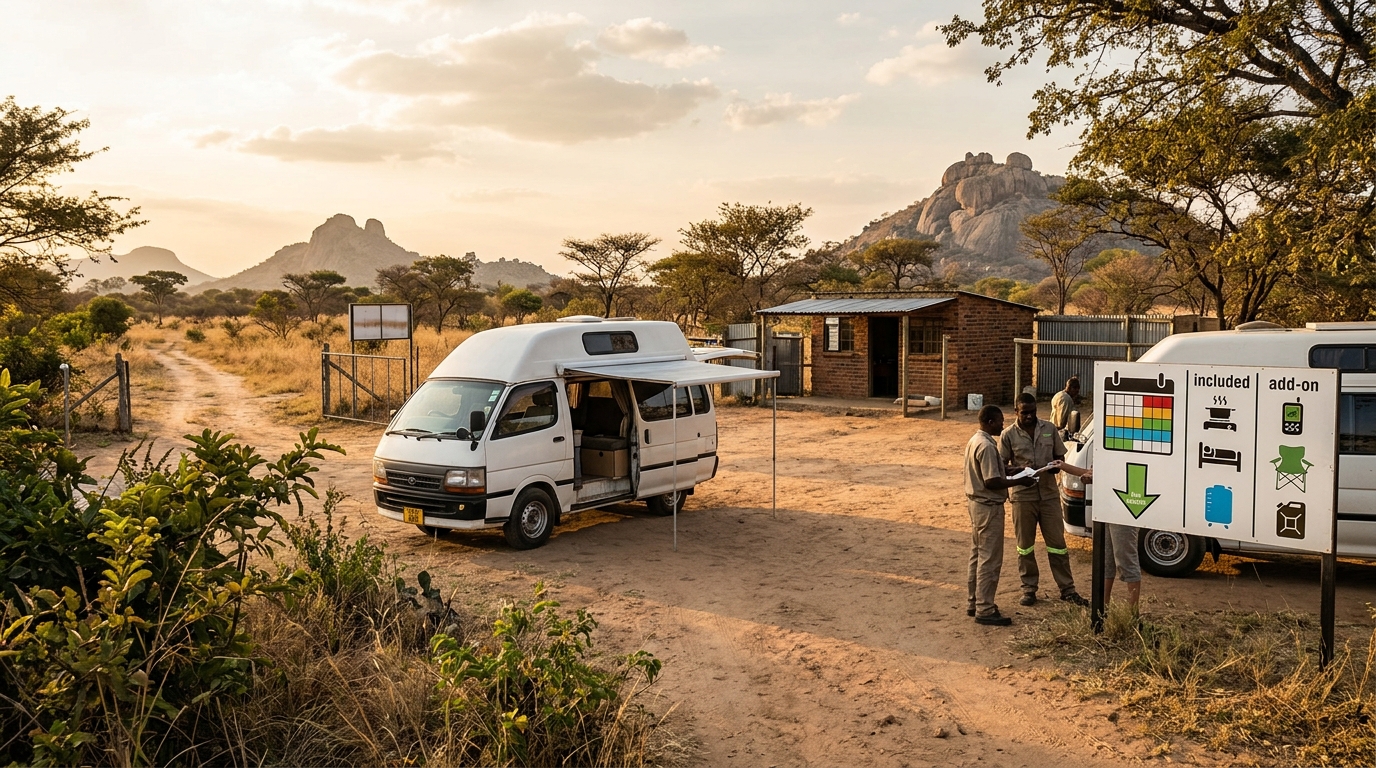
- What's Included vs. What's an Add-On
- Hidden Costs to Budget For in Zimbabwe
- How to Save on long term rv rental RV Rental in Zimbabwe
- What are the best times to travel by RV in Zimbabwe considering weather and road conditions?
- What are the permit and visa requirements for long-term RV rental in Zimbabwe?
- Which national parks in Zimbabwe are best suited for RVers?
- What specific RV recommendations or modifications are needed for Zimbabwean terrain?
- What are the essential packing and gear lists for RV travel in Zimbabwe?
- What are the best fuel and water sourcing strategies for long-term RV travel in Zimbabwe?
- How to access emergency services and communication in remote areas of Zimbabwe for RVers?
- What local cultural etiquette should RVers know in Zimbabwe?
- How to practice sustainable and responsible tourism when RVing in Zimbabwe?
- What is a detailed cost breakdown for long-term RV travel in Zimbabwe?
- Top Cities for RV Rental in Zimbabwe
- General Road Rules and Driving Tips for RVs in Zimbabwe
- RV Rental Options for Couples vs. Families in Zimbabwe
- Can I find last-minute long term rv rental deals in Zimbabwe?
- I'm flexible - how do I find the cheapest long term rv rental?
- What You Shouldn't Miss
Exploring the majestic landscapes and vibrant culture of Zimbabwe with a rented RV is an adventure like no other, offering unparalleled freedom and flexibility. Imagine waking up to the sounds of the African bush, a hot cup of coffee in hand, ready for a day of wildlife spotting or cultural immersion. Bandana RV specializes in making these dreams a reality, providing full transparency and expert guidance for your long-term RV rental in Zimbabwe.
For live availability and current prices, start with our RV Rental Zimbabwe - Complete Guide 2026 guide. We are true RV specialists, not just a travel agency side department, ensuring you get dedicated support and the best motorhome options for your extended journey across this incredible Southern African nation.
What long term rv rental RV Rental Costs in Zimbabwe (2026)
Long-term RV rental costs in Zimbabwe vary significantly, with monthly rates for a standard Class C motorhome typically ranging from $4,500 to $9,000 USD, translating to $150-$300 per day. April is generally the cheapest month for RV rental in Zimbabwe, with potential daily rates starting from $120-$180 USD for smaller campervans. These prices are dynamic, much like flight tickets, and change daily based on factors such as RV class (e.g., a compact campervan like the "Category Van" or a larger family motorhome like "rv rentals example Comfort Class" will have different rates), rental duration, and seasonality.
For example, a month-long trip for a couple in a compact campervan like a "2 Berth Hi Top" might cost around $5,000-$6,500 USD, while a family requiring a 6-berth motorhome like a "6 Berth Deluxe" for the same period could expect costs of $7,000-$10,000 USD. We believe in full transparency, which is why we show you the final price with no hidden fees or surprises at the actual booking time. Comparing motorhome prices for Zimbabwe through our platform provides a clear overview of available options and costs.
Seasonal Pricing - Peak vs. Shoulder vs. Off-Season in Zimbabwe
Peak season (July-August) typically sees the highest rental rates for RVs in Zimbabwe, often increasing daily costs by 20-40% compared to other times of the year. During these months, a Class C motorhome could easily exceed $350-$400 USD per day due to high demand for wildlife safaris. Shoulder seasons (May-June, September-October) offer a favorable balance of weather and price, with daily rates generally falling within the $200-$300 USD range for popular models like the "24' Class C Motorhome".
The off-season (November-February), particularly April, provides the most budget-friendly options, with daily rates for a Class C motorhome potentially dropping to $150-$200 USD. However, travelers during the wet season (November-April) may encounter road challenges, such as muddy or impassable routes in certain areas, requiring careful planning and often a 4x4 rented RV. Booking in advance for a week-long RV driving tour in Zimbabwe or longer trips during shoulder seasons can help secure better rates.
What's Included vs. What's an Add-On
Basic insurance is universally included with RV rentals in Zimbabwe, providing foundational coverage for your rented motorhome. However, additional insurance tiers, which include options like top-level deductible reimbursement for extra peace of mind (an optional upgrade for the renter), are typically available as add-ons. Mileage packages are also often an add-on, as many rentals include a limited number of kilometers per day (e.g., 150-200 km) with extra fees for exceeding this limit.
Convenience kits, which bundle essentials like kitchenware, bedding, and towels, are frequently offered as optional add-ons, usually costing $50-$150 USD per person or per kit for the duration of the rental. For instance, a "hire campervan example Paradise S/T" might come with basic amenities, but a full kitchen setup for preparing delicious meals on the go can be an extra cost. When comparing long term rv rental RV prices for Zimbabwe, always verify specific inclusions and add-on costs directly from the rental listing to ensure full transparency and avoid surprises. On the routes offered through RV PLANET routes, you can itemize and track every expense along the way for easy budgeting.
Hidden Costs to Budget For in Zimbabwe
When planning your long-term RV adventure in Zimbabwe, it's crucial to budget for several hidden costs beyond the initial rental fee. These include tolls, which might be around $2-$5 USD per tollgate on major highways, national park entry fees, typically $15-$30 USD per person per day, plus an additional vehicle entry fee of $10-$20 USD. Campsite charges range from $10-$30 USD per night for basic sites, with private concessions costing more.
Fuel costs can be significant, especially in remote areas where prices per liter can be higher and supply less consistent, averaging $1.50-$2.00 USD per liter for diesel. Other expenses to consider are propane for cooking and heating ($20-$40 USD for a refill), dump station fees ($5-$15 USD), and potential costs for local SIM cards ($5-$15 USD for initial purchase with data packages starting from $10-$30 USD). For a comprehensive breakdown and to manage your overall trip budget, RV PLANET routes allow travelers to itemize and track every expense along the way for easy budgeting.
How to Save on long term rv rental RV Rental in Zimbabwe
Saving on your long term RV rental in Zimbabwe is achievable with smart planning and flexibility. Booking during the shoulder season (May-June, September-October) often yields better rates, potentially saving you 10-20% compared to peak travel times. Opting for longer rental durations, such as a month or more, can significantly reduce the average daily cost, as suppliers often offer discounted monthly rates. For example, a month-long rental might reduce the daily rate from $250 to $180 USD.
Choosing a smaller RV class, such as a Class B campervan like the "2 Berth Hi Top" or a compact Class C motorhome (e.g., "C Small"), that comfortably accommodates your group can also lower expenses, both in rental cost and fuel consumption (e.g., a small campervan might average 10 L/100km, while a large Class C might be 15 L/100km). Monitoring flex-rate drops on our platform and utilizing any available discount cards or early bird specials can lead to further savings. Additionally, considering pick-up locations outside of major airports like Victoria Falls - Airport, such as Victoria Falls itself, can sometimes present better deals.
What are the best times to travel by RV in Zimbabwe considering weather and road conditions?
The dry season, from May to October, is generally ideal for RV travel in Zimbabwe due to milder weather, lower humidity, and significantly better road conditions. During this period, daytime temperatures range from 20-28°C (68-82°F), making outdoor activities and driving comfortable. June to August offers cooler temperatures, perfect for wildlife viewing as animals congregate around diminishing water sources, though roads can be dusty and require careful driving.
The wet season, from November to April, can present significant challenges for RVers, particularly with unpaved roads becoming muddy and often impassable, and river crossings becoming treacherous. While a 4x4 rented RV can handle some of these conditions, even these vehicles may struggle in extreme downpours. Park accessibility can be limited, and some campsites may close. If traveling during this time, prioritize sealed roads and always call ahead to campgrounds or national park authorities regarding current conditions.
What are the permit and visa requirements for long-term RV rental in Zimbabwe?
Foreign-registered RVs require a Carnet de Passage en Douane (CPD) or a Temporary Import Permit (TIP) for entry into Zimbabwe, which serves as a customs document allowing the temporary importation of your vehicle without paying import duties. Drivers must possess a valid international driving permit (IDP) alongside their national license, although an IDP is recommended for visitors from non-English-speaking countries, it is not mandatory in all cases for all motorhome classes. The minimum driver age for renting an RV in Zimbabwe is 21 years old.
Ensure all vehicle registration, comprehensive insurance, and ownership documents are readily available and in English for all border crossings and throughout your stay. Visa requirements depend on your nationality; many visitors can obtain a visa on arrival, while others may need to apply in advance. For specific visa details, it is always best to consult the official Zimbabwean embassy or consulate in your home country.
Which national parks in Zimbabwe are best suited for RVers?
Hwange National Park offers various public campsites with amenities suitable for RVs, including designated sites with ablution blocks and water access, making it a popular choice for self-drive tours. Mana Pools National Park, renowned for its wild, unfenced camping experience, is a favorite for experienced overlanders but requires a 4x4 RV due to its challenging terrain and riverine tracks, offering unique opportunities for walking safaris. Matobo National Park has accessible campsites like Maleme Rest Camp and offers unique rock formation viewing and rhino tracking opportunities.
Gonarezhou National Park provides an unparalleled sense of adventure with self-drive RV access into the heart of certain unfenced wilderness areas, a rarity in many other safari destinations. For those seeking cultural and historical exploration by RV, the Great Zimbabwe National Monument offers nearby camping facilities. When planning your route, consider RV PLANET (rvplan.net) for finding campsites and campgrounds during your trip, as it's a great resource for locating available spots along your route and often provides details on amenities and accessibility for different RV types.
What specific RV recommendations or modifications are needed for Zimbabwean terrain?
A 4x4 RV with high ground clearance, typically 200mm or more, is strongly recommended for navigating Zimbabwe's diverse and often unpaved roads, especially when venturing into national parks or remote areas. While smaller Class C motorhomes and campervans are available (e.g., "rv rental denver example Category Van"), their suitability for off-road conditions varies, so check with your supplier if you plan extensive wilderness travel. Robust suspension, all-terrain tires, and an auxiliary fuel tank (an extra 40-80 liters capacity is highly advisable) are crucial for remote travel, where fuel stations can be few and far between.
Consider a rented RV equipped with sufficient fresh water storage (e.g., 100-150 liter tank) and purification capabilities for extended stays off-grid, as reliable water sources can be scarce. While technical specifications like dual AC units are not mandatory for safety, good ventilation and adequate cooling are always a plus for comfort, especially during warmer months. Remember, for driving any RV size in cities, simply drive slowly and carefully, and you can drive almost anywhere without issues. No need to stress - just use common sense and pay attention.
What are the essential packing and gear lists for RV travel in Zimbabwe?
Essential gear for RV travel in Zimbabwe includes recovery equipment such as a high-lift jack, tow rope, and a sturdy shovel, especially for navigating potentially challenging dirt roads and unexpected soft ground. Spare parts like extra tires (at least one spare, preferably two), belts, and filters are vital, given the limited availability of specialized parts in remote areas. A comprehensive first-aid kit, including anti-malarial medication if traveling in malaria-prone regions, and insect repellent is also highly advisable.
Packing versatile clothing for varying temperatures (e.g., light layers for warm days, a jacket for cool evenings), sun protection (hat, sunglasses, high-SPF sunscreen), and comfortable, closed-toe shoes is essential. For cooking on board your rented RV, basic kitchen essentials like pots, pans, cutlery, and plates are usually included with convenience kits, but you might want to bring your favorite spices. Our RV-friendly recipes playlist offers great ideas for meals you can prepare easily. Don't forget power banks for electronics, a good map (in addition to GPS), and binoculars for wildlife viewing.
What are the best fuel and water sourcing strategies for long-term RV travel in Zimbabwe?
Always refuel your rented RV at larger towns like Harare or Victoria Falls and carry extra fuel in jerry cans (an additional 40-80 liters is recommended) when venturing into remote regions due to inconsistent availability and quality. Typical fuel prices can vary from $1.50-$2.00 USD per liter, so budgeting for potentially higher costs, especially outside urban centers, is prudent. It’s also wise to research fuel stops along your planned route using resources like RV PLANET (rvplan.net).
For water, prioritize purified bottled water for drinking, or carry a reliable water filter/purifier and store sufficient quantities (e.g., a 100-liter fresh water tank like those found in models such as "cruise america rv rental example Explorer" is a good start) for several days, especially when camping off-grid. Many national parks and established campsites offer water, but it may not always be potable without treatment. In emergencies, local communities can often assist with water, but purification is always recommended.
How to access emergency services and communication in remote areas of Zimbabwe for RVers?
Satellite phone rental is highly recommended for reliable communication in remote areas of Zimbabwe, as mobile network coverage can be very limited or non-existent outside major towns and along main highways. While a local SIM card (available from providers like Econet or NetOne for around $5-$15 USD) offers good coverage in populated areas, it won't suffice for deep wilderness exploration. Carry a list of local emergency numbers for police (995), medical (994), and roadside assistance, but be aware that response times can be significantly slower in remote locations compared to urban centers.
Inform family or friends of your itinerary and check-in schedule, and consider joining a local overlanding assistance network or sharing your plans with park rangers. Many modern RVs, such as the "rv rentals utah example Sunrise Escape," come with features that enhance self-sufficiency, but external communication remains critical. For added support and peace of mind, remember Bandana RV offers comprehensive pre-booking comparison, booking support, and post-booking coordination, ensuring you're well-prepared before you even hit the road.
What local cultural etiquette should RVers know in Zimbabwe?
Always greet locals respectfully in Zimbabwe, using 'Mangwanani' (good morning) or 'Masikati' (good afternoon) in Shona, one of the main indigenous languages. A warm greeting goes a long way in establishing positive interactions. When interacting with communities or vendors, maintain politeness and be prepared for polite haggling in markets, which is a common and accepted practice.
Dress modestly, especially when visiting rural areas, traditional sites, or government buildings, to show respect for local customs. Women should typically cover their shoulders and knees. It's also customary to ask for permission before taking photos of people, particularly in rural settings. Understanding and respecting these local norms will significantly enhance your experience and foster positive connections during your long-term RV rental in Zimbabwe.
How to practice sustainable and responsible tourism when RVing in Zimbabwe?
Practicing sustainable and responsible tourism when RVing in Zimbabwe is crucial to preserving its natural beauty and supporting local communities. Always adhere to 'Leave No Trace' principles by properly disposing of all waste, packing out everything you pack in, and avoiding littering, especially in sensitive protected areas. Use designated dump stations for grey and black water tanks to prevent environmental contamination.
Utilize eco-friendly products, minimize water and energy consumption in your rented motorhome, and respect wildlife by maintaining a safe distance, never feeding animals, and observing from your vehicle. Support local communities by purchasing goods from local vendors, visiting community-run projects, and respecting local customs and traditions. Your long-term RV adventure can be a positive force for conservation and community development, contributing to a better future for Zimbabwe.
What is a detailed cost breakdown for long-term RV travel in Zimbabwe?
A detailed cost breakdown for long-term RV travel in Zimbabwe includes various daily and per-trip expenses. Expect national park entry fees to range from $15-$30 USD per person per day for international visitors, plus a vehicle entry fee of approximately $10-$20 USD. Campsite fees typically cost $10-$30 USD per night for a basic site, while private concessions or more equipped campgrounds can be $40-$80 USD per night.
Budget for fuel at approximately $1.50-$2.00 USD per liter for diesel, with consumption varying by RV size (e.g., a "Patagonia Camper 4x4 double cab" might offer better fuel efficiency off-road than a large Class C). Food and groceries could average $20-$40 USD per day for a couple, depending on cooking habits (utilizing your RV's kitchen can save significantly). Miscellaneous costs include border crossing fees ($10-$50 USD depending on the crossing), road tolls ($2-$5 USD each), and potential costs for local activities or tours. An overall daily budget for a couple, excluding the RV rental itself, could range from $70-$150 USD.
Top Cities for RV Rental in Zimbabwe
Zimbabwe offers several strategic cities for picking up your long-term RV rental, each serving as an excellent gateway to different parts of the country's diverse landscape. Harare, the capital, provides the widest selection of rental motorhomes and campervans, including family-friendly options like the "C-MEDIUM" motorhome. It serves as an ideal starting point for exploring the eastern highlands or making your way south towards the Great Zimbabwe National Monument. For convenience, many travelers choose to pick up their rented RV directly from RV Rental Harare - Airport 2026 upon arrival.
Victoria Falls, a world-renowned destination, is another key RV rental hub. Picking up your motorhome in RV Rental Victoria Falls - Complete Guide 2026 or at RV Rental Victoria Falls - Airport 2026 allows immediate access to one of the Seven Natural Wonders of the World and excellent access to Hwange National Park. These cities offer not only rental options but also essential services, provisioning opportunities, and a chance to immerse yourself in local culture before heading into the wilderness. For a more detailed guide on driving conditions, check out Driving an RV in Zimbabwe - Complete Guide 2026.
General Road Rules and Driving Tips for RVs in Zimbabwe
Driving a rented RV in Zimbabwe requires awareness of local road rules and conditions. In Zimbabwe, driving is on the left-hand side of the road, and speed limits are typically 120 km/h (75 mph) on highways, 100 km/h (62 mph) on main roads, and 60 km/h (37 mph) in urban areas. Drive slowly and carefully, and you can drive almost anywhere without issues. No need to stress - just use common sense and pay attention.
Many roads outside major cities are unpaved, corrugated, or have potholes, especially during the wet season, making a 4x4 RV highly advisable for extended trips. Keep your headlights on at all times, even during the day, as it is legally required. Always carry your driver's license (a standard car driver's license is sufficient for all motorhome classes), vehicle registration, and insurance documents. For more in-depth advice on navigating the country's roads, our Luxury RV Driving in Zimbabwe - Scenic Routes 2026 and Budget RV Driving in Zimbabwe - Save on Fuel 2026 guides offer valuable insights.
RV Rental Options for Couples vs. Families in Zimbabwe
When considering long term RV rental cost for couples vs. families with kids in Zimbabwe, the primary difference lies in the vehicle size and amenities needed. Couples often opt for smaller, more nimble campervans or compact Class C motorhomes, such as a "Category Van" or "rv rentals example Category Van", which typically seat and sleep 2-3 people. These vehicles offer better fuel efficiency (e.g., 9-12 L/100km) and are easier to maneuver, making them ideal for intimate adventures and potentially lower rental costs, starting from around $120-$180 USD per day in the low season.
Families with kids, typically 4-6 people, will likely require larger Class C motorhomes (e.g., a "24' Class C Motorhome" or "rv rentals example Comfort Class") which offer more sleeping berths (4-6), additional living space, and larger water tanks (e.g., 100+ liters). These vehicles provide comfortable dining and sleeping arrangements, which is essential for extended trips. Daily rental costs for family-sized RVs usually range from $200-$400 USD, varying by season and vehicle model. This larger size allows for more comfort and storage, making a long term RV trip with kids in Zimbabwe more enjoyable.
Can I find last-minute long term rv rental deals in Zimbabwe?
Yes, you can find last-minute long term RV rental deals in Zimbabwe, although prices are dynamic and availability might be limited, especially for popular vehicle types during peak season. Rental prices change daily based on availability, seasonality, and supplier marketing decisions. While booking several months in advance (e.g., 3-6 months) often secures better rates and a wider selection, spontaneous travelers can sometimes find attractive deals if suppliers have unsold inventory closer to the pick-up date.
These last-minute deals are often for off-peak seasons (November-February) or for less in-demand models. The final price is always set at the actual booking time. It's important to be flexible with your travel dates and RV preferences if you're looking for last-minute opportunities. For those who prefer a pre-planned route, our Rent&Plan service offers pre-planned routes by professionals, and using rvplan.net for your planning can even earn you a 25% planning discount.
I'm flexible - how do I find the cheapest long term rv rental?
If you are flexible with your travel dates and preferences, you can significantly increase your chances of finding the cheapest long term RV rental in Zimbabwe. Consider traveling during the off-peak season, particularly April or November, when demand and prices are at their lowest, potentially saving you up to 30% on daily rental rates. Being open to various RV classes, from compact campervans like a "Category Van" to slightly larger Class C motorhomes, can also lead to better deals.
Utilize comparison platforms like Bandana RV to easily compare final prices across 50+ suppliers, ensuring you see all available options with full price transparency. Flexibility with pick-up and drop-off locations, including considering nearby cities, can also sometimes unlock cheaper rates. Many national and state parks reserve only 25-30% of spots for advance booking, with the rest being first-come-first-serve, meaning you'll usually find a spot. If not at the first campground, then the next one; just call ahead before driving.
What You Shouldn't Miss
- **Victoria Falls Immersion:** Experience the thunderous power of Mosi-oa-Tunya, 'The Smoke that Thunders,' from various viewpoints and consider a helicopter tour for an aerial perspective, easily accessible from your rented motorhome.
- **Hwange National Park Safari:** Embark on a self-drive safari through Hwange, Zimbabwe's largest national park, known for its vast elephant herds (over 40,000 elephants) and diverse wildlife, camping in well-equipped RV-friendly sites.
- **Great Zimbabwe National Monument:** Explore the enigmatic stone ruins of Great Zimbabwe, a UNESCO World Heritage site and a testament to an ancient civilization, offering a profound cultural and historical RV stop.
- **Mana Pools National Park Adventure:** For the adventurous RVer with a 4x4, Mana Pools offers an unfenced wilderness experience, allowing walking safaris and close encounters with wildlife along the Zambezi River.
- **Eastern Highlands Scenic Drive:** Take your rented campervan through the stunning Eastern Highlands, featuring lush mountains, tea plantations, and cool climates perfect for hiking and exploring, a refreshing contrast to the arid lowlands.
- **Lake Kariba Sunset Cruise:** Enjoy a breathtaking sunset cruise on Lake Kariba, the world's largest man-made lake, known for its massive tigerfish and stunning views, with RV campsites often available right by the water.
Looking for expert insights from Avi Bandana? Top 5 Adventures - recommendations from Avi Bandana
Final Thoughts
A long-term RV rental in Zimbabwe offers an extraordinary opportunity to deeply connect with the land, its wildlife, and its people at your own pace. With Bandana RV, you're not just renting a motorhome; you're gaining a partner dedicated to ensuring your adventure is as smooth and enriching as possible. We provide the tools and expertise to compare options, understand costs transparently, and prepare for the unique challenges and joys of RV travel in Africa.
Whether you're a seasoned overlander or embarking on your first extended road trip, Zimbabwe promises unforgettable moments. Remember to travel slowly, averaging a maximum of 100-150 km per day, allowing ample time to feel the place, connect to the culture, the food, and the stunning scenery. Get inspired for your next trip and discover top destinations, planning tips, all in one place!
Ready to start planning your epic long-term RV adventure? Compare long term rv prices for Zimbabwe today and unlock the freedom of the open road.
