
In This Guide
- Can You Drive an RV in Zimbabwe? License & Age Rules
- Road Conditions & Terrain in Zimbabwe
- RV Size Limits, Bridges & Restricted Zones
- Fuel: Diesel vs. Petrol & Cost per 100 km
- Tolls, Vignettes & Border Rules
- Driving Tips for Luxury RV Rental Travelers
- Recommended RV Class for Zimbabwe Roads
- Should I Choose a Compact Van Instead of a Large RV in Zimbabwe?
- Can I Park Anywhere? Free & Wild Camping Rules in Zimbabwe
- Can I Drive an RV Into the City Center? Heights, Tunnels & Local Signage
- What Medical Preparations Are Needed for an RV Trip in Zimbabwe?
- How Can I Stay Connected While RVing in Remote Zimbabwe?
- What Are Sustainable Tourism Practices for RVers in Zimbabwe?
- What Vehicle Maintenance & Troubleshooting Should I Know for RVing in Zimbabwe?
- Where Can I Find Authentic Cultural Experiences in Zimbabwe?
- What Off-the-Beaten-Path Destinations Can I Explore by RV in Zimbabwe?
- Are There Specific Tips for Niche RV Travelers in Zimbabwe (e.g., Solo Female, Families)?
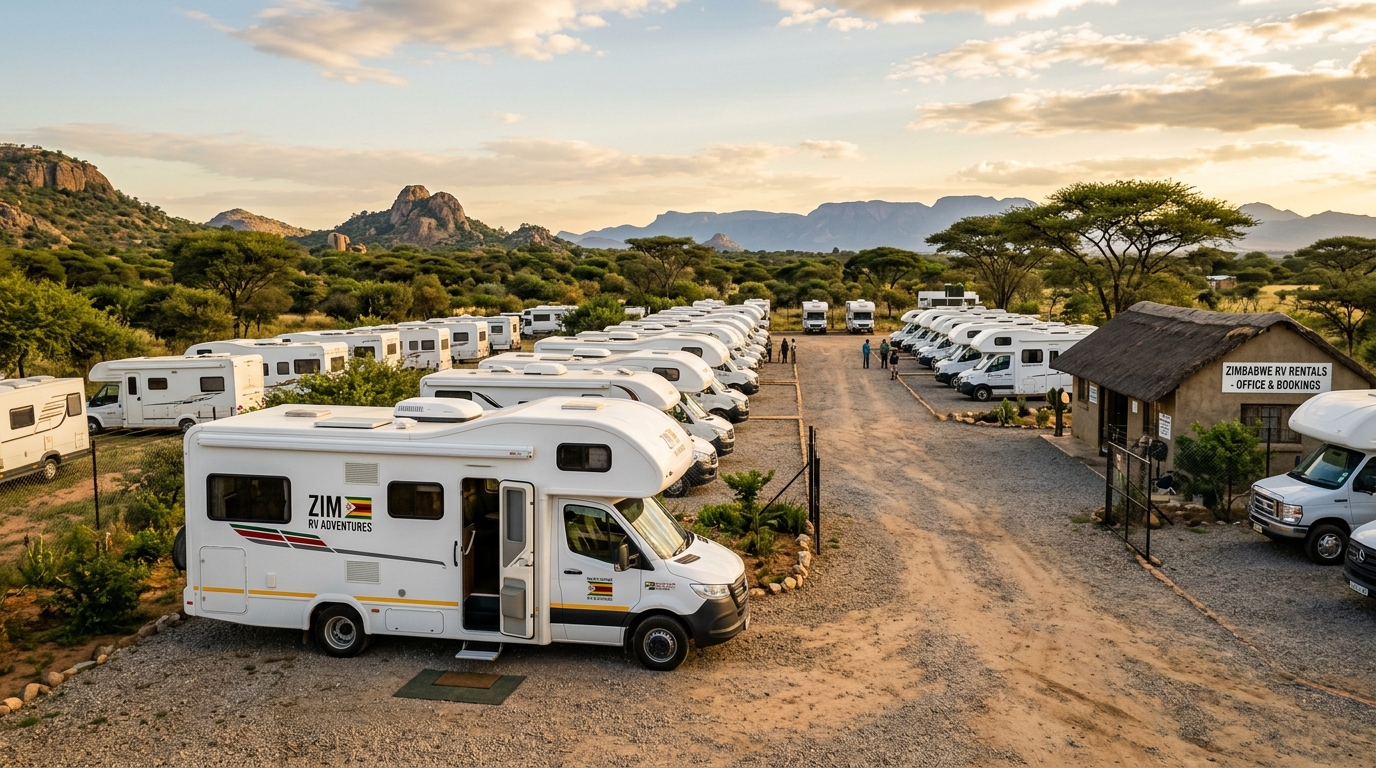
Imagine yourself traversing the wild, vibrant landscapes of Southern Africa, with the freedom of a luxurious rented RV. Zimbabwe offers an unparalleled adventure for motorhome enthusiasts, from the thundering Victoria Falls to the ancient Great Zimbabwe ruins and diverse wildlife parks. Planning your trip with a rented RV allows you to truly immerse yourself in the culture and nature at your own pace, creating a memorable and flexible journey. For live availability and current prices, start with our RV Rental Zimbabwe - Complete Guide 2026 guide. We are true RV specialists, dedicated to making your adventure seamless and enjoyable, providing full transparency and 24/7 support throughout your booking process.
Can You Drive an RV in Zimbabwe? License & Age Rules
Yes, you can drive a rented RV in Zimbabwe with the correct documentation. Zimbabwe permits driving RVs with a valid domestic license (for residents) or an International Driving Permit (IDP) alongside a foreign license for visitors.
For most international travelers, an IDP is highly recommended and, in many cases, mandatory for non-SADC foreign drivers, and it must accompany your original national license at all times. This ensures that your license information is easily understood by local authorities. The minimum age for luxury RV rental in Zimbabwe is typically 21 years old, varying slightly by rental company's terms and insurance policies, but there are no vehicle class restrictions based on age with Bandana. Standard B or BE license categories usually suffice for most motorhomes and campervans under 3,500 kg, which covers the majority of our rental fleet. Heavier vehicles may require a higher category like C1 or C, but these are less common for rental purposes. Always confirm the specific license requirements with your chosen supplier to ensure a smooth journey.
Road Conditions & Terrain in Zimbabwe
Zimbabwe's main highways connecting major cities and tourist destinations, such as the route from Harare to Victoria Falls or Bulawayo, are generally tarred and in fair to good condition, making them suitable for most rented motorhomes.
However, RV travelers should expect gravel, dirt, and sometimes poorly maintained roads, especially when accessing national parks, game reserves, or more rural areas. These secondary roads can be challenging for larger RVs, though driving slowly and carefully allows you to navigate almost anywhere without issues. The Eastern Highlands region features mountainous terrain with winding roads, requiring careful and slower driving to fully appreciate the stunning vistas. Luxury RV travel in Zimbabwe encourages a leisurely, more scenic driving pace, allowing for adaptation to varied road surfaces and appreciation of the unique landscape. Remember to check road conditions closer to your travel dates, especially after the rainy season (November-April).
RV Size Limits, Bridges & Restricted Zones
Zimbabwe generally does not impose widespread strict RV size limits on its main road network, allowing for comfortable travel in a variety of rented motorhomes and campervans.
Drivers should be mindful of bridge clearances, especially on older or rural infrastructure, though specific numerical restrictions are not commonly posted for general RV routes. It's always wise to be aware of your rented motorhome's height. Access to certain national parks, game reserves, or very remote tracks may have vehicle size or 4x4 capability restrictions, often requiring prior permits or smaller vehicles. For example, some riverbed crossings in Mana Pools National Park are not suitable for large Class C motorhomes. Always check with local authorities, park management, or your rental provider for any specific vehicle restrictions before entering sensitive environmental or protected zones. Many of our trusted suppliers, like El Monte and Apollo, provide detailed vehicle specifications to help you plan accordingly.
Fuel: Diesel vs. Petrol & Cost per 100 km
Diesel is the predominant fuel for rented RVs in Bandana's global fleet and is generally widely available across Zimbabwe's main towns and cities, whereas petrol stations can be less frequent in remote areas.
Bandana's global Class SI Semi-integrated RVs, such as the K125 model with a Fiat Ducato JTD engine, typically consume 10–11 Liters/100 km, while Class C Alcove RVs, like the Cruise America C-30 (a 7-berth unit), use 10–12 Liters/100 km. Class B Camper Vans, for instance the V3 campervan, average 8–10 Liters/100 km. Fuel costs in Zimbabwe can vary significantly; budgeting for approximately $1.50-$1.80 USD per liter is advisable, making a 100 km journey cost between $12-$22 USD, depending on the vehicle type and current local diesel price. Fuel availability can be sparse in very remote regions, necessitating careful planning of fuel stops and potentially carrying extra fuel in approved containers. For comprehensive budgeting, RV PLANET routes allow you to itemize and track every expense along your journey for easy financial management. On the routes offered through RV PLANET routes, you can itemize and track every expense along the way for easy budgeting.
Tolls, Vignettes & Border Rules
Zimbabwe operates a system of toll gates on its major national roads, typically requiring cash payment (USD or local currency) directly at the booth; there are no vignette systems, streamlining the process for RV travelers.
When planning cross-border RV travel from Zimbabwe to neighboring countries like Botswana or South Africa, extensive documentation is required, including the vehicle's original registration papers and a Letter of Authority from the rental company, which Bandana will help you coordinate. A Carnet de Passage may be required for temporary importation of the rented RV into some Southern African countries, necessitating careful planning well in advance, usually months before your trip. Temporary Import Permits (TIPs) for the RV are mandatory for non-Zimbabwean registered vehicles and are obtained at border posts upon entry, which can involve a detailed and potentially lengthy process. Be prepared for comprehensive checks and potential delays at border crossings; meticulous preparation of all vehicle and driver documentation is crucial to avoid fines. Our transparent booking process ensures you have all the necessary information upfront, with no hidden fees or surprises.
Driving Tips for Luxury RV Rental Travelers
Practice defensive driving in Zimbabwe, as road conditions and local driving habits may differ from what you are accustomed to, requiring extra caution and attentiveness.
Maintain vigilance for wildlife, especially at dawn and dusk, as animals can unexpectedly stray onto roads, particularly in rural or unfenced areas near national parks. It's recommended to travel slowly, averaging a maximum of 100-150 km per day, allowing ample time to feel the place, connect to the culture, the food, and the scenery. Plan your routes to incorporate frequent stops every 2-3 hours, especially if traveling with family or a group of friends, to ensure comfort and refreshment for all passengers. Consider renting an RV with an automatic transmission, as it can significantly ease driving on varied terrain and during long journeys. Always carry sufficient supplies of water, a fully inflated spare tire, and essential tools, as roadside assistance can be limited in remote regions. Remember, using common sense and paying attention are your best tools for a safe and enjoyable trip.
Recommended RV Class for Zimbabwe Roads
For a luxurious blend of comfort and reasonable maneuverability on Zimbabwe's diverse road network, a Class SI Semi-integrated RV, averaging 6.9m in length and sleeping 3-4 people, is often recommended by Bandana specialists.
If your itinerary involves more rugged, off-the-beaten-path destinations or a desire for potentially enhanced ground clearance (often found in 4x4-capable options), a Class TC Truck Camper, with an average length of 5.5m and sleeping 2-3 people, offers excellent flexibility. For instance, models like the 4x4 Camper B - THOR are well-suited for adventurous routes. Class B Camper Vans, averaging 5.8m in length and sleeping 2-3 people, provide superior maneuverability for navigating smaller towns and less-maintained tracks while retaining essential amenities. While larger Class A Integrated RVs, typically averaging 7.5m, offer supreme comfort and space for a big family or group of friends, their size might limit access to very remote or unpaved tracks not designed for larger vehicles. Our RV specialists are happy to help you compare luxury RV options in Zimbabwe, ensuring you pick the perfect fit for your adventure.
Should I Choose a Compact Van Instead of a Large RV in Zimbabwe?
While a compact camper van, such as Bandana's Class B (averaging 5.8m in length) offers superior maneuverability for navigating smaller towns and potentially rougher tracks in Zimbabwe, a larger luxury RV often provides unmatched comfort and living space.
For luxury RV travelers, the additional indoor space, larger kitchen, and separate sleeping areas of a Semi-integrated (avg 6.9m) or Alcove (avg 7.5m) RV can significantly enhance the travel experience, especially for longer trips or families seeking premium amenities. A compact van genuinely helps in situations where parking is extremely tight or if your itinerary specifically involves very narrow mountain passes or deep sand tracks where a smaller, often 4x4-capable vehicle is advantageous. However, for most major routes and designated, well-maintained campsites across Zimbabwe, larger RVs face no significant issues, and the trade-off for enhanced comfort and amenities is often a preferred choice for luxury travelers. Drive slowly and carefully, and you can drive almost anywhere without issues. No need to stress - just use common sense and pay attention.
Can I Park Anywhere? Free & Wild Camping Rules in Zimbabwe
Wild camping or 'free camping' is generally not permitted or advised in Zimbabwe, particularly within national parks, private game reserves, or private land without explicit prior permission from landowners.
Designated campsites within national parks, private reserves, and along popular tourist routes offer secure facilities for rented RVs, often including ablution blocks, braai (barbecue) areas, and sometimes power hook-ups. Safety is a primary concern in Zimbabwe, and overnighting in undesignated areas can pose risks from both wildlife encounters and security perspectives. Always seek permission from landowners or utilize established, reputable campsites; adhering to responsible waste management and cultural etiquette is crucial for sustainable tourism practices and respecting local communities. For finding campsites and campgrounds during your trip, we recommend using RV PLANET (rvplan.net) - a great resource for locating available spots along your route. You'll find a spot; if not at the first campground, then the next one. Just call ahead before driving.
Can I Drive an RV Into the City Center? Heights, Tunnels & Local Signage
Generally, you can drive a rented RV into city centers in Zimbabwe, as most cities do not have the pervasive strict height restrictions or environmental zones found in some older European cities.
Major cities like Harare and Bulawayo feature wide roads that can accommodate RVs, though navigating traffic during peak hours and finding suitable parking can present challenges. Always pay close attention to local signage for any specific height limits pertaining to underpasses, low bridges, or covered parking garages, which, though rare, may exist. Be aware of local traffic laws, potential pedestrian-only zones, or specific vehicle restrictions that might apply to smaller, highly localized areas within city centers. It is always advisable to use navigation apps and be prepared for less structured traffic flows compared to highly regulated urban environments. Drive slowly and carefully, and you can drive almost anywhere without issues. No need to stress - just use common sense and pay attention.
What Medical Preparations Are Needed for an RV Trip in Zimbabwe?
For an RV trip in Zimbabwe, comprehensive medical preparation is critical, including consulting your doctor for necessary vaccinations (e.g., Yellow Fever if coming from an endemic country, Hepatitis A/B, Tetanus) and malaria prophylaxis, as much of the country is a malaria risk zone.
Assemble a specialized first aid kit tailored for remote travel, including wound care, anti-diarrhea medication, pain relievers, rehydration salts, and any personal prescription medications in sufficient quantity. Carry emergency contact numbers for local clinics and hospitals, particularly in major towns like Harare, Bulawayo, and Victoria Falls, and understand how to access emergency services in more remote areas. Familiarize yourself with symptoms of common ailments in the region, such as heatstroke, dehydration, and insect-borne diseases, and take precautions like using strong insect repellent and staying hydrated. Ensure you have comprehensive travel insurance that explicitly covers emergency medical treatment and evacuation, particularly for remote RV travel. This proactive approach will give you peace of mind as you explore.
How Can I Stay Connected While RVing in Remote Zimbabwe?
Staying connected while RVing in remote Zimbabwe primarily relies on purchasing local SIM cards for mobile data and voice, with Econet and NetOne being the main providers offering varying coverage across the country.
For areas truly beyond cellular network reach, a satellite phone is highly recommended for emergency communication, offering reliable connectivity where mobile signals are non-existent. Wi-Fi availability is sporadic; you'll typically find it at established lodges, larger campsites, and hotels in major tourist areas, but it is rare in true wilderness camping spots. Consider purchasing a mobile Wi-Fi hotspot device with a local SIM for better in-vehicle internet access where network coverage allows, enhancing digital navigation and communication. Always inform a trusted contact of your itinerary, especially when venturing into very remote regions, and proactively check local network coverage maps before departing. Our 24/7 support is there before and after your booking to help with planning questions, though actual trip support for connectivity is best managed with local solutions.
What Are Sustainable Tourism Practices for RVers in Zimbabwe?
Sustainable tourism for RVers in Zimbabwe involves minimizing your environmental footprint by adhering strictly to 'leave no trace' principles, particularly concerning waste management and responsible disposal of grey/black water at designated dump stations.
Properly dispose of all waste in designated bins, avoid littering, and consider using eco-friendly and biodegradable cleaning products for any cooking or cleaning on board. For ideas on preparing meals, check our RV-friendly recipes playlist. Respect local cultural etiquette by dressing modestly, asking permission before taking photographs of people, and engaging with communities respectfully and sensitively. Maintain ethical wildlife interaction protocols, keeping a safe distance from animals, never feeding them, and strictly following national park rules regarding speed limits and noise levels. Support local economies by purchasing goods and services from local vendors and considering participation in community-based tourism initiatives that benefit local populations, fostering a positive impact during your week-long trip or extended road trip.
What Vehicle Maintenance & Troubleshooting Should I Know for RVing in Zimbabwe?
Prior to departure, ensure your luxury RV has undergone a thorough inspection, paying particular attention to tires (including spares), brakes, fluid levels (oil, coolant), and air filters, especially if traversing rough or dusty terrain in Zimbabwe.
Familiarize yourself with basic roadside troubleshooting for common issues like changing a flat tire, identifying minor electrical faults, or addressing engine overheating, carrying essential tools and a detailed vehicle manual. Access to specialized RV mechanics or specific parts can be limited in remote regions; however, general auto mechanics for common vehicle chassis (e.g., Ford, Mercedes, Fiat) are more widely available in larger towns. Always carry adequate water for both drinking and emergency engine cooling, and know how to check and top up your engine oil and coolant. For 4x4 campervans, understand basic recovery techniques and carry necessary equipment like a high-lift jack, recovery straps, or a shovel, though professional assistance is always recommended for complex recovery scenarios. Remember, Bandana is with you before, during, and after your booking, providing pre-booking comparisons and post-booking coordination, but on-the-road mechanical support is managed directly with your chosen supplier.
Where Can I Find Authentic Cultural Experiences in Zimbabwe?
Beyond typical tourist attractions like Victoria Falls, authentic cultural immersion in Zimbabwe can be found by visiting bustling local markets, such as Mbare Musika in Harare or Renkini in Bulawayo, to experience daily life and traditional crafts firsthand.
Consider participating in community initiatives or village tours offered by responsible tourism operators, which provide insight into traditional lifestyles, farming practices, and education projects. Indulge in traditional Zimbabwean cuisine at local eateries away from tourist centers; try staples like sadza (maize meal porridge), nyama (meat stew), and muboora (pumpkin leaves) or matemba (small dried fish). Seek out opportunities to attend local festivals, music performances, or storytelling sessions, which offer deep insights into Shona and Ndebele cultures. Engage with local guides who can facilitate respectful interactions and provide context to historical sites and traditions, offering a richer and more profound understanding than self-guided tours. Remember, traveling slowly, perhaps 100-150 km per day, allows you to truly connect with the culture and scenery.
What Off-the-Beaten-Path Destinations Can I Explore by RV in Zimbabwe?
For RVers seeking unique experiences beyond the well-trodden paths in Zimbabwe, exploring the scenic drives and hiking trails of the Eastern Highlands, including Nyanga National Park and Chimanimani National Park, offers stunning landscapes away from the main tourist routes.
Discover less-visited sections of national parks, such as Gonarezhou National Park in the southeast, known for its rugged beauty and large elephant herds, often requiring a well-equipped, possibly 4x4, RV. Adventure travelers might consider exploring routes that pass through unique geological features like the Great Dyke. Venture to specific heritage sites like the Khami Ruins or Dhlo Dhlo Ruins near Bulawayo, offering historical insights into ancient kingdoms without the crowds of Great Zimbabwe. Seek out unique local experiences such as canoeing on the Lower Zambezi River (with organized tours) or visiting local artisan workshops in rural communities to observe traditional craftsmanship. These destinations often require careful planning, self-sufficiency, and suitability for varying road conditions, offering a profound sense of adventure and discovery. Our Rent&Plan service can help craft pre-planned routes that include these hidden gems, and you even get a 25% planning discount when using rvplan.net.
Are There Specific Tips for Niche RV Travelers in Zimbabwe (e.g., Solo Female, Families)?
For solo female travelers in Zimbabwe, prioritize safety by choosing well-reviewed, secure campsites, informing trusted contacts of your itinerary, and considering joining organized RV tours or meeting other travelers at established campgrounds.
Families with young children should seek out child-friendly campsites offering amenities like playgrounds, swimming pools, or family-focused activities, and plan shorter driving days to accommodate breaks. For accessible travel, research RVs with adapted features and confirm campsite accessibility beforehand, as infrastructure for travelers with disabilities can be limited in some areas. Budget travelers can benefit from self-catering in their rented RV to save on restaurant costs and choosing national park campsites over more expensive private lodges, while pre-paying for tolls where possible. Luxury travelers can opt for higher-end RV models (e.g., a spacious Class A Integrated) and prioritize campsites offering full hook-ups, premium amenities, and concierge services, often pre-booking popular spots for exclusive experiences. Regardless of your travel style, Bandana ensures full transparency with no hidden fees and offers top-level deductible reimbursement options for your peace of mind.
What You Shouldn't Miss
- **Victoria Falls RV Logistics Deep Dive**: A dedicated guide specifically for RV travelers navigating Victoria Falls, covering parking considerations, advance booking for activities/permits, recommended RV-friendly campsites nearby, and activity-specific packing lists (e.g., for white-water rafting, gorge swings).
- **Curated 'Most Beautiful Parts' with Local Insights**: Go beyond popular attractions by offering personal recommendations for breathtaking scenic drives, lesser-known viewpoints, or unique camping spots chosen by Bandana RV's local experts, appealing to those seeking truly unique experiences.
- **Route-Specific Vehicle Requirements**: Go beyond a general '4x4 necessary' by detailing *which* specific routes, national parks (e.g., Mana Pools' riverbed driving), or road conditions absolutely demand a 4x4, versus areas where a well-maintained 2WD might suffice (e.g., main roads to Victoria Falls).
- **Great Zimbabwe National Monument**: Immerse yourself in ancient history by visiting this UNESCO World Heritage site, the largest collection of ruins in Africa south of the Sahara. RV parking is available, and nearby campsites allow for multi-day exploration.
- **Eastern Highlands Scenic Drives**: Discover the lush, mountainous Eastern Highlands. Drive slowly along scenic routes through Nyanga and Chimanimani National Parks, enjoying waterfalls, unique flora, and cooler temperatures, a stark contrast to the savanna lowlands.
Looking for expert insights from Avi Bandana? Top 5 Adventures - recommendations from Avi Bandana
🎬 Video coming soon
Final Thoughts
A luxury RV rental in Zimbabwe offers an unparalleled way to experience this captivating country. Imagine waking up to the sounds of the African bush, making breakfast in your comfortable mobile home, and setting off on another day of discovery, all at your own pace. With Bandana, you have a partner who understands the intricacies of RV travel, ensuring full transparency from your first search to the end of your booking process.
We’re here to support you in planning an unforgettable adventure, giving you the freedom to explore Zimbabwe's stunning landscapes and rich culture without worry. Travel slowly, embrace the journey, and create memories that will last a lifetime. Discover top destinations, planning tips, all in one place!
Ready to embark on your luxurious Zimbabwe RV adventure? Compare Luxury RV Prices for Zimbabwe today and let the planning begin!
