For live availability and current prices, start with our RV Rental France - Complete Guide 2026 guide.
In This Guide
- What long term rv rental RV Rental Costs in France (2024)
- Seasonal Pricing - Peak vs. Shoulder vs. Off-Season in France
- What's Included vs. What's an Add-On
- Hidden Costs to Budget For in France
- How to Save on long term rv rental RV Rental in France
- What are the practicalities of driving an RV in France?
- What are the legal requirements for RV travel in France?
- How does seasonality and regional nuance impact RV travel in France?
- What is France's Aire de Service system for RVs?
- What are cultural tips and local etiquette for RVers in France?
- What are the challenges for American RVs in France?
- What are safety and security tips for RV travel in France?
- Top Cities for RV Rental in France
- What You Shouldn't Miss
- Why Book with Bandana Caravan
- Final Thoughts
- Frequently Asked Questions
France, with its diverse landscapes from the sun-drenched Riviera to the majestic Alps and charming rural villages, offers an unparalleled experience for a long-term motorhome adventure. Imagine waking up to fresh croissants and coffee in a new, picturesque location every day, perhaps in the scenic countryside near Angers or the historic charm of Ajaccio - Corsica. With a rented RV, you have the freedom to explore at your own pace, delve into local culture, and truly savor the journey across this beautiful country.
At Bandana Caravan, we're dedicated to helping you discover the joy of RV travel. We've been helping tens of thousands of travelers explore the world by RV since our founding in 2001, providing transparent pricing and expert guidance every step of the way. For live availability and current prices, start with our RV Rental France - Complete Guide 2024 guide, which offers essential planning information for your extended French escapade, ensuring you hit the road with confidence and no surprises.
What long term rv rental RV Rental Costs in France (2024)
April is typically the cheapest month for RV rental in France, with prices for long-term rentals varying based on RV class, duration, and booking flexibility. The cost of a long-term RV rental in France can fluctuate significantly, much like airline tickets, due to dynamic pricing driven by demand, availability, and supplier promotions. Generally, a compact campervan for two, such as an "rv rental denver example Category Van" with front air conditioning and toilet, might average €60-€100 per day for a month-long trip during shoulder season, while a larger, family-friendly Class C motorhome like an "rv rentals example Comfort Class" (ideal for families of 2+2) could range from €100-€200 per day. Monthly rentals generally offer a better daily rate compared to shorter durations, rewarding those who plan for an extended adventure.
For couples, a smaller Class B campervan, perfect for navigating quaint village roads, offers economical rates and good fuel efficiency. Families or groups of 4-6 people, on the other hand, might prefer the space and amenities of a Class C motorhome, which typically includes multiple double beds, a shower, and a toilet. While daily rates for larger vehicles are higher, the per-person cost can become quite attractive for long-term trips. It's always beneficial to compare rental options across different suppliers like El Monte, Cruise America, Apollo, and Britz to ensure you find the best value for your specific needs, keeping in mind that the final price is set at the actual booking time.
Seasonal Pricing - Peak vs. Shoulder vs. Off-Season in France
France's RV rental market is highly seasonal, meaning prices fluctuate significantly throughout the year. Understanding these patterns is key to budgeting and planning your long-term trip, as the best times to visit specific regions (e.g., Lavender fields, Alps, coast) directly correlate with demand and cost. In peak season, prices change significantly day-to-day - always check specific dates. On the routes offered through RV PLANET routes, you can itemize and track every expense along the way for easy budgeting.
Off-Season (November - March, excluding holidays; April is an anchor for low pricing): This period generally offers the lowest rental rates and fewer crowds. While some campsites may be closed and weather can be cooler, it's ideal for budget-conscious travelers seeking quiet routes and cultural experiences without the rush. You might find a compact motorhome like a "hire campervan example Active Classic" (with front air conditioning, shower, and toilet) for as low as €50-€70 per day.
Shoulder Season (April - June, September - October): These months provide a sweet spot with pleasant weather, moderate crowds, and better pricing than peak season. It's an excellent time for long-term exploration, allowing you to enjoy vibrant spring blossoms or autumn colors without the highest costs. A mid-sized motorhome for a family of four, such as a "camper for rent example Category B," could cost around €80-€140 per day.
Peak Season (July - August): Characterized by high demand, warm weather, and bustling tourist destinations, prices during these months are at their highest. Booking well in advance is crucial, and flexibility with dates can help manage costs. This period is perfect for enjoying France's popular coastal areas and summer festivals, but be prepared for crowds and higher campground availability challenges. During this time, a Class A motorhome like the "camper for rent example Elite Traveller" (with generator and roof air condition) could command daily rates exceeding €250.
What's Included vs. What's an Add-On
Standard RV rentals in France typically include basic third-party liability insurance and essential vehicle functions, but many amenities travelers expect are often add-ons. What's included can vary widely between different RV models and rental stations, so always review the specific terms of your booking carefully. A basic campervan like the "rv rental denver example Category Van" will usually have a front air condition, but specific kitchenware might be extra.
Common Inclusions: Basic insurance is always included, covering third-party liability. You'll also get the essential vehicle equipment needed for driving. Some rentals might include a basic level of mileage in their standard package, with additional mileage available for purchase.
Typical Add-Ons: These often include options like more comprehensive insurance tiers (e.g., reducing excess liability or providing top-level deductible reimbursement for extra peace of mind), unlimited mileage packages for those planning extensive travel, kitchen kits (including utensils, cookware, and dishes for preparing meals in your RV, perhaps even following some RV-friendly recipes playlist), bedding and linen sets, camping furniture (like an outdoor table and chairs), generators, bike racks, and GPS navigation. It's important to note that many of our partner suppliers, like El Monte and Apollo, offer a range of these options. You can upgrade to a top-level deductible for extra peace of mind, as this is an optional enhancement.
Insider Tip: Basic insurance is always included. To see prices including the most comprehensive coverage, select that option during search - then all relevant insurance options will be shown. Look for comparison toggles that show prices including or excluding items like kitchen utensils, tableware, and bedding. Want to check exactly what's included? Just click through to the specific vehicle details on our platform for full transparency - no hidden fees, no surprises.
Hidden Costs to Budget For in France
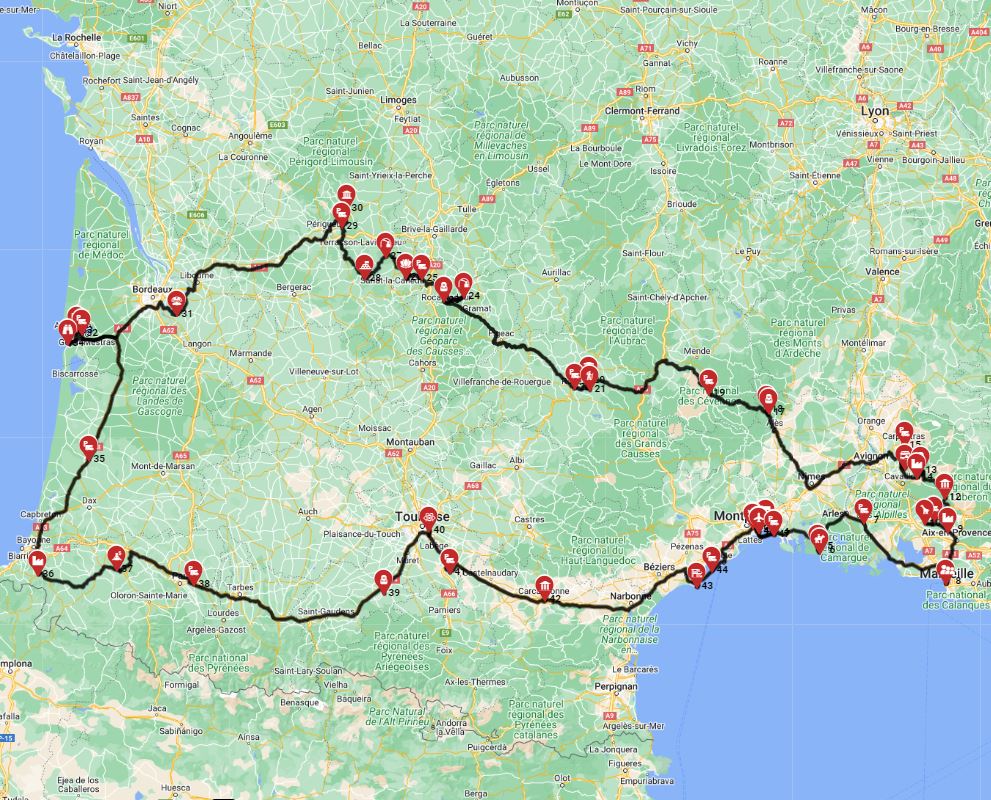
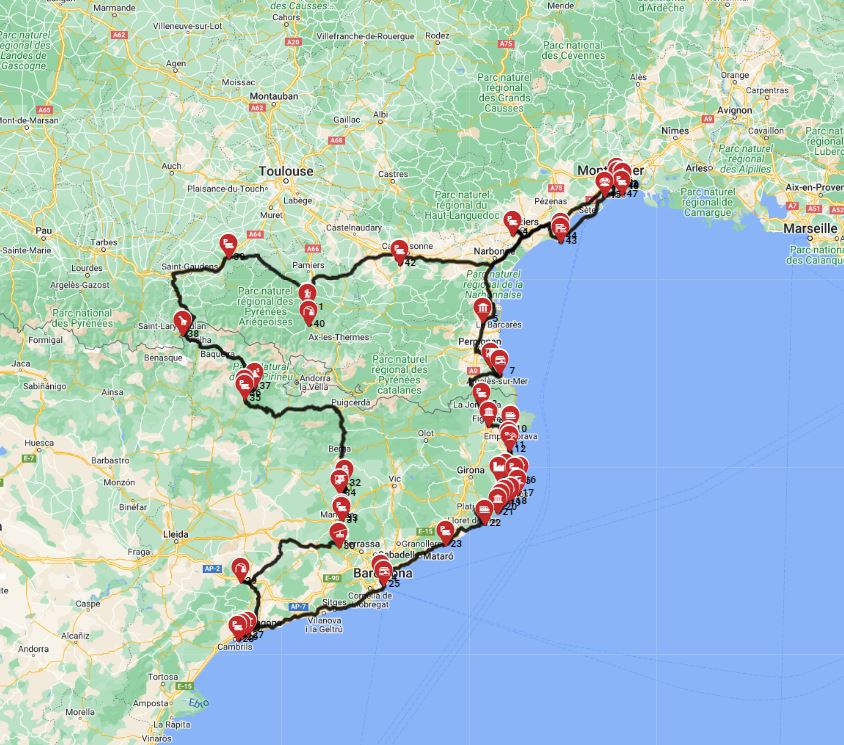
Beyond the rental fee, budgeting for tolls, campsite fees, fuel, and dump-station charges is crucial for RV travel in France, requiring a comprehensive breakdown of potential expenses. Tolls are a significant expense on French motorways (autoroutes), with RVs often falling into higher categories than cars; it's wise to research specific toll system mechanics for RVs, including payment methods. Some RVs available for rent let you pre-purchase toll-road usage to avoid surprise charges and fines. For a better understanding of these costs, particularly when planning extensive routes, consider checking out RV PLANET routes where you can itemize and track every expense along the way for easy budgeting.
Campsite fees vary greatly, from basic Aires de Service (some free, some paid) to full-service private campgrounds, necessitating detailed cost estimations for varied campsite fees. Our platform sometimes offers campground discount cards to help reduce these costs. Fuel will be a major ongoing expense, so monitoring current diesel and petrol prices is advisable; some RVs include fuel discount cards. Fuel consumption for a standard Class C motorhome like the "MHC28" (with a 210 liter fuel tank) can be around 14-18 miles per gallon (approx. 13-17 liters per 100 km). Finally, budget for occasional dump-station charges, especially if not staying at full-service campsites, and always set aside an emergency fund for unexpected expenses. These are all things to ask about at pickup to ensure a smooth journey.
How to Save on long term rv rental RV Rental in France
Savvy travelers can reduce long-term RV rental costs in France by booking during the shoulder season, pre-paying tolls, and utilizing discount programs. One of the most effective strategies is to target the shoulder seasons (May-June or September-October) or the off-season (November-March), when demand is lower, leading to more favorable daily rental rates - you could save up to 25%. Pre-paying tolls, if offered, can sometimes provide a slight discount or at least ensure you avoid higher on-the-spot rates.
Look for opportunities to use campground discount cards, which can offer significant savings on accommodation over a long trip. Opting for a smaller RV class, if it comfortably accommodates your group, will typically result in lower rental costs, better fuel efficiency, and easier navigation on France's diverse road conditions, including narrow village roads. A campervan like the "V2L" with a 75-liter fuel tank and a fuel consumption of 11-13 liters per 100 km, is a great example of a more economical choice. Finally, remember that longer rental durations often come with a reduced daily rate, making long-term rentals inherently more cost-effective per day. For spontaneous travelers, continuously monitor flex-rate drops on booking platforms for last-minute deals; while booking 90+ days in advance often secures the best price, last-minute availability does exist, especially outside of peak periods. Being flexible with your travel dates and even your pick-up/drop-off locations can also unlock significant savings.
What are the practicalities of driving an RV in France?
Driving an RV in France involves navigating a variety of road conditions, understanding specific toll system mechanics, and utilizing diverse parking options. Major highways (autoroutes) are generally excellent but come with tolls, while regional and departmental roads offer scenic routes through charming villages, though some may be narrow and winding, posing navigation challenges for larger vehicles. Understanding your RV's dimensions, such as the 7.4 meter length of a "4 Berth Adventurer" motorhome, is critical, especially when entering historic town centers or passing under low bridges. Drive slowly and carefully, and you can drive almost anywhere without issues. No need to stress - just use common sense and pay attention.
The French toll system primarily uses 'télépéage' electronic payment or manual booths, with RVs typically classified into higher categories (e.g., Class 2 or 3) depending on height and weight. Payment methods include credit cards, cash, or a Liber-t tag for automatic deductions. Parking options range from dedicated 'Aires de Service' along highways, offering basic facilities, to municipal campsites, and private full-service campgrounds. Beyond basic Aires, you'll find options for overnight stays in designated village spots, requiring awareness of local signage and restrictions. For more detailed insights, you might want to consult a comprehensive guide like Driving an RV in France - Complete Guide 2024.
🎬 Video coming soon
What are the legal requirements for RV travel in France?
For RV travel in France, specific legal requirements must be met to ensure a compliant and smooth journey. Non-EU residents must carry an International Driving Permit (IDP) in conjunction with their valid national driver's license. While an IDP is recommended for visitors from non-English speaking countries, it is not mandatory in all cases for countries with licenses easily understood in English. It's crucial to be aware that a standard car driver's license is sufficient for all motorhome classes (Class A, Class B, and Class C) in France, with a minimum driver age of 21 years across most suppliers, and no young driver surcharges.
France implements Low Emission Zones (Zones à Faibles Émissions or ZFEs) in several major cities, requiring a Crit'Air vignette (sticker) displayed on your windshield. Failing to display the correct sticker can result in fines. These zones and sticker requirements are dynamically managed, so it's essential to check the latest regulations for your planned route. Additionally, certain cities, such as Paris and Nice, have specific access restrictions for vehicles, including RVs, based on day of the week, time, or emission class, particularly in their central areas. Always check local signage and regulations when entering urban areas with your rented campervan.
How does seasonality and regional nuance impact RV travel in France?
Seasonality and regional nuances profoundly impact the RV travel experience in France, affecting everything from weather patterns and crowd levels to route planning and campground availability. For instance, the best time to witness the lavender fields of Provence is late June to early August, which coincides with peak tourist season, meaning higher prices and more competition for campsites. You'll need to book your motorhome well in advance, and plan campground stays carefully for areas like Agen or Alès.
Conversely, exploring the Alps is ideal in late spring for hiking or autumn for stunning foliage, offering cooler temperatures and fewer visitors. Coastal regions like the French Riviera (near Nice or Ajaccio - Corsica) are vibrant in summer but offer a more tranquil experience in the shoulder seasons. Weather patterns vary significantly; while the south enjoys Mediterranean warmth, the north can be cooler and wetter, making a "Winter Ready" motorhome like the "Koru Star 6 Freedom" ideal for colder months. Understanding these regional differences allows for strategic route planning, helps in anticipating crowd levels, and is critical for securing desirable campground spots, especially for longer stays. Plan a trip itinerary in advance with minimal effort and maximum enjoyment, perhaps using pre-planned routes from rvplan.net.
What is France's Aire de Service system for RVs?
France's 'Aire de Service' system is a unique and comprehensive network of dedicated stopover points designed specifically for RVs, distinguishing French RV travel from many other countries. These Aires come in different types: some are free, offering basic amenities like water and waste disposal, while municipal or private Aires may charge a fee for more extensive services such as electricity hook-ups. A motorhome like the "MHC24" (with a 150 liter fresh water tank) can make great use of these facilities for extended trips.
You can find Aires de Service along major highways, often with basic amenities, or integrated into charming village centers like those near Alencon, and even at vineyards ('France Passion' system). They are easily located using dedicated apps or guidebooks. When using Aires, it's essential to understand the etiquette: leave the area cleaner than you found it, minimize noise, and respect the typically short stay limits (often 24-48 hours). For overnight stays, choose designated areas and adhere to local rules to ensure a pleasant experience for everyone. For finding campsites and campgrounds during your trip, we recommend using RV PLANET (rvplan.net) - a great resource for locating available spots along your route.
What are cultural tips and local etiquette for RVers in France?
For RVers seeking a truly immersive experience in France, understanding cultural nuances and local etiquette extends beyond basic rules to enhance interactions and enjoyment. Learning a few essential French phrases, such as 'Bonjour' (hello), 'Merci' (thank you), 'S'il vous plaît' (please), and 'Parlez-vous anglais?' (Do you speak English?), can significantly improve interactions with locals. These small gestures are always appreciated, especially in smaller towns and rural areas.
Utilizing local markets ('marchés') for fresh produce, cheeses, and regional specialties is a fantastic way to engage with local life and support small businesses. Preparing these fresh ingredients in your rented campervan's kitchen, perhaps using some clever RV-friendly recipes playlist, is part of the authentic travel experience. In camping environments, be mindful of noise levels, especially late at night or early in the morning, and respect the privacy of your neighbors. Understanding the local customs often involves appreciating a slower pace of life, particularly in rural areas, and being open to engaging with the community respectfully. A simple 'bonjour' when entering a shop or market can go a long way. Travel slowly, max 100-150 km per day on average. Take time to feel the place, connect to the culture, the food, and the scenery.
What are the challenges for American RVs in France?
American RVs face specific challenges when traveling in France due to significant differences in vehicle standards and infrastructure. The most prominent issue is vehicle size; American RVs are typically much larger and wider than European models, making navigation on narrow village roads, through historic city centers like those in Annecy or Angoulême, and into smaller campsites particularly challenging. While a large RV like the "MHLUX" with a 10.7-meter length offers ample space, it requires extra care on French roads.
Electrical systems are another major compatibility concern, as France uses 230V outlets compared to the 120V standard in the US, necessitating adapters and potentially converters for appliances. While American RVs are left-hand drive, aligning with France's right-hand traffic, the sheer size can still make judging clearances and passing difficult. Additionally, legal modifications or specific requirements related to lights, emissions (like Crit'Air stickers), and other safety standards may be necessary for an American RV to be fully compliant with European regulations, which is a key consideration if you're planning to import or ship your own. Renting a locally compliant motorhome, like a "Group A" campervan or a "Group H" Class C, eliminates these concerns.
What are safety and security tips for RV travel in France?
Ensuring safety and security is paramount for a worry-free RV trip in France, requiring proactive measures to protect your vehicle and belongings. Always lock all RV doors and windows, even when you are inside the vehicle or just stepping away for a moment. It's crucial to avoid leaving valuables visible through windows, as this can attract opportunistic theft. For additional security, a motorhome with robust features like the "MHC30" offers peace of mind.
When stopping for the night, prioritize official campsites, secure municipal Aires de Service, or designated overnight parking areas, especially in less familiar regions. Avoid isolated or unlit spots, and trust your intuition if a location feels unsafe. Familiarize yourself with common issues such as pickpocketing in crowded tourist areas and secure your vehicle when touring cities like Paris or Lyon. Before you depart, know the emergency procedures and keep a list of essential contact numbers, including the pan-European emergency number 112 for police, fire, or ambulance services. Real people are behind you with 24/7 support for pre-booking comparisons, booking assistance, and post-booking coordination, making your journey smoother.
Top Cities for RV Rental in France
France offers numerous excellent starting points for your long-term RV adventure, each with unique appeal. Choosing the right city can set the tone for your entire trip across Europe. Consider exploring destinations like "RV Rental Europe - Complete Guide 2024" if you plan to extend your journey beyond France's borders.
- Paris: The capital offers excellent access to a wide range of motorhome rentals, making it a convenient pick-up point. From Paris, you can easily head north to Normandy or south towards the Loire Valley.
- Nice: Located on the French Riviera, Nice is ideal for exploring the stunning Mediterranean coast, the charming villages of Provence, and even venturing into Italy.
- Bordeaux: Situated in a renowned wine region, Bordeaux is perfect for wine enthusiasts and offers easy routes to the Atlantic coast and the Dordogne region.
- Lyon: A gastronomic hub in the heart of France, Lyon provides a central base for exploring the Alps, Burgundy, and the Rhône Valley.
- Marseille: As France's oldest city and a major port, Marseille offers a gateway to Provence's rugged beauty, the Calanques, and the vibrant south.
- Toulouse: The "Pink City" in the southwest is a great starting point for exploring the Pyrenees, the Cathar castles, and the serene Canal du Midi.
- Nantes: On the Loire River, Nantes is a historical and artistic city, perfect for starting a trip through Brittany and along the Atlantic coastline.
- Strasbourg: In the Alsace region, Strasbourg offers a unique blend of French and German cultures, with easy access to the picturesque Alsace Wine Route and the Black Forest.
What You Shouldn't Miss
Embarking on a long-term RV rental in France opens up a world of discovery. To help you craft an unforgettable experience, here are some must-do adventures:
- Normandy's D-Day Beaches: Drive through history along the poignant beaches and memorials of Normandy, taking time to reflect on key moments at sites like Omaha Beach and the American Cemetery.
- Loire Valley Chateaux: Spend days marveling at the fairytale castles of the Loire Valley, such as Château de Chambord and Chenonceau. Many offer spacious parking for a rented motorhome.
- Provence Lavender Fields: During late spring and early summer, immerse yourself in the fragrant, purple fields of Provence, particularly around Valensole or the Luberon. Take your time to capture the stunning scenery.
- French Riviera Coastal Drive: Wind along the glamorous coastline between Nice and Monaco, stopping at picturesque towns and enjoying the azure waters. Consider exploring further with a One-Way RV Driving in France - Route Planner 2024.
- Alsace Wine Route: Discover charming villages and vineyards along one of France's oldest wine routes, sampling local Rieslings and Gewürztraminers. Rent a mobile home and savor the local flavors.
- Dordogne Valley Caves: Explore the prehistoric cave paintings of Lascaux IV or the impressive Gouffre de Padirac in the stunning Dordogne region, a truly ancient and beautiful area.
Looking for expert insights from Avi Bandana? Top 5 Adventures - recommendations from Avi Bandana.
Final Thoughts
Embarking on a long-term RV rental in France is more than just a vacation; it's an opportunity for a deep, immersive exploration of a country rich in culture, history, and breathtaking landscapes. Whether you dream of leisurely drives through vineyards, exploring ancient castles, or simply savoring fresh baguettes by the coast, a rented motorhome offers the flexibility to make those dreams a reality. Remember to embrace slow travel, allowing yourself to truly connect with each destination.
Planning a multi-week or even multi-month adventure requires careful consideration, but with the right information and a supportive partner like Bandana Caravan, the process becomes enjoyable and stress-free. We're here to help you compare final prices across suppliers, understand all inclusions, and guide you through the practicalities of RV travel in France.
So, get inspired for your next trip! Discover top destinations, planning tips, all in one place, and prepare for an unforgettable journey. Your French long-term RV adventure awaits - a chance to create lasting memories on the open road. Check France RV Rental Prices Now to begin your adventure!
In This Guide
- What long term rv rental RV Rental Costs in France (2024)
- Seasonal Pricing - Peak vs. Shoulder vs. Off-Season in France
- What's Included vs. What's an Add-On
- Hidden Costs to Budget For in France
- How to Save on long term rv rental RV Rental in France
- What are the practicalities of driving an RV in France?
- What are the legal requirements for RV travel in France?
- How does seasonality and regional nuance impact RV travel in France?
- What is France's Aire de Service system for RVs?
- What are cultural tips and local etiquette for RVers in France?
- What are the challenges for American RVs in France?
- What are safety and security tips for RV travel in France?
- Top Cities for RV Rental in France
- What You Shouldn't Miss
- Why Book with Bandana Caravan
- Final Thoughts
- Frequently Asked Questions
France, with its diverse landscapes from the sun-drenched Riviera to the majestic Alps and charming rural villages, offers an unparalleled experience for a long-term motorhome adventure. Imagine waking up to fresh croissants and coffee in a new, picturesque location every day, perhaps in the scenic countryside near Angers or the historic charm of Ajaccio - Corsica. With a rented RV, you have the freedom to explore at your own pace, delve into local culture, and truly savor the journey across this beautiful country.
At Bandana Caravan, we're dedicated to helping you discover the joy of RV travel. We've been helping tens of thousands of travelers explore the world by RV since our founding in 2001, providing transparent pricing and expert guidance every step of the way. For live availability and current prices, start with our RV Rental France - Complete Guide 2024 guide, which offers essential planning information for your extended French escapade, ensuring you hit the road with confidence and no surprises.
What long term rv rental RV Rental Costs in France (2024)
April is typically the cheapest month for RV rental in France, with prices for long-term rentals varying based on RV class, duration, and booking flexibility. The cost of a long-term RV rental in France can fluctuate significantly, much like airline tickets, due to dynamic pricing driven by demand, availability, and supplier promotions. Generally, a compact campervan for two, such as an "rv rental denver example Category Van" with front air condition and toilet, might average €60-€100 per day for a month-long trip during shoulder season, while a larger, family-friendly Class C motorhome like an "rv rentals example Comfort Class" (ideal for families of 2+2) could range from €100-€200 per day. Monthly rentals generally offer a better daily rate compared to shorter durations, rewarding those who plan for an extended adventure.
For couples, a smaller Class B campervan, perfect for navigating quaint village roads, offers economical rates and good fuel efficiency. Vehicles like the "V3" or "Duo" campervans, which are ideal for a couple, provide excellent flexibility. Families or groups of 4-6 people, on the other hand, might prefer the space and amenities of a Class C motorhome, which typically includes multiple double beds, a shower, and a toilet. While daily rates for larger vehicles are higher, the per-person cost can become quite attractive for long-term trips. It's always beneficial to compare rental options across different suppliers like El Monte, Cruise America, Apollo, and Britz to ensure you find the best value for your specific needs, keeping in mind that the final price is set at the actual booking time.
Seasonal Pricing - Peak vs. Shoulder vs. Off-Season in France
France's RV rental market is highly seasonal, meaning prices fluctuate significantly throughout the year. Understanding these patterns is key to budgeting and planning your long-term trip, as the best times to visit specific regions (e.g., Lavender fields, Alps, coast) directly correlate with demand and cost. In peak season, prices change significantly day-to-day - always check specific dates.
Off-Season (November - March, excluding holidays; April is an anchor for low pricing): This period generally offers the lowest rental rates and fewer crowds. While some campsites may be closed and weather can be cooler, it's ideal for budget-conscious travelers seeking quiet routes and cultural experiences without the rush. You might find a compact motorhome like a "hire campervan example Active Classic" (with front air condition, shower, and toilet) for as low as €50-€70 per day, especially in less popular regions or during a "Week-Long RV Driving Tour in France 2024" during these months.
Shoulder Season (April - June, September - October): These months provide a sweet spot with pleasant weather, moderate crowds, and better pricing than peak season. It's an excellent time for long-term exploration, allowing you to enjoy vibrant spring blossoms or autumn colors without the highest costs. A mid-sized motorhome for a family of four, such as a "camper for rent example Category B" with ideal space for 2+2, could cost around €80-€140 per day.
Peak Season (July - August): Characterized by high demand, warm weather, and bustling tourist destinations, prices during these months are at their highest. Booking well in advance is crucial, and flexibility with dates can help manage costs. This period is perfect for enjoying France's popular coastal areas and summer festivals, but be prepared for crowds and higher campground availability challenges. During this time, a Class A motorhome like the "camper for rent example Elite Traveller" (with generator and roof air condition) could command daily rates exceeding €250.
What's Included vs. What's an Add-On
Standard RV rentals in France typically include basic third-party liability insurance and essential vehicle functions, but many amenities travelers expect are often add-ons. What's included can vary widely between different RV models and rental stations, so always review the specific terms of your booking carefully. A basic campervan like the "rv rental denver example Category Van" will usually have a front air condition and a toilet, but specific kitchenware might be extra.
Common Inclusions: Basic insurance is always included, covering third-party liability. You'll also get the essential vehicle equipment needed for driving. Some rentals might include a basic level of mileage in their standard package, with additional mileage available for purchase.
Typical Add-Ons: These often include options like more comprehensive insurance tiers (e.g., reducing excess liability or providing top-level deductible reimbursement for extra peace of mind), unlimited mileage packages for those planning extensive travel, kitchen kits (including utensils, cookware, and dishes for preparing meals in your RV, perhaps even following some RV-friendly recipes playlist), bedding and linen sets, camping furniture (like an outdoor table and chairs), generators, bike racks, and GPS navigation. It's important to note that many of our partner suppliers, like El Monte and Apollo, offer a range of these options. You can upgrade to a top-level deductible for extra peace of mind, as this is an optional enhancement.
Insider Tip: Basic insurance is always included. To see prices including the most comprehensive coverage, select that option during search - then all relevant insurance options will be shown. Look for comparison toggles that show prices including or excluding items like kitchen utensils, tableware, and bedding. Want to check exactly what's included? Just click through to the specific vehicle details on our platform for full transparency - no hidden fees, no surprises. We sell the way we'd like to buy - focused exclusively on RV travel, unmatched personal experience, and attention to the smallest details.
Hidden Costs to Budget For in France
Beyond the rental fee, budgeting for tolls, campsite fees, fuel, and dump-station charges is crucial for RV travel in France, requiring a comprehensive breakdown of potential expenses. Tolls are a significant expense on French motorways (autoroutes), with RVs often falling into higher categories than cars; it's wise to research specific toll system mechanics for RVs, including payment methods. Some RVs available for rent let you pre-purchase toll-road usage to avoid surprise charges and fines. For a better understanding of these costs, particularly when planning extensive routes, consider checking out RV PLANET routes where you can itemize and track every expense along the way for easy budgeting.
Campsite fees vary greatly, from basic Aires de Service (some free, some paid) to full-service private campgrounds, necessitating detailed cost estimations for varied campsite fees. Our platform sometimes offers campground discount cards to help reduce these costs. Fuel will be a major ongoing expense, so monitoring current diesel and petrol prices is advisable; some RVs include fuel discount cards. Fuel consumption for a standard Class C motorhome like the "MHC28" (with a 210 liter fuel tank) can be around 14-18 miles per gallon (approx. 13-17 liters per 100 km). Finally, budget for occasional dump-station charges, especially if not staying at full-service campsites, and always set aside an emergency fund for unexpected expenses. These are all things to ask about at pickup to ensure a smooth journey. We compare final prices across 50+ suppliers so you don't have to, ensuring what you see is what you pay, with no surprise fees at pickup.
How to Save on long term rv rental RV Rental in France
Savvy travelers can reduce long-term RV rental costs in France by booking during the shoulder season, pre-paying tolls, and utilizing discount programs. One of the most effective strategies is to target the shoulder seasons (May-June or September-October) or the off-season (November-March), when demand is lower, leading to more favorable daily rental rates - you could save up to 25%. Pre-paying tolls, if offered, can sometimes provide a slight discount or at least ensure you avoid higher on-the-spot rates.
Look for opportunities to use campground discount cards, which can offer significant savings on accommodation over a long trip. Opting for a smaller RV class, if it comfortably accommodates your group, will typically result in lower rental costs, better fuel efficiency, and easier navigation on France's diverse road conditions, including narrow village roads. A campervan like the "V2L" with a 75-liter fuel tank and a fuel consumption of 11-13 liters per 100 km, is a great example of a more economical choice. Finally, remember that longer rental durations often come with a reduced daily rate, making long-term rentals inherently more cost-effective per day. For spontaneous travelers, continuously monitor flex-rate drops on booking platforms for last-minute deals; while booking 90+ days in advance often secures the best price, last-minute availability does exist. Many national and state parks reserve only 25-30% of spots for advance booking, with the rest being first-come-first-serve. You'll find a spot. If not at the first campground, then the next one. Call ahead before driving. Being flexible with your travel dates and even your pick-up/drop-off locations can also unlock significant savings.
What are the practicalities of driving an RV in France?
Driving an RV in France involves navigating a variety of road conditions, understanding specific toll system mechanics, and utilizing diverse parking options. Major highways (autoroutes) are generally excellent but come with tolls, while regional and departmental roads offer scenic routes through charming villages, though some may be narrow and winding, posing navigation challenges for larger vehicles. Understanding your RV's dimensions, such as the 7.4 meter length of a "4 Berth Adventurer" motorhome, is critical, especially when entering historic town centers or passing under low bridges. Drive slowly and carefully, and you can drive almost anywhere without issues. No need to stress - just use common sense and pay attention. For more information on navigating French roads, check out "Driving an RV in France - Complete Guide 2024".
The French toll system primarily uses 'télépéage' electronic payment or manual booths, with RVs typically classified into higher categories (e.g., Class 2 or 3) depending on height and weight. Payment methods include credit cards, cash, or a Liber-t tag for automatic deductions. Parking options range from dedicated 'Aires de Service' along highways, offering basic facilities, to municipal campsites, and private full-service campgrounds. Beyond basic Aires, you'll find options for overnight stays in designated village spots, requiring awareness of local signage and restrictions.
🎬 Video coming soon
What are the legal requirements for RV travel in France?
For RV travel in France, specific legal requirements must be met to ensure a compliant and smooth journey. Non-EU residents must carry an International Driving Permit (IDP) in conjunction with their valid national driver's license. While an IDP is recommended for visitors from non-English speaking countries to facilitate translation, it is not mandatory in most cases for countries with licenses easily understood in English. It's crucial to be aware that a standard car driver's license is sufficient for all motorhome classes (Class A, Class B, and Class C) in France, with a minimum driver age of 21 years across most suppliers, and no young driver surcharges.
France implements Low Emission Zones (Zones à Faibles Émissions or ZFEs) in several major cities, requiring a Crit'Air vignette (sticker) displayed on your windshield. Failing to display the correct sticker can result in fines. These zones and sticker requirements are dynamically managed, so it's essential to check the latest regulations for your planned route. Additionally, certain cities, such as Paris and Nice, have specific access restrictions for vehicles, including RVs, based on day of the week, time, or emission class, particularly in their central areas. Always check local signage and regulations when entering urban areas with your rented campervan. For more tailored route guidance, consider "RV Driving Deals in France - Routes and Savings 2024" or "Luxury RV Driving in France - Scenic Routes 2024".
How does seasonality and regional nuance impact RV travel in France?
Seasonality and regional nuances profoundly impact the RV travel experience in France, affecting everything from weather patterns and crowd levels to route planning and campground availability. For instance, the best time to witness the lavender fields of Provence is late June to early August, which coincides with peak tourist season, meaning higher prices and more competition for campsites. You'll need to book your motorhome well in advance, and plan campground stays carefully for areas like Agen or Alès.
Conversely, exploring the Alps is ideal in late spring for hiking or autumn for stunning foliage, offering cooler temperatures and fewer visitors. Coastal regions like the French Riviera (near Nice or Ajaccio - Corsica) are vibrant in summer but offer a more tranquil experience in the shoulder seasons. Weather patterns vary significantly; while the south enjoys Mediterranean warmth, the north can be cooler and wetter, making a "Winter Ready" motorhome like the "Koru Star 6 Freedom" ideal for colder months. Understanding these regional differences allows for strategic route planning, helps in anticipating crowd levels, and is critical for securing desirable campground spots, especially for longer stays. Plan a trip itinerary in advance with minimal effort and maximum enjoyment, perhaps using pre-planned routes from rvplan.net.
What is France's Aire de Service system for RVs?
France's 'Aire de Service' system is a unique and comprehensive network of dedicated stopover points designed specifically for RVs, distinguishing French RV travel from many other countries. These Aires come in different types: some are free, offering basic amenities like water and waste disposal, while municipal or private Aires may charge a fee for more extensive services such as electricity hook-ups. A motorhome like the "MHC24" (with a 150 liter fresh water tank) can make great use of these facilities for extended trips.
You can find Aires de Service along major highways, often with basic amenities, or integrated into charming village centers like those near Alencon, and even at vineyards ('France Passion' system). They are easily located using dedicated apps or guidebooks. When using Aires, it's essential to understand the etiquette: leave the area cleaner than you found it, minimize noise, and respect the typically short stay limits (often 24-48 hours). For overnight stays, choose designated areas and adhere to local rules to ensure a pleasant experience for everyone. For finding campsites and campgrounds during your trip, we recommend using RV PLANET (rvplan.net) - a great resource for locating available spots along your route.
What are cultural tips and local etiquette for RVers in France?
For RVers seeking a truly immersive experience in France, understanding cultural nuances and local etiquette extends beyond basic rules to enhance interactions and enjoyment. Learning a few essential French phrases, such as 'Bonjour' (hello), 'Merci' (thank you), 'S'il vous plaît' (please), and 'Parlez-vous anglais?' (Do you speak English?), can significantly improve interactions with locals. These small gestures are always appreciated, especially in smaller towns and rural areas.
Utilizing local markets ('marchés') for fresh produce, cheeses, and regional specialties is a fantastic way to engage with local life and support small businesses. Preparing these fresh ingredients in your rented campervan's kitchen, perhaps using some clever RV-friendly recipes playlist, is part of the authentic travel experience. In camping environments, be mindful of noise levels, especially late at night or early in the morning, and respect the privacy of your neighbors. Understanding the local customs often involves appreciating a slower pace of life, particularly in rural areas, and being open to engaging with the community respectfully. A simple 'bonjour' when entering a shop or market can go a long way. Travel slowly, max 100-150 km per day on average. Take time to feel the place, connect to the culture, the food, and the scenery.
What are the challenges for American RVs in France?
American RVs face specific challenges when traveling in France due to significant differences in vehicle standards and infrastructure. The most prominent issue is vehicle size; American RVs are typically much larger and wider than European models, making navigation on narrow village roads, through historic city centers like those in Annecy or Angoulême, and into smaller campsites particularly challenging. While a large RV like the "MHLUX" with a 10.7-meter length offers ample space, it requires extra care on French roads.
Electrical systems are another major compatibility concern, as France uses 230V outlets compared to the 120V standard in the US, necessitating adapters and potentially converters for appliances. While American RVs are left-hand drive, aligning with France's right-hand traffic, the sheer size can still make judging clearances and passing difficult. Additionally, legal modifications or specific requirements related to lights, emissions (like Crit'Air stickers), and other safety standards may be necessary for an American RV to be fully compliant with European regulations, which is a key consideration if you're planning to import or ship your own. Renting a locally compliant motorhome, like a "Group A" campervan or a "Group H" Class C, eliminates these concerns.
What are safety and security tips for RV travel in France?
Ensuring safety and security is paramount for a worry-free RV trip in France, requiring proactive measures to protect your vehicle and belongings. Always lock all RV doors and windows, even when you are inside the vehicle or just stepping away for a moment. It's crucial to avoid leaving valuables visible through windows, as this can attract opportunistic theft. For additional security, a motorhome with robust features like the "MHC30" (with generator and a fuel tank of 210 liters) offers peace of mind.
When stopping for the night, prioritize official campsites, secure municipal Aires de Service, or designated overnight parking areas, especially in less familiar regions. Avoid isolated or unlit spots, and trust your intuition if a location feels unsafe. Familiarize yourself with common issues such as pickpocketing in crowded tourist areas and secure your vehicle when touring cities like Paris or Lyon. Before you depart, know the emergency procedures and keep a list of essential contact numbers, including the pan-European emergency number 112 for police, fire, or ambulance services. Real people are behind you with support for pre-booking comparisons, booking assistance, and post-booking coordination, making your journey smoother.
Top Cities for RV Rental in France
France offers numerous excellent starting points for your long-term RV adventure, each with unique appeal. Choosing the right city can set the tone for your entire trip across Europe, perhaps starting your journey after reviewing our "RV Rental Europe - Complete Guide 2024".
- Paris: The capital offers excellent access to a wide range of motorhome rentals, making it a convenient pick-up point. From Paris, you can easily head north to Normandy or south towards the Loire Valley.
- Nice: Located on the French Riviera, Nice is ideal for exploring the stunning Mediterranean coast, the charming villages of Provence, and even venturing into Italy.
- Bordeaux: Situated in a renowned wine region, Bordeaux is perfect for wine enthusiasts and offers easy routes to the Atlantic coast and the Dordogne region.
- Lyon: A gastronomic hub in the heart of France, Lyon provides a central base for exploring the Alps, Burgundy, and the Rhône Valley.
- Marseille: As France's oldest city and a major port, Marseille offers a gateway to Provence's rugged beauty, the Calanques, and the vibrant south.
- Toulouse: The "Pink City" in the southwest is a great starting point for exploring the Pyrenees, the Cathar castles, and the serene Canal du Midi.
- Nantes: On the Loire River, Nantes is a historical and artistic city, perfect for starting a trip through Brittany and along the Atlantic coastline.
- Strasbourg: In the Alsace region, Strasbourg offers a unique blend of French and German cultures, with easy access to the picturesque Alsace Wine Route and the Black Forest.
What You Shouldn't Miss
Embarking on a long-term RV rental in France opens up a world of discovery. To help you craft an unforgettable experience, here are some must-do adventures that perfectly suit the freedom of a rented motorhome:
- Normandy's D-Day Beaches: Drive through history along the poignant beaches and memorials of Normandy, taking time to reflect on key moments at sites like Omaha Beach and the American Cemetery. The wide roads are generally easy to navigate with a motorhome or campervan.
- Loire Valley Chateaux: Spend days marveling at the fairytale castles of the Loire Valley, such as Château de Chambord and Chenonceau. Many offer spacious parking for a rented motorhome, making these grand estates easily accessible.
- Provence Lavender Fields: During late June to early August, immerse yourself in the fragrant, purple fields of Provence, particularly around Valensole or the Luberon. Take your time to capture the stunning scenery and explore the small, charming villages.
- French Riviera Coastal Drive: Wind along the glamorous coastline between Nice and Monaco, stopping at picturesque towns and enjoying the azure waters. Consider exploring further with a "One-Way RV Driving in France - Route Planner 2024" to maximize your scenic views.
- Alsace Wine Route: Discover charming villages and vineyards along one of France's oldest wine routes, sampling local Rieslings and Gewürztraminers. Rent a mobile home and savor the local flavors and unique Franco-German culture.
- Dordogne Valley Caves: Explore the prehistoric cave paintings of Lascaux IV or the impressive Gouffre de Padirac in the stunning Dordogne region, a truly ancient and beautiful area with plenty of RV-friendly camping spots.
Looking for expert insights from Avi Bandana? Top 5 Adventures - recommendations from Avi Bandana.
Final Thoughts
Embarking on a long-term RV rental in France is more than just a vacation; it's an opportunity for a deep, immersive exploration of a country rich in culture, history, and breathtaking landscapes. Whether you dream of leisurely drives through vineyards, exploring ancient castles, or simply savoring fresh baguettes by the coast, a rented motorhome offers the flexibility to make those dreams a reality. Remember to embrace slow travel, allowing yourself to truly connect with each destination and its unique rhythm.
Planning a multi-week or even multi-month adventure requires careful consideration, but with the right information and a supportive partner like Bandana Caravan, the process becomes enjoyable and stress-free. We're here to help you compare final prices across suppliers, understand all inclusions, and guide you through the practicalities of RV travel in France, ensuring complete transparency and confidence in your booking.
So, get inspired for your next trip! Discover top destinations, planning tips, all in one place, and prepare for an unforgettable journey. Your French long-term RV adventure awaits - a chance to create lasting memories on the open road. Check France RV Rental Prices Now to begin your adventure!