In This Guide
- What rv rental RV Rental Costs in Alaska (2026)
- Seasonal Pricing - Peak vs. Shoulder vs. Off-Season in Alaska
- What's Included vs. What's an Add-On
- Hidden Costs to Budget For in Alaska
- How to Save on rv rental RV Rental in Alaska
- Is it cheaper to rent an RV or stay in a hotel
- Should I rent an RV in Alaska
- Can I park my RV anywhere in Alaska
- What is the average rental cost of an RV
- What is the cheapest price for an RV rental in Alaska
- What's the cheapest state to buy an RV in
- What is the 3 3 3 rule for RVs and campers
- How much does an Alaskan camper cost
- What is the cheapest way to rent an RV
- How much to rent RV for 1 week
What rv rental RV Rental Costs in Alaska (2026)
RV rental costs in Alaska for 2026 are dynamic and depend heavily on the vehicle class, duration, and the season you choose for your adventure. For instance, a long-term rental for a Class C motorhome can range from approximately $2,500 to $6,000 per month, while a shorter trip might see daily rates from $150 to over $400. Prices fluctuate like airline tickets, so the final cost is set at the time of your actual booking. For live availability and current prices, start with our RV Rental Alaska - Complete Guide 2026 guide.
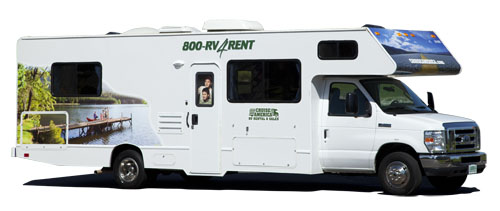
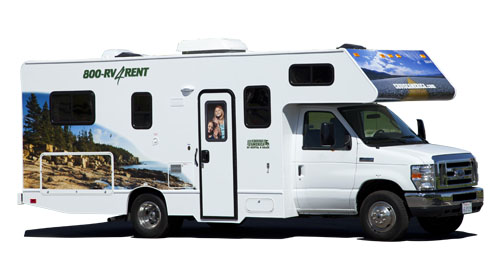
When planning your budget, consider that smaller campervans like the "rv rental denver example Category Van", ideal for a couple with features such as front air conditioning and a small RV size, generally offer lower daily rates compared to larger models. For families with 2+2, a spacious "rv rentals example Comfort Class" motorhome, featuring 3 double beds, a shower, and a toilet, might cost more but provides ample space and comfort. The total cost is a combination of the base rental fee, any additional mileage packages, insurance, and chosen add-ons. Bandana RV operates with full transparency, ensuring no hidden fees or surprises when you pick up your rented RV in Alaska. On the routes offered through RV PLANET routes, you can itemize and track every expense along the way for easy budgeting.
Seasonal Pricing - Peak vs. Shoulder vs. Off-Season in Alaska
Seasonal pricing significantly impacts RV rental costs in Alaska, with peak season rates being the highest due to demand. The peak season for RV travel in Alaska typically runs from July to August, when the weather is warmest and daylight hours are longest, leading to daily rental rates that can exceed $400. During these months, popular destinations like Denali National Park are at their busiest, and booking at least 4-6 months in advance is highly recommended to secure your preferred motorhome and potentially save up to 20% on your rental. Planning ahead offers peace of mind, especially for key dates.
Shoulder seasons, spanning May-June and September, offer a fantastic balance of moderate weather and lower prices, with daily rates often falling between $200-$350. May and June see the landscapes burst into bloom and wildlife become active, while September dazzles with autumn colors and fewer crowds. These periods are excellent for experiencing Alaska's beauty without the peak season rush. Off-season travel, from October to April, provides the cheapest rates, sometimes as low as $150 per day for smaller campervans. However, this period presents significant challenges due to limited road access, severe weather conditions, and reduced availability of services and campgrounds, making thorough preparation and specific vehicle requirements essential.
What's Included vs. What's an Add-On
Understanding what’s included with your rented motorhome in Alaska versus what constitutes an add-on is crucial for accurate budgeting. Standard inclusions typically cover basic liability insurance, essential vehicle equipment like a furnace, water heater, and a basic kitchen setup. For instance, a "cruise america rv rental example Explorer" usually comes with a 4-burner gas stove and a 90-liter refrigerator, perfect for preparing meals on the go. Many rentals also include essential features for comfort and safety such as front air conditioning and an enclosed chemical toilet.
However, many aspects of your trip can become additional costs. Common add-ons include comprehensive insurance tiers for extra peace of mind (you can upgrade to a top-level deductible for extra peace of mind), additional mileage packages beyond the standard daily allocation, and fees for generator usage. Convenience items like kitchen kits (pots, pans, utensils) and bedding packages are often optional and can range from $50-$200 per trip. Some suppliers might also charge for propane refills, dump station fees, or cleaning fees if the RV isn't returned in the agreed-upon condition. Always review your rental agreement thoroughly to avoid surprises. Bandana RV prides itself on full transparency, ensuring you know exactly what you’re paying for with no hidden fees.
Hidden Costs to Budget For in Alaska
Beyond the base rental price, several hidden costs should be meticulously budgeted for when planning an RV trip in Alaska to ensure a smooth journey. Fuel is often the most significant ancillary expense, especially given Alaska's vast distances and potentially higher fuel prices in remote areas. For example, a Class C motorhome like the "cruise america rv rental example Explorer" has a 75-liter fuel tank and consumes around 11 liters per 100 km, meaning fuel costs can add up quickly over a long trip. Planning your route and knowing where to refuel is essential.
Campsite fees are another considerable expense, varying from $20-$70 per night depending on whether you choose state parks, national parks, or private campgrounds. Dump station charges, propane refills, and potential tolls (though fewer in Alaska compared to other states) also factor into your total trip cost. Permits for specific activities or areas, such as special access permits for certain national park roads or fishing licenses, should also be researched and acquired in advance. To help travelers itemize and track every expense along the way for easy budgeting, we recommend using RV PLANET routes, which can greatly simplify financial planning.
🎬 Video coming soon
How to Save on rv rental RV Rental in Alaska
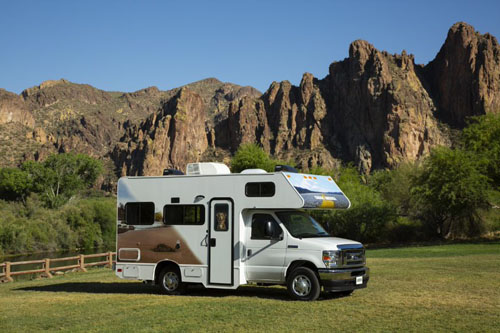
Saving on your RV rental in Alaska is achievable by leveraging flexible travel dates, opting for smaller vehicles, and booking strategically. The most effective way to reduce costs is by traveling during the shoulder seasons (May-June or September), which offer significantly lower daily rates compared to the peak summer months of July and August. For example, a campervan for rent like the "hire campervan example Paradise S/T" might see a 15-20% price difference between peak and shoulder season.
Choosing an RV size that comfortably fits your group without excess space can also lead to substantial savings, both on the rental rate and fuel consumption. A compact campervan, like an "alaska rv rental example Paradise S/T" which is ideal for a couple, will be more economical than a large Class A motorhome. Booking well in advance, typically 4-6 months, can also secure better rates and ensure availability, especially for popular models. Spontaneous travelers might find last-minute deals, but it's important to remember that availability for specific motorhomes can be limited. Lastly, utilizing comparison platforms like Bandana RV allows you to compare final prices across 50+ leading global suppliers like El Monte and Cruise America, ensuring you always get what you see, with no surprise fees at pickup, and potentially save up to 25% by planning your route with rvplan.net.
Is it cheaper to rent an RV or stay in a hotel
Renting an RV in Alaska can indeed be a more economical option than staying in hotels, particularly for extended trips or for families and groups. The initial daily rental cost for a motorhome may seem higher than a single hotel room, but an RV combines accommodation, transportation, and cooking facilities into one expense. For a family of four or more, renting a "rv rentals example Comfort Class" motorhome, which sleeps up to six, is almost always more cost-effective than booking multiple hotel rooms each night.
A significant portion of savings comes from being able to prepare your own meals in the RV's kitchen, drastically reducing restaurant expenses. Imagine cooking a hearty breakfast with fresh Alaskan produce or grilling fish you caught yourself, right outside your mobile home. This flexibility allows for substantial savings on food costs, especially over a week-long trip or longer. For inspiration on what to whip up in your RV kitchen, check out our RV-friendly recipes playlist. While fuel and campground fees add to the RV trip cost, these are often offset by the combined savings on dining and lodging, making an RV a smart choice for budget-conscious explorers in Alaska.
Should I rent an RV in Alaska
Renting an RV in Alaska is an unparalleled way to experience the state's majestic, untamed wilderness and offers immense freedom and flexibility. Imagine waking up to a different breathtaking view every day, with your cozy mobile home acting as your base camp. An RV allows you to delve into remote areas, access stunning national parks and scenic routes like the Kenai Fjords National Park or the Dalton Highway (though many rental agreements restrict travel on unpaved roads like the Dalton), and immerse yourself in nature on your own schedule. For more insights on navigating Alaska, our RV Travel Guide to Alaska - Tips and Top Spots 2026 offers comprehensive advice.
Alaska's vast and rugged landscapes mean that infrastructure can be sparse outside of major towns. An RV provides self-sufficiency, with its own kitchen, bathroom, and sleeping quarters, which is invaluable in areas with limited services. While driving larger motorhomes in cities like Anchorage or Fairbanks is perfectly manageable – just drive slowly and carefully, and you can drive almost anywhere without issues, no need to stress – an RV shines most when exploring the open road and natural wonders. For more detailed insights into RV travel in this incredible state, our RV Rental Alaska - Complete Guide 2026 provides a wealth of information to help you plan your ultimate Alaskan adventure.
Can I park my RV anywhere in Alaska
You cannot park an RV anywhere in Alaska without adhering to specific regulations, just as with any other vehicle, especially concerning overnight stays. While Alaska is known for its vast wilderness, laws govern where you can legally boondock (dispersed camp) or park overnight. Designated public lands managed by agencies like the Bureau of Land Management (BLM) often permit dispersed camping, but require strict adherence to Leave No Trace principles and specific local rules. Always check for signage and local ordinances before setting up camp in undesignated areas.
State parks, national parks, and private campgrounds throughout Alaska offer designated campsites, typically with fees and often requiring reservations, especially during peak season. For example, popular spots near Seward or in Denali National Park fill up quickly. Many roadside pull-offs or rest areas may allow short daytime stops but generally prohibit overnight parking. It's crucial to plan your overnight stops in advance using resources like rvplan.net for finding campgrounds and to call ahead to confirm availability, especially in more remote regions where options might be scarce. Understanding these regulations ensures a respectful and lawful exploration of Alaska's beautiful landscapes.
What is the average rental cost of an RV
The average rental cost of an RV in Alaska varies considerably based on factors like the vehicle class, the rental duration, and the time of year. For example, a smaller campervan or a compact Class C motorhome can typically range from $150 to $300 per night. These models, such as an "alaska rv rental example Juliette Family 5" or a "Patagonia Camper 4x4 double cab" (often sought for its off-road capability), are popular for couples or small families seeking maneuverability and fuel efficiency. Larger Class A motorhomes, offering more luxury and space for groups up to 6-8 people, might command daily rates upwards of $400, especially during the high season.
Longer rental periods, such as a month-long trip, often result in a lower average daily rate compared to a week-long rental. For instance, a Class C motorhome like the "cruise america rv rental example Explorer" has an average daily price of $185 USD in some regions, but this can change seasonally. Keep in mind that these are average figures, and the final price you pay will be dynamic, changing based on real-time availability and supplier decisions, much like flight tickets. Using a comparison platform like Bandana RV allows you to view and compare real-time prices across various suppliers to find the best deal for your specific travel plans in Alaska.
What is the cheapest price for an RV rental in Alaska
The cheapest prices for an RV rental in Alaska are generally found during the quieter shoulder seasons, specifically in April or late September, when demand is lower. During these times, daily rental rates for smaller campervans can start from approximately $150, offering a more budget-friendly entry point into Alaskan RV travel. These rates are dynamic and subject to change daily, so comparing options through a platform like Bandana RV will always provide the most up-to-date pricing.
To secure the lowest possible price, consider being flexible with your travel dates and booking several months in advance. Travelers booking 90+ days out might see savings of 10-25%. Choosing a smaller, more fuel-efficient motorhome, such as an "alaska rv rental example Paradise S/T" designed for a couple, instead of a large "rv rentals example Comfort Class" motorhome, will also help reduce both rental and fuel costs. Additionally, looking for suppliers that include basic amenities and mileage in their base price can help prevent additional charges. While last-minute deals can sometimes appear, relying on them for your dream Alaskan adventure is risky, as popular models and dates sell out. For an extensive range of options and competitive pricing, always compare motorhome prices for Alaska.
What's the cheapest state to buy an RV in
While this article focuses on RV rentals in Alaska for your travel adventures, it is important to clarify that Bandana RV specializes exclusively in rental vacations, not RV sales or full-time RV living. Discussing the cheapest state to *buy* an RV is outside our scope, as we cater to travelers seeking temporary, joyful, and accessible RV vacation experiences. Our mission is to make renting a motorhome as seamless and transparent as possible, offering a convenient alternative to ownership for exploring stunning destinations like Alaska.
For those planning an Alaskan adventure, renting an RV directly from a Bandana partner supplier in Alaska or a gateway city is by far the most practical approach. This eliminates the complexities and costs associated with purchasing an RV in another state, including sales taxes, registration fees, and the significant logistical challenge of transporting it to Alaska. With a rented RV, all you need to focus on is the open road and the incredible scenery ahead, leaving maintenance, storage, and long-term costs behind. We are true RV specialists, dedicated to making your rental experience exceptional.
What is the 3 3 3 rule for RVs and campers
The "3-3-3 rule" is a widely recommended guideline for RV travelers to ensure a relaxed and enjoyable pace on the road, suggesting that you travel no more than 300 miles (approximately 480 km) a day, arrive at your destination by 3 PM, and stay for at least 3 nights. This approach is particularly beneficial in Alaska, where the landscapes are vast and the opportunities for exploration are endless, discouraging rushed travel. By adhering to this rule, drivers can reduce fatigue, especially when navigating Alaska's diverse road conditions which can include gravel stretches and occasional frost heaves.
Applying the 3-3-3 rule in Alaska provides ample time to truly connect with the culture, local food, and incredible scenery. Rather than rushing from one point to the next, you can spend quality time hiking in a national park, fishing in a pristine river, or exploring charming small towns. Arriving by 3 PM increases your chances of securing a desirable campsite, especially since many national and state parks operate on a first-come, first-served basis for 25-30% of their spots. This slower pace allows for deeper immersion in your surroundings, aligning perfectly with our philosophy: travel slowly, max 100-150 km per day on average, and savor every moment of your Alaskan RV rental adventure.
How much does an Alaskan camper cost
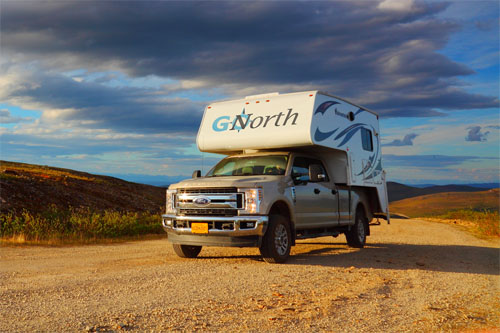
The term "Alaskan camper" typically refers to smaller, often rugged motorhomes or truck campers specifically suited for navigating Alaska's unique terrain. When renting these types of vehicles in Alaska, costs can vary, generally ranging from $150 to $300 per night. These models, such as a "Patagonia Camper 4x4 double cab" with 4 Wheel Drive capabilities and a compact size, are prized for their maneuverability and ability to handle more challenging roads than larger, less agile motorhomes.
For example, a campervan like the "hire campervan example Paradise S/T," which is an automatic transmission, small RV size ideal for couples, would fall within this price range, offering comfort with a shower and toilet. Such vehicles are often chosen by travelers seeking to explore more off-the-beaten-path destinations or those who appreciate a more compact footprint. While they may not offer the expansive living space of a "campervan hire new zealand example Euro Deluxe," they provide essential amenities and the freedom to roam. Pricing, as always, is dynamic and influenced by seasonality, booking lead time, and specific supplier inclusions, so using a comparison platform is key to finding the best available rates for your preferred "Alaskan camper" rental.
What is the cheapest way to rent an RV
The cheapest way to rent an RV in Alaska involves a combination of strategic planning and flexibility. Booking during the shoulder seasons (April-June or September) will almost always yield lower daily rates than the peak summer months. Opting for a smaller, more fuel-efficient Class B campervan or Class C motorhome, like a "rv rental denver example Category Van" for a couple, can significantly reduce both rental and ongoing fuel expenses, which are substantial in Alaska.
Longer rental durations often come with better daily rates, so planning an extended road trip rather than several shorter ones can be more cost-effective. Comparing prices across multiple rental providers is also crucial, and Bandana RV simplifies this by allowing you to compare final prices from 50+ leading global suppliers like El Monte and Cruise America. Be on the lookout for early bird discounts or special promotions. Additionally, while Bandana doesn't directly help find campsites, using a resource like RV PLANET (rvplan.net) for pre-planned routes and campsite research can help you find economical spots and avoid last-minute, higher-priced options. One-way rentals can also sometimes present savings if they align with a supplier's relocation needs, though a drop-off fee will typically apply.
How much to rent RV for 1 week
To rent an RV for 1 week in Alaska, you can expect costs to typically range from approximately $1,050 to $2,800 or more, depending on the specific vehicle class, the time of year, and any included amenities. For instance, a basic campervan suitable for two, such as an "alaska rv rental example Juliette Family 5," might be on the lower end of this spectrum. A mid-sized Class C motorhome like the "cruise america rv rental example Explorer", which features 4 sleeping places and a 75-liter fuel tank, would likely fall in the mid-range.
For larger families or groups seeking more space and luxury, a 1-week rental for a Class A motorhome or a "campervan hire new zealand example Euro Deluxe" could push costs toward the higher end. These estimates are dynamic and fluctuate daily based on availability and supplier pricing, similar to airfares. Booking several months in advance, especially for popular summer weeks, is recommended to secure better rates and ensure your preferred motorhome is available. Always verify the total cost, including any additional mileage, insurance, or convenience fees, through a transparent platform like Bandana RV to ensure you have a clear understanding of your week-long Alaskan adventure's budget.
What You Shouldn't Miss
- Drive the Seward Highway: This 200 km (125 miles) stretch from Anchorage to Seward is a designated National Scenic Byway, offering stunning views of Turnagain Arm, glaciers, and wildlife. Take your time, stopping at numerous pull-offs to spot beluga whales, Dall sheep, and eagles.
- Explore Denali National Park: Although private vehicles are restricted after the first 15 miles, an RV allows you to camp at designated campgrounds like Teklanika River Campground (up to 3 nights) and use the park's shuttle system to access deeper wilderness areas. This park is a must-see for its diverse wildlife and views of North America's highest peak.
- Experience the Alaska Marine Highway System: For a unique twist on RV travel, load your motorhome onto an Alaskan ferry. This allows you to explore coastal towns like Homer or Sitka, often inaccessible by road, blending a road trip with a scenic cruise.
- Visit the Kenai Peninsula: Spend a week or more exploring the Kenai, offering fishing in Homer, glacier viewing in Seward, and wildlife watching in Kenai Fjords National Park. It’s a microcosm of Alaska’s beauty, perfect for slow travel.
- Witness the Northern Lights: If traveling in late August or September, head north towards Fairbanks, where the chances of seeing the aurora borealis are significantly higher. Find a dark spot away from city lights, set up camp, and enjoy the celestial show.
Looking for expert insights from Avi Bandana? Top 5 Adventures - recommendations from Avi Bandana
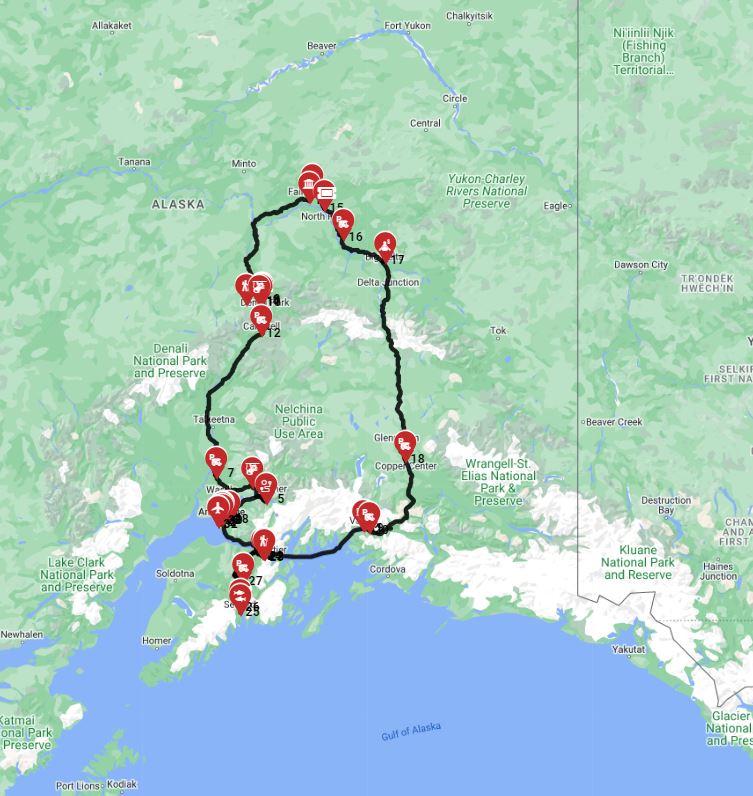
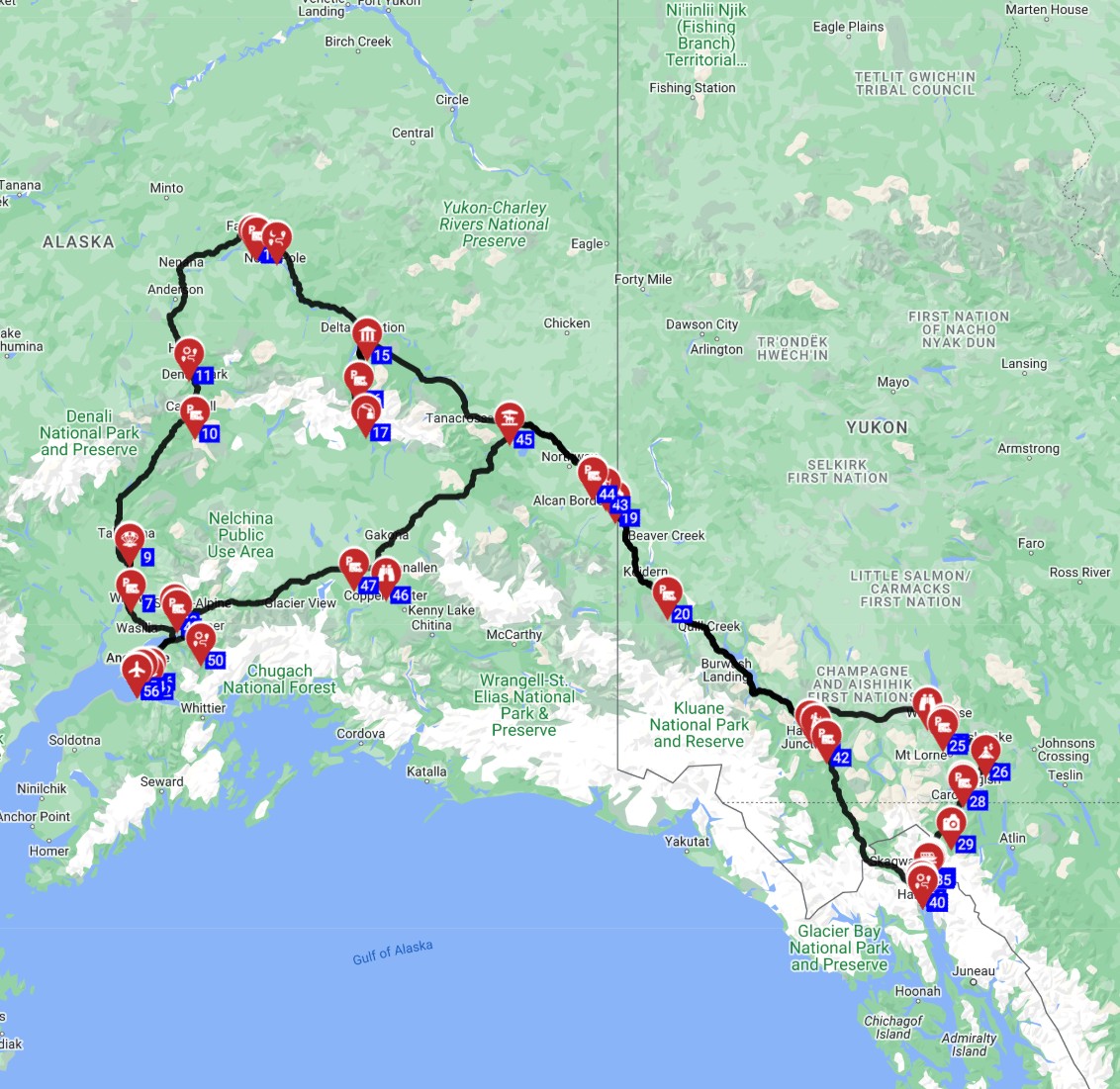
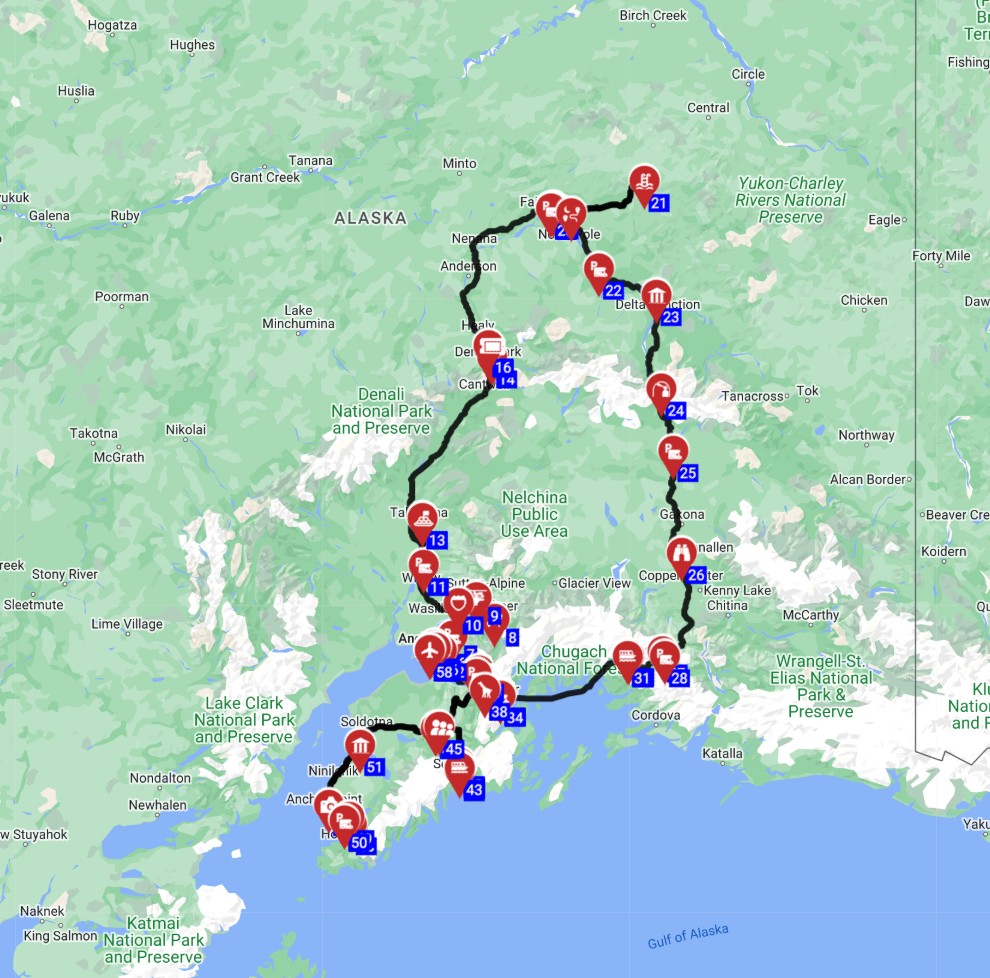
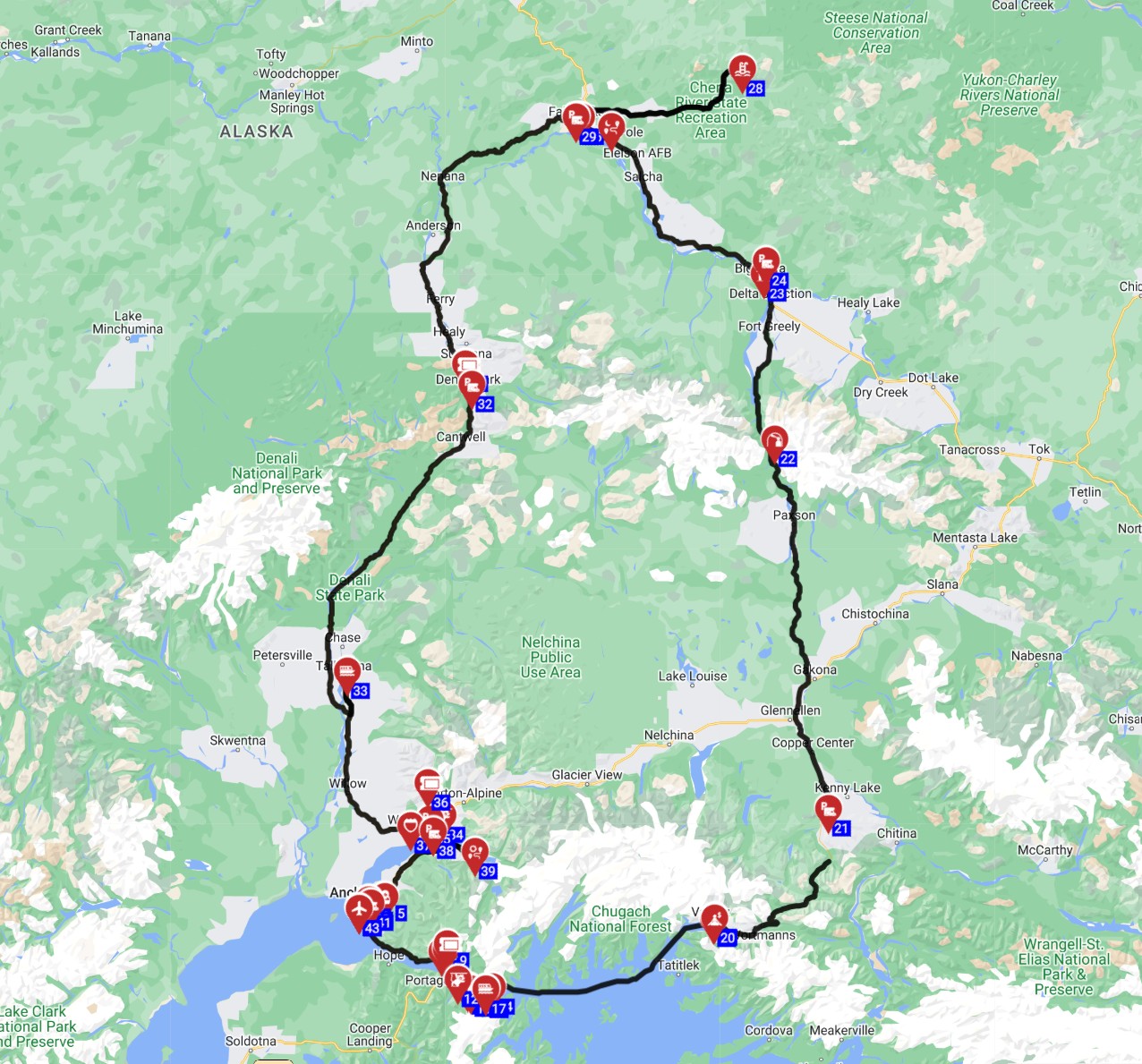
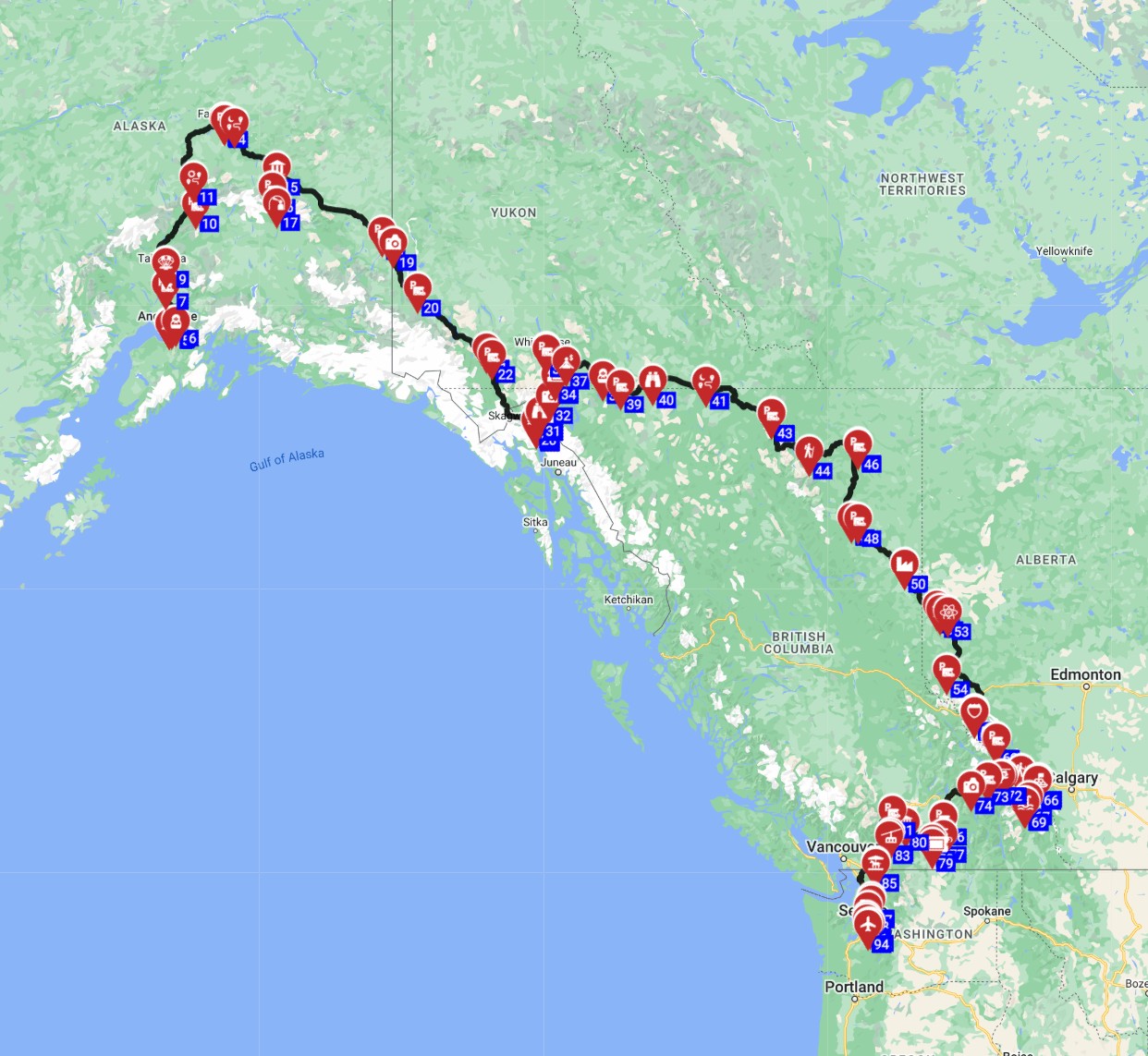
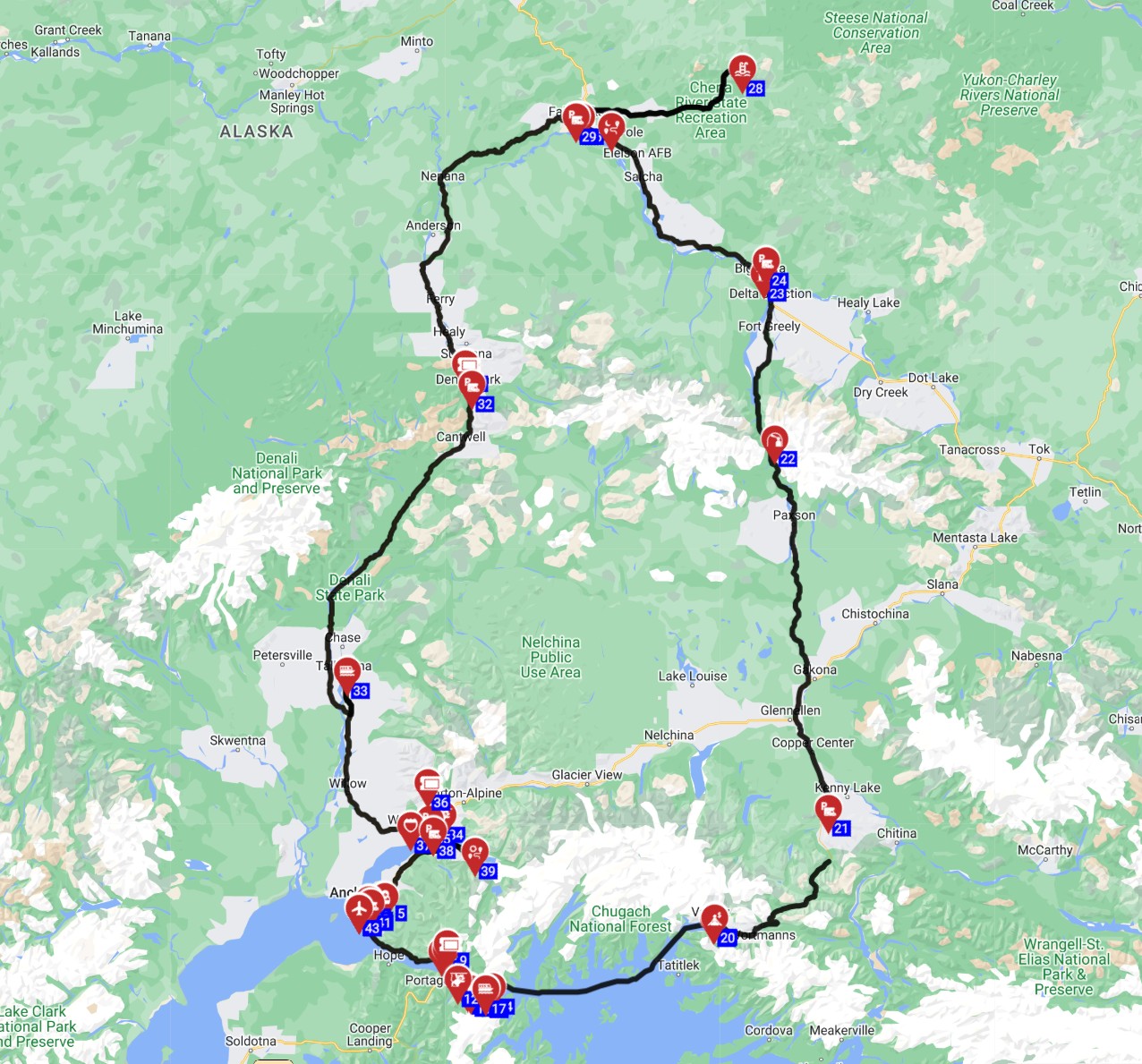
Embark on an unforgettable journey through Alaska with expertly crafted itineraries designed by seasoned professionals. These pre-planned routes from RV PLANET ensure you don't miss any highlights and make planning your adventure simple.
This comprehensive 23-day "
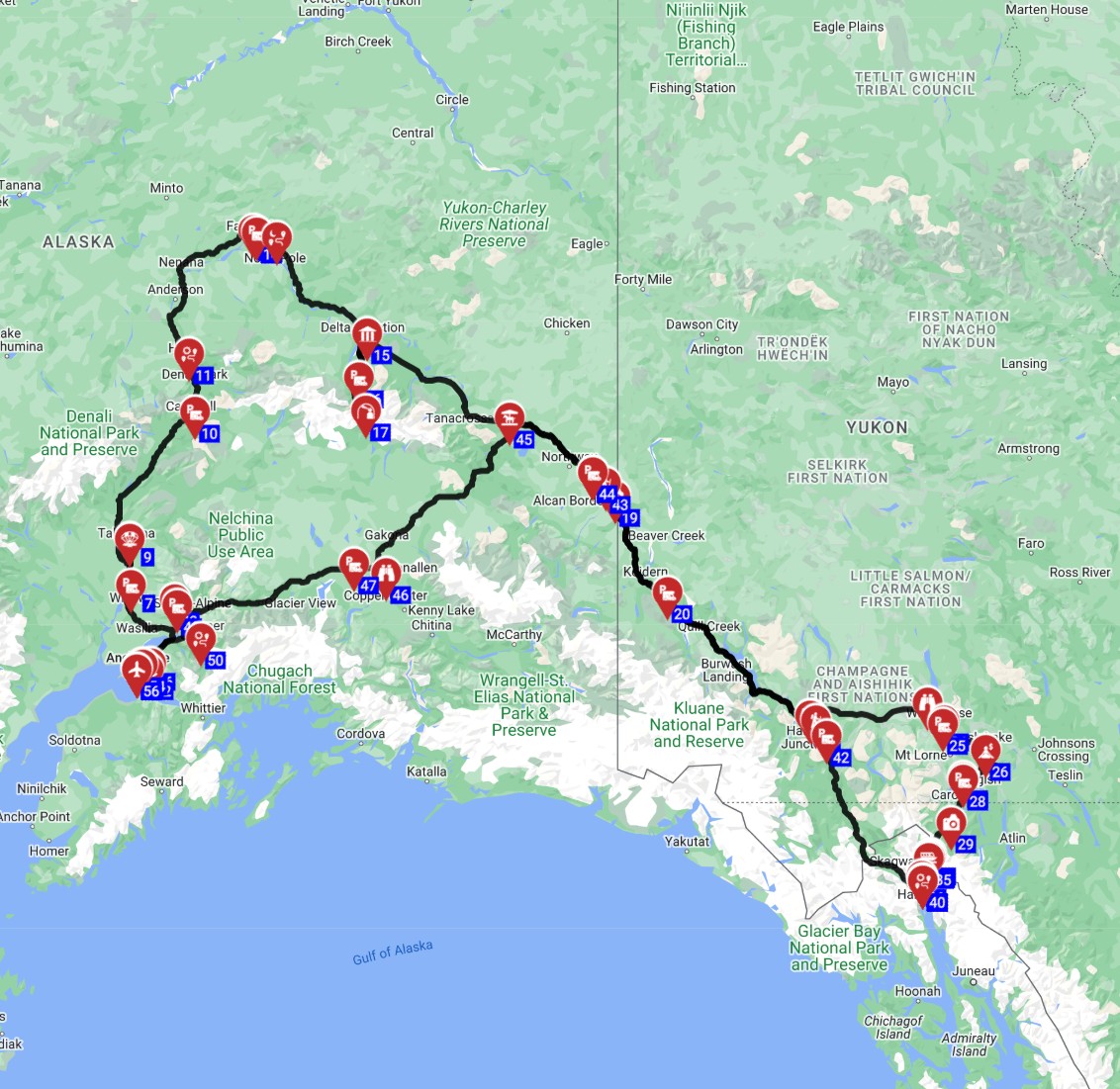
For a slightly shorter but equally captivating experience, the 11-day "
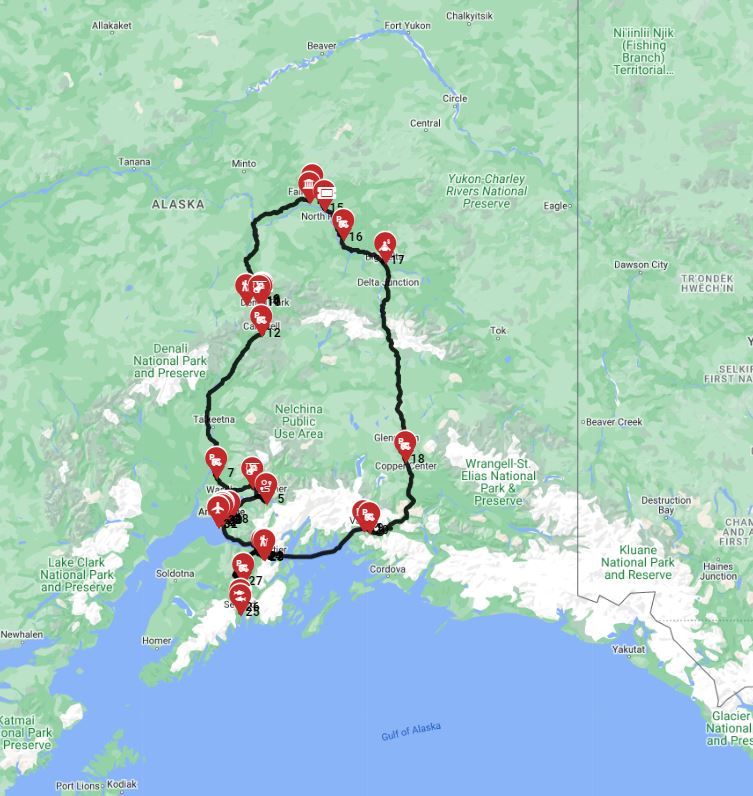
Discover the wild north with the 15-day "
Final Thoughts
An extended RV rental in Alaska offers an unparalleled opportunity to immerse yourself in one of the world's last great wildernesses. Imagine the freedom of setting your own pace, changing your plans on a whim, and waking up to new, awe-inspiring vistas every day. Whether you're a seasoned RVer or embarking on your first motorhome adventure, Alaska promises an unforgettable journey filled with wildlife, majestic scenery, and incredible cultural encounters.
At Bandana RV, we're dedicated to making your Alaskan dreams a reality, providing transparent pricing, a wide selection of vehicles from top suppliers, and expert guidance every step of the way. Remember to embrace the spirit of slow travel, allowing 100-150 km per day on average, to truly connect with the magic of this extraordinary state. Get inspired for your next trip and discover top destinations, planning tips, all in one place!
Ready to chart your course through the Last Frontier? Explore our options and compare motorhome prices for Alaska to start planning your long-term RV rental in Alaska today. Your ultimate adventure awaits!