In This Guide
- The 5 RV Families Compared for Namibia
- Class A (Integrated) - Best For
- Price Comparison by RV Class in Namibia
- Class SI (Semi-Integrated) - Best For
- Class C (Alcove) - Best For
- Class B (Campervan) - Best For
- Class TC (Truck Camper) - Best For
- Side-by-Side Comparison Table
- Our Recommendation for long term rv rental Travelers in Namibia
- How much does it cost to rent an RV in Namibia?
- Is it safe to RV in Namibia?
- What is the best month to RV in Namibia?
- Do you need a 4x4 for Namibia?
- What do you need to RV in Namibia?
- What are the rules for camping in Namibia?
- What is the best way to travel around Namibia?
- How do I plan a self-drive in Namibia?
- Is Namibia solo female travel friendly?
- What You Shouldn't Miss
- Why Book with Bandana Caravan
- Final Thoughts
- Frequently Asked Questions
The 5 RV Families Compared for Namibia
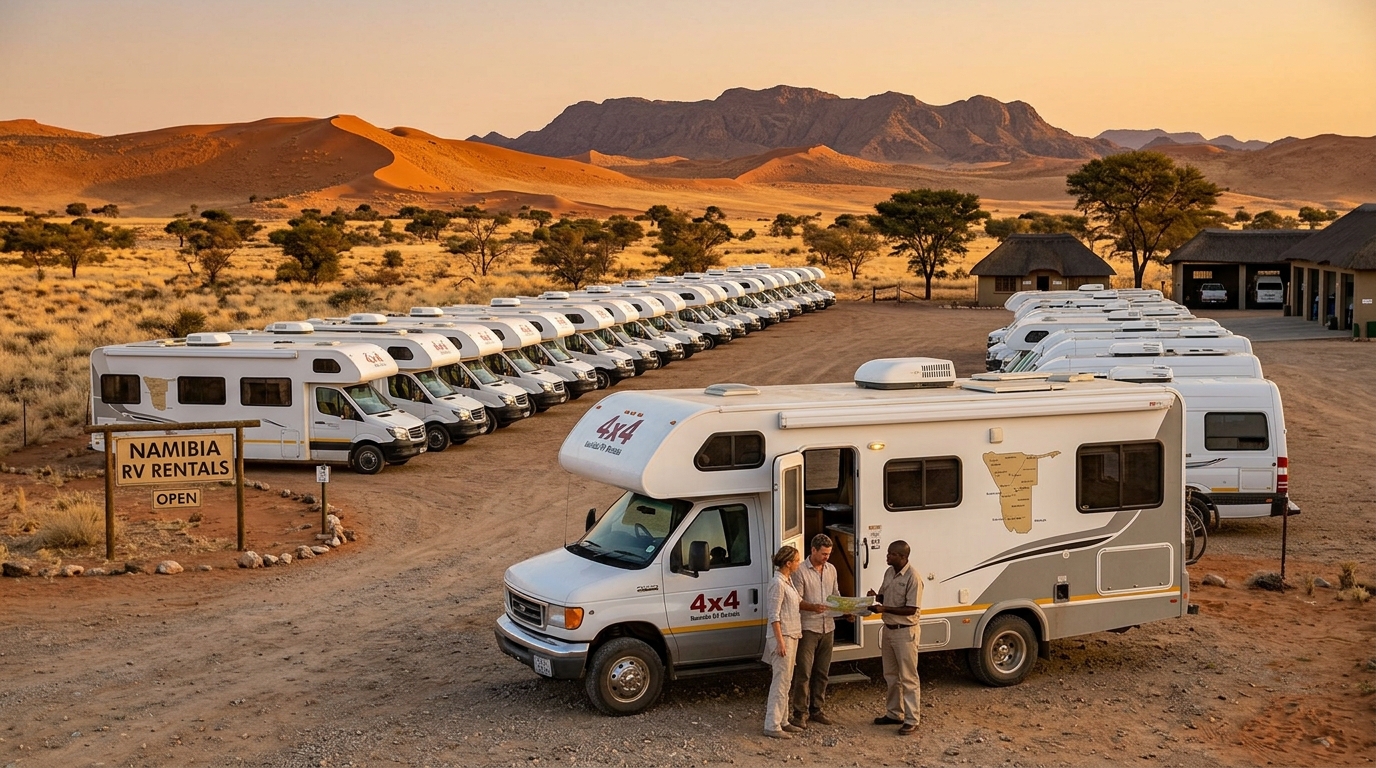
Choosing the right rental RV significantly impacts a long-term Namibia trip due to the country's diverse terrain, climate extremes, and the need for self-sufficiency. Consider key factors like vehicle ruggedness for unpaved gravel roads, fuel efficiency for long distances between towns, and ample living space for extended stays. The right motorhome or campervan ensures comfort, safety, and access to Namibia's remote wonders, allowing you to immerse yourself fully in the experience. For live availability and current prices, start with our RV Rental Namibia - Complete Guide 2026 guide. If you're considering a broader African adventure, our RV Rental Africa - Complete Guide 2026 offers a comprehensive overview of continent-wide options. Many travelers start their Namibian journey by picking up a rented motorhome or campervan in bustling hubs like Windhoek, so exploring a guide like RV Rental Windhoek - Complete Guide 2026 can provide specific city insights.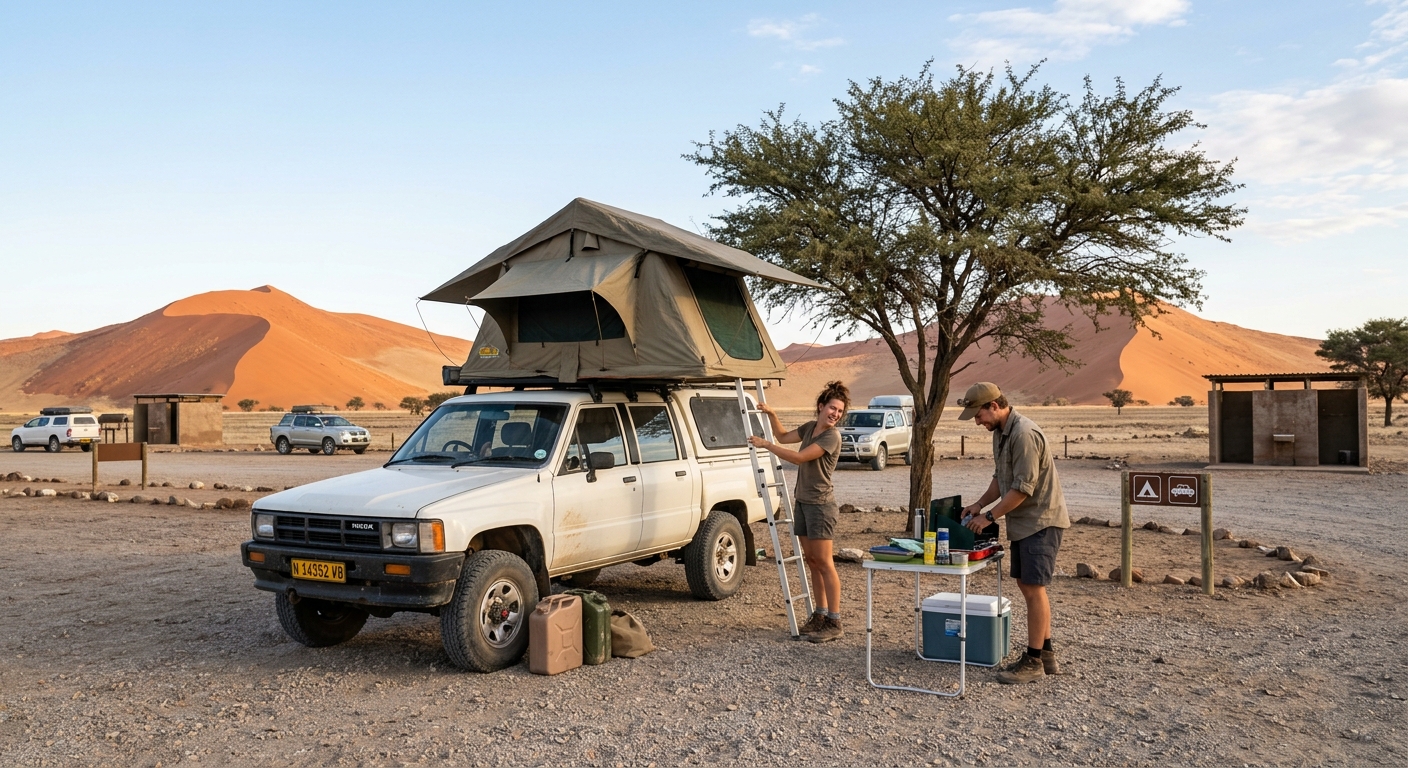
Class A (Integrated) - Best For
Bandana's global fleet of Class A integrated motorhomes typically averages 7.5 meters in length and sleeps 4.4 people, accommodating 4 adults. These vehicles offer unparalleled spaciousness and luxury, often featuring robust amenities like large kitchens and comfortable lounging areas, with an average load capacity of 209.5 kg and a common fuel consumption of 11-12 liters/100 km. Class A motorhomes are best suited for families or groups prioritizing comfort and ample living space on paved or well-maintained gravel roads for longer durations in Namibia. Trade-offs include lower maneuverability on narrow tracks and potentially higher fuel costs, making them more suitable for main routes than deep off-road exploration.Price Comparison by RV Class in Namibia
RV rental pricing in Namibia, like airline tickets, is dynamic and changes daily based on availability, seasonality, and supplier marketing decisions. The prices below are real examples from Bandana's live search for various trip durations and RV classes and are only estimates; for the most current rates, please use the search box at the top of the page. For a more detailed breakdown of costs, you might find our RV Rental in Namibia - Prices and Best Deals 2026 particularly helpful. Additionally, exploring options for a Weekly RV Rental in Namibia - Pricing 2026 can provide insights into shorter, yet still adventurous, trips.Live April Price Comparison — RV Class × Trip Length
| Trip length | Class A | Class B | Class C | Class SI | Class TC |
|---|---|---|---|---|---|
| 1 week 15/04 → 22/04 | Check prices | Check prices | 21,386.00 ZAR | 19,776.00 ZAR | 701.88 € EUR |
| 2 weeks 15/04 → 29/04 | Check prices | Check prices | 40,098.75 ZAR | 37,080.00 ZAR | 1,313.40 € EUR |
| 1 month 01/04 → 30/04 | Check prices | Check prices | 80,197.50 ZAR | 74,160.00 ZAR | 2,545.18 € EUR |
Estimates only — flex-rate prices change daily based on availability and season.
Class SI (Semi-Integrated) - Best For
Globally, Bandana's Class SI semi-integrated motorhomes present a balanced option, averaging 6.9 meters in length, sleeping 3.8 people, and suitable for 3.4 adults. They offer a good compromise between living comfort and maneuverability, with an average load capacity of 72.2 kg and fuel consumption of 10-11 liters/100 km. These motorhomes are ideal for couples or small families seeking comfort and a relatively compact size for navigating Namibia's varied road network on a long-term trip. They typically outperform larger Class A models in accessibility to some campsites and smaller towns, while offering more amenities than basic campervans.Class C (Alcove) - Best For
Bandana's global fleet of Class C alcove motorhomes averages 7.5 meters in length, providing generous sleeping for 5.8 people and accommodating 4.4 adults, largely due to the distinctive over-cab sleeping area. These are highly family-friendly and cost-efficient options, with an average load capacity of 42.4 kg and fuel consumption around 10-12 liters/100 km. Class C motorhomes are best suited for larger families or groups on a long-term rental in Namibia, prioritizing multiple sleeping areas and overall living space while maintaining a more manageable size than Class A. Their robust build is generally well-suited for Namibia's extensive network of gravel roads, making them a practical choice for extended family adventures.Class B (Campervan) - Best For
Globally, Bandana's Class B campervans are compact and agile, averaging 5.8 meters in length, sleeping 3.2 people, and designed for 2.7 adults, with an average load capacity of 37 kg. They boast excellent fuel economy, typically consuming around 10 liters/100 km, making them a budget-friendly option for long-term travel. These campervans are best for adventurous couples or solo travelers who prioritize maneuverability, ease of parking, and fuel efficiency on a long-term RV rental in Namibia. Their smaller footprint allows access to more remote campsites and urban areas where larger RVs might struggle, though living space and amenities are more constrained. For those who enjoy cooking on the go, a campervan kitchen is perfectly adequate, and you can find inspiring meal ideas in our RV-friendly recipes playlist.Class TC (Truck Camper) - Best For
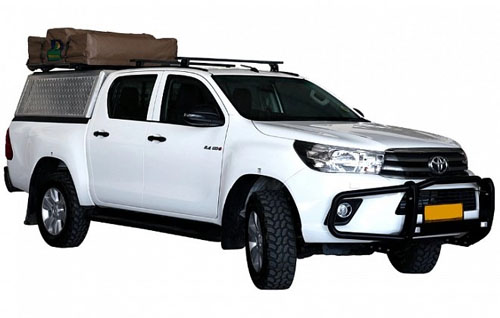
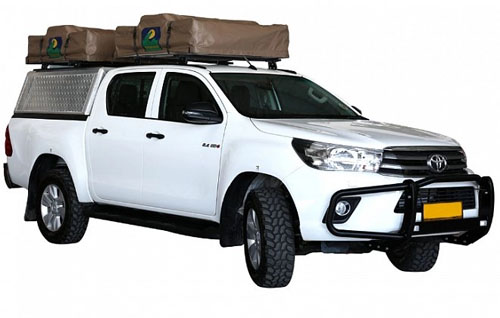
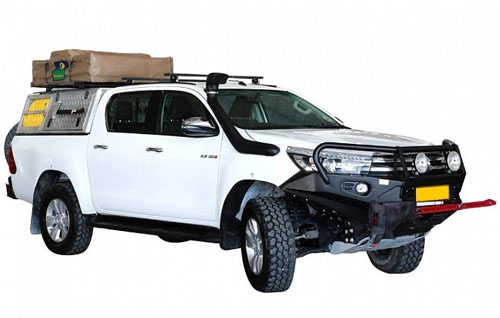
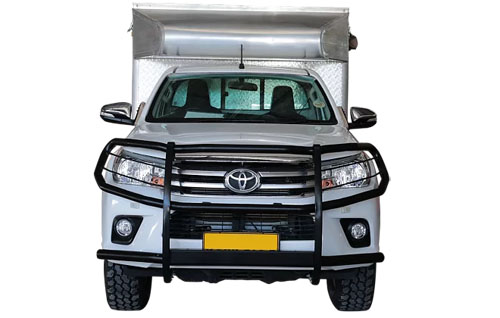
Bandana offers specific `Class TC - Truck Camper` models that integrate a living unit with a robust 4x4 truck chassis, providing an exceptionally capable option for Namibia's unique landscapes. These vehicles, averaging 5.5 meters in length, typically sleep 2.4 people and accommodate 2.1 adults. While the specific load capacity beyond passengers is integrated into their rugged design for remote travel, these units average 12-17 liters/100 km in fuel consumption, reflecting their powerful 4x4 base. Truck campers are ideal for adventurers seeking to explore Namibia's most remote and challenging terrains on a long-term rental, offering the flexibility to tackle deep sand, rocky tracks, and lesser-known routes with unmatched confidence. They are the ultimate choice for true off-the-beaten-path experiences, ensuring that your rented RV can take you to the most incredible corners of the country.Side-by-Side Comparison Table
This table provides a quick overview of key specifications for different RV classes suitable for your long-term adventure in Namibia.| Family | Avg Length (m) | Sleeps | Fuel Use (L/100km) | Best Use Case in Namibia |
|---|---|---|---|---|
| Class A (Integrated) | 7.5 | 4.4 | 11-12 | Luxury, spacious travel on paved roads for families/groups |
| Class SI (Semi-Integrated) | 6.9 | 3.8 | 10-11 | Balanced comfort & maneuverability for couples/small families |
| Class C (Alcove) | 7.5 | 5.8 | 10-12 | Family-focused, cost-efficient travel on main routes |
| Class B (Campervan) | 5.8 | 3.2 | 10 | Agile, fuel-efficient for adventurous couples/solo travelers |
| Class TC (Truck Camper) | 5.5 | 2.4 | 12-17 | Off-grid, remote 4x4 adventures for 2-3 people |
Our Recommendation for long term rv rental Travelers in Namibia
For long-term RV rental travelers in Namibia, our primary recommendation is the **Class TC (Truck Camper)** due to its unparalleled off-road capability and flexibility. Its robust 4x4 chassis allows access to Namibia's most remote and unique destinations, which is crucial for a truly immersive, extended adventure, despite its higher fuel consumption and smaller living space. A strong runner-up is the **Class SI (Semi-Integrated) motorhome**, offering a superior balance of comfort for extended stays and sufficient maneuverability for most major routes and many gravel roads. The Class SI is ideal for couples or small families who desire a comfortable base for long-term travel without sacrificing too much accessibility to less developed areas. Discover how to maximize your journey with our RV Driving Deals in Namibia - Routes and Savings 2026.How much does it cost to rent an RV in Namibia?
The cost to rent an RV in Namibia varies significantly, typically ranging from $70-$200+ per day, based on factors like RV class, rental duration, season, and specific amenities. Long-term rentals generally offer better daily rates than shorter trips. For example, a compact campervan for a month could average around $70-$100 per day, while a larger, more luxurious Class A motorhome might cost $150-$250+ per day for the same period. Booking well in advance, especially for peak seasons (June to October), can help secure more favorable rates. Additional costs to factor into your long-term budget include fuel (which can be substantial over vast distances in Namibia), optional top-level deductible insurance upgrades, campsite fees, and any optional extras like satellite phones or additional equipment. For detailed budgeting and expense tracking on your route, check out RV PLANET routes. For more budget-conscious travel, explore our Cheap RV Rental in Namibia - Budget Guide 2026, or for a premium experience, refer to our Luxury RV Rental in Namibia - Premium Prices 2026.Is it safe to RV in Namibia?
RVing in Namibia is generally considered safe for tourists, provided travelers adhere to specific safety protocols and remain vigilant, especially in remote areas and while interacting with wildlife. Always keep your rented motorhome's doors locked, secure valuables out of sight, and avoid driving at night due to wildlife hazards and poor visibility on unlit roads. When encountering wildlife, maintain a safe distance from animals in national parks, never feed them, and be aware of smaller hazards like snakes and scorpions around campsites. For remote breakdown procedures, carry a satellite phone for emergencies where cell service is non-existent, have emergency contacts saved, and ensure your rental provider offers comprehensive roadside assistance. Utilize designated campsites or secure parking facilities in towns, which often have guards, for secure overnight parking. For personal safety, exercise caution in urban centers, avoid walking alone at night, and be aware of your surroundings at all times.What is the best month to RV in Namibia?
The best months to RV in Namibia are typically during the dry season, from May to October, offering pleasant temperatures, minimal rainfall, and excellent wildlife viewing opportunities due to animals congregating around waterholes. During this period, daytime temperatures are comfortable, averaging 20-25°C, but nights can be cold, especially in the desert regions, requiring appropriate bedding and warm clothing. The shoulder months of April and November also provide good weather and fewer crowds, though temperatures can be higher. It's best to avoid the peak rainy season (January to March) when some gravel roads can become impassable and humidity is high, making travel more challenging and limiting accessibility to certain areas.Do you need a 4x4 for Namibia?
While a 4x4 vehicle is not strictly necessary for all of Namibia's main tarred routes, it is highly recommended for exploring national parks, accessing remote campsites, and venturing off the well-maintained gravel roads, especially for a long-term rental. Key destinations like Sossusvlei often require a 4x4 for the final stretch of sand, and many game viewing loops in Etosha National Park are easier and safer with higher clearance and 4x4 capabilities. For long-term travelers seeking to deeply explore Namibia's diverse landscapes, a 4x4 RV, such as a Class TC (Truck Camper), provides the freedom and security to tackle challenging terrains. If you plan to stick to paved roads and major gravel routes, a 2WD RV like a Class SI or C can suffice, but your exploration will be limited to more accessible areas.What do you need to RV in Namibia?
To RV effectively in Namibia, travelers need a comprehensive packing list tailored for diverse climates, reliable communication tools, health precautions, and basic vehicle maintenance knowledge specific to 4x4 RVs. Your packing list should include light clothing for warm days, warm layers for desert nights (which can drop to near freezing), sturdy closed-toe shoes for hiking, strong sun protection (hat, sunglasses, high-SPF sunscreen), and insect repellent, along with a well-stocked first-aid kit containing remedies for common ailments and emergencies. Pack sufficient bottled water or a reliable water purification system for remote areas, and plan food supplies carefully as grocery stores are sparse outside major towns. For connectivity, a local MTC or TN Mobile SIM card offers the best cell service in populated areas, but Wi-Fi is rare and unreliable in remote regions; a satellite phone is crucial for emergency communication. Consult a doctor about malaria prophylaxis (if visiting northern regions), bilharzia risks near fresh water, and required vaccinations. Familiarize yourself with daily vehicle checks (tires, oil, water), basic roadside repairs (like changing a tire), and fuel/water management strategies for long distances between towns.What are the rules for camping in Namibia?
Camping in Namibia requires adherence to specific rules to preserve its fragile ecosystems and ensure visitor safety, primarily focusing on 'Leave No Trace' principles and responsible waste management. Always pack out all trash, avoid disturbing wildlife or vegetation, and stick to designated campsites. In remote areas without bins, be prepared to carry out all non-organic waste; chemical toilets must be emptied only at approved disposal points. Be mindful of water usage, as it is a precious resource in Namibia's arid environment. Only make fires in designated fire pits and ensure they are completely extinguished before leaving your campsite. For ethical wildlife viewing, never approach, feed, or harass wildlife; maintain respectful distances and use binoculars for observation. It is highly recommended to book campsites in national parks and popular areas well in advance, especially during peak season, as spots can fill up quickly, though many parks also reserve 25-30% of spots for first-come-first-serve arrivals. You'll find a spot; if not at the first campground, then the next one. Just remember to call ahead before driving.What is the best way to travel around Namibia?
For independent exploration and flexibility, particularly for long-term trips, RV travel is widely considered the best way to experience Namibia, offering freedom to roam and self-sufficiency. Renting a motorhome or campervan allows you to customize your itinerary at your own pace, linger longer in favorite spots like the Skeleton Coast, and access many remote areas that organized tours might miss. A rented RV provides the unique advantage of combining accommodation and transport, reducing the hassle of daily hotel changes and allowing you to wake up to breathtaking desert sunrises. Other options include organized guided tours (less flexible but stress-free) or flying between major destinations (expensive and limits spontaneous exploration of the vast landscapes). Slow travel is key in Namibia; aim for a maximum of 100-150 km per day on average to truly take time to feel the place, connect to the culture, the food, and the scenery.How do I plan a self-drive in Namibia?
Planning a self-drive RV trip in Namibia requires meticulous attention to itinerary, route selection (including lesser-known paths), understanding cultural nuances, and logistical preparedness for remote travel. Balance popular attractions like Sossusvlei, Etosha, and Fish River Canyon with 'off-the-beaten-path' experiences, such as the Caprivi Strip, Damaraland, or lesser-known corners of the wild Skeleton Coast, leveraging deep local knowledge where possible. Research road conditions thoroughly, allocate ample travel time for gravel roads (which average 60-80 km/h), and always carry detailed physical maps alongside your GPS. Learn basic phrases (e.g., 'Moro' for hello in Afrikaans), ask for permission before photographing people, and support local economies by purchasing crafts and visiting small businesses, which are aspects of positive cultural etiquette. For logistics, book campsites, especially in national parks, months in advance; plan fuel stops carefully as distances between towns can be vast; and carry extra water, food, and spare tires. Consider specific advice for different demographics, such as child-friendly activities and safety tips for RVing with children, or community engagement and safety awareness for solo female travelers. You can plan a trip itinerary in advance with minimal effort and maximum enjoyment by using RV PLANET.Is Namibia solo female travel friendly?
Namibia is generally considered a safe and welcoming destination for solo female travelers, particularly when undertaking an RV trip, but vigilance and adherence to safety guidelines are always recommended. The low population density and reliance on tourism mean that solo female travelers often find a supportive community among other travelers and tourism staff at campsites and lodges. For safety, stick to well-trafficked routes, inform someone of your itinerary, avoid walking alone at night in urban centers like Windhoek or Swakopmund, and always keep your rented RV locked, especially overnight. Engaging with other travelers at campsites can provide a sense of security and companionship. RVing offers solo females independence and the ability to control their environment and itinerary. For older travelers, prioritizing RVs with easier access, comfortable beds, and sufficient space is important, along with having health information regarding remote medical access readily available.🎬 Video coming soon
What You Shouldn't Miss
Namibia offers truly unique experiences that are perfect for exploration with a rented motorhome or campervan.- **Explore Sossusvlei's towering red dunes**: Witness the iconic Deadvlei and climb Dune 45 for an unforgettable sunrise, a highlight of any RV adventure in Namibia.
- **Experience the wildlife of Etosha National Park**: Drive your RV through this vast park, stopping at waterholes to observe elephants, rhinos, lions, and diverse birdlife in their natural habitat.
- **Discover the ancient rock art of Twyfelfontein**: Explore this UNESCO World Heritage site in Damaraland, home to thousands of Stone Age rock engravings and paintings.
- **Visit the coastal charm of Swakopmund**: Enjoy the blend of German colonial architecture and desert landscapes, with opportunities for quad biking, sandboarding, and dolphin cruises.
- **Marvel at the Fish River Canyon**: Drive to various viewpoints along the edge of Africa's largest canyon for breathtaking vistas, with nearby RV-friendly campsites to enjoy the stark beauty.
Final Thoughts
Embarking on a long-term RV rental adventure in Namibia is an experience unlike any other, offering unparalleled freedom and immersion in one of Africa's most stunning countries. From the vastness of the Namib Desert to the rich wildlife of Etosha, a rented motorhome or campervan becomes your mobile home, allowing you to tailor your journey, connect with nature, and create lasting memories at your own pace. With Bandana Caravan, you're choosing a partner committed to full transparency, expert support, and peace of mind throughout your booking process. We’re passionate about helping you discover the magic of RV travel. Don't just dream of the open road; make it a reality. We handle the details, you live the journey. Discover top destinations, planning tips, all in one place! Plan a trip itinerary in advance with minimal effort and maximum enjoyment.Compare Long-Term RV Rental Prices for Namibia
On the routes offered through RV PLANET routes, you can itemize and track every expense along the way for easy budgeting.