In This Guide
- The 5 RV Families Compared for Greece
- Class A (Integrated) - Best For
- Price Comparison by RV Class in Greece
- Class SI (Semi-Integrated) - Best For
- Class C (Alcove) - Best For
- Class B (Campervan) - Best For
- Class TC (Truck Camper) - Best For
- Side-by-Side Comparison of RV Classes
- Our Recommendation for long term rv rental Travelers in Greece
- What is the detailed cost breakdown for RV travel in Greece including rental costs fuel campsites and especially ferry prices for different vehicle types and routes?
- How to navigate the Greek ferry system with an RV or campervan covering booking vehicle specifications pricing and specific island accessibility?
- What is the specific advice on road conditions vehicle suitability and whether a 4x4 is truly necessary for different regions?
- What is the nuanced information on wild camping legality and safety including regional variations in enforcement and best practices for responsible wild camping?
- A direct comparison of RV travel with other modes of transport in Greece highlighting the unique advantages and disadvantages for specific traveler types and experiences
- What are practical safety tips for driving a motorhome in Greece including local driving customs navigating narrow roads and emergency preparedness?
- What are specific seasonal considerations for RV travel such as ferry schedule changes weather impacts and crowd levels in different months?
- What You Shouldn't Miss
- Why Book with Bandana Caravan
- Final Thoughts
- Frequently Asked Questions
Imagine waking up to the gentle lapping of Aegean waves outside your window, or having your morning coffee with a panoramic view of an ancient ruin, all from the comfort of your own mobile home. A long-term RV rental in Greece opens up an incredible world of flexible exploration, allowing you to truly immerse yourself in the country's rich history, stunning landscapes, and vibrant culture at your own pace. With Bandana Caravan, we've been helping tens of thousands of travelers discover the freedom of the open road since 2001, and Greece is one of our most beloved destinations. For live availability and current prices, start with our RV Rental Greece - Complete Guide 2026 guide.
The 5 RV Families Compared for Greece
Choosing the right RV family for your long-term trip in Greece is crucial for a successful and enjoyable adventure, directly impacting your comfort and maneuverability on diverse Greek terrain. Factors like the country's winding coastal roads, mountainous regions, and the specifics of island travel make vehicle selection paramount for extended durations. Bandana Caravan, as true RV specialists and not just a travel agency side department, understands these nuances and partners with over 50 leading RV suppliers worldwide, including trusted names like Apollo, to offer a diverse fleet that caters to every traveler's needs and preferences. Our comprehensive range ensures you find the perfect match for your group size, budget, and desired level of comfort as you embark on your Greek odyssey. Whether you're planning a grand tour or a focused exploration, selecting an RV that comfortably accommodates your group and navigates Greece's varied infrastructure is key. For more on planning your European adventure, refer to our RV Rental Europe - Complete Guide 2026.
Class A (Integrated) - Best For
Class A motorhomes, also known as integrated motorhomes, offer the most spacious and luxurious travel experience, making them ideal for those seeking maximum comfort on longer durations in Greece. These vehicles typically measure around 7.5 meters long, with some models like the `Family Sleeper (MA)` offering generous space and amenities, comfortably sleeping 4-5 people. While they provide extensive living areas, full kitchens, and often multiple sleeping zones, their larger size can present challenges on Greece's narrower, winding roads and in older village centers. Fuel consumption for a Class A motorhome averages 11-12 liters per 100 km, and their higher load capacity (approx. 209.5 kg) is beneficial for extended trips requiring more supplies. Ferry costs for these larger vehicles can also be considerably higher due to their dimensions. Travelers prioritizing ample space and luxury for an extended, slower-paced journey across the mainland, or those planning fewer island hops, will find Class A a suitable choice. For a deeper dive into premium options, check out Luxury RV Rental in Greece - Premium Prices 2026.
Price Comparison by RV Class in Greece
RV rental prices in Greece are dynamic, changing daily based on availability, seasonality, and supplier marketing decisions, with significant variations across different RV classes and rental durations. Long-term rentals, typically one month or more, often benefit from better daily rates compared to shorter trips, making them more cost-effective overall. For example, a compact campervan might start from €80 per day during the shoulder season, while a large Class A motorhome could be €250+ per day in peak summer. The final price for your rented RV is always set at the actual booking time, reflecting current demand. When budgeting for your journey, consider that ancillary costs like fuel, campsite fees, and especially ferry prices will also factor into your total trip expenses. With RV PLANET routes, travelers can itemize and track every expense along the way for easy budgeting. For a comprehensive overview of costs and deals, explore RV Rental in Greece - Prices and Best Deals 2026. On the routes offered through RV PLANET routes, you can itemize and track every expense along the way for easy budgeting.
Class SI (Semi-Integrated) - Best For
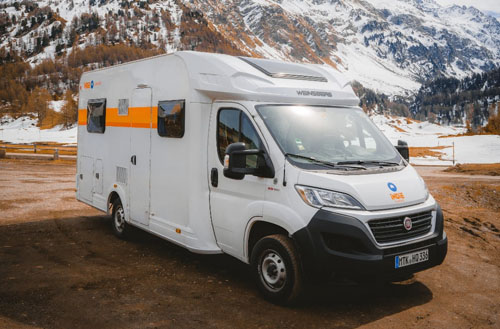
Class SI, or semi-integrated motorhomes, offer a balanced choice for travelers seeking both comfort and maneuverability during a long-term trip in Greece. These vehicles typically have an average length of 6.9 meters and sleep 3-4 people, making them suitable for couples or small families on extended adventures. Models such as the `2 Berth Tamar` or `Active Compact Select` feature amenities like automatic transmission, front air conditioning, shower, and toilet, providing a comfortable home on wheels. Their more compact size compared to Class A models makes them significantly more manageable on Greece's winding coastal roads and through charming, but often narrow, village streets. Fuel consumption for a semi-integrated motorhome is typically 10-11 liters per 100 km, offering good efficiency for covering longer distances across the Greek mainland. This class provides a great blend of interior space and practical dimensions for navigating the diverse Greek landscape.
Class C (Alcove) - Best For
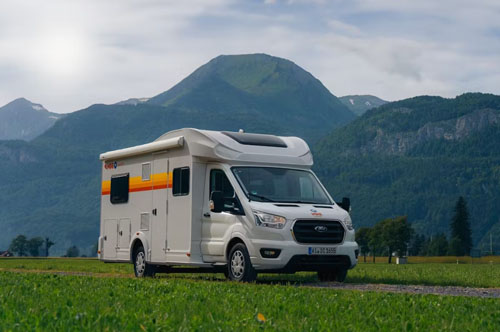
Class C motorhomes, identifiable by their distinctive sleeping area extending over the cab, are an ideal choice for families due to their generous sleeping capacity, typically accommodating 5-6 people. With an average length of 7.5 meters, similar to Class A models, they often present a more budget-friendly option without sacrificing essential amenities. A model like the `24' Class C Motorhome` (approximately 7.46 meters long) offers sleeping for up to 5 with an oven, gas stove, 283-liter refrigerator, microwave, and shower, making it a fully self-contained home. Fuel consumption for Class C motorhomes generally ranges from 10-12 liters per 100 km, providing reasonable efficiency for extended travel. These vehicles are well-suited for long trips across the Greek mainland, offering ample space for larger groups. While they provide comfortable living, their size can still be substantial for navigating very small island village roads. For budget-conscious family travel, consider a Cheap RV Rental in Greece - Budget Guide 2026.
Class B (Campervan) - Best For
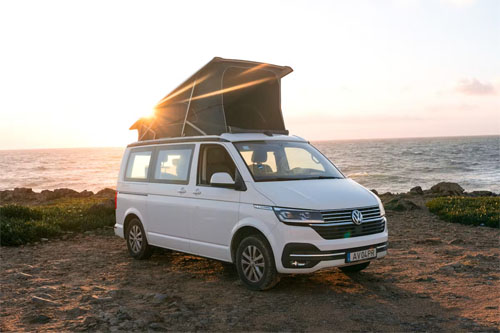
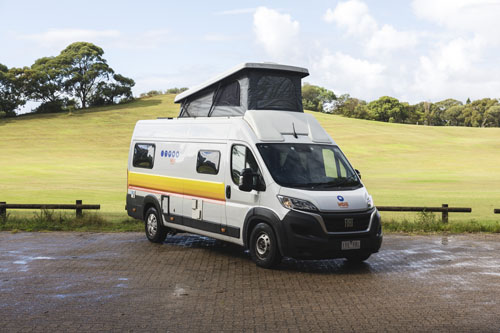
Class B campervans are celebrated for their excellent maneuverability, feeling much like driving a large car, which is a significant advantage for exploring Greece's intricate road network. These compact vehicles average 5.8 meters long and typically sleep 2-3 people, making them perfect for adventurous couples or solo travelers on long-term trips. Models like the `2 Berth Hi Top` offer features such as automatic transmission, front air conditioning, and often a small kitchen area (sink, refrigerator, stove), some even including a shower and toilet. Their fuel consumption is efficient, typically around 10 liters per 100 km. This makes them highly practical for navigating narrow village streets, securing parking in bustling towns, and easily fitting onto smaller, more frequent ferry routes to explore various Greek islands. If agility and ease of movement are your top priorities for a long-term RV rental in Greece, a Class B campervan is an outstanding choice. For more details on renting different types of RVs, including campervans, see RV Rental in Greece - Prices and Best Deals 2026.
Class TC (Truck Camper) - Best For
Class TC, or Truck Campers, provide exceptional off-grid capability and flexibility, making them best suited for adventurous travelers looking to explore Greece's more remote and rugged terrain. These units are designed to be mounted onto the bed of a pickup truck, forming a self-contained motorhome that combines the comfort of an RV with the robust capability of a 4x4 vehicle. A typical `Patagonia Camper 4x4 double cab` unit, for instance, might be around 5.5 meters long, offering comfortable sleeping for 2 people. Their average fuel consumption can be higher, ranging from 12-17 liters per 100 km, due to the 4x4 base. The key advantage of a truck camper is its ability to access unpaved tracks, secluded beaches, and challenging mountain trails that standard motorhomes cannot reach. This vehicle type provides the unique freedom to detach the camper unit at a base camp and explore the surrounding areas with just the truck, a significant benefit for truly immersing yourself in Greece's wilder side.
Side-by-Side Comparison of RV Classes
When selecting a long-term RV rental in Greece, understanding the distinctions between motorhome classes is vital for matching your vehicle to your travel style. Class A motorhomes prioritize luxury and space, typically around 7.5 meters long and sleeping 4-5, ideal for those who prefer comfort and stationary stays at larger campgrounds. Class SI (semi-integrated) models, averaging 6.9 meters and sleeping 3-4, strike a balance between living space and manageable size, making them versatile for exploring both highways and winding country roads. Class C (alcove) motorhomes, often 7.5 meters long and sleeping 5-6, are family favorites, providing ample sleeping areas at a generally more economical price point. For maximum agility on narrow village streets and frequent island hopping, Class B campervans (around 5.8 meters, sleeping 2-3) are unmatched for their car-like handling. Lastly, Class TC (truck campers), typically 5.5 meters and sleeping 2, offer unparalleled access to remote, unpaved areas due to their 4x4 capability, perfect for the intrepid explorer. Each class offers unique advantages in terms of size, capacity, and fuel efficiency, directly influencing your experience of Greece's diverse landscapes.
Our Recommendation for long term rv rental Travelers in Greece
For most long-term RV rental travelers in Greece, a Class SI (semi-integrated) motorhome is generally our top recommendation due to its optimal balance of comfort, amenities, and maneuverability. These vehicles, often around 6.9 meters long, offer enough living space for couples or small families, including a kitchen and bathroom, without being overly cumbersome on Greece's varied roads. They are more agile than larger Class A or C models, making navigation through towns and winding coastal routes significantly easier. Alternatively, the Class B (campervan) is a strong runner-up, particularly for those prioritizing maximum agility, budget-friendly fuel consumption (around 10 L/100km), and frequent island hopping. While smaller, a campervan, typically around 5.8 meters long, truly excels at fitting into tight parking spots and navigating narrow village streets. No matter the vehicle, always remember: drive slowly and carefully, and you can drive almost anywhere without issues. No need to stress - just use common sense and pay attention. Your choice will depend on your group size and how much emphasis you place on spacious living versus agile exploration.
What is the detailed cost breakdown for RV travel in Greece including rental costs fuel campsites and especially ferry prices for different vehicle types and routes?
The total cost of a long-term RV trip in Greece encompasses several dynamic elements beyond the initial rental fee, which typically decreases on a per-day basis for longer rental periods. RV rental fees can range from approximately €80 per day for a compact Class B campervan to over €250 per day for a luxurious Class A motorhome, heavily influenced by seasonality and booking lead time. Fuel costs are a significant variable; a Class A motorhome consumes around 11-12 liters per 100 km, a Class SI 10-11 liters per 100 km, and a Class B campervan about 10 liters per 100 km. Campsite fees in Greece generally range from €15 to €40 per night for a powered pitch, varying by location, season, and facilities. However, ferry prices are arguably the most impactful variable for RV travelers looking to explore Greece's islands. These costs are calculated based on your RV's exact length and height, along with the route and season. A 7-meter Class C motorhome can expect to pay €100-€200 for a one-way trip on popular routes like Piraeus to Crete or Rhodes, excluding per-person passenger tickets. Longer vehicles incur substantially higher ferry fees, so factor this into your itinerary and budget. For managing all these expenses, RV PLANET routes allow you to itemize and track every cost along your journey.
How to navigate the Greek ferry system with an RV or campervan covering booking vehicle specifications pricing and specific island accessibility?
Navigating the Greek ferry system with an RV or campervan requires careful planning and precise information to ensure a smooth journey. It is essential to book ferry tickets for your rented RV or campervan well in advance, especially if you are traveling during peak season (July-August) or planning popular routes to islands like Crete, Rhodes, or Corfu. When booking, accurately provide your RV's total length and height, including any roof-mounted accessories like air conditioning units or bike racks, as these dimensions are critical for correct pricing and ensuring adequate space on the car deck. Ferry pricing for RVs is volume-based; larger vehicles, such as Class A or C motorhomes, will incur significantly higher costs than smaller, more agile campervans (Class B). Not all Greek islands or ports are equipped to accommodate larger RVs, and some smaller islands may have limited ferry services or outright restrictions on vehicle size and type. Always research specific island accessibility and port limitations before finalizing your itinerary, and consider contacting the ferry companies directly for complex routes. One-way RV rentals from major hubs like Athens to Thessaloniki are available with most suppliers, but a drop-off fee will typically apply, which can range from €200 to €500 depending on distance and supplier.
What is the specific advice on road conditions vehicle suitability and whether a 4x4 is truly necessary for different regions?
Greece offers a diverse range of road conditions, from well-maintained modern highways to winding mountain roads and incredibly narrow village streets, influencing vehicle suitability for your long-term RV rental. Standard motorhomes across Classes B, SI, and C are perfectly suitable for traversing major highways and paved routes across mainland Greece and to most popular destinations. However, larger RVs like Class A or longer Class C models (e.g., a "32' Class C Motorhome") can be challenging on very narrow, steep, or tightly winding local roads, especially in older town centers, mountainous regions, or accessing certain secluded beaches. Drive slowly and carefully, and you can drive almost anywhere without issues. No need to stress - just use common sense and pay attention. A 4x4 RV, such as a Class TC (Truck Camper), is generally not necessary for main tourist routes or popular destinations. For example, a `Patagonia Camper 4x4 double cab` is excellent for off-pavement adventures, but most travelers won't need its capabilities. A 4x4 becomes truly necessary only if your itinerary includes venturing onto unpaved tracks, remote forest roads, very challenging mountain trails, or secluded beaches, which are typically inaccessible to standard two-wheel-drive motorhomes. For a conventional tour, prioritize maneuverability over extreme off-road capability.
What is the nuanced information on wild camping legality and safety including regional variations in enforcement and best practices for responsible wild camping?
Wild camping, often referred to as free camping, is technically prohibited by law in Greece outside of designated campgrounds, with potential fines ranging from €150 to €300 for violations. However, the enforcement of this law varies significantly across regions and seasons, creating a nuanced situation where it's often unofficially tolerated in remote, non-touristy areas. You might find more leniency in the less developed parts of the Peloponnese or northern Greece, while popular tourist islands and coastal areas with many organized campsites tend to have stricter enforcement. Best practices for responsible wild camping in Greece include always seeking permission from landowners if applicable, parking discreetly away from crowded areas and private property, and arriving late to leave early to minimize visibility. Crucially, adhere strictly to a 'leave no trace' policy, ensuring no rubbish, waste (including grey and black water), or signs of your presence are left behind. Prioritize safety by choosing well-lit, visible spots, avoiding isolated or suspicious areas at night, and always asking locals for advice on permissible or safe areas. While we don't assist with campsite finding during your trip, for locating available spots, we recommend using RV PLANET (rvplan.net) - a great resource for locating available spots along your route.
A direct comparison of RV travel with other modes of transport in Greece highlighting the unique advantages and disadvantages for specific traveler types and experiences
RV travel in Greece offers a unique blend of freedom and convenience that often surpasses other modes of transport, particularly for longer trips and specific traveler types. Compared to relying on public transport (buses, trains, local ferries), a rented motorhome provides unparalleled flexibility, allowing you to deviate from fixed routes, discover hidden gems, and linger longer in places you love. Unlike car rental combined with hotels, an RV serves as a mobile headquarters, eliminating daily packing and unpacking, and saving significantly on lodging costs over a long term. Having your own kitchen on board also allows for preparing your own meals, which can be a substantial saving compared to dining out every day, and offers a chance to experiment with local ingredients from Greek markets. Check out our RV-friendly recipes playlist for inspiration. The primary disadvantages are the higher upfront rental cost of the RV itself and the potential driving challenges on Greece's narrower roads, plus the complexity and expense of the ferry system for larger vehicles. However, for independent, adventurous travelers, families with children seeking a self-contained experience, or friend groups wanting to customize their Greek odyssey away from typical tourist hubs, a rented RV offers an unmatched level of personal freedom and discovery.
What are practical safety tips for driving a motorhome in Greece including local driving customs navigating narrow roads and emergency preparedness?
Driving a rented motorhome in Greece requires practical safety awareness, including understanding local customs and preparing for various road conditions. First, acclimate to local driving customs: Greek drivers often use hazard lights to indicate slowing down on highways or briefly stopping on the side of the road, and it's common for slower vehicles to pull onto the hard shoulder to let faster traffic pass. When navigating Greece's famous narrow roads, particularly in old towns or mountain villages, plan your routes carefully to avoid very tight spots; using a co-pilot for guidance on turns and backing up can be invaluable. Drive slowly and carefully, and you can drive almost anywhere without issues. No need to stress - just use common sense and pay attention. Ensure emergency preparedness by always carrying a reflective vest and a warning triangle (mandatory in Greece for all vehicles), having readily accessible roadside assistance contact information, and possessing a basic vehicle toolkit. Be highly mindful of scooters and motorcycles, which are ubiquitous and may weave through traffic or appear unexpectedly, especially in urban areas like Athens or Thessaloniki. For visitors from non-English speaking countries, an International Driving Permit (IDP) is recommended but not mandatory, and a standard car driver's license is sufficient for all motorhome classes.
What are specific seasonal considerations for RV travel such as ferry schedule changes weather impacts and crowd levels in different months?
Seasonal considerations significantly impact RV travel planning for a long-term trip in Greece, particularly concerning ferry schedules, weather, and crowd levels. Ferry schedules undergo considerable changes outside of the peak summer season (July-August), with reduced frequency and fewer routes available during spring, autumn, and especially winter months, which can greatly impact island hopping plans. Weather conditions vary across the year: summers (June-August) are typically very hot and dry, with temperatures often exceeding 30°C, while winters (December-February) are cooler and bring more rainfall, particularly in mountainous and western regions. Snow is common in the higher elevations. Crowd levels are highest in July and August, leading to peak prices for RV rentals, campsites, and ferries, as well as longer queues and limited availability. The shoulder seasons of April-May and September-October offer the most ideal conditions for long-term RV travel in Greece, with milder weather, fewer tourists, and generally better prices. To make the most of these considerations, our Rent&Plan service offers pre-planned routes by professionals, and you can enjoy a 25% planning discount by utilizing rvplan.net for your itinerary. Consider booking 2-3 months ahead for shoulder season travel and even earlier for peak summer.
What You Shouldn't Miss
- Explore the Ancient Wonders of Athens: Park your motorhome on the outskirts of Athens and use public transport to explore iconic sites like the Acropolis, Parthenon, and the Ancient Agora.
- Island Hop the Cyclades: Take a ferry (booking your RV's spot in advance!) to picturesque islands like Paros, Naxos, or Milos for stunning beaches and charming villages. Remember, smaller campervans are often easier for island roads.
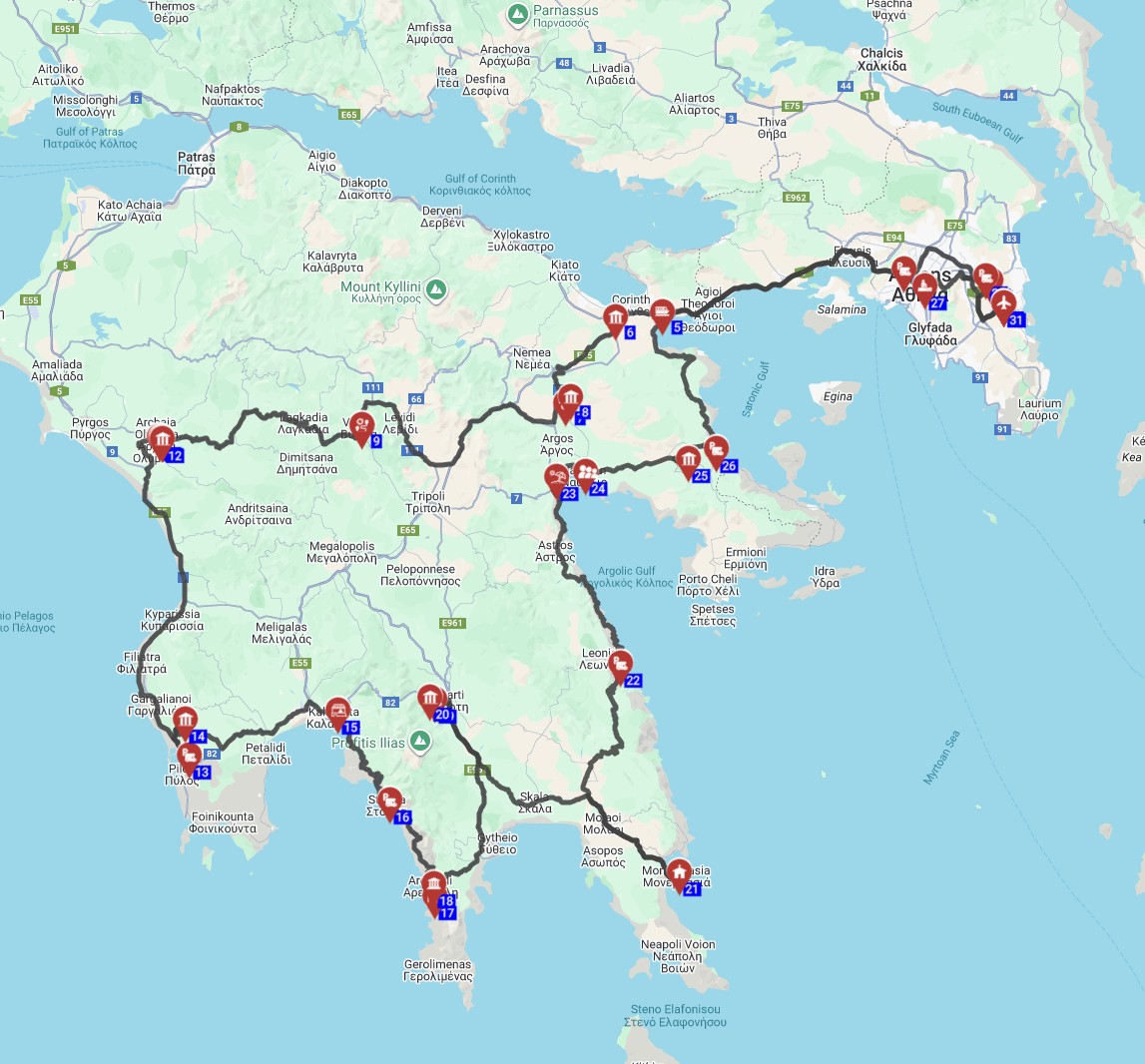
- Drive the Peloponnese Coastline: Discover ancient Olympia, the Byzantine city of Mystras, and the dramatic Mani Peninsula, taking advantage of the region's diverse landscapes.
- Hike the Samaria Gorge in Crete: If your long-term RV rental takes you to Crete, dedicate a day to this magnificent national park, Europe's longest gorge, but plan your return transport.
- Indulge in Greek Gastronomy: Use your RV's kitchen to cook up fresh local produce and seafood from markets, or savor traditional taverna meals in charming villages.
- Looking for expert insights from Avi Bandana? Top 5 Adventures - recommendations from Avi Bandana.
Final Thoughts
Embarking on a long-term RV rental in Greece is more than just a vacation; it's an opportunity to deeply connect with a country renowned for its breathtaking beauty and ancient history. Whether you choose the agile Class B campervan for island hopping or a spacious Class SI motorhome for mainland exploration, the freedom of your own mobile home allows for spontaneous discoveries and authentic experiences. Remember that planning, especially for ferry travel and understanding local driving nuances, will pave the way for a truly unforgettable journey.
At Bandana Caravan, we are with you every step of the way, from comparing final prices across suppliers to providing personalized service until your booking is confirmed. We handle the details, you live the journey. Get inspired for your next trip and discover top destinations, planning tips, all in one place!
Ready to discover the magic of Greece on an extended road trip? Compare Long-Term Motorhome Prices for Greece and start planning your adventure today!