In This Guide
- What are the benefits of a long-term RV rental in Alaska for a month or more?
- How do I estimate the total cost of a monthly RV rental in Alaska?
- What RV types are best for extended stays in Alaska and what features are essential?
- Which suppliers offer reliable long-term RV rentals in Alaska?
- What are Alaska's road conditions and driving challenges for RVs on extended trips?
- How do I plan a monthly RV itinerary in Alaska?
- What are the best practices for camping and boondocking in Alaska for a month-long trip?
- What unique challenges and tips are there for navigating remote Alaska with a rented RV?
- What insurance and roadside assistance should I consider for an extended Alaska RV trip?
- What are the best booking strategies for monthly RV rentals in Alaska?
What are the benefits of a long-term RV rental in Alaska for a month or more?
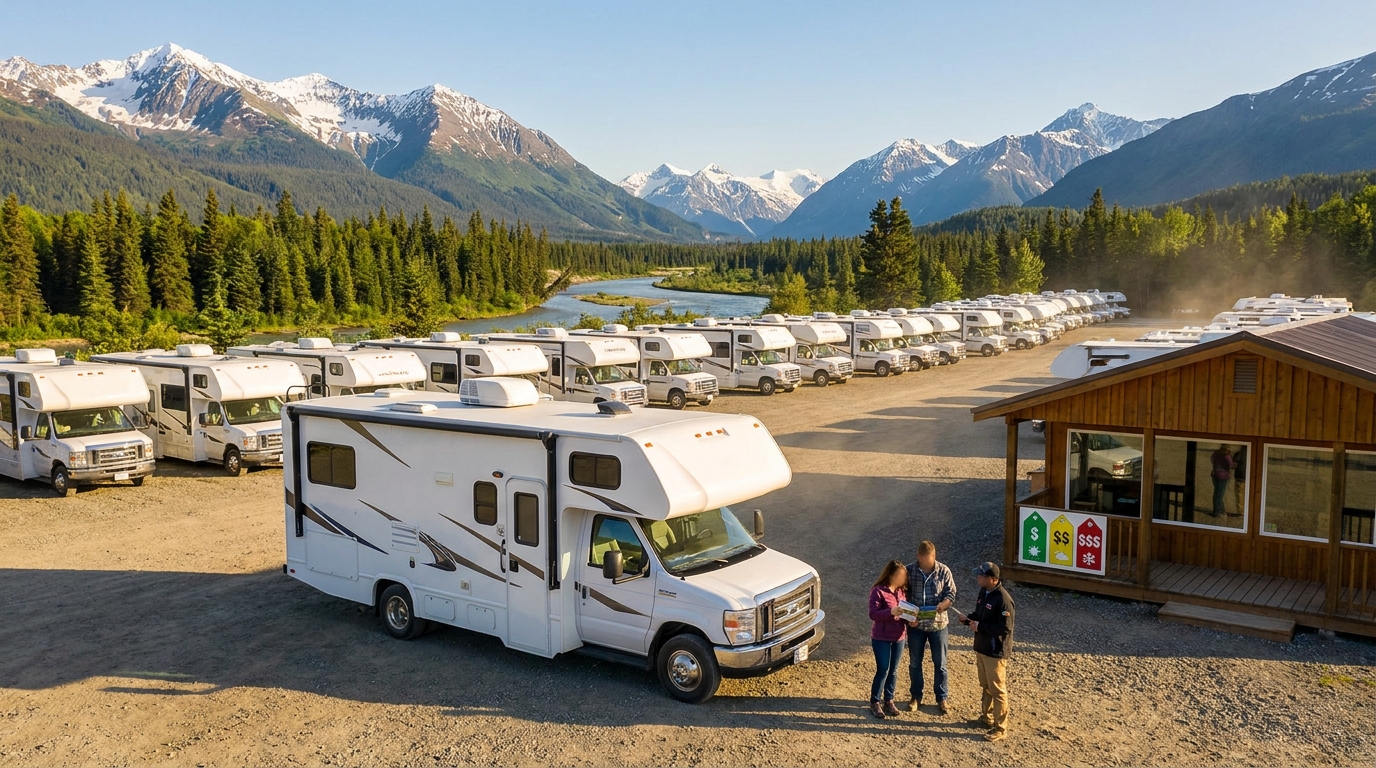
An extended RV rental in Alaska for a month or more offers significant advantages, allowing for deeper immersion into the state's vast wilderness and vibrant culture without the rush of shorter trips. Renting a motorhome long-term typically reduces the daily rate, providing better value for your budget compared to a Weekly RV Rental in Alaska - Pricing 2026 average. Imagine having a mobile home base to fully explore Denali National Park or the Kenai Peninsula, truly experiencing the local rhythm and discovering hidden gems at your own pace. Slow travel, averaging 100-150 km per day, transforms a hurried journey into a rich exploration, letting you savor the scenery, connect with local communities, and truly "feel the place." This approach is particularly rewarding in a destination as expansive and diverse as Alaska, where every turn can reveal a new breathtaking vista or wildlife encounter. Longer rentals also provide unparalleled flexibility, allowing you to adapt your plans to Alaska’s unpredictable weather or linger longer in a spot you particularly love. With a rented RV, your accommodations and transportation are bundled, simplifying logistics and giving you the freedom to chase the best aurora viewing conditions or follow migration patterns of wildlife. This journey is more than just a vacation; it's an opportunity for a genuine adventure, supported by partners who are true RV specialists. Our detailed guides, like the RV Rental Alaska - Complete Guide 2026, help you navigate all aspects of your trip.How do I estimate the total cost of a monthly RV rental in Alaska?
Estimating the total cost of a monthly RV rental in Alaska requires factoring in more than just the base rental fee, as several ancillary expenses contribute to the overall trip budget. The core monthly rental price for a Class C motorhome can range from $2,500 to $6,000+, with peak summer rates significantly higher than shoulder seasons. For precise budgeting, remember that prices are dynamic, changing daily based on availability, seasonality, and supplier decisions, so the final price is set at the actual booking time. Beyond the rental, anticipate fuel costs, which are substantial in Alaska; expect to pay around $4.00-$5.50 per gallon for gasoline, and large motorhomes like a cruise america rv rental example Explorer or a "Glamys 40" (which has a 110L fresh water tank) can average 20-25 liters per 100 km (roughly 8-12 MPG). Mileage caps are common, with unlimited mileage often an extra add-on, or a per-mile charge (e.g., $0.35-$0.50/mile) if exceeded. Campground fees vary from $30-$70 per night for a powered site, while national park entrance fees (e.g., a $30 vehicle pass for Denali) and activity costs (like a $200-$400 per person bear viewing tour) also add up. Other costs include propane refills (approx. $20-$40 per tank), dump station fees (often $10-$25 if not at a campground), and potential ferry tickets for routes like the Alaska Marine Highway, which can range from $100-$500+ for a vehicle depending on the length of the journey. For travelers wanting to itemize and track every expense along the way for easy budgeting, RV PLANET routes are an excellent resource. This transparent approach ensures you know exactly what you're paying for, with no hidden fees or surprises.What RV types are best for extended stays in Alaska and what features are essential?
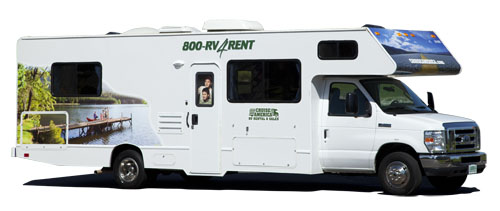
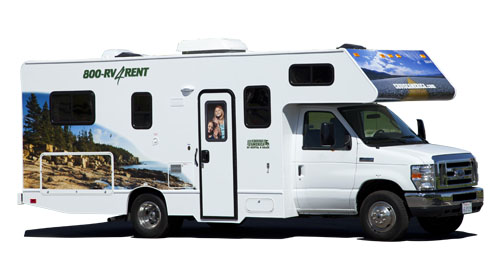
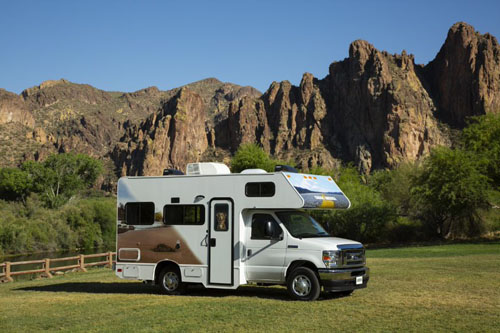
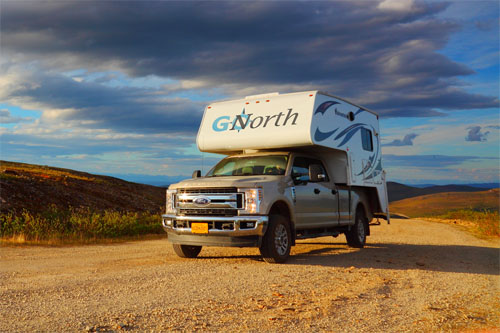
For extended RV trips in Alaska, Class C motorhomes and campervans are generally the most popular and practical choices, offering a balance of comfort, maneuverability, and essential amenities. Class C motorhomes, like the "rv rentals example Comfort Class" which features three double beds and is ideal for a big family, or an alaska rv rental example Category B, which is ideal for two couples and has front air conditioning, provide ample living space, a kitchen, bathroom, and enough storage for a month-long adventure. These vehicles often come equipped with a refrigerator, stove, and a fresh water tank of around 80-150 liters, crucial for more remote areas. Essential features for Alaska's unique climate and terrain include good insulation and a reliable heating system for chilly nights, even in summer. Adequate water and waste tank capacities (typically 100-150 liters for fresh water, 80-130 liters for gray/black water) are vital, especially when dispersed camping where dump stations are scarce. While a standard car driver's license is sufficient for all motorhome classes, a vehicle with reasonable ground clearance is beneficial for navigating unpaved roads and campground access. Features like a front air conditioner are standard, and generators (common in Class C and Class A rentals) provide power for appliances when not hooked up to shore power. For couples, a more compact campervan like an "alaska rv rental example Paradise S/T" offers excellent flexibility with features like automatic transmission, a shower, and toilet, making it comfortable for two without being overly large.🎬 Video coming soon
Which suppliers offer reliable long-term RV rentals in Alaska?
Several major RV rental suppliers operate in Alaska, offering a range of motorhome and campervan options suitable for long-term rentals, ensuring you can find a reliable vehicle for your extended adventure. Bandana RV partners directly with over 50 leading RV suppliers worldwide, including trusted names like El Monte, Cruise America, and Apollo, many of whom have fleets available in Alaska. These suppliers provide diverse fleets, from compact Class B campervans perfect for a couple, like a "rv rental denver example Category Van" featuring a shower and toilet, to larger Class C motorhomes suitable for families, such as the "cruise america rv rental example Explorer" with a 82-liter fresh water tank and sleeping places for four. When comparing options for a Long-Term RV Rental Comparison in Alaska - Monthly Suppliers 2026, consider what each supplier includes in their base rate versus optional add-ons. Some suppliers offer unlimited mileage packages beneficial for longer trips, while others may have per-mile charges. It's essential to review the specific vehicle features, such as the size of water and waste tanks, and the age of the RV fleet, as newer models often come with better fuel efficiency and amenities. We focus on full transparency, ensuring you see the complete picture of costs upfront, with no hidden fees or surprises. This allows you to compare final prices across suppliers confidently and choose the best fit for your Alaskan journey.What are Alaska's road conditions and driving challenges for RVs on extended trips?
Alaska's road conditions present unique challenges for RV travelers, particularly on extended trips, with vast stretches of highway that can vary from well-maintained asphalt to gravel or even unpaved surfaces. "Frost heaves," caused by the freezing and thawing of permafrost, create dramatic undulations in the pavement that require reduced speeds and careful driving to navigate comfortably and prevent damage. While you can drive almost anywhere without issues, it's crucial to "Drive slowly and carefully, and you can drive almost anywhere without issues. No need to stress - just use common sense and pay attention." Beyond frost heaves, extensive gravel sections are common on some popular routes, like parts of the Denali Park Road or the McCarthy Road, which lead to stunning wilderness areas. Wildlife encounters are a constant possibility, from moose and bears to caribou, so attentive driving and adhering to speed limits are paramount, especially at dawn and dusk. Rock chips on windshields are a frequent occurrence on gravel roads; some renters opt for additional insurance coverage or windshield protection. Planning your route and checking current road conditions (often available from the Alaska Department of Transportation) is essential for a smooth and safe journey. For those interested in planning routes and understanding local driving customs, our RV Travel Guide to Alaska - Tips and Top Spots 2026 provides invaluable insights.How do I plan a monthly RV itinerary in Alaska?
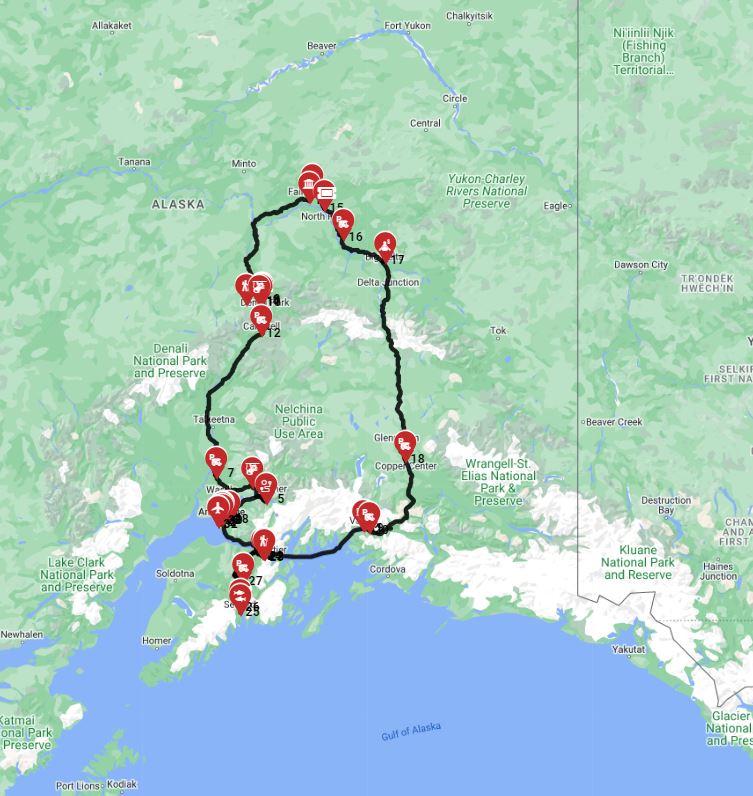
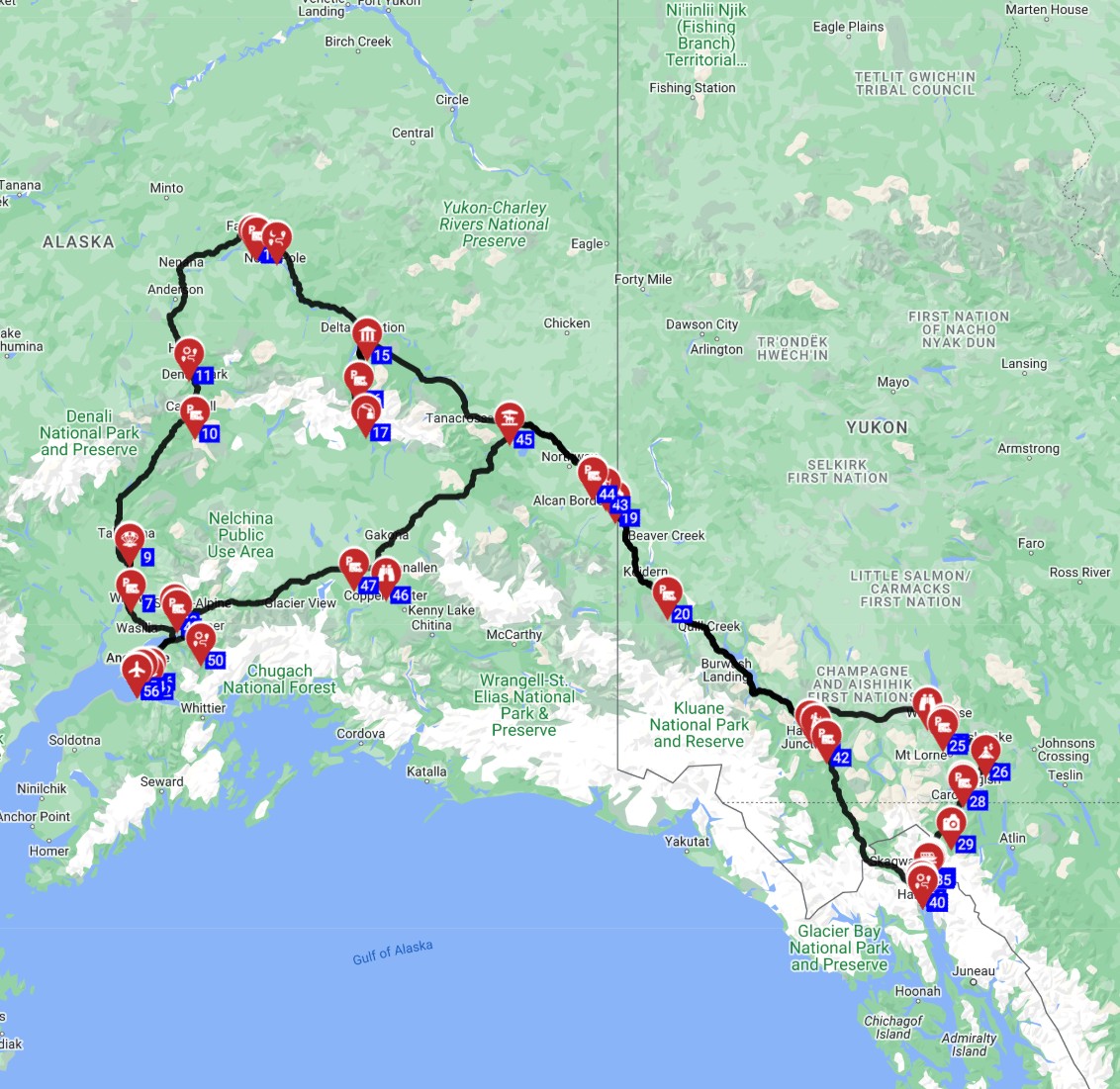
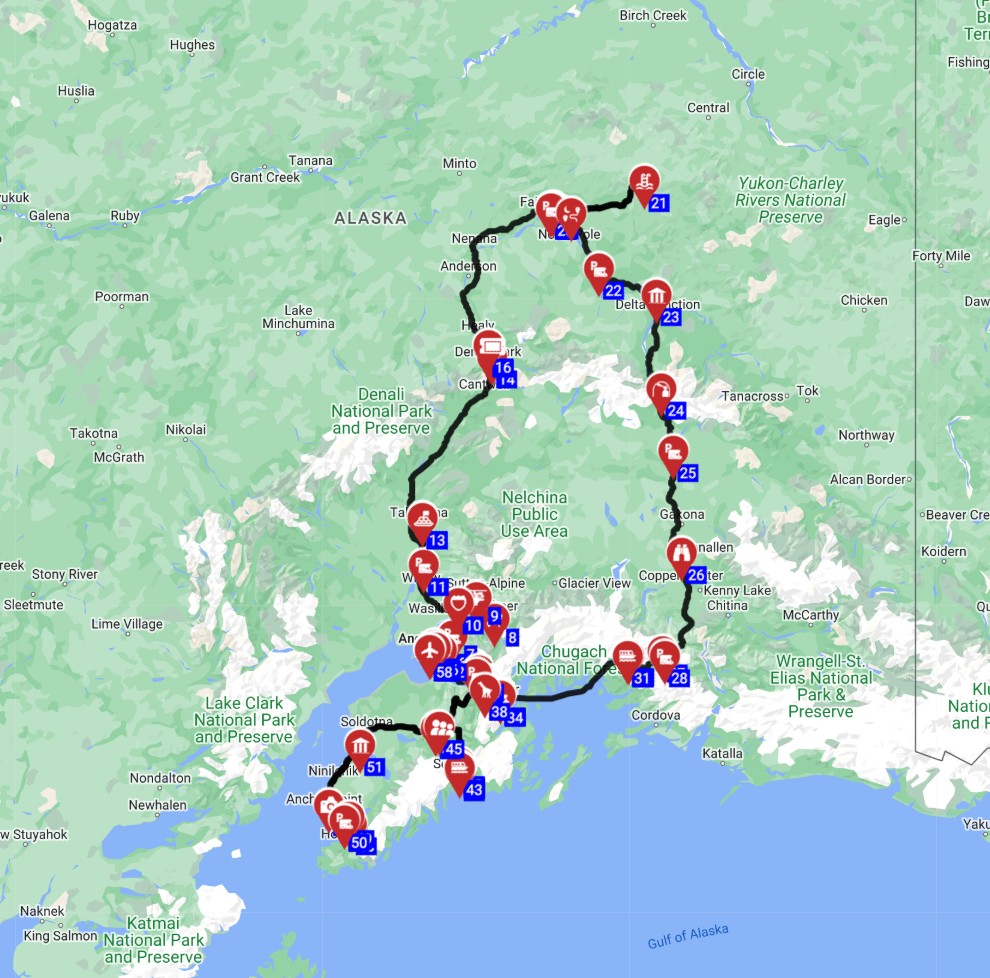
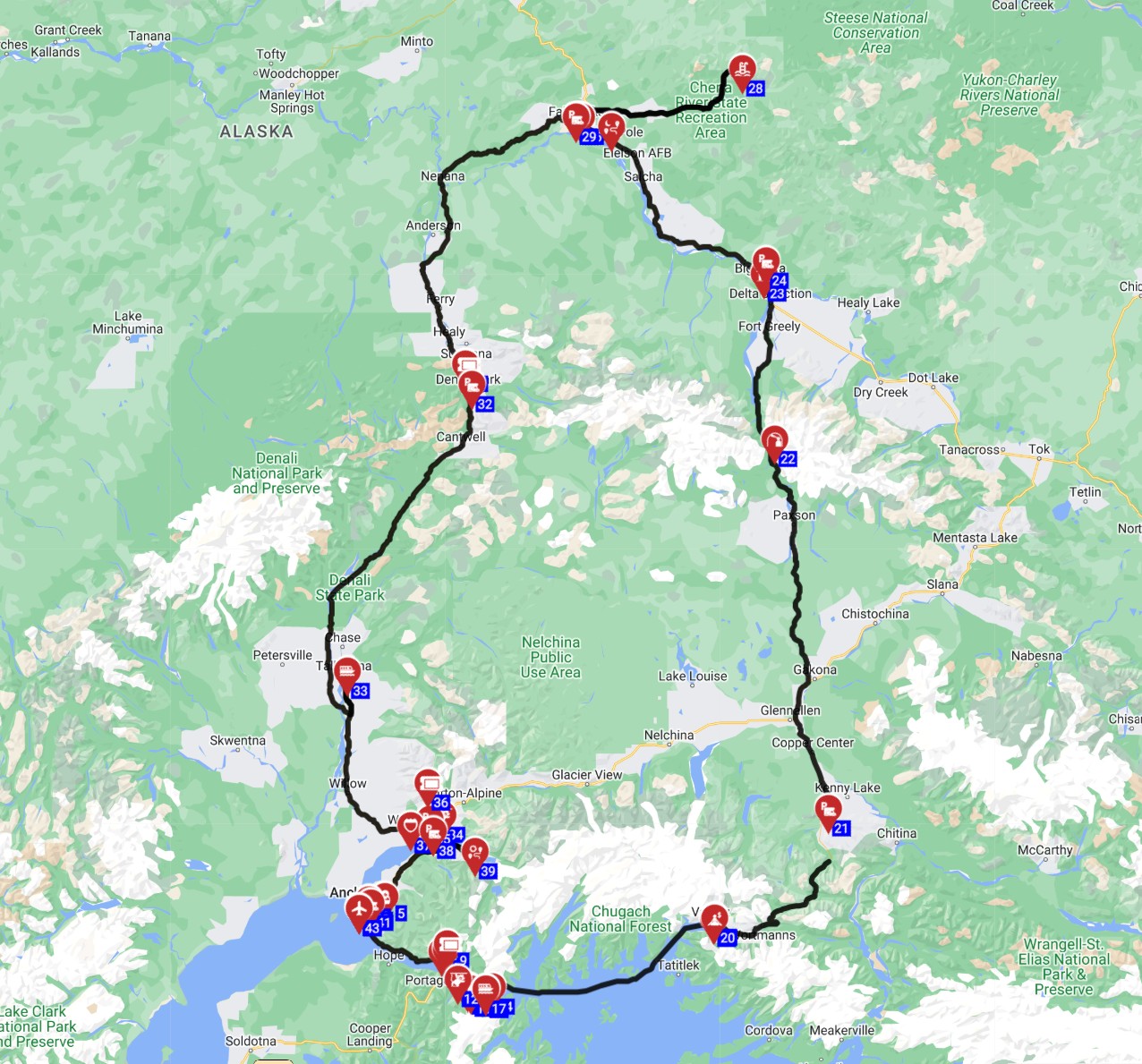
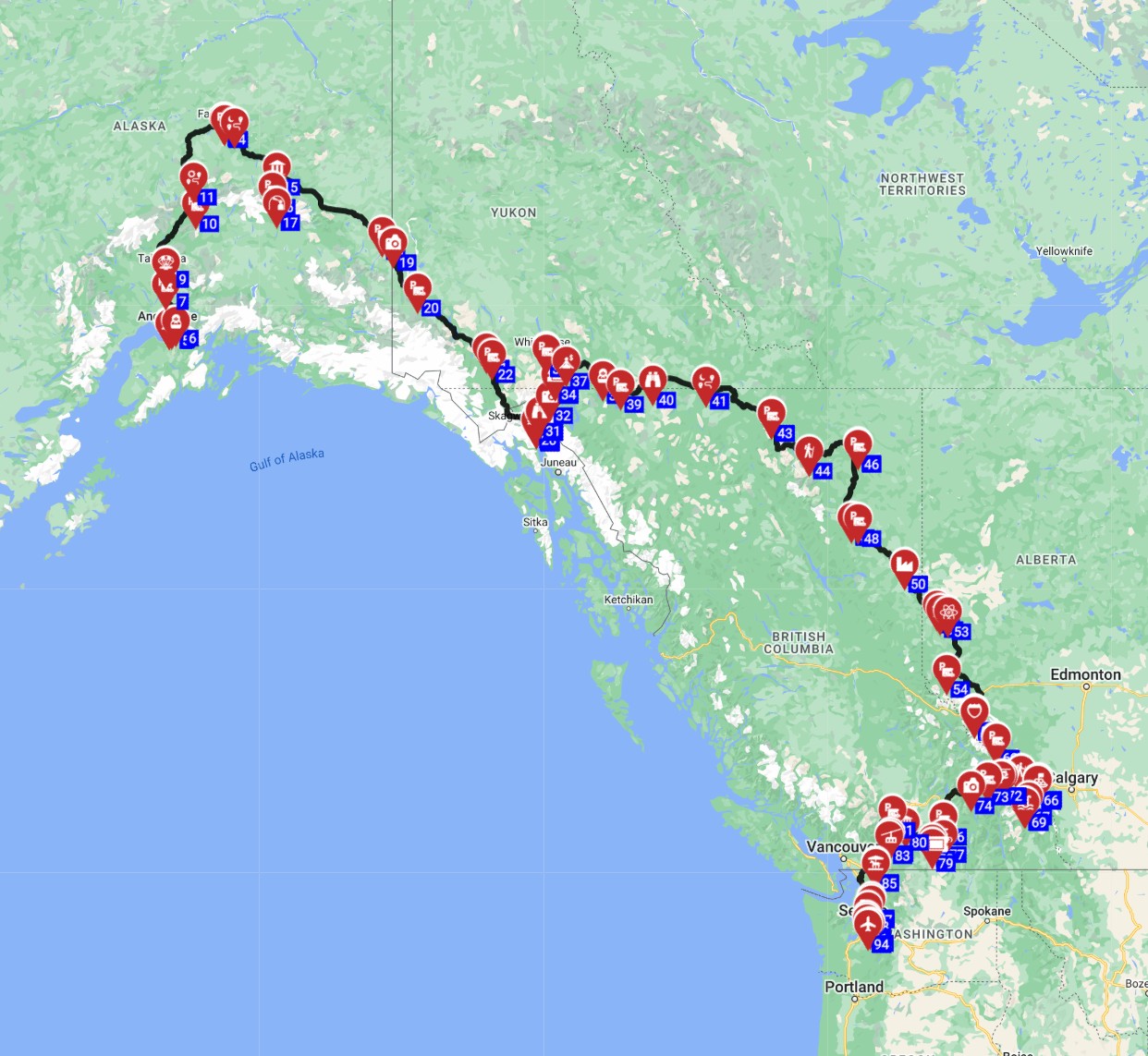
Planning a month-long RV itinerary in Alaska allows for in-depth exploration, best achieved by embracing slow travel and focusing on specific regions to fully appreciate their unique offerings. Instead of rushing, aim for a maximum average of 100-150 km per day, giving you time to hike, fish, or simply soak in the breathtaking scenery. For instance, you could spend a week each exploring the Kenai Peninsula, Denali region, and the Interior, leaving time for spontaneous detours. Professional route plans are available through RV PLANET to help structure your adventure. Consider the "Anchorage Round Trip - Alaska-Yukon Discovery Trail" for a 23-day, 3,539 km journey that covers diverse activities like canoeing, museum visits, and hiking. This comprehensive route includes 3 cruise terminal visits, 3 day tours, and numerous natural features, providing a rich experience for families. Another option is the "Anchorage Roundtrip - Alaska," an 11-day, 1,928.5 km route featuring wildlife watches, an aquarium, and various tourist attractions. For those heading deeper north, the "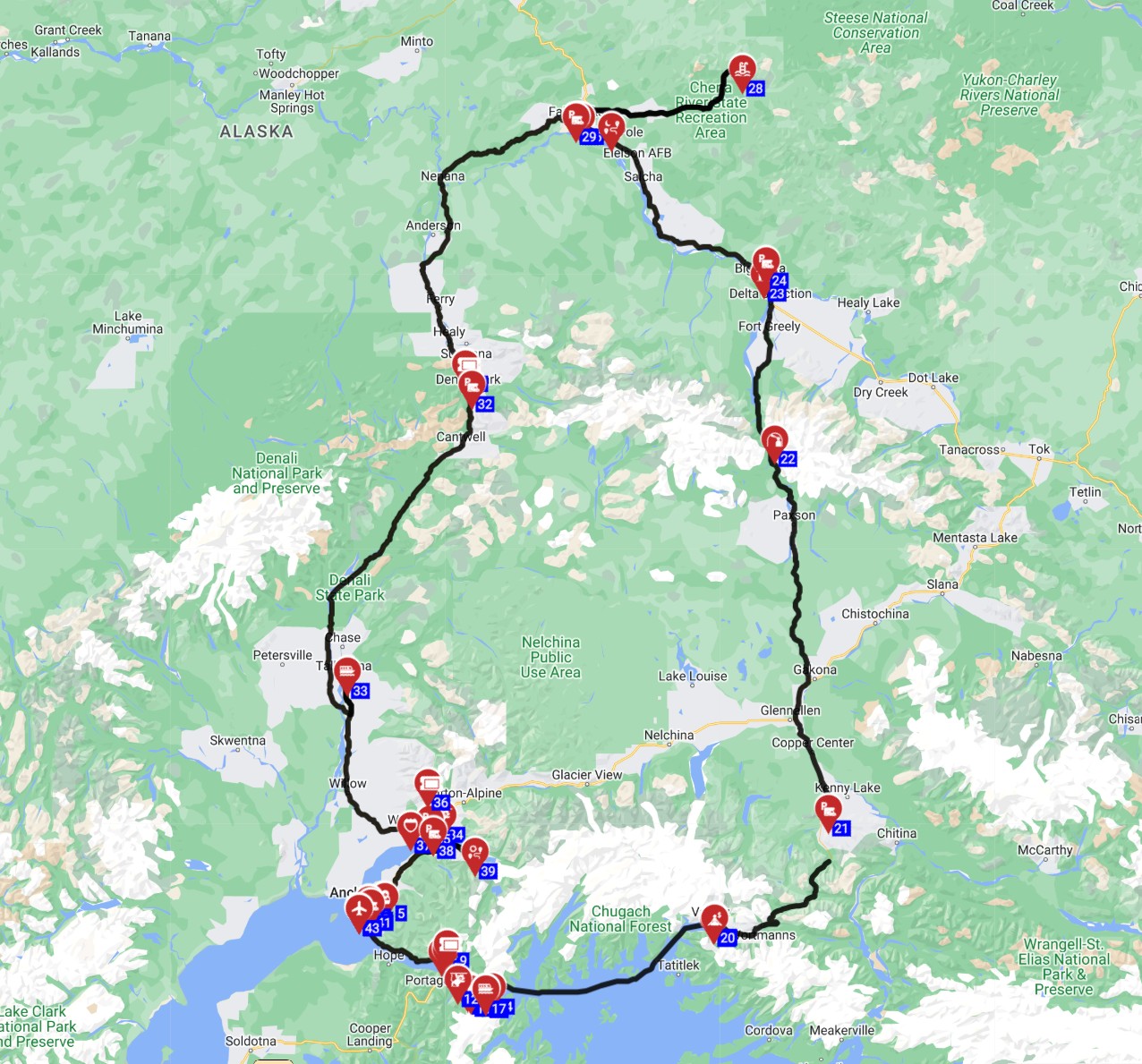
Anchorage Roundtrip Heading North - The Great Alaskan Wilderness Road Trip
What are the best practices for camping and boondocking in Alaska for a month-long trip?
Effective camping and boondocking practices are crucial for a month-long RV trip in Alaska, given the vast distances and sometimes limited services. Public campgrounds, including national and state parks, are popular and can fill quickly in peak season. While many are reservable, a significant portion (often 70-75%) are available on a first-come, first-served basis, especially at smaller state park campgrounds. It's always a good idea to call ahead to check availability before driving long distances. Dispersed camping (boondocking) is widely allowed on public lands like National Forests and Bureau of Land Management (BLM) areas, offering incredible solitude and freedom, but it comes with responsibilities. Always practice Leave No Trace principles, pack out everything you pack in, and be prepared to be self-sufficient with water and waste. Bear safety is paramount; store all food and scented items in bear-resistant containers or inside your hard-sided RV, never in a tent. Dispose of trash properly and keep your campsite clean. Finding water and dump stations in remote regions can be a challenge. Plan your route to include towns with RV parks, gas stations, or visitor centers that offer these services. For finding campsites and campgrounds during your trip, we recommend using RV PLANET (rvplan.net) - a great resource for locating available spots along your route. You'll find a spot. If not at the first campground, then the next one.What unique challenges and tips are there for navigating remote Alaska with a rented RV?
Navigating remote Alaska with a rented RV presents distinct challenges that require careful preparation to ensure a smooth and enjoyable long-term adventure. Cell service and internet availability are often sparse outside of major towns, so downloading maps, music, and essential information beforehand is critical. Consider renting a satellite communicator or personal locator beacon for emergencies, especially if venturing onto very remote roads like the Dalton Highway, where fuel stations can be over 100 miles apart. Provisioning groceries and supplies in less populated areas requires strategic planning; stock up in larger cities like Anchorage, Fairbanks, or Juneau (if accessible by RV) where selection is broader and prices lower. While you can certainly prepare delicious meals in your RV's kitchen, making use of local ingredients is part of the experience. For some inspiration, check out our RV-friendly recipes playlist for easy meal ideas on the go. If your trip involves crossing the Canadian border (e.g., driving the Alcan Highway), ensure all occupants have valid passports and check Canada's entry requirements, especially regarding firearms or specific food items. Always carry physical maps as a backup to GPS, as signals can be unreliable. Remember, our 24/7 support means real people are behind you before, during, and after your booking to answer any questions or address concerns.What insurance and roadside assistance should I consider for an extended Alaska RV trip?
For an extended Alaska RV trip, selecting the right insurance and roadside assistance is crucial for peace of mind, especially given the state's vast and often remote regions. Standard RV rental insurance usually covers basic liability and collision, but many travelers opt for additional coverage to protect against Alaska-specific risks. This includes supplemental liability insurance, personal accident insurance, and specific coverage for damage to the RV due to gravel roads or wildlife collisions, which are more common here. We highly recommend considering a top-level deductible reimbursement option, which you can purchase for extra peace of mind. This optional upgrade can significantly reduce your out-of-pocket expenses in the event of an incident. Roadside assistance is another non-negotiable for Alaska. While many rental companies offer basic roadside support, review what's covered. Given the limited cell service in many areas, having comprehensive roadside assistance that can dispatch help to remote locations is invaluable. Always double-check what your personal vehicle insurance or credit card travel insurance might cover, but don't assume it's adequate for an RV in Alaska's unique environment. For a full breakdown of what to expect, consider our "RV Rental Deals in Alaska - Latest Offers 2026" guide to understand different package inclusions.What are the best booking strategies for monthly RV rentals in Alaska?
Securing the best rates and desired RV types for monthly rentals in Alaska often hinges on strategic booking, with planning styles ranging from early bird reservations to more spontaneous approaches. For peak season travel (June-August), booking 4-6 months in advance is generally recommended, as popular motorhomes like the "alaska rv rental example Paradise Family 5" or larger Class C models can be fully reserved. Early booking can yield savings of 10-20% and ensures a wider selection of vehicles. However, don't despair if you're a spontaneous traveler looking for last-minute RV rental deals in Alaska. Prices are dynamic, similar to flight tickets, and change daily based on availability. While last-minute deals might be harder to find for specific vehicle types, cancellations do occur, and new inventory can become available. Many national and state parks reserve only 25-30% of their spots, leaving the rest for first-come-first-serve arrivals, which is great for flexible adventurers. Consider traveling during the shoulder seasons (May, September), when prices are typically lower, and crowds are thinner. Using a comparison platform like Bandana RV allows you to easily compare options across various suppliers and dates, helping you find the cheapest RV rental in Alaska for your flexible schedule. You also get a 25% planning discount when you use rvplan.net for your route planning, a great reward for organizing your trip. Our dedicated team of true RV specialists is always ready to support you before, during, and after your booking, ensuring you have all the information you need.What You Shouldn't Miss
- Drive the Seward Highway: This scenic byway between Anchorage and Seward is a 204 km (127-mile) marvel, offering stunning views of Turnagain Arm, towering mountains, and potential wildlife sightings like beluga whales.
- Explore Denali National Park: Take an RV-friendly bus tour (or drive the first 24 km) into the park for unparalleled views of Denali (Mount McKinley) and abundant wildlife, including grizzly bears, moose, and caribou. Reservations for campgrounds and buses are highly recommended.
- Cruise Kenai Fjords National Park: From Seward, embark on a boat tour to witness calving glaciers, diverse marine life like sea otters and whales, and breathtaking coastal landscapes.
- Visit the Alaska Wildlife Conservation Center: Located south of Anchorage, this center provides close-up views of rescued Alaskan wildlife such as bears, moose, musk oxen, and elk.
- Go Fishing in the Kenai River: Renowned for its salmon and trout, spending a day (or several) fishing in the Kenai River is a quintessential Alaskan experience, whether you're a seasoned angler or a beginner.
Final Thoughts
An extended RV rental in Alaska opens up an incredible world of discovery, allowing you to truly immerse yourself in one of North America's last great wildernesses. From the towering peaks of Denali to the abundant wildlife of the Kenai Peninsula, a month-long trip gives you the freedom to explore at your own pace, creating memories that will last a lifetime. Remember, thoughtful planning, especially regarding costs, vehicle choice, and road conditions, is key to a stress-free adventure. With Bandana Caravan, you're not just renting a motorhome; you're gaining a partner dedicated to making your Alaskan journey transparent, enjoyable, and fully supported. Our expertise ensures you have the right vehicle and the confidence to navigate Alaska's unique landscape. So, start dreaming of those majestic glaciers and endless summer days – your long-term RV adventure in Alaska awaits!On the routes offered through RV PLANET routes, you can itemize and track every expense along the way for easy budgeting.