In This Guide
- Best Zambia RV Itinerary for long term rv rental — Overview
- 7-Day Classic Route in Zambia
- 14-Day Extended Journey in Zambia
- Recommended RVPlan Trip for Zambia
- Must-See Stops Along the Way (Avi Bandana Picks)
- Daily Driving Distances & Drive Times in Zambia
- Best RV Class for This Itinerary — Couple & Family Picks
- In-depth safety protocols and risk mitigation strategies for self-drive, beyond just 'is it safe?'
- Detailed, step-byRethinking guides for border crossings into/out of Zambia for RVs
- Comprehensive breakdown of actual road conditions by region and season, including common challenges like potholes, gravel roads, seasonal flooding, and police checkpoints.
- Specific budgeting guides for self-drive RVers, including fuel costs (with regional variations), park entry fees (per person/vehicle), campsite costs, and unexpected expenditures.
- Vehicle preparation and maintenance tips essential for Zambian terrain (e.g., tire repair kits, spare parts, importance of satellite phones, local mechanics).
- Beyond safaris: Highlighting cultural experiences, local markets, unique small towns, and non-wildlife attractions suitable for RV travelers.
- Advice on responsible and sustainable RV travel in sensitive ecosystems and local communities (e.g., waste disposal, water conservation, cultural etiquette).
Best Zambia RV Itinerary for long term rv rental — Overview
For those seeking an unparalleled adventure in Southern Africa, a long-term RV rental in Zambia offers incredible flexibility and immersion into a land of stunning natural beauty and vibrant culture. For live availability and current prices, start with our RV Rental Zambia - Complete Guide 2026 guide.
When planning your extended Zambian journey, consider these key aspects for an optimal experience. The ideal duration for truly appreciating Zambia’s diverse landscapes and attractions is a minimum of 7 days, but ideally 14 days or more to allow for a more comprehensive exploration without feeling rushed.
The best season to embark on an RV adventure in Zambia is during the dry season, which runs from May to October. This period offers the most favorable road conditions and the highest chances of exceptional wildlife sightings as animals congregate around water sources.
A classic route typically focuses on Southern Zambia, encompassing the awe-inspiring Victoria Falls, the vast wilderness of Kafue National Park, and cultural encounters in and around Lusaka. Avi Bandana’s expertise suggests a comfortable average daily travel distance of no more than 100 miles (approximately 150 km) to truly savor the journey.
7-Day Classic Route in Zambia
A 7-day classic route provides a fantastic introduction to Zambia’s highlights for long-term RV renters, balancing iconic sights with manageable driving distances.
Day 1: Lusaka to Chiawa/Lower Zambezi (approx. 140km). Begin your journey from the capital, Lusaka, heading towards the Lower Zambezi region. The scenic drive sets the tone for your adventure, culminating in settling into a riverside camp. Overnight at Chiawa Area Campsite.
Day 2: Lower Zambezi. Dedicate the day to exploring the abundant wildlife. Embark on a morning game drive to spot diverse fauna, followed by an afternoon river safari on the mighty Zambezi River. Overnight at Chiawa Area Campsite.
Day 3: Lower Zambezi. Immerse yourself further into the Zambezi experience. Choose between a thrilling canoeing expedition on the river or a cultural visit to a local village to understand Zambian life. Overnight at Chiawa Area Campsite.
Day 4: Chiawa to Kafue National Park (northern entrance area) (approx. 140km). Transition to a new ecosystem as you drive towards Kafue National Park. Begin your game viewing adventures in this vast and diverse park. Overnight at Kafue Campsite.
Day 5: Kafue National Park. Spend the day on extensive game drives, exploring the varied habitats that Kafue National Park offers, from open plains to dense woodland. Overnight at Kafue Campsite.
Day 6: Kafue National Park. Continue your exploration, focusing on different sections of the park. Keep an eye out for exceptional birdwatching opportunities, as Kafue is a birdwatcher's paradise. Overnight at Kafue Campsite.
Day 7: Kafue to Lusaka (approx. 100-120km). Enjoy a leisurely drive back to Lusaka, allowing time to reflect on your incredible journey and prepare for your RV's return or onward travel. Overnight at a Lusaka campsite or return your RV.
14-Day Extended Journey in Zambia
For a more in-depth exploration, a 14-day itinerary allows for a more relaxed pace and deeper immersion into Zambia’s stunning natural and cultural landscapes.
Group 1: Lusaka to Livingstone (Slow Journey - 5 days)
Day 1: Lusaka to Mazabuka (approx. 100km). A gentle start to your road trip, experiencing the rural scenery. Overnight at Mazabuka Campsite.
Day 2: Mazabuka to Monze (approx. 100km). Journey through the agricultural heartland, with opportunities for local interactions. Overnight at Monze Guesthouse/Campsite.
Day 3: Monze to Choma (approx. 90km). Explore Choma, perhaps visiting its local museum. Overnight at Choma Lodge/Campsite.
Day 4: Choma to Kalomo (approx. 80km). Experience village life and stop at a local market. Overnight at Kalomo Campsite.
Day 5: Kalomo to Livingstone (approx. 120km). Arrive at the magnificent Victoria Falls, settling into your accommodation. Overnight at Waterfront Campsite.
Group 2: Victoria Falls & Surrounds (3 days)
Day 6: Livingstone. Immerse yourself in the wonder of Victoria Falls on the Zambian side, exploring Mosi-oa-Tunya National Park. Overnight at Waterfront Campsite.
Day 7: Livingstone. Enjoy a Zambezi River cruise and browse the vibrant local craft markets for souvenirs. Overnight at Waterfront Campsite.
Day 8: Livingstone to Mulobezi (approx. 140km, heading towards Kafue's southern reach). Venture off the beaten path into forest scenery. Overnight at a Remote Campsite/Bush Camp.
Group 3: Southern Kafue & Return (6 days)
Day 9: Mulobezi to Kafue NP (southern section, e.g., Nanzhila Plains) (approx. 100km). Enter the wild heart of Kafue at Nanzhila Plains. Overnight at Nanzhila Plains Camp.
Day 10: Kafue NP (Nanzhila Plains). Experience thrilling game drives and guided walking safaris (where permitted). Overnight at Nanzhila Plains Camp.
Day 11: Kafue NP (move to Itezhi-Tezhi area) (approx. 120km). Enjoy a scenic drive through diverse park habitats. Overnight at Itezhi-Tezhi Campsite.
Day 12: Kafue NP (Itezhi-Tezhi). Explore the dam area, known for its rich birdlife and photographic opportunities. Overnight at Itezhi-Tezhi Campsite.
Day 13: Itezhi-Tezhi to Mumbwa (approx. 140km). Exit the park and rejoin the main roads, heading towards Mumbwa. Overnight at Mumbwa Lodge/Campsite.
Day 14: Mumbwa to Lusaka (approx. 150km). The final leg of your journey back to Lusaka, filled with memories of Zambia's incredible wilderness.
Recommended RVPlan Trip for Zambia
While a specific RVPlan trip for Zambia is not currently detailed, we highly recommend exploring Bandana's diverse selection of RVs available for rent in Zambia. Our 'Rent & Plan' service allows you to combine your RV rental with a custom-designed itinerary crafted by travel experts, giving you full access to sophisticated trip-planning software to tailor your Zambian adventure.
By utilizing RV PLANET (rvplan.net), you can discover pre-planned routes and customize your Zambian RV journey, ensuring you experience the best of what this captivating country has to offer, from the majestic Victoria Falls to the expansive wildlife territories.
Must-See Stops Along the Way (Avi Bandana Picks)
Avi Bandana's picks for a long-term RV rental in Zambia emphasize authentic experiences beyond typical tourist routes, encouraging deeper engagement with the local culture and environment.
Local Markets: Immerse yourself in the bustling energy of Zambia's markets, such as Lusaka's Soweto Market or Livingstone's Maramba Market. These vibrant hubs offer fresh produce, local crafts, and unique interactions with vendors.
Cultural Villages: A visit to Mukuni Village near Livingstone provides an authentic glimpse into traditional Zambian village life, often featuring captivating traditional dances and demonstrations of local crafts.
Viewpoints & Natural Wonders: Beyond the iconic main viewpoints of Victoria Falls, seek out the 'Boiling Pot' for a different, dramatic perspective of the falls, accessible depending on the water levels.
Hidden Gems: Keep an eye out for local artisan workshops or small farming cooperatives you might pass along your route in rural areas. These often provide unique interactions and opportunities to find truly authentic souvenirs.
Daily Driving Distances & Drive Times in Zambia
Avi Bandana recommends a maximum of 100 miles or 150 km per day on average when driving an RV in Zambia. This approach allows for slower speeds, unexpected stops to admire the scenery or wildlife, and a more immersive travel experience.
Traveling at a relaxed pace ensures you can safely navigate changing road conditions, respond to spontaneous wildlife encounters, and truly connect with the Zambian landscape.
Example Drive Time Estimates:
Lusaka to Mazabuka (approx. 100 km): Expect this journey to take 1.5 to 2 hours on mostly paved roads.
Livingstone to Choma (approx. 190 km): Due to varying road quality and potential small towns requiring slower passage, plan for 3 to 4 hours.
Inside Kafue National Park (e.g., Hook Bridge to Itezhi-Tezhi, ~150km): Traveling on unpaved gravel tracks can significantly increase travel time; this stretch could take 4-6 hours or more, depending heavily on wildlife sightings and the specific condition of the tracks.
Best RV Class for This Itinerary — Couple & Family Picks
Selecting the right RV class for a long-term rental in Zambia significantly enhances your experience, with key considerations for comfort, maneuverability, and suitability for your travel party.
For Couples: Class B - Camper Van
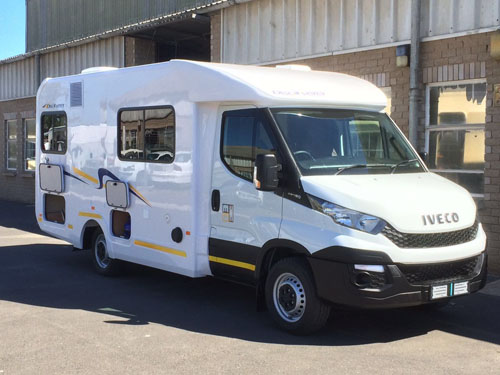
Avi Bandana recommends a Class B - Camper Van for couples. Its compact size and agility are ideal for navigating both urban centers and the often unpaved national park roads. Bandana's fleet typically features Class B Camper Vans with an average length of 5.8 meters, comfortably accommodating two adults and offering excellent fuel efficiency, averaging around 10 Liters / 100 Km.
These vehicles are perfect for couples seeking adventure and flexibility, providing an efficient and manageable way to explore Zambia's diverse landscapes.
For Families: Class C - Alcove
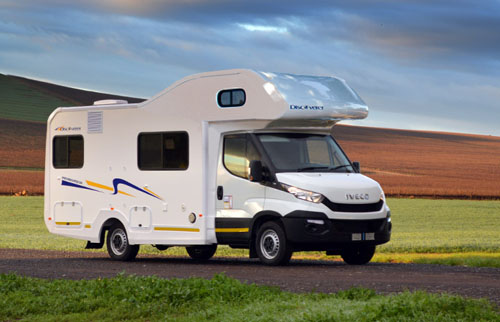
For families traveling in Zambia, a Class C - Alcove RV is the preferred choice, offering ample living and sleeping space for a comfortable journey. Globally, Bandana's Class C Alcove RVs average 7.5 meters in length, providing sleeping capacity for up to six people and suitable for families of 2+2. The distinctive alcove over the cab provides additional sleeping quarters, perfect for children, and the larger interior allows for more storage and amenities, crucial for extended family trips. Fuel consumption for these models typically ranges from 10 – 12 Liters/100 km.
In-depth safety protocols and risk mitigation strategies for self-drive, beyond just 'is it safe?'
Prioritizing safety for a long-term RV rental in Zambia involves comprehensive planning, proactive communication, and strict adherence to established protocols to ensure a secure and enjoyable journey.
Emergency Preparedness: Carry a fully charged satellite phone or a robust satellite communication device, especially when venturing into remote areas or national parks where cellular service is unreliable. Maintain an up-to-date list of local emergency contacts, including police (991), your RV rental company's roadside assistance, and your embassy's consular services.
Driving Practices: It is strongly advised to avoid driving after dark due to poor road conditions, the increased risk of encountering stray animals, and heightened security concerns. Always adhere to posted speed limits and remain vigilant for pedestrians, livestock, and unexpected potholes, particularly on secondary roads outside of major routes.
Vehicle Security: Utilize secure, designated campsites for overnight parking; many offer guarded facilities for added peace of mind. When parked in towns, ensure all doors and windows are locked, and valuables are stored discreetly out of sight to deter potential theft.
Health & First Aid: Pack a comprehensive first-aid kit, including anti-malarial medication, potent insect repellent, and any necessary personal prescriptions. Familiarize yourself with the locations of local medical facilities along your planned route and know how to contact them in case of an emergency.
Detailed, step-by-step guides for border crossings into/out of Zambia for RVs
Successfully navigating border crossings with an RV in Zambia requires meticulous preparation of documents, a clear understanding of local procedures, and a patient, cooperative approach.
Required Documentation: Ensure you have your valid passport (with at least six months' validity and sufficient blank pages), any necessary visas for Zambia and your next destination, and an International Driving Permit (IDP) alongside your national driver's license. Confirm if a Carnet de Passage is required for your specific vehicle registration, especially if it's not from the Southern African Development Community (SADC) region; always verify this with your rental provider.
Vehicle Specifics: For the RV, you will need the original vehicle registration document (or a certified copy), proof of third-party motor vehicle insurance valid for Zambia (often purchasable at the border or pre-arranged), and a temporary import permit for the vehicle.
Fees and Taxes: Be prepared to pay various fees, which can include carbon tax, road access fees, and potentially additional local taxes. These are usually payable in Zambian Kwacha (ZMW) or US Dollars (confirm accepted currencies beforehand).
Step-by-Step Process (General):
- Exit Country A: Proceed through immigration to get your passport stamped, then proceed to customs for your vehicle, where you will hand in any temporary import documents.
- Enter Zambia: Stop at the immigration office to obtain your visa (if applicable) and get your passport stamped.
- Zambian Customs: Present all vehicle documents, pay the required road fees (carbon tax, road access fee), and receive your temporary import permit.
- Insurance: Purchase third-party insurance if you haven't already acquired it.
- Police Check: Expect police checkpoints shortly after the border; officers may verify your documents.
Tips for Smooth Crossings: Carry sufficient small denominations of local currency for fees, politely decline assistance from touts, remain polite and patient throughout the process, and ensure all documents are easily accessible. Delays can occur during peak travel times or due to minor paperwork discrepancies.
Comprehensive breakdown of actual road conditions by region and season, including common challenges like potholes, gravel roads, seasonal flooding, and police checkpoints.
Zambian road conditions for RV travelers vary significantly by region and season, typically featuring well-maintained main tar roads alongside extensive gravel and dirt tracks, with seasonal challenges that require careful planning.
Main Roads (T1, T2, T3, T4): These are generally paved and form the backbone of the national road network. While mostly in good condition, sections can suffer from severe potholes, especially after the rainy season, necessitating constant vigilance and defensive driving.
Secondary Roads & National Park Access: Expect these to be predominantly gravel or dirt. Quality can range from well-graded surfaces to heavily corrugated, sandy, or rocky tracks. A high-clearance RV is highly recommended for these routes.
Seasonal Variations:
- Dry Season (May - October): Generally the best time for RV travel. Roads are typically dry and dusty. Gravel roads are more easily navigable, though corrugations can be intense.
- Rainy Season (November - April): This period presents significant challenges. Many dirt and gravel roads, particularly within national parks (e.g., Kafue, South Luangwa), can become impassable due to deep mud, washouts, and seasonal flooding. Some camps and routes close entirely during this period.
Common Challenges:
- Potholes: Even on main roads, deep potholes can appear unexpectedly. Drive defensively and maintain a safe following distance.
- Gravel Roads: These require slower speeds, increased braking distances, and can lead to tire punctures if not navigated carefully.
- Police Checkpoints: Frequent along main routes. Officers typically check driver's license, vehicle registration, and sometimes carbon tax/insurance. Be polite, cooperative, and have documents readily available.
- Wildlife & Livestock: Animals (both domestic and wild) frequently cross roads, particularly at dawn and dusk, posing a significant collision risk. Always be prepared to slow down or stop.
Specific budgeting guides for self-drive RVers, including fuel costs (with regional variations), park entry fees (per person/vehicle), campsite costs, and unexpected expenditures.
A realistic budget for a long-term RV rental in Zambia must account for fluctuating fuel prices, diverse park entry and campsite fees, and provisions for unexpected outlays to ensure a worry-free journey. On the routes offered through RV PLANET routes, you can itemize and track every expense along the way for easy budgeting.
Fuel Costs: Diesel is the most common fuel type for RVs. Prices can vary significantly, often being higher in remote areas or within national parks. Budget for Bandana's fleet typically consuming 10-12 Liters/100 km.
As of 2026, expect fuel prices to be roughly ZMW 25-30 per liter, though this is subject to change based on market fluctuations. For a 14-day trip covering 1500-2000 km, anticipate spending approximately ZMW 3,750 - 7,200 (roughly USD 170-330) on fuel alone.
Park Entry Fees: National park entry fees represent a significant portion of the budget. For international visitors, anticipate approximately USD 20-30 per person per day for major parks like Kafue or Mosi-oa-Tunya. Vehicle entry fees, typically charged per 24 hours, are also applied, usually around USD 10-15 per day.
Campsite Costs: Campsite fees vary widely depending on amenities and location. Basic public campsites might range from USD 15-25 per person per night, while private or lodge-associated campsites with better facilities can cost USD 30-50+ per person per night.
Food & Supplies: Budget for groceries, water, and local market purchases. Self-catering in an RV is generally more economical than dining out, and fresh produce is readily available and affordable.
Unexpected Expenditures: Always allocate an emergency fund (10-15% of your total budget) for unforeseen costs such as minor vehicle repairs (tire punctures are common), potential medical emergencies, or unexpected permit fees. Renting a satellite phone, at approximately USD 10-20 per day, is also a wise safety investment for remote travel.
Vehicle preparation and maintenance tips essential for Zambian terrain (e.g., tire repair kits, spare parts, importance of satellite phones, local mechanics).
Thorough vehicle preparation and diligent ongoing maintenance are crucial for a long-term RV rental in Zambia, mitigating risks and ensuring a smooth journey across varied terrain.
Tires and Spares: Ensure your RV is equipped with at least two spare tires, a heavy-duty jack, a reliable tire repair kit, and a dependable air compressor. Tire punctures are a common occurrence on Zambian gravel and dirt roads.
Basic Toolkit: Carry a comprehensive toolkit, including essential items like wrenches, screwdrivers, heavy-duty duct tape, cable ties, and jumper cables for minor roadside fixes.
Fluids and Filters: Check oil, water, brake fluid, and coolant levels daily. Carry extra engine oil and water, especially when planning stretches through remote areas. Keep air filters clean, as dusty conditions are prevalent throughout the country.
High Clearance: Opt for an RV with good ground clearance, particularly if your itinerary includes visiting national parks or venturing onto secondary roads.
Communication: A satellite phone or a reliable satellite messenger is indispensable for remote areas where cellular network coverage is non-existent. It's vital for emergencies or simply staying in touch with loved ones.
Navigation: While GPS is helpful, always carry detailed paper maps as a backup. Ensure your GPS device has up-to-date offline maps for Zambia.
Local Mechanics: Research reputable local mechanics in major towns like Lusaka and Livingstone before your trip. For specialized RV issues, your rental company should always be your first point of contact for guidance and support.
Beyond safaris: Highlighting cultural experiences, local markets, unique small towns, and non-wildlife attractions suitable for RV travelers.
A long-term RV rental in Zambia offers a unique opportunity to delve beyond traditional safaris and engage with rich cultural experiences, vibrant local markets, and charming small towns, providing a holistic travel adventure.
Cultural Immersion: Visit traditional villages such as Mukuni Village near Livingstone to learn about local customs, history, and daily life. These visits often include captivating traditional dances and demonstrations of local crafts, offering a genuine cultural exchange.
Local Markets: Explore the bustling energy of Zambia's markets, like Lusaka's Soweto Market or Livingstone's Maramba Market. Here, you can find fresh produce, local foods, handmade crafts, and engage with friendly vendors, providing a true taste of Zambian commerce.
Historical Sites: In Livingstone, beyond the natural wonder of Victoria Falls, visit the poignant Slave Tree, a somber reminder of the region's past. The Livingstone Museum offers insightful displays on local archaeology, ethnography, and history.
Art and Craft Centers: Seek out local art galleries and craft centers, particularly in urban areas or popular tourist hubs. These are excellent places to purchase authentic Zambian artwork, carvings, and textiles, directly supporting local artisans and their communities.
Community Engagement: Take the opportunity to stop in smaller towns along your route and respectfully engage with local communities. This offers a chance to experience everyday Zambian life outside the main tourist circuits, fostering genuine connections.
Non-Wildlife Nature: Explore natural wonders beyond the well-known game parks. Discover local waterfalls (accessibility may vary), or simply enjoy the vast, open landscapes and incredible birdlife found throughout the country, offering moments of tranquility and natural beauty.
Advice on responsible and sustainable RV travel in sensitive ecosystems and local communities (e.g., waste disposal, water conservation, cultural etiquette).
Responsible and sustainable RV travel in Zambia is paramount for preserving its sensitive ecosystems and fostering positive relationships with local communities, ensuring the preservation of its natural and cultural heritage.
Leave No Trace Principles: Embrace the 'pack it in, pack it out' philosophy. Carry all your waste with you until you can dispose of it properly in designated bins in towns or at formal campsites. Never bury or burn waste, as this can harm wildlife and damage delicate ecosystems.
Waste Disposal: Utilize designated waste disposal facilities at formal campsites or within towns. Avoid littering, especially plastic, which poses a significant threat to wildlife and the environment.
Water Conservation: Water is a precious resource in many parts of Zambia. Be mindful of your water usage for showering, washing dishes, and cooking. Opt for biodegradable soaps and detergents to minimize environmental impact.
Cultural Etiquette: Show respect for local customs and traditions. Dress modestly, particularly when visiting villages or religious sites. Always ask for permission before taking photographs of people to show courtesy and respect.
Learn a few basic local greetings, such as 'Muli bwanji?' (How are you?), to foster positive interactions and build rapport with the communities you encounter.
Support Local: Purchase produce, crafts, and services from local vendors and businesses. This directly contributes to the local economy and supports the livelihoods of Zambian communities.
Wildlife & Environment: Stay on marked trails and roads, especially within national parks, to minimize disturbance to wildlife and vegetation. Observe wildlife from a respectful distance, and never feed wild animals, as this can disrupt their natural behaviors and pose risks.
What You Shouldn't Miss
- Witnessing the sheer power of Victoria Falls from the Zambian side, particularly the 'Knife Edge Bridge' walk for immersive views.
- Embarking on a multi-day safari in Kafue National Park, Africa's second-largest park, known for its diverse wildlife and vast, uncrowded landscapes.
- Taking a sunset cruise on the Zambezi River, spotting hippos, crocodiles, and abundant birdlife while enjoying the dramatic African sky.
- Exploring the local markets in Livingstone or Lusaka to find unique crafts, textiles, and interact with Zambian artisans.
- Visiting a traditional village like Mukuni to gain insight into the rich cultural heritage and daily life of the Zambian people.
- Experiencing the thrill of a walking safari in areas near South Luangwa National Park (accessible with careful planning from your RV route) for an up-close wildlife encounter.
Final Thoughts
Embarking on a long-term RV rental in Zambia is an extraordinary way to experience the heart of Africa, offering unparalleled freedom and connection with nature and culture. From the thundering mist of Victoria Falls to the abundant wildlife of Kafue National Park, your journey will be filled with unforgettable moments.
With careful planning, attention to safety, and the right vehicle, your Zambian RV adventure promises to be an enriching and rewarding experience. We're here to help you every step of the way, ensuring your trip is as seamless and spectacular as possible. Get inspired for your next trip!
Ready to plan your Zambian adventure? Discover top destinations, planning tips, and vehicle options all in one place. Plan a trip itinerary in advance with minimal effort and maximum enjoyment!
For ideas you can prep on the road, watch our RV-friendly recipes playlist on YouTube.