In This Guide
- Best West Canada RV Itinerary for long term rv rental — Overview
- 7-Day Classic Route in West Canada
- 14-Day Extended Journey in West Canada
- Recommended RVPlan Trip for West Canada
- Must-See Stops Along the Way (Avi Bandana Picks)
- Daily Driving Distances & Drive Times in West Canada
- Best RV Class for This Itinerary — Couple & Family Picks
- How much does a long-term RV rental cost in West Canada?
- When is the best time for a long-term RV trip in West Canada?
- How do I choose the right RV type for West Canada's diverse terrain?
- What are the rules for boondocking and RV driving in West Canada?
- What are the logistics for long-term RV travel in West Canada?
- How can I RV responsibly and safely in the West Canadian wilderness?
Best West Canada RV Itinerary for long term rv rental — Overview
Embarking on a long-term RV rental adventure in West Canada promises an immersive journey through some of North America's most breathtaking landscapes. Typically, an itinerary in this region will explore the stunning provinces of British Columbia and Alberta, encompassing iconic national parks, picturesque coastal drives, and rugged mountain ranges. For those seeking to truly savor the diversity of West Canada, a duration of 14 to 30 days is ideal, allowing ample time to explore without feeling rushed.
Expect to cover approximately 2,500 to 4,000 kilometers, a distance that permits a relaxed pace with plenty of opportunities for spontaneous stops and scenic detours. Avi Bandana's personal recommendation for RV travel emphasizes a slower pace, suggesting a maximum of 100 miles or 150 km per day on average. This approach ensures you can truly connect with the places you visit, rather than just passing through.
The shoulder seasons, late spring (May-June) and early fall (September-October), are often considered the best times for RV travel in West Canada. During these periods, you'll encounter fewer crowds at popular attractions and campgrounds, and the weather is generally pleasant for outdoor activities. Summer offers the warmest temperatures and full access to all areas, but be prepared for peak season crowds and higher prices. For live availability and current prices, start with our RV Rental West Canada - Complete Guide 2026 guide.
7-Day Classic Route in West Canada
For a captivating introduction to West Canada's natural splendor, this 7-day classic route focuses on the stunning Sea-to-Sky corridor and the historic Fraser Canyon. This itinerary offers a fantastic blend of coastal beauty, charming mountain towns, and routes steeped in history. Avi Bandana's philosophy of relaxed travel is key here, recommending a maximum of 100 miles or 150 km per day on average to ensure each day is enjoyable and unhurried.
Day 1: Vancouver → Squamish (65 km)
Begin your journey from Vancouver, heading north to Squamish. Settle into your campground and perhaps take a ride on the Sea to Sky Gondola for breathtaking panoramic views, or explore the local outdoor adventure opportunities.
Day 2: Squamish → Whistler (60 km)
A short drive takes you to the world-renowned resort town of Whistler. Explore the pedestrian-friendly village, hike scenic trails, or relax by Lost Lake.
Day 3: Whistler → Lillooet (110 km)
Journey along the spectacular Duffey Lake Road, known for its dramatic mountain vistas and turquoise lakes. Stop in Lillooet to learn about the region's rich First Nations culture.
Day 4: Lillooet → Kamloops (150 km)
Experience the arid landscapes of the Thompson River region as you drive to Kamloops. Consider a visit to the BC Wildlife Park.
Day 5: Kamloops → Merritt (80 km)
Travel through the scenic Nicola Valley, passing charming lakes. Merritt is also known for its country music heritage.
Day 6: Merritt → Harrison Hot Springs (110 km)
Head towards the Fraser Valley and relax at Harrison Hot Springs, enjoying the warm waters and the beauty of Harrison Lake.
Day 7: Harrison Hot Springs → Vancouver (130 km)
Enjoy a final scenic drive through the Fraser Valley as you make your way back to Vancouver to conclude your RV rental adventure.
14-Day Extended Journey in West Canada
To truly immerse yourself in the diverse beauty of West Canada, this 14-day extended journey guides you from the coastal allure of Vancouver, through the interior of British Columbia, and into the majestic Canadian Rockies of Alberta. This itinerary offers a comprehensive taste of the region's varied landscapes, from vineyards to soaring peaks. Consistent with Avi Bandana's advice, this plan maintains a relaxed pace, averaging no more than 100 miles or 150 km per day, ensuring ample time for sightseeing and relaxation.
Coastal & Interior British Columbia:
- Day 1: Vancouver → Hope (150 km) Begin in Vancouver, driving to Hope, nestled at the confluence of the Fraser and Coquihalla Rivers. Explore the historic Othello Tunnels and the scenic Fraser Canyon.
- Day 2: Hope → Merritt (150 km) Journey into the Nicola Valley, known for its lakes and country music heritage.
- Day 3: Merritt → Kelowna (130 km) Head into the Okanagan Valley, Canada's premier wine region. Enjoy lake activities and vineyard visits.
- Day 4: Kelowna → Vernon (50 km) A short drive north to Vernon, with attractions like the scenic Kalamalka Lake and surrounding orchards.
- Day 5: Vernon → Salmon Arm (60 km) Explore the Shuswap Lake region, perhaps visiting the R.J. Haney Heritage Village.
- Day 6: Salmon Arm → Revelstoke (80 km) Travel to Revelstoke, gateway to Mount Revelstoke National Park, and consider visiting the Enchanted Forest.
- Day 7: Revelstoke → Golden (150 km) Drive through stunning mountain scenery, including Kicking Horse Canyon, and visit the Northern Lights Wolf Centre.
Canadian Rockies & Alberta:
- Day 8: Golden → Lake Louise (100 km) Enter Alberta and Yoho National Park, marveling at Emerald Lake before reaching the iconic Lake Louise.
- Day 9: Lake Louise → Banff (60 km) Explore Banff National Park, ride the Sulphur Mountain Gondola, and soak in the mountain town's charm.
- Day 10: Banff → Canmore (25 km) A short drive to Canmore, offering opportunities for hikes like Grassi Lakes.
- Day 11: Canmore → Drumheller (140 km) Venture into the Alberta Badlands, a unique geological landscape, and visit the Royal Tyrrell Museum of Palaeontology.
- Day 12: Drumheller → Calgary (135 km) Drive to Calgary, the 'Stampede City,' and explore attractions like the Calgary Tower and Stephen Avenue Walk.
- Day 13: Calgary Exploration Dedicate the day to exploring Calgary's heritage at Heritage Park Historical Village or the Olympic Park.
- Day 14: Calgary → Return RV Conclude your journey, returning your RV in Calgary.
Recommended RVPlan Trip for West Canada
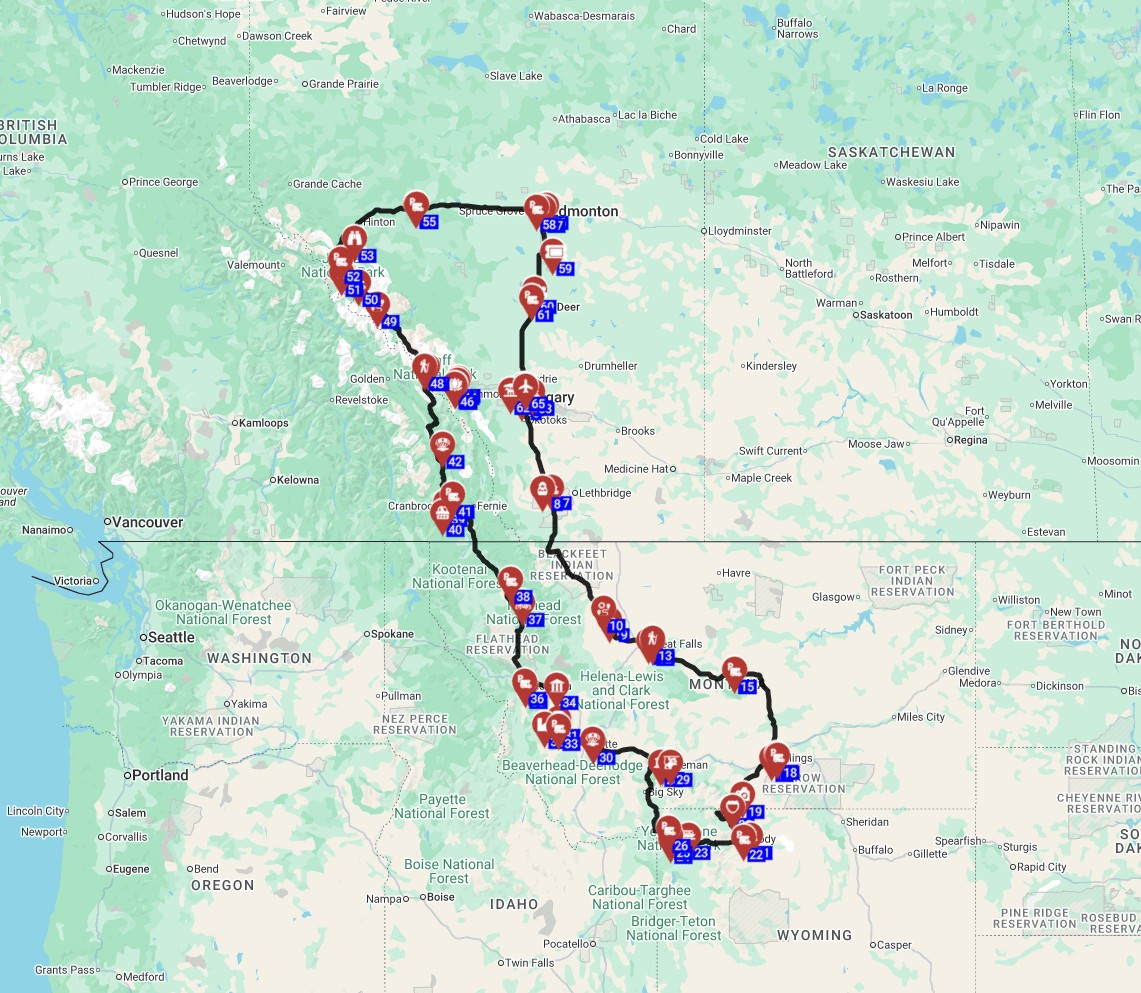
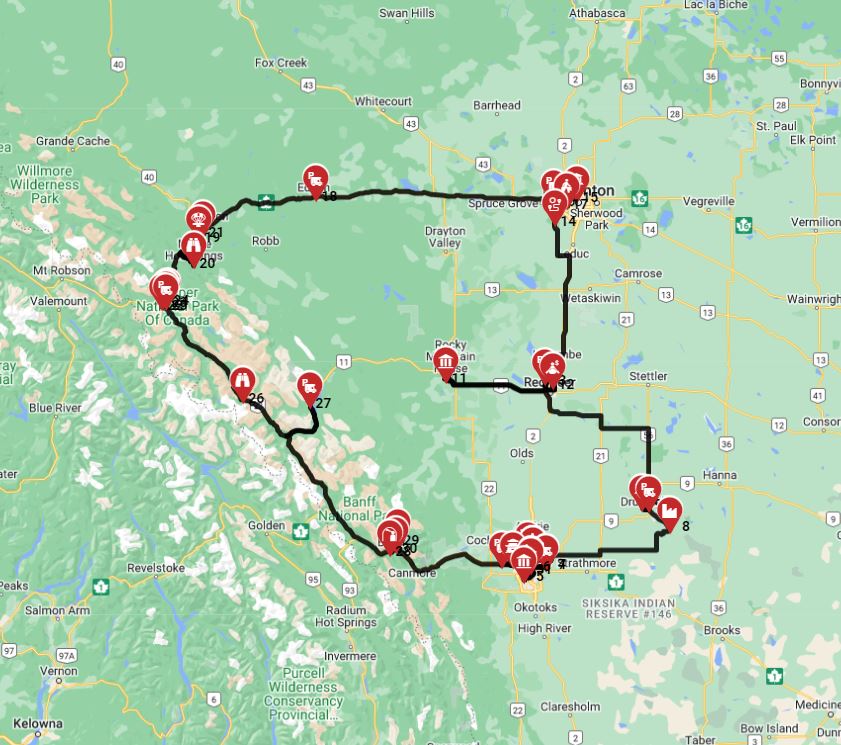
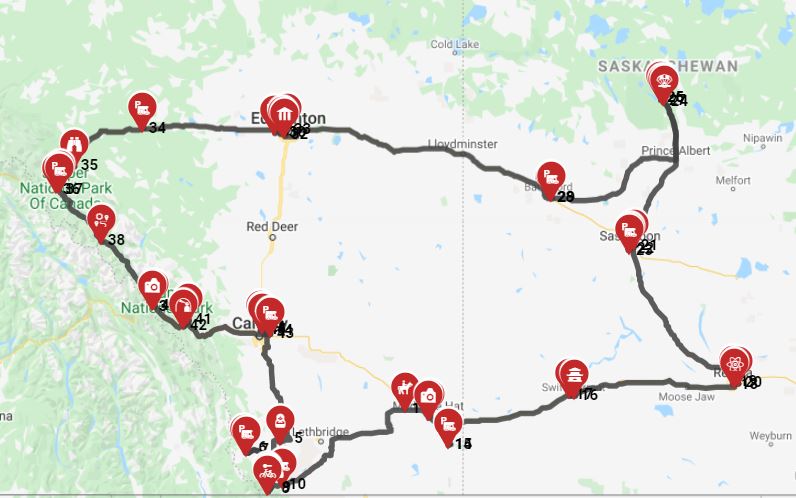
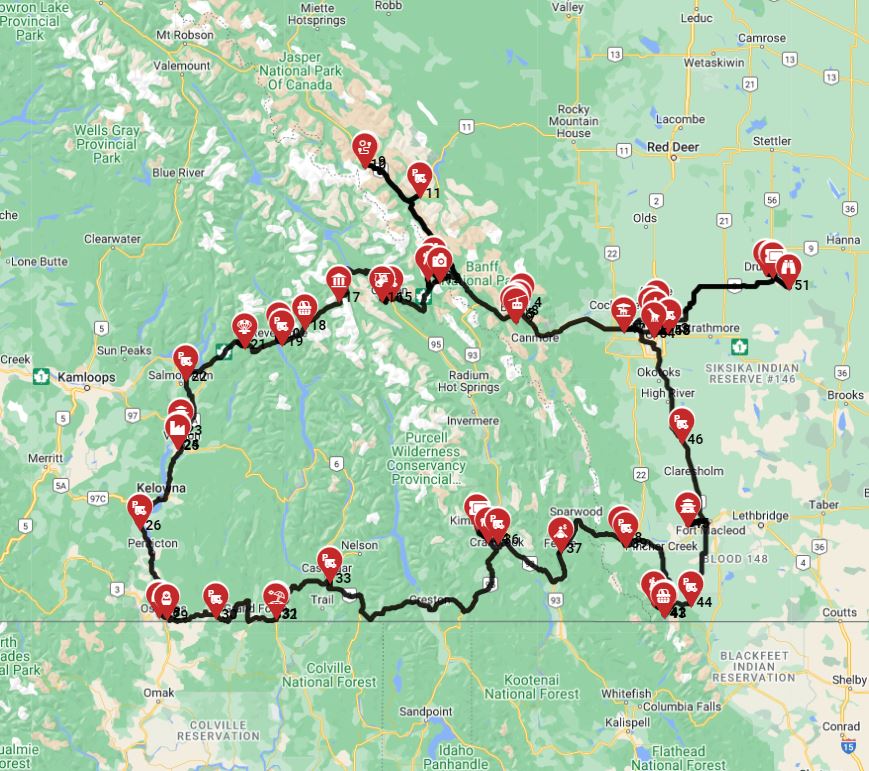
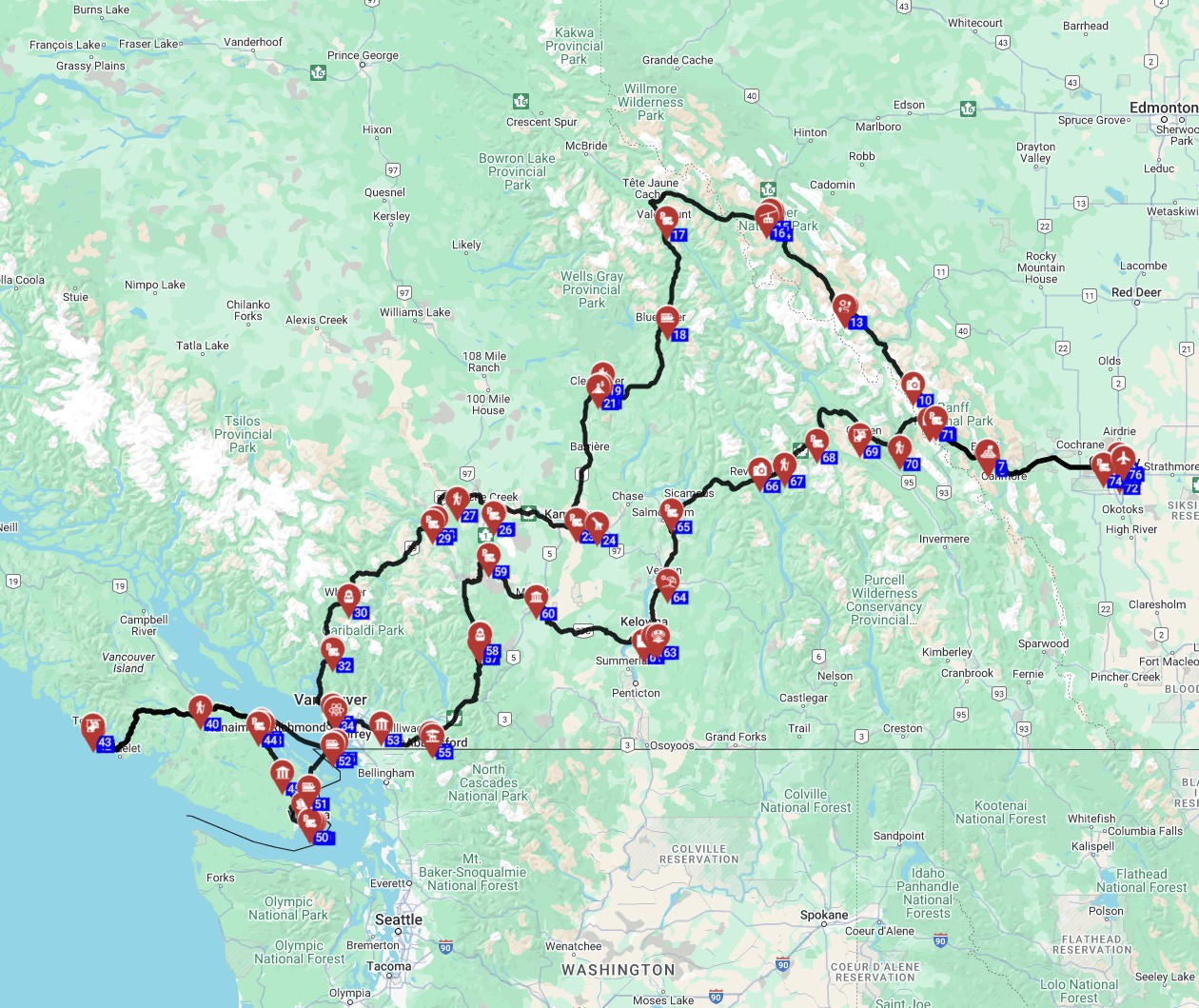
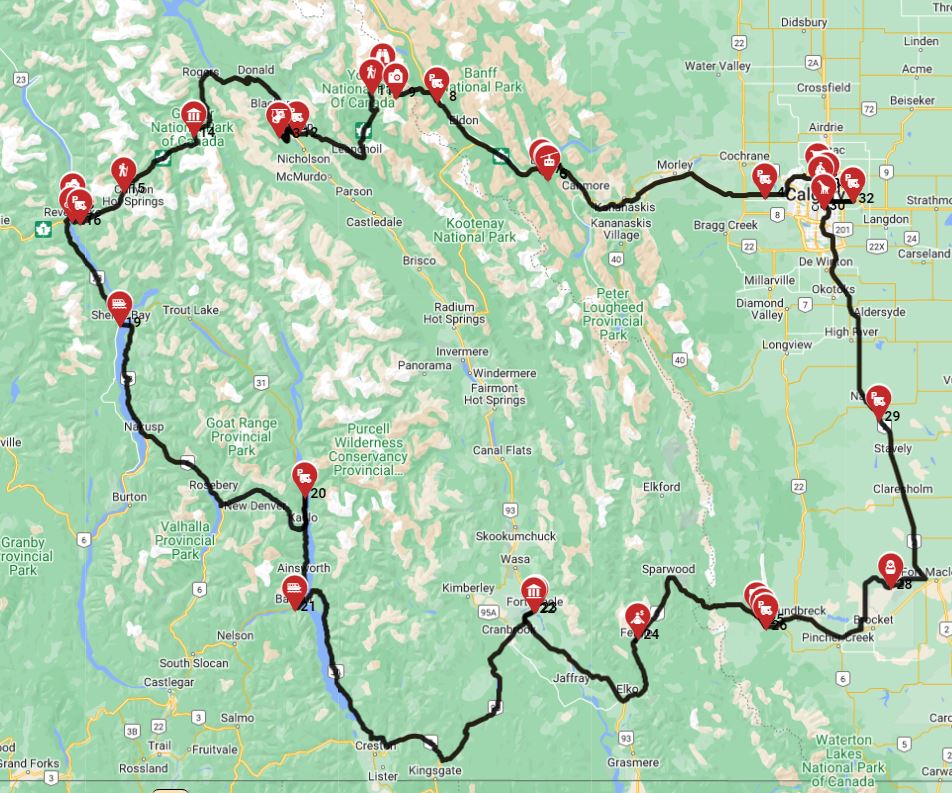
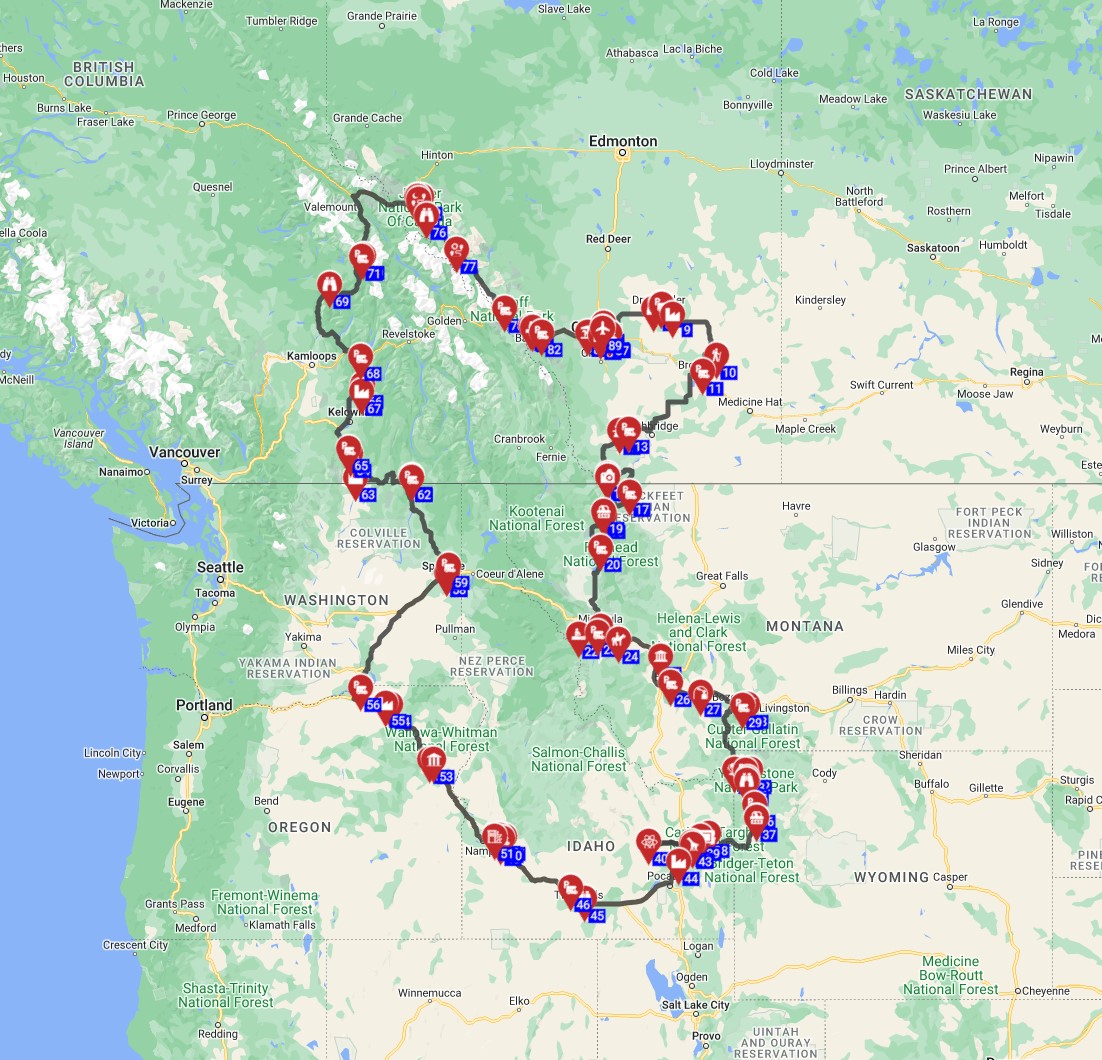
For travelers seeking a structured yet flexible long-term adventure, the '

This RVPlan itinerary includes a variety of experiences, from visiting aquariums and bike rental locations to exploring caves, heritage sites, museums, and natural features. It’s a testament to how an RV trip can be customized for diverse interests, whether you're a cycling enthusiast, a nature lover, or a family looking for engaging activities. Planning your route in advance with RV PLANET ensures you can enjoy the journey with minimal effort and maximum enjoyment.
Must-See Stops Along the Way (Avi Bandana Picks)
Avi Bandana's personal recommendations for RV journeys in West Canada focus on culturally rich experiences and authentic local flavors that truly enhance any long-term adventure. These curated stops go beyond the typical tourist trail, offering deep insights into the region's heritage, its vibrant artisanal products, and its unique culinary delights. By seeking out these authentic local gems, you'll gain a richer appreciation for the diverse tapestry of West Canada.
- Fort Langley National Historic Site (Traditional Visit): Step back in time at the 'Birthplace of British Columbia.' This site offers immersive, interactive exhibits and living history demonstrations that bring the region's past to life.
- Desert Hills Ranch Farm Market (near Merritt) (Local Industry / Traditional Market): Discover the bounty of the region at this farm market, where you can find fresh, local produce and artisanal goods. It's a wonderful way to connect with local agriculture and support small businesses.
- Fish Market in Vancouver (Traditional Market): Experience Vancouver's vibrant local seafood scene firsthand. Sampling fresh catches right from the source is an unforgettable culinary adventure and a true taste of the Pacific Northwest.
- Local Eateries in Osoyoos or Kelowna (Traditional Restaurants / Fine Dining): In the heart of the Okanagan Valley, seek out traditional restaurants that champion farm-to-table cuisine. Savoring locally produced wines and seasonal dishes is a highlight of any visit to this renowned wine country.
Daily Driving Distances & Drive Times in West Canada
To ensure a truly relaxing and immersive RV experience across West Canada, Avi Bandana strongly advocates for maintaining a comfortable pace. The recommendation is to aim for a maximum of 100 miles or 150 km per day on average. This mindful approach to daily driving minimizes travel stress, allows for spontaneous discoveries and roadside attractions, and ultimately leads to a more enjoyable and connected journey.
This strategy also contributes to reduced fuel consumption, enhancing the cost-effectiveness of your long-term RV rental. By not rushing, you can truly soak in the scenery, stop at viewpoints, and engage with the local culture, transforming a road trip into a genuine exploration.
For perspective, consider these typical drive times:
- Vancouver to Hope, BC: Approximately 150 km, taking 1.5 - 2 hours of driving.
- Golden to Lake Louise, AB: Approximately 100 km, typically 1 - 1.5 hours of driving.
- Jasper to Hinton, AB: Approximately 80 km, usually around 1 hour of driving.
Best RV Class for This Itinerary — Couple & Family Picks
Choosing the right RV class is crucial for comfort and maneuverability, especially when navigating West Canada's diverse terrain – from winding mountain roads to scenic parkways. Bandana offers a fleet of RVs, including Class B camper vans and Class C motorhomes, each suited to different travel styles and group sizes. Our 'Rent & Plan' service can further assist by providing expertly crafted itineraries and access to trip-planning software, simplifying your entire booking process.
For Couples: Class B - Camper Van
Bandana's Class B camper vans, averaging around 5.8 meters in length, are perfect for couples seeking agility. Their compact size makes them ideal for navigating narrower mountain roads and parking in towns or smaller campgrounds. These vans typically accommodate 2-3 people (averaging 2.7 sleeping places) and boast excellent fuel efficiency, often consuming only 8-10 liters per 100 km, making them a cost-effective choice for extended journeys.
For Families: Class C - Alcove
For families, Bandana's Class C alcove motorhomes, averaging 7.5 meters in length, provide ample space and comfort. These vehicles typically sleep 5-6 people (with an average of 5.8 sleeping places, accommodating 4.4 adults comfortably) and feature distinct sleeping areas, including the popular over-cab alcove bed. While larger, they offer the amenities and space needed for family adventures on longer trips, along paved roads and well-maintained gravel routes.
For those prioritizing off-road capability when exploring more rugged terrains, consider Bandana's Class TC Truck Campers, which offer excellent maneuverability and can access remote campsites.
How much does a long-pterm RV rental cost in West Canada?
The cost of a long-term RV rental in West Canada can vary significantly, typically starting from $150-$400 CAD per day for rentals extending over two weeks. This base rental rate does not include additional trip expenses, so it's important to budget accordingly. Factors influencing these rental costs include the specific RV class chosen, the overall rental duration (longer terms often benefit from lower daily rates), the season of travel (peak summer months are the most expensive), and whether you opt for included amenities or specific mileage packages. On the routes offered through RV PLANET routes, you can itemize and track every expense along the way for easy budgeting.
When creating your budget, ensure you account for the base rental rate, mandatory insurance, any optional mileage add-ons, estimated fuel costs (a Class C motorhome, for example, averages 10-12 liters per 100 km), daily campground fees (typically $30-$70 CAD per night), park access passes (like the National Park Discovery Pass), and personal expenses for food, activities, and entertainment. Be aware of potential hidden costs, such as one-way drop-off fees if you're not returning the RV to its pick-up location, dumping station fees for waste disposal, propane refills, and any surcharges for additional drivers or traveling with pets.
For transparent pricing and to compare final costs across suppliers, Bandana simplifies the process, ensuring what you see is what you pay, with no surprise fees at pickup.
When is the best time for a long-term RV trip in West Canada?
The most opportune time for a long-term RV trip in West Canada is generally during the shoulder seasons—late spring (May to June) and early fall (September to October). These periods strike an excellent balance, offering pleasant weather conditions, fewer crowds at popular destinations, and the unique beauty of blooming wildflowers or vibrant fall foliage. This makes for a more relaxed and intimate travel experience.
Spring (May-June): This season is characterized by blooming wildflowers and active wildlife viewing, as many animals emerge from hibernation. The cooler temperatures are ideal for hiking and exploring before the summer heat. However, be aware that some higher-elevation roads might still be covered in snow in early spring.
Summer (July-August): Summer is peak season, offering the warmest weather, extended daylight hours, and full access to all attractions and roads. It's the best time for those seeking maximum daylight for exploration. However, campgrounds and popular sites can be very crowded, and prices are at their highest. Booking your campsite well in advance is highly recommended.
Fall (September-October): Fall brings spectacular autumn colors, significantly fewer visitors, and still-comfortable temperatures for outdoor activities. It's a magical time to experience the Canadian Rockies. However, services in some remote areas may begin to close by late October, and early snowfall is possible in mountain passes.
Winter (November-April): RV travel during winter presents significant challenges due to snow and ice, limited road access on many mountain passes, and reduced campground services. It's generally suitable only for experienced winter RVers equipped for demanding conditions or those specifically targeting ski destinations with specialized winterized rigs.
How do I choose the right RV type for West Canada's diverse terrain?
Selecting the appropriate RV type for West Canada's varied landscapes—from coastal highways and lush forests to rugged mountain passes and remote gravel roads—is essential for a comfortable and capable journey. The best choice depends on your adventure style, desired amenities, and group size. Bandana offers a diverse fleet to meet these needs, ensuring you find the perfect fit for your West Canada exploration.
Class B Camper Vans (averaging 5.8m in length): These are the most maneuverable, making them ideal for narrow mountain roads, city parking, and accessing more remote, off-grid camping spots (boondocking). They are best suited for couples or solo adventurers prioritizing flexibility and ease of driving.
Class C Alcove Motorhomes (averaging 7.5m in length): Offering a good balance between living space and drivability, these are excellent for families or small groups tackling national park routes. They provide more amenities and distinct sleeping areas, making them comfortable for longer trips, even on well-maintained gravel roads.
Class TC Truck Campers (averaging 5.5m in length): These are superb for accessing more rugged terrain and remote campsites, offering good off-road capability when paired with a 4x4 truck. They are best for adventurous couples looking to venture off the beaten path.
Class A Integrated Motorhomes (averaging 7.5m in length): While offering the most luxury and spacious living, these are generally best for comfortable highway cruising and staying in developed campgrounds. Their larger size makes them less ideal for very narrow or unpaved roads found in some remote areas.
What are the rules for boondocking and RV driving in West Canada?
Understanding the regulations for boondocking (wild camping) and general RV driving is crucial for a smooth and legal trip across West Canada. While boondocking is generally permitted on provincial Crown land in British Columbia and Alberta, specific rules and permit requirements can vary significantly by region. It is vital to research local regulations before setting up camp.
Boondocking Rules: Always verify local ordinances, as rules differ by municipality and province. Respect posted "No Overnight Parking" signs, avoid private land unless you have explicit permission, and rigorously practice "Leave No Trace" principles to protect the pristine wilderness. This means packing out everything you pack in and minimizing your impact.
RV Driving Regulations: Provincial highway codes apply to all RV drivers, including speed limits, seatbelt laws, and specific requirements for larger vehicles. Be mindful of vehicle length and weight restrictions, particularly on smaller roads, older bridges, or designated scenic routes. For example, British Columbia mandates winter tires or chains on many designated highways from October 1st to April 30th, a rule that applies to RVs, especially those traversing mountain passes.
Pet Travel Requirements: If traveling with pets, ensure they have up-to-date vaccinations and proper identification. Leash laws are strictly enforced in parks and public areas, and some campgrounds or trails may have specific restrictions on pets.
What are the logistics for long-term RV travel in West Canada?
Successful long-term RV travel in West Canada hinges on meticulous logistical planning. This includes managing mail, ensuring healthcare access, maintaining your vehicle, and staying connected, especially when venturing into remote areas. Proactive planning in these areas will significantly enhance your experience and peace of mind on the road.
Mail Forwarding: Consider using a mail forwarding service or arranging for your mail to be sent to General Delivery at Post Offices along your planned route. Establishing contact with specific locations at pre-planned intervals can streamline this process.
Healthcare on the Road: For Canadian residents, verify that your provincial health plan provides coverage across provinces. Non-residents must secure comprehensive travel insurance that covers medical emergencies and potential RV-related incidents. This is a critical step for ensuring your well-being.
Long-Haul Vehicle Maintenance: Regular vehicle checks are non-negotiable for extended trips. Familiarize yourself with basic RV maintenance tasks, such as checking tire pressure, fluid levels, and battery status. Schedule periodic professional servicing for oil changes and more complex inspections to keep your rented RV in optimal condition.
Maintaining Connectivity: While major towns offer reliable cell service, many remote areas lack coverage. Consider purchasing a local SIM card for better rates, using a portable Wi-Fi hotspot, or investing in a satellite communicator for emergency communication in truly off-grid locations. This ensures you remain connected when it matters most.
Waste Management: Plan your route to include regular stops at designated RV dumping stations for grey and black water disposal. These facilities are commonly found at campgrounds, rest stops, and dedicated service centers, ensuring you can manage waste responsibly.
How can I RV responsibly and safely in the West Canadian wilderness?
RVing responsibly and safely in the West Canadian wilderness requires a commitment to environmental stewardship, strict adherence to wildlife safety protocols, and robust emergency preparedness. By understanding and mitigating risks in diverse and sometimes remote conditions, you can ensure a positive experience for yourself and preserve the natural beauty of the region.
Leave No Trace: Always follow the seven "Leave No Trace" principles: plan ahead, travel on durable surfaces, properly dispose of waste, leave what you find, minimize campfire impacts, respect wildlife, and be considerate of other visitors. These principles are vital for preserving Canada's pristine natural environments for future generations.
Wildlife Safety Protocols: Store all food, garbage, and scented items securely in bear-proof containers or within your RV to avoid attracting wildlife. Carry bear spray and know how to use it. Always maintain a safe distance from all animals, especially large mammals like bears, elk, and moose. Never feed wildlife.
Environmental Responsibility: Utilize designated dumping stations for grey and black water disposal. Conserve water and energy by being mindful of your consumption. Adhere strictly to any fire bans and ensure campfires are completely extinguished before leaving them unattended.
Emergency Preparedness: Equip yourself with a well-stocked first-aid kit, emergency communication devices (such as a satellite messenger for remote areas), and carry extra food, water, and fuel. Inform someone of your itinerary and estimated return time. Be prepared for rapid weather changes, particularly in mountainous regions where conditions can shift unexpectedly.
Road Safety: Drive cautiously and attentively on mountain roads, especially when navigating with a larger RV. Be constantly aware of potential wildlife on roadways, particularly at dawn and dusk when visibility can be reduced and animal activity is high. Always check road conditions and potential closures (e.g., via DriveBC or 511 Alberta websites) before and during your journey.
What You Shouldn't Miss
- The Sea-to-Sky Highway (BC-99): This iconic drive between Vancouver and Whistler offers unparalleled coastal and mountain views, with numerous viewpoints and short hikes.
- Whistler's Alpine Village: Explore the vibrant pedestrian village, enjoy world-class dining, hiking, or simply soak in the mountain atmosphere.
- Okanagan Valley Wine Region: Sample local wines and enjoy the scenic beauty of vineyards and lakes around Kelowna and Osoyoos.
- Yoho National Park: Visit the stunning Emerald Lake and the Natural Bridge, marveling at the geological wonders within the Canadian Rockies.
- Banff National Park: Experience the majestic beauty of Lake Louise and Moraine Lake, ride the Sulphur Mountain Gondola in Banff townsite, and explore the charming streets.
- Royal Tyrrell Museum of Palaeontology (Drumheller): Discover the world of dinosaurs in Alberta's Badlands, home to one of the largest displays of dinosaur fossils globally.
Final Thoughts
Renting an RV for an extended trip through West Canada offers an unparalleled way to connect with the stunning natural beauty and vibrant culture of this incredible region. From the coastal majesty of British Columbia to the dramatic peaks of the Canadian Rockies, an RV provides the ultimate freedom and flexibility to explore at your own pace.
By planning your itinerary, choosing the right vehicle, and keeping our practical tips in mind, you're well on your way to an unforgettable adventure. Remember that Bandana Caravan is here to support you, from comparing rentals to ensuring you have the information needed for a seamless journey. Get inspired, start planning, and get ready to experience the magic of West Canada!