In This Guide
- Best Toulouse RV Itinerary for long term rv rental - Overview
- 7-Day Classic Route in Toulouse
- 14-Day Extended Journey in Toulouse
- Recommended RVPlan Trip for Toulouse
- Must-See Stops Along the Way (Avi Bandana Picks)
- Daily Driving Distances & Drive Times in Toulouse
- Best RV Class for This Itinerary - Couple & Family Picks
- What are the new rules for motorhomes in France?
- Is France motorhome friendly?
- Are D-roads in France suitable for motorhomes?
- Can you sleep in a campervan anywhere in France?
- What is the 3-3-3 rule for RV travel?
- How many days should I spend in Toulouse?
- How many days is enough for Toulouse?
- Where not to go in Toulouse?
- Is Toulouse in France worth visiting?
- Is Bordeaux or Toulouse better to visit?
- What You Shouldn't Miss
- Why Book with Bandana Caravan
- Final Thoughts
- Frequently Asked Questions
Best Toulouse RV Itinerary for long term rv rental - Overview
An optimal long term RV rental experience in Toulouse should last a minimum of 7 days, allowing travelers to truly immerse themselves in the Occitanie region. This region offers a wealth of diverse landscapes and historical sites, from the dramatic peaks of the Pyrenees to the tranquil banks of the Canal du Midi and the ancient mysteries of Cathar Country. For live availability and current prices, start with our RV Rental Toulouse - Complete Guide 2026 guide. Expect to cover a total distance of approximately 2,000 km for a comprehensive extended trip, ensuring a relaxed pace where you can savor each stop. The best seasons for exploring Toulouse and its surroundings by rented motorhome are Spring (April-May) and Autumn (September-October), offering mild weather, vibrant colors, and fewer crowds compared to the bustling summer months.
7-Day Classic Route in Toulouse
A classic 7-day motorhome itinerary from Toulouse offers a perfect introduction to the region, covering approximately 470 km with manageable daily drives.- Day 1: Toulouse - Upon arrival, pick up your rented RV from a Bandana partner supplier near Toulouse Blagnac Airport (TLS) and spend the day exploring the city's highlights, such as the Place du Capitole and the Basilica of Saint-Sernin.
- Day 2: Toulouse → Albi (80 km) - Drive 80 km northeast to Albi, a UNESCO World Heritage site. Visit the impressive Sainte-Cécile Cathedral and the Toulouse-Lautrec Museum. Overnight at a local campsite like Camping Albi.
- Day 3: Albi → Carcassonne (90 km) - Journey 90 km south to Carcassonne, home to the breathtaking medieval Cité de Carcassonne. Explore its fortified walls and charming streets. An Aire de Service near Carcassonne provides convenient overnight parking for your motorhome.
- Day 4: Carcassonne → Canal du Midi (e.g., Homps/Le Somail) (30-50 km) - Drive 30-50 km along the scenic Canal du Midi, another UNESCO site. Relax by the water, consider a boat trip, and find a tranquil canal-side Aire or small campsite for the night.
- Day 5: Canal du Midi → Foix / Pyrenees Foothills (70-90 km) - Head south 70-90 km towards the Pyrenees foothills to Foix. Discover the historic Foix Castle and explore the surrounding pre-Pyrenean nature. Choose a mountain-view campsite for your stay.
- Day 6: Foix → Saint-Cirq-Lapopie (Lot Valley) (100-120 km) - Travel 100-120 km north to Saint-Cirq-Lapopie in the stunning Lot Valley, recognized as one of France's "Most Beautiful Villages." Enjoy its cliffside setting and artisan shops. Park your rented camper at a nearby campsite in the Lot Valley.
- Day 7: Saint-Cirq-Lapopie → Toulouse (150 km) - Conclude your loop with a 150 km drive back to Toulouse for RV drop-off. If time permits, enjoy a final exploration of the 'Pink City.'
14-Day Extended Journey in Toulouse
An extended 14-day motorhome itinerary from Toulouse, covering approximately 950 km, allows for a deeper exploration of the diverse landscapes and rich history of the Occitanie and Dordogne regions. Imagine yourself discovering more of France with a comfortable Class C motorhome like the "MHC24" which can sleep 6 people and has a fresh water tank of 150 liters.- Days 1-2: Toulouse - Arrive in Toulouse, pick up your RV, and spend two full days exploring the vibrant "Pink City," including iconic sites like the Capitole and the cutting-edge Cité de l'Espace.
- Days 3-5: Cathar Country & Canal du Midi - Drive from Toulouse to Albi (80 km) to visit its famous cathedral, then to Cordes-sur-Ciel and Gaillac (40 km) for picturesque villages and vineyards. Conclude this segment in Carcassonne (90 km) to explore its impressive medieval Cité.
- Days 6-8: Mediterranean Coast & Narbonne - Head south from Carcassonne to Narbonne and the Mediterranean coast (60 km). Enjoy Roman history, vibrant markets, and relaxing beaches.
- Days 9-11: Pyrenees & Ariège - Journey from Narbonne towards Foix (100 km), where you can explore its historic castle. Continue to Saint-Lizier and the stunning Ariège Natural Park (50 km) for prehistoric caves and scenic drives in your rented campervan.
- Days 12-14: Dordogne & Lot Valley - Drive north from Foix to Cahors (150 km) and then deeper into the Lot Valley to Saint-Cirq-Lapopie and Rocamadour (80 km), two of France's most beautiful villages. Finish this leg in Sarlat-la-Canéda (50 km) in the heart of the Dordogne, known for its medieval towns, bustling markets, and proximity to the Gorges du Tarn.
- Day 15: Sarlat → Toulouse (150 km) - Return to Toulouse (150 km) for your RV drop-off, or extend your stay for additional city exploration.
Recommended RVPlan Trip for Toulouse
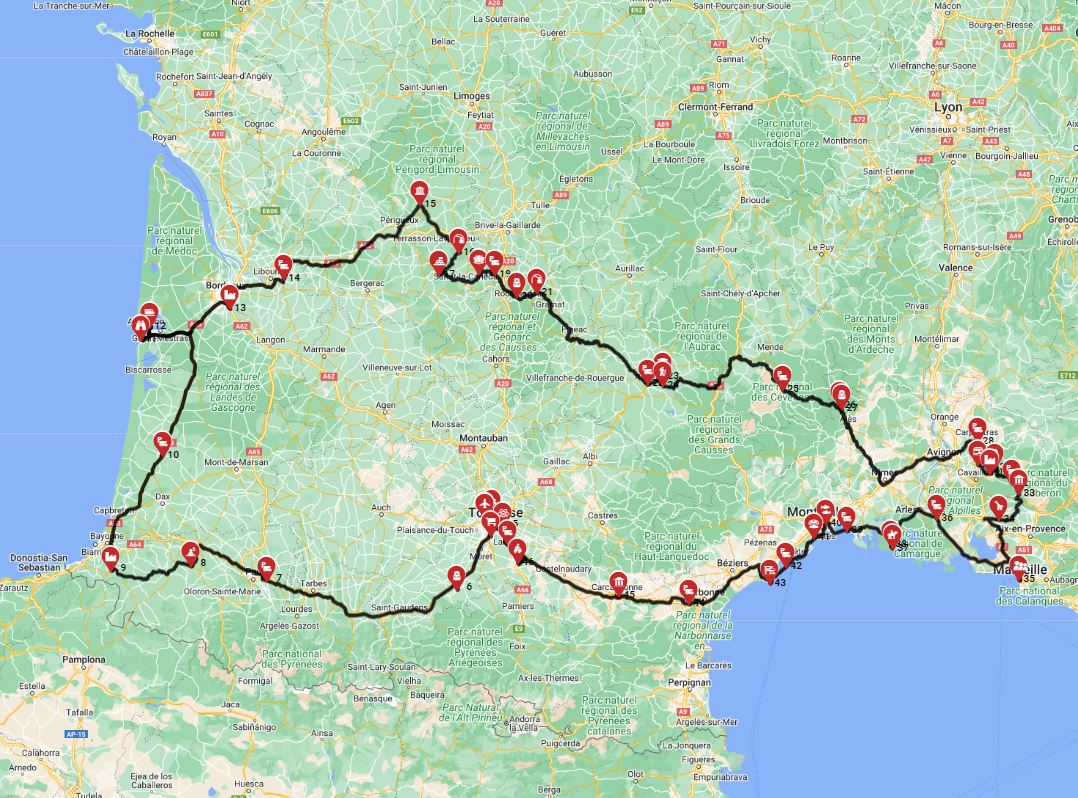
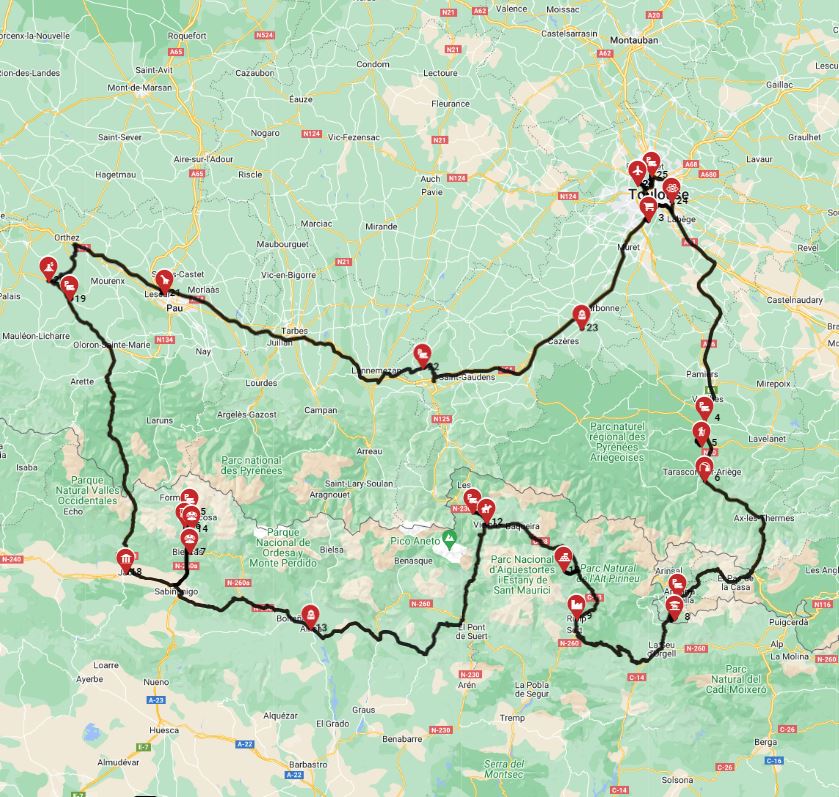
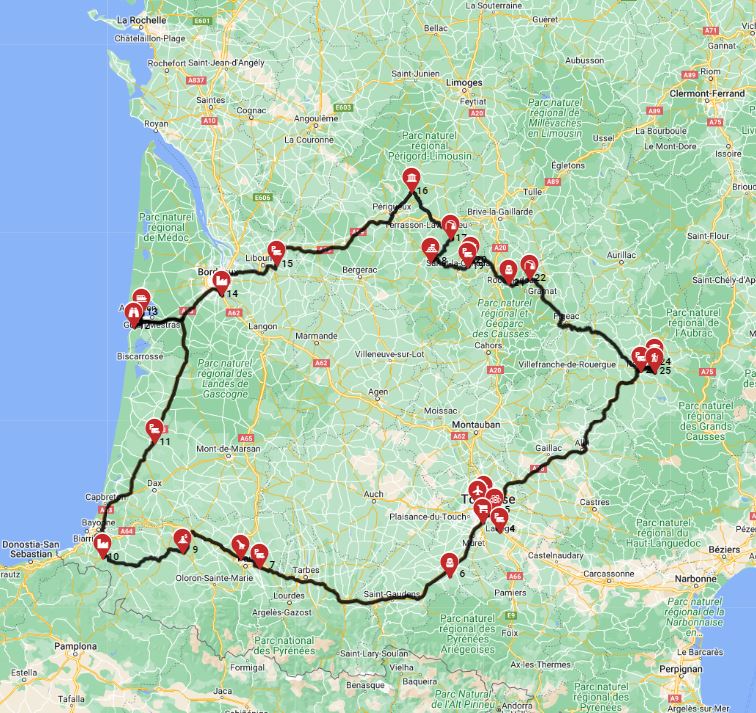
For travelers seeking a meticulously crafted long term RV itinerary for Toulouse, the "Toulouse Round trip - European Charms & Family Delights" route plan is an excellent choice. This comprehensive 15-day journey covers 2088.7 km, starting and ending in Toulouse, offering a rich blend of attractions. This route plan, available through RV PLANET (rvplan.net), ensures you have a pre-planned adventure that includes 1 Amusement Park, 1 Animals Show/Wildlife watch, 1 Aquarium, 1 Botanical garden, 1 Canoe/Kayak/Rafting, 2 caves, 1 Cruise Terminal/Sailing, 1 Extreme Activity, 2 Family Activities, 1 hiking area, 2 Historical Sites, 1 Horseback Riding, 3 Local Industry visits, 1 Museum, 1 Natural Feature, 1 Science Site, 1 Traditional Market, 1 Traditional Restaurant/Fine Dining, 4 Traditional Visits, 1 Water Park, and 1 Zoo. When planning your budget for this extensive journey, remember that on RV PLANET routes, you can itemize and track every expense along the way for easy budgeting, covering fuel, campground fees, and more. This removes the hassle of day-to-day planning, allowing you to simply enjoy the journey. This detailed plan is just one example of the 1,300+ pre-planned routes across 5 continents available via RV PLANET (rvplan.net), our sister company dedicated to making RV travel planning effortless.Must-See Stops Along the Way (Avi Bandana Picks)
"When exploring Toulouse and its stunning surroundings by rented motorhome, certain experiences truly stand out and offer a deeper connection to the region's spirit," says Avi Bandana, founder of Bandana Caravan.Looking for expert insights from Avi Bandana? Top 5 Adventures - recommendations from Avi Bandana:
- Traditional Visit: Avi Bandana recommends exploring the ancient fortifications of Château Comtal in Carcassonne, a truly magnificent historical site. He also suggests delving into space exploration at Toulouse's Cité de l'Espace, an innovative and family-friendly attraction. Don't miss wandering through the charming streets of La Borie d'Imbert, a beautifully preserved village.
- Local Industry: Experience the Espelette Pepper Workshop for a hands-on culinary adventure in the Basque Country, offering insights into local agricultural traditions. Further, uncover the secrets of truffle hunting at the Ecomusée de la Truffe in Sorges, providing unique insights into local production and a taste of the region's gastronomic treasures. For those interested in exploring different regions of France, you might find inspiration in our "RV Rental France - Complete Guide 2026" which covers various local industries and cultural experiences.
- Traditional Market: Immerse yourself in the local culture by visiting a vibrant traditional market in towns like Albi or Sarlat, where regional produce and crafts abound, perfect for picking up fresh ingredients for your RV kitchen. Our RV-friendly recipes playlist offers ideas for meals you can prepare with your market finds.
- Traditional Restaurant: Savor the regional flavors at a traditional restaurant in Carcassonne, offering authentic Occitan cuisine, providing a delicious break from cooking in your rented camper.
Daily Driving Distances & Drive Times in Toulouse
To ensure a relaxed and truly immersive long term RV rental experience, Avi Bandana recommends averaging a maximum of 100 miles (approximately 150 km) of driving per day. This pace allows ample time for exploration, cultural connection, and enjoying the scenery, rather than rushing from one spot to the next.Here are some typical driving distances and times for key segments around Toulouse:
- Toulouse to Albi: This journey covers approximately 80 km (50 miles) and takes about 1 hour of drive time. This makes for an easy day trip or a leisurely first leg of an extended trip.
- Carcassonne to Narbonne: The drive between these historic cities is roughly 60 km (37 miles), taking about 45 minutes. This short distance allows for plenty of time to explore both locations.
- Sarlat-la-Canéda to Toulouse: The return leg from the Dordogne to Toulouse is approximately 150 km (93 miles), with an estimated drive time of 2 hours, making it a comfortable journey to conclude your adventure.
Best RV Class for This Itinerary - Couple & Family Picks
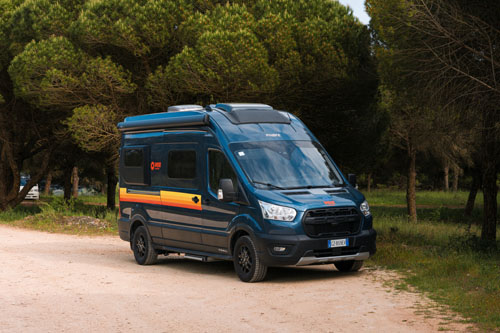
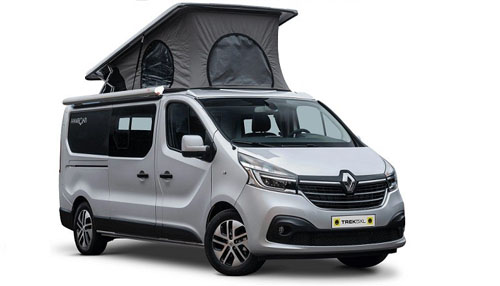
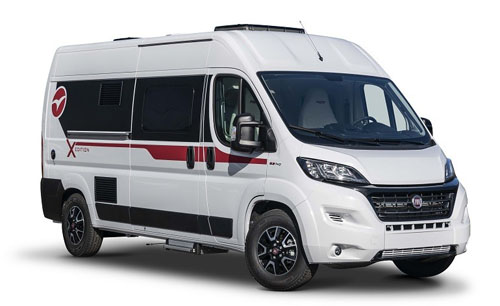
Choosing the right motorhome or campervan for your long term RV rental in Toulouse is crucial for comfort and flexibility. Bandana RV specializes in motorhomes and campervans, ensuring you find the perfect fit for your adventure.- For Couples: A Class B Camper Van, such as the "V3" or "luxury rv rentals example Carthago Malibu 600", averaging 5.4 meters in length and comfortably sleeping 2-3 adults, offers excellent maneuverability for navigating charming French villages and winding D-roads. Its fuel efficiency (typically 9-15 L/100 Km) is also a significant advantage for extended trips, keeping your costs manageable. These smaller campervans like "Combi Van" or "DVC" are perfect for intimate adventures.
- For Families: A Class C Alcove motorhome is ideal for families with kids or larger groups. Models like the "24' Class C Motorhome" or "Category Family 5" provide an average of 7.4 meters in length and comfortably sleep 5-6 people, with dedicated sleeping areas including a bed over the cab and convertible dinettes. These vehicles offer more interior space for living, cooking, and relaxing, which is essential for longer trips. You might consider a "Glamys 40" for a family trip.
What are the new rules for motorhomes in France?
France has implemented new regulations impacting motorhomes, particularly concerning environmental zones (Zones à Faibles Émissions or ZFEs) in major cities like Toulouse, requiring specific Crit'Air vignettes for entry. These vignettes, categorized by vehicle emissions, must be displayed on your rented motorhome's windshield to avoid fines, which start from €68. Rules around wild camping have also tightened in some areas; while tolerated in many rural spots, local municipalities now have greater authority to prohibit overnight parking outside designated campsites or Aires de Service, especially around popular tourist areas or city centers. New legislation often focuses on waste disposal and responsible tourism, strongly urging RVers to utilize official facilities for grey and black water and rubbish at designated dump stations and Aires de Service to protect the environment.Is France motorhome friendly?
France is widely considered a very motorhome-friendly country, boasting an extensive and well-maintained network of 'Aires de Service' (dedicated service areas) where RVers can park, resupply with fresh water, and dispose of waste, often for free or a nominal fee. The country offers a breathtakingly diverse landscape, from the sun-drenched Mediterranean coast to the majestic peaks of the Pyrenees and the historic villages of the Dordogne, all of which are highly accessible to rented RVs, making it a popular destination for long-term rentals. Many towns and villages actively provide specific motorhome parking, though urban centers like Toulouse may have restrictions on vehicle size and duration of stay, necessitating careful planning for city visits. Overall, France's infrastructure and culture welcome RV travelers, ensuring a convenient and enjoyable experience.Are D-roads in France suitable for motorhomes?
Departmental roads (D-roads) in France are generally suitable for motorhomes, offering picturesque routes through charming villages and rolling countryside that larger national highways (N-roads) or motorways (A-roads) often bypass. While D-roads can be narrower and more winding, especially in mountainous regions like the Pyrenees or very old village areas, they are typically well-maintained and provide a more authentic, slow-travel French experience. Drive slowly and carefully, and you can drive almost anywhere without issues. No need to stress - just use common sense and pay attention. Always check for specific signage regarding height or weight restrictions, particularly when entering small historic towns with archways or crossing older bridges, and consider using an RV-specific GPS for optimal navigation.Can you sleep in a campervan anywhere in France?
No, you cannot legally sleep in a campervan just anywhere in France; while tolerated in many remote rural areas, explicit wild camping is generally prohibited, and local regulations vary significantly from commune to commune. It is typically legal to park your rented RV and sleep overnight on public land where parking is permitted, provided there are no specific prohibitions or "no camping" signs, but this is usually interpreted as parking rather than setting up camp with awnings and outdoor furniture. Designated Aires de Service, official campsites (over 8,000 across France), and private initiatives like France Passion (allowing free overnight stays at hundreds of farms and vineyards for a fee-based membership) are the safest and most recommended options for overnight parking, offering amenities like fresh water and waste disposal. For finding campsites and campgrounds during your trip, we recommend using RV PLANET (rvplan.net) - a great resource for locating available spots along your route.What is the 3-3-3 rule for RV travel?
The 3-3-3 rule for RV travel recommends driving no more than 300 miles (approximately 480 km) in a day, arriving at your destination by 3 PM, and staying for a minimum of 3 nights. This guideline is designed to promote a relaxed and enjoyable pace of travel, preventing driver fatigue and allowing ample time to explore each location thoroughly rather than rushing between stops, which is especially important for long term RV rentals. While useful as a general framework, Avi Bandana suggests an even slower pace of a maximum of 100-150 km (60-90 miles) per day for a long-term rental in France to fully immerse yourself in the local culture, food, and scenery, maximizing the benefits of slow travel.How many days should I spend in Toulouse?
To fully experience Toulouse and its immediate surroundings before embarking on an RV journey, Avi Bandana recommends spending at least 2-3 full days in the city itself. This allows sufficient time to explore key attractions like the historic Capitole de Toulouse, the stunning Basilica of Saint-Sernin, the peaceful banks of the Canal du Midi, and the fascinating Cité de l'Espace, along with enjoying its vibrant culinary scene. For a comprehensive long-term RV rental experience starting from Toulouse, planning a trip of 7 to 15 days (or even longer) allows extensive exploration of the wider Occitanie region, including the Pyrenees, Cathar castles, and the picturesque Lot Valley.How many days is enough for Toulouse?
Two to three days are generally sufficient to explore the main sights of Toulouse, allowing visitors to appreciate its unique "Pink City" architecture and rich cultural offerings without feeling rushed. This duration provides enough time to see the Capitole, wander through charming neighborhoods, enjoy local cuisine at a traditional restaurant, and perhaps visit a museum or the Cité de l'Espace. For those planning a longer RV trip, allocating these initial days in Toulouse before picking up the motorhome provides a fantastic introduction to the region and a chance to stock up on groceries for your journey (consider local markets for fresh produce). An extended visit, particularly for a long term RV rental, should then focus more on using Toulouse as a gateway to explore the Pyrenees, Cathar castles, and other delights of the Occitanie region with your rented camper.Where not to go in Toulouse?
When navigating Toulouse with a rented RV, it's advisable to avoid the very narrow, historic streets of the city center, particularly around areas like Saint-Étienne and Carmes, which can be extremely challenging for larger vehicles due to limited space, pedestrian zones, and one-way systems. Specific underground parking garages often have height restrictions (typically around 1.90m or 6 feet 3 inches), so it's best to research designated RV parking or utilize campsites on the outskirts with easy public transport access into the city center. Certain low bridges over the Canal du Midi or local rivers, such as the Pont Neuf, might also be unsuitable for taller motorhomes; always check your RV's height and plan routes accordingly using an RV-specific GPS system. Drive slowly and carefully, and you can drive almost anywhere without issues. No need to stress - just use common sense and pay attention.Is Toulouse in France worth visiting?
Toulouse is absolutely worth visiting, known affectionately as "La Ville Rose" (The Pink City) for its distinctive terracotta brick architecture that glows at sunset, its vibrant atmosphere, and rich history, making it a captivating starting point for an RV adventure. The city offers a unique blend of historical heritage, cutting-edge aerospace innovation (it's home to Airbus and the Cité de l'Espace), and a lively student population, providing a diverse range of attractions from ancient basilicas to modern museums. Its strategic location also makes it an ideal base for exploring the stunning Occitanie region, including the Pyrenees, the Canal du Midi, and the dramatic Cathar Country, enhancing its appeal for long-term RV travelers seeking both urban charm and natural beauty.Is Bordeaux or Toulouse better to visit?
The choice between Bordeaux and Toulouse for your RV trip often depends on individual preferences for culture, gastronomy, and the type of surrounding region you wish to explore. Bordeaux is renowned worldwide for its world-class wine region and grand 18th-century architecture, ideal for those focused on viticulture, elegant urban exploration, and gourmet experiences. Toulouse, on the other hand, offers a more relaxed, southern French charm, a distinct 'pink city' aesthetic, rich history (especially Cathar), and serves as an exceptional gateway to the rugged Pyrenees and the picturesque Canal du Midi. Many consider Toulouse more RV-friendly for accessing diverse natural landscapes and historic castles beyond the city, whereas Bordeaux's tighter city streets might favor smaller campervans or parking on the outskirts. Both offer incredible long term RV rental experiences, but Toulouse might edge out Bordeaux for those prioritizing natural adventures and historical exploration outside the city walls. For a broader view, consider our "RV Rental France - Complete Guide 2026" which outlines both cities' RV rental advantages.What You Shouldn't Miss
- **Explore the Cité de Carcassonne:** This UNESCO World Heritage site is a stunning medieval fortress town, perfectly preserved and offering a step back in time. Parking your rented motorhome just outside the walls provides easy access for a day of exploration.
- **Cruise the Canal du Midi:** Rent a small boat or simply cycle along the towpaths of this historic canal. Many sections offer peaceful Aires de Service for your campervan, allowing you to wake up to serene waterside views.
- **Discover the Pyrenees National Park:** Just a few hours' drive from Toulouse, the Pyrenees offer breathtaking hiking, stunning mountain lakes, and charming villages. Many campsites cater to RVs, providing an incredible natural escape.
- **Visit Albi's Sainte-Cécile Cathedral:** This unique fortified cathedral, also a UNESCO site, boasts incredible brick architecture and intricate frescoes, a must-see for history and art lovers on your long term RV trip.
- **Wander through Cordes-sur-Ciel:** Perched dramatically on a hilltop, this "Most Beautiful Village of France" offers stunning views and artisan shops, an easy detour with your rented RV from a main route.
- **Indulge in Toulouse's Gastronomy:** Savor cassoulet, foie gras, and local wines. Park your camper at a designated spot outside the city center and use public transport to enjoy a night out without worrying about driving.
🎬 Video coming soon
Final Thoughts
Embarking on a long term RV rental in Toulouse promises an unforgettable journey through the heart of Occitanie, a region rich in history, culture, and breathtaking natural beauty. With the freedom of your rented motorhome or campervan, you can set your own pace, linger in charming villages, and truly connect with the authentic French experience. Remember to embrace slow travel, allowing 100-150 km per day to truly savor each moment and culinary delight. Bandana Caravan is here to ensure your adventure starts smoothly, offering full transparency and expert support from initial comparison to post-booking coordination. Imagine the memories you'll create, from exploring medieval castles to relaxing by the Canal du Midi, all from the comfort and convenience of your mobile home. Discover top destinations, planning tips, all in one place! Ready to plan your dream long term RV trip from Toulouse? Our extensive network of suppliers and transparent pricing make it easy to find the perfect motorhome for your family or group. Find Motorhome Rentals in ToulouseOn the routes offered through RV PLANET routes, you can itemize and track every expense along the way for easy budgeting.