In This Guide
- Best Santiago RV Itinerary for long term rv rental — Overview
- 7-Day Classic Route in Santiago
- 14-Day Extended Journey in Santiago
- Recommended RVPlan Trip for Santiago
- Must-See Stops Along the Way (Avi Bandana Picks)
- Daily Driving Distances & Drive Times in Santiago
- Best RV Class for This Itinerary — Couple & Family Picks
- What is the best time of year to RV in Chile
- How much does it cost to rent an RV in Chile per month
- Can you sleep in an RV anywhere in Chile
- Is it safe to drive an RV in Chile
- What documents do I need to rent an RV in Chile
- Where can I get water for my RV in Chile
- What should I pack for an RV trip in Chile
- Are there tolls on Chilean roads
- What is the best way to interact with locals in Chile
Best Santiago RV Itinerary for long term rv rental — Overview
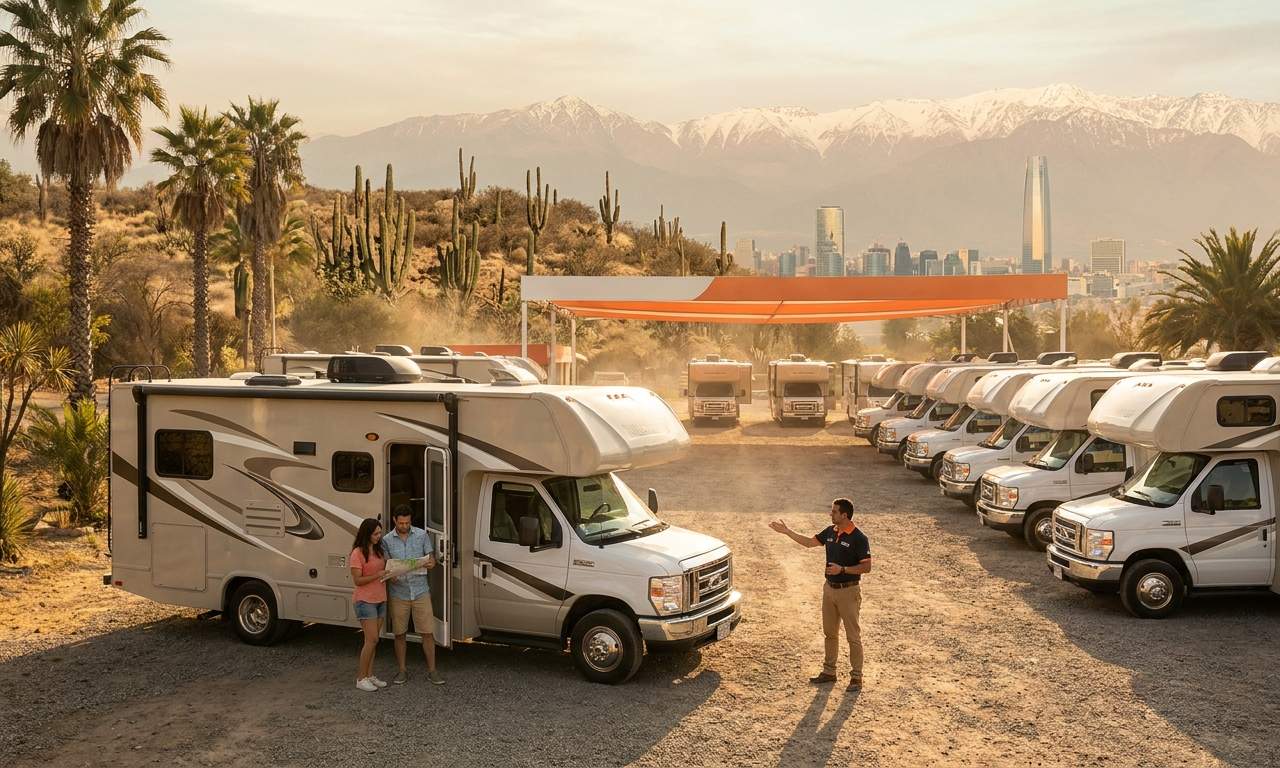
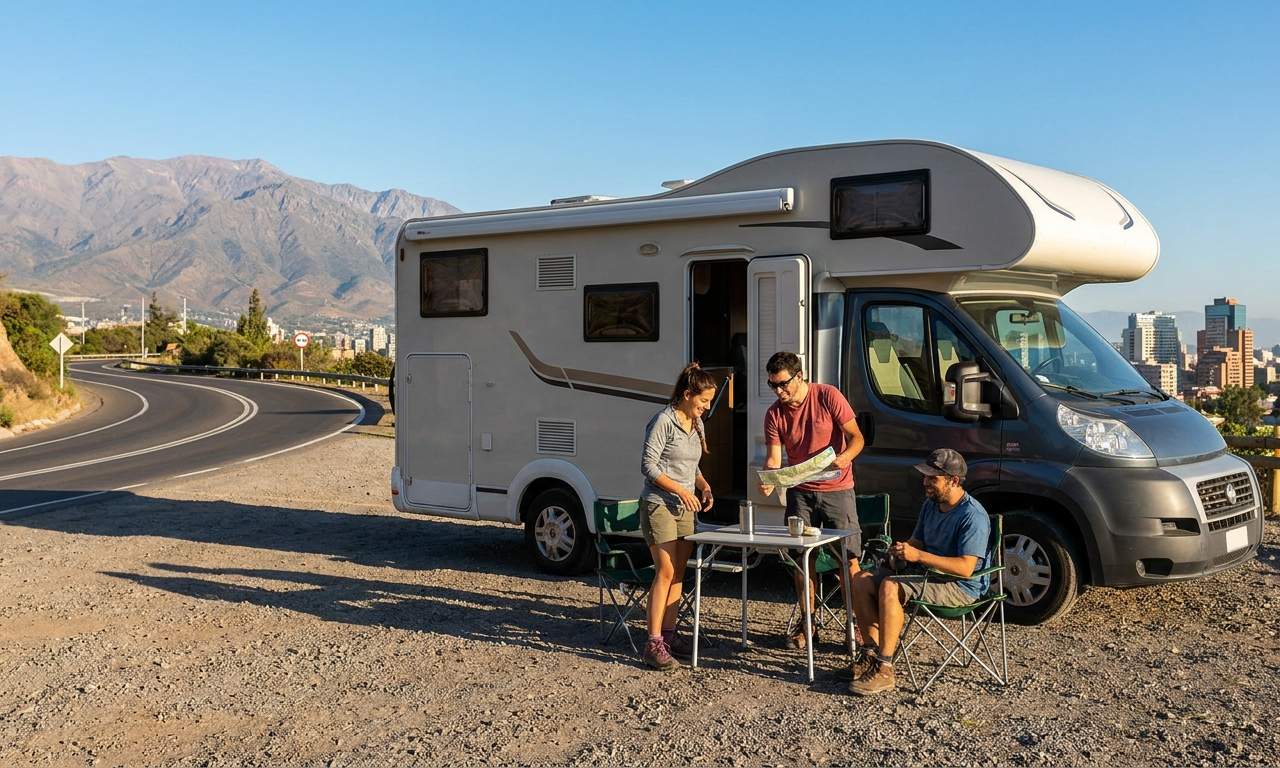 A long-term RV rental from Santiago offers unparalleled freedom to explore Chile's incredibly diverse landscapes. From the arid north to the glacial south, a motorhome provides a comfortable and flexible base for extended adventures. For those seeking a comprehensive experience, a minimum of 14 days is recommended, with 30 or more days allowing for truly in-depth exploration. The total distances covered can range significantly, from 1,500 km for a more focused Central Chile tour to over 3,000 km if venturing further afield. The sweet spots for long-term RVing in Chile are typically spring (September to November) and autumn (March to May), offering pleasant temperatures and fewer crowds, which enhances the overall experience. For those planning a broader trip, our guide to RV Rental Chile - Complete Guide 2026 covers everything you need to know about the country.
7-Day Classic Route in Santiago
Embark on a classic week-long RV journey from Santiago, perfectly crafted to showcase the beauty and culture of Central Chile. This itinerary balances scenic drives with engaging activities, providing a taste of what a long-term RV rental in Santiago can offer.- Day 1: Santiago → Valparaíso (120 km) - Begin your adventure by driving to Valparaíso, a vibrant, colorful, and historic port city and a UNESCO World Heritage site. Settle into your RV at a local RV park in Valparaíso or the nearby coastal town of Viña del Mar.
- Day 2: Valparaíso → Casablanca Valley → Pomaire (60 km) - Enjoy wine tasting in the renowned Casablanca Valley, famous for its crisp white wines, before heading to Pomaire, a charming artisan village known for its traditional Chilean pottery. Overnight at a designated winery stop or a local campground.
- Day 3: Pomaire → Lago Rapel (80 km) - Relax by the shores of Lago Rapel, Chile's largest artificial lake, offering opportunities for water sports or simply enjoying the tranquil scenery. Find a comfortable campground by the lake for your overnight stay.
- Day 4: Lago Rapel → Pichilemu (100 km) - Journey south to Pichilemu, widely recognized as Chile's surfing capital. Soak in the beach vibes and explore this lively coastal town. Overnight at a beachfront RV park.
- Day 5: Pichilemu → Santa Cruz (Colchagua Valley) (120 km) - Drive to the heart of the Colchagua Valley, a world-renowned wine region. Explore its acclaimed wineries and fascinating museums. Stay overnight at a winery accommodation or an urban campground in Santa Cruz.
- Day 6: Santa Cruz → Cajón del Maipo (140 km) - Head towards the majestic Andes foothills, entering the stunning Cajón del Maipo region, famous for its natural hot springs and abundant hiking trails. Park your RV at a mountain campground in Cajón del Maipo.
- Day 7: Cajón del Maipo → Santiago (70 km) - Enjoy a final, scenic drive back to Santiago, concluding your incredible week-long RV exploration.
14-Day Extended Journey in Santiago
If you have more time, an extended 14-day RV itinerary from Santiago allows for a deeper dive into the region's cultural and natural treasures. This route offers a more relaxed pace, giving you ample time to savor each destination.- Central Valley & Coast (Days 1-5): This segment focuses on cultural immersion and Pacific coastal beauty.
- Day 1: Santiago → Valparaíso (120 km) - Explore the UNESCO World Heritage port city with its vibrant street art and unique topography. Sleep in an RV park near Valparaíso.
- Day 2: Valparaíso → Viña del Mar → Concón (30 km) - Visit the manicured gardens and beautiful beaches of Viña del Mar, and enjoy fresh seafood in Concón. Overnight at a coastal RV park in Concón.
- Day 3: Concón → Casablanca Valley → Pomaire (80 km) - Indulge in wine tasting in the Casablanca Valley and discover traditional Chilean artisan crafts in Pomaire. Stay at a winery stop or Pomaire campground.
- Day 4: Pomaire → Lago Rapel (80 km) - Enjoy lakeside relaxation and water activities. Overnight at a campground by the lake.
- Day 5: Lago Rapel → Pichilemu (100 km) - Travel to Pichilemu, Chile's surf haven, for coastal exploration. Sleep at a beachfront RV park.
- Colchagua & Central Andes (Days 6-10): Delve into wine country and the majestic Andes.
- Day 6: Pichilemu → Santa Cruz (Colchagua Valley) (120 km) - Experience world-class wineries and local museums in the Colchagua Valley. Stay at a winery or RV park in Santa Cruz.
- Day 7: Santa Cruz (Exploration Day) - Dedicate a full day to wine tours, cultural sites, and local cuisine in Santa Cruz. Stay at the same location.
- Day 8: Santa Cruz → Termas del Flaco (Andes Foothills) (100 km) - Drive into the high Andes to experience thermal hot springs. Camp near Termas del Flaco.
- Day 9: Termas del Flaco → Curicó (80 km) - Descend to the central valley, known for its agriculture and wine. Camp near Curicó.
- Day 10: Curicó → Reserva Nacional Radal Siete Tazas (100 km) - Explore stunning waterfalls and natural pools in this beautiful national reserve. Overnight inside or near Radal Siete Tazas.
- Return to Santiago via Cajón del Maipo (Days 11-14): A scenic route back to the capital.
- Day 11: Radal Siete Tazas (Exploration Day) - Hike to various waterfalls and immerse yourself in the pristine natural environment. Stay at the same location.
- Day 12: Radal Siete Tazas → Cajón del Maipo (200 km) - A longer driving day to reach the beautiful Andean canyon. Camp in Cajón del Maipo.
- Day 13: Cajón del Maipo (Exploration Day) - Discover El Morado Natural Monument, Embalse El Yeso, or local hot springs. Stay in the same location.
- Day 14: Cajón del Maipo → Santiago (70 km) - Enjoy the final scenic return drive to Santiago for your RV drop-off.
Recommended RVPlan Trip for Santiago
While a specific RVPlan trip precisely matching this Santiago itinerary isn't currently available, Avi Bandana strongly encourages exploring the diverse range of expertly curated itineraries on our RVPlan platform. These ready-made routes are designed to offer detailed day-by-day guidance, ensuring a hassle-free and enriching long-term RV adventure across Chile. You can browse options tailored to various durations, interests, and RV types, simplifying the planning process for an unforgettable journey. Utilizing RV PLANET routes can help itemize and track every expense along the way for easy budgeting.Must-See Stops Along the Way (Avi Bandana Picks)
Avi Bandana's personal recommendations for an authentic long-term RV experience from Santiago focus on immersing yourself in local life and flavors. His top picks include the vibrant markets of La Vega Central in Santiago, where you can find fresh produce and experience Chilean daily life. The historic port city of Valparaíso is a must-visit for its unique street art, colorful hills, and bohemian culture, best explored on foot. A visit to the boutique wineries of the Colchagua Valley offers a deep dive into Chile's renowned wine industry, with opportunities for tastings and tours. Don't miss the artisan village of Pomaire for traditional crafts and a chance to interact with local artisans. Finally, seek out local 'picadas'—small, traditional restaurants found throughout your route—for authentic Chilean home-style cooking at affordable prices. These experiences will truly enrich your long-term RV rental in Santiago.Daily Driving Distances & Drive Times in Santiago
Avi Bandana's philosophy of slow travel is key to a truly enjoyable long-term RV trip. He recommends averaging a maximum of 100 miles or 150 km per day. This approach allows ample time for exploration, spontaneous discoveries, and deeper immersion in local cultures and scenic spots, rather than just rushing between destinations. For example, the drive from Santiago to Valparaíso takes approximately 1.5 to 2 hours, covering about 120 km on Ruta 68. The journey from Valparaíso to Pomaire is shorter, around 1 hour for 60 km via local roads and Ruta G98-F. A longer segment, such as Santa Cruz in the Colchagua Valley to Cajón del Maipo, takes roughly 2.5 to 3 hours, covering approximately 140 km, depending on traffic and specific Andean destinations. For those seeking even more planning assistance, explore our RV Rental Deals in Santiago - Latest Offers 2026 to find great options for your journey.Best RV Class for This Itinerary — Couple & Family Picks
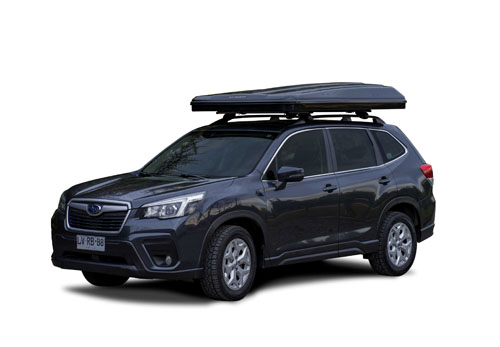
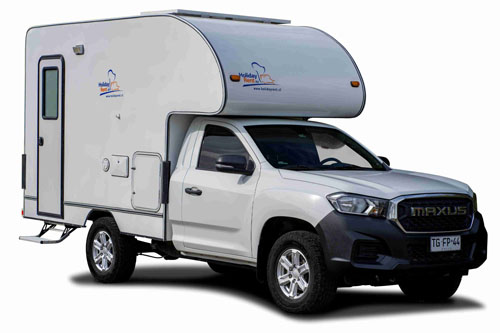
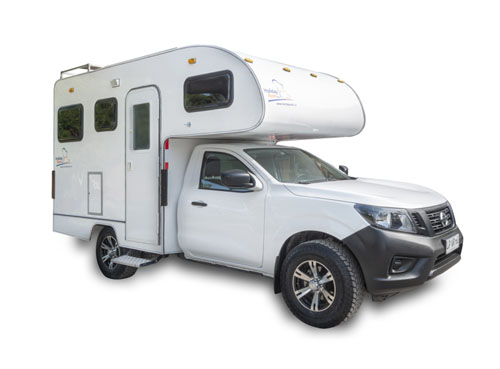
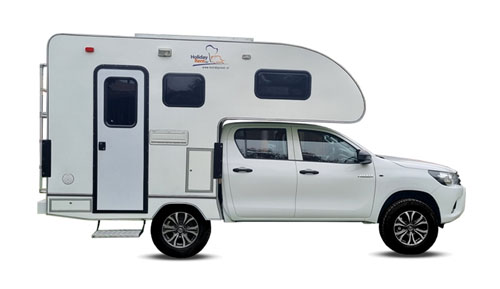
Choosing the right RV is crucial for a comfortable long-term rental in Santiago. For couples prioritizing agility, versatility, and fuel efficiency, the Class TC - Truck Camper is an excellent choice. Bandana's local fleet of Class TC - Truck Campers averages 5.6 meters in length, making them highly maneuverable through Chile's varied terrain, including narrower roads, mountain passes, and urban areas. With an average of 2.7 sleeping places and good fuel economy, it offers a cozy and economical long-term travel experience for two adults. For a small family, perhaps two adults and one child, the Class TC - Truck Camper can also be a suitable option. Its compact size remains a significant advantage for navigating Chile's diverse roads, allowing a cozy and adventurous long-term experience together. To further simplify planning for your extensive Chilean adventure, consider Avi Bandana's 'Rent & Plan' service, which combines your RV rental with a ready-made itinerary crafted by travel experts, providing full access to our trip-planning software and removing the headache of organizing your long-term journey. Explore our guide to Family RV Rental in Santiago - Pricing Guide 2026 for more family-specific vehicle options.What is the best time of year to RV in Chile
The ideal time to RV in Chile largely depends on your chosen itinerary's geographical focus, as Chile's vast length encompasses diverse microclimates. Generally, spring (September to November) and autumn (March to May) offer the most pleasant weather conditions across most of the country, allowing you to avoid the intense heat of summer in the central valley and the peak tourist crowds. For exploring the stunning Patagonian regions in southern Chile, the summer months (December to February) are preferable for warmer temperatures and longer daylight hours, though this is also peak season, meaning higher prices and more visitors. Central Chile, including Santiago and its coastal areas, enjoys agreeable temperatures during both spring and autumn, making these seasons perfect for wine routes, hiking, and cultural explorations. Driving an RV in winter (June to August) can present challenges in mountainous regions due to snow and potential road closures, so careful planning is essential.How much does it cost to rent an RV in Chile per month
The monthly cost of renting an RV in Chile varies considerably based on the RV class, rental duration, the season of travel, and the included amenities. However, for a long-term rental, you can typically expect prices to range from $2,000 to $4,500 USD. It's important to remember that this base rental cost excludes additional significant expenses such as fuel, tolls, and campsite fees. Budgeting for fuel is crucial, as it represents a substantial ongoing cost; gasoline prices in Chile average around 1,200 CLP per liter ($1.25 USD/liter), with slight regional variations. Chile employs both traditional manual toll booths and an electronic TAG system for its highways; factoring these into your budget is wise, as frequent travel incurs considerable costs. While boondocking is possible in many remote areas, designated campgrounds (campings) offer essential amenities and security, typically costing between $10-$30 USD per night. Embracing local food sourcing from markets like La Vega Central in Santiago or regional ferias can significantly reduce food expenses compared to supermarket shopping. Always ensure your rental includes comprehensive insurance and consider additional personal travel insurance for your extended journey. To get the best rates, explore our Cheap RV Rental in Santiago - Budget Guide 2026 for tips on saving money.Can you sleep in an RV anywhere in Chile
While regulations for sleeping in an RV can vary, Chile generally permits boondocking or wild camping in many remote and designated areas, particularly on public lands. However, it's crucial to prioritize safety, adhere to local regulations, and practice respect to avoid any issues. Many remote areas, especially within national parks (always check specific park regulations), along less-traveled roads, or on private land with explicit permission, allow for overnight parking. Always prioritize secure parking; avoid isolated or poorly lit areas within towns. In populated areas, utilizing secure campgrounds is often the safest and most convenient option, especially for long-term travelers. Remember to practice responsible off-grid RVing by adhering to 'leave no trace' principles: pack out all trash, dispose of greywater responsibly, and utilize designated dump stations. Always keep local emergency numbers handy and ensure you have a reliable communication method, particularly when in remote regions.Is it safe to drive an RV in Chile
Driving an RV in Chile is generally considered safe, particularly on major routes, but it necessitates awareness of unique road conditions, local driving customs, and specific safety precautions to ensure a smooth and enjoyable long-term journey. Major highways, like Ruta 5, are well-paved and easily navigable. However, many scenic routes leading to national parks or more remote areas may be gravel (ripio) or unpaved, requiring slower speeds and more careful driving. Be prepared for winding roads and significant elevation changes in Andean regions; ensure your rented RV is suitable for such terrain. Chilean drivers can sometimes be assertive, so practicing defensive driving is always recommended. To prevent crime, avoid leaving valuables visible in your RV, especially in cities, and utilize secure parking facilities like paid lots or guarded campgrounds whenever possible. Always carry a spare tire, essential tools, a basic first-aid kit, and sufficient water and fuel for remote stretches. Cellular service can be intermittent in remote areas, so consider a satellite communication device or offline maps as a backup. Familiarize yourself with your rental company's roadside assistance contact and know how to accurately relay your location in case of a breakdown. Additionally, be aware of animals on rural roads, especially at dawn or dusk, and watch for potential rockfalls in mountainous areas. Explore our RV Rental Deals in Santiago - Latest Offers 2026 for vehicles suitable for Chile's diverse roads.What documents do I need to rent an RV in Chile
To rent an RV in Chile, you will typically need a valid driver's license from your country of residence. An International Driving Permit (IDP) is highly recommended, and often required, if your national license is not in Spanish or English. Ensure you obtain this in your home country before your travels. A valid passport is mandatory for identification and rental agreements. You will also need a major credit card in the primary driver's name to cover the rental cost and security deposit. It's essential to confirm the insurance coverage included with your rental and consider purchasing additional coverage for extended peace of mind, especially for a long-term journey. Most rental companies require drivers to be at least 25 years old; however, some may rent to younger drivers (typically 21+) with an additional fee.Where can I get water for my RV in Chile
Securing water for your RV in Chile is achievable through various sources, including designated campgrounds, which are the most reliable for both fresh water fill-ups and grey/black water dump stations. Many larger gas stations (servicentros), particularly along main highways, also offer water taps, though it's always advisable to inquire locally about potability and filtration options. In smaller towns, you might find public water sources; asking locals for 'agua potable' (drinking water) is a good approach. Regardless of the source, it is highly recommended to use a high-quality water filter when filling your tank, and consider additional purification methods for drinking water. For dump stations, look for 'Estación de Descarga de Aguas Grises/Negras' at campgrounds or specialized RV service points. Propane (gas licuado or GLP) can be refilled at designated gas stations or 'plantas de gas'; ensure your tank connection is compatible or have an adapter ready. While general mechanics are abundant, specialized RV mechanics might be harder to find outside major cities, so researching their locations in advance is beneficial for long-term travel. For finding campgrounds with these facilities, RV PLANET (rvplan.net) is an excellent resource for locating available spots along your route.What should I pack for an RV trip in Chile
Packing for an RV trip in Chile requires consideration for its diverse climates and terrains. It's essential to pack versatile clothing layers, including moisture-wicking base layers, insulating mid-layers, and a waterproof/windproof outer shell to adapt to varying temperatures. Sturdy footwear, such as hiking boots for trails and comfortable shoes for city exploration, is vital. Navigation tools are critical; offline maps (like Maps.me or downloaded Google Maps) are essential as cell service can be intermittent in remote areas. For safety and emergency preparedness, pack a first-aid kit, flashlight/headlamp, an emergency roadside kit, and consider a satellite messenger for very remote stretches. Bring a portable power bank to keep your devices charged. For cooking and food storage, while basic utensils are usually included, consider bringing reusable bags, food containers, and a small cooler for fresh produce from local markets. Specific climate items are also important: sunscreen, hats, and sunglasses are vital for high-altitude sun; bug spray is useful for rural areas; and swimwear is a must for coastal towns or hot spring visits. Don't forget entertainment like books or downloaded movies for downtime. Crucially, keep all essential documents (passport, license, rental agreement, insurance) easily accessible and consider having digital backups. For more specific gear advice, check our RV Travel Guide to Santiago - Tips and Top Spots 2026.Are there tolls on Chilean roads
Yes, Chile has tolls on many major roads and highways, particularly around urban centers and on intercity routes. You'll encounter both traditional toll booths, where cash (Chilean Pesos) or sometimes credit/debit cards are accepted, and an electronic TAG system. Santiago and its surrounding areas, including major access routes, primarily operate on an electronic tolling system using a TAG device installed in the vehicle. When renting an RV for long-term travel, ensure your vehicle is equipped with a TAG and understand how the rental company manages toll charges—whether it's prepaid or billed post-rental. It's wise to factor toll costs into your travel budget, as they can accumulate significantly on an extended trip. Utilizing navigation apps that can display toll roads will help you plan accordingly. While it's possible to avoid some tolls by taking alternative routes, these are often slower, less well-maintained, and can impact travel time and RV wear.What is the best way to interact with locals in Chile
The most rewarding way to interact with locals in Chile, enhancing your long-term RV travel experience, involves showing respect for cultural norms, attempting basic Spanish phrases, and being open to engaging in conversations. Learning fundamental greetings like 'Hola', 'Gracias', 'Por favor', and 'Buenos días/tardes/noches' will significantly contribute to showing respect and initiating friendly interactions. Chileans generally appreciate politeness; a simple 'permiso' (excuse me) when passing or 'con permiso' when interrupting is customary. Greeting rituals involve handshakes for introductions, and among friends or acquaintances, women often greet with a single kiss on the cheek. Engaging with vendors at local markets and trying 'picadas' (small, traditional eateries) are excellent opportunities for authentic interactions and culinary discoveries. Don't hesitate to ask locals for recommendations on places to visit, eat, or for directions; they are often happy to help. Patience and an open attitude are universally understood and appreciated, especially when navigating language barriers. When visiting rural or indigenous communities, be mindful of local customs and traditions, and always ask permission before taking photos of people.What You Shouldn't Miss
- La Vega Central Market (Santiago): Immerse yourself in the vibrant atmosphere of Santiago's central market for a true taste of local life and Chilean produce.
- Valparaíso's Street Art and Hills: Explore the colorful UNESCO World Heritage city of Valparaíso on foot to fully appreciate its unique street art and bohemian culture.
- Colchagua Valley Wineries: Dedicate time to visiting the renowned wineries of the Colchagua Valley for exceptional wine tastings and cultural insights into Chile's esteemed wine industry.
- Artisan Village of Pomaire: Discover traditional Chilean pottery and crafts in Pomaire, engaging directly with local artisans.
- Surfing in Pichilemu: Experience Chile's surf capital, Pichilemu, and enjoy its laid-back coastal atmosphere.
- Andean Landscapes of Cajón del Maipo: Explore the stunning natural beauty of the Cajón del Maipo, with its hot springs and hiking trails, offering a perfect Andean escape.
Final Thoughts
Renting an RV for a long-term trip from Santiago opens up a world of possibilities, allowing you to explore Chile at your own pace and in unparalleled comfort. The blend of stunning natural beauty, rich culture, and delicious cuisine makes Chile an exceptional destination for motorhome adventurers.
Whether you're planning a short exploration or an extended journey, remember to embrace the slow travel philosophy. Take your time, savor the moments, and truly connect with the incredible landscapes and warm hospitality Chile has to offer. With Bandana Caravan, your seamless RV adventure in Santiago awaits.
Find Motorhome Rentals in SantiagoFor ideas you can prep on the road, watch our RV-friendly recipes playlist on YouTube.
On the routes offered through RV PLANET routes, you can itemize and track every expense along the way for easy budgeting.