For live availability and current prices, start with our RV Rental Canada - Complete Guide 2026 guide.
In This Guide
- Best Canada RV Itinerary for long term rv rental - Overview
- 7-Day Classic Route in Canada
- 14-Day Extended Journey in Canada
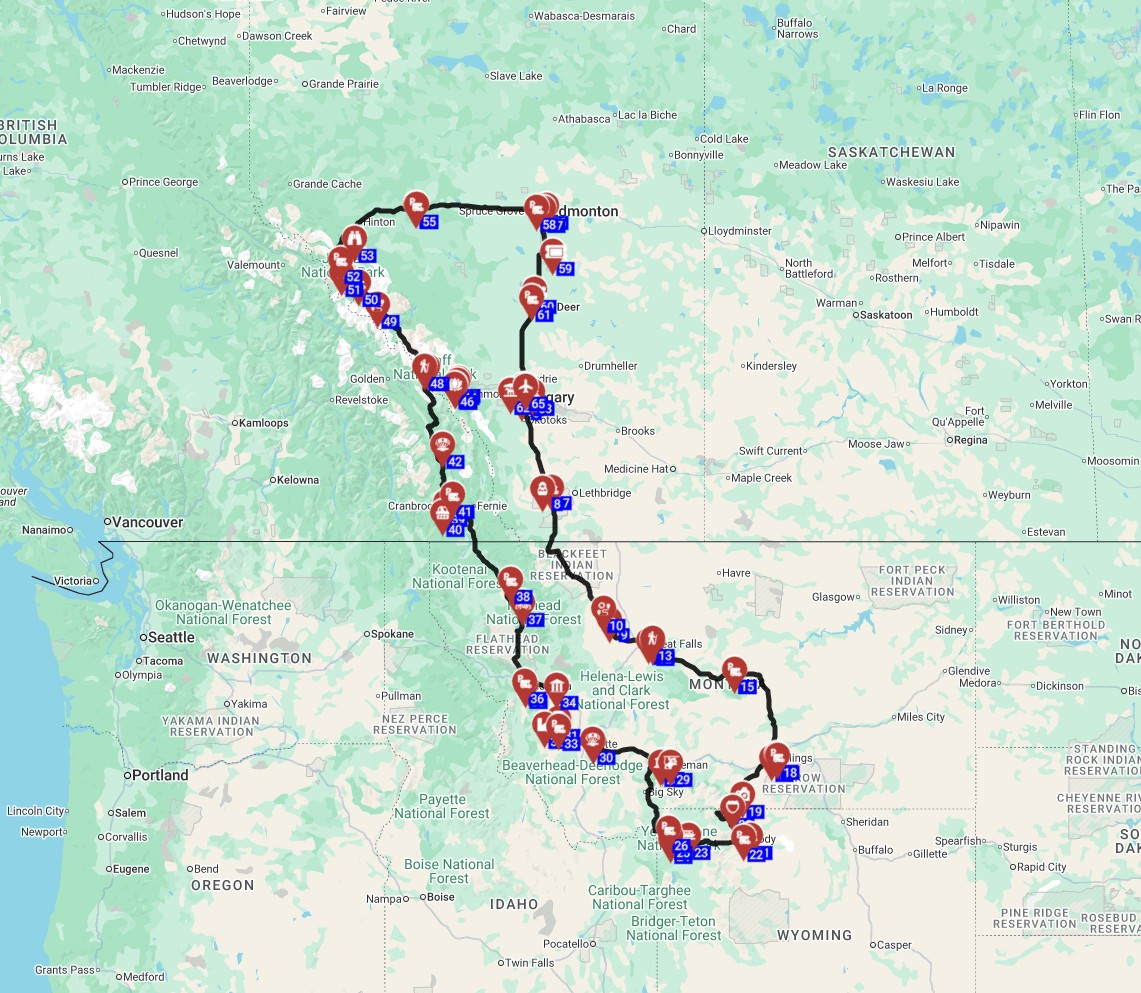
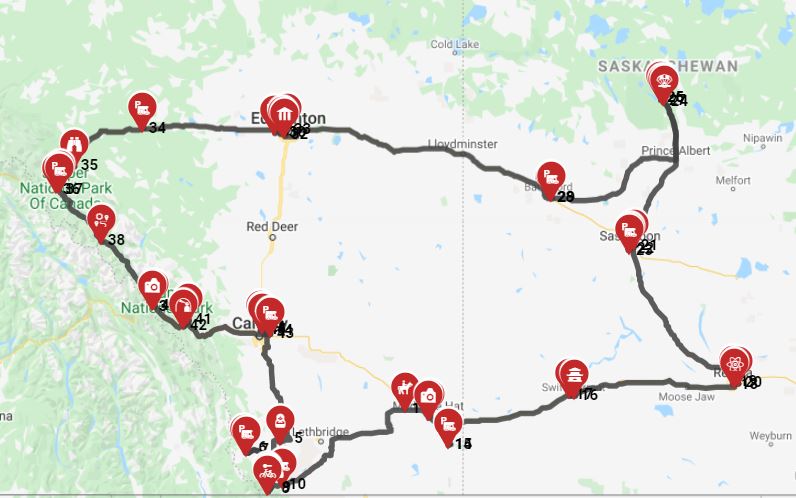
- Recommended RVPlan Trip for Canada
- Must-See Stops Along the Way (Avi Bandana Picks)
- Daily Driving Distances & Drive Times in Canada
- Best RV Class for This Itinerary - Couple & Family Picks
- How Much Does a Long-Term RV Rental in Canada Cost
- What Are the Safety Tips for RV Travel in Remote Canadian Regions
- Can You Boondock (Crown Land Camp) in Canada With an RV
- How to Get Reliable Cell Service and Internet on a Canadian RV Trip
- What Are Canada's RV Driving Laws and Winter Tire Requirements
- What Should I Know About Traveling With Pets in an RV Across Canada
Embarking on a long-term RV rental in Canada is an unparalleled way to immerse yourself in the vast, diverse landscapes and vibrant cultures of this incredible country. From the majestic peaks of the Rockies to the maritime charm of the East Coast, renting a motorhome offers the freedom and flexibility to explore at your own pace. With Bandana RV, you're not just booking a vehicle; you're gaining a partner who genuinely knows RV travel and loves helping people discover its joys, ensuring full transparency with no hidden fees and 24/7 support. For a comprehensive overview of planning your Canadian adventure, start with our RV Rental Canada - Complete Guide 2024.
Best Canada RV Itinerary for long term rv rental - Overview
A long-term RV rental in Canada typically spans 21-60+ days, ideally during the shoulder seasons of late spring (May-June) or early fall (September-October) for optimal weather and fewer crowds. These extended durations allow you to truly experience Canada's diverse landscapes, often covering thousands of kilometers, such as 5,000-10,000+ km for cross-country journeys, without feeling rushed. Imagine having the flexibility of a home on wheels, taking scenic detours, and lingering longer in places that capture your heart. While summer (July-August) is popular, opting for shoulder seasons means milder temperatures and easier access to coveted camping spots.🎬 Video coming soon
Many travelers find that 30-60 days is the sweet spot for an immersive Canadian RV adventure. This timeframe provides ample opportunity to explore multiple regions, delve into local cultures, and enjoy activities like hiking, cycling, or wildlife watching. For example, a journey that starts in Halifax and extends all the way to Whitehorse would span approximately 9199.1 km over 37 days, offering a profound exploration of Canada's heartland. We recommend using route plans by professionals, such as those available on rvplan.net, which can make planning a breeze and help you discover unique experiences.
7-Day Classic Route in Canada
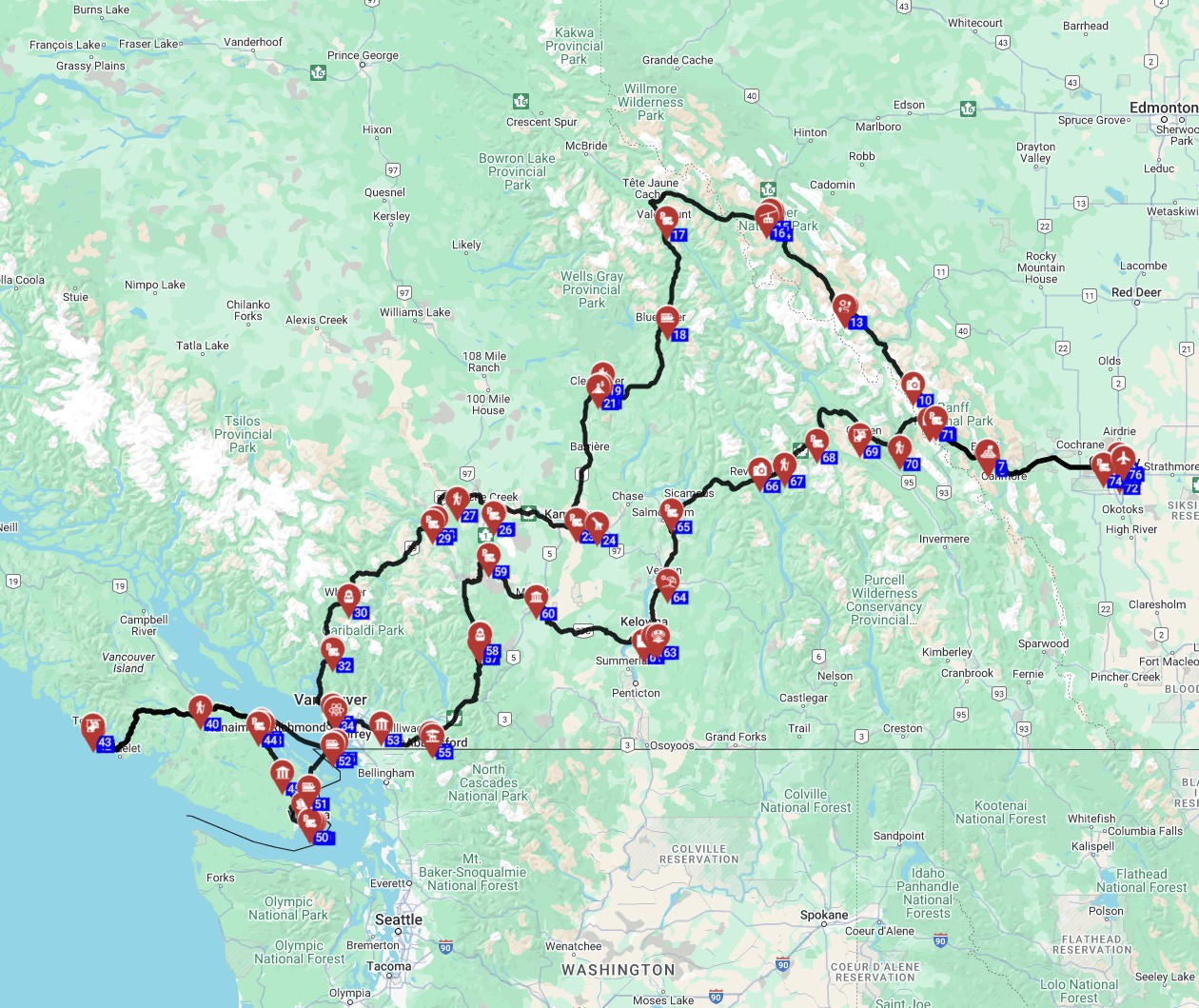
A classic 7-day RV route in Canada typically focuses on a specific region, such as the Canadian Rockies, to provide a concentrated experience of breathtaking scenery and iconic national parks. This allows you to explore deeply without feeling rushed.- Day 1: Vancouver to Hope (approx. 150 km) - Explore the Fraser Valley and the historic Othello Tunnels before settling into a Hope campground for the night.
- Day 2: Hope to Merritt (approx. 120 km) - Enjoy the scenic drive through winding corridors, visit Coquihalla Canyon Provincial Park, and then relax at a Merritt RV park.
- Day 3: Merritt to Revelstoke (approx. 150 km) - Continue your journey through Sicamous and Eagle Pass, arriving in the charming mountain town of Revelstoke for an overnight stay at a local campground.
- Day 4: Revelstoke to Golden (approx. 145 km) - Traverse the spectacular Rogers Pass and explore the wonders of Glacier National Park before arriving at a Golden RV park.
- Day 5: Golden to Lake Louise (approx. 85 km) - Discover the natural beauty of Yoho National Park, marvel at the stunning Emerald Lake, and camp at a Lake Louise campground.
- Day 6: Lake Louise to Banff (approx. 60 km) - Visit the iconic Moraine Lake, hike through the picturesque Johnston Canyon, and stay at a Banff campground, immersing yourself in the heart of Banff National Park.
- Day 7: Banff Exploration - Dedicate the day to exploring Banff National Park's numerous attractions, from its vibrant town to its pristine wilderness, before beginning your return journey or extending your adventure.
14-Day Extended Journey in Canada
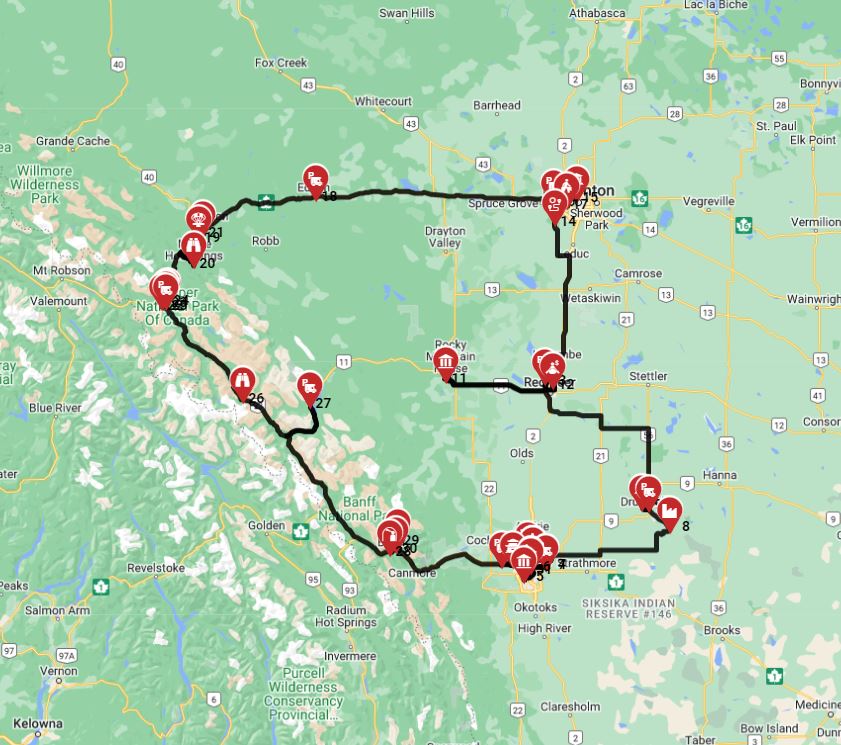
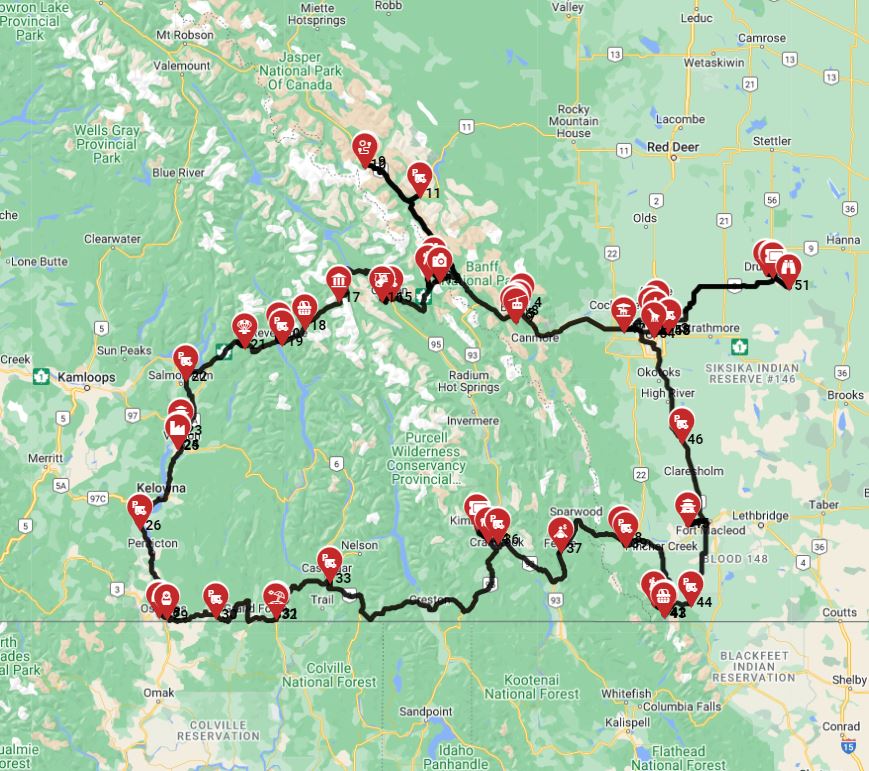
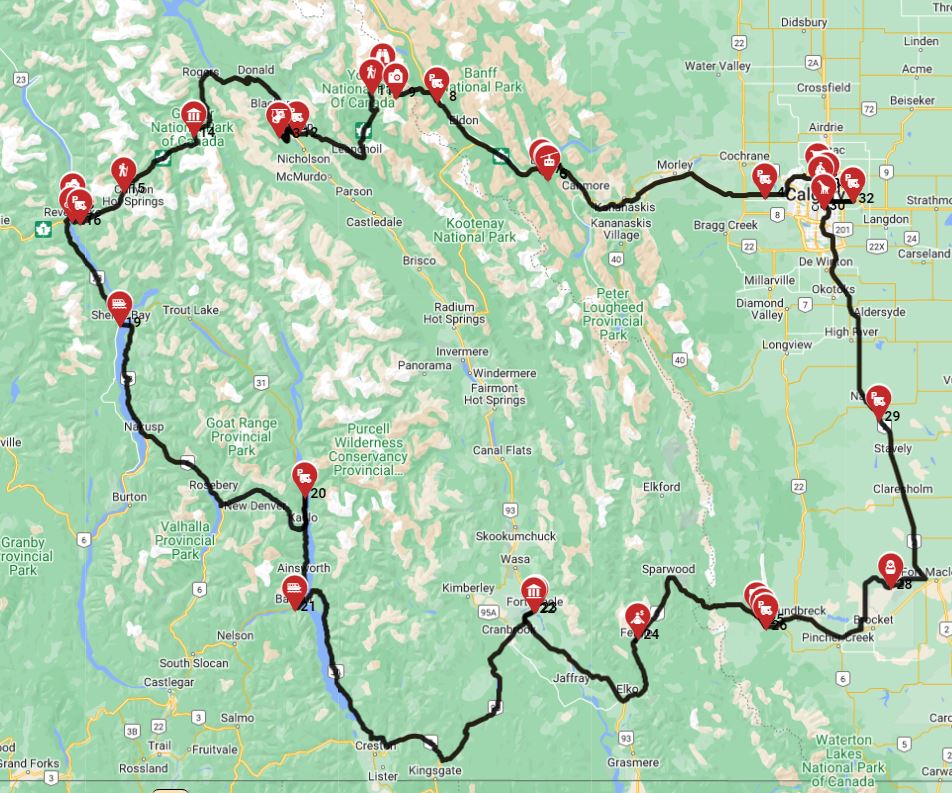
An extended 14-day RV journey allows for a more immersive exploration of a larger Canadian region, such as a comprehensive loop through the Rocky Mountains and interior British Columbia. This provides a balance between iconic sights and hidden gems, perfect for those with a bit more time.- Days 1-3: Calgary to Banff & Lake Louise - Dedicate your initial days to exploring the iconic landscapes, extensive hiking trails, and charming towns of Banff and Lake Louise. This allows for deeper exploration of sights like the Fairmont Banff Springs Hotel, Lake Minnewanka, and the various gondola rides.
- Days 4-6: Lake Louise to Jasper - Drive the world-renowned Icefields Parkway, a 232 km stretch featuring over 100 glaciers and countless waterfalls. Plan multiple stops at natural wonders like the Columbia Icefield, Peyto Lake, and Athabasca Falls.
- Days 7-9: Jasper to Wells Gray Provincial Park - Head west from Jasper to discover the magnificent waterfalls and pristine wilderness of Wells Gray Provincial Park, renowned for its natural beauty. Take time for hikes to Helmcken Falls, Dawson Falls, and Spahats Creek Falls.
- Days 10-11: Wells Gray to Okanagan Valley - Journey south to the sunny Okanagan Valley, known for its beautiful lakes, vineyards, and fruit orchards. Enjoy wine tasting tours and relax by Okanagan Lake.
- Days 12-14: Okanagan Valley to Revelstoke/Return Towards Calgary - Complete your loop by heading back towards the Rockies, potentially stopping in Revelstoke again for outdoor activities. Enjoy the final scenic drives towards Calgary, incorporating Glacier National Park along the way, possibly exploring the Giant Cedars Boardwalk Trail. If you're considering a one-way option for your trip, remember to check our "One-Way RV Rental in Canada - Price Guide 2024" for potential costs and routes.
Recommended RVPlan Trip for Canada
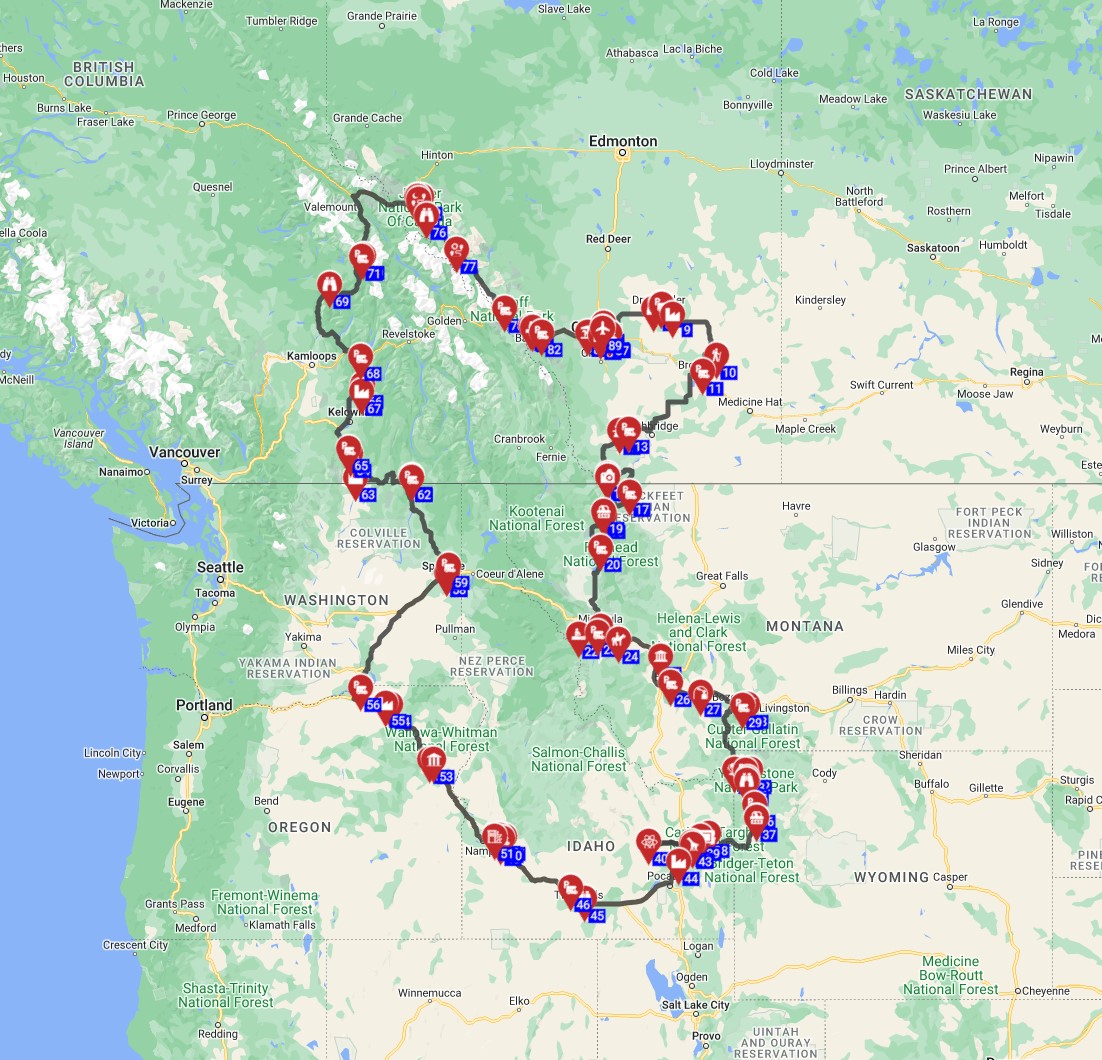
For an extensive Canadian RV adventure, the RVPlan trip named "Halifax to Whitehorse - Exploring Canada’s Heartland in a Motorhome" offers a comprehensive 37-day itinerary covering 9199.1 km, ideal for long-term exploration. This epic one-way journey provides an incredible depth of experience, combining the vibrant East Coast with the vast wilderness of the Yukon. The itinerary includes 1 Amusement Park, 1 Animals Show / Wildlife watch, 1 Aquarium, 3 Art Gallery, 2 Beach, 1 Bike Rental, 1 Botanical garden, 1 Cable Railway, 1 Canoe / Kayak / Rafting, 2 cave, 1 Cruise Terminal / Sailing, 2 Day Tour, 1 Extreme Activity, 1 Family Activity, 1 Heritage, 4 hiking area, 3 Historical Site, 1 Horseback Riding, 2 Local Industry, 6 Museum, 4 Natural Feature, 2 Park, 2 Picnic Area, 5 Point Of Interest, 1 Scenic Route, 2 Science Site, 1 Swimming, 1 Tourist Attraction, 2 Traditional Market, 3 Traditional Restaurant / Fine Dining, 4 Traditional Visit, and 2 Zoo. It’s an expertly crafted route plan that takes the guesswork out of your long-term RV rental in Canada. For those looking for a slightly shorter but equally engaging long term rv rental in Canada, consider the "
Must-See Stops Along the Way (Avi Bandana Picks)
When planning a long-term RV rental in Canada, Avi Bandana recommends integrating stops that offer a blend of cultural immersion, local flavor, and unique experiences, as highlighted in the "Halifax to Whitehorse" RVPlan trip. These are places that truly capture the essence of Canada.- Traditional Visits: Immerse yourself in Canada's rich history and Indigenous cultures with significant stops like Site d'Interprétation Micmac de Gespeg in Quebec for Mi'kmaq heritage, Fort William Historical Park in Thunder Bay showcasing 19th-century fur trade life, and the Teslin Tlingit Heritage Centre in the Yukon for deep insight into the Tlingit people. Exploring these sites offers a valuable perspective on the nation's past.
- Traditional Restaurants / Fine Dining: While on the road with your rented RV, seek out opportunities to sample local seafood along the Halifax Waterfront, renowned for its fresh catches. Discover unique traditional dining experiences in historic Quebec City, cosmopolitan Montreal, and other major stops, offering a true taste of regional Canadian cuisine. Preparing some of your own meals in your motorhome kitchen can also be a delightful experience; check out our RV-friendly recipes playlist for inspiration.
- Traditional Markets: Experience local life and find fresh produce at vibrant places like the Fort Nelson Farmers Market in British Columbia. Explore the small-town charm and local souvenirs at Qwanlin Mall in Whitehorse, offering authentic Canadian crafts and goods.
- Local Industry: Discover Canada's diverse local crafts and industries by visiting spots like the Lake of the Woods Brewing Company in Ontario for award-winning craft beers, or seeking out local artisan shops and unique production facilities along your route to find handcrafted treasures.
Daily Driving Distances & Drive Times in Canada
Avi Bandana recommends a maximum of 100 miles or 150 km per day on average for a long-term RV rental in Canada, allowing for leisurely travel, unexpected stops, and full enjoyment of the diverse landscapes. This philosophy of slow travel helps you truly connect with the places you visit, rather than just passing through. Adhering to this guideline ensures you aren't rushing, can fully appreciate scenic routes, and have ample time for spontaneous explorations, whether it's an impromptu hike or a charming roadside attraction. For example, a drive from Vancouver to Whistler, approximately 120 km (75 miles) and 1.5-2 hours, on the scenic Sea-to-Sky Highway can easily be a relaxed day, even with numerous pull-offs to admire the views. The iconic Banff to Jasper stretch along the Icefields Parkway, roughly 290 km (180 miles) and 3.5-4 hours of driving time, is best approached as a full-day or even two-day journey due to the sheer number of breathtaking stops like Athabasca Falls and the Columbia Icefield. A trip from Toronto to Niagara Falls, about 130 km (80 miles) and 1.5-2 hours, is a comfortable day trip, leaving plenty of time for sightseeing at your destination. Driving slowly and carefully, you can drive almost anywhere without issues. No need to stress - just use common sense and pay attention.Best RV Class for This Itinerary - Couple & Family Picks
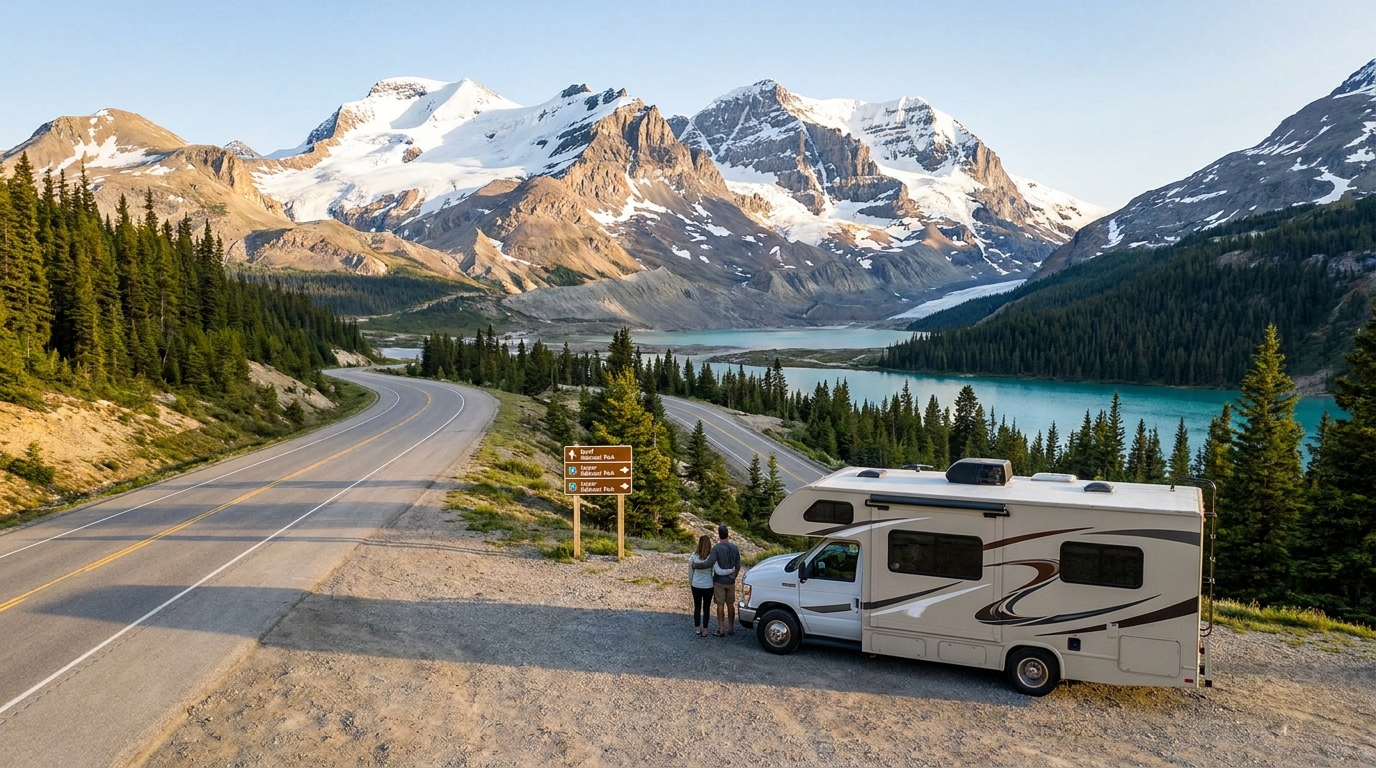
Selecting the best RV class for a long-term Canadian rental depends significantly on your travel party size and desired comfort, with Class B Camper Vans often ideal for couples and Class C Alcove models perfectly suiting families. Bandana RV specializes in providing the right motorhome for your adventure, ensuring true RV specialists are on hand to guide you.- For Couples: Avi Bandana recommends a **Class B - Camper Van**. These units, averaging 5.8 meters in length, offer a compact and agile option for couples or solo travelers. They comfortably accommodate an average of 2.7 adults and often boast fuel consumption around 8-10 Liters/100 km, making them efficient for extended travel and easier to maneuver in towns and smaller campgrounds. Consider a "hire campervan example Paradise S/T" with automatic transmission, front air conditioning, shower, and toilet, ideal for a couple.
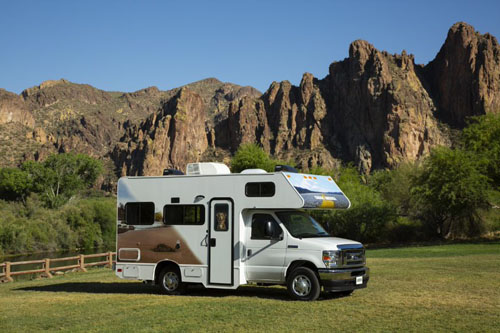
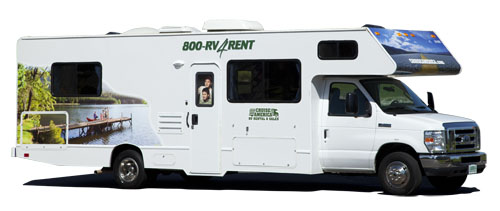
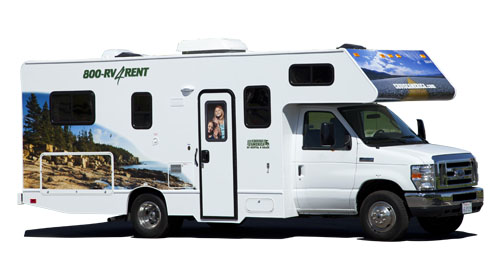
- For Families: A **Class C - Alcove** is an excellent choice for families embarking on a long-term adventure. Bandana's fleet typically features Class C RVs averaging 7.5 meters in length, comfortably sleeping an average of 5.8 people (designed for 4.4 adults) and offering ample living space, a separate sleeping area over the cab, and essential amenities. Fuel consumption is generally 10-12 Liters/100 km, providing a good balance of space and efficiency for longer family trips. An example would be the "24' Class C Motorhome" with a generator, shower, and toilet, comfortably accommodating a family. Larger families might look at a "32′ Class C Motorhome" which offers three double beds and a slide-out for extra living space.
Beyond selecting your rented RV, consider Rent&Plan's unique service: combining your RV rental with a ready-made itinerary crafted by travel experts, giving you full access to trip-planning software and removing the headache of meticulous planning. This specialized service ensures your adventure is tailored and seamless.
How Much Does a Long-Term RV Rental in Canada Cost
The overall cost of a long-term RV rental in Canada varies significantly, typically ranging from CAD $100-$300 per day for rentals exceeding 30 days, not including operational expenses. These dynamic prices depend on factors like vehicle class, seasonality, booking lead time, and supplier marketing decisions. Booking 3-6 months in advance often secures better rates, with potential savings of up to 25% for peak season travel. For detailed price comparisons and current deals, you might find our "Cheap RV Rental in Canada - Budget Guide 2024" and "RV Rental in Canada - Prices and Best Deals 2024" helpful. Fuel is a major expense for any RV trip across Canada; factor in Bandana's fleet average consumption, for example, a Class C motorhome might consume 10-12 L/100km, and monitor Canadian gas prices, which fluctuate regionally. Expect campground fees of CAD $30-$70 per night for serviced sites in national or provincial parks, though utilizing boondocking (dispersed camping) can significantly reduce this cost. Budget for additional expenses like National or Provincial Park passes (e.g., a Parks Canada Discovery Pass for CAD $151.25 for a family/group), activity fees, optional insurance upgrades like top-level deductible reimbursement, and groceries for cooking on board your rented motorhome. Winter RVing incurs higher propane costs for heating and potentially specialized winterization fees or surcharges from suppliers. For finding campsites and campgrounds during your trip, we recommend using RV PLANET routes – a great resource for locating available spots along your route and itemizing every expense for easy budgeting. If you're planning an extended stay, our "Long-Term RV Rental in Canada - Monthly Rates 2024" provides further insights into potential savings.What Are the Safety Tips for RV Travel in Remote Canadian Regions
Staying safe during a long-term RV rental in remote Canadian regions fundamentally involves thorough preparedness for wildlife, varying driving conditions, and ensuring reliable emergency communication. Canada's vast wilderness is breathtaking, but it demands respect and careful planning.- Wildlife Encounters: Always store food securely inside your campervan, carry bear spray in accessible locations, know how to behave around bears and moose (do not approach or feed them), and never feed any wildlife. Collisions with moose are a real hazard; be especially vigilant at dawn and dusk.
- Remote Area Preparedness: Pack extra water, non-perishable food, and sufficient fuel, as services can be few and far between. Ensure you have a comprehensive first-aid kit. Always inform someone of your detailed itinerary and estimated arrival times, especially when venturing off main routes.
- Emergency Communication: Cell service is highly unreliable in many remote Canadian areas. Consider renting or purchasing a satellite communicator, such as a Garmin InReach, for emergency two-way text messaging and SOS capabilities, providing an essential lifeline beyond cellular reach.
- Driving Conditions: Exercise extreme caution on mountain passes, which can feature steep grades, tight turns, and unpredictable weather. Research unpaved road conditions ahead of time as they can be challenging for RVs; some roads may require 4x4 vehicles, which Bandana does not rent. Be prepared for rapid weather changes, especially in mountainous regions or during shoulder seasons.
Can You Boondock (Crown Land Camp) in Canada With an RV
Yes, boondocking, also known as dispersed camping or Crown Land camping, is permissible in many parts of Canada for rented RVs, providing opportunities for free overnight stays on public land, though rules vary significantly by province and residency status. It's a fantastic way to experience Canada's wild beauty and save on campground fees during your long-term RV rental.- Legality and Provincial Rules: While generally allowed on vast tracts of Crown Land, it's crucial to research specific provincial regulations before you go. For instance, British Columbia has designated Recreation Sites and Trails, while Alberta has Public Land Use Zones, each with their own rules. Some provinces may require permits for longer stays or have tighter restrictions, especially for non-residents. Always consult local government websites or visitor centers for the most current information.
- Best Practices & Environmental Responsibility: Adhere strictly to 'Leave No Trace' principles by packing out all garbage, minimizing your impact on the environment, and camping at least 100 meters away from water sources. This ensures these pristine natural environments remain beautiful for future visitors.
- Self-Sufficiency: Boondocking requires a self-sufficient RV setup for water, power (solar is highly recommended for long-term stays), and waste management, as no services are provided. Ensure your motorhome's fresh and wastewater tanks are adequate for your planned stay.
- Finding Spots: Utilize resources like the iOverlander app, provincial government websites, and local tourism offices to find designated or suitable boondocking locations. Always call ahead to park and forest ranger stations if unsure.
How to Get Reliable Cell Service and Internet on a Canadian RV Trip
Ensuring reliable cell service and internet connectivity during a long-term RV trip in remote Canadian regions often necessitates a multi-faceted approach, combining strategic planning with specialized equipment like cell boosters or satellite communicators. Canada's expansive wilderness can be beautiful, but it can also present connectivity challenges.- Major Carriers: Bell, Rogers, and Telus offer the most extensive cellular coverage across Canada, but expect significant dead zones outside of populated areas, particularly in mountainous regions, national parks, or northern territories. Purchase a prepaid SIM card or data plan from one of these carriers upon arrival.
- Cell Boosters: RV-specific cell boosters can amplify weak signals, potentially improving connectivity in fringe areas where a faint signal exists. These devices work by taking an existing outside signal, however weak, and rebroadcasting it stronger inside your motorhome or campervan.
- Satellite Communicators: For critical emergency communication where no cell signal is available, devices like a Garmin InReach provide essential two-way text messaging and SOS capabilities. These are highly recommended for anyone venturing into truly remote Canadian wilderness.
- Wi-Fi Hotspots & Campgrounds: Leverage campground Wi-Fi when available, though speeds and reliability can vary significantly. Alternatively, consider a portable Wi-Fi hotspot with a prepaid data plan for use in areas with decent cell coverage.
- Offline Resources: Always download offline maps (e.g., Google Maps, iOverlander) and entertainment content before venturing into remote areas where connectivity is scarce. This preparation ensures you're never without navigation or entertainment.
What Are Canada's RV Driving Laws and Winter Tire Requirements
Canadian RV driving laws encompass specific regulations for long vehicles, varying provincial requirements for winter tires, and unique alcohol transportation rules, all critical for safe and compliant long-term travel, especially in Canada's diverse climatic conditions. Remember, driving slowly and carefully, you can drive almost anywhere without issues. No need to stress - just use common sense and pay attention.- Driving Laws for RVs: Be aware of general highway speed limits, typically 90-110 km/h (55-68 mph), but always adjust for weather and road conditions. Pay attention to specific weight and height restrictions on certain bridges, tunnels, and low overpasses, which are usually clearly marked. Your rental motorhome will be a larger vehicle, so allow extra braking distance and practice wide turns.
- Licensing: A standard car driver's license is sufficient for driving all motorhome classes (Class A, Class B, and Class C) in Canada. No special license, CDL, or additional permits are required. An International Driving Permit (IDP) is recommended for visitors from non-English-speaking countries but is not mandatory in most cases. The minimum rental age is 21 years, with no young driver surcharges or vehicle class restrictions based on age.
- Winter Tire Requirements: Winter tires are legally mandatory on specific highways in British Columbia (from October 1 to April 30) and throughout Quebec (from December 1 to March 15). Other provinces, while not legally requiring them, strongly recommend their use when traveling in snowy or icy conditions during the colder months. Always check local regulations if traveling during winter.
- Alcohol Laws in an RV: Provincial laws dictate alcohol consumption and transport within a rented RV. Generally, open alcohol containers are prohibited in the driver's compartment while the vehicle is in motion or parked on public land. In some provinces, all alcohol must be stored out of reach in the living area while the vehicle is moving. It's always best to keep alcohol sealed and stored in a compartment while driving.
- Environmental Responsibility: Adhere to 'Leave No Trace' principles everywhere you go, ensuring all waste is properly disposed of and natural environments remain pristine for future visitors.
What Should I Know About Traveling With Pets in an RV Across Canada
Traveling with pets in an RV across Canada necessitates a clear understanding of border crossing rules, adherence to specific park restrictions, and proactively seeking pet-friendly activities to ensure a smooth and enjoyable long-term journey for your animal companions. Many travelers find their furry friends enhance the adventure of a long-term RV rental in Canada.- Border Crossing: If entering Canada from the U.S. with your pet, ensure all pets have up-to-date rabies vaccination certificates signed by a licensed veterinarian, a valid health certificate (usually issued within 10 days of travel), and proper identification tags. Microchipping is highly recommended. Always check the latest entry requirements with the Canadian Border Services Agency (CBSA) before your trip.
- National and Provincial Parks: Many parks in Canada have strict pet policies, often requiring pets to be on-leash at all times (typically 2 meters or less). Some trails, backcountry areas, or wildlife-sensitive zones may completely prohibit pets to protect local fauna and habitats. Always check specific park regulations in advance on their official websites or at visitor centers to avoid disappointment or fines.
- Pet-Friendly Stops: Research pet-friendly campgrounds, attractions, and hiking trails along your route. Many smaller towns and private campgrounds are more accommodating than large national parks. Look for dog parks or off-leash areas in cities to give your pet exercise.
- Safety and Comfort: Never leave pets unattended in the RV during extreme temperatures, whether hot or cold, as internal temperatures can quickly become dangerous. Ensure constant access to fresh water and food. Have a plan for veterinary emergencies, including knowing the locations of vets along your route, especially in remote areas.
- Waste Management: Always carry bags and properly dispose of pet waste to maintain cleanliness and respect for the environment and other travelers. Compliance with waste rules is essential for maintaining access to beautiful outdoor spaces.
What You Shouldn't Miss
- **Explore the Canadian Rockies:** Drive the Icefields Parkway between Banff and Jasper National Parks. This iconic 232 km route features stunning glaciers, turquoise lakes like Lake Louise and Moraine Lake, and abundant wildlife viewing opportunities.
- **Discover the Maritime Charm:** Spend time in Atlantic Canada, from the rugged coastlines of Nova Scotia to the picturesque fishing villages of Prince Edward Island. The Cabot Trail in Cape Breton is a must-drive scenic route.
- **Experience Quebec's European Flair:** Wander through the historic streets of Old Quebec City, a UNESCO World Heritage site, and immerse yourself in the vibrant culture and French-Canadian cuisine of Montreal.
- **Venture into the Arctic Circle:** For the truly adventurous, take a motorhome up the Dempster Highway in Yukon. It's the only public road that crosses the Arctic Circle, offering an unparalleled wilderness experience.
- **Indulge in Okanagan Valley Wine Country:** Drive through British Columbia's sunny Okanagan Valley, known for its beautiful lakes, vineyards, and fruit orchards. Enjoy wine tastings and fresh local produce.
- **Witness Niagara Falls:** Visit the thundering Horseshoe Falls in Ontario, an awe-inspiring natural wonder. Take a boat tour for an up-close perspective.
Looking for expert insights from Avi Bandana? Top 5 Adventures - recommendations from Avi Bandana
Avi's personal experiences and deep knowledge of RV travel ensure you discover the very best of Canada. His hand-picked adventures offer unique perspectives and unforgettable memories for every type of traveler.
Final Thoughts
Canada truly offers boundless opportunities for an unforgettable long-term RV rental adventure. Whether you dream of a week-long trip through the majestic Rockies, a two-week exploration of the coastal Maritimes, or an extended road trip from Vancouver to Toronto, the freedom of a rented motorhome allows you to craft your perfect itinerary. With Bandana RV, you're supported every step of the way, from comparing prices and booking your ideal campervan to benefiting from expert-designed route plans. Don't just dream about Canada's incredible landscapes and vibrant cities – make it a reality. Traveling slowly, averaging no more than 100-150 km per day, allows you to truly feel the place, connect with the local culture, savor the food, and soak in the breathtaking scenery. Embrace the open road, knowing you have real people behind you, ensuring full transparency and peace of mind. Get inspired for your next trip! Discover top destinations, planning tips, all in one place!On the routes offered through RV PLANET routes, you can itemize and track every expense along the way for easy budgeting.