Long-Term RV Itinerary in Alice Springs - Monthly Plan 2026
Long-Term RV Itinerary in Alice Springs - Monthly Plan 2026. Explore 4 weeks of expert routes through Australia's Red Centre. Plan your Outback.
Avi Bandana
01 Jul 2026
05 Jul 2026
21
min read
4,158
words
Best Alice Springs RV Itinerary for long term rv rental — Overview
A long-term RV rental from Alice Springs unlocks the unparalleled opportunity to explore the heart of Australia's Red Centre. This journey through iconic landscapes, rich Indigenous culture, and remote Outback experiences is best undertaken with a minimum of 7-14 days. The ideal travel window is during the cooler dry season, from April to September, to avoid the extreme summer heat, the prevalence of flies, and potential wet season road closures, which are crucial considerations for comfort and accessibility in the Outback. For those seeking an extended adventure, a 14-day or longer rental allows for a more immersive and comprehensive experience without feeling rushed. Expect total distances to vary significantly depending on your chosen itinerary, but for extended trips, distances of 1,000 km to over 3,000 km are common. The focus of these trips typically combines the natural wonders of the West MacDonnell Ranges and Uluru with deep cultural immersion and the unique challenges and rewards of remote travel.
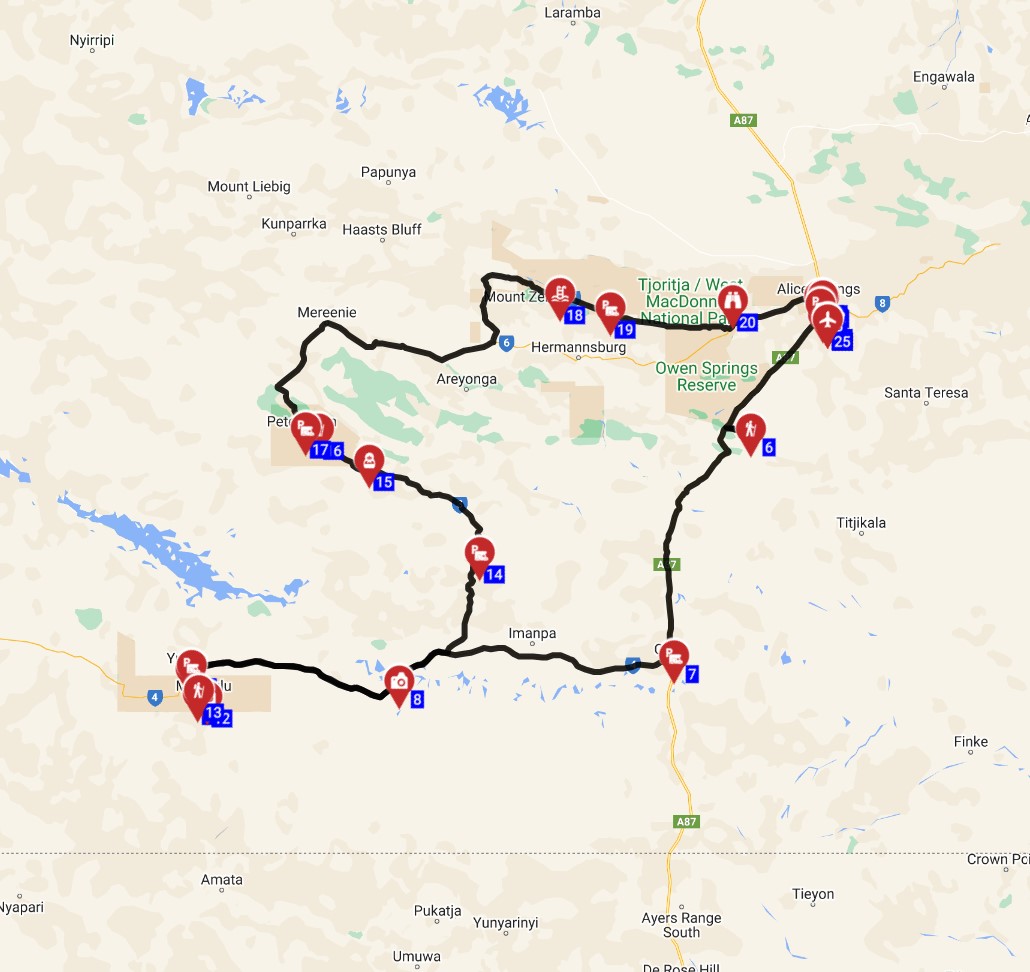
A 7-day classic RV route commencing from Alice Springs offers a focused exploration of the stunning West MacDonnell Ranges and nearby desert landscapes. This itinerary provides an accessible yet deeply rewarding taste of the Outback's natural beauty and local experiences, perfect for a first-time long-term RV renter.
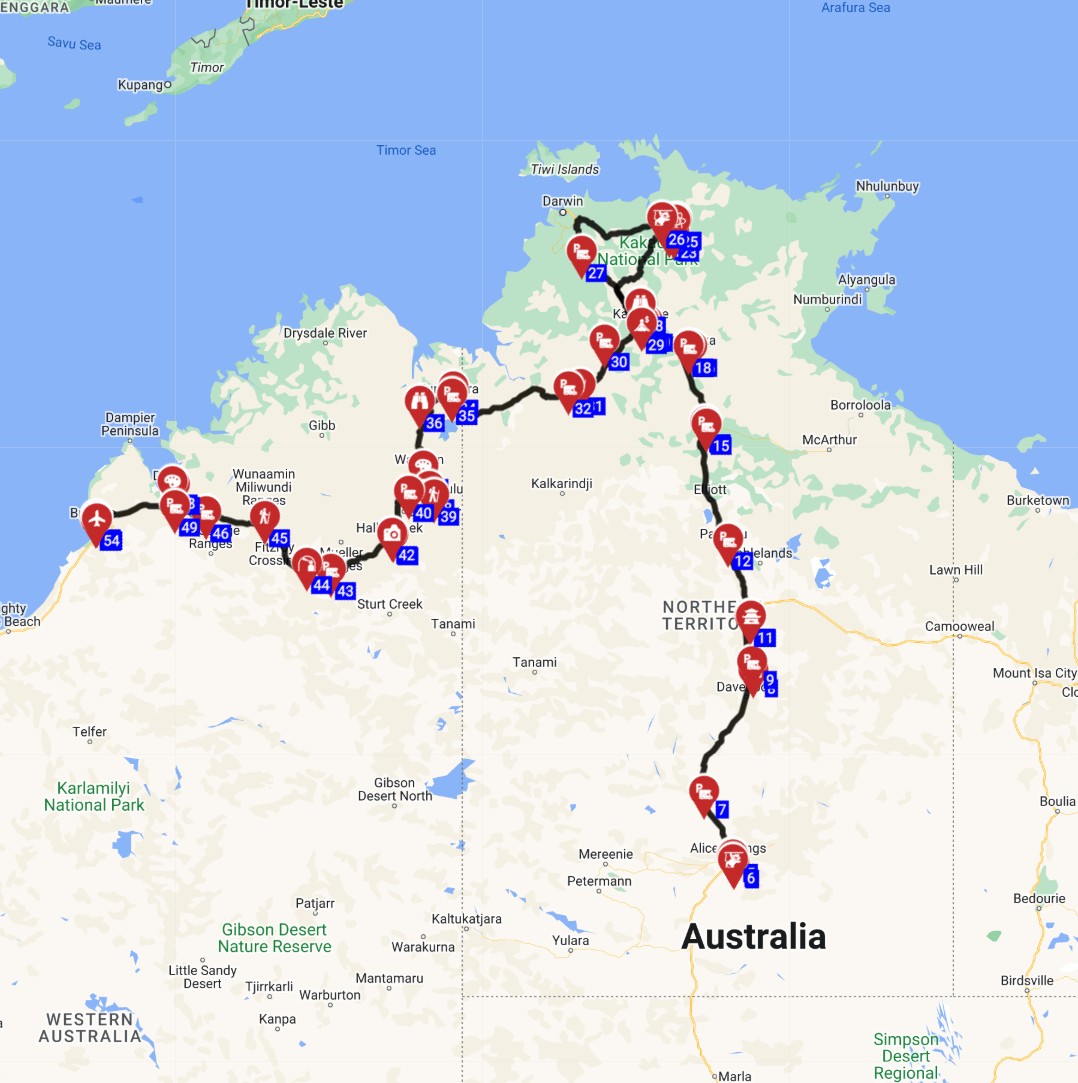
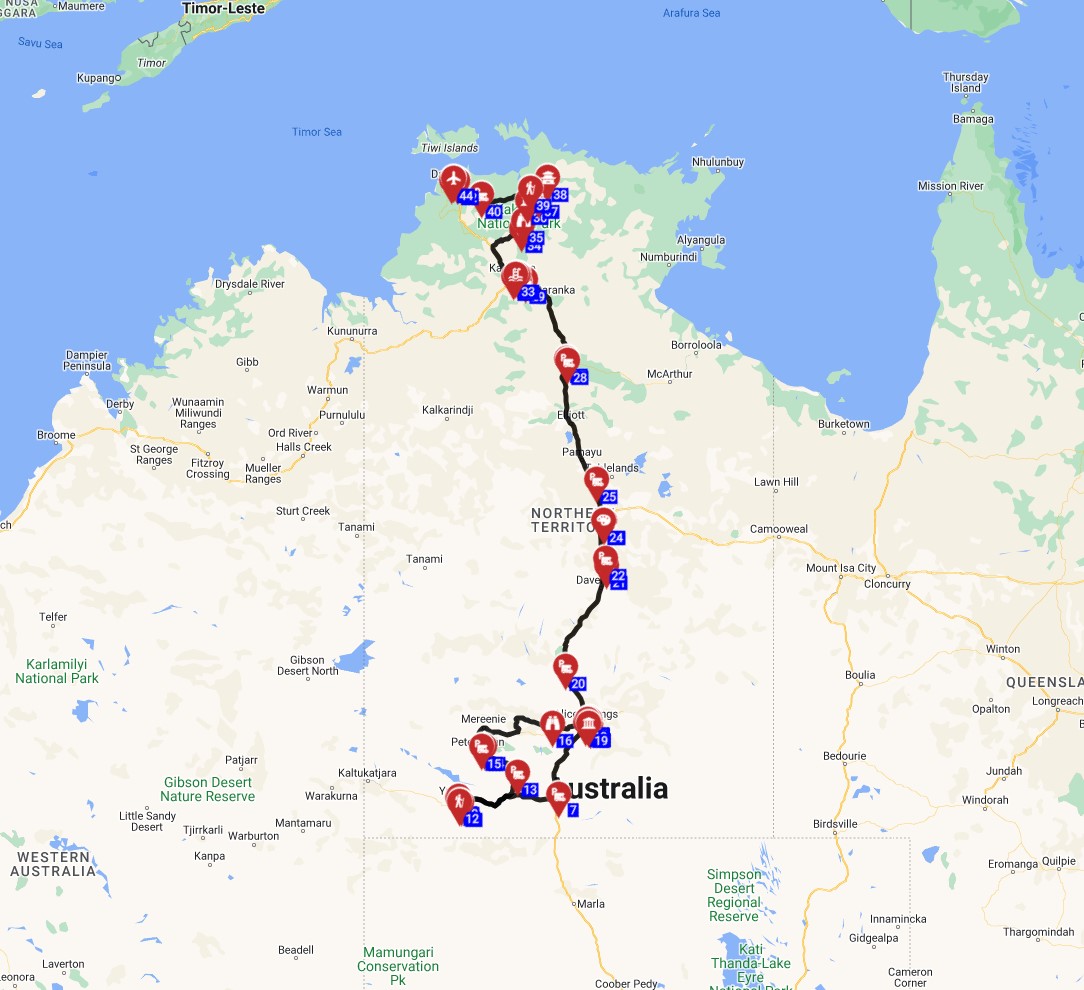
Day 1: Alice Springs Exploration (0 km): Begin your adventure in Alice Springs. Immerse yourself in the local environment at the Alice Springs Desert Park, delve into the history of outback medicine at the Royal Flying Doctor Service Museum, and discover the town's origins at the Telegraph Station Historical Reserve. Overnight at the Alice Springs Tourist Park.
Day 2: East MacDonnell Ranges (Approx. 150 km): Travel east from Alice Springs towards Trephina Gorge Nature Park. Along the way, visit the picturesque Emily and Jessie Gaps, and the significant Corroboree Rock. Settle in for the night at Trephina Gorge Campground.
Day 3: West MacDonnell Ranges - Eastern Section (Approx. 100 km): Head west from Trephina Gorge, continuing your exploration of the West MacDonnell Ranges. Your journey will include stops at the visually striking Simpson's Gap, the dramatic Standley Chasm, and the refreshing Ellery Creek Big Hole. Overnight at Ormiston Gorge Campground.
Day 4: West MacDonnell Ranges - Central Section (Approx. 80 km): Continue your westward journey from Ormiston Gorge to Glen Helen Gorge. En route, discover the vibrant colours of the Ochre Pits and the rugged beauty of Serpentine Gorge. Your accommodation for the night will be at Glen Helen Lodge & Campground.
Day 5: Kings Canyon (Approx. 130 km): From Glen Helen Gorge, drive towards Kings Canyon, located within Watarrka National Park, via the scenic Namatjira Drive. Spend the night at Kings Canyon Resort, preparing for a spectacular hike the next day.
Day 6: Kings Canyon Rim Walk & Return (Approx. 130 km): Undertake the iconic Kings Canyon Rim Walk, an early morning excursion recommended to fully appreciate its grandeur. Afterward, begin your scenic drive back towards Alice Springs, stopping at Curtin Springs Wayside Inn for the night.
Day 7: Return to Alice Springs (Approx. 350 km): Enjoy the final leg of your journey, a scenic drive from Curtin Springs back to Alice Springs. Allow time for some last-minute souvenir shopping before concluding your trip. Overnight at Alice Springs Tourist Park.
An extended 14-day RV journey from Alice Springs provides the opportunity for a deeper dive into the Red Centre's treasures. This itinerary allows for more relaxed exploration of the MacDonnell Ranges and includes the iconic Uluru-Kata Tjuta National Park, offering a truly immersive Outback experience.
Days 1-4: West MacDonnell Ranges Deep Dive: Follow Days 1-4 of the 7-day itinerary, but allocate additional time to fully appreciate the hiking opportunities and unique natural phenomena at locations like Ormiston Gorge, Glen Helen Gorge, and other stunning gorges in the ranges.
Days 5-6: Transition to Uluru-Kata Tjuta (Approx. 300 km): Drive from Glen Helen Gorge towards Yulara, the gateway to Uluru-Kata Tjuta National Park. Consider a fascinating stop at the Henbury Meteorites Conservation Reserve along the way. Settle into your campsite at Ayers Rock Resort Campground for two nights.
Days 7-8: Uluru Exploration (Approx. 0-50 km/day): Dedicate two full days to respectfully exploring Uluru and its surroundings. Witness the magical sunrise and sunset, undertake the Uluru Base Walk, visit the Mutitjulu Waterhole, and engage with the vital Cultural Centre to understand the Aṉangu people's connection to this sacred land. Continue overnighting at Ayers Rock Resort Campground.
Days 9-10: Kata Tjuta (The Olgas) (Approx. 0-50 km/day): Explore the majestic domes of Kata Tjuta, experiencing both sunrise and sunset over this unique landscape. Undertake the Valley of the Winds walk and the Walpa Gorge walk for diverse perspectives. You'll remain at Ayers Rock Resort Campground for these days.
Day 11: Kings Canyon (Watarrka National Park) (Approx. 300 km): Journey from Yulara to Kings Canyon Resort via the scenic Luritja Road, a drive that offers evolving desert vistas. Your accommodation for the night will be at Kings Canyon Resort.
Day 12: Kings Canyon Rim Walk (Approx. 0 km): Embark on the renowned Kings Canyon Rim Walk, ideally starting in the early morning. Explore the lush Garden of Eden oasis within the canyon. You'll spend another night at Kings Canyon Resort.
Day 13: Return Leg to Alice Springs surrounds (Approx. 300 km): Drive from Kings Canyon Resort towards Hermannsburg (Ntaria), following the Red Centre Way. Visit the historic mission and discover the Finke River region. Find a comfortable local campground for your overnight stay.
Day 14: Alice Springs (Approx. 120 km): Complete the final scenic drive from Hermannsburg back to Alice Springs. This route offers another opportunity to revisit any West MacDonnell sites you might have missed or particularly enjoyed. Your final overnight will be at Alice Springs Tourist Park.
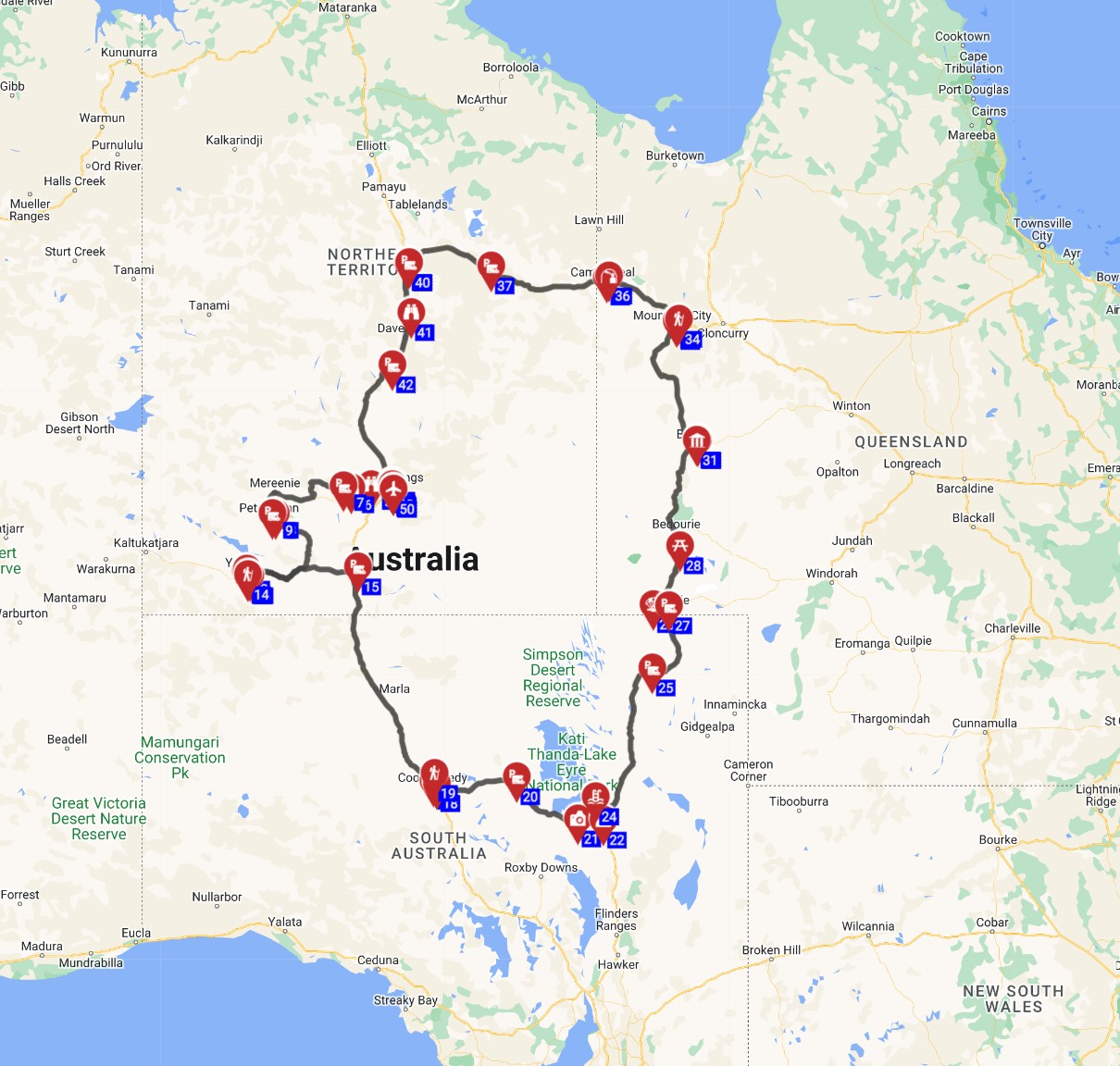
For those seeking an extensive long-term RV rental adventure that truly encompasses the spirit of Australia, Avi Bandana highly recommends exploring the comprehensive route plan available on RVPlan. This expertly crafted itinerary, "
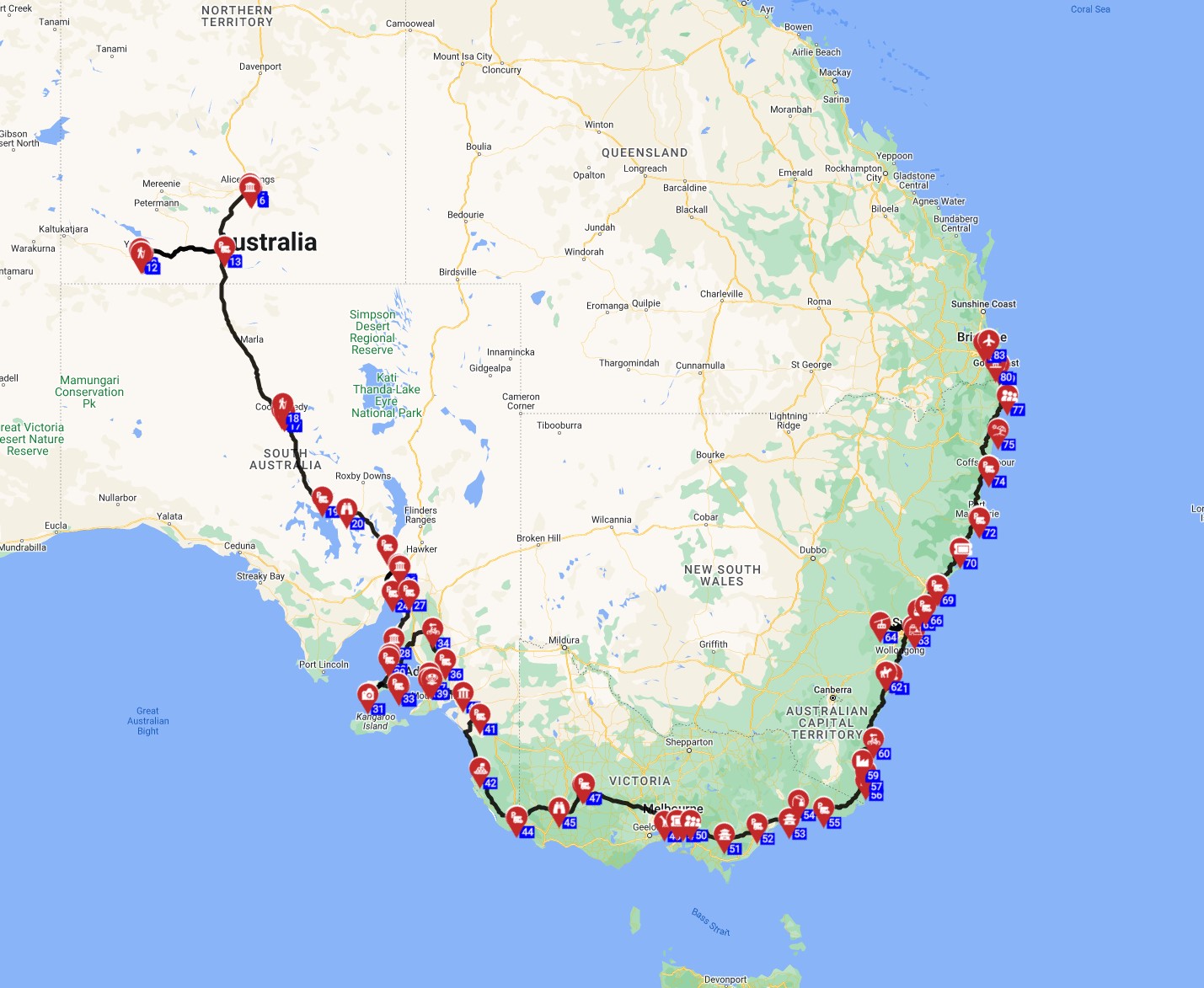
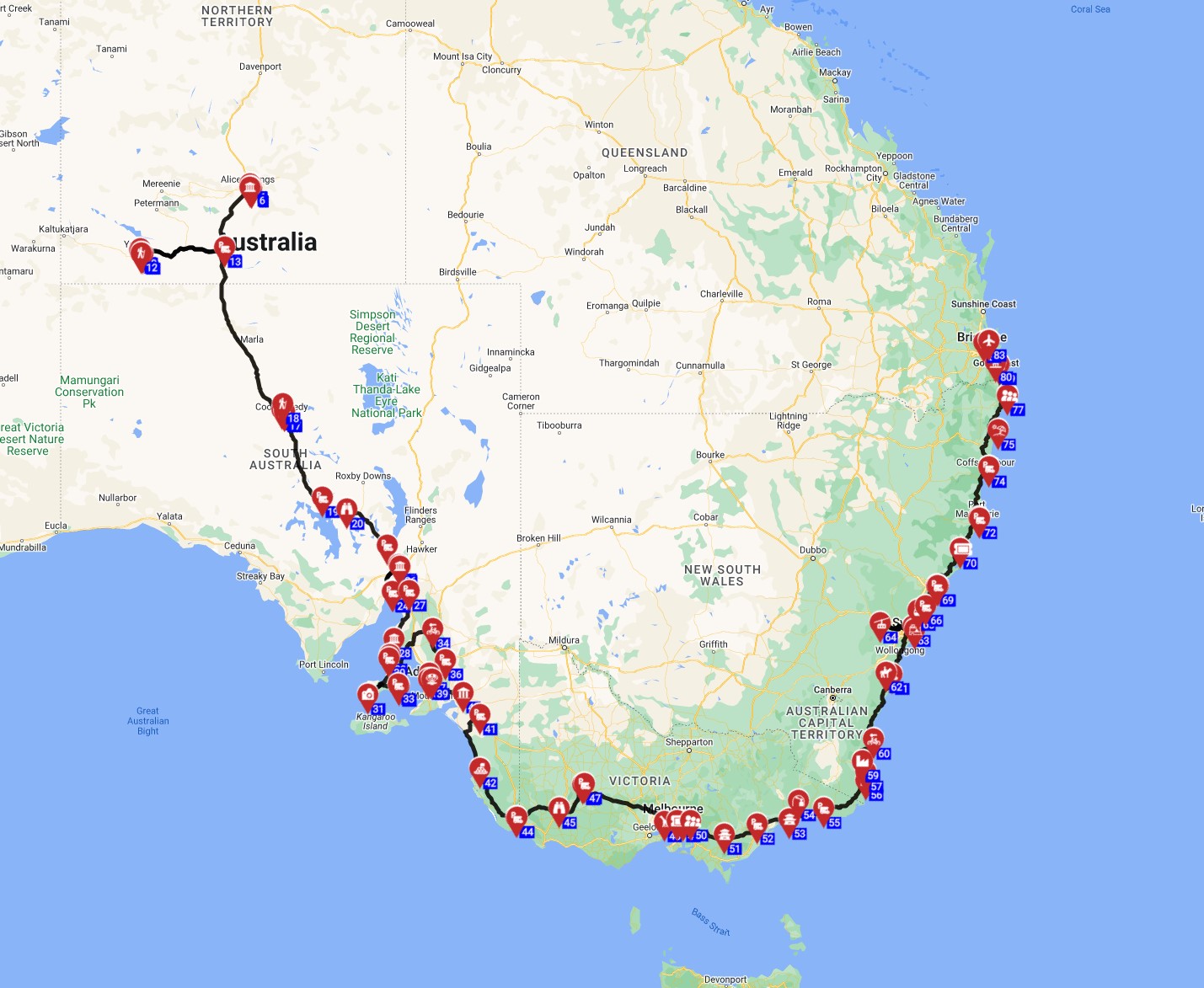
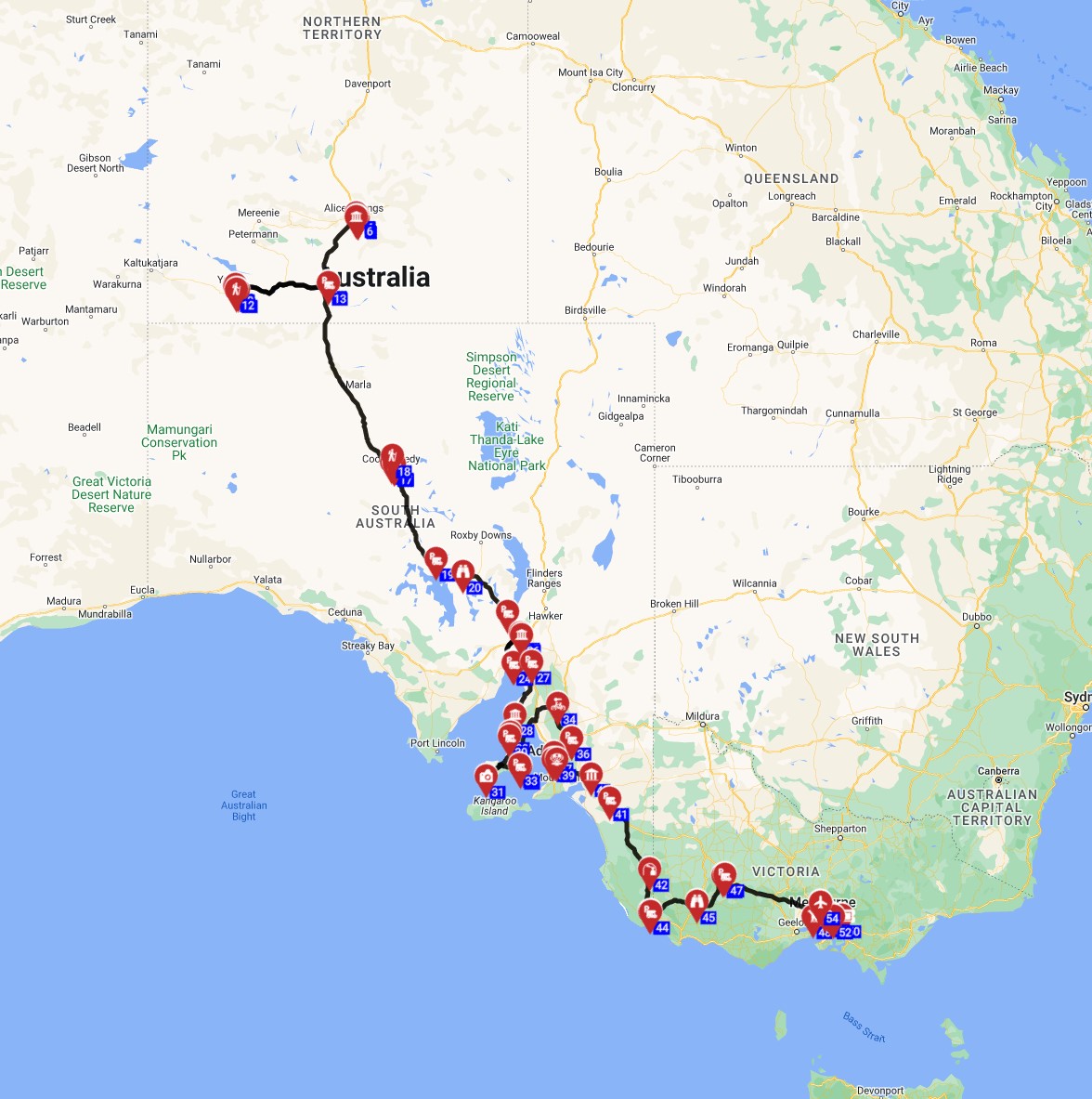
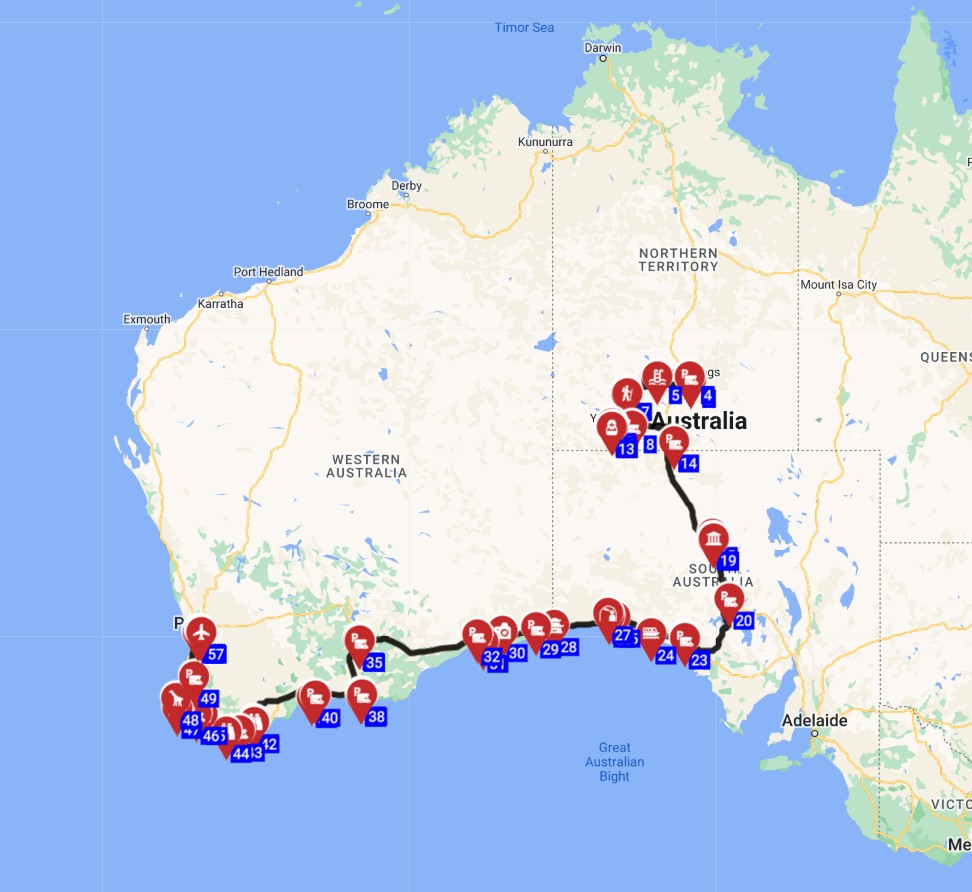
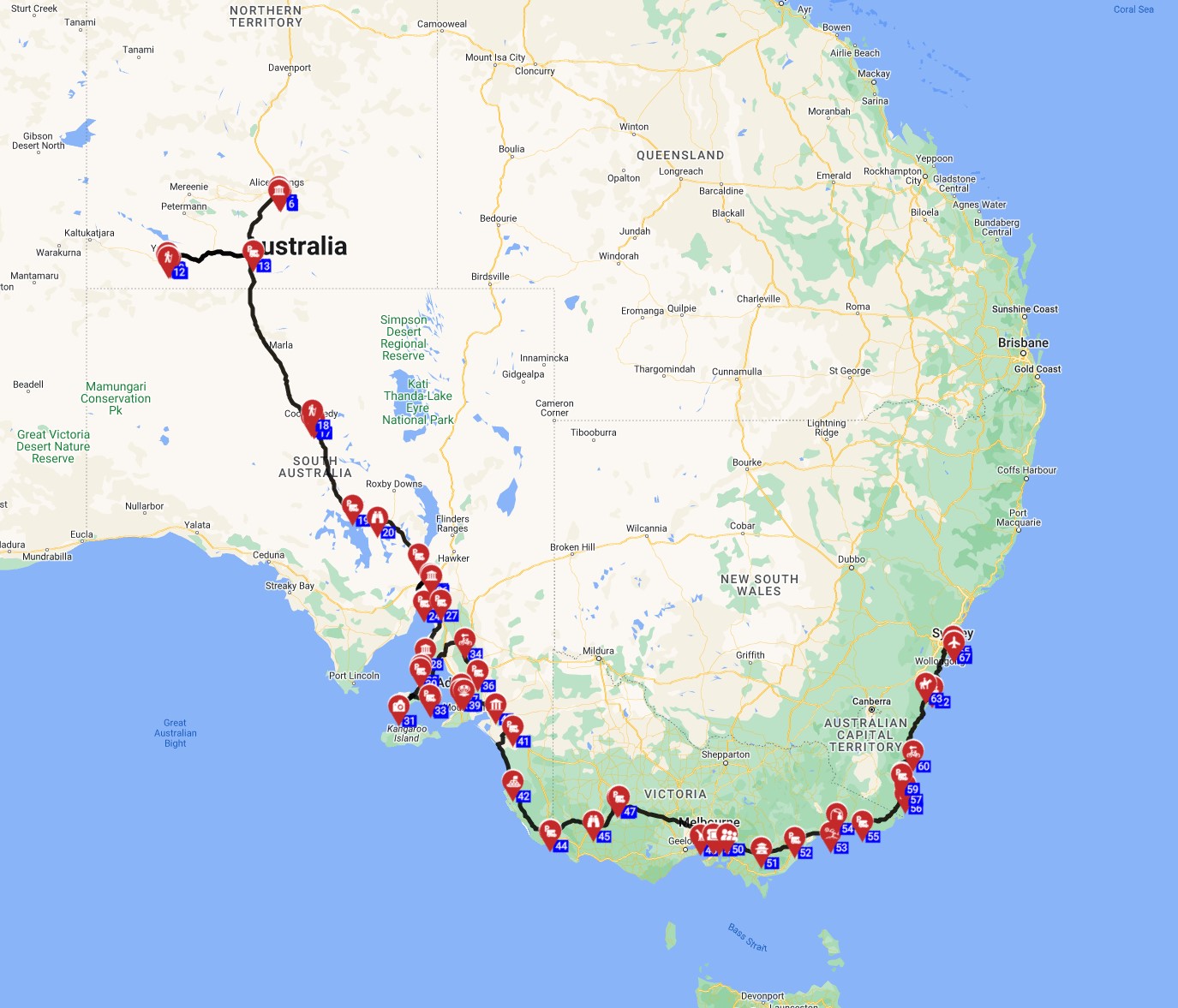
This meticulously planned route, covering a total distance of 6,398.9 km over 30 days, starts in Alice Springs and guides you through the vast Australian Outback. You'll encounter iconic sites like Uluru, Coober Pedy, and the stunning Grampians, before venturing towards the captivating coastal gems of Victoria and New South Wales, culminating in Queensland. It’s a journey designed for travelers who crave a deep understanding of Australia's diverse landscapes and cultures, offering a seamless way to experience the country without the planning stress.
Must-See Stops Along the Way (Avi Bandana Picks)
Avi Bandana’s personal recommendations for essential stops during a long-term RV rental adventure from Alice Springs focus on experiences that provide authentic cultural insights and unique local character, offering a deeper connection to the land and its people.
Uluru-Kata Tjuta Cultural Centre (Traditional Visit): An essential stop for gaining a profound understanding of the Aṉangu people's deep spiritual and physical connection to Uluru and Kata Tjuta. This visit provides crucial context for respectful engagement with these sacred and magnificent natural landmarks.
Hermannsburg Historic Precinct (Ntaria) (Traditional Visit): Explore the historical significance of Ntaria, the first Aboriginal mission in the Northern Territory. This location offers invaluable insights into early contact history, the development of Indigenous art, and is the birthplace of the renowned artist Albert Namatjira.
Alice Springs Desert Park (Animals Show / Wildlife Watch / Traditional Visit): Immerse yourself in the unique desert ecosystems and encounter local wildlife up close. The park features nocturnal animal exhibits and impressive birds of prey demonstrations, complemented by presentations on traditional Indigenous land management practices.
Umoona Opal Mine & Museum, Coober Pedy (Local Industry, Traditional Visit): If your journey extends south, delve into the fascinating world of opal mining. Explore underground dwellings and gain an appreciation for the challenging yet rewarding life of a miner in this unique desert town.
Kings Canyon Resort's Sunset Viewing Area (Traditional Restaurant / Fine Dining): Enhance your Outback experience by enjoying a meal or a drink with panoramic views as the sun sets over Kings Canyon. This iconic Outback experience is often complemented by opportunities to witness Indigenous cultural performances.
Daily Driving Distances & Drive Times in Alice Springs
Avi Bandana strongly recommends a leisurely travel pace, suggesting an average of no more than 100 miles (approximately 150 km) per day for RV trips originating from Alice Springs. This approach allows ample time for exploration, relaxation, and truly savoring the journey, rather than rushing through the vast and awe-inspiring landscapes of the Red Centre.
Rationale: Traveling slowly enhances the overall experience, opening up opportunities for spontaneous stops at points of interest, engaging in hikes, and fostering deeper cultural immersion, which is particularly important when navigating the remote and breathtaking scenery of central Australia.
Example Drive Times: For context, the drive from Alice Springs to Ormiston Gorge is approximately 135 km (84 miles) and takes around 1.5 to 2 hours. A slightly longer journey from Glen Helen Gorge to Kings Canyon Resort covers approximately 130 km (81 miles) and also takes about 1.5 to 2 hours. The stretch from Yulara (Uluru) to Kings Canyon Resort is about 300 km (186 miles), requiring roughly 3.5 to 4 hours of driving.
Considerations: It's vital to remember that Outback roads can present unexpected challenges, such as corrugations, dust, and potential washouts, all of which can significantly reduce average driving speeds. Always factor in extra time for photo stops, fuel refills in major towns, and necessary breaks to ensure a safe and enjoyable journey.
Best RV Class for This Itinerary — Couple & Family Picks
Selecting the right RV class for a long-term rental embarking from Alice Springs is crucial for both comfort and suitability to the varied Outback terrain. Bandana recommends a Class B Camper Van for couples, and a Class C Alcove motorhome for families, ensuring a well-matched and enjoyable journey.
For Couples: Class B - Camper Van: Bandana's Class B Camper Vans are an excellent choice for couples, typically measuring around 6.2 meters in length and comfortably sleeping two adults. These camper vans offer excellent maneuverability and fuel efficiency, with consumption averaging 10-13 Liters/100 km. Their compact size is perfect for navigating diverse roads and provides all essential amenities for two travelers.
For Families: Class C - Alcove: For families or groups, Bandana's Class C Alcove motorhomes are the premier selection. These typically measure around 7.9 meters in length and comfortably accommodate up to five people. With an average fuel consumption of 14-18 Litres/100 km, they offer ample living space, dedicated sleeping areas, and larger water tanks, which are particularly beneficial for extended stays and camping in the Outback with children.
Avi Bandana's Rent & Plan Service: To streamline your long-term RV rental experience, consider leveraging Avi Bandana's unique "Rent & Plan" service. This integrated offering combines your RV rental with a professionally designed itinerary, full access to trip-planning software, and personalized expert advice, effectively removing the planning burden so you can concentrate on the adventure ahead.
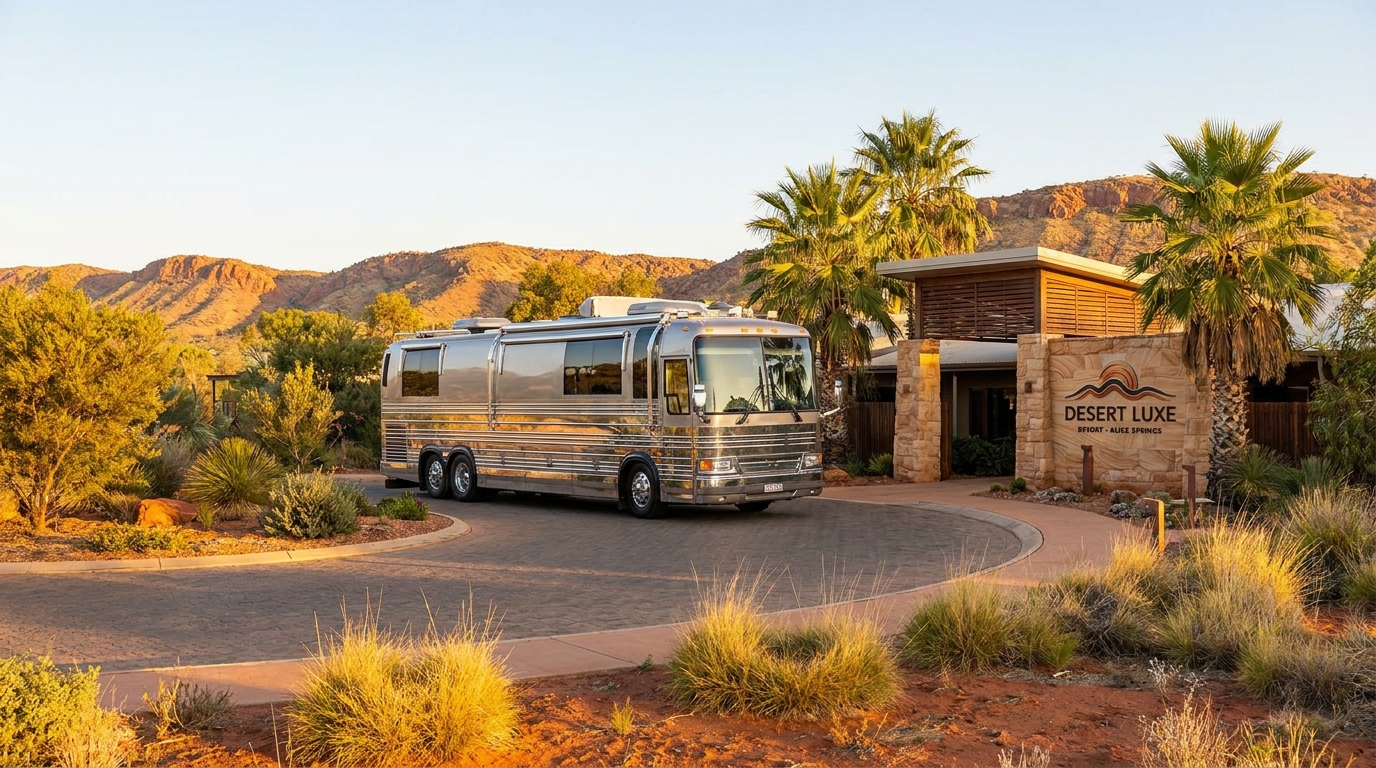
A rented Class C motorhome, like the 29’ Class C Motorhome, offers ample space for families.
How rough is the Mereenie loop?
The Mereenie Loop Road, also known as the Red Centre Way alternative via the Mereenie Loop, is a gravel road that is notoriously rough, corrugated, and can feature sandy sections. It absolutely requires a high-clearance 4WD vehicle for safe and comfortable passage and necessitates obtaining a permit from the Central Land Council as it traverses Aboriginal land.
Road Condition: Expect significant corrugations, sand drifts, and loose gravel. Conditions can change rapidly due to weather and maintenance schedules, so always check current reports.
Vehicle Suitability: Standard 2WD RVs, including most Class B and Class C motorhomes, are not suitable for the Mereenie Loop and are often prohibited by rental agreements due to the high risk of damage.
Permit Required: A permit from the Central Land Council is mandatory, obtainable online or from designated outlets in Alice Springs or Kings Canyon.
Crucial Amenities for 4WD RVs: Essential features include robust suspension, good quality all-terrain tires (carry at least two spares), sufficient water tank capacity (100+ litres recommended), reliable air conditioning, and adequate fuel capacity or extra fuel containers.
Alternative Route: For those renting 2WD RVs, the sealed Lasseter Highway and Luritja Road provide a viable, albeit longer, alternative route to reach Uluru and Kings Canyon.
The most rewarding day trips from Alice Springs primarily focus on exploring the breathtaking West MacDonnell Ranges. These excursions offer fantastic opportunities for hiking, swimming in permanent waterholes, and experiencing ancient geological formations, alongside valuable insights into Indigenous cultural sites.
West MacDonnell Ranges (Multiple Options): You can explore the Eastern section, visiting Simpson's Gap, Standley Chasm, and Ellery Creek Big Hole, or venture into the Central section to discover the Ochre Pits, Serpentine Gorge, and Ormiston Gorge. Activities abound, including hiking, swimming, and photography.
Alice Springs Desert Park: This is a perfect full-day activity located within Alice Springs itself. It provides an excellent showcase of the local desert ecosystems, diverse wildlife, and traditional Indigenous land management practices.
Alice Springs Telegraph Station Historical Reserve: Visit the original European settlement site for a glimpse into the town's historical role in the Overland Telegraph Line, offering a fascinating look at the region's past.
East MacDonnell Ranges: For a quieter, yet equally rewarding experience, explore the East MacDonnell Ranges. Here you’ll find Emily and Jessie Gaps (known for rock art), Corroboree Rock, and the Trephina Gorge Nature Park, ideal for hiking and taking in scenic lookouts.
Rainbow Valley Conservation Reserve: Situated approximately 75 km south of Alice Springs, this reserve offers stunning sandstone bluffs that display magnificent changing colors at sunrise or sunset. Note that access can depend on road conditions and may require 4WD, so check ahead.
Respectful Engagement: When visiting Indigenous sites, always adhere to posted signage and cultural protocols. Supporting local Indigenous businesses whenever possible is also a wonderful way to contribute respectfully to the community.
Practical Budgeting for Your Outback RV Trip from Alice Springs
Budgeting effectively for a long-term RV rental adventure into the Outback from Alice Springs requires careful consideration of fuel expenses, campsite fees, water provisioning, and overall supplies. Daily costs can vary significantly based on your travel style, the duration of your trip, and the specific RV you choose. On the routes offered through RV PLANET routes, you can itemize and track every expense along the way for easy budgeting.
Fuel Costs: This will likely be your largest expense. Outback fuel prices are considerably higher than in urban areas, often ranging from $2.00 to $3.00+ AUD per litre in remote locations. A Class C motorhome might consume 14-18 Litres/100 km, while a Class B campervan averages 10-13 Liters/100 km. Always fill up your tank in major towns and consider carrying extra fuel for peace of mind.
Campsite Fees: Expect to pay between $10-$15 AUD per person per night for basic National Park sites. Privately operated caravan parks will likely charge more, ranging from $30-$60+ AUD for powered sites. While free camping opportunities do exist, they require greater self-sufficiency and strict adherence to local regulations.
Water Availability & Refill Points: Potable water is a scarce and precious resource in the Outback. Refill your RV's water tanks at major towns or caravan parks, and always carry extra emergency water supplies. Knowing your RV's water tank capacity is essential; a minimum of 100+ litres is recommended. Dump stations for waste water are conveniently located at most caravan parks and some service stations.
Provisioning Guides: Stock up on non-perishable essentials like long-life milk, canned goods, pasta, rice, and nuts before departing. For fresh produce, Alice Springs is your best bet for initial provisioning, aiming to purchase enough to last 3-5 days between major towns.
Permits & Entry Fees: Remember to budget for potential National Park passes (such as an NT Parks Pass for entry to various parks) and specific permits like the one required for the Mereenie Loop. The Uluru-Kata Tjuta National Park entry fee is also a significant consideration.
Utilizing RV PLANET routes allows you to itemize and track every expense along the way for easy budgeting.
Outback RV Safety and Preparedness Tips
Embarking on a long-term RV journey through the Alice Springs Outback demands rigorous preparation to ensure both safety and success. Key considerations include having reliable emergency communication, understanding local wildlife, and maintaining a clear plan for vehicle breakdowns in these remote areas.
Emergency Communication: Mobile phone coverage is extremely limited in remote Outback areas. It's highly advisable to carry a satellite phone or an EPIRB (Emergency Position Indicating Radio Beacon) for emergencies. Crucially, always inform a trusted contact of your detailed itinerary and expected check-in times.
Vehicle Preparedness: Ensure your rental RV is in excellent mechanical condition before departure. Carry a comprehensive toolkit, a tire repair kit, a reliable air compressor, and essential spare parts. For any 4WD routes, packing recovery gear such as a snatch strap and shackles is paramount.
Breakdown Procedures: In the unfortunate event of a breakdown, the primary rule is to stay with your vehicle. It provides vital shade and is much easier for rescuers to spot. Utilize your emergency communication devices to signal for assistance.
Water & Food: Carry a minimum of 7-10 litres of water per person per day, plus an extra buffer for emergencies. Pack enough non-perishable food supplies to last for several extra days beyond your planned trip duration.
Wildlife Safety: Be aware of potential hazards such as venomous snakes and spiders; always wear sturdy footwear when walking outside your RV. Exercise extreme caution when driving at dawn and dusk, as kangaroos, emus, and cattle are frequently encountered on Outback roads.
Sun Protection: The Outback sun is intense. Always wear wide-brimmed hats, long-sleeved clothing, sunglasses, and high SPF sunscreen when spending time outdoors.
Road Conditions: Before setting out for any remote area, always check current road conditions and the latest weather forecasts, particularly for any potential rain that could impact unsealed roads.
What You Shouldn't Miss
Explore the West MacDonnell Ranges: Dedicate at least two days to exploring the stunning gorges and waterholes like Ormiston Gorge, Glen Helen, and Ellery Creek Big Hole. Hike, swim, and soak in the ancient desert landscapes.
Witness Uluru's Magic: Experience the unforgettable sunrise and sunset over Uluru. The base walk and cultural center offer profound insights into the Anangu people's connection to this sacred site.
Walk through Kata Tjuta's Valleys: Explore the magnificent domes of Kata Tjuta, particularly the Valley of the Winds walk for its dramatic scenery and spiritual significance.
Conquer the Kings Canyon Rim Walk: This invigorating early morning walk offers breathtaking views and a unique perspective on the canyon's geology and the Garden of Eden oasis.
Discover Hermannsburg (Ntaria): Step back in time at this historic Aboriginal mission, the birthplace of Albert Namatjira and a hub of Indigenous art and culture.
Stargaze in the Outback: With minimal light pollution, the night skies around Alice Springs are phenomenal. Pull over safely on a clear night and be mesmerized by the Milky Way.
Why Book with Bandana Caravan
As true RV specialists, Bandana Caravan offers a transparent and personal approach to booking your Australian adventure. We partner directly with top suppliers, providing you with a seamless experience from comparison to confirmation.
Full Transparency
No hidden fees, no surprises. What you see is what you get.
24/7 Support
Real people are here for you before, during, and after your booking.
Top-Level Deductible Reimbursement
Travel with absolute peace of mind.
For over 20 years, Bandana Caravan has been dedicated to RV travel, partnering with over 50 leading suppliers worldwide and creating over 1,300 pre-planned routes via RV PLANET (rvplan.net). We offer bookings in 30+ currencies with complete price clarity across 50+ countries, ensuring your travel details are handled with the utmost care.
Renting a long-term RV from Alice Springs and exploring the Red Centre is an adventure that promises unparalleled freedom and breathtaking scenery. From the iconic West MacDonnell Ranges to the spiritual heart of Uluru, your journey will be as enriching as it is visually spectacular.
Remember to embrace slow travel, allowing ample time to truly connect with the unique landscapes, the ancient Indigenous culture, and the resilient spirit of the Outback. With the right planning and the perfect rented RV, your long-term exploration of Alice Springs and its surroundings will undoubtedly be a once-in-a-lifetime experience.
How much does a motorhome rental cost in Alice Springs
The cost of renting a motorhome in Alice Springs varies by vehicle class and season but expect daily rates to range from approximately 150-250 AUD for a Class C motorhome during peak season Booking in advance and traveling during the shoulder seasons can often secure better deals
What is the minimum driver age for long term rv rental in Alice Springs
The minimum driver age for long-term RV rentals in Alice Springs is typically 21 years old This age requirement applies to all vehicle classes and there are no young driver surcharges
Can I pick up a long term rv in Alice Springs and return it in a different city
Yes one-way RV rentals are commonly available from Alice Springs with most suppliers A drop-off fee may apply depending on the specific route and the distance between the pickup and return locations
What should I pack for an Outback RV trip from Alice Springs
Pack essentials like insect repellent sunscreen a wide-brimmed hat comfortable walking shoes and layers of clothing suitable for fluctuating desert temperatures The rental RV usually includes basic kitchenware and bedding but check with your supplier
Which campground near Alice Springs has the best views
For stunning views consider camping at Ormiston Gorge Campground in the West MacDonnell Ranges Its renowned for its spectacular gorge scenery and excellent opportunities for short hikes and swimming
What are winter tire requirements driving from Alice Springs
In the Alice Springs region winter driving conditions are generally mild and specialized winter tires are not typically required for standard roads However always check current road conditions and advisories especially if venturing onto unsealed tracks
Where is the nearest dump station to Alice Springs airport
Alice Springs Airport does not have an integrated dump station The nearest dump points are typically found at local caravan parks or service stations within Alice Springs itself such as the Alice Springs Tourist Park
Whats the minimum age to rent an RV in Alice Springs
The minimum age to rent a motorhome with Bandana RV is 21 Unlike many other companies we do not have young driver surcharges nor do we place restrictions on the vehicle classes available to renters aged 21 and over
Can I pick up in Alice Springs and drop off elsewhere
Yes one-way rentals are very popular and a fantastic way to cover more ground without backtracking Common one-way routes include Alice Springs to Darwin or Alice Springs to Adelaide These options require advance planning and may incur a one-way fee which will be clearly itemized in your quote
How far in advance should I book my Alice Springs RV rental
For travel during the peak season April to October we strongly recommend booking 6 to 9 months in advance This ensures the best selection of vehicles and more competitive pricing For off-season travel booking 3 to 4 months ahead is often sufficient
Whats included in the daily price
The daily rental rate typically includes your motorhome standard liability insurance and essential living equipment like kitchen supplies and bedding Optional extras such as camp chairs GPS units or Wi-Fi hotspots can be added for a fee You can upgrade to a top-level deductible for extra peace of mind but this is not included by default
Do I need a special licence for a motorhome in Alice Springs
No a special licence is not required A standard valid car drivers license is sufficient to rent and operate all motorhome classes available for hire including larger Class A and Class C vehicles An International Driving Permit IDP is recommended for visitors whose licenses are not in English but it is not a mandatory legal requirement in most situations
When is the best time to take an RV trip in Alice Springs
The best time for an RV trip is during the Australian autumn winter and spring from April to October During these months you can expect pleasant daytime temperatures cool nights and minimal rainfall making it ideal for hiking and exploring The summer months November to March can be extremely hot often exceeding 40C 104F
How much does it cost to rent an RV in Alice Springs?
Motorhomes in Alice Springs, Australia starts from 62 AUD and can go up to 237 AUD per day
The compact Adventure Camper is perfect for those interested in a real outback adventure Far roomier than similar vehicles this 4WD campervan is ideal for thrill seeking couples The extra fuel capacity means you can travel for longer without having to stop and the outdoor cooking facilities allow you to enjoy a dinner under the stars 2 x propane canistersnbspincluded The Camper includes Radio bluetooth USB Reversing camera 2 spare tyres Some vehicles have a solar panel that provides a charge to the 12V house battery power supply only Shower external cold only No child seat or Booster seat allowed A child under 7 years old cannot travel in this Camper
This six berth is chocka full of great features Separate sleeping and living areas and the dual cab is great for travelling families The Microwave amp Air-conditioning Heating in main cab must be connected to 240V mains power to function Maximum 2 Child Seats or 2 Booster Seats or 1 child seat and 1 booster seat can be fitted in this vehicle Children aged 0-4 years must travel in an approved properly fastened and adjusted child seat Children aged under 6 months must travel in an approved properly fastened and adjusted rear-facing child restraint It is recommended to keep the child in a rear-facing child restraint up to 12 months Children aged between 6 months and 4 years must travel in an approved properly fastened and adjusted rear-facing child restraint or a forward-facing child restraint depends on the child39s height anchor point Children aged 4-7 145cm must travel in an approved properly fastened and adjusted forward-facing child restraint OR an approved booster seat A child restraint child seat or booster seat can only be fitted on the forward-facing seats in the rear of the vehicle All child restraints must comply and be labelled with current Australia Standards and it is the responsibility of the driver to fit the seat in the vehicle
The Maui Cascade motorhome is perfect for a family of four or two couples travelling together The Cascade comes complete with kitchen and bathroom facilities for the full home away from home experience An innovative rear bed design sees two double beds comfortably located at the rear of the vehicle The rear lounge by day is your ultimate room with a view and at night converts into a double bed with the second lowering from the ceiling to accommodate two more In the morning raise the top bed keeping it made up for the next night39s sleep head outside and cook up a breakfast feast on the slide-out cooker Microwave Rear cab Air Conditioningnbspand main cab heating can be operated when connected to 240V mains power Radio Bluetooth and USB ports reversing camera Some models have a solar panel that provides a charge to the 12V house battery power supplynbsponly Maximum 2 Child Seats or 2 Booster Seats or 1 child seat and 1 booster seat can be fitted in this vehicle Children aged 0-4 years must travel in an approved properly fastened and adjusted child seat Children aged under 6 months must travel in an approved properly fastened and adjusted rear-facing child restraint It is recommended to keep the child in a rear-facing child restraint up to 12 months Children aged between 6 months and 4 years must travel in an approved properly fastened and adjusted rear-facing child restraint or a forward-facing child restraint depends on the child39s height anchor point Children aged 4-7 145cm must travel in an approved properly fastened and adjusted forward-facing child restraint OR an approved booster seat A child restraint child seat or booster seat can only be fitted on the forward-facing seats in the rear of the vehicle All child restraints must comply and be labelled with current Australian Standards and it is the responsibility of the driver to fit the seat in the vehicle
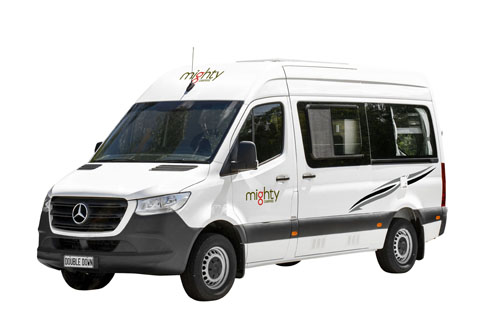
Microwave yourself some popcorn while you wait for your travel buddy to finish up in the vans toilet and shower enough room to swing a cat Disclaimer although there may be enough room to swing a cat in this campervannbspbringing pets is not allowed nor is it considered good practise to swing cats as they may scratch your face off 2 single beds that can become 1 double bed The Microwave amp Air-conditioning Heating in main cab must be connected to 240V mains power to function Some models have a solar panel that provides a charge to the 12V house battery power supply only No child seat or Booster seat allowed A child under 7 years old cannot travel in this Camper
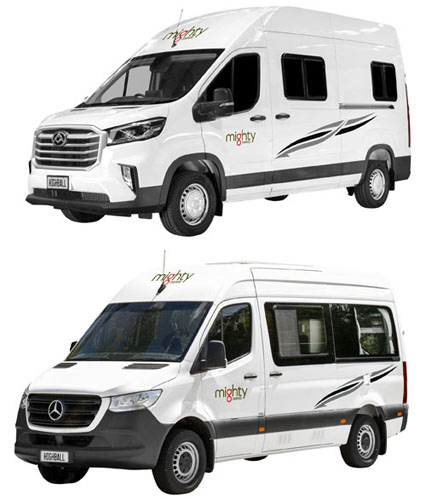
The perfect camper for 2 adults and 1 child has just landed with Mighty A double bed at the back and a single at the front make for a comfy night39s sleep for a small family Add the bonus of a shower and toilet and you39ve got the perfect getaway vehicle The Microwave amp Air-conditioning Heating in main cab must be connected to 240V mains power to function Some models have a solar panel that provides a charge to the 12V house battery power supply only Maximum 1 Child Seat or 1 Booster Seat can be fitted in this vehicle Children aged 0-4 years must travel in an approved properly fastened and adjusted child seat Children aged under 6 months must travel in an approved properly fastened and adjusted rear-facing child restraint It is recommended to keep the child in a rear-facing child restraint up to 12 months Children aged between 6 months and 4 years must travel in an approved properly fastened and adjusted rear-facing child restraint or a forward-facing child restraint depends on the child39s height anchor point Children aged 4-7 145cm must travel in an approved properly fastened and adjusted forward-facing child restraint OR an approved booster seat A child restraint child seat or booster seat can only be fitted on the forward-facing seats in the rear of the vehicle All child restraints must comply and be labelled with current Australia Standards and it is the responsibility of the driver to fit the seat in the vehicle
Crowd your mates into this bad boy with top and bottom bunks you can have a sweet slumber party for up to 4 fattys on the bottom lsquocos it might break otherwise maximum 200kgs The Microwave must be connected to 240V mains power to function Some models have a solar panel that provides a charge to the 12V house battery power supply only Maximum 2 Child Seats or 2 Booster Seats or 1 child seat and 1 booster seat can be fitted in this vehicle Children aged 0-4 years must travel in an approved properly fastened and adjusted child seat Children aged under 6 months must travel in an approved properly fastened and adjusted rear-facing child restraint It is recommended to keep the child in a rear-facing child restraint up to 12 months Children aged between 6 months and 4 years must travel in an approved properly fastened and adjusted rear-facing child restraint or a forward-facing child restraint depends on the child39s height anchor point Children aged 4-7 145cm must travel in an approved properly fastened and adjusted forward-facing child restraint OR an approved booster seat A child restraint child seat or booster seat can only be fitted on the forward-facing seats in the rear of the vehicle All child restraints must comply and be labelled with current Australia Standards and it is the responsibility of the driver to fit the seat in the vehicle
The behemoth of the mighty fleet a crowded inner city apartment on wheels itrsquos got a loo shower and superior cooking facilities Sleep 2 in the peak of the motorhome above the drivers cab andor change the back from a dining area into a double bed by piecing the jigsaw puzzle together The Microwave amp Air-conditioning Heating in main cab must be connected to 240V mains power to function Maximum 2 Child Seats or 2 Booster Seats or 1 child seat and 1 booster seat can be fitted in this vehicle Children aged 0-4 years must travel in an approved properly fastened and adjusted child seat Children aged under 6 months must travel in an approved properly fastened and adjusted rear-facing child restraint It is recommended to keep the child in a rear-facing child restraint up to 12 months Children aged between 6 months and 4 years must travel in an approved properly fastened and adjusted rear-facing child restraint or a forward-facing child restraint depends on the child39s height anchor point Children aged 4-7 145cm must travel in an approved properly fastened and adjusted forward-facing child restraint OR an approved booster seat A child restraint child seat or booster seat can only be fitted on the forward-facing seats in the rear of the vehicle All child restraints must comply and be labelled with current Australian Standards and it is the responsibility of the driver to fit the seat in the vehicle
Economical family touring is the purpose of the custom built Endeavour CampernbspLight economical and easy to handle this is the ultimate in no-fuss family road trips This vehicle is great for families that need a 4 berth but are willing to forgo the onboard shower and toilet available in Apollorsquos larger 4 berth motorhomes Each vehicle is supplied with complimentary living equipment such as bedding cooking equipment eating utensils bath and tea towels The Microwavenbspmust be connected to 240V mains power to function Some models have a reversing camera cannot be requested Vehicle includes Radio Bluetooth amp USB Some models have a solar panel that provides a charge to the 12V house battery power supply only Maximum weight fornbspUpper bednbsp200kg Maximum 2 Child Seats or 2 Booster Seats or 1 child seat and 1 booster seat can be fitted in this vehicle Children aged 0-4 years must travel in an approved properly fastened and adjusted child seat Children aged under 6 months must travel in an approved properly fastened and adjusted rear-facing child restraint It is recommended to keep the child in a rear-facing child restraint up to 12 months Children aged between 6 months and 4 years must travel in an approved properly fastened and adjusted rear-facing child restraint or a forward-facing child restraint depends on the child39s height anchor point Children aged 4-7 145cm must travel in an approved properly fastened and adjusted forward-facing child restraint OR an approved booster seat A child restraint child seat or booster seat can only be fitted on the forward-facing seats in the rear of the vehicle All child restraints must comply and be labelled with current Australia Standards and it is the responsibility of the driver to fit the seat in the vehicle
Enjoy the sights and sounds of Australiarsquos magnificent flora and fauna without sacrificing the luxuries of home Comfortably housing four people this vehicle was designed with your convenience and comfort in mind The Euro Camperrsquos quality features include fridge gas stove microwave shower and toilet The vehiclersquos turbo engine and power steering ensure easy handling and a smooth ride Hop on board and discover the Euro Camper experience Each vehicle is supplied with complimentary living equipment such as bedding cooking equipment eating utensils bath and tea towels Microwave and main cab Aircondition amp heating can be operated when connected to mains Vehicle includes Radio Bluetooth amp USB reversing camera Some models have a solar panel that provides a charge to the 12V house battery power supply only Maximum 2 Child Seats or 2 Booster Seats or 1 child seat and 1 booster seat can be fitted in this vehicle Children aged 0-4 years must travel in an approved properly fastened and adjusted child seat Children aged under 6 months must travel in an approved properly fastened and adjusted rear-facing child restraint It is recommended to keep the child in a rear-facing child restraint up to 12 months Children aged between 6 months and 4 years must travel in an approved properly fastened and adjusted rear-facing child restraint or a forward-facing child restraint depends on the child39s height anchor point Children aged 4-7 145cm must travel in an approved properly fastened and adjusted forward-facing child restraint OR an approved booster seat A child restraint child seat or booster seat can only be fitted on the forward-facing seats in the rear of the vehicle All child restraints must comply and be labelled with current Australian Standards and it is the responsibility of the driver to fit the seat in the vehicle nbsp
Enjoy the ultimate self-drive experience in the exceptional Euro Deluxe This spacious six berth vehicle boasts smooth handling and is surprisingly easy to drive The thoughtfully designed interior features all the comforts you expect from a vehicle of this calibre Assets include a well-appointed kitchen with microwave gas stove and refrigerator Enjoy the freedom to travel wherever you like with shower and toilet on board Additional luxuries include air-conditioning and a large side awning for al-fresco dining The Euro Deluxe is ready to travel when you are Each vehicle is supplied with complimentary living equipment such as bedding cooking equipment eating utensils bath and tea towels Microwave and main cab Aircondition amp heating can be operated when connected to mains Vehicle includes Radio Bluetooth amp USB reversing camera Some models have a solar panel that provides a charge to the 12V house battery power supply only Based onnbspMercedes or VWnbspchassis Maximum 2 Child Seats or 2 Booster Seats or 1 child seat and 1 booster seat can be fitted in this vehicle Children aged 0-4 years must travel in an approved properly fastened and adjusted child seat Children aged under 6 months must travel in an approved properly fastened and adjusted rear-facing child restraint It is recommended to keep the child in a rear-facing child restraint up to 12 months Children aged between 6 months and 4 years must travel in an approved properly fastened and adjusted rear-facing child restraint or a forward-facing child restraint depends on the child39s height anchor point Children aged 4-7 145cm must travel in an approved properly fastened and adjusted forward-facing child restraint OR an approved booster seat A child restraint child seat or booster seat can only be fitted on the forward-facing seats in the rear of the vehicle All child restraints must comply and be labelled with current Australian Standards and it is the responsibility of the driver to fit the seat in the vehicle
The Euro Mini is perfect for 2 and allows for the best of both worlds A compact yet spacious main cabin with a double bed air conditioning and kitchenette the Euro Mini also features a toilet and shower compartment for those wanting a fully self-contained campervan Microwave and main cabin air conditioning amp heating can be operated when connected to mains Some models have an internal walk through cannot be requested Vehicle includes Radio Bluetooth amp USB reversing camera rear sensor Some models have a solar panel that provides a charge to the 12V house battery power supply only No child seat or Booster seat allowed A child under 7 years old cannot travel in this Camper
Camper for a couple and a child There is a double bed in the back and a single bed in the front Includes toilet and shower Each vehicle is supplied with complimentary living equipment such as bedding cooking equipment eating utensils bath and tea towels Vehicle includes Radio Bluetooth amp USB Some models have a solar panel that provides a charge to the 12V house battery power supply only Microwave and main cab Aircondition amp heating can be operate when conected to mains Maximum 1 Child Seat or 1 Booster Seat can be fitted in this vehicle Children aged 0-4 years must travel in an approved properly fastened and adjusted child seat Children aged under 6 months must travel in an approved properly fastened and adjusted rear-facing child restraint It is recommended to keep the child in a rear-facing child restraint up to 12 months Children aged between 6 months and 4 years must travel in an approved properly fastened and adjusted rear-facing child restraint or a forward-facing child restraint depends on the child39s height anchor point Children aged 4-7 145cm must travel in an approved properly fastened and adjusted forward-facing child restraint OR an approved booster seat A child restraint child seat or booster seat can only be fitted on the forward-facing seats in the rear of the vehicle All child restraints must comply and be labelled with current Australia Standards and it is the responsibility of the driver to fit the seat in the vehicle nbsp
Camper for 4 passengers There is a fall down rear double bed and a sitting area that turns into another double bed Includes toilet and shower Each vehicle is supplied with complimentary living equipment such as bedding cooking equipment eating utensils bath and tea towels Microwave and main cab Aircondition amp heating can be operated when connected to mains Vehicle includes Radio Bluetooth amp USB reversing camera Some models have a solar panel that provides a charge to the 12V house battery power supply only Maximum 2 Child Seats or 2 Booster Seats or 1 child seat and 1 booster seat can be fitted in this vehicle Children aged 0-4 years must travel in an approved properly fastened and adjusted child seat Children aged under 6 months must travel in an approved properly fastened and adjusted rear-facing child restraint It is recommended to keep the child in a rear-facing child restraint up to 12 months Children aged between 6 months and 4 years must travel in an approved properly fastened and adjusted rear-facing child restraint or a forward-facing child restraint depends on the child39s height anchor point Children aged 4-7 145cm must travel in an approved properly fastened and adjusted forward-facing child restraint OR an approved booster seat A child restraint child seat or booster seat can only be fitted on the forward-facing seats in the rear of the vehicle All child restraints must comply and be labelled with current Australian Standards and it is the responsibility of the driver to fit the seat in the vehicle
Our top of the range deluxe campervan is based on MercedesVW isnbspequipped with all the luxury inclusions of a motorhome at an even more affordable price Features include heatedair conditioned cabin and living area shower and toilet large double bed and fully equipped kitchen including microwave gas stove and refrigerator Ample storage space and a powerful and reliable diesel engine complete the perfect touring vehicle for discerning couples The Microwave amp Air-conditioning Heating in main cab must be connected to 240V mains power to function Some models have a reversing camera cannot be requested Vehicle includes Radio Bluetooth amp USB Some models have a solar panel that provides a charge to the 12V house battery power supply only No child seat or Booster seat allowed A child under 7 years old cannot travel in this Camper
Sleeps 2 more headroom than the Lowball for your early morning stretch and scratch amp we thought you might like a sink instead of a bucket The Microwave must be connected to 240V mains power to function Some models have a solar panel that provides a charge to the 12V house battery power supply only No child seat or Booster seat allowed A child under 7 years old cannot travel in this Camper
You will LOVE the HiTop Itrsquos cute and compact but still has the mod-cons like microwave fridge and gas stove Love the fold-out table from the inside too Perfect for a cruisey trip up the coast Front Airbags Microwave operates when connected to 240V mains power Some models have a reversing camera cannot be requested Some models have an internal walk through cannot be requested Radio Bluetooth amp USB Some vehicles include a solar panel that provides a charge to the 12V house battery power supply only No child seat or Booster seat allowed A child under 7 years old cannot travel in this Camper
The popular Hitop Camper is a dream to drive This modern vehicle suits couples Quality fixtures and fittings such as a fridge gas stove and sink mean cooking in your Hitop is a breeze In the evenings bunk down in the spacious double bed and additional overhead bed Each vehicle is supplied with complimentary living equipment such as bedding cooking equipment eating utensils bath and tea towels Microwave can be operated when connected to mains Some models have a reversing camera amp rear sensors cannot be requested Some models have an internal walk through cannot be requested Vehicle includes Radio Bluetooth amp USB Some models have a solar panel that provides a charge to the 12V house battery power supply only No child seat or Booster seat allowed A child under 7 years old cannot travel in this Camper
Automatic trailer with 4x4 drive that allows easy and comfortable driving Comes with a double bed in the back Includes an outdoor kitchen unit that includes a stove refrigerator and a collapsible sink There is an outdoor shower - cold water only IncludesnbspOutback Safety Kitnbspreversing cameranbsppop-top roof externalnbspkitchen unit twonbspsparenbsptyres two x 20L jerrynbspcans for extra fuelnbsp2 x butane canistersnbspsupplied Radio Bluetooth ampnbspUSB Some vehicles include a solar panel that provides anbspcharge to the 12V house battery power supply only Based on the Ford chassis No child seat or Booster seat allowed A child under 7 years old cannot travel in this Camper
2 Berth 4WD Campervan Rental Adventure off the beaten track in our rugged 4WD camper built for backpackers who crave freedom and fresh air It sleeps two people in a comfy queen-size bed inside with a pop-top roof for extra space to stretch out or chill The external kitchen ndash tucked under a handy roll-out awning - keeps things simple and social Features include a fridge collapsible portable sink portable cooker and even an external cold shower to freshen up after a dusty hike or surf session Capable and ready to roam - this 4WD is your ticket to roam free and live large Some models have a solar panel that provides a charge to the 12V house battery power supply only No child seat or Booster seat allowed A child under 7 years old cannot travel in this Camper