For live availability and current prices, start with our RV Rental Zambia - Complete Guide 2026 guide.
In This Guide
- Can You Drive an RV in Zambia? License & Age Rules
- Road Conditions & Terrain in Zambia
- RV Size Limits, Bridges & Restricted Zones
- Fuel: Diesel vs. Petrol & Cost per 100 km
- Tolls, Vignettes & Border Rules
- Driving Tips for long term rv rental Travelers
- Recommended RV Class for Zambia Roads
- Should I Choose a Compact Van Instead of a Large RV in Zambia?
- Can I Park Anywhere? Free & Wild Camping Rules in Zambia
- Can I Drive an RV into the City Center? Heights, Tunnels & Local Signage
- How much does it cost to rent an RV in Zambia for a long term
- What documents do I need to rent an RV in Zambia
- Is it safe to drive an RV in Zambia
- Where can I go camping in Zambia with an RV
- What is the best time of year for RV travel in Zambia
- What kind of RV is best for Zambia roads
- How do I plan a long term RV trip in Zambia
- Are there RV rental companies in Zambia
Can You Drive an RV in Zambia? License & Age Rules
Foreign drivers can operate an RV in Zambia using a valid national driving license, but an International Driving Permit (IDP) is highly recommended and often required by rental companies to ensure seamless cross-border operations. For vehicles up to 3.5 tonnes Gross Vehicle Weight (GVW), which covers most standard RVs, a license equivalent to Class B is generally sufficient. However, larger RVs exceeding this weight limit may necessitate a higher license category, so it's crucial to verify your license type against the RV's specific specifications. The minimum driver age for RV rental in Zambia typically ranges from 21 to 25, depending on the rental provider's specific terms and insurance policies. Always carry your national license and IDP together with your passport for identification when driving.
Road Conditions & Terrain in Zambia
Zambia's major inter-city roads are generally paved and in reasonable condition, suitable for RV travel and facilitating slow, scenic journeys. However, routes leading to national parks, rural villages, and many secondary roads are often gravel, dirt, or sand tracks, requiring a robust vehicle and careful driving. The terrain varies significantly, from flat plains in the south to rolling hills and mountainous regions in the east, presenting potential for steep ascents and descents. During the wet season, from November to April, unpaved roads can become muddy, slippery, or even impassable, significantly impacting travel plans for long-term RV renters. Drivers should always expect to encounter livestock, pedestrians, and wildlife on rural roads, necessitating constant vigilance and reduced speeds.
RV Size Limits, Bridges & Restricted Zones
Zambia does not typically impose widespread RV-specific height or weight restrictions on its main road network, unlike some European countries. Nevertheless, drivers should be mindful of low-hanging tree branches, particularly on less-maintained routes, and older, rural bridges that might have posted weight limits. When planning to enter national parks or specific conservancies, it's essential to inquire about any vehicle size, type (e.g., 4x4 only), or weight restrictions that may apply. For any river crossings involving ferries, drivers must check the ferry's capacity and operating hours in advance, as larger RVs may require special arrangements. Generally, standard RV sizes can navigate Zambia's primary road infrastructure without major dimensional impediments.
Fuel: Diesel vs. Petrol & Cost per 100 km
Diesel is the most common fuel type for RVs and is readily available at most service stations across Zambia, with petrol also widely distributed. Based on global fleet averages, a Class SI Semi-integrated RV typically consumes 10-11 Liters/100 km, while a Class C Alcove RV averages 10-12 Liters/100 km. Class B Camper Vans are generally more fuel-efficient, consuming around 10 Liters/100 km (some models 8-10 Liters/100 km), whereas Class A Integrated RVs average 8-12 Liters/100 km. Truck Campers (Class TC) often have higher consumption rates, ranging from 12-17 Liters/100 km, reflecting their more robust nature. Fuel prices are government-regulated but can vary; drivers should always budget for higher costs and longer distances between refueling points in remote areas. On the routes offered through RV PLANET routes, you can itemize and track every expense along the way for easy budgeting.
Tolls, Vignettes & Border Rules
Zambia operates a system of toll gates on its major national highways, where fees are typically paid directly at the plaza using cash or electronic payment methods. Unlike some regions, Zambia does not use a vignette system; tolls are paid per passage rather than as a time-based permit. For long-term RV renters planning to explore beyond Zambia, cross-border travel to neighboring countries like Botswana, Namibia, or Zimbabwe requires specific vehicle permits, road access fees, and potentially temporary import documentation. It's crucial to ensure your RV rental agreement permits international travel and that you have all required documentation, including valid passports, visas, vehicle registration, and international insurance coverage, for each country. While some RV rental companies may assist with pre-purchasing certain border passes, managing all border crossing formalities and associated costs is generally the traveler's responsibility.
Driving Tips for long term rv rental Travelers
Prioritize slow and cautious driving, especially on unpaved roads, to safely navigate potholes, corrugations, and potential sharp turns, thereby preserving vehicle integrity for your long trip. It is highly advisable to avoid driving at night as much as possible due to poor visibility, increased risk of encountering wildlife, pedestrians, and unlit obstacles. For families, planning regular stops every 2-3 hours is recommended to prevent driver fatigue and allow passengers to stretch, especially considering the longer driving distances between towns. Always carry extra water, a spare tire, essential tools, and a reliable communication device, particularly when venturing into remote regions. Be aware of local traffic customs; be prepared for unexpected maneuvers by other drivers and always yield to larger vehicles where appropriate.
Recommended RV Class for Zambia Roads
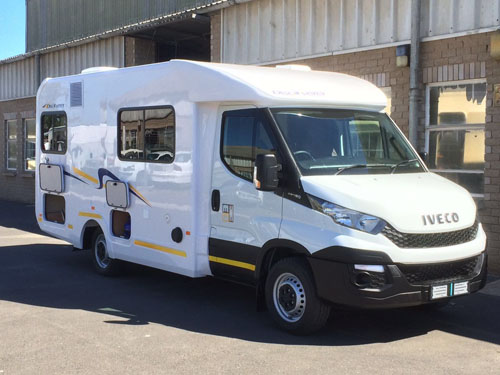
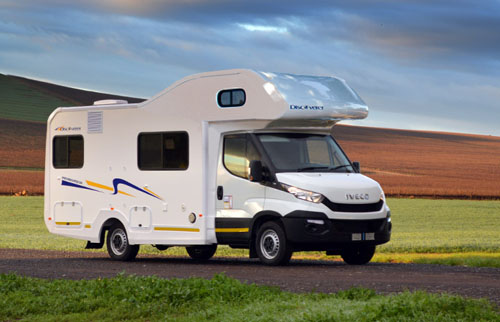
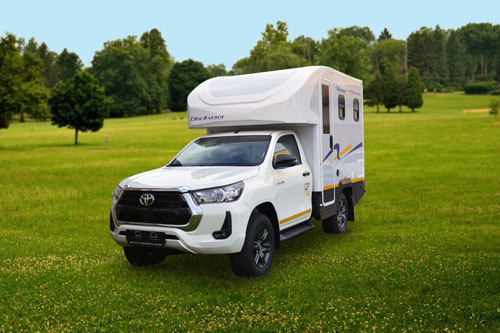
For navigating Zambia's diverse road network, Bandana's Class B Camper Vans, averaging 5.8 meters in length, are highly recommended due to their superior maneuverability, reasonable fuel efficiency, and compact size, which is suitable for varied terrain. Class SI Semi-integrated RVs, with an average length of 6.9 meters, offer a good balance of comfort and practicality, making them a suitable choice for travelers who plan to stick to main roads and better-maintained gravel tracks. These classes generally provide sufficient ground clearance for most accessible routes, acting as a proxy for their suitability on unpaved surfaces. While Class C Alcove (average 7.5 meters) and Class A Integrated (average 7.5 meters) RVs offer more spacious living, their larger dimensions might limit access to very narrow or rugged tracks within national parks. For adventurers prioritizing remote access and rugged conditions, Class TC Truck Campers, averaging 5.5 meters, provide excellent off-road capability.
Should I Choose a Compact Van Instead of a Large RV in Zambia?
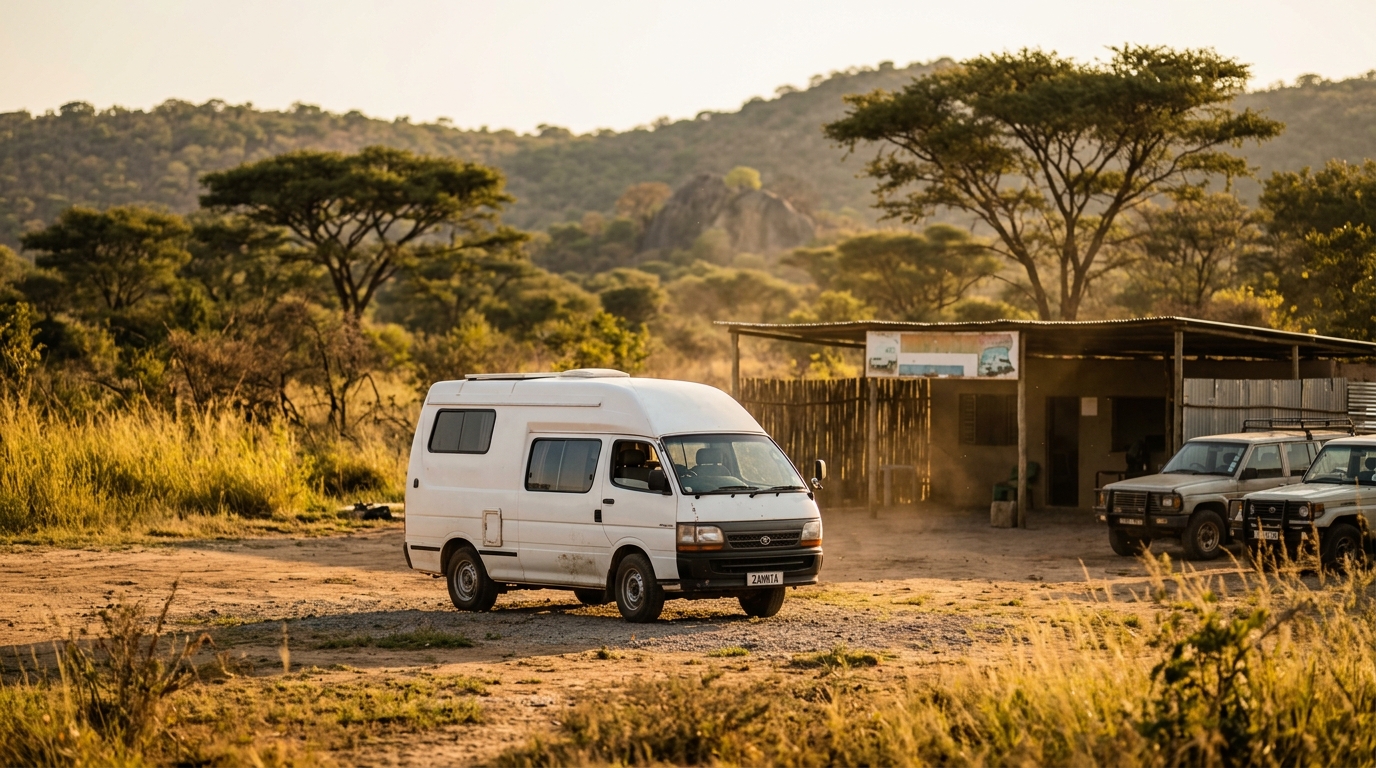
In Zambia, there's generally no significant issue driving most RV sizes; the choice often hinges more on comfort and desired amenities rather than strict maneuverability limitations. A compact van, such as a Class B Camper Van, offers superior agility, easier parking in towns, and better fuel economy, which can be advantageous on narrower gravel roads and for accessing tighter spots. However, for a long-term rental, the added comfort and ample indoor space of a larger RV (Class SI, C, or A) often become a more significant factor, providing better living conditions for extended periods. While larger RVs require more careful driving on rougher tracks, their added amenities like larger kitchens, bathrooms, and separate sleeping areas can greatly enhance the long-term travel experience. Ultimately, if your itinerary includes extensive off-roading or very remote, challenging routes, a purpose-built 4x4 overland truck camper might be the best compromise, balancing capability with compact living.
Can I Park Anywhere? Free & Wild Camping Rules in Zambia
Wild camping or free camping is generally not permitted within Zambia's national parks, game management areas, or protected wildlife conservancies. Designated campsites, which are abundant within national parks and at private lodges, are the primary and safest locations for overnight RV parking, often providing essential facilities. Outside of formally protected areas, wild camping may be possible on private land, but only with explicit, prior permission from the landowner to avoid trespassing and potential legal issues. For safety and security, it is always best to opt for established campsites or secured areas and avoid parking in isolated or unlit locations. Rules can vary by region, so always check local regulations and follow local law before parking overnight.
Can I Drive an RV into the City Center? Heights, Tunnels & Local Signage
Yes, you can generally drive an RV into city centers in Zambia, as urban areas typically do not impose the strict height, weight, or environmental zone restrictions found in some other regions. However, always pay close attention to local signage, particularly for any height limits on older underpasses or low bridges, though these are less common issues for RVs in Zambian cities. The primary challenges when driving an RV in Zambian city centers will be navigating heavy traffic, especially during peak hours, and finding suitable parking for a larger vehicle. Consider parking your RV on the city outskirts or at a designated RV-friendly parking area and utilizing local taxis or ride-sharing services for exploring the dense urban core. While specific environmental zones are rare, be mindful of residents-only parking restrictions or temporary road closures for local events.
How much does it cost to rent an RV in Zambia for a long term
Long-term RV rental costs in Zambia vary widely based on the RV class, duration of rental, season, and provider, with daily rates typically decreasing for longer rental periods. A detailed RV budgeting breakdown should include the base rental fee, comprehensive insurance (often mandatory), potential one-way fees, and additional equipment like camping gear or satellite communication. Significant fuel costs must also be factored in; for larger vehicles, these can quickly add up. For example, a Class C RV averages 10-12 Liters/100 km, so multiply this by your anticipated mileage and current fuel prices. Budget for specific park fees (per person and per RV), campsite fees (which can range from basic to luxury), and any local taxes or road usage fees. It's wise to allocate a maintenance contingency and costs for local provisions when planning your budget.
What documents do I need to rent an RV in Zambia
To rent an RV in Zambia, you will primarily need a valid national driver's license from your home country, preferably accompanied by an International Driving Permit (IDP). A passport that is valid for at least six months beyond your intended return date is mandatory, along with any required visas for your nationality to enter Zambia. You'll also need a major credit card in the primary driver's name for the rental deposit, which covers potential damages or additional charges. It's essential to have a copy of your RV rental agreement and proof of comprehensive insurance coverage, usually provided by the rental company. Always carry physical and digital copies of all essential documents, including proof of travel insurance, for quick access.
Is it safe to drive an RV in Zambia
Driving an RV in Zambia can be safe with thorough preparation, awareness of local conditions, and adherence to prudent safety measures. In-depth safety protocols for RVers include avoiding night driving, being vigilant for wildlife crossings, maintaining a safe speed, and securing your vehicle at designated campsites. It is advisable to have a detailed medical emergency plan, including carrying a comprehensive first-aid kit, knowing local emergency contacts, and considering travel insurance that covers medical evacuation for remote areas. For breakdowns, ensure your rental company provides reliable breakdown services for larger vehicles, especially in remote regions, and consider carrying spare parts like tires and filters. Familiarize yourself with specific wildlife encounter procedures from an RV perspective, such as how to react if approached by animals in national parks, and ensure communication devices (e.g., satellite phone) are charged.
Where can I go camping in Zambia with an RV
Zambia offers numerous RV-friendly camping destinations, predominantly within or adjacent to its world-class national parks like South Luangwa, Kafue, and Lower Zambezi. Many private game reserves and lodges also feature well-equipped campsites, often providing comprehensive RV logistics such as waste disposal and water refill points, and sometimes electricity hookups. For off-the-beaten-path experiences, explore lesser-known natural wonders like the Bangweulu Wetlands for unique birdwatching, or specific community-run campsites offering cultural immersion. Beyond national parks, there are also private and public campsites along major rivers and lakes, providing diverse scenic environments for long-term stays. It is always advisable to confirm the availability of necessary RV infrastructure (e.g., suitable parking, water, waste facilities) at your chosen campsite, especially for extended periods.
What is the best time of year for RV travel in Zambia
The best time of year for RV travel in Zambia is during the dry season, which runs from May to October, offering optimal road conditions and peak wildlife viewing opportunities. During these months, the weather is generally dry and sunny with comfortable temperatures, making travel on unpaved roads much easier and significantly reducing the risk of getting stuck. Wildlife tends to congregate around permanent water sources in the dry season, making it easier to spot animals within national parks. The shoulder months of May-June and October offer a balance of good weather, fewer crowds, and often better value for long-term rentals. The wet season, from November to April, can present challenges for RVers, as heavy rains can render many dirt and gravel roads impassable, especially within national parks.
What kind of RV is best for Zambia roads
For Zambia's diverse road network, an RV with high ground clearance and robust suspension is essential, with 4x4 capability being highly advantageous for accessing remote areas. While a standard RV like a Class B or C can manage main paved roads and well-maintained gravel tracks, an overland truck or a specialized 4x4 camper van is significantly more viable for rougher routes. Consider vehicles that are built for durability and self-sufficiency, often featuring reinforced chassis, underbody protection, and larger fuel and water tanks. For extensive long-term travel off the beaten path, look for RVs that can be easily modified with additional spares (e.g., extra tires, jerry cans), roof racks, and recovery equipment. Prioritize an RV's reliability and ease of maintenance in remote locations over pure luxury, ensuring it can withstand the challenges of prolonged African travel.
How do I plan a long term RV trip in Zambia
Comprehensive planning for an RV trip in Zambia involves detailed route mapping, considering distances between fuel stations and towns, and thoroughly researching road conditions for your chosen RV type. Ensure efficient power management solutions like robust solar panels, high-capacity battery banks, and inverters are in place to support long-term off-grid living and address connectivity needs. Strategize for water refill points and waste disposal, as these facilities are less frequent in remote Zambian areas, emphasizing responsible RV travel and minimizing environmental impact. Actively seek hyper-local and cultural immersion opportunities by planning visits to local markets, engaging with community tourism initiatives, and trying traditional foods. Beyond major national parks, research off-the-beaten-path attractions like lesser-known waterfalls, unique canoeing spots, or traditional villages, and commit to supporting local economies through ethical purchasing.
Are there RV rental companies in Zambia
Yes, there are several RV rental companies operating in Zambia, ranging from international agencies to local operators specializing in overland vehicles suitable for African terrain. These companies offer a variety of vehicles, from smaller camper vans (like Bandana's Class B options) to larger, fully-equipped 4x4 overland trucks with sleeping arrangements. When considering long-term rentals, it's advisable to compare options based on vehicle suitability for Zambia's roads, comprehensive insurance packages, included mileage, and customer support for breakdowns. Booking your RV well in advance is recommended, especially if planning to travel during peak season (the dry season from May to October), to ensure the availability of your preferred vehicle type. Many providers will also offer pre-trip briefings on driving conditions, route planning advice, and essential safety information tailored for Zambian travel.
What You Shouldn't Miss
- Victoria Falls (Mosi-oa-Tunya): Witness the awe-inspiring "Smoke That Thunders," one of the world's largest waterfalls, and explore the surrounding national park – a must-see natural wonder accessible by RV.
- South Luangwa National Park: Renowned for its exceptional walking safaris and abundant wildlife, this park offers incredible opportunities for RV-based game viewing and immersive nature experiences.
- Kafue National Park: As one of Africa's largest national parks, Kafue provides diverse landscapes and abundant wildlife, with many campsites offering direct access to prime safari locations for RV explorers.
- Lower Zambezi National Park: Experience canoe safaris, fishing, and exceptional game viewing in this stunning park, where riverside campsites often offer close encounters with wildlife, including elephants wandering through.
- Bangweulu Wetlands: For a unique birdwatching and cultural experience off the beaten path, explore these vast wetlands, often accessible via less-traveled routes suitable for RV adventurers.
- Lake Tanganyika: While a longer drive, visiting the shores of Lake Tanganyika offers a different perspective with potential for water activities and exploring coastal communities accessible with your rented RV.
Final Thoughts
Embarking on a long-term RV adventure in Zambia promises an unparalleled journey through breathtaking landscapes and vibrant cultures. While the road conditions can be challenging, the rewards of experiencing this beautiful country at your own pace are immense. With careful planning and the right vehicle choice, your long-term RV rental in Zambia will undoubtedly be an unforgettable expedition.
We're passionate about RV travel and dedicated to making your experience as smooth and enjoyable as possible. From comparing the best RV rental options to ensuring you have all the information you need, Bandana Caravan is your trusted partner in planning the ultimate Zambian road trip. Get inspired for your next adventure!