In This Guide
- Can You Drive an RV in West Canada? License & Age Rules
- Road Conditions & Terrain in West Canada
- RV Size Limits, Bridges & Restricted Zones
- Fuel: Diesel vs. Petrol & Cost per 100 km
- Tolls, Vignettes & Border Rules
- Driving Tips for long term rv rental Travelers
- Recommended RV Class for West Canada Roads
- Should I Choose a Compact Van Instead of a Large RV in West Canada?
- Can I Park Anywhere? Free & Wild Camping Rules in West Canada
- Can I Drive an RV Into the City Center? Heights, Tunnels & Local Signage
- How much does it cost to rent an RV in West Canada for a month?
- What is the best time of year to RV in Western Canada?
- What do you need to know about driving an RV in Canada?
- How much does it cost to fuel an RV in Canada?
- How much does it cost to stay at an RV park in Canada?
- Can you camp anywhere in British Columbia?
- Is it cheaper to rent an RV or stay in hotels in Canada?
- What is the best RV for touring Canada?
- Where can I find free overnight parking for RVs in Canada?
- Top Cities for RV Rental in West Canada
Imagine yourself embarking on an unforgettable journey through the majestic landscapes of West Canada, where towering mountains meet pristine coastlines and vibrant cities. A long term rv rental is your ticket to exploring this diverse region at your own pace, offering the freedom to linger in a national park or discover a charming small town on a whim. At Bandana RV, we’ve been helping tens of thousands of travelers since 2001, providing direct partnerships with over 50 leading RV suppliers worldwide, including trusted names like El Monte, Cruise America, Apollo, and Britz. Our mission is to make RV travel accessible, transparent, and joyful for everyone.
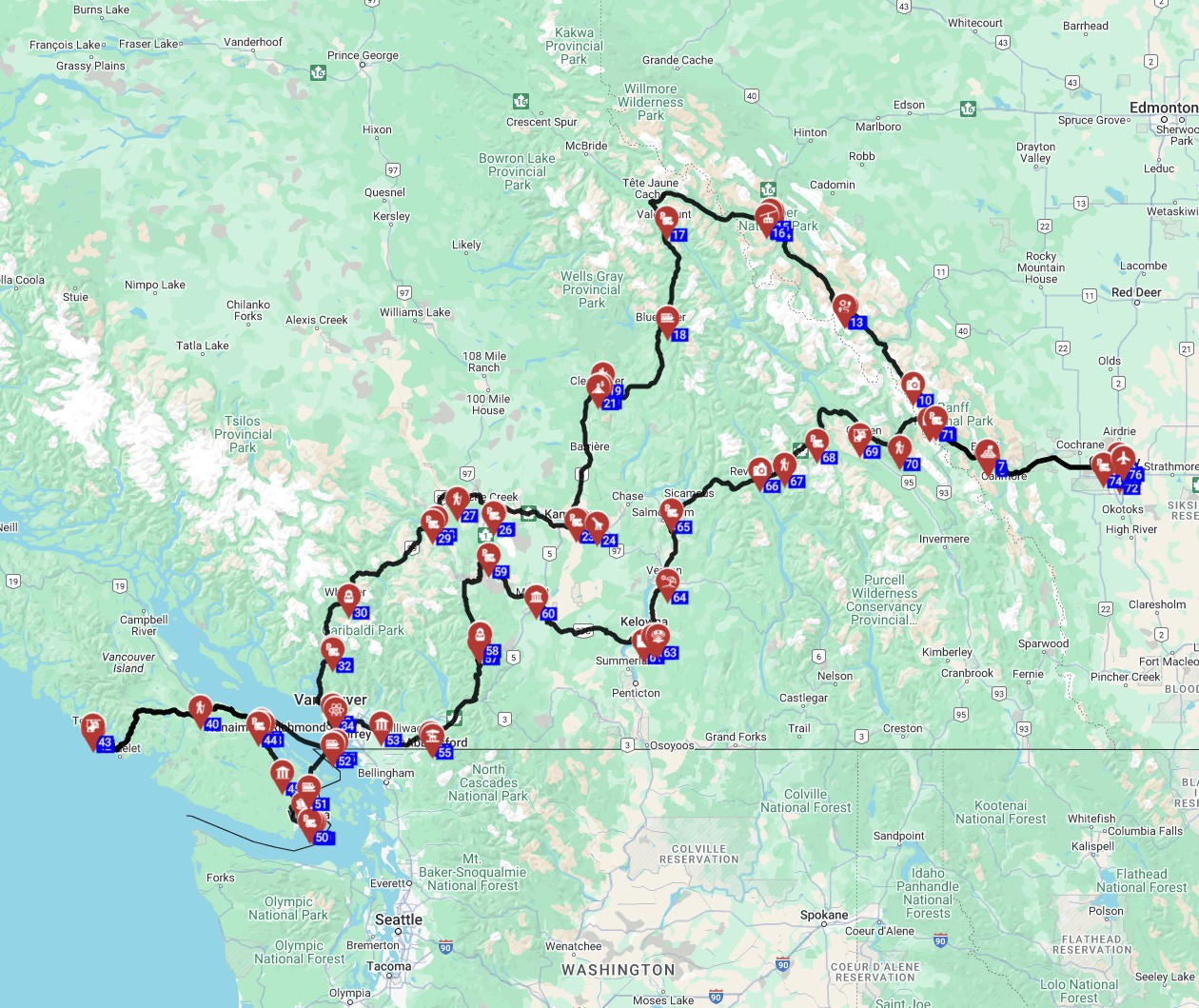
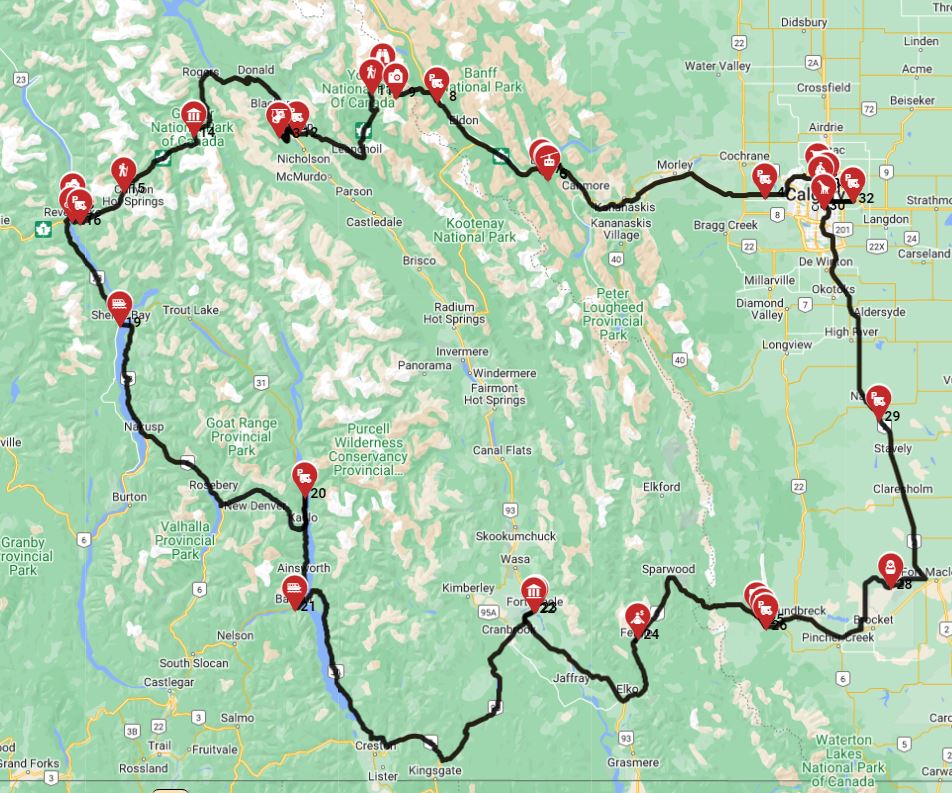
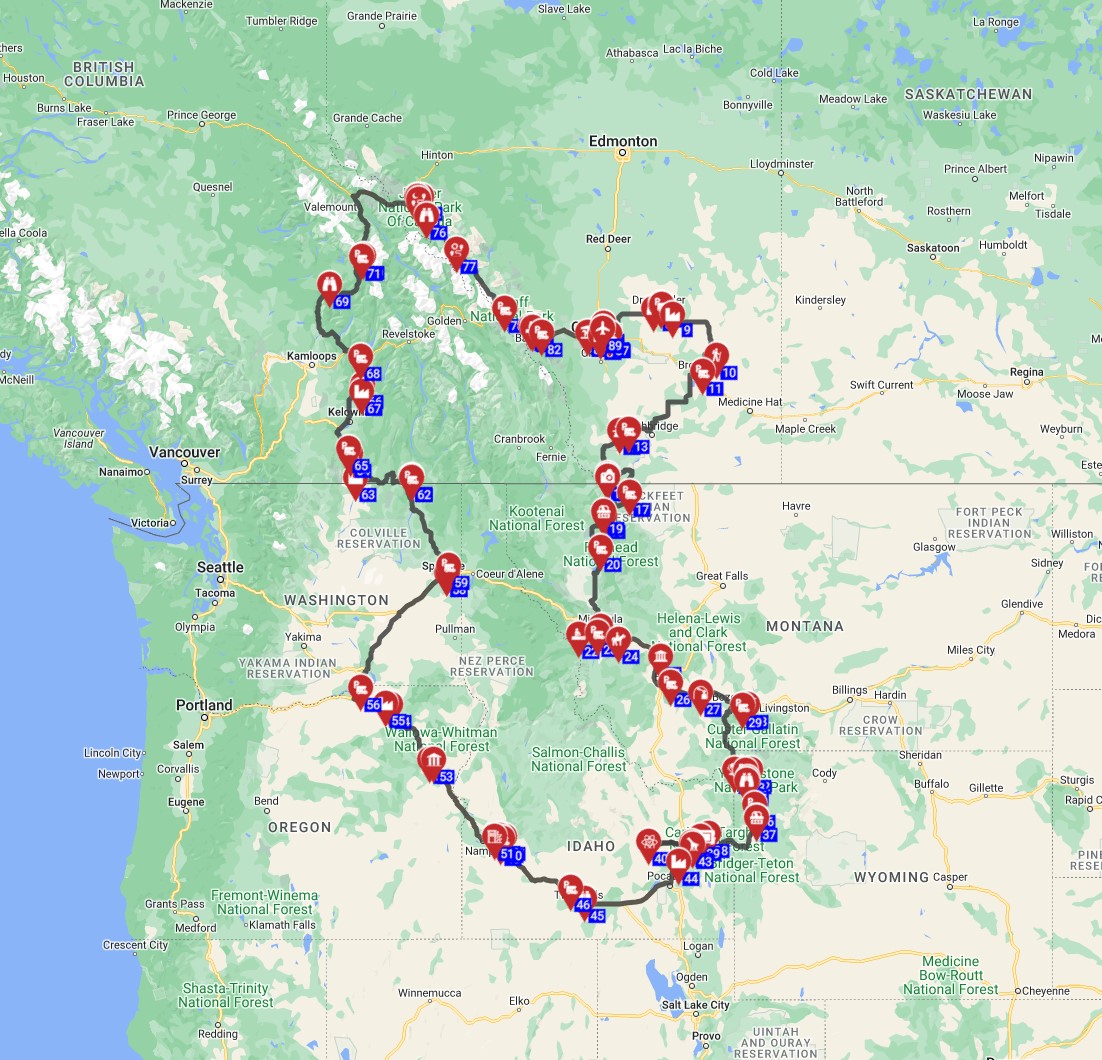
For those considering an extended adventure, diving into the nuances of long term rv rental in West Canada is key. This comprehensive guide will equip you with the knowledge needed to navigate everything from licensing requirements and road conditions to fuel costs and camping regulations. For live availability and current prices, start with our RV Rental West Canada - Complete Guide 2026 guide. We’re here to support you before, during, and after your booking, ensuring full transparency with no hidden fees and real people behind you 24/7 for support. On the routes offered through RV PLANET routes, you can itemize and track every expense along the way for easy budgeting.
🎬 Video coming soon
Can You Drive an RV in West Canada? License & Age Rules
A standard Class 5 (or equivalent provincial) driver's license is typically sufficient for driving most rental motorhomes in West Canada, as they generally fall under the 11,000 kg (24,250 lbs) gross vehicle weight rating (GVWR) limit. For example, a common Class C Alcove RV, which might be around 7.5m long and sleep 5-6 people, typically weighs well below this threshold. Foreign drivers require a valid driver's license from their home country, and an International Driving Permit (IDP) is highly recommended for licenses not issued in English or French, though it is not strictly mandatory in all cases. The minimum age for RV rentals in West Canada is generally 21 years old across most Bandana partner suppliers, with no young driver surcharges or vehicle class restrictions based on age, making it accessible for a wider range of adventurers. RVs exceeding 11,000 kg GVWR, or those with air brakes, may require a higher class of license, though these are uncommon in standard rental fleets.
Our goal at Bandana RV is to ensure your journey starts smoothly and confidently. We clarify all licensing questions during the pre-booking comparison process, offering peace of mind. Remember, we are true RV specialists, not just a travel agency side department, so we genuinely know what's required for your adventure.
Road Conditions & Terrain in West Canada
West Canada features a diverse range of road conditions, from well-maintained major highways, such as the Trans-Canada Highway, through challenging mountainous terrain to gravel and unpaved secondary roads, generally suitable for rented RV travel. Driving through the majestic Rocky Mountains involves steep grades and winding roads, requiring cautious driving, especially for longer RVs like a 9.1m Class A motorhome; always be aware of potential rockfalls and abundant wildlife. Roads in rural and remote areas may have limited cell service and fewer amenities, necessitating preparedness for mechanical issues and alternative communication methods, such as satellite devices, if venturing far off the beaten path. Additionally, be aware of seasonal hazards, including heavy snow and ice in winter, spring thaws that can affect road stability, and wildfire smoke during dry summer months, all of which underscore the importance of checking local conditions frequently.
We always recommend slow travel, averaging a maximum of 100-150 km per day. This allows you ample time to feel the place, connect to the culture, the incredible food, and the breathtaking scenery that West Canada offers. Our emphasis is on helping you prepare for a safe and enjoyable journey through all conditions.
RV Size Limits, Bridges & Restricted Zones
Canada does not impose widespread, strict RV size limits like some other regions; however, drivers must observe posted height and weight restrictions on specific bridges, tunnels, and smaller roads, particularly within national parks or older urban centers. For instance, some national park campgrounds or scenic routes, especially in Banff or Jasper, may have length restrictions for vehicles exceeding 7.5 meters to protect delicate ecosystems and ensure maneuverability. Ferries, particularly BC Ferries connecting Vancouver Island and the mainland, price RVs based on length, so understanding your rented vehicle's exact dimensions is crucial for booking and budgeting. While environmental zones are not common in West Canada, local signage for residents-only streets or restricted parking should always be respected, especially when visiting cities like Vancouver or Victoria.
When driving an RV into city centers, such as Calgary or Edmonton, remember that you can generally drive almost anywhere without issues. No need to stress-just drive slowly and carefully, use common sense, and pay attention to posted signage for height clearances and parking availability. Our full transparency means you'll have all the necessary information about your chosen rented motorhome's dimensions upfront, so there are no surprises on your journey.
Fuel: Diesel vs. Petrol & Cost per 100 km
Most rental motorhomes in West Canada, particularly Class SI, Class C, and Class A models, operate on diesel, which is widely available at service stations across the region. Fuel efficiency for Bandana's global fleet varies by class: Class B Camper Vans typically consume 8-10 Liters/100 km, Semi-integrated (Class SI) RVs 10-11 Liters/100 km, and Alcove (Class C) RVs 10-12 Liters/100 km. Based on an estimated average diesel price of CAD $1.80/L in 2026, the cost per 100 km for a rented RV in West Canada generally ranges from CAD $14.40 for a fuel-efficient Class B Camper Van like a `2 Berth Hi Top` to CAD $21.60 for a larger Class C `32′ Class C Motorhome`. Budgeting for fuel is a significant part of long-term RV travel, and on RV PLANET routes, travelers can itemize and track every expense along the way for easy budgeting, ensuring full transparency in your trip costs.
Tolls, Vignettes & Border Rules
West Canada has very few toll roads or bridges, and no vignettes are required for general highway use, simplifying long-term RV travel significantly compared to some European countries. Any rare toll crossings, such as specific bridges like the Coquihalla Highway or certain private roads, will be clearly marked, and payment is typically made directly at the toll booth or via electronic pass. For instance, the Golden Ears Bridge near Vancouver has an electronic toll. Travelers considering crossing the border into the United States from West Canada must ensure all rented vehicle registration, insurance, and personal identification documents are in order, and be aware of customs regulations for goods and pets. Always confirm with your rental supplier regarding cross-border travel permissions before your trip, as some have restrictions.
Driving Tips for long term rv rental Travelers
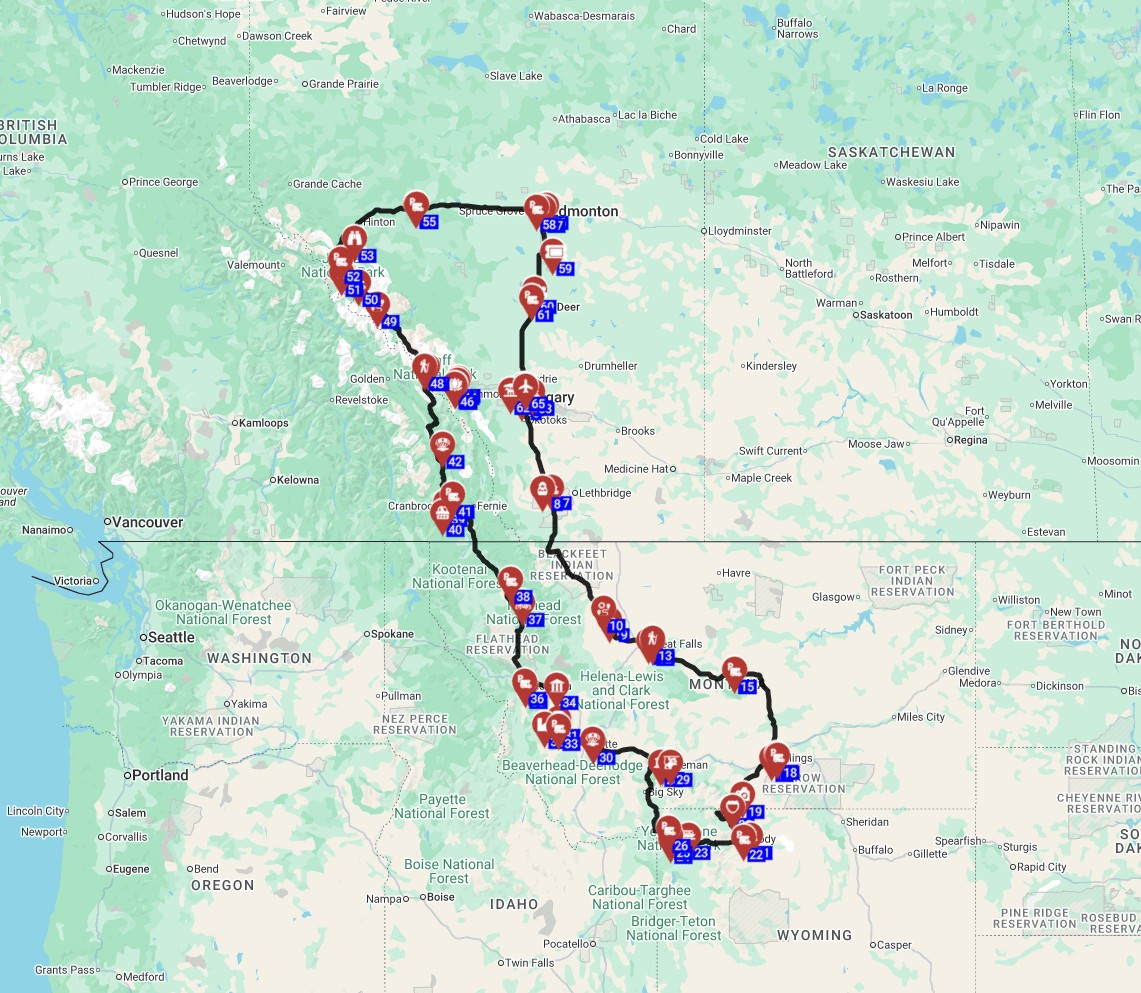
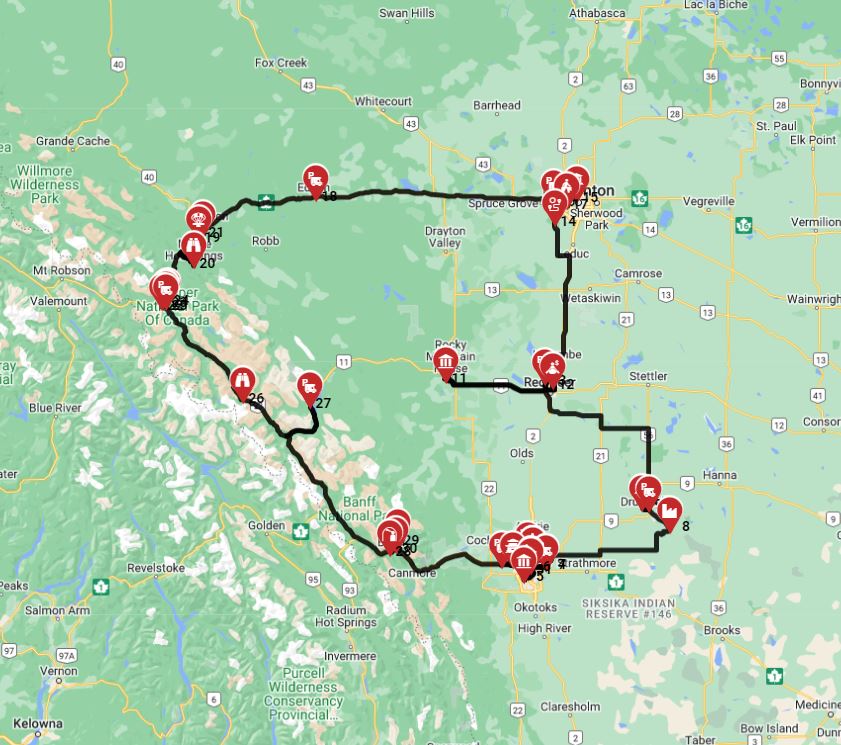
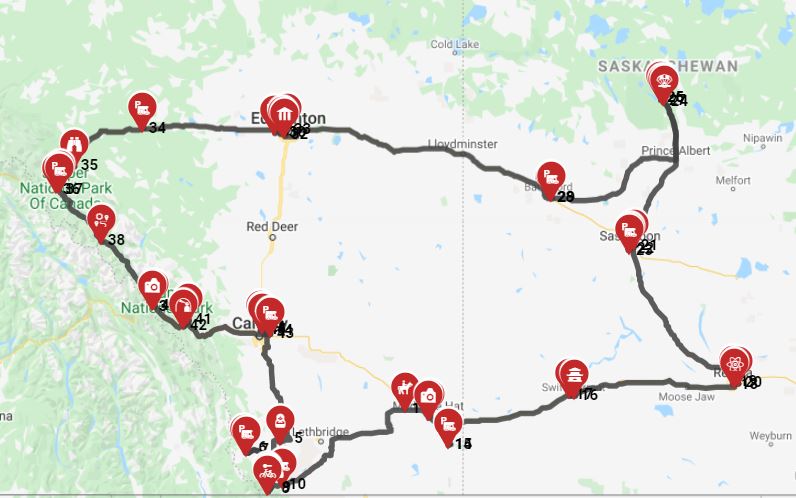
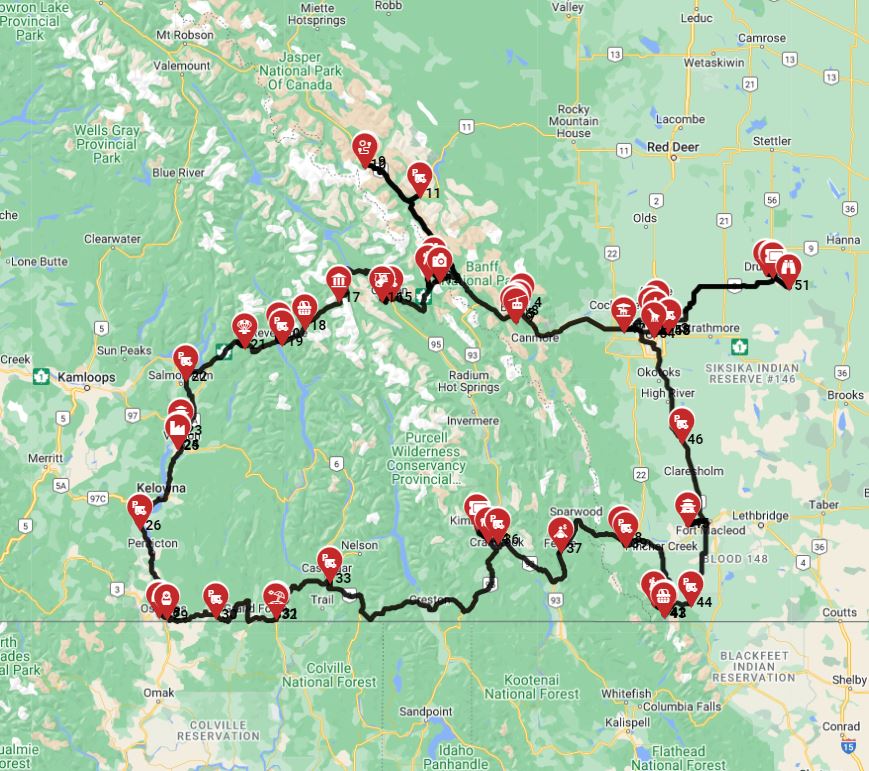
Pace yourself: Long-term RV travel in West Canada benefits greatly from slower, more scenic driving, allowing ample time for stops, wildlife viewing, and adapting to changing road conditions. Plan your fuel and rest stops strategically: given the vast distances and sometimes sparse services in remote areas, especially for families in a spacious Class C motorhome like a `29′ Class C Motorhome`, knowing where your next fill-up is crucial. Wildlife awareness is paramount: remain vigilant for animals like deer, elk, and bears on roads at dawn and dusk, and know how to react safely if an animal is encountered. Be prepared for connectivity challenges, as cell service 'dead zones' are common in remote regions; carry physical maps, download offline navigation, and consider satellite communication devices for emergencies. Finally, practice sustainable travel: adhere to Leave No Trace principles, minimize waste, and support local economies by purchasing supplies and services from the charming small towns you pass through. For finding campsites and campgrounds during your trip, we recommend using RV PLANET (rvplan.net) - a great resource for locating available spots along your route and planning your daily mileage. You can also find tailored itinerates like

Recommended RV Class for West Canada Roads
For long-term RV rentals in West Canada, Class SI (Semi-integrated) and Class C (Alcove) motorhomes from Bandana's fleet are highly recommended, offering an optimal balance of comfort, amenities, and maneuverability. Class SI RVs, with an average length of 6.9m and sleeping places for 3-4 people, such as the `2 Berth Rover`, provide a comfortable experience for couples or small families, handling main highways and most provincial park roads with ease. Class C Alcove RVs, averaging 7.5m in length and accommodating 4-6 people, like the `24' Class C Motorhome`, are ideal for larger families, offering ample living space and storage suitable for extended trips without significantly compromising drivability on major routes. While Class B Camper Vans (avg. 5.8m) offer superior maneuverability for tighter spots and city driving, and Truck Campers (avg. 5.5m) provide unique capabilities for more rugged terrain, the SI and C classes generally deliver more interior comfort and amenities for long-term journeys through diverse Canadian landscapes.
Choosing the right vehicle for your long-term RV rental in West Canada is critical, and our team of true RV specialists is here to guide you through the options, explaining the subtle differences between a `2 Berth Hi Top` campervan and a larger `32′ Class C Motorhome` so you can make the best decision for your adventure.
Should I Choose a Compact Van Instead of a Large RV in West Canada?
For long-term RV travel in West Canada, choosing a compact van (Class B Camper Van) instead of a larger motorhome depends on your priorities; larger RVs are generally manageable on main roads, and increased comfort often outweighs slight maneuverability advantages. Compact vans, with Bandana's fleet averaging 5.8m in length, excel in urban environments like Vancouver, fitting into standard parking spaces and accessing smaller campgrounds or more secluded natural areas with greater ease. Larger motorhomes like a Class C (avg. 7.5m) or Class SI (avg. 6.9m) provide significantly more indoor living space, storage, and amenities, such as full bathrooms and kitchens, which are highly valued for extended trips. If you plan on preparing many meals in your RV, a spacious kitchen in a Class C, with multiple burners and a larger refrigerator, might be more appealing. For RV-friendly recipes playlist, you can find inspiration for your onboard cooking. While a compact van offers stealth camping opportunities and easier navigation on narrow mountain passes, the trade-off is often less personal space, which can be a significant consideration for longer durations or larger travel parties. For instance, families with 4-6 people would find a Class C `29′ Class C Motorhome` far more comfortable than a compact van.
Can I Park Anywhere? Free & Wild Camping Rules in West Canada
In West Canada, free or 'wild' camping is generally permitted on designated Crown land (public land) and in some recreational sites, provided you adhere to Leave No Trace principles and local regulations. Overnight parking in national and provincial parks, such as Banff National Park or British Columbia's provincial parks, is typically restricted to official campgrounds, which require fees and often demand reservations well in advance, especially during peak season. Boondocking (dispersed camping) on Crown land requires research into specific provincial/territorial rules, which can vary significantly by region and often prohibit camping near private property or protected areas. While some businesses like Walmart or large truck stops may allow overnight parking, it is crucial to always ask permission from store management first, as policies vary by location and improper parking can lead to fines or being asked to move. Always check local regulations and follow local law before parking overnight. For finding campsites and campgrounds during your trip, RV PLANET (rvplan.net) is an excellent resource for locating available spots along your route, ensuring you find legal and suitable overnight stays.
Can I Drive an RV Into the City Center? Heights, Tunnels & Local Signage
Yes, you can generally drive a long term rv rental into city centers in West Canada, as major cities like Vancouver, Calgary, and Edmonton have well-maintained road networks accommodating larger vehicles. Drivers must pay close attention to local signage regarding height restrictions for tunnels, underpasses, and parking garages, as well as weight limits on older bridges. For example, a standard Class C motorhome is approximately 3.1 meters (10 feet) high, so always check clearance. While main roads are accessible, finding suitable and legal parking for a larger RV in dense urban cores can be challenging and often requires planning for designated oversized vehicle lots or perimeter parking with transit connections. Do not stress, just use common sense and pay attention. Watch for any temporary road closures or construction detours, which are common in urban areas and can be particularly challenging for RV navigation. Our 24/7 support means we're with you before your booking, offering comprehensive advice to plan your urban explorations smoothly.
How much does it cost to rent an RV in West Canada for a month?
Rental costs for a long term rv rental in West Canada, such as for a month, vary significantly based on RV class, season, duration, and rental provider, but can range from CAD $2,500 to $6,000+ per month in 2026, excluding fuel, insurance, and campground fees. For instance, a compact Class B Camper Van like a `2 Berth Hi Top` might be at the lower end, while a spacious Class C `32′ Class C Motorhome` could be at the higher end. Shoulder seasons (late May-June, September-early October) often offer better monthly rates compared to peak summer (July-August) due to lower demand and generally pleasant weather. Smaller RVs, such as Class B Camper Vans (average length 5.8m) or Class SI Semi-integrated models (average length 6.9m), are typically more affordable per month than larger Class C Alcove (average length 7.5m) or Class A Integrated RVs. Travelers can find competitive long-term rental discounts, as many Bandana partner suppliers offer reduced daily rates for rentals exceeding 21 or 30 days. For more detailed pricing insights, refer to RV Rental in West Canada - Prices and Best Deals 2026 and Luxury RV Rental in West Canada - Premium Prices 2026 guides.
What is the best time of year to RV in Western Canada?
The best time of year to RV in Western Canada for long-term travelers is typically during the shoulder seasons, late May-June and September-early October, to balance favorable weather with fewer crowds and potentially lower prices. Summer (July-August) offers the warmest weather and full access to all attractions, national parks like Banff and Jasper, and campgrounds, but also brings the highest prices, largest crowds, and the necessity of booking well in advance. Shoulder seasons provide pleasant temperatures, vibrant fall colors or lush spring landscapes, and easier access to popular sites, though some higher elevation roads or attractions may have seasonal closures, such as Highwood Pass. Winter RVing (November-April) is suitable for experienced cold-weather campers looking for unique experiences like skiing, but requires specialized gear, preparation for extreme conditions, and awareness of many seasonal road and campground closures. Our RV Travel Guide to West Canada - Tips and Top Spots 2026 offers more seasonal advice.
What do you need to know about driving an RV in Canada?
Driving a rented RV in Canada, particularly in the vast landscapes of West Canada, requires familiarity with provincial driving regulations, preparedness for diverse road conditions, and acute awareness of wildlife. First, ensure your driver's license is valid for the RV's weight class-a standard Class 5 license is sufficient for most motorhome rentals-and consider carrying an International Driving Permit if your license is not in English or French. Second, be prepared for rapidly changing weather, especially in mountainous regions like the Rockies, and always monitor road condition reports before setting out, particularly in shoulder and off-seasons when hazards like snow or wildfire smoke can occur. Third, practice safe driving habits: maintain a slower pace (max 100-150 km per day), allow extra stopping distance, be constantly aware of your vehicle's height and length, and always pull over safely to allow faster traffic to pass. Our goal is to make your long-term RV experience in West Canada as seamless and enjoyable as possible, providing honest and transparent advice every step of the way.
How much does it cost to fuel an RV in Canada?
The cost to fuel a long term rv rental in Canada, especially for extensive travel in the West, depends heavily on the RV's fuel efficiency, current fuel prices, and distance traveled, but generally averages between CAD $14.40 to $30.60 per 100 km for most rental classes in 2026. Diesel is the predominant fuel type for most rental motorhomes (Class SI, C, A), offering better fuel economy than gasoline, though diesel prices can fluctuate regionally, often being slightly higher in remote areas. For instance, a `Paradise Family 5` (a Class C Alcove RV) has a 70 Liter fuel tank. Bandana's fleet averages show Class B Camper Vans as the most fuel-efficient (8-10 L/100 km), while some larger Class A motorhomes might consume up to 12-17 L/100 km. It is crucial to budget for fuel as a significant component of your long-term RV rental cost; monitoring gas price apps and utilizing any provided fuel discount cards can help manage expenses. For a detailed breakdown of potential ancillary costs like fuel, remember that RV PLANET routes allow you to itemize and track every expense for easy budgeting.
How much does it cost to stay at an RV park in Canada?
The cost of staying at an RV park in Canada for long-term travelers varies widely by location, amenities, and season, typically ranging from CAD $30 to $100+ per night for serviced sites in 2026, with discounts often available for extended stays. National and provincial park campgrounds, especially in high-demand areas like Banff or Jasper, generally offer more rustic settings and lower prices (CAD $30-$60) but require reservations well in advance, often booking out months ahead during peak summer. Private RV parks often provide full hookups (water, electricity, sewer), Wi-Fi, and amenities like pools or clubhouses, commanding higher prices (CAD $50-$100+), particularly in prime tourist destinations such as those near Victoria or Whistler. For long-term rentals, consider weekly or monthly rates offered by many private campgrounds, which can significantly reduce the overall nightly cost compared to daily rates, potentially saving you hundreds over a month-long trip. Planning your itinerary through RV PLANET (rvplan.net) can help you find available sites and track these costs effectively.
Can you camp anywhere in British Columbia?
While British Columbia offers abundant opportunities for camping, you cannot legally camp 'anywhere'; camping is restricted to designated campgrounds, some Crown land (public land), and private RV parks. Within BC's provincial parks and national parks, camping is only permitted in designated campsites, which must be reserved and paid for, often months in advance during peak season (July-August). Dispersed camping (boondocking) is allowed on much of BC's Crown land for up to 14 days in one spot within a 30-day period, provided you follow specific rules, including Leave No Trace principles, avoiding prohibited areas, and respecting private property. Always research the specific regulations for the area you plan to visit, as rules vary by municipality, regional district, and land designation, and improper camping can lead to fines. We encourage responsible RV travel, respecting local laws and environments to ensure sustainable enjoyment for everyone.
Is it cheaper to rent an RV or stay in hotels in Canada?
For long-term travel in Canada, especially exploring multiple regions in West Canada, renting an RV is generally more cost-effective than staying in hotels, as it combines accommodation and transportation costs while offering the flexibility to cook your own meals. An RV rental allows significant savings on food costs by enabling you to prepare meals in your fully equipped kitchen, avoiding expensive restaurant dining for breakfast, lunch, and dinner. While a long term rv rental involves upfront costs, fuel, and campground fees, these are often offset by avoiding separate hotel expenses, car rental fees, and daily meal outlays, especially for families of 4-6 people or extended trips. For instance, a Class C motorhome like a `24' Class C Motorhome` offers a private bathroom and kitchen. The added value of flexibility, being able to move your 'home' with you through diverse landscapes, and experiencing Canada's nature firsthand adds a qualitative benefit that often makes RVing the preferred long-term option despite initial costs. Remember, pricing is dynamic like flight tickets, so the final price is set at actual booking time.
What is the best RV for touring Canada?
The best RV for touring Canada, particularly for a long-term trip in West Canada, depends significantly on your travel party size, desired comfort level, and the type of destinations you plan to visit. Semi-integrated (Class SI) RVs, averaging 6.9m in length with 3-4 sleeping places, like the `2 Berth Tamar`, are highly versatile, offering a good balance of interior comfort, amenities, and manageable size for highways and most provincial park roads. Class C Alcove RVs, averaging 7.5m in length with 4-6 sleeping places, are excellent for families, providing ample sleeping capacity and living space without being overly difficult to drive on main Canadian routes. For those seeking superior maneuverability in tighter spots or urban areas, a Class B Camper Van, like the `Active Compact Select` (avg. 5.8m length), might be preferred. When considering a long term rv rental, remember Bandana Caravan offers top-level deductible reimbursement as an optional upgrade for extra peace of mind, ensuring a worry-free journey, regardless of your chosen RV class. Our true RV specialists are always ready to help you compare vehicle classes and find the perfect fit for your Canadian adventure.
Where can I find free overnight parking for RVs in Canada?
Free overnight parking for long term rv rentals in Canada can primarily be found on designated Crown land (public land), in some big box store parking lots (with prior permission), and at certain rest stops, though availability and legality vary significantly by province and municipality. Crown land, particularly in provinces like British Columbia and Alberta, often permits dispersed camping, but travelers must adhere to specific regulations, including maximum stay limits (e.g., 14 days in one spot) and Leave No Trace principles. Many large retailers, such as Walmart, Cabela's, and some truck stops, may allow overnight RV parking; it is always essential to ask a manager for permission upon arrival, as policies vary by location. Designated rest areas along major highways sometimes permit overnight parking for a limited duration, but these are typically for resting and not intended as long-term campsites. Always check posted signage and local regulations in advance to ensure legal and safe overnight stays. For extensive route planning, including potential free or low-cost overnight options, explore RV PLANET (rvplan.net) to discover existing itineraries or create your own custom adventure.
Top Cities for RV Rental in West Canada
Starting your long term rv rental adventure in West Canada from one of its vibrant cities can set the perfect tone for your journey. These locations not only offer convenient pick-up points but also serve as excellent gateways to the region’s diverse landscapes. When planning your trip, remember our 25% planning discount for using rvplan.net to craft your ideal route plans.
- Vancouver, British Columbia: As a major coastal hub, Vancouver provides easy access to island hopping via BC Ferries (remember RV length impacts fare!) and stunning drives north along the Sea-to-Sky Highway to Whistler. Many travelers choose to pick up a `Class B - Camper Van` here, ideal for navigating city streets before heading to the wilderness.
- Calgary, Alberta: Positioned near the foothills of the Rocky Mountains, Calgary is a prime starting point for exploring Banff and Jasper National Parks. From here, you can easily venture into the heart of the Canadian Rockies with a comfortable Class C motorhome like a `24' Class C Motorhome`.
- Edmonton, Alberta: Further north in Alberta, Edmonton offers another excellent gateway to the northern Rockies and the vast natural areas of Northern Alberta. It's a great spot to begin a longer journey into less-traveled territories.
- Victoria, British Columbia: Located on Vancouver Island, Victoria is perfect for those who want to start their adventure immediately amidst the island's unique charm, temperate rainforests, and coastal towns. Ferry access from the mainland makes this a popular option.
- Kelowna, British Columbia: In the heart of the Okanagan Valley, Kelowna is renowned for its lakes, vineyards, and fruit orchards. It's an ideal starting point for a wine country RV tour or a leisurely journey through BC's interior, perhaps with a more luxurious `Class SI - Semi-integrated` motorhome.
For more specific route itineraries and detailed information on these and other destinations, you can find a wealth of resources at RV PLANET (rvplan.net). We handle the details, you live the journey, ensuring personal service from day one until your booking is confirmed, making your long term rv rental in West Canada a seamless experience.
What You Shouldn't Miss
- Drive the Icefields Parkway: This 232-kilometer scenic route connecting Banff and Jasper National Parks is often hailed as one of the world's most beautiful drives. Expect breathtaking glaciers, turquoise lakes, and abundant wildlife.
- Explore Banff National Park: Canada's first national park is a must-see, with iconic spots like Lake Louise, Moraine Lake, and the lively town of Banff. Book campsites well in advance, especially during peak season.
- Journey through the Okanagan Valley: In British Columbia, this region is famous for its vineyards, orchards, and clear lakes. It's a perfect spot for leisurely days, wine tasting, and enjoying the sunny climate in your rented campervan.
- Visit Pacific Rim National Park Reserve: On Vancouver Island, experience rugged coastlines, ancient rainforests, and vibrant Indigenous culture. The Wild Pacific Trail offers incredible ocean views.
- Discover the Yukon's Wilderness: For the adventurous, head north to experience the vast, untamed beauty of the Yukon, with opportunities for wildlife viewing, gold rush history, and even the mesmerizing Midnight Sun in summer.
Looking for expert insights from Avi Bandana? Top 5 Adventures - recommendations from Avi Bandana
As someone who has personally explored countless RV routes across 5 continents, I can tell you that West Canada holds a special magic. Beyond the well-known highlights, look for the quiet moments: a morning coffee overlooking a secluded lake, a spontaneous detour down a gravel road that leads to an unexpected vista, or sharing a simple meal cooked in your RV kitchen under a sky full of stars. The true adventure lies in the freedom to discover these personal treasures. Take your time, embrace the unexpected, and let the incredible landscapes of West Canada reveal their wonders to you. "Life is now!"
Final Thoughts
A long term rv rental in West Canada offers an unparalleled way to experience one of the world's most spectacular regions. With your home on wheels, you'll have the freedom to chase sunrises over mountain peaks and sunsets over the Pacific, truly immersing yourself in the natural beauty and vibrant culture. We encourage you to embrace the spirit of slow travel, allowing 100-150 km per day on average, to savor every moment and truly connect with the destinations you visit.
Whether you're a seasoned RVer or embarking on your first extended road trip, Bandana Caravan is here to make your planning effortless and your journey unforgettable. Our expertise, transparent pricing, and comprehensive support ensure that your West Canada adventure will be everything you've dreamed of and more. So, pack your bags, choose your perfect rented motorhome, and get ready to create memories that will last a lifetime.
Compare Long-Term RV Rental Prices for West Canada Now!