In This Guide
- Can You Drive an RV in Scandinavia? License & Age Rules
- Road Conditions & Terrain in Scandinavia
- RV Size Limits, Bridges & Restricted Zones
- Fuel: Diesel vs. Petrol & Cost per 100 km
- Tolls, Vignettes & Border Rules
- Driving Tips for long term rv rental Travelers
- Recommended RV Class for Scandinavia Roads
- Should I Choose a Compact Van Instead of a Large RV in Scandinavia?
- Can I Park Anywhere? Free & Wild Camping Rules in Scandinavia
- Can I Drive an RV Into the City Center? Heights, Tunnels & Local Signage
- Top Cities for RV Rental in Scandinavia
- Country-Wide Practical Information for RVers in Scandinavia
- Is it legal to sleep in your car in Sweden?
- Is Norway RV friendly?
- Can you drive an RV in Europe?
- Can I drive in Sweden as an American?
- How long can I stay in Europe in my motorhome?
- What is the 3-3-3 rule for RV travel?
- Which countries are RV friendly?
- What is the largest RV you can drive without a special license?
- What You Shouldn't Miss
- Why Book with Bandana Caravan
- Final Thoughts
- Frequently Asked Questions
Embarking on a long-term RV adventure through Scandinavia offers an unparalleled blend of stunning natural beauty, vibrant cities, and rich cultural experiences. Imagine winding through Norway's dramatic fjords, exploring Sweden's vast forests, or discovering Denmark's charming coastal towns-all from the comfort of your own mobile home. Scandinavia, encompassing Denmark, Norway, and Sweden, along with Finland and Iceland sometimes included culturally, provides an incredible backdrop for an extended road trip.
At Bandana RV, we specialize in making these dreams a reality. Our expertise, honed since 2001, ensures you receive full transparency with no hidden fees and dedicated 24/7 support throughout your booking journey. For live availability and current prices, start with our RV Rental Scandinavia - Complete Guide 2026 guide. We are true RV specialists, passionate about helping you craft the perfect itinerary, whether you're a meticulous planner or a spontaneous adventurer.
Can You Drive an RV in Scandinavia? License & Age Rules
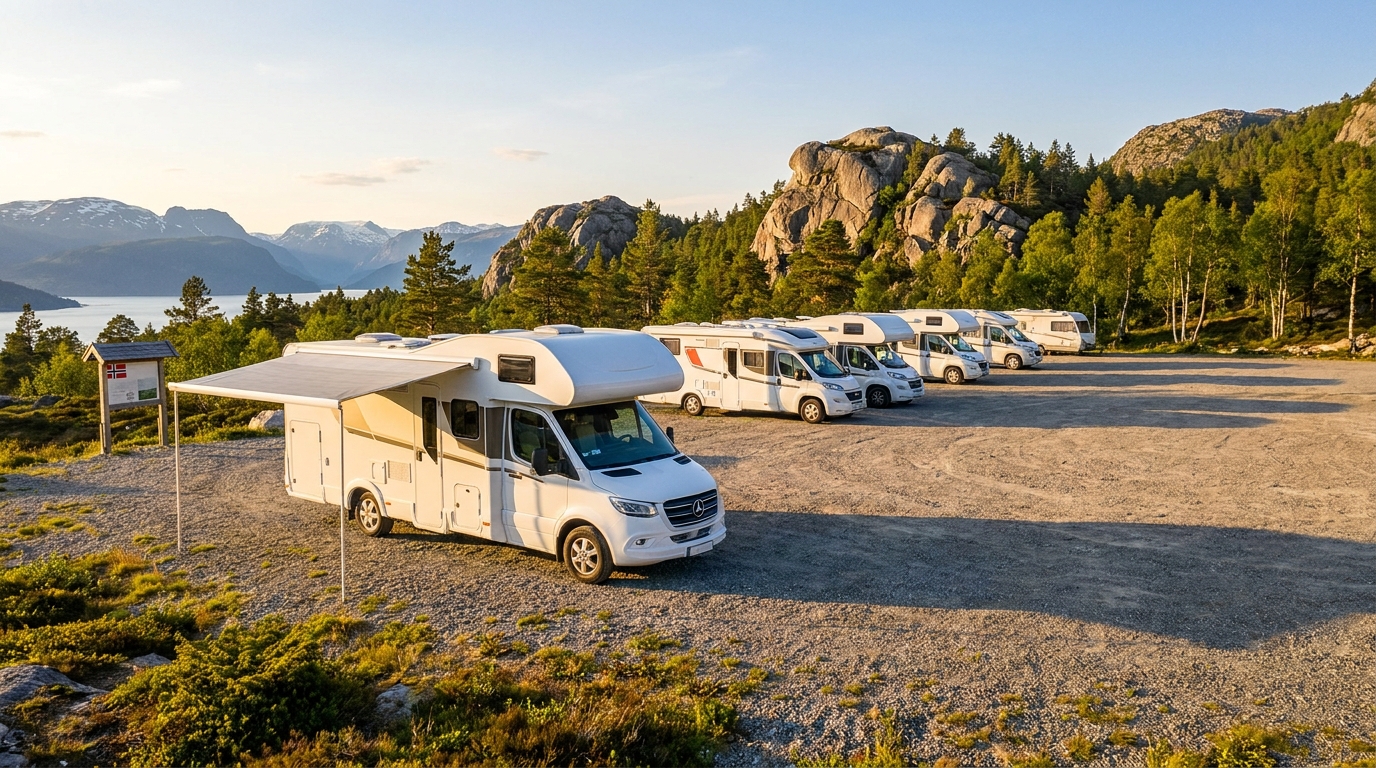
Yes, you can absolutely drive a rented RV in Scandinavia with a standard car driver's license, provided the vehicle's Maximum Authorised Mass (MAM) or Gross Vehicle Weight (GVW) does not exceed 3,500 kg (3.5 tonnes).
Most Class B campervans and many Class C motorhomes fall within this limit. For instance, a "Category Van" from our fleet with features like front air conditioning and ideal for a couple, typically fits within this category. Drivers from non-EU countries are highly recommended to carry an International Driving Permit (IDP) alongside their national license, although it's not always mandatory. Rental companies generally require a minimum driver age of 21 years, with no young driver surcharges or vehicle class restrictions based on age, making RV travel accessible for many.
🎬 Video coming soon
Road Conditions & Terrain in Scandinavia
Scandinavia boasts excellent road quality, but the terrain varies dramatically from flat, expansive coastlines to challenging, winding mountain passes, especially in countries like Norway.
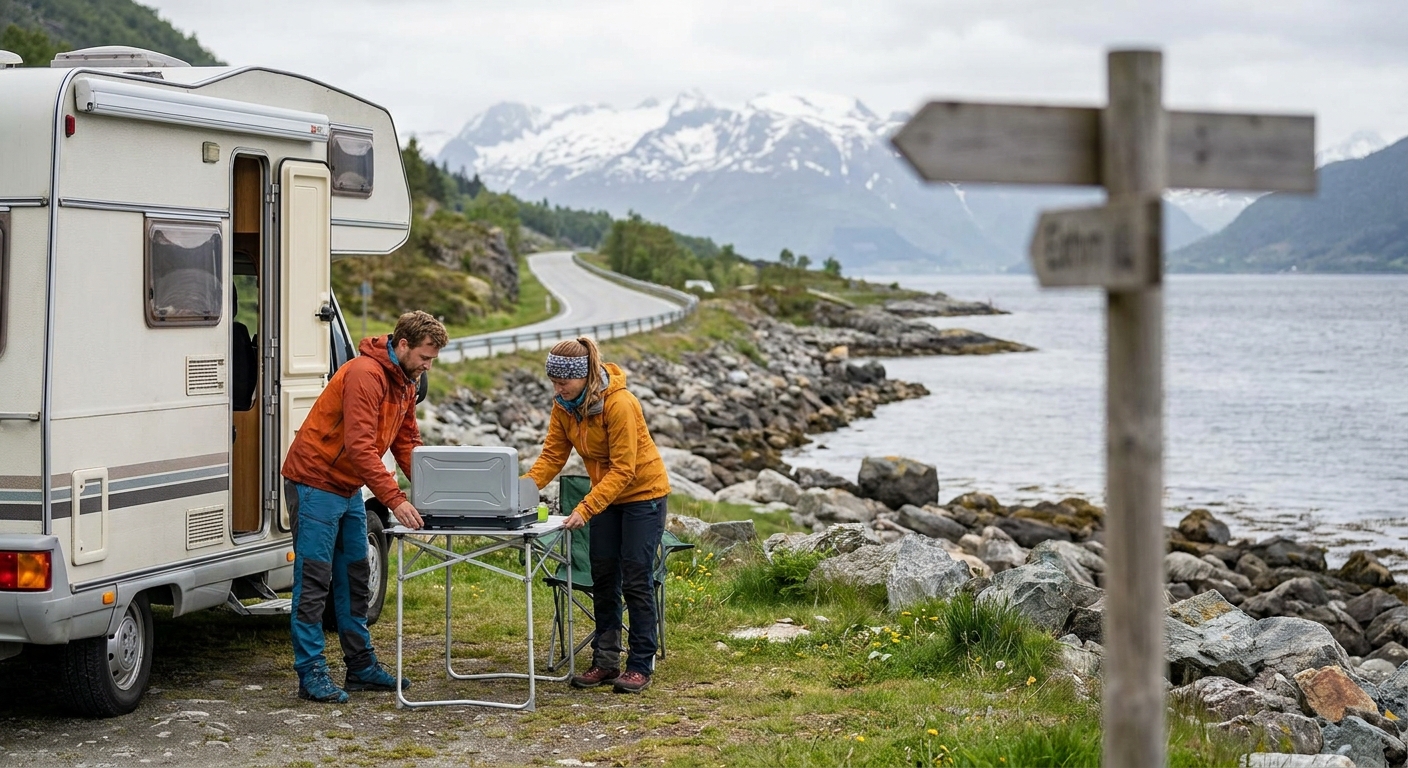
Norway's iconic fjord roads are particularly scenic but can be quite narrow and demand a slower driving pace and careful attention, especially when operating a larger rented motorhome. Winter travel from December to March requires specific preparations like winter tires, which are often mandatory, and vigilance for icy conditions. Embrace slow travel, aiming for no more than 100-150 km per day on average, to truly appreciate the stunning natural landscapes and diverse scenery Scandinavia offers. This relaxed approach allows you to connect deeply with the culture, the food, and the environment, making your extended RV trip more rewarding.
RV Size Limits, Bridges & Restricted Zones
When driving a rented motorhome in Scandinavia, paying close attention to posted height and weight restrictions is crucial, particularly for tunnels, bridges, and numerous ferry crossings.
Many urban areas and historic centers in Scandinavian cities, such as Oslo, Stockholm, and Copenhagen, have established environmental zones (often called miljözoner in Sweden or miljøsoner in Norway/Denmark) that may restrict older or heavier vehicles to reduce emissions. Ferry routes, especially abundant and essential for navigating Norway's fjords, categorize vehicles by length and weight, which directly impacts pricing and reservation availability. Always check these details in advance for your specific rented motorhome to ensure a smooth journey and avoid unexpected fees or detours.
Fuel: Diesel vs. Petrol & Cost per 100 km
Diesel is the predominant fuel type for rented motorhomes and campervans across Scandinavia, and it's readily available at most service stations.
Bandana's fleet typically exhibits fuel consumption averages of 8-12 Liters/100 km for popular RV classes: for example, a Class B campervan like the "V3" (length 6.36m, 2 sleeping places) might achieve 11-13 Liters/100 km, while a larger "MH-A" Class C motorhome (length 8.8m, 6 sleeping places) could be around 25 Liters/100 km. Fuel prices in Scandinavia, particularly in Norway and Denmark, are notably higher than in many other European countries, necessitating a significant allocation in your travel budget. When planning your long term rv trip, factor in these costs. Conveniently, on RV PLANET routes, travelers can itemize and track every expense along the way for easy budgeting. On the routes offered through RV PLANET routes, you can itemize and track every expense along the way for easy budgeting.
Tolls, Vignettes & Border Rules
Scandinavia primarily utilizes automated electronic toll systems rather than physical vignettes, making payment seamless but requiring awareness of how the system works.
Norway, for instance, operates an extensive and frequently tolled road network, including bridges, tunnels, and city entries, managed through systems like AutoPASS. These tolls can add considerably to your travel expenses, often accumulating to several hundred euros for an extended trip. Many rental motorhomes are equipped with automated toll transponders, or you can register your vehicle online beforehand to simplify payment and prevent potential fines. Border crossings between Sweden, Norway, Denmark, and Finland (all within the Schengen Area) are generally open and seamless, requiring only a valid passport or national ID for EU citizens, without routine checkpoints.
Driving Tips for long term rv rental Travelers
Planning a relaxed itinerary is paramount for enjoying an extended RV adventure in Scandinavia, allowing ample time for both travel and spontaneous exploration, especially when traveling with family.
We highly recommend traveling slowly, aiming for a maximum of 100-150 km per day on average, to truly immerse yourself in the local culture, food, and stunning scenery. Budget generously for the higher operating costs, which include not only fuel but also frequent tolls and essential ferry fees, particularly prevalent throughout Norway's fjord region. Be prepared for rapidly changing weather conditions at any time of year; carry appropriate gear and regularly check local forecasts. Always adhere to local cultural etiquette and environmental regulations, especially concerning waste disposal and respecting private property, to preserve Scandinavia's pristine nature. While driving your rented motorhome, using a model with automatic transmission can make navigating winding or hilly routes significantly easier and more enjoyable. If you need help finding the perfect route, don't forget to check out the pre-planned routes available through RV PLANET (rvplan.net), which can save you 25% on planning services.
Recommended RV Class for Scandinavia Roads
For navigating Scandinavia's diverse roads, Bandana's Class B - Camper Vans and Class SI - Semi-integrated RVs are often ideal due to their balance of comfort and maneuverability.
Our Class B - Camper Vans, averaging 5.8m in length with about 3.2 sleeping places, are perfect for their agility on narrower roads and ease of city parking. For example, a "V2L" Class B campervan (length 5.99m) offers a compact yet fully equipped option for couples, often featuring a refrigerator, shower, and toilet. Class SI - Semi-integrated RVs, typically averaging 6.9m in length with 3.8 sleeping places, provide a comfortable compromise, offering more living space and amenities without being overly cumbersome on most Scandinavian routes. These classes generally offer sufficient amenities for a long-term rental adventure while maintaining good agility for varied terrain, including scenic fjord roads. While larger Class C motorhomes, such as a "Glamys 40" (length 7.2m, 5 sleeping places) with a 110-liter fresh water tank, or even a Class A motorhome are certainly viable, they may require more confidence and experience, particularly on challenging mountain passes or when seeking parking in smaller towns.
Should I Choose a Compact Van Instead of a Large RV in Scandinavia?
While compact campervans offer superior agility in very tight urban areas and on exceptionally narrow mountain passes, most Scandinavian roads can comfortably accommodate larger rented motorhomes without significant issues.
For long-term rentals, the increased comfort, storage capacity, and enhanced amenities of a larger Class B, Class SI, or Class C RV often outweigh the minor maneuverability advantages of a compact van. These larger vehicles, often equipped with a gas stove and refrigerator, allow for more extensive cooking on the road, with plenty of room for RV-friendly recipes playlist. The decision ultimately boils down to your personal preference for interior space versus vehicle footprint, with both options being perfectly viable for an extended Scandinavian trip. Consider a compact van if your itinerary involves extensive city driving or a significant amount of travel on extremely remote, unpaved roads, but for general touring, a more spacious RV offers greater overall comfort.
Can I Park Anywhere? Free & Wild Camping Rules in Scandinavia
While Sweden, Norway, and Finland are famous for "Allemansrätten" (the right to roam), which broadly permits non-motorized overnight stays in nature, this right does not universally extend to motorized vehicles like RVs.
For rented motorhomes, wild camping rules are generally stricter; you must use designated parking areas, official rest stops, or established campsites for overnight stays. For example, in Norway, while scenic roadside pull-offs are plentiful, always check local signage. Denmark has more restrictive regulations, typically prohibiting wild camping outside of official campsites altogether. Always prioritize checking local regulations and adhering to local laws before parking overnight, ensuring you leave no trace and respect private property to help preserve Scandinavia's beautiful environment for everyone.
Can I Drive an RV Into the City Center? Heights, Tunnels & Local Signage
Yes, most rented RVs can generally be driven into city centers across Scandinavia, but careful observation of local signage regarding height, weight, and environmental restrictions is absolutely crucial.
Always watch for specific height restrictions on tunnels, underpasses, and multi-story car parks, which can be found in cities like Stockholm or Copenhagen. Many larger Scandinavian cities, aiming to reduce pollution, operate environmental zones that may restrict certain vehicle types or ages, so research this for your planned urban stops. Parking for RVs in city centers can be quite limited and often costly; consider utilizing peripheral parking areas and public transport to access the main attractions. No need to stress - just drive slowly and carefully, and you can drive almost anywhere without issues, using common sense and paying attention.
Top Cities for RV Rental in Scandinavia
Scandinavia offers numerous excellent starting points and destinations for your long term rv adventure, each with its unique charm and accessibility.
- Oslo, Norway: The capital offers stunning fjord views, vibrant cultural life, and easy access to the scenic south and west coast.
- Bergen, Norway: Known as the gateway to the fjords, it's perfect for starting a journey into Norway's dramatic landscapes.
- Stockholm, Sweden: Spread across 14 islands, this beautiful capital provides a blend of history, modern design, and archipelago access.
- Gothenburg, Sweden: A charming west coast city with a laid-back vibe, offering easy access to coastal routes and national parks.
- Copenhagen, Denmark: A delightful city with historic castles, modern architecture, and a strong cycling culture, an excellent base for exploring Denmark.
- Malmö, Sweden: Conveniently located just across the Øresund Bridge from Copenhagen, offering a relaxed city experience and proximity to southern Swedish attractions.
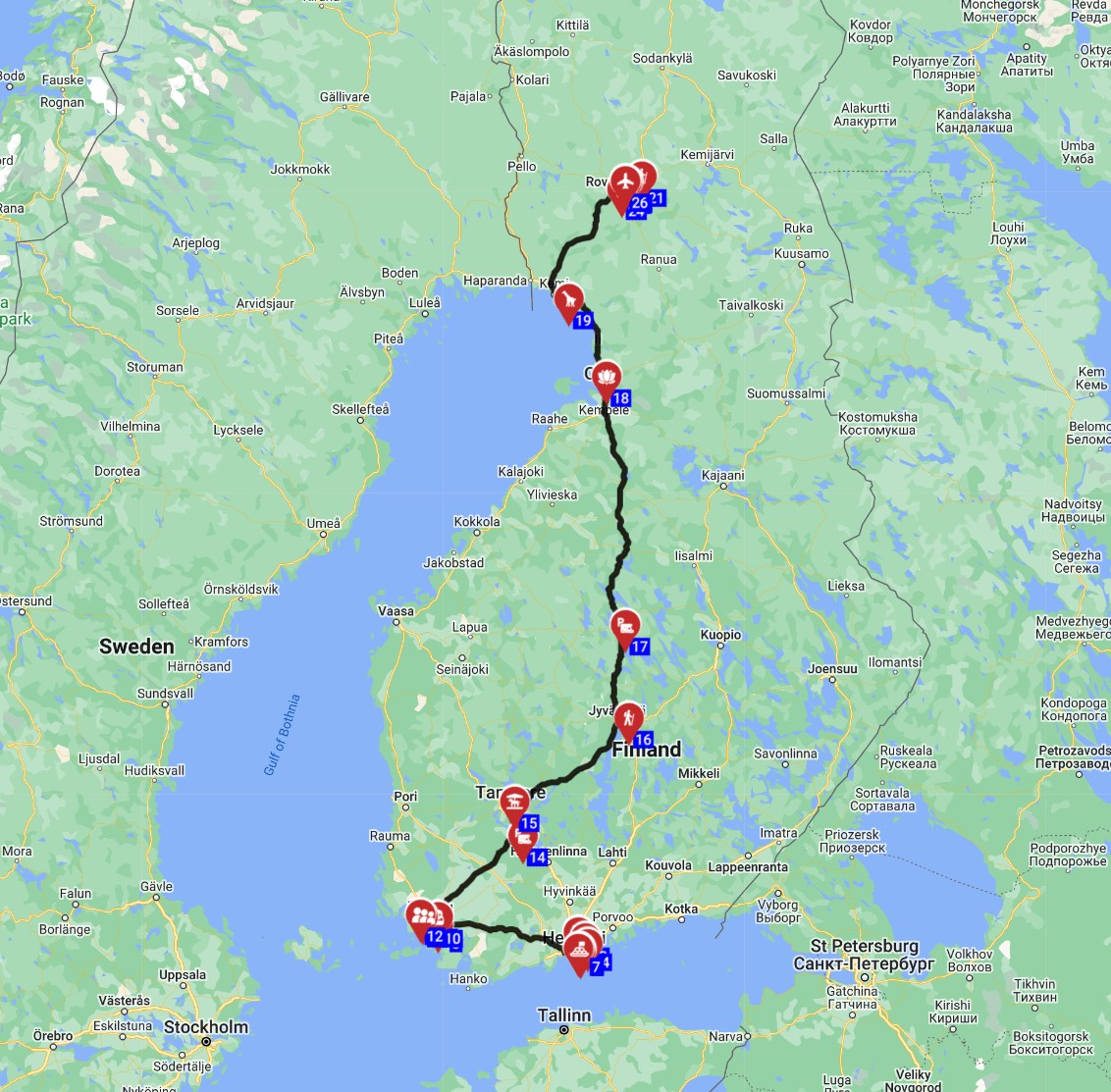
- Helsinki, Finland: Known for its distinctive design and sauna culture, it's a great starting point for exploring Finland's vast lake regions.
- Rovaniemi, Finland: Situated in Lapland, this city offers unique Arctic experiences, including the chance to see the Northern Lights or Midnight Sun.
Country-Wide Practical Information for RVers in Scandinavia
Navigating Scandinavia by rented motorhome is a fantastic experience, and a few practical tips can make your journey even smoother.
Road Rules: All Scandinavian countries drive on the right-hand side of the road. Headlights are legally required to be on at all times, day or night. Speed limits vary but are generally 50 km/h in urban areas, 80 km/h on rural roads, and 90-110 km/h on motorways, with strict enforcement and high fines. Many tunnels, especially in Norway, are well-lit but can be quite long.
Emergency Numbers: The universal emergency number for police, fire, and ambulance across Scandinavia is 112.
SIM Card/Connectivity: Purchasing a local SIM card upon arrival is easy and affordable, providing excellent 4G/5G coverage throughout most populated areas. Data packages are generous, allowing for easy navigation, streaming, and staying connected with friends and family back home. For an extended long term rv trip, a local SIM is a practical choice.
Waste Disposal & Water Refill: Many campsites and larger rest stops offer facilities for grey water and black water disposal, as well as fresh water refills. Look for signs indicating "Tømmestasjon" (dump station) or "Vannpåfyll" (water refill). Utilizing these designated facilities is essential for responsible and eco-conscious RV travel in Scandinavia, minimizing your environmental footprint.
Is it legal to sleep in your car in Sweden?
Sleeping in your rented car or RV is generally permitted for a single night on public roads or designated rest areas in Sweden, provided you are not obstructing traffic or violating specific local bylaws.
The 'Allemansrätten' (right to roam) applies primarily to non-motorized camping and does not grant automatic rights for motorized vehicles to park overnight on private land without explicit permission. Always ensure you are parked safely and legally, and conscientiously avoid residential areas or places explicitly forbidding overnight stays. For guaranteed facilities, security, and legal overnight parking during your long term rv rental, utilizing official campsites is highly recommended.
Is Norway RV friendly?
Norway is exceptionally RV friendly, offering some of the world's most spectacular natural beauty, well-maintained roads, and an abundance of high-quality campsites.
Travelers in a rented motorhome should, however, be prepared for frequent and extensive automated tolls and numerous mandatory ferry crossings over fjords, which will add to overall travel costs. While some fjord roads are narrow and winding, demanding cautious driving, especially for larger motorhomes, they are generally manageable. Opportunities for incredibly scenic overnight parking exist, though adherence to local regulations and strict 'leave no trace' principles is absolutely essential to preserve the pristine environment.
Can you drive an RV in Europe?
Yes, driving a rented RV throughout Europe is a popular and generally straightforward way to travel, particularly within the Schengen Area where internal border checks are minimal.
A valid national driver's license, often accompanied by an International Driving Permit (IDP) for non-EU citizens, is required. Most RVs under 3.5 tonnes can be driven with a standard Category B car license. It's important to remember that specific road rules, speed limits, toll systems, and wild camping regulations can vary significantly between different European countries, so always research your itinerary carefully. For a broad overview, you can consult our RV Rental Europe - Complete Guide 2026.
Can I drive in Sweden as an American?
Americans can legally drive a rented RV in Sweden with a valid U.S. driver's license for up to one year from their date of entry, allowing ample time for a long term rv trip.
It is strongly recommended to obtain an International Driving Permit (IDP) before traveling, as it serves as an official translation of your license and can be requested by rental companies or law enforcement officials, making your journey smoother. Ensure your U.S. license is current and in good standing. There are generally no special age restrictions beyond the standard rental minimum of 21 years old for most motorhome classes. For stays exceeding one year, you would typically need to obtain a Swedish driver's license.
How long can I stay in Europe in my motorhome?
Non-EU citizens, including those traveling in a rented motorhome, are generally permitted to stay within the Schengen Area for a maximum of 90 days within any 180-day period.
This '90/180-day rule' applies uniformly to countries like Sweden, Norway, Denmark, and Finland, as well as most other Western European nations. The duration of your personal stay is distinct from any vehicle import or registration rules, which typically apply for much longer periods for privately owned vehicles. Careful planning of your itinerary is essential to avoid overstaying your permissible period, as this can lead to penalties, fines, or even future entry bans. For specific long term rv rental options, check out our One-Way RV Rental in Scandinavia - Price Guide 2026.
What is the 3-3-3 rule for RV travel?
The 3-3-3 rule for RV travel is a widely adopted guideline that suggests driving no more than 300 miles (approximately 480 km) or 3 hours in a day, aiming to stop by 3 PM, and staying for at least 3 nights at each location.
This principle promotes a more relaxed and enjoyable travel pace, significantly reducing driver fatigue and enhancing overall safety during your long term rv rental. It allows ample time for campsite setup, thorough local exploration, and managing daily routines, fostering a deeper connection with each destination. While a guideline rather than a strict rule, adopting this approach is particularly beneficial for extended RV trips to prevent burnout and encourage a more immersive travel experience, which is perfect for exploring Scandinavia.
Which countries are RV friendly?
Many European countries are highly regarded as RV friendly due to their robust camping cultures, well-developed infrastructure, and stunning natural landscapes, including the entire Scandinavian region.
Scandinavia, comprising countries like Sweden, Norway, and Denmark, is particularly favored for its breathtaking natural beauty, varying degrees of wild camping opportunities, and excellent roads. Germany stands out for its extensive autobahn network and widespread 'Stellplatz' (motorhome parking areas). France is celebrated for its abundant municipal campsites and convenient 'aires de services' for RVs, offering easy access to amenities. Other RV-friendly nations include Italy, Spain, and New Zealand, all providing diverse experiences for long-term motorhome rental travelers.
What is the largest RV you can drive without a special license?
In most of Europe, including Scandinavia, a standard Category B driver's license allows you to drive a rented RV with a Maximum Authorised Mass (MAM) or Gross Vehicle Weight (GVW) of up to 3,500 kg (3.5 tonnes).
Rented motorhomes exceeding this 3.5-tonne limit, which would typically be larger Class A or some larger Class C models, would generally require a higher license category, such as a C1 (for vehicles up to 7.5 tonnes) or a full C license (for vehicles over 7.5 tonnes), depending on your local licensing rules. It is always crucial to verify the specific GVW of your chosen rental RV on its registration documents to ensure full compliance with your current driver's license, especially for long term rv rentals where you'll be covering extensive distances.
What You Shouldn't Miss
Scandinavia is a treasure trove of experiences waiting to be discovered by RV. Here are a few recommendations to inspire your journey:
- Norway's Atlantic Ocean Road: Drive this engineering marvel, a stunning coastal stretch with bridges connecting islands, offering breathtaking sea views.
- Swedish Lapland and the Icehotel: Experience the magic of the Arctic Circle, especially in winter, with opportunities for Northern Lights viewing and unique stays.
- Danish Coastal Routes: Explore the charming seaside towns and picturesque landscapes of Denmark, from the white cliffs of Møns Klint to the vibrant city of Aarhus.
- Ferry Hopping in the Norwegian Fjords: Integrate the essential car ferries into your route; they are not just transport but often offer spectacular mini-cruises through UNESCO World Heritage sites.
- Visit the Viking Ship Museum in Oslo: Delve into Scandinavia's rich history with beautifully preserved Viking longships and artifacts.
- Explore the Arctic in Summer: Experience the surreal Midnight Sun north of the Arctic Circle, allowing for endless daytime adventures like hiking and fishing.
Looking for expert insights from Avi Bandana? Top 5 Adventures - recommendations from Avi Bandana:
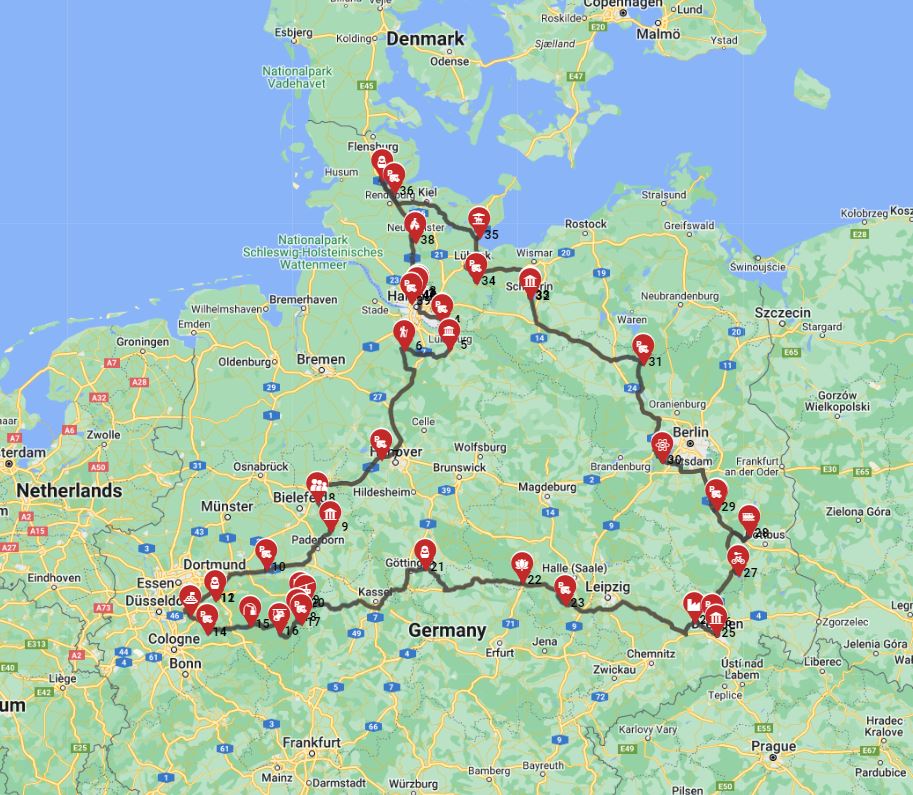
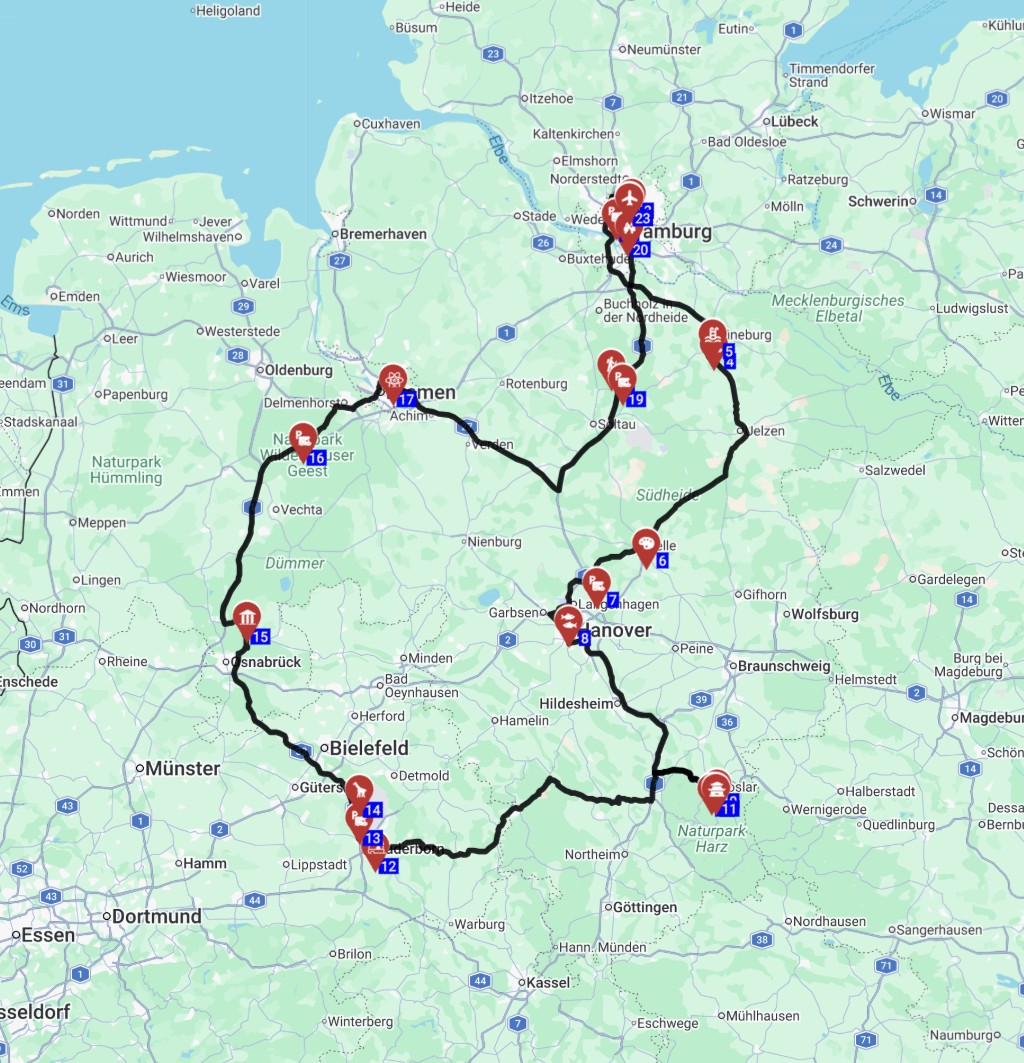
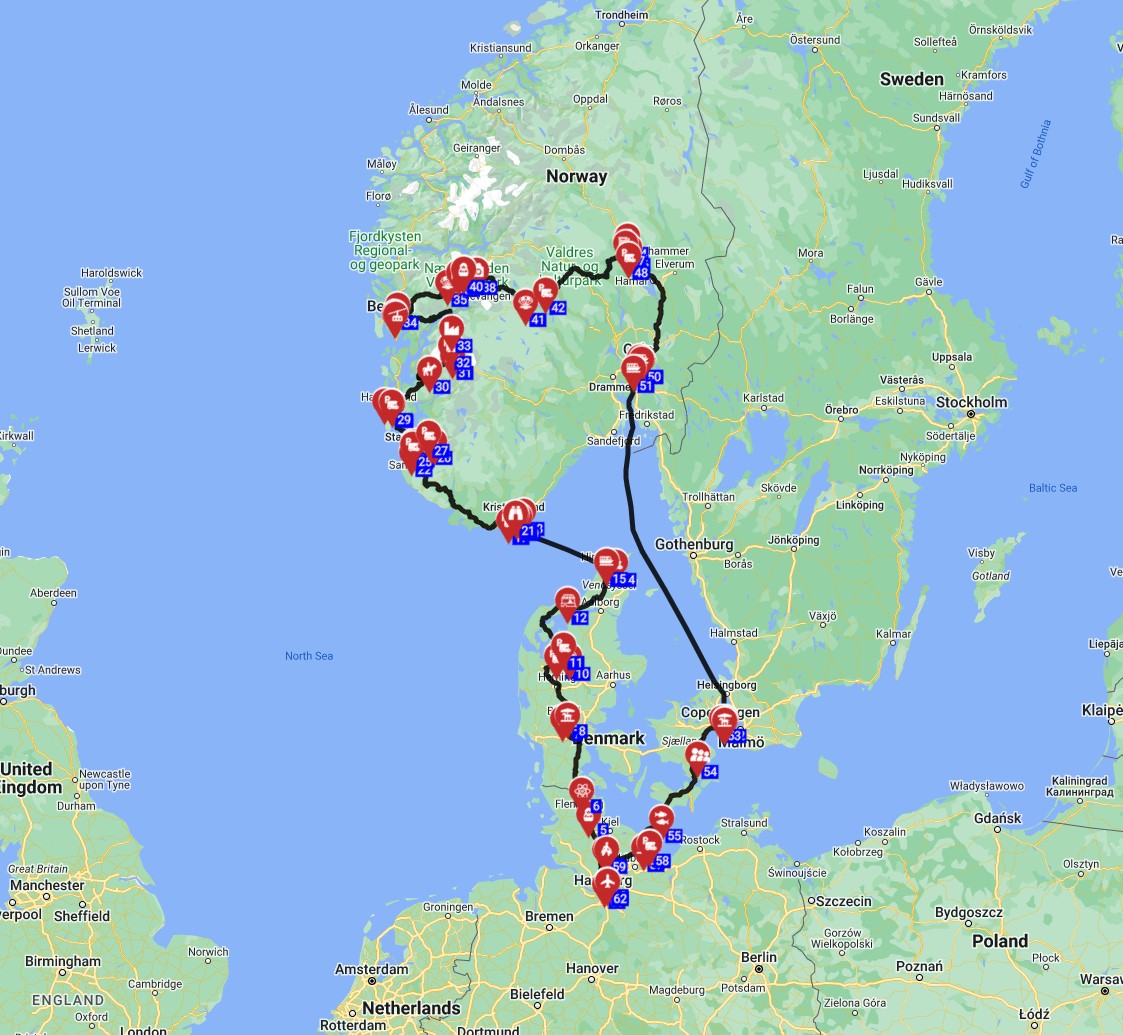
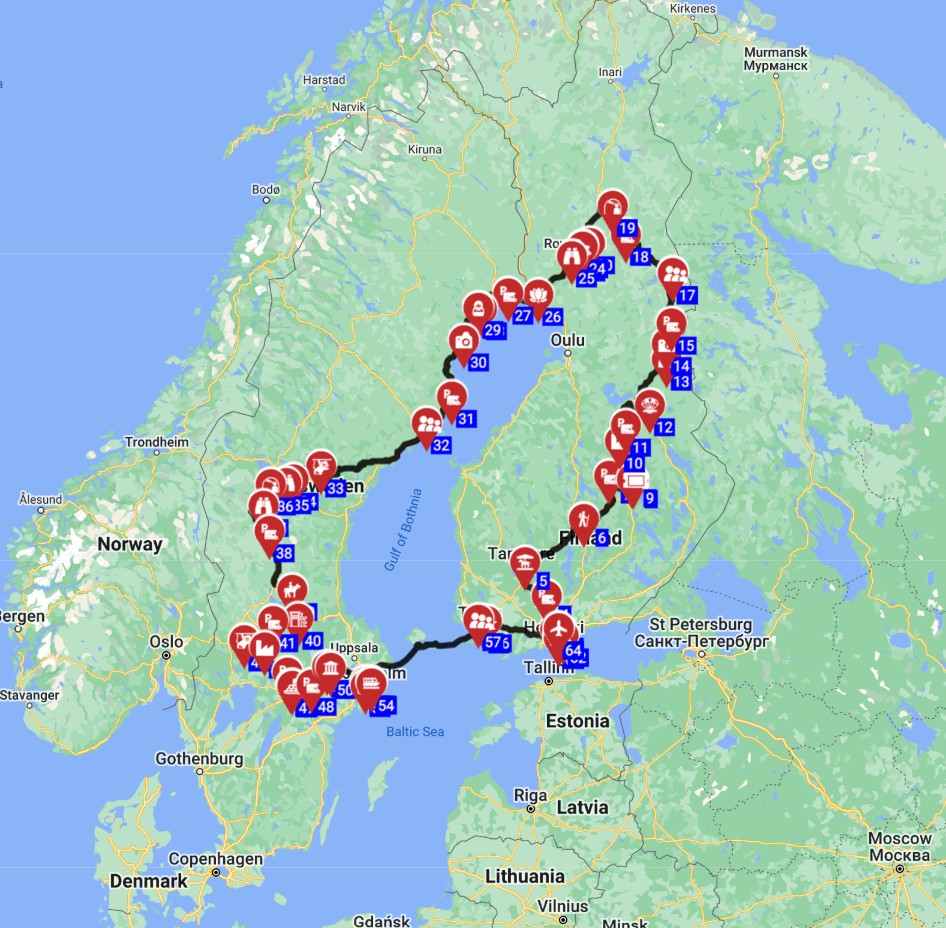
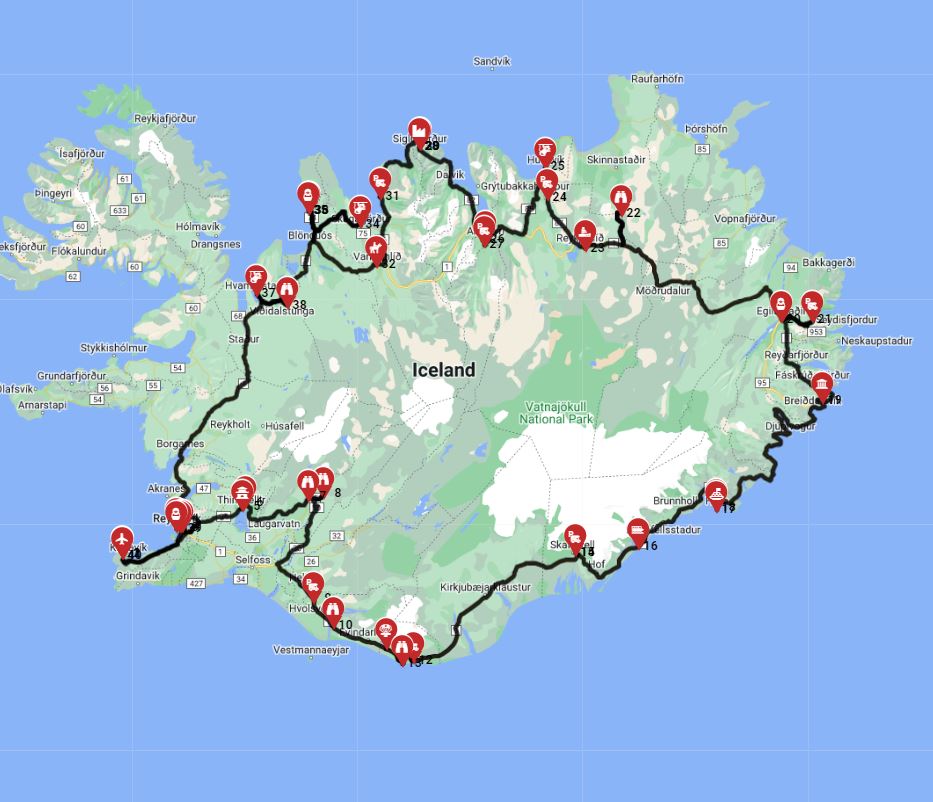
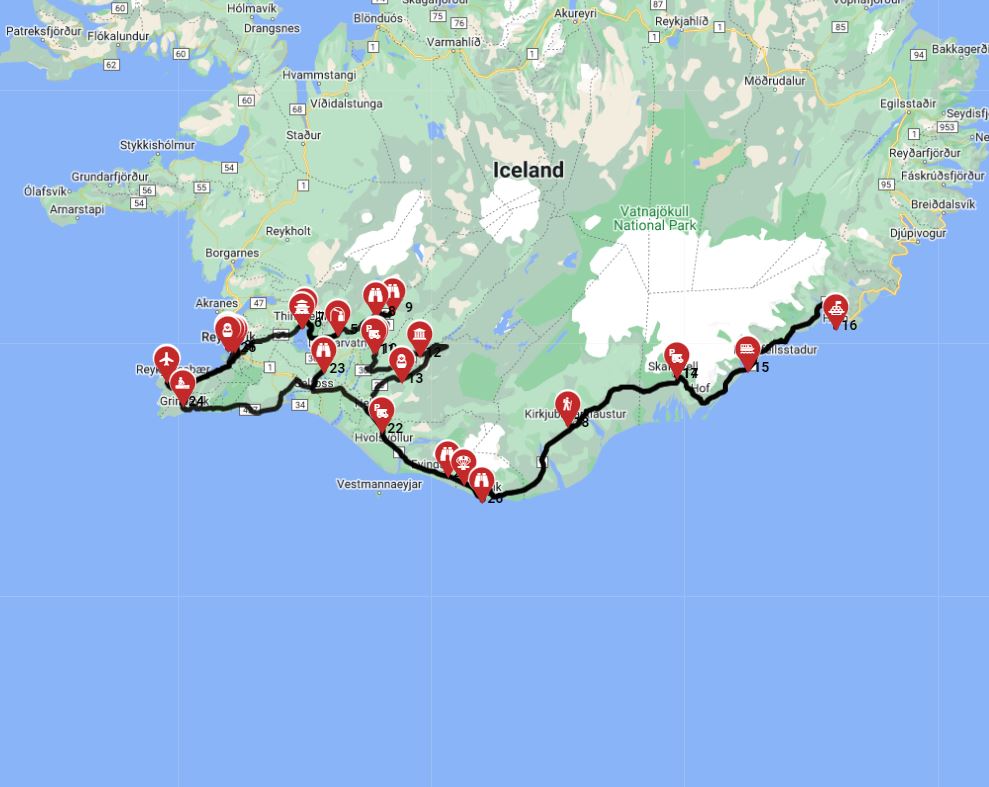
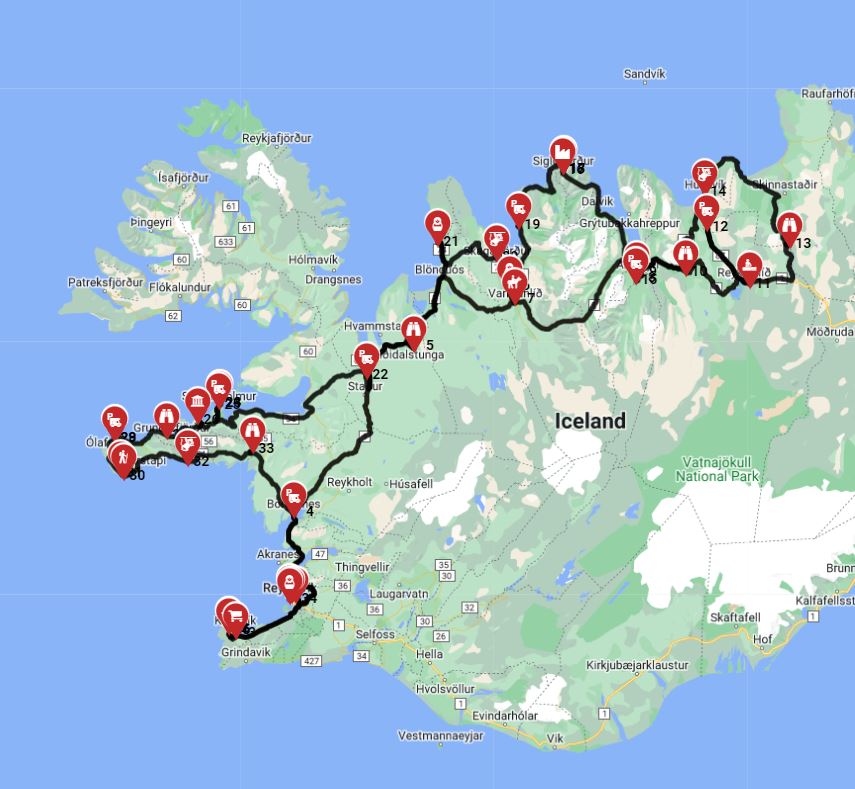
This 15-day route covering 2910.7 km from Luleå and back offers a comprehensive taste of the region, featuring 2 wildlife watches, 1 cave, 3 museums, and numerous natural features and historical sites. It is one of the 1,300+ pre-planned routes across 5 continents available via RV PLANET (rvplan.net), our sister company.
Final Thoughts
A long term rv rental in Scandinavia is more than just a trip; it's an immersive experience that puts you in control of your journey through some of the world's most captivating landscapes. From the dramatic Norwegian fjords to the serene Swedish forests and Denmark's charming coastlines, a rented motorhome or campervan provides the flexibility and comfort to discover it all at your own pace. With careful planning and the right support, your Scandinavian RV adventure will be truly unforgettable.
We're here to support you before, during, and after your booking, ensuring a seamless experience. Our team of true RV specialists is ready to help you navigate the options and secure the perfect mobile home for your extended European road trip. Imagine the freedom of waking up to a new, breathtaking view every day - that's the magic of RV travel in Scandinavia!
Don't wait to start your adventure. Compare long term rv rental prices for Scandinavia now, and get ready to live your journey!