In This Guide
- Can You Drive an RV in Paris? License & Age Rules
- Road Conditions & Terrain in Paris
- RV Size Limits, Bridges & Restricted Zones
- Fuel: Diesel vs. Petrol & Cost per 100 km
- Tolls, Vignettes & Border Rules
- Driving Tips for rv rental Travelers
- Recommended RV Class for Paris Roads
- Should I Choose a Compact Van Instead of a Large RV in Paris?
- Can I Park Anywhere? Free & Wild Camping Rules in Paris
- Can I Drive an RV Into the City Center? Heights, Tunnels & Local Signage
- Do I need a Crit'Air sticker for my motorhome in France?
- Are D-roads in France suitable for motorhomes?
- Do I have to pay Paris low emission zone?
- Is France motorhome friendly?
- Can I drive in Paris with a US driver's license?
- Can you own an RV in Europe?
- What kind of license is required for an RV?
- How much is insurance on a $200,000 RV?
- Does France have public liability insurance?
Imagine yourself on an extended road trip through the heart of France, with Paris as your starting point, stretching out for weeks or even months. Long-term RV driving in Paris opens up incredible opportunities to delve deeply into French culture, from historic châteaux to sun-drenched vineyards, all from the comfort of your rented mobile home. At Bandana RV, we're dedicated RV specialists, not just a side department of a travel agency. We genuinely know and love RV travel, and we're here to help you discover the magic of long-term exploration. For live availability and current prices, start with our RV Rental Paris - Complete Guide 2026 guide.
Can You Drive an RV in Paris? License & Age Rules
In France, most rental RVs weighing up to 3,500 kg (7,700 lbs) can be driven with a standard B-category car license, which is the same license you'd use for a typical car. For RVs exceeding 3,500 kg, a C1 or C license is typically required, though these are less common for standard rentals available through Bandana's partners like Apollo and Britz. The minimum driver age for RV rentals in France is generally 21, with some companies requiring drivers to be 25 or older, and holding a license for at least 2-3 years, but Bandana strives to connect you with suppliers that offer the 21-year minimum. US drivers must present their valid state driver's license along with an International Driving Permit (IDP) to legally drive a rented RV in Paris and throughout France. This dual documentation ensures you comply with local regulations and enjoy your journey without any unexpected issues. We handle the details, you live the journey - offering personal service from day one until your booking is confirmed, including guidance on licensing requirements.Road Conditions & Terrain in Paris
Road conditions in and around Paris are generally well-maintained, but urban areas feature high traffic density, numerous roundabouts, and occasional narrow streets that require careful navigation. The terrain directly within Paris is predominantly flat, with wider boulevards and multi-lane roads, especially on major axes like the Champs-Élysées. When venturing outside the immediate city, D-roads (departmental roads) and N-roads (national roads) offer excellent surfaces suitable for rented RVs, often leading through picturesque, flatter countryside or gentle inclines, such as those found in the Loire Valley. Navigating an RV in Paris demands constant attention to signage, traffic flow, and other road users, making a slow, deliberate approach essential for a scenic and stress-free experience. Drive slowly and carefully, and you can drive almost anywhere without issues. No need to stress - just use common sense and pay attention.RV Size Limits, Bridges & Restricted Zones
While France generally accommodates RVs, drivers in Paris must be highly aware of urban size restrictions, particularly for underground parking garages which often have height limits typically ranging from 1.9m to 2.2m. Overhead obstacles such as low bridges or archways are more common in older, historic towns but are usually well-marked in Paris with specific height warnings. Paris operates a Low Emission Zone (LEZ), meaning certain vehicles, including rented RVs, require a Crit'Air sticker to enter, with restrictions varying by vehicle emission class and day. It is crucial to consult a specialized RV GPS or apps that provide height, weight, and width warnings to avoid restricted zones and ensure safe passage, especially when planning routes through the city. For example, Bandana offers various Class B - Camper Vans that are generally under 6 meters long, making them more adaptable for navigating challenging urban spaces.Fuel: Diesel vs. Petrol & Cost per 100 km
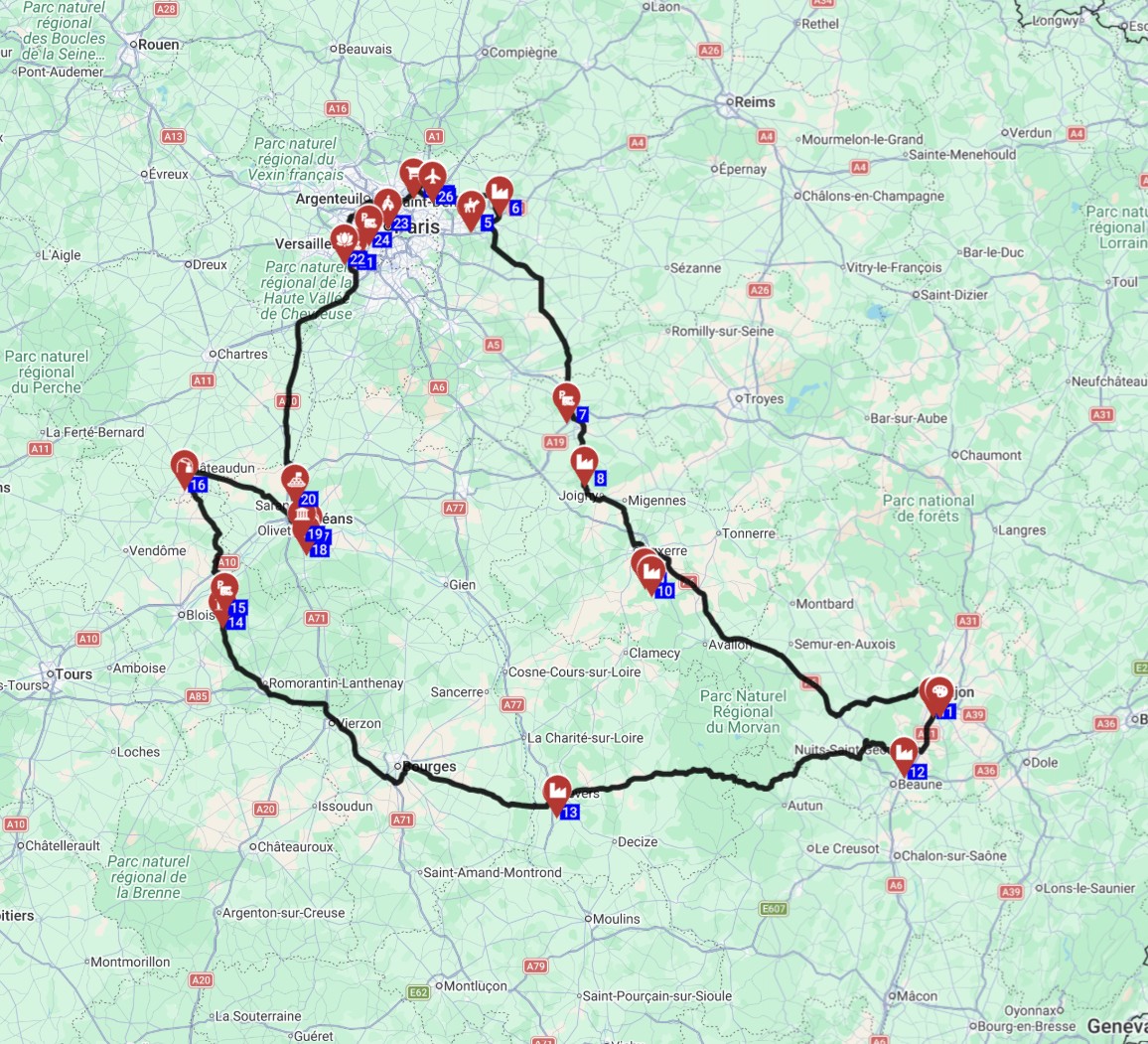
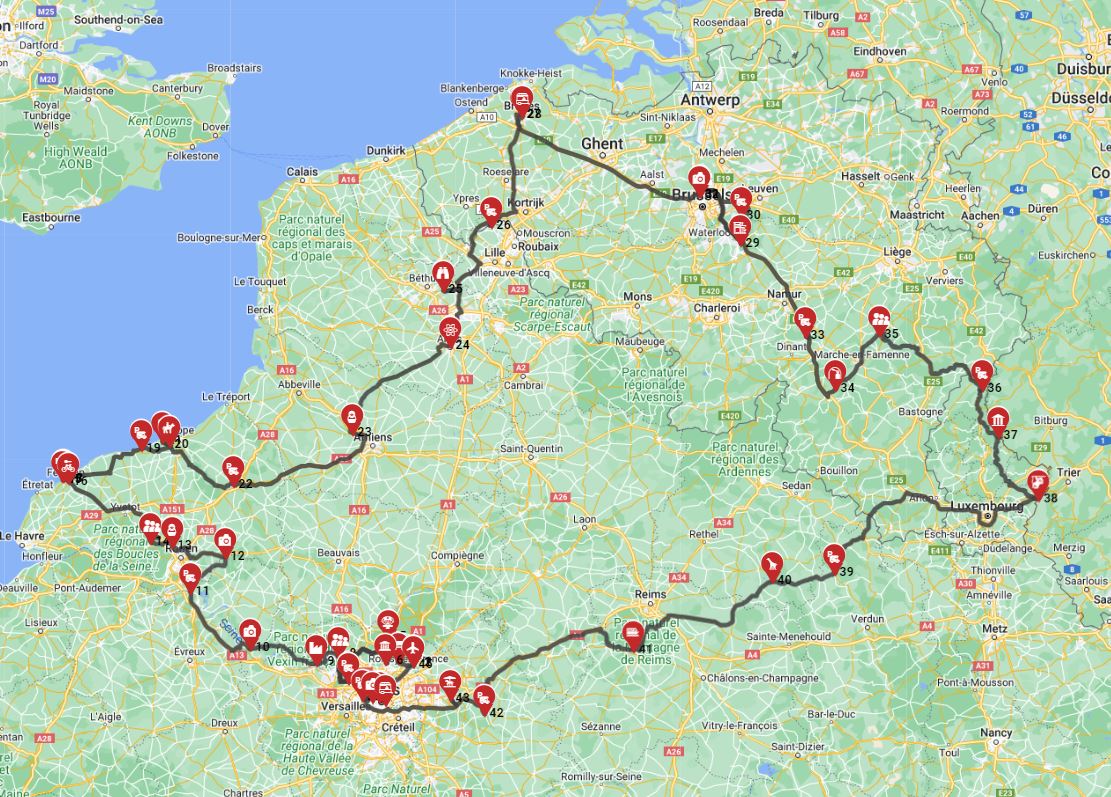
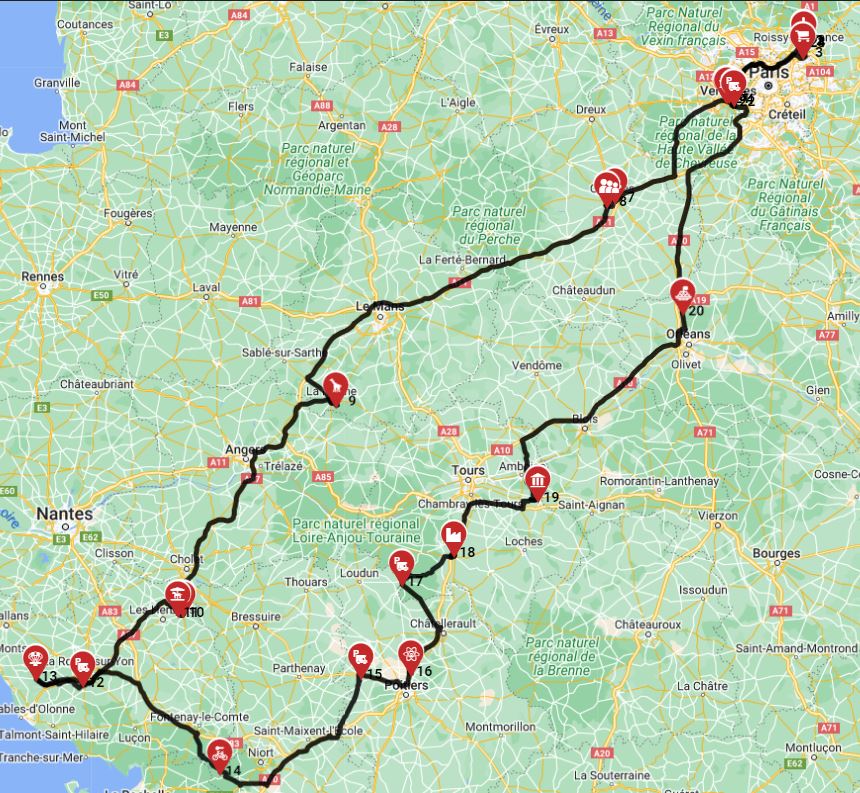
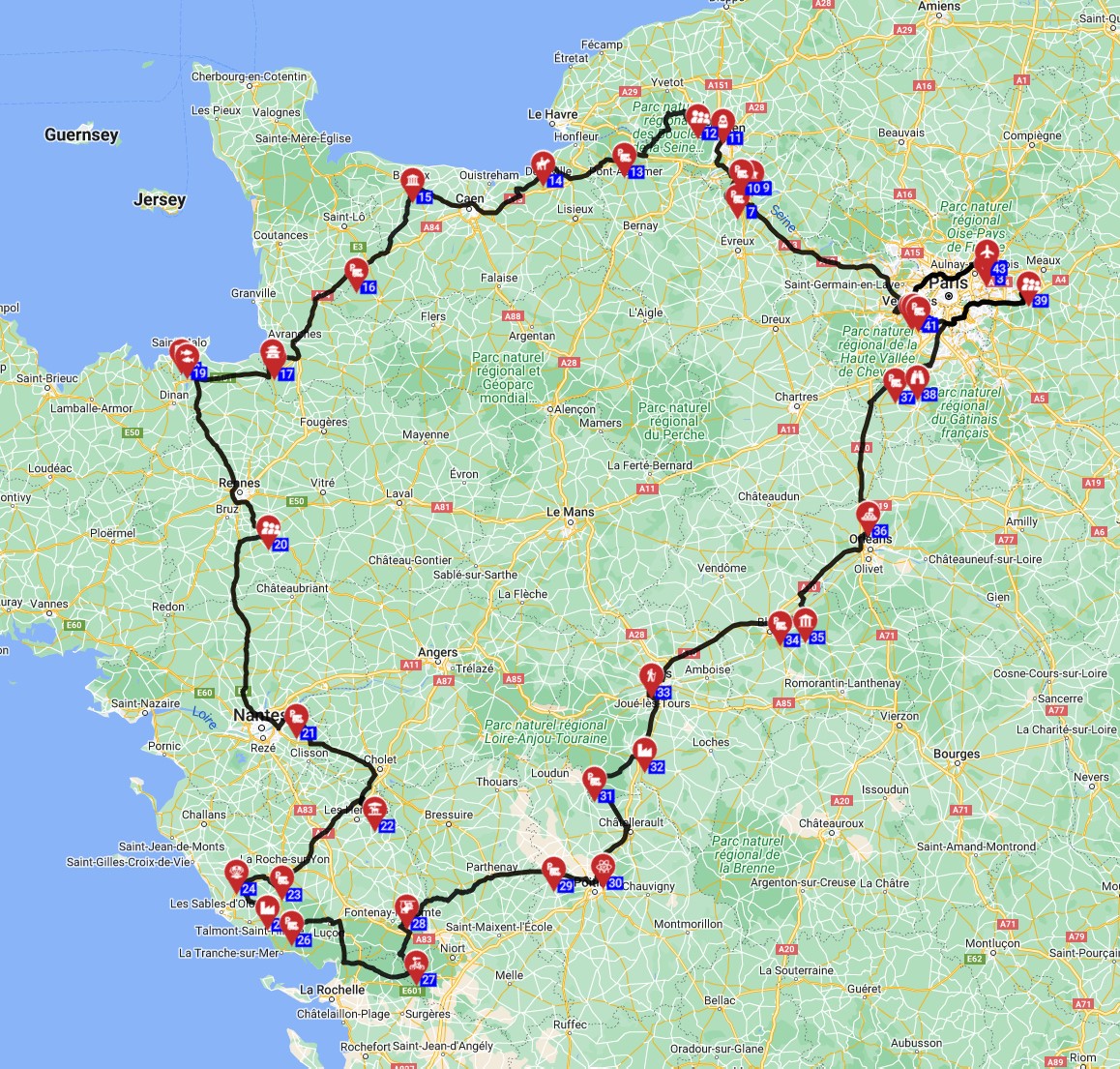
Most rental RVs in France, including Bandana's fleet, run on Diesel (Gazole), which is widely available at service stations across the country. Petrol (Essence) is less common for rented RVs but is also readily available for smaller campervans. Bandana's Class SI - Semi-integrated RVs typically consume 10-11 Liters/100 km, while Class C - Alcove RVs average 10-12 Liters/100 km. Class B - Camper Vans usually consume around 8-10 Liters/100 km, and Class A - Integrated RVs range from 8-12 Liters/100 km. To estimate fuel costs for your Long-Term RV Driving in Paris - Monthly Routes 2026 adventure, drivers can multiply the average consumption (e.g., 10 L/100km) by the current fuel price per liter, noting that prices fluctuate significantly. For finding campsites and campgrounds during your trip, we recommend using RV PLANET (rvplan.net) - a great resource for locating available spots along your route, and their planning tools can help you itemize and track every expense, including fuel, for easy budgeting. RV PLANET routesTolls, Vignettes & Border Rules
France operates an extensive network of péages (toll roads), particularly on its motorways (autoroutes), which are generally efficient and well-maintained for an RV rental. There are no vignettes required for RVs in France; tolls are paid per distance traveled or per section. Toll costs can be significant, especially for longer distances or larger vehicles (Class 2 for RVs up to 3m high with two axles, Class 3 for taller/more axles), and can be paid via cash, credit card, or an electronic 'télépéage' badge. Some rented motorhomes allow pre-purchasing toll passes, like a 'Liber-t' badge, which offers convenience and helps avoid fines by allowing automatic payment in dedicated lanes. When planning an extended road trip from Paris, considering these additional costs is crucial for a complete budget overview, which Bandana helps with by offering full transparency with no hidden fees or surprises at pickup. For example, the typical length of a Class C motorhome like the "cruise america rv rental example Explorer" at 7.1 meters would fall into a higher toll category.Driving Tips for rv rental Travelers
When exploring Paris by campervan or motorhome, thoughtful planning is your best friend. Firstly, plan your route carefully: use a GPS specifically designed for RVs or apps like Campercontact or Park4night to account for vehicle dimensions and identify suitable parking or campsites. Secondly, be vigilant for the 'priorité à droite' rule, where vehicles coming from the right at unmarked intersections have right-of-way, a common practice in France. Thirdly, master roundabouts: France has many, and typically, vehicles already in the roundabout have priority, but always double-check signage. Fourthly, for day trips into Paris, park your RV at designated campsites or park-and-ride facilities on the outskirts, then use public transport (RER, Metro, bus) to reach the city center. Lastly, be aware of the Low Emission Zone (LEZ): ensure your rented RV has the correct Crit'Air sticker and understand the Paris LEZ rules to avoid fines when driving within the defined areas. Remember to travel slowly, max 100-150 km per day on average. Take time to feel the place, connect to the culture, the food, and the scenery. With a fully equipped kitchen on board, you might even find yourself inspired to whip up some local dishes, perfect with a bottle of French wine from a local market – check out our RV-friendly recipes playlist for ideas.Recommended RV Class for Paris Roads
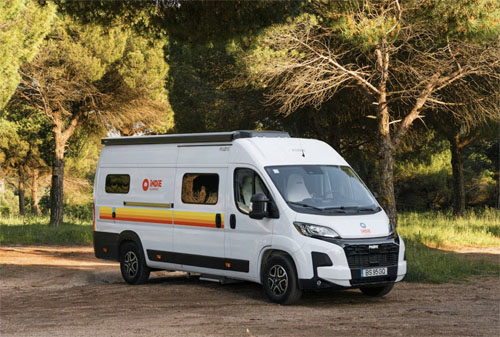
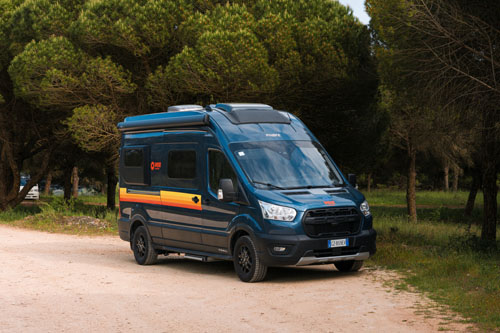
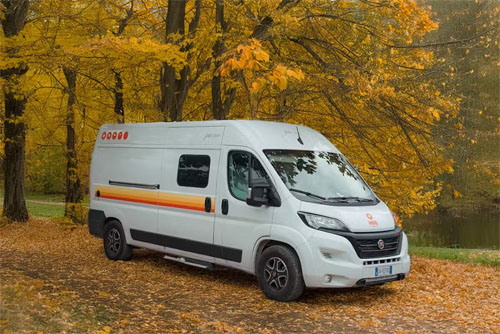
For navigating the region around Paris, a Class B - Camper Van is often recommended due to its compact size and maneuverability. Bandana's fleet includes models like the "Category Van AT" averaging around 5.8 meters in length, which allows for easier access to smaller roads and more flexible parking options on the outskirts. These smaller vehicles offer better access to smaller roads, easier parking on the outskirts, and a more comfortable driving experience in urban environments. Alternatively, a Class SI - Semi-integrated RV provides a good balance of living space and manageable size, with models such as the "2 Berth Rover" averaging 6.9 meters, making it suitable for motorhome-friendly routes outside the immediate city center. While larger Class C - Alcove (avg. 7.5m) or Class A - Integrated (avg. 7.5m) RVs offer more comfort, their size can pose additional challenges for parking and navigating very narrow streets or height-restricted areas around Paris.Should I Choose a Compact Van Instead of a Large RV in Paris?
While a compact van like a Class B - Camper Van (avg. 5.8m) offers superior maneuverability and easier parking in and around busy urban areas like Paris, larger RVs (Class SI avg. 6.9m, Class C avg. 7.5m) are not necessarily prohibitive outside the city center. The primary advantage of a compact van in Paris is the reduced stress of navigating tight streets and finding suitable parking, especially near public transport hubs for city access. However, for those planning an extended stay and using their RV as a comfortable base outside the immediate Parisian ring road (Périphérique), a larger RV provides significantly more comfort, living space, and amenities for travel throughout France. The decision often comes down to balancing the desire for urban convenience versus the need for onboard comfort and space for your entire trip; a larger RV remains a viable and enjoyable option if you strategically plan your Paris access and maximize public transport for city sightseeing. If you're considering a more extensive tour of the country after visiting the capital, our "RV Travel Guide to Paris - Tips and Top Spots 2026" offers further insights on balancing city and rural travel.Can I Park Anywhere? Free & Wild Camping Rules in Paris
No, free and wild camping is generally prohibited within Paris and its immediate suburbs, requiring RVs to use designated campsites or motorhome service areas (aires de services). Throughout France, while 'wild camping' (bivouacking) might be tolerated in remote, rural areas with landowner permission, it is strictly forbidden in urban zones, protected natural sites, and along coastlines. Near Paris, numerous well-equipped campsites are available within a short public transport ride to the city, providing essential services like electricity, water, and waste disposal. Camping de Paris, for instance, offers a convenient base with easy access to city attractions. Always adhere to local signage and regulations; rules for overnight parking and camping vary significantly by municipality and region, so checking local laws before parking overnight is crucial. RV PLANET (rvplan.net) offers a comprehensive database to help you find and reserve suitable spots.Can I Drive an RV Into the City Center? Heights, Tunnels & Local Signage
While it is technically possible to drive a rented RV into parts of the Paris city center, it is highly discouraged due to significant logistical challenges, including heavy traffic, narrow streets, lack of suitable parking, and strict environmental zones. The central Paris area is a Low Emission Zone (LEZ) requiring a Crit'Air sticker, with restrictions that limit entry for older, more polluting vehicles. Underground parking garages, which are common in central Paris, almost always have height restrictions (typically under 2 meters) that exclude all but the smallest campervans. Drivers must pay close attention to local signage indicating height limits, weight restrictions, one-way streets, and residents-only zones to avoid fines and potential vehicle damage, making an RV base outside the Périphérique and using public transport the most practical approach for sightseeing. For those interested in "Luxury RV Rental in Paris - Premium Prices 2026", even premium Class A motorhomes would face significant challenges in the hyper-dense city center.Do I need a Crit'Air sticker for my motorhome in France?
Yes, you absolutely need a Crit'Air sticker for your motorhome if you plan to drive in Paris or any of France's Low Emission Zones (ZFE-m). The Crit'Air vignette (air quality certificate) is mandatory for all vehicles, including rented RVs, to identify their environmental class and regulate access to these zones. Driving without a valid Crit'Air sticker in a ZFE-m, or driving an RV that is restricted from the zone, can result in fines ranging from €68 to €450. You can order the official Crit'Air sticker online from the French Ministry of Ecological Transition website, and it typically takes several weeks to arrive, so apply well in advance of your trip. This requirement is a critical aspect of compliant RV travel in Paris.Are D-roads in France suitable for motorhomes?
Yes, D-roads (routes départementales) in France are generally very suitable and highly recommended for motorhomes, offering a more scenic and relaxed driving experience compared to busy motorways. These departmental roads are well-maintained, connect towns and villages, and typically feature gentle curves and varied landscapes, making them ideal for leisurely RV travel averaging 100-150 km per day. Unlike smaller municipal roads, D-roads usually have adequate width for RVs and are less likely to have significant height or weight restrictions, though drivers should always remain vigilant for local signage. Utilizing D-roads allows RVers to discover charming French countryside, local markets, and designated 'aires de services' for motorhomes, enhancing the overall road trip experience. Many of our pre-planned "RV PLANET routes" leverage these D-roads for maximum enjoyment.Do I have to pay Paris low emission zone?
You do not pay a direct fee to enter the Paris Low Emission Zone (ZFE-m); instead, you must comply by displaying a valid Crit'Air sticker on your rented RV. The Crit'Air sticker classifies your vehicle's emissions, and restrictions apply based on this classification, especially during specific hours (e.g., Monday-Friday, 8 am to 8 pm) or during pollution peaks. For 2026, the strictest restrictions often affect older, more polluting vehicles (Crit'Air 3, 4, 5, or unclassified), effectively limiting their access to the zone. Failure to display the required sticker or driving a restricted vehicle within the ZFE-m when prohibited can lead to fines, emphasizing the importance of understanding and adhering to the regulations. This is vital to avoid unexpected costs when exploring the city.Is France motorhome friendly?
France is widely considered one of the most motorhome-friendly countries in Europe, offering excellent infrastructure for RV travelers despite urban challenges in cities like Paris. The country boasts a vast network of dedicated 'aires de services' (motorhome service areas), which provide convenient and often free or low-cost spots for emptying waste, refilling water, and sometimes overnight parking. Numerous campsites across all regions cater specifically to RVs, ranging from basic pitches to luxurious resorts. While major cities like Paris present challenges for driving and parking large vehicles directly in the center, the overall French landscape and provincial towns are very welcoming to motorhomes, making it an ideal destination for an extended RV adventure. If you are concerned about finding spots, remember that many national/state parks reserve only 25-30% of spots; the rest are first-come-first-serve. You'll find a spot. If not at the first campground, then the next one. Call ahead before driving.Can I drive in Paris with a US driver's license?
Yes, a US driver's license is valid for driving a rented RV in Paris and throughout France, but it must always be accompanied by an International Driving Permit (IDP). The IDP serves as an official translation of your US license and is legally required by French authorities for non-EU drivers. An IDP can be easily obtained through AAA (American Automobile Association) or AATA (American Automobile Touring Alliance) in the United States before your trip. Ensure both your valid US driver's license and your IDP are always with you when driving a motorhome in France to comply with local laws. The minimum rental age for all motorhome classes (Class A, B, C) is 21, and there are no young driver surcharges or vehicle class restrictions based on age, making RV travel accessible for younger adventurers as well.Can you own an RV in Europe?
For most tourists and short-term visitors to Paris and France, renting an RV is a significantly simpler and more practical option than purchasing one. While non-Europeans can own an RV in Europe, the process can be complex due to residency, registration, and insurance requirements. Renting bypasses the complexities of European vehicle registration, import duties, and securing long-term European insurance, which often require a European address or residency. RV rental companies like those partnered with Bandana handle all ownership, maintenance, and insurance aspects, allowing travelers to enjoy their week-long trip or extended adventure without the bureaucratic hurdles of ownership. Bandana's focus is exclusively on RV rentals, making us true RV specialists who understand the unique needs of vacation travelers.What kind of license is required for an RV?
For the vast majority of rental RVs in France, a standard 'B' category driver's license is sufficient, provided the Gross Vehicle Weight (GVW) does not exceed 3,500 kg (7,700 lbs). This includes most Class B - Camper Vans (like the "hire campervan example Paradise S/T"), Class SI - Semi-integrated, and some Class C - Alcove models, which are designed to fall within this weight limit for accessibility. If an RV's GVW is between 3,500 kg and 7,500 kg, a 'C1' license is required, while RVs over 7,500 kg demand a 'C' license, both of which are specialized heavy vehicle licenses. Always confirm the specific GVW of your chosen RV model with the rental company to ensure you hold the appropriate driving license for legal operation in France. No special license, CDL, or additional permits are required for any rental motorhome from Bandana's fleet.How much is insurance on a $200,000 RV?
For an RV rental in Paris, the cost of insurance is typically included in the rental price, covering basic third-party liability and often collision damage waiver with an excess (deductible). Specific insurance costs for a privately owned $200,000 RV can vary dramatically based on the vehicle type, driver's history, coverage level, and insurer, but are not directly applicable to rental scenarios. Rental companies usually offer optional supplementary insurance packages to reduce the deductible, cover additional risks like tire or windshield damage, or provide personal effects coverage. It's crucial to review the rental agreement's insurance details thoroughly to understand what is covered, any exclusions, and your financial liability in case of an incident. You can also upgrade to a top-level deductible for extra peace of mind, an option Bandana makes transparent. Remember, all prices are dynamic like flight tickets-they change daily based on availability, seasonality, and supplier marketing decisions, with the final price set at actual booking time. For information on "RV Rental in Paris - Prices and Best Deals 2026", Bandana offers transparent comparisons.Does France have public liability insurance?
Yes, France, like all European Union countries, legally mandates public liability insurance (assurance responsabilité civile) for all motor vehicles, including RVs. This compulsory insurance covers damages or injuries you might cause to third parties (other vehicles, property, or individuals) while operating a rented RV. When you rent an RV in France, basic public liability insurance is always included as part of your rental agreement by law. While the basic coverage is mandatory, renters often have the option to purchase additional coverage to protect themselves against a wider range of incidents, reduce deductibles, or cover personal belongings. Bandana partners with leading RV suppliers worldwide, including names like El Monte, Cruise America, Apollo, and Britz, all of whom ensure this foundational coverage. This commitment to full transparency means no hidden fees, no surprises, just clear information from the start.🎬 Video coming soon
What You Shouldn't Miss
- Explore the Loire Valley Châteaux: Drive west from Paris along picturesque D-roads to discover iconic castles like Château de Chambord (with 440 rooms) and Château de Chenonceau, often less than a 2-hour drive.
- Normandy's Historic Coastline: Head northwest to the D-Day landing beaches and charming seaside towns like Honfleur (approximately 200 km from Paris), offering a poignant historical journey.
- Champagne Region's Vineyards: A leisurely drive east from Paris (around 150 km) takes you to Reims or Épernay, where you can tour famous champagne houses and enjoy tastings. Remember to arrange a designated driver or use local transport!
- The Palace of Versailles and Gardens: Though just outside Paris, dedicating a full day to exploring this magnificent palace and its vast gardens is a must, easily accessible by public transport from campsites near Paris.
- Paris City Center by Public Transport: Maximize your time in the capital by parking your RV at Camping de Paris in Bois de Boulogne and taking the RER C train to central landmarks like the Eiffel Tower or Notre Dame Cathedral.
- Local Markets and Food Experiences: Immerse yourself in French culinary delights by visiting local markets in towns outside Paris. Buy fresh produce, artisanal cheeses, and local wines to enjoy back at your comfortable rented motorhome.
Looking for expert insights from Avi Bandana? Top 5 Adventures - recommendations from Avi Bandana.
Final Thoughts
An extended RV journey around Paris and through France is an experience like no other, offering freedom and flexibility to explore at your own pace. While navigating the urban landscape of Paris requires some careful planning, the rewards of having your mobile home base near the City of Lights are immense. From quaint village markets to scenic drives through historic regions, your rented motorhome is your ticket to an unforgettable French adventure.Whether you're planning a two-week exploration of the French countryside or an even longer immersion into its culture, Bandana Caravan is here to support you every step of the way. With our transparent pricing, dedicated support, and extensive selection of quality rental vehicles, your perfect French RV adventure is within reach. Discover top destinations, planning tips, all in one place!
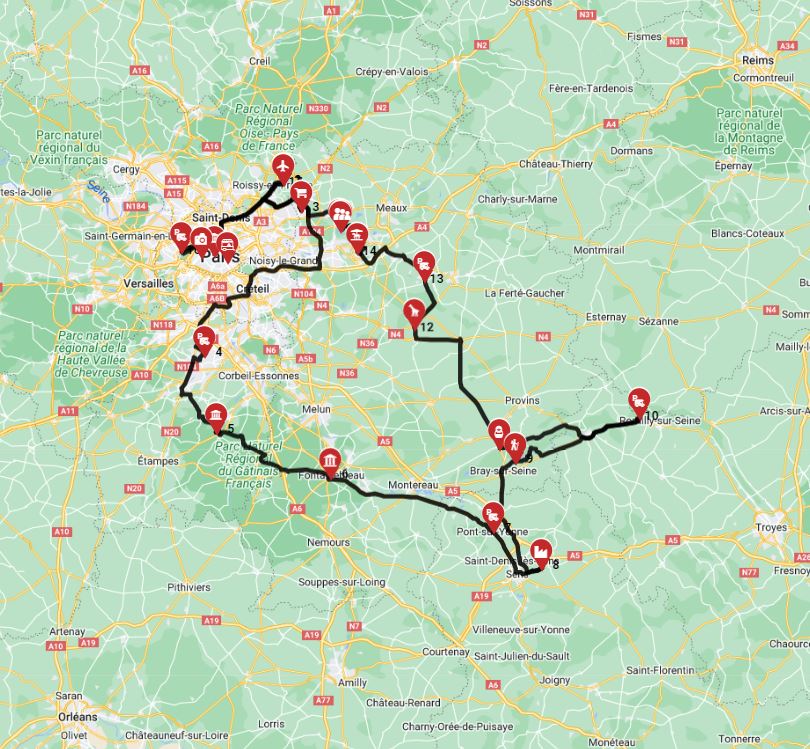
Find Motorhome Rentals in ParisOn the routes offered through RV PLANET routes, you can itemize and track every expense along the way for easy budgeting.