In This Guide
- Can You Drive an RV in North Canada? License & Age Rules
- Road Conditions & Terrain in North Canada
- RV Size Limits, Bridges & Restricted Zones
- Fuel: Diesel vs. Petrol & Cost per 100 km
- Tolls, Vignettes & Border Rules
- Driving Tips for long term rv rental Travelers
- Recommended RV Class for North Canada Roads
- Should I Choose a Compact Van Instead of a Large RV in North Canada?
- Can I Park Anywhere? Free & Wild Camping Rules in North Canada
- Can I Drive an RV Into the City Center? Heights, Tunnels & Local Signage
- What is the 3-3-3 rule for RV travel?
- Do you need a different license to drive an RV in Canada?
- Can Americans RV in Canada?
- What's the furthest north you can drive in Canada?
- Where can I park my RV for free in Canada?
- Can you live permanently in an RV in Canada?
- What are the requirements for bringing an RV into Canada from the US?
- How much does RV insurance cost in Canada?
- How much does full-time RV insurance cost?
- Top Cities for RV Rental in North Canada
- Why Book with Bandana Caravan
- Final Thoughts
- Frequently Asked Questions
Embarking on a long-term RV adventure through North Canada offers an unparalleled journey into vast wilderness and unique cultural experiences. Imagine waking up to the stillness of a Yukon lake, enjoying a fresh breakfast prepared in your rented motorhome's kitchen, then hitting the road to explore majestic mountains and endless taiga under the famed Midnight Sun.
North Canada, encompassing Yukon, the Northwest Territories, and Nunavut, presents a distinct RV travel experience compared to the more populated southern regions of the country. This guide provides comprehensive information to ensure your long-term RV rental in North Canada is smooth, safe, and truly unforgettable. For live availability and current prices, start with our RV Rental North Canada - Complete Guide 2026 guide.
Can You Drive an RV in North Canada? License & Age Rules
Yes, most standard RVs, including Class A, B, and C motorhomes, can be driven in North Canada with a regular Class 5 (or equivalent U.S. state) driver's license, provided the vehicle's Gross Vehicle Weight Rating (GVWR) is under 11,000 kg (24,250 lbs).
A higher license class is generally only required for vehicles exceeding 11,000 kg GVWR or those equipped with air brakes. For the vast majority of rental motorhomes, a standard car license is sufficient, which simplifies planning for visitors. The minimum rental age for RVs in North Canada is typically 21 years old, with no young driver surcharges or vehicle class restrictions based on age across Bandana's suppliers. For non-North American drivers, carrying an International Driving Permit (IDP) in addition to their valid home country license is highly recommended for ease of recognition by local authorities, though it is not always mandatory.
Road Conditions & Terrain in North Canada
Roads in North Canada, particularly across Yukon and the Northwest Territories, feature a dynamic mix of well-maintained paved highways and extensive, sometimes challenging, gravel sections.
Travelers exploring routes like the iconic Dempster Highway or portions of the Alaska Highway should anticipate gravel surfaces, which require slower speeds and increased caution. These conditions are part of the authentic northern experience, offering spectacular scenery not found on typical highways. Renters should expect varying conditions, including dust during dry spells, potential for potholes, and mountainous terrain, all emphasizing the need for attentive driving. Long-term RV renters truly benefit from these varied conditions by embracing a slow, scenic driving pace, which allows for deeper exploration of the vast northern landscapes and more opportunities for wildlife viewing.
RV Size Limits, Bridges & Restricted Zones
North Canada generally accommodates all standard RV sizes, with very few specific height, weight, or length restrictions on its major routes.
This means that Class A, Class B, and Class C motorhomes can typically navigate the northern highways without issue. Drivers should, however, remain aware of occasional low bridges or ferry limitations, especially on routes that involve crossings, such as the NWT ferries, which have specific size and weight capacities that must be checked in advance. Unlike more densely populated southern areas, environmental zones with RV emissions restrictions are rare in North Canada's remote regions, meaning less concern for such regulations. Always pay close attention to local signage, particularly when entering smaller communities, as they might have localized restrictions that do not apply to the main highways. Drive slowly and carefully, and you can drive almost anywhere without issues. No need to stress - just use common sense and pay attention.
Fuel: Diesel vs. Petrol & Cost per 100 km
Both diesel and petrol (gasoline) are available in North Canada, though fuel stations can be significantly spaced out, particularly for diesel, making meticulous planning of your route crucial.
Average fuel costs in North Canada are substantially higher than in southern Canada due to transportation logistics, often costing 20-30% more per liter. To give you an idea, a Class SI - Semi-integrated RV, like a "2 Berth Tamar" from our fleet, typically consumes 10-11 Liters/100 km, while a Class C - Alcove RV, such as an "Adak Argonaut 21 - Bronze", averages 10-12 Liters/100 km. More fuel-efficient options like Class B - Camper Vans, for instance a "2 Berth Hi Top", typically consume 8-10 Liters/100 km, offering savings over long distances in the North. It is highly advisable to carry extra fuel if venturing onto very remote routes where service stations are extremely scarce, and always fuel up when any opportunity arises. For comprehensive budgeting and tracking fuel expenses, RV PLANET routes allow you to itemize every cost along your journey. On the routes offered through RV PLANET routes, you can itemize and track every expense along the way for easy budgeting.
Tolls, Vignettes & Border Rules
North Canada has virtually no tolls or vignettes on its roads, simplifying travel within the territories and allowing for straightforward budgeting of your long-term RV trip.
For travelers entering from the U.S., standard border crossing procedures require a valid passport for all occupants, the RV's registration (or your rental agreement as proof of authorization), and proof of insurance. Rest assured, there are no specific toll passes to pre-purchase for North Canada through Bandana, as tolls are not applicable in the region. Always be prepared for Canadian Border Services Agency (CBSA) checks and adhere strictly to regulations regarding firearms, cannabis, and certain food items to ensure a smooth entry into Canada.
Driving Tips for long term rv rental Travelers
For an optimal long-term RV rental experience in North Canada, proactive planning and careful driving are key to enjoying the wilderness safely.
Plan Fuel Stops: Due to vast distances and limited services, always refuel at every major opportunity and consider carrying extra fuel on very remote routes. Some stretches of the Dempster Highway can be hundreds of kilometers between services. Wildlife Vigilance: Be constantly aware of wildlife, especially moose, bears, and caribou, which are common on northern roads; drive slower, particularly at dawn and dusk, when animals are most active. Emergency Preparedness: Carry a comprehensive emergency kit, including a satellite communication device (cell service is spotty), extra food, water, and appropriate cold-weather gear, even in summer, as temperatures can drop unexpectedly. Gravel Road Savvy: Reduce your speed on gravel roads, increase following distance to minimize dust and rock chips, and check tire pressure regularly for optimal handling and reduced wear on your rented motorhome. Respect Indigenous Land: Travel respectfully through Indigenous territories, learn about local cultures, and support local businesses where possible, fostering positive community engagement. Remember to travel slowly, max 100-150 km per day on average, to truly feel the place, connect to the culture, the food, and the scenery.
Recommended RV Class for North Canada Roads
For navigating North Canada's diverse roads and experiencing long-term comfort, Class C (Alcove) and Class SI (Semi-integrated) RVs are highly recommended for their balance of comfort, capability, and suitability for extended travel in remote conditions.
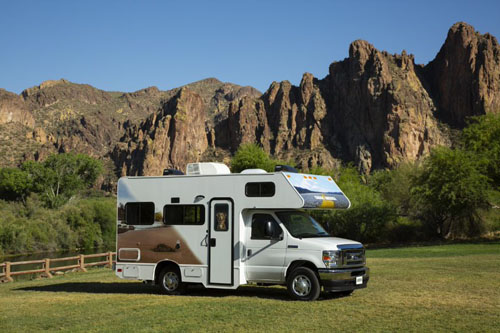
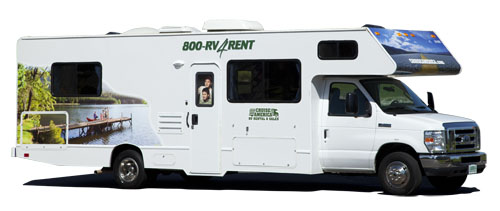
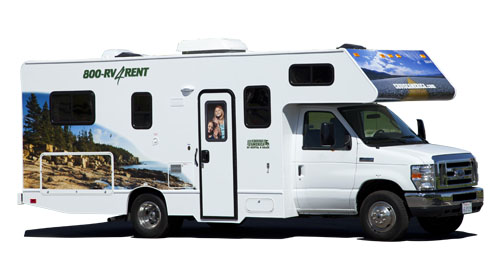
Class C RVs from Bandana's global fleet, like the "24' Class C Motorhome", average around 7.46m in length and often offer 5-6 sleeping places, making them ideal for families or groups seeking ample space and amenities, including a 166-liter fresh water tank. For instance, a "Motorhome MC6 Gold" features three double beds and is ideal for large families. Class SI RVs, averaging 6.9m in length, provide a comfortable option for couples or smaller families, offering good maneuverability without sacrificing essential living space, such as the "2 Berth Tamar" model. While the provided specs also mention Class TC (Truck Campers) with an average length of 5.5m and superior ground clearance, offering 4x4 options suitable for rougher gravel roads and more remote access, Bandana focuses exclusively on motorhomes and campervans. All these options offer comfortable interiors, ensuring that you can easily prepare meals with facilities like a 3-burner gas stove and a refrigerator with freezer capacity, making every stop feel like home. Check out our RV-friendly recipes playlist for meal inspiration on your trip!
Should I Choose a Compact Van Instead of a Large RV in North Canada?
While Class B Camper Vans (averaging 5.8m in length) offer better fuel efficiency and maneuverability, larger RVs like Class C or SI models generally provide superior comfort, storage, and 4-season capability, which are often paramount for long-term Northern travel.
A "Class B - Camper Van" like the "2 Berth Hi Top" with an automatic transmission and front air conditioning is excellent for agility and fuel economy (8-10 Liters/100 km). However, larger motorhomes provide significantly more living space, making them more comfortable for extended trips, especially when facing colder temperatures that can occur even during summer nights in the North. Maneuverability is less of a concern on North Canada's typically wide-open roads compared to tight urban centers, diminishing a key advantage of compact vans in this region. Ultimately, the choice for your long-term RV rental in North Canada depends on your priorities: a compact van for maximum flexibility and fuel savings, or a larger RV for enhanced comfort and self-sufficiency over extended periods, especially if traveling with family or for several weeks.
Can I Park Anywhere? Free & Wild Camping Rules in North Canada
Free and wild camping, often referred to as boondocking, is widely permitted on Crown land throughout North Canada, offering vast opportunities for dispersed camping far from developed sites.
This allows for incredible flexibility on a long-term RV rental. When parking on Crown land, travelers must adhere strictly to 'Leave No Trace' principles, ensuring no garbage is left behind and the natural environment is undisturbed. Always confirm you are not on private property, within an established campground, or in a restricted municipal area before parking overnight. Rules and specific designations for Crown land can vary by territory and even by local area, so it's wise to check local regulations and follow local law before parking overnight, particularly near communities or protected areas. Planning tools and maps available on rvplan.net can help identify suitable areas for overnight stays.
Can I Drive an RV Into the City Center? Heights, Tunnels & Local Signage
Yes, driving an RV into most city centers in North Canada, such as Whitehorse in Yukon or Yellowknife in the Northwest Territories, is generally permissible due to lower population density and less restrictive urban infrastructure compared to larger southern metropolises.
Drivers should always remain vigilant for local signage, which will indicate any specific height limits for underpasses, tunnel clearances, or localized parking restrictions. These are typically well-marked. Unlike some southern cities, North Canada's urban areas typically lack extensive environmental zones or narrow streets that would pose significant challenges for even large Class A or Class C motorhomes. While most routes are RV-friendly, parking may still be limited in prime downtown areas, necessitating a search for designated RV or oversized vehicle parking spots. Remember, drive slowly and carefully, and you can drive almost anywhere without issues. No need to stress – just use common sense and pay attention.
What is the 3-3-3 rule for RV travel?
The 3-3-3 rule for RV travel is a widely adopted guideline encouraging drivers to stop driving after 3 PM, aim to travel no more than 300 miles (approximately 480 km) per day, and stay for at least 3 nights at each destination.
This rule is designed to enhance safety by reducing driver fatigue, allowing for more relaxed travel, and providing ample time to enjoy each location. For long-term RV travel in North Canada, while the 300-mile and 3 PM limits might need flexibility due to vast distances and limited services (you might need to push a bit further to reach the next fuel station or campground), the '3 nights' component is excellent for deeper exploration and rest in this expansive region. Adopting a relaxed pace, even if not strictly adhering to the exact numbers, contributes significantly to a more enjoyable and less stressful northern adventure.
Do you need a different license to drive an RV in Canada?
No, for the vast majority of recreational vehicles (RVs) driven in Canada, including those rented for long-term travel in the North, a standard Class 5 (or equivalent U.S. state) driver's license is sufficient.
A different license class is typically only required if the RV's Gross Vehicle Weight Rating (GVWR) exceeds 11,000 kg (24,250 lbs) or if it is equipped with air brakes requiring specific endorsement. Most rental RVs, including Class C, Class SI, and Class B models offered by Bandana, fall well within the standard license requirements, making them accessible to most drivers. Foreign drivers should ensure their home country license is valid and consider obtaining an International Driving Permit (IDP) as a supplementary document for ease of recognition during their adventure in North Canada.
Can Americans RV in Canada?
Yes, Americans can absolutely enjoy an RV trip in Canada, provided they meet all standard entry requirements for both individuals and their rental vehicle at the Canadian border.
Each traveler must have a valid passport, and the rented RV requires current registration, along with the rental agreement which serves as proof of insurance and authorization to operate the vehicle in Canada. Be prepared to declare all goods to the Canadian Border Services Agency (CBSA), adhering to regulations concerning firearms, cannabis, and certain food items to avoid delays. Reviewing the Canada Border Services Agency website before your trip is always a good idea.
What's the furthest north you can drive in Canada?
The furthest north you can drive in Canada is to the Arctic Ocean community of Tuktoyaktuk, Northwest Territories, via the Inuvik-Tuktoyaktuk Highway (ITSH).
This historic highway, connecting Inuvik to Tuktoyaktuk, opened in 2017 and provides year-round access to Canada's Arctic coast for the first time, marking a significant milestone for northern travel. The ITSH is predominantly a gravel road, requiring a well-prepared rented motorhome and an attentive driver, and offers a unique opportunity to experience the high Arctic landscape and culture. Travelers typically access the ITSH by first driving the famous Dempster Highway from Dawson City, Yukon, to Inuvik, NWT, making it a truly epic northern RV adventure and a prime example of the long-term RV driving in North Canada.
Where can I park my RV for free in Canada?
In Canada, particularly in the vast northern territories of Yukon and the Northwest Territories, you can often park your RV for free on Crown land (public land), provided you adhere to responsible camping practices.
Opportunities for dispersed camping or boondocking are plentiful away from established campgrounds and private properties, offering incredible solitude and freedom for long-term RV renters. Always follow 'Leave No Trace' principles, ensuring all waste is packed out, your impact is minimized, and the natural environment is respected. While free parking is common, be aware of any local municipal bylaws or specific territorial regulations that might restrict overnight parking in certain areas, especially near communities or in popular recreational zones. RV PLANET (rvplan.net) is a great resource for locating available spots along your route, including potential dispersed camping areas.
Can you live permanently in an RV in Canada?
While it is legally possible to live permanently in an RV in Canada, doing so, especially in North Canada, presents significant practical and logistical challenges that differ greatly from recreational RV rental.
Key considerations include establishing provincial residency for healthcare and services, finding long-term parking solutions in a region with severe winters, and managing extreme cold weather conditions that necessitate substantial RV winterization. Full-time RVers must also navigate mail delivery, legal addresses for official documents, and the cost of year-round insurance. Bandana caters exclusively to RV rental travelers seeking unforgettable vacation experiences; the realities of severe northern winters and remote services necessitate careful planning and significant adaptation for permanent residency, a different consideration from a long-term rental adventure.
What are the requirements for bringing an RV into Canada from the US?
To bring a rented RV into Canada from the US, all travelers must present a valid passport, along with the RV's current registration, and proof of insurance.
A crucial document for a rental RV is a copy of your rental agreement, which serves as proof of authorization to operate the vehicle in Canada. You must declare all goods to the Canadian Border Services Agency (CBSA) officers, including any firearms, cannabis, alcohol, tobacco, or restricted food items, as regulations are strictly enforced. Ensure your rental motorhome meets basic safety standards and is in good repair, as border officials can deny entry to unsafe vehicles. This diligence ensures a smooth crossing for your long-term RV driving in North Canada.
How much does RV insurance cost in Canada?
The cost of RV insurance in Canada is highly variable, influenced by factors such as the RV's make, model, value, the driver's history, and the desired level of coverage.
Typical annual recreational RV insurance policies can range from approximately $500 to over $2,000 CAD for standard coverage. However, for long-term RV rental agreements secured through Bandana, basic liability insurance is usually included in the rental price. Renters often have the option to purchase additional collision and comprehensive coverage, or upgrade to a top-level deductible reimbursement for extra peace of mind, especially when navigating the unique conditions of North Canada. We believe in full transparency: what you see is what you pay, with no surprise fees at pickup, including clear details on insurance coverage.
How much does full-time RV insurance cost?
Full-time RV insurance, which provides broader coverage similar to a homeowner's policy, is significantly more expensive than standard recreational RV insurance, typically ranging from $1,500 to $4,000 CAD or more annually.
This type of insurance is designed for individuals who use their RV as their primary residence and requires specific underwriting due to increased risk and specialized coverage needs. For most long-term RV rentals arranged through Bandana, a full-time insurance policy is not applicable as the rental company provides coverage specifically for recreational use, not as a primary residence. Our services are focused on making RV vacation travel accessible and enjoyable, offering clear pricing and support for your rental period rather than long-term ownership solutions.
Top Cities for RV Rental in North Canada
North Canada offers distinct starting points for your long-term RV adventure, each providing access to incredible northern experiences.
- Whitehorse, Yukon: As the capital of Yukon, Whitehorse is the largest city in northern Canada and a primary hub for RV rentals. It offers essential services, direct access to the Alaska Highway, and is a gateway to destinations like Kluane National Park and the beginning of the Dempster Highway.
- Yellowknife, Northwest Territories: The capital of the Northwest Territories, Yellowknife is another key city for RV travel, known for its vibrant Old Town and proximity to the vast Great Slave Lake. It's an excellent base for exploring the unique landscapes and indigenous cultures of the NWT.
- Dawson City, Yukon: A historic gold rush town, Dawson City is a popular stop and the southern starting point for the famous Dempster Highway. While smaller, it offers a rich cultural experience and serves as a vital resupply point before heading further north.
- Inuvik, Northwest Territories: The northern terminus of the Dempster Highway and the gateway to the Inuvik-Tuktoyaktuk Highway, Inuvik offers a true Arctic experience. RVers can pick up or drop off here for an ultimate northern journey, though rental options might be more limited.
For more detailed information on routes and planning your journey, consider exploring RV PLANET routes, which can help craft a seamless itinerary for these unique northern cities. Discover top destinations, planning tips, all in one place!
🎬 Video coming soon
What You Shouldn't Miss
- Drive the Dempster Highway: An unparalleled adventure across the Arctic Circle to Inuvik, showcasing stunning tundra landscapes, wildlife, and Indigenous communities.
- Explore Kluane National Park & Reserve: Home to Canada's highest peak, Mount Logan, and massive icefields. Enjoy hiking, wildlife viewing (grizzly bears, Dall sheep), and breathtaking mountain scenery.
- Experience the Midnight Sun: During summer, enjoy nearly 24 hours of daylight in Yukon and NWT, perfect for extended outdoor activities like fishing, hiking, or simply savoring the endless twilight.
- Visit the Sign Post Forest in Watson Lake: A quirky and heartwarming roadside attraction on the Alaska Highway, featuring over 100,000 signs from around the world.
- Witness the Northern Lights: For those traveling in late August or September, North Canada offers some of the best opportunities globally to see the spectacular Aurora Borealis dancing across the night sky.
- Immerse in Indigenous Culture: Visit cultural centers and participate in local events to learn about the rich history and traditions of the Gwich'in, Dene, and Inuvialuit peoples.
Looking for expert insights from Avi Bandana? Top 5 Adventures - recommendations from Avi Bandana
To ensure you have everything you need for these incredible journeys, consider our detailed itineraries and route plans through RV PLANET (rvplan.net).
Final Thoughts
A long-term RV rental in North Canada is more than just a vacation; it's an immersive expedition into one of the world's last great wildernesses. From navigating gravel roads under the Midnight Sun to spotting incredible wildlife and connecting with resilient northern communities, every day brings a new discovery. Remember, the key to a successful journey here is preparation, an open mind, and a willingness to embrace the unexpected.
By choosing a reliable platform like Bandana, you're not just renting a motorhome; you're gaining a partner committed to full transparency, dedicated support, and peace of mind. We're here to help you compare final prices across suppliers, ensuring you find the easiest, safest, and most affordable way to rent an RV for your epic northern adventure.
So, are you ready to chart your course across the vast, awe-inspiring landscapes of North Canada? Plan a trip itinerary in advance with minimal effort and maximum enjoyment. Compare Motorhome Prices for North Canada and begin your legendary journey today!