In This Guide
- Can You Drive an RV in Netherlands? License & Age Rules
- Road Conditions & Terrain in Netherlands
- RV Size Limits, Bridges & Restricted Zones
- Fuel: Diesel vs. Petrol & Cost per 100 km
- Tolls, Vignettes & Border Rules
- Driving Tips for long term rv rental Travelers
- Recommended RV Class for Netherlands Roads
- Should I Choose a Compact Van Instead of a Large RV in Netherlands?
- Can I Park Anywhere? Free & Wild Camping Rules in Netherlands
- Can I Drive an RV Into the City Center? Heights, Tunnels & Local Signage
- What Pre-Trip Planning and Insurance Do International RV Travelers Need for the Netherlands?
- What Safety and Security Tips Are Specific to RV Travel in the Netherlands?
- What is the Full Cost of a Long-Term RV Rental in the Netherlands Beyond Rental Fees?
- What are the Best Seasons for RV Travel in the Netherlands, and What Can I Do?
- How Can I Experience Authentic Dutch Culture and Local Experiences in an RV?
- Is RV Travel in the Netherlands Accessible for Travelers with Specific Needs (Pets, Kids, Disabled)?
- How Can I Practice Sustainable and Eco-Friendly RVing in the Netherlands?
- What is Unique About Dutch RV Culture and Etiquette?
Can You Drive an RV in Netherlands? License & Age Rules
Yes, you can drive an RV in the Netherlands with confidence, as a standard B driving license is sufficient for most common rental RVs, typically those weighing up to 3,500 kg (7,716 lbs). If your chosen rental RV exceeds this weight, a C1 or C license will be necessary, usually reserved for the larger, heavier motorhome models. The minimum driver age for RV rentals is generally 21, though many suppliers may require drivers to be 25, particularly for larger RV classes, and usually stipulate 1-3 years of driving experience. For international travelers, ensuring your national driving license is accompanied by an International Driving Permit (IDP), ideally translated into Dutch or English, is recommended.
Road Conditions & Terrain in Netherlands
Embarking on an RV adventure in the Netherlands is a remarkably smooth experience due to the country's excellent road quality. You'll find consistently well-maintained surfaces and high-quality infrastructure, making for comfortable driving conditions nationwide. The terrain is predominantly flat, meaning you won't encounter mountainous passes or challenging gravel roads, ensuring that navigating with your rented RV is straightforward and enjoyable. While some urban areas can experience higher traffic density, the nation's compact size and efficient road network mean that even city driving is pleasant. This ease of travel encourages exploration of the picturesque canals, charming historic towns, and vast polder landscapes that define the Dutch scenery, allowing for a relaxed pace and an authentic appreciation of the country's beauty.
RV Size Limits, Bridges & Restricted Zones
While the Netherlands is generally accommodating of various RV sizes, drivers must exercise heightened awareness regarding vehicle height, especially when navigating historic city centers. Many older urban areas feature narrower streets and can have low bridges or underpasses, with some restrictions as low as 3 meters (approximately 10 feet). However, main thoroughfares are typically cleared for standard RVs. Be aware that environmental zones (*milieuzones*) are in effect in some major cities, such as Amsterdam, Rotterdam, and Utrecht. These zones may restrict older diesel vehicles, so it’s crucial to verify your rental RV's emission class with the provider before entering. For island excursions, such as to the Wadden Islands like Texel, ferry services do accommodate RVs, but advance booking and checking specific length and weight limits are essential to ensure a smooth journey.
Fuel: Diesel vs. Petrol & Cost per 100 km
Diesel is the predominant and most widely available fuel type for RVs throughout the Netherlands. When it comes to consumption, Bandana's global fleet of semi-integrated RVs (Class SI) typically uses between 10-11 liters per 100 km, while larger Alcove (Class C) models consume around 10-12 liters per 100 km. For those opting for a more compact solution, Class B Camper Vans are generally more fuel-efficient, averaging 8-10 liters per 100 km, making them a more economical choice for extended travels. Fuel costs are dynamic and fluctuate, but for 2026, budgeting approximately €15-€20 per 100 km for diesel is a reasonable estimate, though this can vary based on market prices and any fuel-card discounts offered by rental providers. On the routes offered through RV PLANET routes, you can itemize and track every expense along the way for easy budgeting.
Tolls, Vignettes & Border Rules
Fortunately for RV travelers, the Netherlands generally does not impose widespread tolls or require vignettes for passenger vehicles and RVs on its primary road network, simplifying your journey. However, be prepared for minor fees that might apply to specific tunnels or bridges, and it's essential to be aware of potential tolls if you plan to cross borders into neighboring countries like Germany, Belgium, or France. Some rented motorhomes may offer options for pre-purchased toll passes for adjacent countries, which can help avoid fines and streamline border crossings. Always confirm specific entry requirements and any low-emission zone regulations if your itinerary includes travel into other European nations.
Driving Tips for long term rv rental Travelers
For families embarking on a long-term RV rental in the Netherlands, planning frequent stops every 2-3 hours is key to keeping children comfortable and engaged, utilizing the numerous roadside picnic areas and playgrounds. Budget-conscious travelers will benefit from pre-planning routes to avoid potential toll roads and considering a fuel-efficient RV model, such as a Class B Camper Van, to minimize overall fuel expenses. Those seeking a more luxurious experience might prefer automatic transmission options for a smoother drive, especially when navigating scenic routes or maneuvering in urban settings. Embracing the Dutch cycling culture means being highly aware of cyclists, who often have the right-of-way; consider renting bikes to explore local areas from your campsite. Crucially, adhere strictly to speed limits, as RVs often have lower limits than passenger cars, particularly on highways, and speed cameras are prevalent.
Recommended RV Class for Netherlands Roads
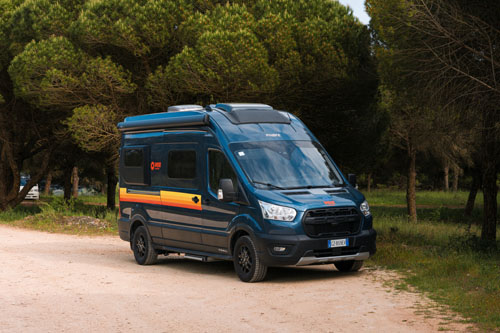
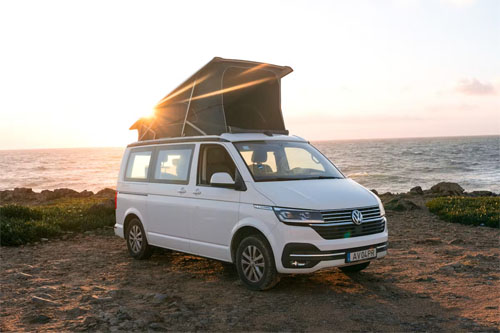
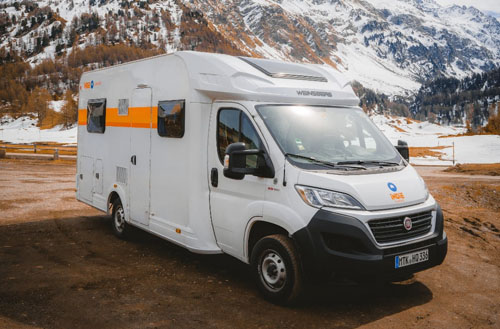
For a comfortable and manageable long-term RV travel experience in the Netherlands, a Class SI (Semi-integrated) RV or a Class B (Camper Van) is highly recommended. These vehicle classes offer a great balance of living space and maneuverability, which is particularly beneficial on Dutch roads and within smaller towns. Class SI RVs, with an average length of 6.9 meters in Bandana's global fleet, provide ample living space for 3-4 adults while remaining easy to handle. Class B Camper Vans, averaging 5.8 meters in length, offer superior agility for navigating narrower village streets and simplify parking, making them an excellent choice for couples or small families prioritizing flexibility. Both classes generally provide good fuel efficiency for extended exploration, with Class B vans being slightly more economical at 8-10 Liters/100 km compared to the Class SI's 10-11 Liters/100 km.
Should I Choose a Compact Van Instead of a Large RV in Netherlands?
While a compact van (Class B Camper Van) undoubtedly offers superior maneuverability in very tight historic centers and easier parking, larger RVs like Class SI or Class C models are generally very well-suited for the Netherlands' excellent and mostly flat road network. The primary advantage of a compact van in the Netherlands lies in its ability to navigate small village streets and fit into standard parking spots, making quick stops in denser areas more convenient. However, for long-term rentals, the enhanced comfort, more generous indoor living space, separate sleeping areas, and larger amenities of a full-size RV often outweigh the minor maneuverability benefits of a compact van. If your itinerary heavily involves frequent city center parking, a compact van might be ideal; otherwise, a larger RV typically provides a more comfortable 'home away from home' experience for extended stays without significant driving challenges.
Can I Park Anywhere? Free & Wild Camping Rules in Netherlands
When RVing in the Netherlands, it's important to know that wild camping and unrestricted overnight parking outside designated campsites are generally prohibited. The country has strict regulations against free camping to preserve its natural landscapes and agricultural areas, ensuring environmental sustainability. Therefore, travelers should primarily utilize official campgrounds, designated motorhome pitches (*camperplaatsen*), or approved RV parks for overnight stays. While rules can vary slightly by region, always research local regulations and adhere to local laws before parking overnight, as fines for illegal wild camping can be substantial.
Can I Drive an RV Into the City Center? Heights, Tunnels & Local Signage
Driving an RV into Dutch city centers is generally possible, but it requires careful attention to local signage, height restrictions, and environmental zones. Many historic city centers feature narrow streets, low bridges (often due to canals), and underpasses with specific height limitations. Always observe traffic signs indicating maximum vehicle height, weight, and width. Pay close attention to signs for environmental zones (*milieuzones*) which might restrict older diesel RVs. For major cities, it's often advisable to utilize designated Park & Ride (P+R) facilities on the outskirts and then use public transport to access the very heart of the city, ensuring a more relaxed and efficient exploration.
What Pre-Trip Planning and Insurance Do International RV Travelers Need for the Netherlands?
International RV travelers planning a trip to the Netherlands should ensure they have a valid national driving license and an International Driving Permit (IDP) if their license is not in English or Dutch. Comprehensive travel insurance is also a must. For RV rentals, specific insurance coverage like a collision damage waiver (CDW) and liability coverage are typically included or offered by the rental company. Beyond the rental, securing personal travel insurance that covers medical emergencies, trip cancellation, and personal belongings for the duration of your long-term rental is highly recommended. It's also critical to confirm that your international health insurance is valid within the Schengen Area, as this is vital for extended stays.
What Safety and Security Tips Are Specific to RV Travel in the Netherlands?
While the Netherlands is a very safe country, standard RV security practices are always wise. Always secure your rented RV by locking doors and windows, and avoid leaving valuables visible when parked, especially in urban areas or popular tourist spots. When choosing overnight parking, opt for official campgrounds or well-lit *camperplaatsen* rather than isolated areas to minimize risks. A crucial tip for RV drivers here is to be highly aware of cyclists; they often have priority in many situations, so double-checking before turning or opening doors is vital. Keep copies of important documents (passport, license, rental agreement) separate from the originals, and familiarize yourself with local emergency numbers—112 is the universal number for all emergencies.
What is the Full Cost of a Long-Term RV Rental in the Netherlands Beyond Rental Fees?
Beyond the daily or weekly rental fees, a long-term RV trip in the Netherlands involves several other significant costs. Fuel is a major consideration, with diesel consumption estimated at approximately €15-€20 per 100 km for 2026. Campsite fees typically range from €20-€50 per night, depending on amenities and location. Groceries are another essential budget item, but cooking most meals in your RV can significantly reduce overall expenses. Factor in daily activity costs, which can range from free walks and bike rides to museum entries (€15-€25 per person) and attraction tickets. Potential ferry costs for island visits (like the Wadden Islands) and occasional minor tunnel or bridge tolls should also be budgeted, though widespread road tolls are uncommon. Savvy travelers can save by utilizing supermarket loyalty programs and focusing on low-cost cultural experiences. For ideas you can prep on the road, watch our RV-friendly recipes playlist on YouTube.
What are the Best Seasons for RV Travel in the Netherlands, and What Can I Do?
Each season in the Netherlands offers a unique RV travel experience. Spring (April-May) is particularly ideal for witnessing the famous tulip fields in bloom, visiting the spectacular Keukenhof Gardens, and enjoying mild weather perfect for cycling excursions. Summer (June-August) brings warm temperatures, making it perfect for beach days along the North Sea coast, exploring charming villages, and enjoying the numerous outdoor festivals that dot the calendar. Autumn (September-October) offers beautiful fall foliage, fewer crowds, and opportunities to experience harvest festivals and wine regions amidst crisp, cool air. Winter (November-March) provides a cozy RV experience, with chances to visit traditional Christmas markets, enjoy ice skating if the canals freeze over, and explore museums in quieter, atmospheric cities.
How Can I Experience Authentic Dutch Culture and Local Experiences in an RV?
To truly immerse yourself in Dutch culture during your RV trip, actively seek out smaller, lesser-known villages and regional festivals beyond the major tourist hubs, using your RV's flexibility to explore hidden gems. Sample local cuisine by visiting farmers' markets for fresh produce, trying regional specialties like stroopwafels from a street vendor, or discovering traditional brown cafes in historic towns. Engaging with local communities is also rewarding; consider staying at smaller, family-run campgrounds or *minicampings* where you can often gain authentic insights into local life and events. Embracing cycling is essential, so rent bikes or bring your own to explore the extensive network of bike paths connecting villages, natural parks, and the unique polder landscapes for a quintessential Dutch experience.
Is RV Travel in the Netherlands Accessible for Travelers with Specific Needs (Pets, Kids, Disabled)?
RV travel in the Netherlands can be exceptionally accessible for families with kids. Campgrounds frequently feature amenities like playgrounds, pools, and organized activities, and the RV itself provides a familiar, comfortable base. Many RV rental companies are pet-friendly, allowing travelers to bring their dogs (always check specific rental policies and any associated cleaning fees). While not all RVs are specifically adapted for disabled travelers, the country's flat terrain and excellent infrastructure make general RV travel relatively easy. Some specialized accessible RV models are available for rent, though research and communication with rental companies are key. When traveling with specific needs, it's crucial to communicate your requirements in advance and research accessible campsites and attractions along your planned route to ensure a smooth and enjoyable journey.
How Can I Practice Sustainable and Eco-Friendly RVing in the Netherlands?
Practicing sustainable and eco-friendly RVing in the Netherlands is straightforward and contributes to preserving its beautiful landscapes. Responsible waste disposal is paramount; utilize designated recycling facilities at campgrounds and aim to minimize single-use plastics during your trip. Conserve water by taking shorter showers and being mindful of your usage, as water is a precious resource even in this water-rich country. Choosing eco-friendly campgrounds that prioritize sustainability through renewable energy, waste reduction, and nature conservation initiatives can enhance your positive impact. Furthermore, reduce your carbon footprint by planning efficient routes, avoiding excessive idling, and leveraging the Netherlands' exceptional cycling infrastructure for short excursions instead of always using the RV.
What is Unique About Dutch RV Culture and Etiquette?
The Netherlands possesses a vibrant RV culture, deeply rooted in the national appreciation for outdoor recreation and exploration, both domestically and internationally. Dutch RV etiquette emphasizes tidiness, respect for nature, and quiet enjoyment; always aim to leave your campsite as you found it, or cleaner, and diligently observe quiet hours, particularly in the evenings. You'll often encounter a friendly, community-oriented atmosphere at Dutch campsites, where fellow RVers are typically helpful and respectful of personal space. Be prepared for many RV sites (*camperplaatsen*) to offer simpler pitches with basic amenities, designed for self-sufficient RVs, reflecting a practical and independent approach to travel that is quintessentially Dutch.
What You Shouldn't Miss
- Explore the iconic tulip fields during spring, particularly around Keukenhof Gardens, for a truly Dutch spectacle.
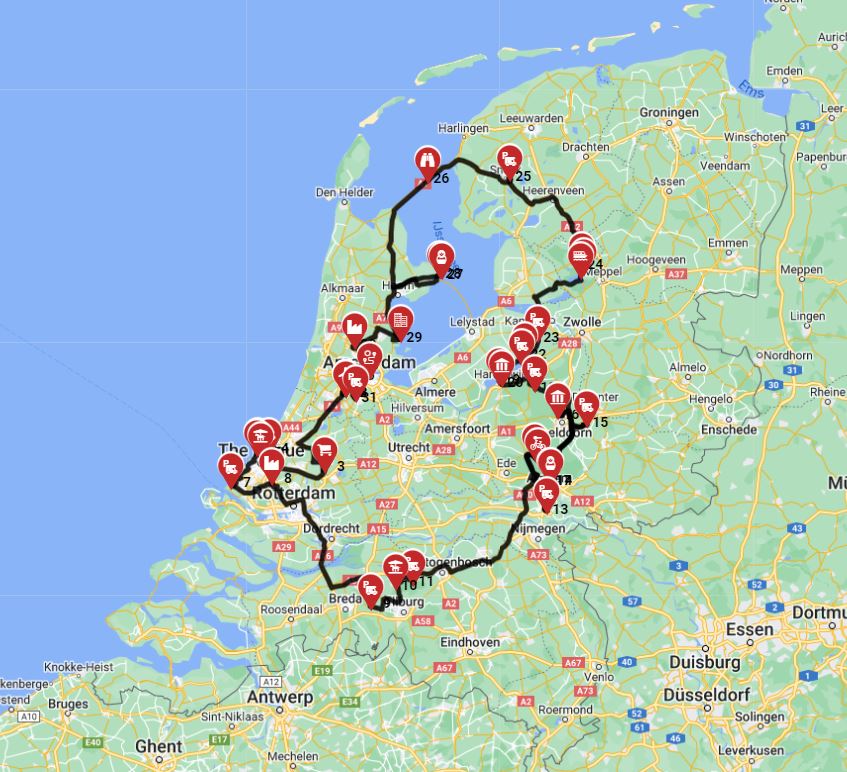
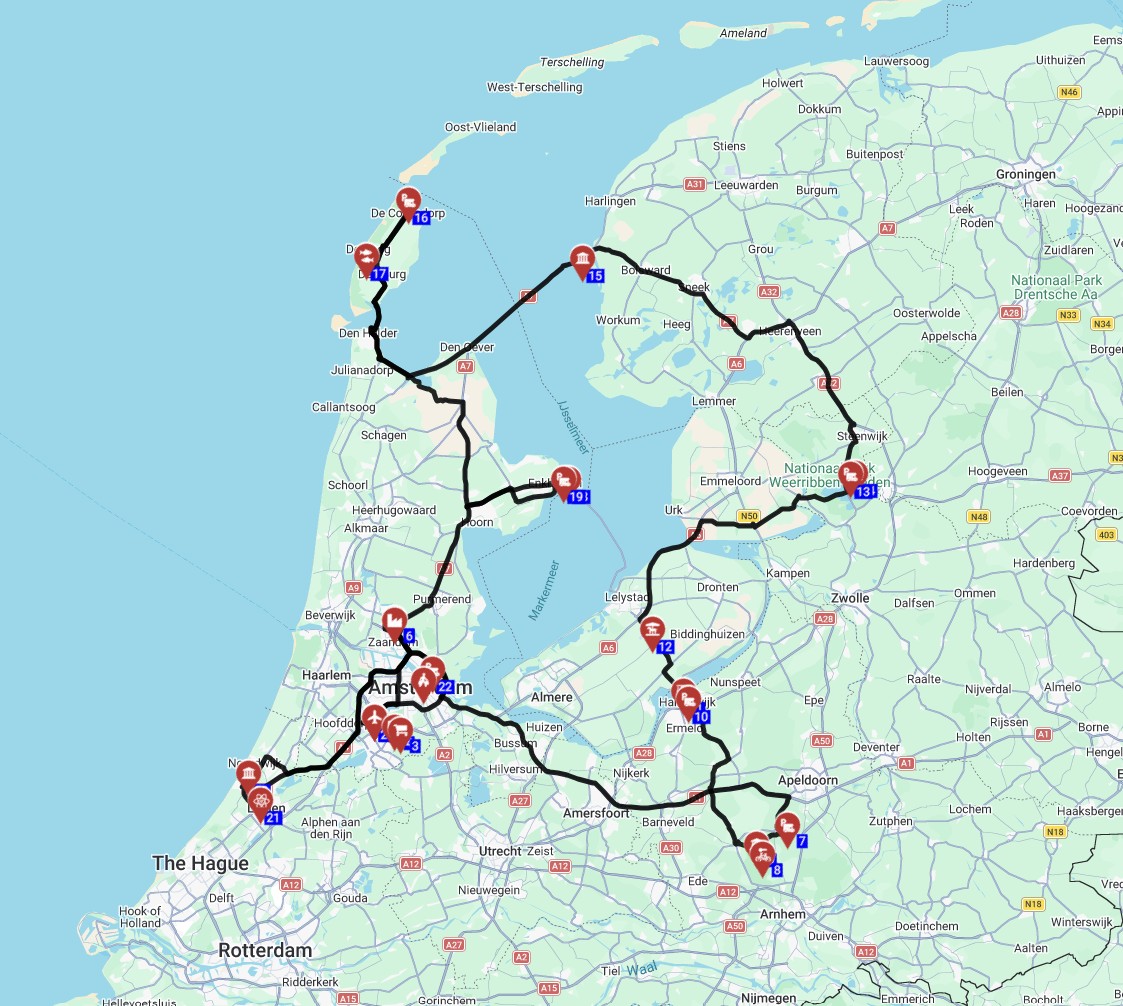
- Cycle along the extensive network of dedicated bike paths, perhaps following parts of the 'Eleven Cities Tour' itinerary.
- Discover charming, lesser-known villages and regional festivals using your RV to access hidden gems beyond major tourist hubs.
- Experience a unique drive along the Afsluitdijk, especially at night when Roosegaarde's art installations create a mesmerizing light show.
- Visit traditional windmills and historical sites, such as those in Kinderdijk, often accessible and offering great photo opportunities for RV travelers.
- Sample local cheeses at a traditional market like Alkmaar or Gouda, or enjoy fresh seafood along the coast.
Final Thoughts
Renting an RV for a long-term trip in the Netherlands offers an unparalleled way to explore its diverse landscapes, rich culture, and charming cities at your own pace. From the tulip fields of spring to the cozy Christmas markets of winter, the Netherlands is a year-round RV destination.
With Bandana Caravan, you gain access to a seamless booking process, transparent pricing, and dedicated support, ensuring your journey is as stress-free as possible. We're here to help you find the perfect motorhome for your adventure, allowing you to create lasting memories on the open road.
Get inspired for your next trip! Discover top destinations, planning tips, all in one place, and plan your perfect itinerary in advance with minimal effort and maximum enjoyment. Your Dutch RV adventure awaits!