For live availability and current prices, start with our RV Rental Japan - Complete Guide 2026 guide.
In This Guide
- Can You Drive an RV in Japan? License & Age Rules
- Road Conditions & Terrain in Japan
- RV Size Limits, Bridges & Restricted Zones
- Fuel: Diesel vs. Petrol & Cost per 100 km
- Tolls, Vignettes & Border Rules
- Driving Tips for long term rv rental Travelers
- Recommended RV Class for Japan Roads
- Should I Choose a Compact Van Instead of a Large RV in Japan?
- Can I Park Anywhere? Free & Wild Camping Rules in Japan
- Can I Drive an RV Into the City Center? Heights, Tunnels & Local Signage
- How Much Does it Cost to Rent an RV in Japan?
- What is the Best Time to RV in Japan?
- How Long Can You Rent an RV For in Japan?
- Are RVs Popular in Japan?
- Emergency & Support Services in Japan for RVers
- Connectivity & Technology for RV Travel in Japan
Can You Drive an RV in Japan? License & Age Rules
Foreigners can typically drive an RV in Japan with a valid International Driving Permit (IDP) obtained in their home country, issued under the 1949 Geneva Convention, along with their original national license. It's crucial to ensure your IDP is valid for the duration of your rental and that it aligns with the country of issuance of your national license.
Most standard RVs in Japan, typically those under 3.5 tons gross vehicle weight, can be driven with a regular Class B (or equivalent) driver's license. However, it's always essential to confirm the specific vehicle's weight and the exact license requirements with your rental provider before booking to avoid any issues. Remember, driving laws can vary, and your rental company is the best source for precise information regarding their fleet.
The minimum driver age for RV rental in Japan is generally 20 or 21 years old. Some rental companies may impose higher age limits, particularly for larger or more specialized RV classes, or implement surcharges for drivers under 25 due to perceived higher risk. Always check the age policy of your chosen rental supplier when comparing options.
Drivers are legally required to carry both their IDP and their original national driver's license at all times while operating a vehicle in Japan. Photocopies of either document are not accepted by law enforcement, so ensure you have the originals readily accessible. This is a strict rule, so be diligent about keeping them with you.
Road Conditions & Terrain in Japan
Japan boasts an excellent road infrastructure, with well-maintained national highways and expressways that are generally very suitable for RV travel. These major routes are typically wide and in good condition, providing a comfortable journey. However, many of the more scenic routes in rural and mountainous areas can be significantly narrower and more winding, requiring careful navigation and slower speeds.
Driving in Japan offers a diverse range of terrain. You'll encounter everything from the bustling, multi-lane expressways of urban centers to picturesque coastal roads and challenging mountain passes. Regions like the Japan Alps or the northern island of Hokkaido are particularly known for their stunning, yet sometimes demanding, mountain routes.
RV travelers should anticipate needing to adopt slower speeds and exercise careful navigation, especially on smaller roads. When encountering two-way traffic in narrow sections, patience and defensive driving are key. Being mindful of other road users and the dimensions of your rented RV will ensure a smoother experience.
While most main roads are exceptionally smooth, be prepared for occasional gravel or unpaved sections, particularly when accessing more remote campsites or attractions. These conditions emphasize the need for suitable vehicle ground clearance and further encourage a relaxed, scenic driving approach, allowing you to fully appreciate the journey.
RV Size Limits, Bridges & Restricted Zones
While most RVs are suitable for Japan's main roads, drivers must remain vigilant for height, width, and weight restrictions, especially within older urban centers, tunnels, and on specific bridges or mountain roads. These limitations are in place for safety and to protect infrastructure.
Many Japanese cities feature narrow streets, and older infrastructure might include low-clearance underpasses or bridges. Always pay close attention to signage, which often displays height limits in meters. A good rule of thumb is to check for these signs proactively, especially before entering tunnels or low bridges.
Certain historical or environmentally sensitive areas may have specific restrictions on large vehicle access. To mitigate traffic impact and environmental concerns, these areas often feature designated parking areas located further from attractions, encouraging the use of local public transport for the final leg of your journey.
When planning ferry crossings to islands like Hokkaido or Okinawa, it's essential to confirm RV length and height limitations directly with the ferry operator. Larger vehicles may incur additional fees or have limited space, so early verification is recommended to avoid any last-minute complications.
Fuel: Diesel vs. Petrol & Cost per 100 km
Most RVs in Japan operate on either petrol (gasoline) or diesel, with petrol being more common for smaller campervans and diesel often found in larger motorhomes. Both fuel types are widely available at service stations nationwide, so you won't have trouble finding what you need.
Bandana's global fleet averages indicate a fuel consumption for various RV classes that translates to practical figures for budgeting. For instance, a Class SI (Semi-integrated) might use 10-11 Liters/100 km, while a larger Class A could be in the 8-12 Liters/100 km range. Compact camper vans (Class B) are generally more fuel-efficient, typically using 8-10 Liters/100 km. On the routes offered through RV PLANET routes, you can itemize and track every expense along the way for easy budgeting.
Fuel costs in Japan are generally higher than in many Western countries and will represent a significant expense for long-term rentals. Based on a typical price of ¥170/liter for petrol or ¥160/liter for diesel, you can expect to pay approximately ¥1700-¥2000 per 100 km for most RVs. This is a crucial factor to consider when budgeting for your extended journey.
Some RV rental companies may offer fuel discount cards or provide specific instructions for using service stations. Be aware that some stations are self-service (セルフ), while others are full-P service with attendants. Using full-service stations is recommended if you're unfamiliar with the pumps or payment methods.
Tolls, Vignettes & Border Rules
Japan's extensive expressway system relies heavily on tolls, which are known to be quite high compared to many other countries. This makes tolls a significant budget consideration for any long-term RV rental, especially if you plan extensive travel across the nation.
There are no vignettes required in Japan; instead, tolls are typically paid per section of expressway driven. You can pay manually at toll booths or electronically via an ETC (Electronic Toll Collection) card, which is highly recommended for convenience and potential cost savings through various passes.
Many RV rental providers in Japan can supply or arrange for an ETC card. This card automatically calculates and charges tolls, greatly simplifying travel and often allowing for a smoother flow through toll gates without needing to handle cash or stop.
For long-term travel, investigate regional expressway passes, such as the Japan Expressway Pass, if they are available for tourists. These passes offer fixed-price, unlimited travel for specific periods and can significantly reduce your overall toll expenses, making them a smart choice for extensive exploration.
Driving Tips for long term rv rental Travelers
When driving an RV in Japan, remember to drive on the left side of the road and get accustomed to right-hand drive vehicles. This requires extra caution, particularly when turning corners and navigating roundabouts, which are present but less common than in some other countries.
Familiarize yourself with Japanese road rules and signs. While many signs include pictorial representations or English translations, some crucial information may remain in Japanese only. Using a reliable English-language GPS navigation system or a smartphone app like Google Maps is essential for smooth navigation.
Adhere strictly to posted speed limits, which are typically around 100 km/h on expressways, 60 km/h on national roads, and 30-40 km/h in urban or residential areas. Speed enforcement is present, and fines can be substantial, so keeping an eye on your speedometer is crucial.
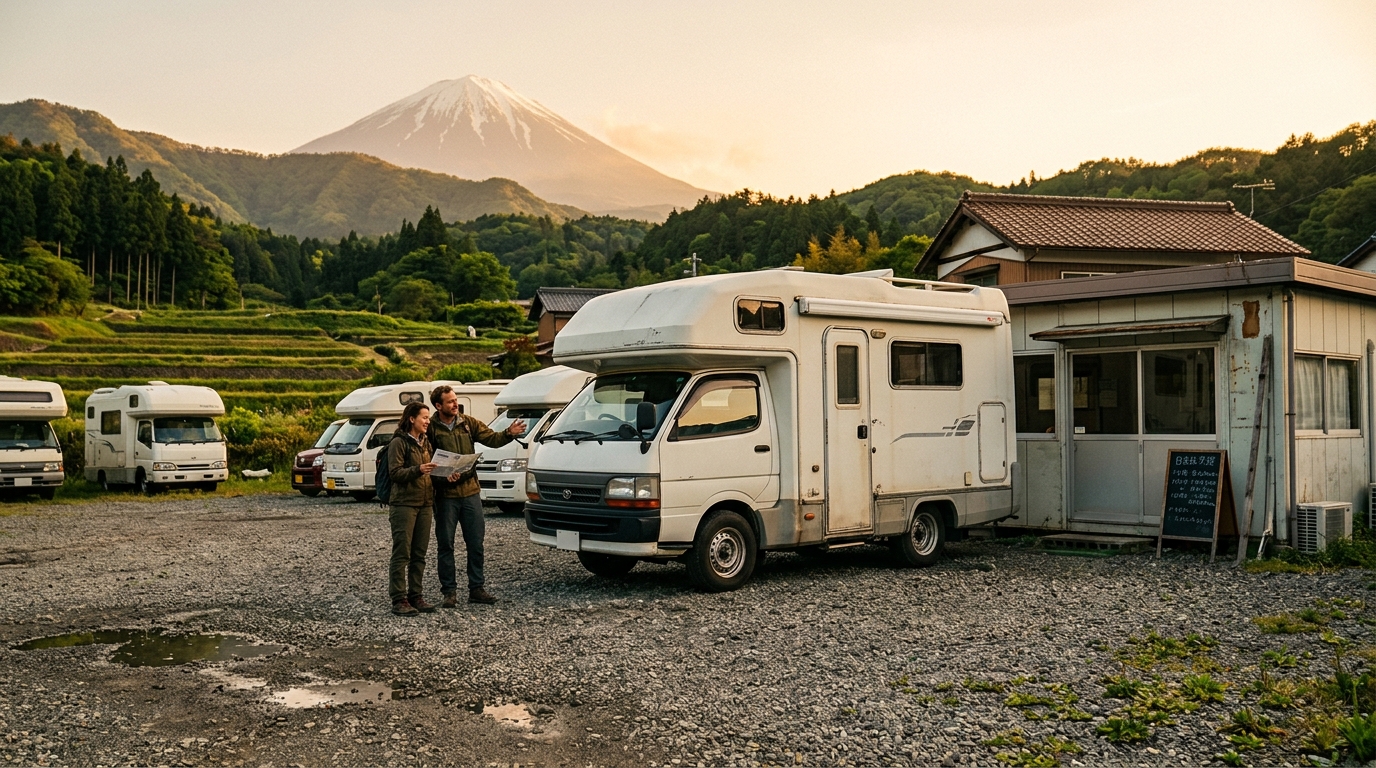
Practice proper Japanese parking etiquette. Always park only in designated spots, avoid blocking traffic, and be mindful of residential areas. Overnight parking at 'michi-no-eki' (roadside stations) is generally tolerated for rest purposes, but it's important to understand these are not intended for full-fledged camping setups.
Respect local communities by minimizing noise, especially in campsites or residential areas. Proper waste disposal in designated areas is also key, and be mindful of cultural norms when using public facilities like onsen (hot springs) or bathhouses.
Recommended RV Class for Japan Roads
For long-term RV rental in Japan, Class SI (Semi-integrated) and Class C (Alcove) RVs generally strike an excellent balance between comfort and maneuverability. These are consistently popular choices among Bandana's global fleet for diverse travel needs.
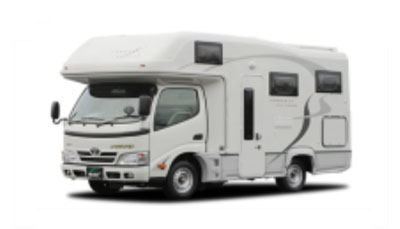
Class SI vehicles, averaging around 6.9 meters in length and offering comfortable living space for about 3-4 people, are relatively easy to navigate on both expressways and narrower provincial roads. Their design often provides a good compromise between interior space and external dimensions, making them versatile for exploring various terrains.
Class C (Alcove) RVs, typically averaging 7.5 meters in length and capable of sleeping 5-6 people, are ideal for families or larger groups requiring more dedicated sleeping and living areas. While they offer greater comfort and amenities, they do require a bit more attention in tight spaces and for parking, so a little extra care is needed.
While compact Class B camper vans, averaging about 5.8 meters, are excellent for extreme maneuverability, and luxurious Class A integrated models offer peak comfort (averaging 7.5m), the Semi-integrated and Alcove classes often provide the optimal blend of space and practicality for a comprehensive Japan tour without feeling overly cumbersome on local roads.
Should I Choose a Compact Van Instead of a Large RV in Japan?
While Japan's roads can indeed be narrow in places, a larger RV generally presents no significant issue for experienced drivers on most main routes. The added comfort and amenities of a larger vehicle often outweigh the marginal maneuverability benefits of a compact van for many travelers.
A compact camper van, like Bandana's Class B models averaging 5.8 meters in length, offers superior ease in navigating very tight city centers, historic districts, and extremely winding mountain passes where larger RVs might feel cumbersome. If your itinerary heavily features these challenging environments, a smaller option could be preferable.
Opting for a larger RV, such as a Class SI (around 6.9m) or Class C (around 7.5m), provides significantly more living space, often includes dedicated kitchen and bathroom facilities, and offers much-needed storage—all highly valued for long-term travel comfort. These features can greatly enhance your experience over an extended period. For ideas you can prep on the road, watch our RV-friendly recipes playlist on YouTube.
Consider your itinerary carefully. If frequent visits to dense urban areas or remote, off-the-beaten-path locations with limited parking are paramount, a compact van might indeed be the better choice. Otherwise, a larger RV generally enhances the long-term living experience and is usually a more comfortable trade-off for the overall journey.
Can I Park Anywhere? Free & Wild Camping Rules in Japan
In Japan, true 'wild camping' or overnight parking outside designated facilities is generally discouraged and often considered illegal due to strong cultural norms and private land ownership. Therefore, relying on designated alternatives is crucial for a smooth and respectful trip.
The most common and accepted form of overnight parking for RVs is at 'michi-no-eki' (roadside stations). These offer 24-hour facilities, restrooms, and often local produce markets and restaurants, serving as safe and convenient rest stops, though they are not official campsites.
While overnight parking for rest is usually tolerated at michi-no-eki, setting up external camping equipment like awnings, tables, or chairs is generally frowned upon and can lead to issues. These stops are intended for resting, not extended camping activities.
Official campsites are plentiful throughout Japan, offering amenities such as power hookups, water access, and waste disposal facilities. These provide a much more suitable and accepted environment for long-term RV living and overnight stays.
Rules can vary by region, so always check local regulations and prioritize following local laws before parking overnight. Prioritize designated campsites, or accept the basic nature of michi-no-eki stops for rest, always practicing respect and proper waste disposal.
Can I Drive an RV Into the City Center? Heights, Tunnels & Local Signage
Yes, you can almost always drive an RV into city centers in Japan. However, it requires careful navigation, a constant awareness of your vehicle's dimensions, and strict adherence to local signage, which can sometimes be challenging.
Pay particular attention to height limits, which are prominently displayed on tunnels, multi-story car parks, and underpasses. Some older city infrastructure might have lower clearances than you might expect, so vigilance is essential to avoid damage.
Japanese cities are generally well-signposted, but drivers must be vigilant for specific signs indicating one-way streets, restricted turns, environmental zones, residents-only access areas, or specific vehicle size restrictions. Some signs may primarily be in Japanese, so a good translation app or prior knowledge can be helpful.
Finding suitable parking for larger RVs in dense city centers can be both challenging and expensive. It is often more practical to park at a city-edge facility or a major train station and utilize Japan's excellent public transport system for sightseeing within the city.
How Much Does it Cost to Rent an RV in Japan?
The total cost to rent an RV in Japan for the long term involves several key components beyond the daily rental fee. These include high tolls, fuel, potential michi-no-eki usage fees, paid campsite fees, and a realistic budget for food and activities.
Daily rental fees for an RV in Japan can range significantly, typically from ¥10,000 to ¥30,000+ (approximately $67-$200+ USD), depending heavily on the RV class, the season, and the rental duration. Longer-term rentals often qualify for better daily rates, so factor this into your budget planning.
Budget generously for tolls, which are notoriously high on Japanese expressways and can accumulate rapidly over an extended trip. Using an ETC card is essential not only for convenience but also for potentially accessing cost savings through various regional or national passes.
Don't forget to factor in fuel costs, estimated at ¥1700-¥2000 per 100 km for most RVs. Additionally, campsite fees can range from ¥2,000 to ¥5,000 per night for a powered site, so plan accordingly. A realistic budget for food, entrance fees, and potential onsen visits is also crucial.
A comprehensive long-term budget should also include costs for public bathhouses or onsen, as RVs may have limited shower facilities, especially smaller campervans. Ensure you allocate funds for designated waste disposal points and maintain an emergency fund for unforeseen circumstances.
What is the Best Time to RV in Japan?
The best time to RV in Japan depends largely on your desired activities and the specific regions you plan to explore. However, spring (March-May) and autumn (September-November) generally offer the most pleasant weather and showcase stunning natural beauty across the country.
Spring is particularly ideal for cherry blossom (sakura) viewing, though the bloom dates vary significantly by region (e.g., Kyushu in late March, Hokkaido in early May). This requires flexible planning due to high demand and specific bloom periods, so book well in advance if targeting sakura season.
Autumn brings spectacular fall foliage (koyo), which is particularly vibrant from late October to early December in many mountainous areas. The cooler temperatures during this season are perfect for hiking and enjoying outdoor activities.
Summer (June-August) can be hot and humid, with a risk of typhoon activity, especially from July through September. However, it’s excellent for exploring cooler northern regions like Hokkaido or enjoying coastal activities and festivals.
Winter (December-February) is suitable for those interested in skiing and visiting snow festivals, particularly in Hokkaido and the Japan Alps. Be aware that some mountain roads may be closed due to heavy snow, and adequate cold-weather RV preparation is essential for safety and comfort.
How Long Can You Rent an RV For in Japan?
You can typically rent an RV in Japan for a wide range of durations, from just a few days to several months. Many operators specifically cater to long-term travelers, offering specialized long-term rental options for extended exploration.
While short-term rentals are common, many companies provide better daily rates for rentals that exceed 2-4 weeks or even several months. This tiered pricing structure makes extended road trips more economical and attractive.
Long-term rentals require careful consideration regarding insurance coverage, scheduled maintenance, and potentially vehicle registration if you plan to exceed specific timeframes allowed for tourist vehicles. Your rental company will be able to advise on these logistical aspects.
It's also important to consider Japanese visa regulations for your nationality. A long-term RV rental might necessitate a specific visa category that allows extended stays beyond standard tourist limits, especially for durations exceeding 90 days.
Are RVs Popular in Japan?
RVs and campervans are indeed growing significantly in popularity in Japan. They appeal to both domestic travelers seeking outdoor adventures and international visitors looking for flexible, immersive travel experiences, making them a key part of modern tourism.
This rise in popularity is well-supported by Japan's robust network of 'michi-no-eki' (roadside stations), which provide convenient and safe overnight stops for RVers, alongside numerous well-equipped private campsites scattered throughout the country.
Japanese RV culture often emphasizes compact, efficient designs that are well-suited for local roads. A strong emphasis is placed on respecting local rules and etiquette, which foreign renters are expected to embrace to ensure harmonious travel.
The increased interest in 'workation' (work + vacation) and a general surge in outdoor activities post-pandemic have further boosted RV rentals. This trend positions them as a trendy and accessible way to explore Japan's diverse landscapes and unique regional attractions.
Emergency & Support Services in Japan for RVers
In the event of a breakdown or accident, your first and most important step is to immediately contact your RV rental company. They typically provide 24/7 roadside assistance and will guide you to local support services, often with English-speaking help available.
For medical emergencies, dial 119 for ambulance and fire services, or 110 for police assistance. It's advisable to carry essential medical information, including any allergies or pre-existing conditions, along with your travel insurance details.
Ensure your rental agreement includes comprehensive insurance coverage for accidents and damages. Thoroughly understand the deductible (excess) policy before embarking on a long-term trip, as this can significantly impact your out-of-pocket expenses in case of an incident.
Familiarize yourself with basic Japanese phrases for emergencies, such as 'Tasukete kudasai!' for 'Please help me!' Alternatively, utilize translation apps, as English support may be limited outside of major tourist hubs. Being prepared with basic communication can be invaluable.
Connectivity & Technology for RV Travel in Japan
Staying connected in Japan is generally straightforward and crucial for navigation and general convenience. Renting a pocket WiFi device or purchasing a local data-only SIM card upon arrival is highly recommended for reliable internet access on the go.
Japanese navigation systems can be very detailed, but they sometimes operate solely in Japanese. Using an English-language smartphone app like Google Maps or Apple Maps, especially with offline map capabilities, is strongly recommended for ease of use and reliability.
Ensure your rental RV is equipped with sufficient charging ports (USB and AC outlets) for all your devices. Consider bringing power banks or a portable inverter for additional power independence, particularly if you plan to spend significant time parked at michi-no-eki or remote rest stops.
Most official campsites offer electricity hookups, allowing you to fully charge devices and use larger appliances. However, michi-no-eki and general rest stops are less likely to provide power access, so planning for this is important.
What You Shouldn't Miss
- Drive the scenic coastal routes along the Sea of Japan, stopping at charming fishing villages.
- Experience the majesty of Mount Fuji by RV, exploring the Fuji Five Lakes region and its surrounding national parks.
- Journey through the Japanese Alps, enjoying breathtaking mountain vistas and unique roadside stations (michi-no-eki) offering local delicacies.
- Explore the historical city of Kyoto via RV, parking at convenient city outskirts and using public transport to navigate.
- Discover the volcanic landscapes and hot springs of Hakone, easily accessible by RV for a relaxing natural retreat.
- Visit a 'michi-no-eki' in Hokkaido for fresh seafood and stunning rural views, experiencing authentic Japanese roadside culture.
Final Thoughts
Embarking on an RV adventure in Japan offers an unparalleled way to experience its diverse landscapes and rich culture. From the bustling cities to the serene countryside, a rented RV provides the freedom and flexibility to explore at your own pace.
Remember that planning is key, especially when it comes to understanding local driving customs and securing ideal parking or campsites. With Bandana Caravan's commitment to transparency and support, you're well-equipped to plan a memorable long-term RV journey through the Land of the Rising Sun.
Embrace the slow travel philosophy, take your time to connect with the places you visit, and savor every moment of your Japanese RV adventure!