In This Guide
- Can You Drive an RV in Iceland? License & Age Rules
- Road Conditions & Terrain in Iceland
- RV Size Limits, Bridges & Restricted Zones
- Fuel: Diesel vs. Petrol & Cost per 100 km
- Tolls, Vignettes & Border Rules
- Driving Tips for Long Term RV Rental Travelers
- Recommended RV Class for Iceland Roads
- Should I Choose a Compact Van Instead of a Large RV in Iceland?
- Can I Park Anywhere? Free & Wild Camping Rules in Iceland
- Can I Drive an RV Into the City Center? Heights, Tunnels & Local Signage
- How Much Does a Long-Term RV Rental Trip in Iceland Cost?
- Which RV Types Are Suitable for Iceland's F-Roads and Highlands?
- Is Off-Season or Shoulder Season RV Travel in Iceland Recommended?
- How to Plan Meals and Grocery Shopping for an RV Trip in Iceland?
- What Are the Essential Safety and Emergency Preparedness Tips for RVing in Iceland?
- How to Practice Environmental Responsibility While RV Camping in Iceland?
- What You Shouldn't Miss
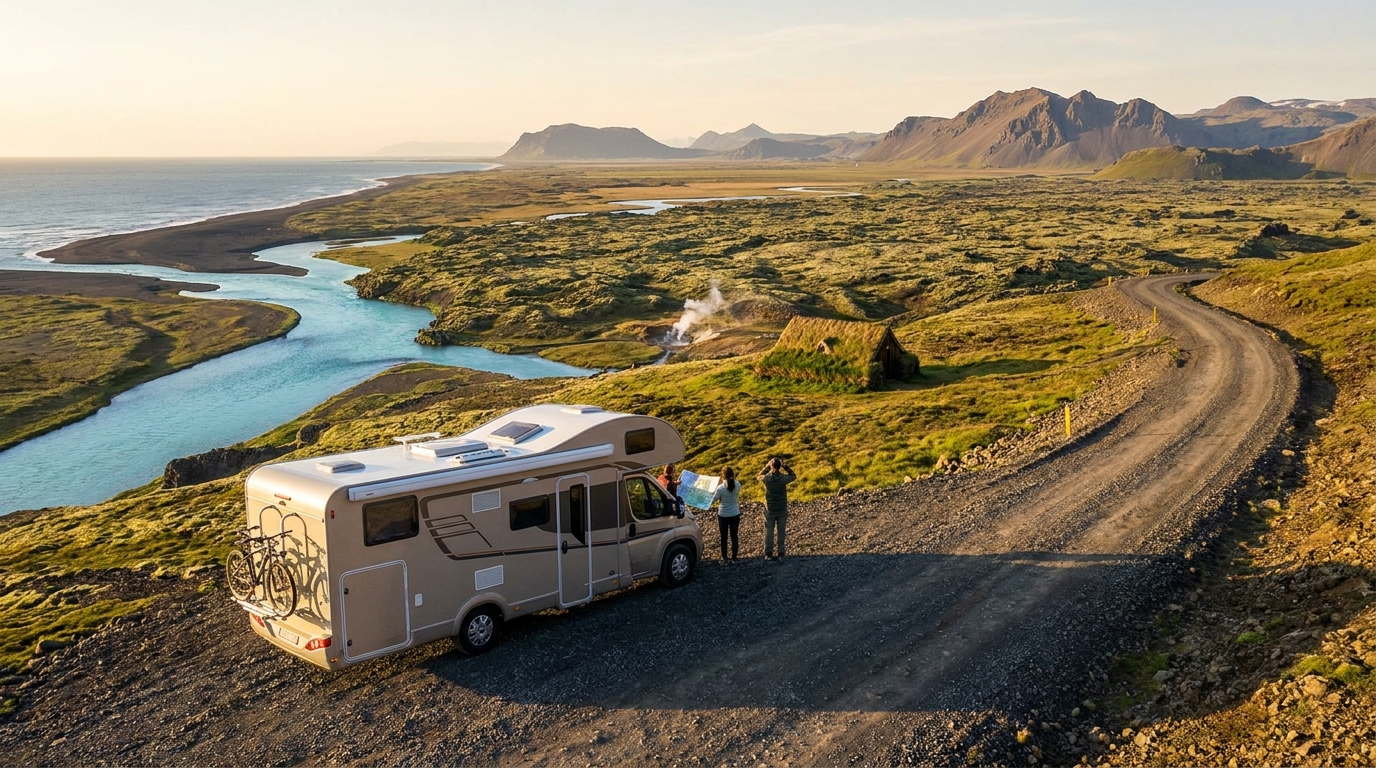
Iceland, the "Land of Fire and Ice," offers an unparalleled adventure for long-term RV travelers seeking to immerse themselves in stunning landscapes. From the vibrant capital of Reykjavik to remote glaciers and black sand beaches, a long-term RV rental provides the freedom and flexibility to explore at your own pace. With Bandana RV, you're partnering with true RV specialists who understand the nuances of extended road trips, offering full transparency and 24/7 support throughout your booking process. For live availability and current prices, start with our RV Rental Iceland - Complete Guide 2026 guide.
Planning a multi-week or even month-long trip requires careful consideration of local regulations, road conditions, and budgeting. This comprehensive guide will equip you with all the essential information for an unforgettable long-term motorhome adventure across Iceland, ensuring you travel slowly, max 100-150 km per day on average, to truly connect with the culture, food, and scenery. On the routes offered through RV PLANET routes, you can itemize and track every expense along the way for easy budgeting.
🎬 Video coming soon
Can You Drive an RV in Iceland? License & Age Rules
Yes, you can absolutely drive a rented RV in Iceland, with a standard Category B driver's license generally sufficient for most motorhomes under 3,500 kg MAM (Maximum Authorized Mass). For international visitors, a valid national driver's license is required, and an International Driving Permit (IDP) is highly recommended for licenses not in Latin script to avoid any misunderstandings with local authorities. The minimum rental age for motorhomes in Iceland is typically 21 years old, with no young driver surcharges or vehicle class restrictions based on age across Bandana's partner suppliers.
Even for larger Class A motorhomes, a regular car license is usually all you need, ensuring accessibility for almost all travelers. Iceland's licensing rules are straightforward, making it easy to embark on your long-term adventure. Remember to carry your physical driver's license and, if applicable, your IDP at all times while driving. It's also wise to familiarize yourself with basic Icelandic road signs before you hit the road, which can easily be found online.
Road Conditions & Terrain in Iceland
Iceland's road conditions vary significantly, with the famous Ring Road (Route 1) being predominantly paved and well-maintained, offering a smooth and scenic drive for your long-term motorhome rental. This 1,322 km coastal route is suitable for all rental motorhome classes, including a 6.9m Class SI Semi-integrated RV or a 5.8m Class B Camper Van. Secondary roads, however, can often be gravel, narrower, and less predictable, requiring reduced speeds and careful driving to navigate safely. Always adjust your speed to the conditions, especially when encountering loose gravel or potholes.
F-roads, which access the breathtaking Highlands, are unpaved, rugged, and frequently involve unbridged river crossings, strictly requiring specialized 4x4 vehicles not typically found in standard RV rentals. It is important to note that most 2WD rental motorhomes are prohibited on F-roads by rental agreements due to the high risk of damage. Beyond the road surface, rapidly changing weather conditions, including high winds (which can impact larger vehicles like a Class C motorhome), heavy rain, and potential ice or snow even in summer, significantly impact driving conditions across Iceland. Always check road.is and vedur.is for up-to-date information before and during your journey to ensure a safe long-term RV driving experience in Iceland.
RV Size Limits, Bridges & Restricted Zones
Iceland does not have widespread urban environmental zones that restrict RV access, but drivers must always observe local signage for height, weight, and parking restrictions, particularly in smaller towns or specific areas. Most standard rental RVs, such as Bandana's Class SI motorhome averaging 6.9m in length, can comfortably navigate Icelandic roads, tunnels, and bridges without issues. For example, the Hvalfjörður Tunnel has no height restrictions relevant to standard RVs.
Some older, single-lane bridges, especially in remote areas or on secondary routes, may have specific weight or width limits requiring extra caution. Always check for oncoming traffic before proceeding over these bridges and yield if necessary. If you plan to take a ferry service, such as to the Westman Islands, be aware that these services have strict length and weight limits, so you'll need accurate vehicle dimensions for booking your spot. Overall, with common sense and careful driving, you can drive almost anywhere in Iceland without issues, regardless of your motorhome size. There's no need to stress about city driving or narrow roads – just pay attention.
Fuel: Diesel vs. Petrol & Cost per 100 km
Most long-term rental RVs in Iceland, including Bandana's global fleet featuring models like a Class SI or Class B campervan, run on diesel, which is widely available at fuel stations across the country. Fuel consumption for a rented motorhome typically ranges from 8-17 Liters/100 km; for example, a compact Class B campervan might consume 8-10 L/100 km, while a larger Class SI could consume 10-11 L/100 km. The average cost per 100 km in Iceland is determined by multiplying your RV's specific consumption rate by the fluctuating local fuel prices, which are generally higher than in many other European countries.
To help manage your budget on a long-term trip, some rental providers, including Bandana partners, may offer fuel discount cards that can provide significant savings. It's wise to fill up your tank whenever you see a fuel station, especially in more remote areas, as they can be sparse. For budgeting purposes, remember that all ancillary trip costs, including fuel, can be itemized and tracked on RV PLANET routes, helping you stay on top of your daily expenses.
Tolls, Vignettes & Border Rules
Iceland has very few tolls, simplifying long-term RV travel significantly compared to other European destinations. The main toll road is the Vaðlaheiðargöng tunnel, located near Akureyri in northern Iceland, which offers a shortcut that bypasses a mountain pass. You can easily pay this toll online at tunnel.is (within 3 hours of passage or after for a higher fee) or via automatic registration if you choose not to pre-pay. Unlike many European countries covered in our RV Rental Europe - Complete Guide 2026, Iceland does not use a vignette system for general road access, meaning no special stickers or passes are required for its road network.
As an island nation, Iceland has no land borders, so considerations for international travel with an RV typically involve shipping, which is not part of standard long-term rentals. Rental companies may offer options to pre-pay tolls for the Vaðlaheiðargöng tunnel, further simplifying your journey and helping you avoid potential fines. Always be aware of any local road construction or temporary closures by checking road.is for the most current information, especially during shoulder and off-peak seasons.
Driving Tips for Long Term RV Rental Travelers
For long-term RV travelers in Iceland, embracing slow travel is key; aim for a maximum of 100-150 km per day on average to truly appreciate the breathtaking scenery and unique culture. If you're traveling with family, plan frequent stops every 2-3 hours at scenic spots, playgrounds, or geothermal pools to prevent fatigue and keep everyone comfortable and engaged. Budget-conscious adventurers should actively utilize any fuel discount cards offered by their rental supplier, cook most meals in their rented RV's well-equipped kitchen to save on dining out expenses, and diligently track all expenses.
Always inform local authorities, such as SafeTravel.is, of your itinerary, especially when venturing into remote areas or planning hikes. Be prepared for Iceland's rapidly changing weather, including strong winds and sudden shifts in precipitation; always check road.is and vedur.is before and during travel. It is critical to strictly adhere to 'Leave No Trace' principles and only drive on marked roads, as off-road driving is illegal in Iceland and causes severe, irreversible environmental damage to its fragile volcanic landscapes. We want to support your amazing experience both before, during, and after your booking!
Recommended RV Class for Iceland Roads
For long-term RV travel in Iceland, Class SI Semi-integrated motorhomes, typically averaging 6.9m in length with a fuel consumption of around 10-11 L/100 km, offer an excellent balance of comfort, living space, and maneuverability. These vehicles, such as a "2 Berth Tamar", provide ample amenities for extended stays while remaining agile enough for most Icelandic roads, including the Ring Road and accessible gravel secondary routes. Class B Camper Vans, averaging 5.8m in length and consuming about 8-10 L/100 km, are an ideal choice for couples or solo travelers who prioritize agility, easier parking, and better fuel economy for their adventure.
Both Class SI and Class B motorhomes are well-suited for the vast majority of Icelandic roads and offer sufficient ground clearance for most gravel sections you'll encounter on main routes. While larger RVs like Class C (averaging 7.5m) or Class A (averaging 7.5m) provide more luxury and space, they can be more challenging to drive on narrow roads and are more susceptible to strong Icelandic winds. Ultimately, the best choice depends on your group size, budget, and desired comfort level, but mid-sized campervans and semi-integrated models provide the most practical and enjoyable long-term RV driving experience in Iceland.
Should I Choose a Compact Van Instead of a Large RV in Iceland?
For long-term travel in Iceland, the enhanced comfort and living space of a larger RV, such as a Class SI Semi-integrated model, often makes it a more suitable choice than a compact campervan. While compact vans (e.g., a Class B Camper Van like "Juliette 2-3") offer superior maneuverability and better fuel efficiency, typically consuming 8-10 L/100 km, these benefits are most pronounced for short trips or solo travelers. For extended stays, the additional storage, proper bathroom facilities, and greater interior comfort of a larger motorhome become invaluable, especially when encountering Iceland's varied and unpredictable weather conditions.
Most Icelandic roads, including the popular Ring Road, are well-suited for standard RV sizes, meaning larger vehicles generally do not encounter significant driving difficulties. Drive slowly and carefully, and you can drive almost anywhere without issues. No need to stress - just use common sense and pay attention. If you prioritize amenities like a larger refrigerator for your RV-friendly recipes playlist, more sleeping options, or a dedicated dining area for a family of four, a Class SI or even a smaller Class C motorhome like a "24' Class C Motorhome" might be the better fit for your long-term Icelandic adventure.
Can I Park Anywhere? Free & Wild Camping Rules in Iceland
Wild camping or free camping with a rented RV in Iceland is generally prohibited outside of designated campsites for motorized vehicles, a strict regulation designed to protect the country's incredibly fragile environment. Icelandic laws require motorhomes and campervans to stay overnight in recognized campsites, with substantial fines for illegal parking. This applies universally across the country, so always plan to stay at an official campground for your long-term trip. For detailed information on where to stay, refer to our "RV Camping in Iceland - Best Campgrounds 2026" route plan.
Iceland boasts a comprehensive network of campsites, especially along the Ring Road and in popular tourist areas, offering essential facilities like electricity hookups, fresh water, and waste disposal stations. While some older, simpler sites might only provide basic amenities, many offer showers, kitchens, and communal areas. Rules and available facilities can vary by region and campground operator, so it's always recommended to check local regulations and call ahead before driving to a specific location, especially during peak season. Remember that while many national and state parks reserve only 25-30% of spots for advance booking, the rest are often available on a first-come-first-serve basis, meaning you'll likely find a spot if you're flexible and call ahead.
Can I Drive an RV Into the City Center? Heights, Tunnels & Local Signage
Yes, you can generally drive a rented RV into Icelandic city centers, including Reykjavik, as there are no widespread bans on motorhome access. Drivers should always pay close attention to local signage regarding parking regulations, potential height limits (though rare for standard rental RVs like a "Class SI - Semi-integrated" or "Class B - Camper Van"), and residents-only streets. Parking in central Reykjavik, particularly, can be challenging and expensive due to limited space, making it advisable to use designated RV parking areas on the outskirts of the city or public transportation to explore the core.
Most tunnels and bridges across Iceland are designed to accommodate standard RVs without issue, ensuring smooth transit. However, always be vigilant for any specific height or width restrictions displayed on site, especially for smaller, older infrastructure on less-traveled routes. Our philosophy at Bandana RV is that you can drive almost anywhere without issues if you drive slowly and carefully, use common sense, and pay attention. Your long-term RV rental in Iceland provides a mobile base that grants you the flexibility to visit cities, but perhaps parking it a little further out is the easiest approach for city exploration.
How Much Does a Long-Term RV Rental Trip in Iceland Cost?
A long-term RV rental trip in Iceland requires comprehensive budgeting beyond just the rental fee, encompassing significant fuel costs, campsite fees, groceries, and activities. The rental price itself is dynamic, changing daily based on availability, seasonality, and supplier marketing decisions, similar to flight tickets. For example, a "Class B - Camper Van" might start from $100-$150 USD per day in the shoulder season, while a larger "Class C - Alcove" could range from $170-$250+ USD per day during peak summer.
Fuel is a major expense, with an RV consuming 8-17 L/100 km. With current Icelandic fuel prices, this could easily cost thousands of ISK per 100 km, potentially adding hundreds or even thousands of dollars to a month-long trip. Campsite fees average 2,000-3,000 ISK (approximately $15-$25 USD) per night for a powered site, with the Iceland Camping Card offering potential savings for extended stays at participating campgrounds. Grocery prices in Iceland are notably higher than in many other countries, necessitating a budget of 5,000-10,000 ISK (approximately $35-$75 USD) per day for food for two people, even when cooking all meals in the RV. Factor in activity costs, such as glacier hikes or whale watching tours, which can add another 10,000-25,000 ISK ($75-$185 USD) per person per activity. For a detailed breakdown of costs and ways to save, check out "Cheap RV Rental in Iceland - Budget Guide 2026" and "RV Rental in Iceland - Prices and Best Deals 2026".
Which RV Types Are Suitable for Iceland's F-Roads and Highlands?
Only purpose-built 4x4 RVs or specific 4x4 truck campers with high ground clearance are legally permitted and genuinely suitable for Iceland's challenging F-roads and Highlands. Most standard 2WD rental motorhomes, including popular Class SI, Class C, and Class B models, are strictly prohibited on F-roads by rental agreements due to their lower ground clearance and high risk of irreparable damage from the rugged terrain and numerous unbridged river crossings. Travelers wishing to venture into the interior Highlands, which are primarily accessed via these specialized F-roads, must explicitly rent a vehicle designed for such conditions, like a "4x4 Camper B - THOR" or a "4x4 Scout Adventure Truck Camper Gold".
Attempting to drive a non-4x4 RV on an F-road will invalidate your insurance, incur significant fines, and likely result in costly damage to the vehicle. These specialized 4x4 campers offer enhanced durability and ground clearance necessary to navigate the rough, unpaved surfaces and water crossings safely. Always confirm with your rental provider that the vehicle you choose is explicitly permitted for F-road travel if the Highlands are part of your long-term Iceland route plan. Our sister company, RV PLANET, offers detailed itineraries that specify appropriate vehicle types for various Icelandic regions.
Is Off-Season or Shoulder Season RV Travel in Iceland Recommended?
Off-season or shoulder season RV travel in Iceland, typically from September through May, can be a highly rewarding experience, offering unique benefits such as significantly fewer tourists and often lower rental prices. This period provides enhanced opportunities for Northern Lights viewing, with clear, dark skies away from city light pollution. However, it demands extensive preparation for unpredictable and potentially severe weather, including strong winds, heavy rain, snow, and ice, which can rapidly change conditions.
Travelers must be acutely aware of potential road closures, especially for mountain passes and F-roads, which are often impassable outside of summer. Flexibility with your itinerary is paramount during these months. Ensure your rented RV is equipped for winter conditions with appropriate heating, insulation, and studded tires, which many rental companies provide during the colder months. Constantly monitor weather forecasts via vedur.is and road conditions via road.is before and during your travel. While rental costs may be lower, typically offering savings of up to 30% or more compared to peak summer rates, you should budget for increased fuel consumption due to colder temperatures and potentially slower driving speeds. For more insights on costs, explore "RV Rental Deals in Iceland - Latest Offers 2026".
How to Plan Meals and Grocery Shopping for an RV Trip in Iceland?
Strategic meal planning and efficient grocery shopping are crucial for managing costs and ensuring food availability during a long-term RV trip in Iceland. Major budget supermarkets such as Bonus, Krónan, and Nettó are found primarily in larger towns and cities like Reykjavik, Akureyri, and Selfoss. It's highly advisable to stock up extensively on non-perishable and staple items when passing through these locations, as smaller towns have limited options and higher prices. You can save money on groceries when cooking inside your rental motorhome.
Focus on simple, hearty meals that are easy to prepare in a small RV kitchen. Local produce can be seasonal and expensive, but items like Icelandic dairy, lamb, and fresh fish are excellent and worth incorporating into your meals. Remember, tap water in Iceland is of exceptionally high quality and perfectly safe to drink, so refilling your RV's freshwater tank at campsites is efficient and negates the need for bottled water. For culinary inspiration on the road, check out our RV-friendly recipes playlist.
What Are the Essential Safety and Emergency Preparedness Tips for RVing in Iceland?
Essential safety for RVing in Iceland includes vigilant driving due to strong winds, gravel roads, and rapidly changing weather conditions, which can quickly turn a clear day into a challenging one. Always program Iceland's emergency number (112) into your phone, and for journeys into very remote areas with patchy cell service, consider renting a satellite phone or a Personal Locator Beacon (PLB). It is also highly recommended to inform SafeTravel.is of your travel plans and expected routes, especially when venturing off main roads or undertaking hikes.
Always carry extra food, water, and warm, waterproof clothing, even during summer, as weather can shift dramatically. Before departing, ensure you fully understand your rental RV's breakdown procedures and have immediate access to roadside assistance contact details provided by your supplier. Bandana RV's partners are reliable, but unforeseen issues can arise. By being prepared and checking resources like road.is and vedur.is frequently, you can ensure a safer and more enjoyable long-term RV rental in Iceland.
How to Practice Environmental Responsibility While RV Camping in Iceland?
Practicing environmental responsibility in Iceland requires strict adherence to 'Leave No Trace' principles to protect its delicate ecosystems. Always pack out all your waste, including organic matter, and dispose of it at designated rubbish bins at campsites or towns. It is crucial to only empty greywater and blackwater tanks at approved RV waste disposal stations, which are available at most campsites, to prevent contamination of soil and water sources. Never empty tanks into nature.
Conserve water, especially when showering or washing dishes in your rented motorhome, as fresh water, while plentiful in Iceland, should still be respected. Most importantly, always stay on marked roads and trails; off-road driving is illegal and causes irreversible damage to Iceland's fragile moss and volcanic landscapes, which can take decades or centuries to recover. Respect local communities by parking courteously, keeping noise levels down, and supporting local businesses when you stop for supplies or activities. Remember, we're all guardians of this beautiful land, ensuring it remains pristine for future generations.
What You Shouldn't Miss
Embarking on a long-term RV rental in Iceland opens up a world of unparalleled natural beauty and unique experiences. Here are some top recommendations for your extended adventure:
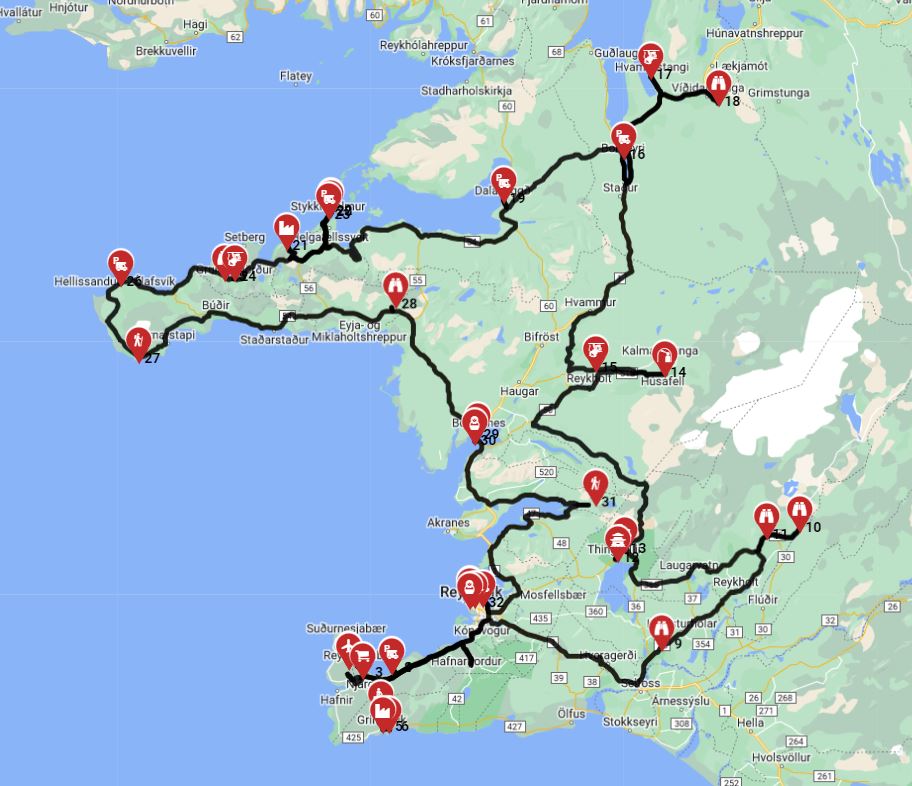
- The Golden Circle: While often done in a day, spending more time in this iconic region with your RV allows for deeper exploration of sights like Gullfoss waterfall, Geysir geothermal area, and Þingvellir National Park. Consider a 9-day itinerary like the
route plan, which includes 5 natural features and 2 spas.
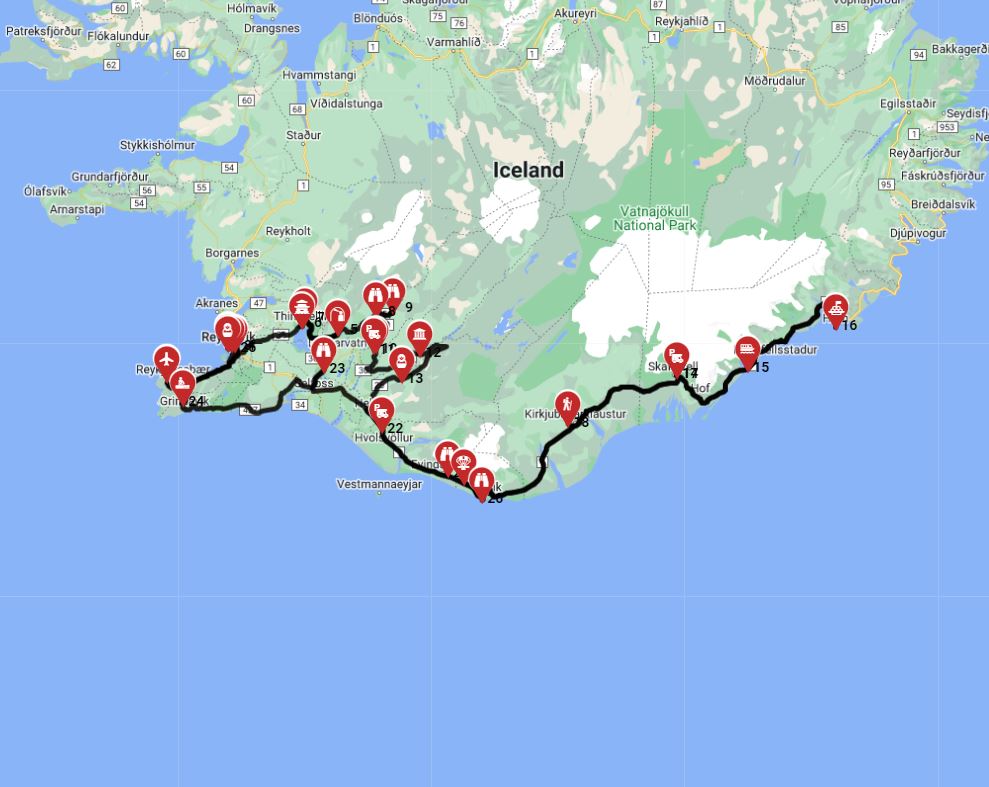 Iceland Golden Circle - South West
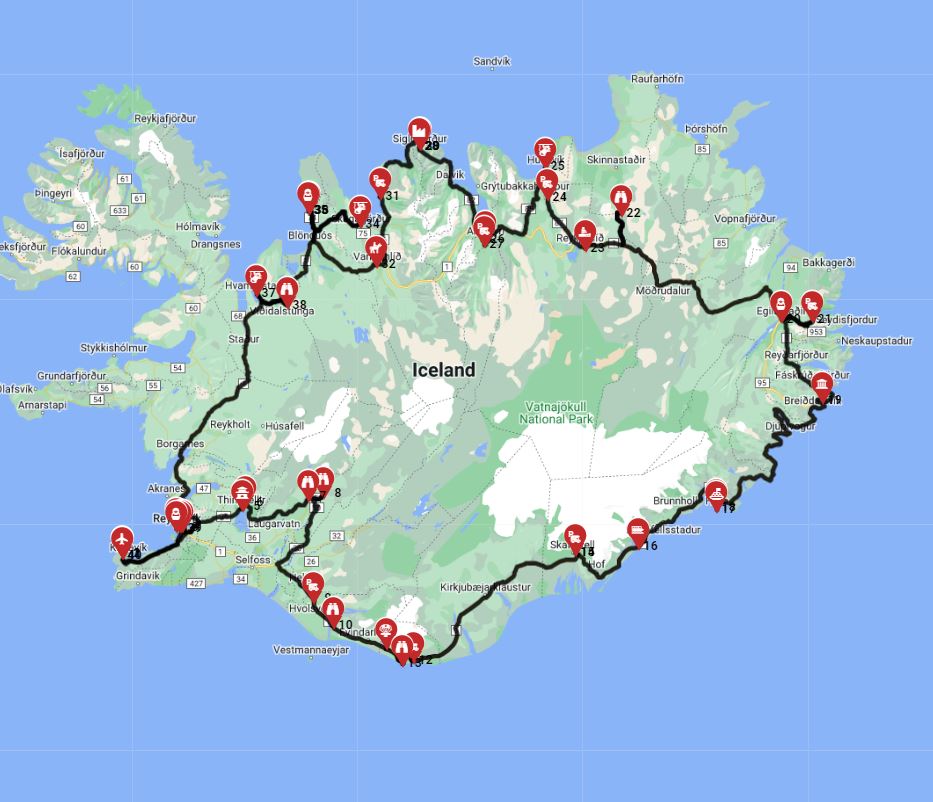
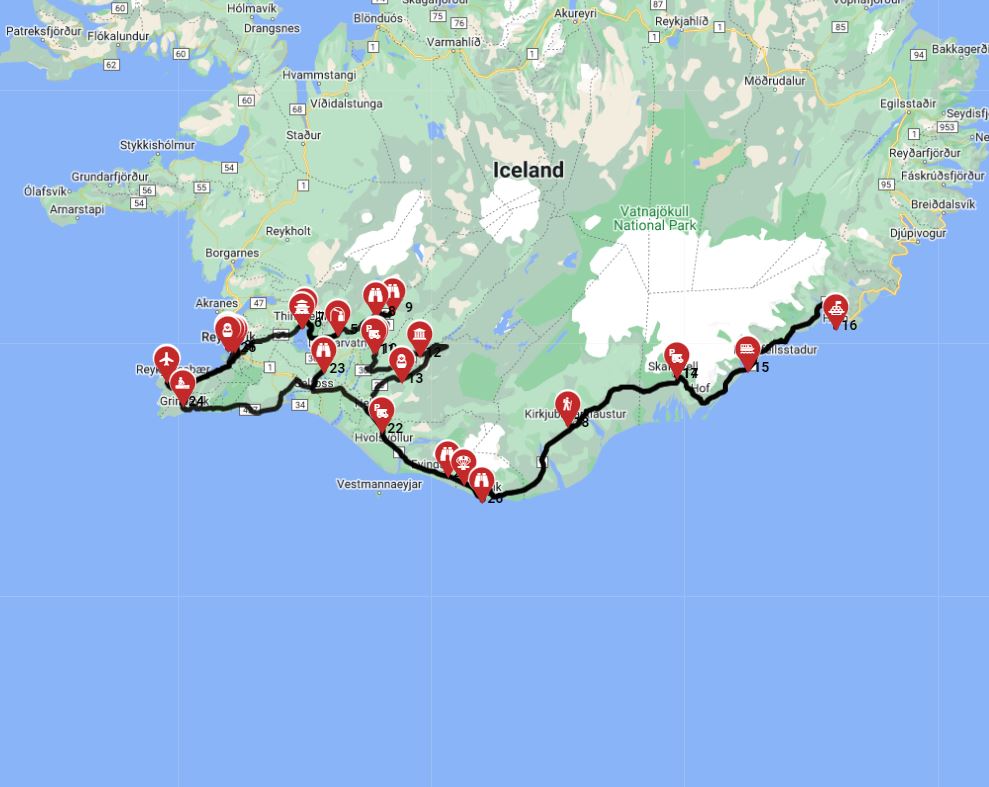
 - The Full Ring Road Adventure: Dedicate at least two weeks, if not more, to circumnavigate the entire island. A 15-day route like the
itinerary will take you through stunning landscapes, including 6 natural features, 1 botanical garden, and opportunities for wildlife watching.
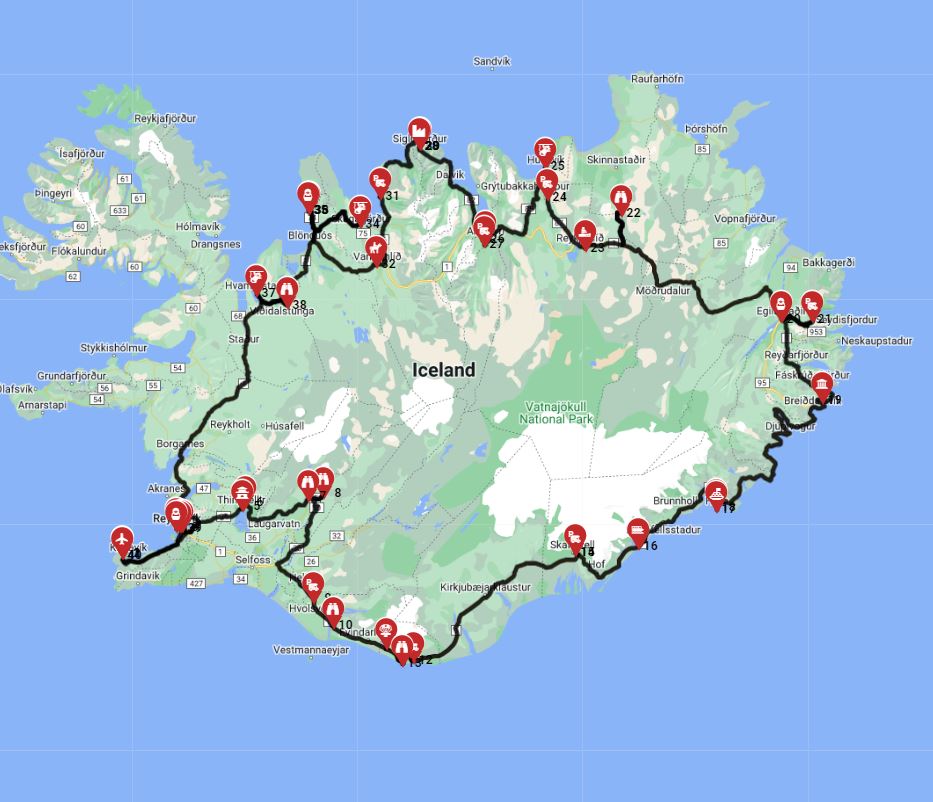 Iceland - Full ring road
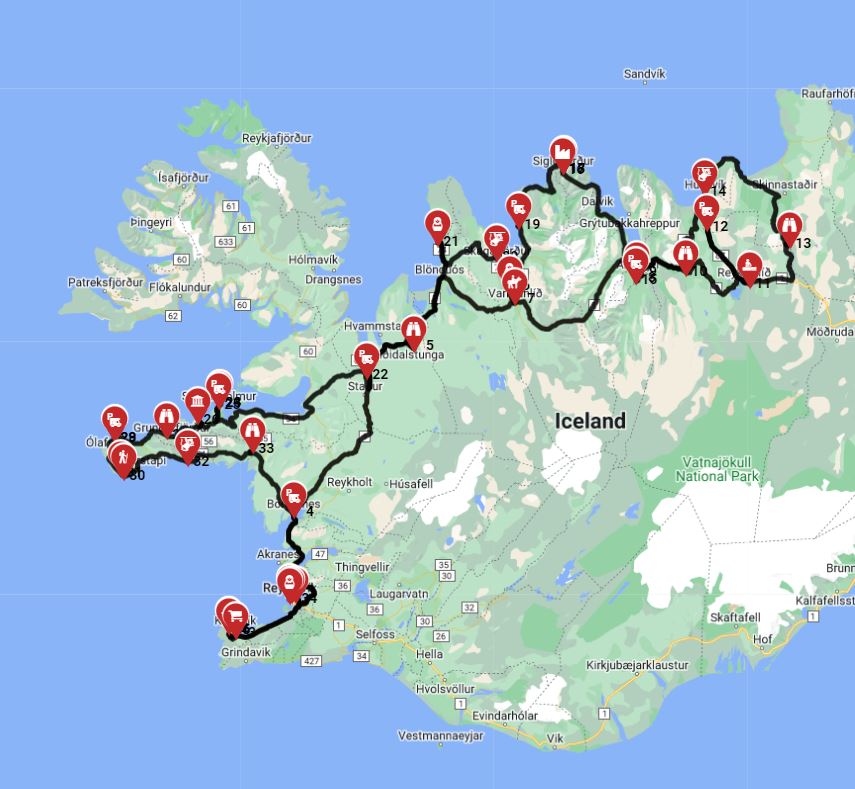
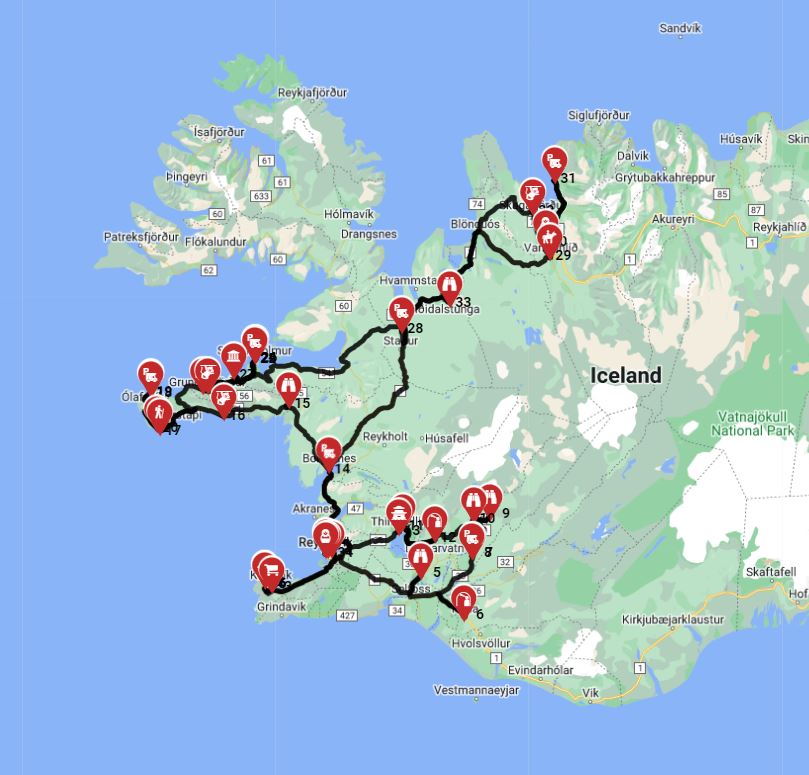
 - Exploring the North West: Beyond the Ring Road, the Westfjords and Snæfellsnes Peninsula offer dramatic scenery. An 11-day adventure covering "
" includes 6 natural features, 2 hiking areas, and 4 animals show/wildlife watch opportunities.
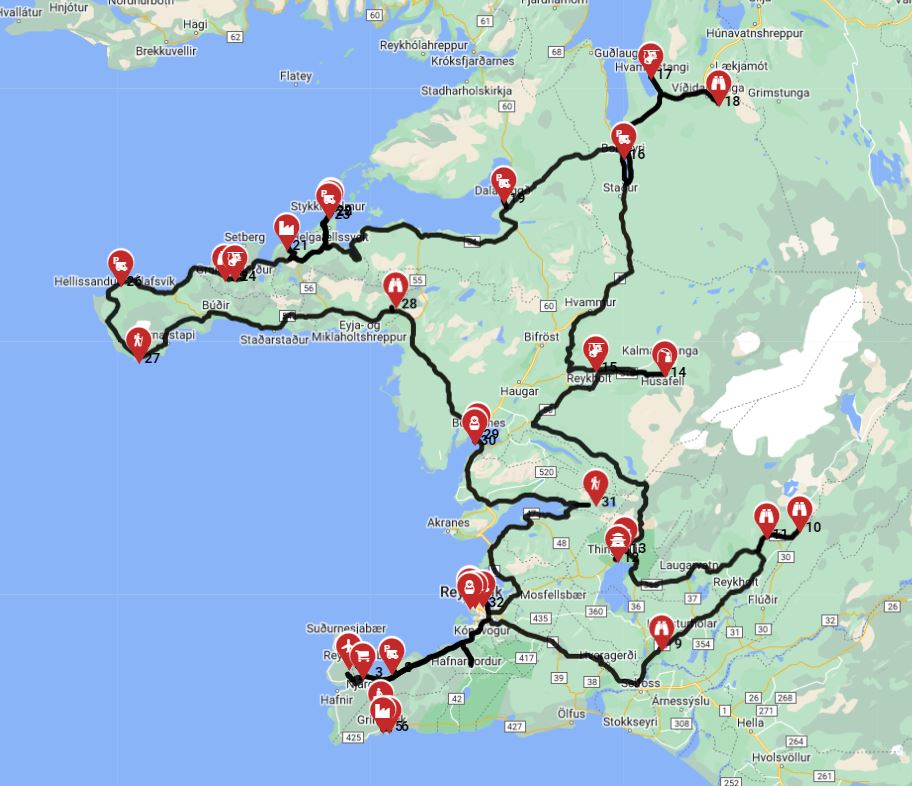 Iceland - North West
 - Relaxing in Geothermal Spas: Take advantage of Iceland's abundant geothermal activity. Whether it's the famous Blue Lagoon or a smaller, more remote natural hot spring, an RV allows you the flexibility to visit these healing waters at your leisure.
- Glacier Adventures: From the Sólheimajökull Glacier Tongue to the vast Vatnajökull, Iceland offers numerous opportunities for glacier hiking or ice cave exploration. Book a guided tour and be prepared for an awe-inspiring experience.
- Chasing the Northern Lights (Autumn/Winter): For long-term travelers in the off-season, your motorhome becomes the ultimate aurora hunting vehicle. Drive away from light pollution, find a dark spot, and wait for nature's spectacular light show.
Looking for expert insights from Avi Bandana? Top 5 Adventures - recommendations from Avi Bandana
Discover Avi Bandana's personal top 5 adventures in Iceland and beyond. His unparalleled experience across 5 continents ensures you get unique, insider tips for your RV journey.
Final Thoughts
A long-term RV rental in Iceland offers an unparalleled way to experience the raw, untamed beauty of this incredible Nordic island. From the dramatic South Coast to the serene Westfjords and the vibrant capital, having your own mobile home allows you to truly connect with the land, its culture, and its captivating scenery at your own pace. Remember to embrace slow travel, plan your stops, and always respect the unique Icelandic environment.
With Bandana RV, you’re not just renting a vehicle; you’re gaining a partner who values honesty, transparency, and comprehensive support. Our dedicated team and extensive network ensure your planning is seamless, and your journey is filled with peace of mind. Get ready to discover why Iceland is a dream destination for a multi-week or month-long motorhome adventure.
Don't wait to start planning your epic Icelandic journey. Discover top destinations and planning tips, all in one place, or explore long term rv rental options in Iceland to begin your adventure today!