In This Guide
- Can You Drive an RV in Hungary? License & Age Rules
- Road Conditions & Terrain in Hungary
- RV Size Limits, Bridges & Restricted Zones
- Fuel: Diesel vs. Petrol & Cost per 100 km
- Tolls, Vignettes & Border Rules
- Driving Tips for long term rv rental Travelers
- Recommended RV Class for Hungary Roads
- Should I Choose a Compact Van Instead of a Large RV in Hungary?
- Can I Park Anywhere? Free & Wild Camping Rules in Hungary
- Can I Drive an RV Into the City Center? Heights, Tunnels & Local Signage
- What Mandatory RV Equipment and Road Regulations Apply in Hungary?
- What are Typical RV Travel Costs in Hungary?
- Are There Off-the-Beaten-Path RV Destinations in Hungary?
- How Can RVers Experience Hungarian Food and Drink?
- What are the Seasonal Considerations for RVing in Hungary?
- What Essential Safety Tips Should RVers Know for Hungary?
- Is Hungary RV-Friendly for Families with Kids or Pets?
- What Cultural Etiquette Should RVers Observe in Hungary?
Can You Drive an RV in Hungary? License & Age Rules
Most standard car driver's licenses (Category B) are sufficient for operating an RV in Hungary, provided the vehicle's maximum authorized mass (MAM) does not exceed 3,500 kg. For those considering a larger rented motorhome that weighs over 3,500 kg, a Category C1 or higher license will be required, but most rental vehicles fall within the standard Category B limit. The minimum driver age for RV rental in Hungary is typically 21 years old across our partner suppliers; there are no young driver surcharges or vehicle class restrictions based on age. Foreign drivers should always carry their valid national driver's license, and an International Driving Permit (IDP) is highly recommended for visitors from non-EU countries to smooth interactions with local authorities, though it is not strictly mandatory in all cases. Our "RV Rental Hungary - Complete Guide 2026" offers more detailed information on specific requirements.Road Conditions & Terrain in Hungary
Hungary generally boasts well-maintained primary roads and motorways, offering smooth and comfortable travel for all rented RVs. The country's extensive network of highways (M-prefixed roads) connects major cities like Budapest, Debrecen, and Szeged, providing efficient routes for long-term travelers. Rural roads, especially in the vast Puszta region or when venturing into smaller, charming villages, can be narrower and less perfectly paved, encouraging a slower, more scenic driving experience. The terrain across Hungary is largely flat or gently rolling, with some low mountain ranges found primarily in the northern regions, such as the Bükk Mountains, making it accessible and enjoyable for all classes of motorhomes and campervans. Despite generally good conditions, road quality can vary; always drive cautiously and be prepared for occasional potholes or uneven surfaces, especially when exploring off the main routes. You'll find that with a rented RV, navigating these diverse conditions is part of the adventure.RV Size Limits, Bridges & Restricted Zones
Hungary generally imposes no significant RV size limits for general road use, allowing most standard motorhome and campervan rentals to travel freely. Drivers should always be aware of their specific vehicle's dimensions (height, width, length, and weight) and consult the rental agreement for precise figures. Most bridges and underpasses on Hungary's main routes and motorways are designed to accommodate standard RVs; however, it is crucial to always watch for local signage indicating height or weight restrictions, particularly when navigating older towns or rural areas. Environmental zones are not widely implemented for private vehicles in Hungary, but specific restrictions might apply to heavy vehicles in certain urban centers or during high pollution days, so staying informed with local advisories is wise. Ferry travel is mostly limited to Lake Balaton; if planning such routes, check individual ferry operator rules for RV dimensions and weight well in advance. Drive slowly and carefully, and you can drive almost anywhere without issues. No need to stress - just use common sense and pay attention.Fuel: Diesel vs. Petrol & Cost per 100 km
Diesel is the predominant fuel type for most rented RVs in Hungary and is widely available at service stations across the country, making it convenient for long-term travelers. Based on Bandana's global fleet averages, Class SI (Semi-integrated) motorhomes typically consume 10-11 L/100 km, while Class C (Alcove) RVs consume 10-12 L/100 km. More compact campervans (Class B) are notably more fuel-efficient, averaging 8-10 L/100 km, making them a smart choice for budget-conscious explorers looking for a long term rv rental in Hungary, like a luxury rv rentals example Carthago Malibu 600 which typically uses less fuel than larger models. Larger Class A (Integrated) RVs can range from 8-12 L/100 km. Assuming an average diesel price of approximately €1.70 per liter in 2026, RV fuel costs per 100 km can range from €13.60 for a campervan to €20.40 for a larger Class C motorhome, excluding any fuel discount cards. When planning your budget for a "Cheap RV Rental in Hungary - Budget Guide 2026", remember that fuel will be a significant ongoing expense.Tolls, Vignettes & Border Rules
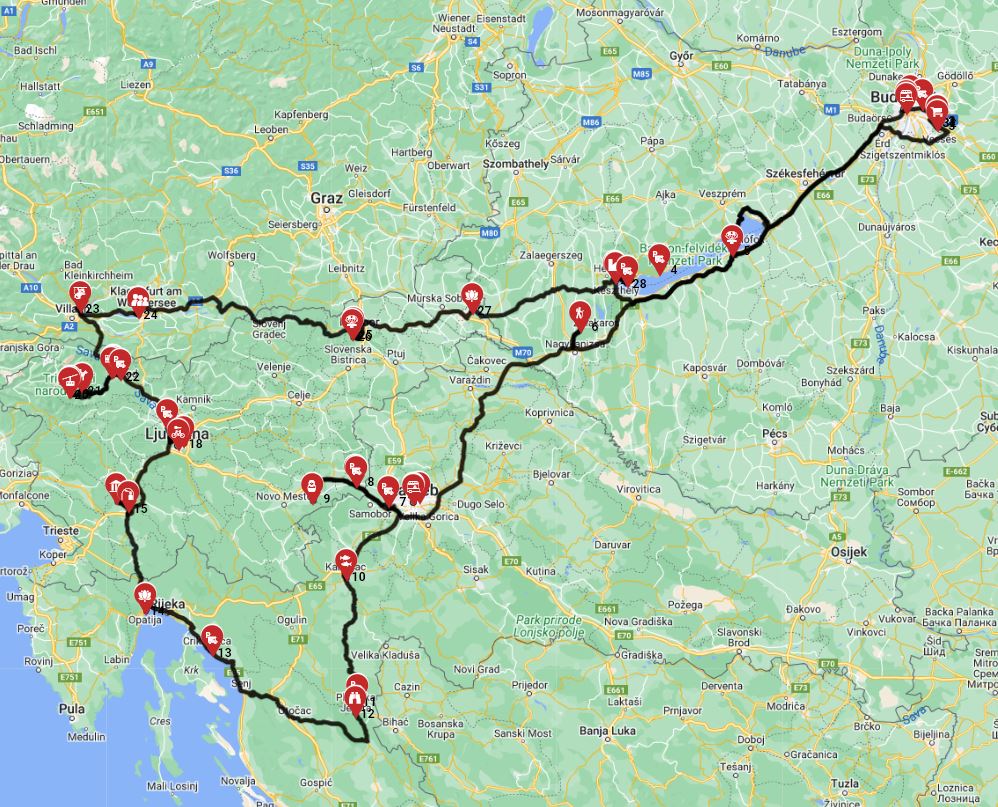
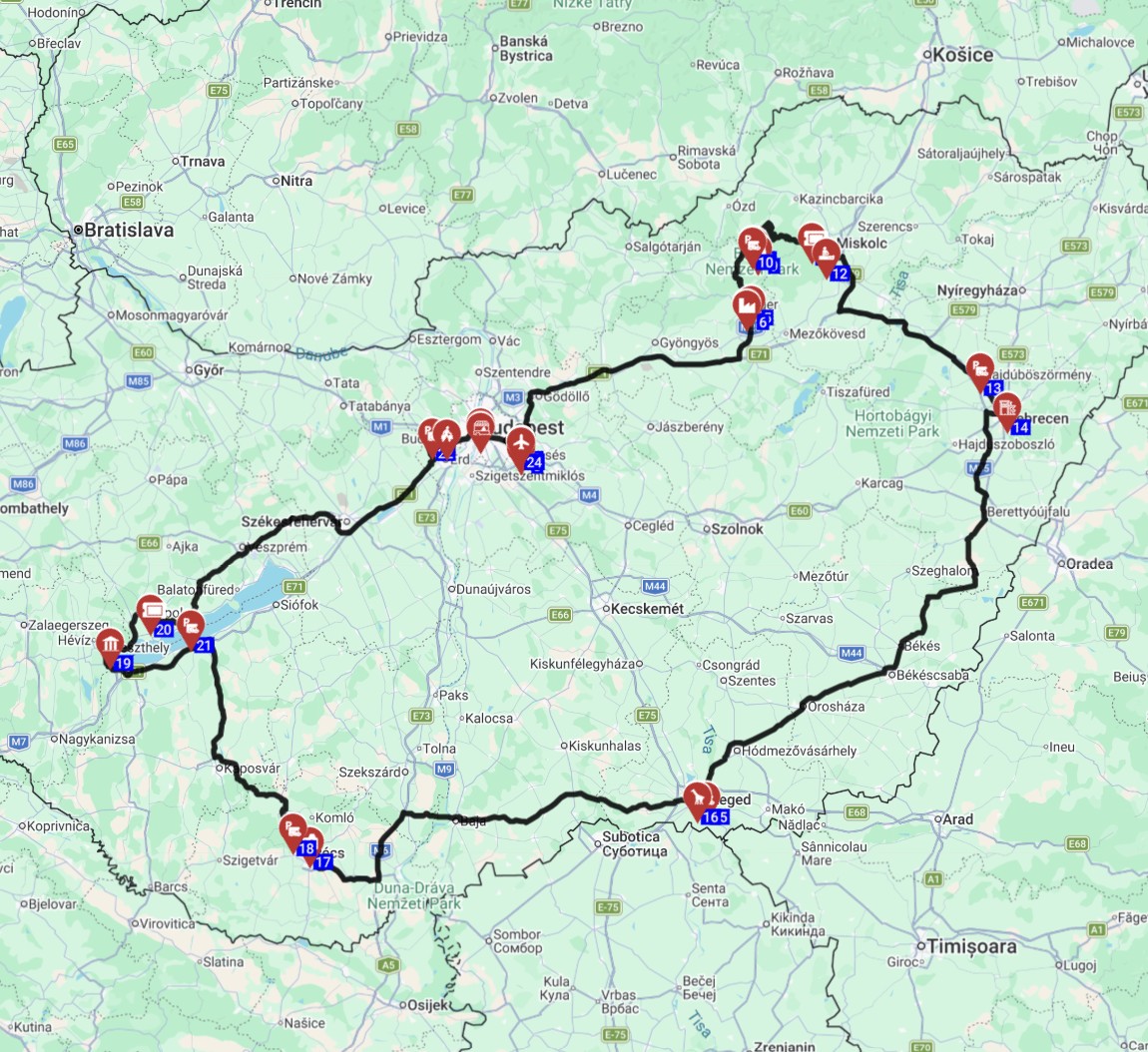
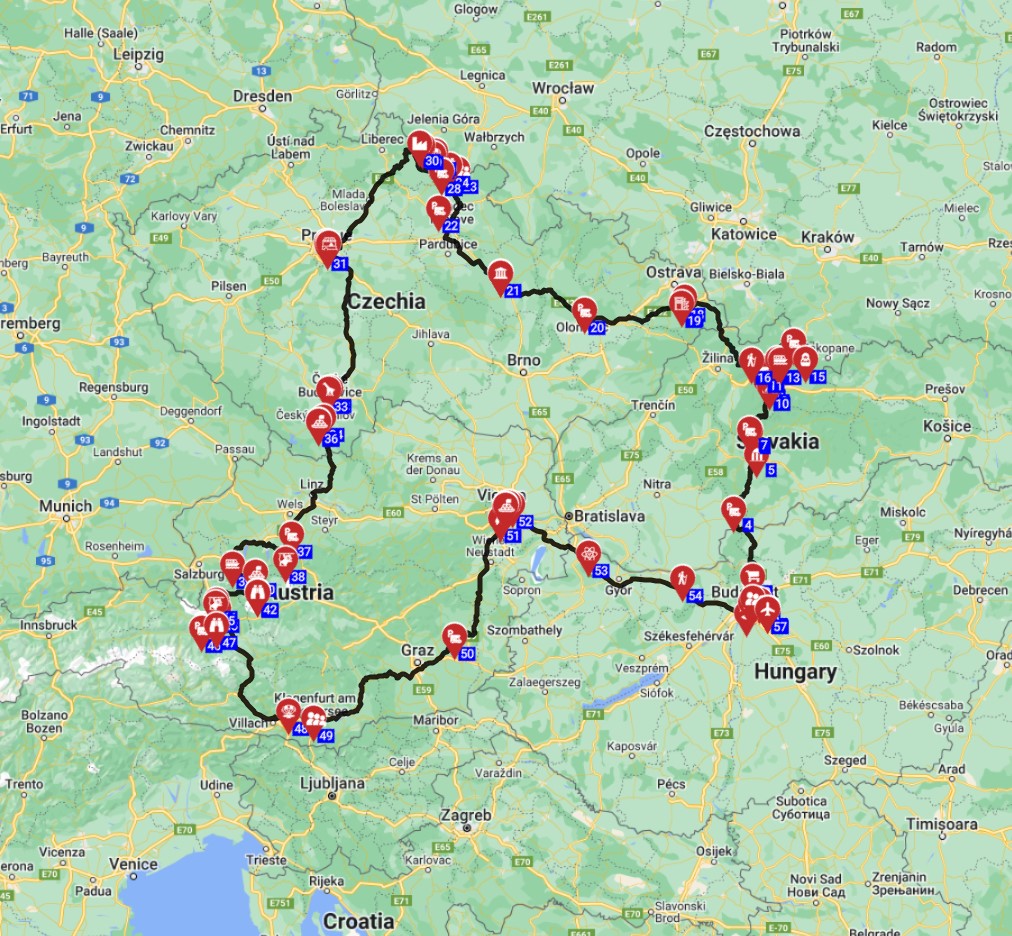
Hungary utilizes an electronic vignette system, known as 'e-Matrica,' which is mandatory for all motorways and expressways, costing approximately €15 for a 10-day period or €25 for a one-month pass for a standard Class D1 vehicle. It is crucial to purchase the correct vignette for your rented RV category (D1 for vehicles up to 3.5t, D2 for vehicles over 3.5t) before entering any toll road to avoid heavy fines. These can be easily purchased online, at border crossings, or at petrol stations. When planning extended routes through Central Europe, be aware that Slovakia, Austria, and Slovenia also require vignettes for their highway systems, while Croatia and Serbia use barrier toll systems where you pay at a booth. Some Bandana partner suppliers may offer the convenience of pre-purchased toll passes for certain countries, so always check your rental agreement details. For itemized expense tracking on your long-term trip, remember that RV PLANET routes allow you to track every expense. For one-way trips, check "One-Way RV Rental in Hungary - Price Guide 2026" for potential drop-off fees when crossing borders.Driving Tips for long term rv rental Travelers
**Pace Yourself:** For a relaxed, long-term RV journey in Hungary, plan to travel slowly, averaging a maximum of 100-150 km per day. This approach allows ample time for regular breaks every 2-3 hours, crucial for combating driver fatigue, especially when traveling with families or friends. **Understand Vignettes:** Ensure your electronic e-Matrica is purchased and valid for the entire duration of your stay in Hungary to avoid unexpected fines, which are digitally enforced. **Local Etiquette:** Observe local driving customs: honk sparingly, use turn signals clearly well in advance, and always be highly mindful of trams and cyclists in urban areas, especially in bustling cities like Budapest. **Secure Parking:** When planning overnight stays outside of official campgrounds, prioritize safety by choosing well-lit, populated areas or dedicated RV parking spots, ensuring all doors are locked. **Prepare for Rural Roads:** Be ready for narrower roads and slower speeds when exploring charming villages or the expansive Puszta region, allowing you to truly immerse yourself in the scenic beauty.Recommended RV Class for Hungary Roads
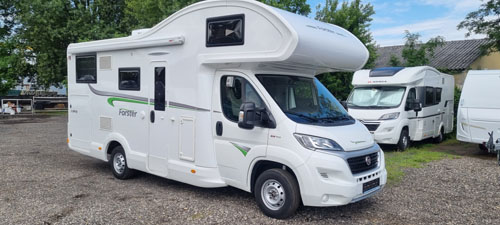
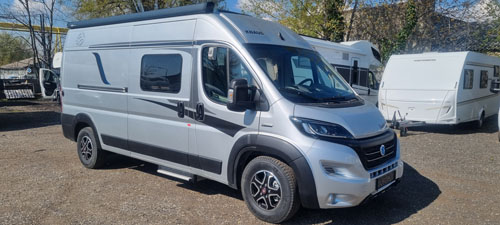
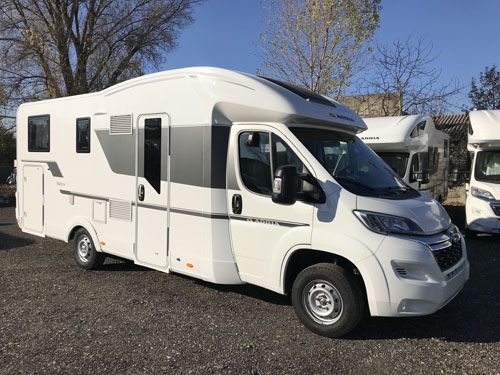
For most long-term RV rentals in Hungary, a Class SI (Semi-integrated) motorhome or a Class B (Campervan) is highly recommended due to their excellent balance of comfort, amenities, and maneuverability. Class SI RVs, with an average length of 6.9 meters and often sleeping 3-4 adults, such as the "Active Long Select" from our fleet, offer ample living space and full amenities while remaining agile enough for Hungary's diverse roads. Class B Campervans, averaging 5.8 meters in length, like the "Active Bunk Auto" or "California Electric", provide even greater agility for navigating smaller towns and city parking, though with slightly less interior space, making them ideal for couples or small families. While larger Class C (Alcove) and Class A (Integrated) motorhomes are perfectly suitable for Hungary's well-maintained motorways, their increased length (average 7.5 meters for a Class C) might require more careful navigation in tight village streets or older city centers. For comparative pricing across vehicle classes, explore "RV Rental in Hungary - Prices and Best Deals 2026".Should I Choose a Compact Van Instead of a Large RV in Hungary?
Generally, for long-term RV travel in Hungary, choosing a larger RV over a compact van is often preferable because most Hungarian roads comfortably accommodate bigger vehicles, prioritizing indoor comfort and amenities for extended stays. Compact vans, like a Class B Campervan such as the "Active Small", offer superior maneuverability for navigating tight historic city centers and finding easier parking in crowded urban areas, which can be a significant advantage in places like Budapest. However, for a week-long trip or more, a larger RV provides significantly more living space, a bigger and more equipped kitchen (perfect for preparing meals with local Hungarian ingredients, you can find inspiration in our RV-friendly recipes playlist), a more spacious bathroom, and greater storage capacity, greatly enhancing overall comfort and convenience for long durations. The decision ultimately balances the ease of city access offered by a compact van versus the superior long-term living comfort and amenities of a larger motorhome, with Hungary's overall road network generally supporting both choices without major issues.Can I Park Anywhere? Free & Wild Camping Rules in Hungary
Wild camping and free overnight parking outside of designated campgrounds are generally prohibited or heavily restricted in Hungary, aligning with common European regulations. Hungarian law typically requires rented RVs to park overnight only in official campsites, designated RV parks, or private properties with explicit permission from the landowner. Violations of wild camping rules can result in significant fines and may lead to forced relocation, making adherence to official regulations crucial for a hassle-free trip. While the spirit of RV travel is freedom, respecting local laws ensures a positive experience for everyone. Rules can vary slightly by region, so always check local regulations and follow common sense before parking overnight, opting for well-established campsites for peace of mind. For finding available spots along your route, we recommend using RV PLANET (rvplan.net), a great resource for locating campsites and campgrounds during your trip in Hungary.Can I Drive an RV Into the City Center? Heights, Tunnels & Local Signage
You can generally drive a rented RV into most Hungarian city centers, but careful attention to local signage regarding height limits, narrow streets, and potential environmental zones is essential. In Budapest and other larger cities, always look out for signs indicating restricted access for larger vehicles, low bridges, height-restricted tunnels, or streets designated for residents only, typically found in historic areas. Parking an RV in city centers can indeed be challenging due to limited space and potential height restrictions in underground parking garages; therefore, consider utilizing designated RV parking lots on the outskirts or parking at a campground with excellent public transport connections into the city. Drive slowly and carefully, and you can drive almost anywhere without issues. No need to stress - just use common sense and pay attention to posted signs. Always be vigilant for environmental zone signs or specific local regulations that might temporarily restrict certain vehicle types during peak pollution periods, though these are not widespread for private RVs in Hungary.What Mandatory RV Equipment and Road Regulations Apply in Hungary?
Beyond standard vehicle registration and comprehensive insurance (which you can upgrade to a top-level deductible for extra peace of mind), rented RVs in Hungary must carry specific mandatory roadside safety equipment. This includes a reflective safety vest for each occupant, required to be worn if anyone exits the vehicle on the roadside, a warning triangle for roadside breakdowns, and a first-aid kit. Drivers should also ensure their RV is equipped with a full set of spare bulbs for exterior lights and, for winter travel, have winter tires or snow chains available when conditions demand. All passengers must wear seatbelts at all times, headlights must be on even during the day, and a valid e-vignette (e-Matrica) is mandatory for using all motorways and expressways. Staying informed about the specific weight threshold that triggers a higher license category (3,500 kg) is crucial for compliance with Hungarian road regulations. Our direct partnerships with 50+ leading RV suppliers worldwide, including El Monte and Apollo, ensure you receive well-maintained and compliant vehicles.What are Typical RV Travel Costs in Hungary?
Beyond the initial long term RV rental cost in Hungary, typical RV travel expenses for a month-long journey will include fuel, campground fees, groceries, and attraction entrance fees. Campground fees range from €15-€35 per night, varying significantly by season, location (e.g., Lake Balaton sites are pricier), and included facilities like hook-ups. Grocery prices for preparing meals in your RV kitchen are generally lower than in Western Europe; local markets offer fresh produce, meats, and regional specialties at affordable rates, allowing you to save money and enjoy authentic Hungarian flavors. For finding campsites and managing costs, RV PLANET routes allows travelers to itemize and track every expense. Entrance fees for popular attractions like thermal baths (e.g., Szechenyi Bath in Budapest), historical sites, or national parks can range from €5-€20 per person. Budget for dining at traditional *csárda* (roadside inns) for an authentic culinary experience, where a hearty goulash or paprika-spiced stew might cost €10-€15 per person. A long-term trip allows for slow travel, max 100-150 km per day, which helps keep fuel costs down.Are There Off-the-Beaten-Path RV Destinations in Hungary?
Beyond the bustling capital of Budapest and the popular shores of Lake Balaton, Hungary offers numerous off-the-beaten-path RV destinations that promise unique experiences. RVers can explore the vast Great Hungarian Plain, known as the Puszta, a UNESCO World Heritage site and Europe's largest natural grassland. This area, particularly near Hortobágy National Park, provides unique natural landscapes, opportunities for birdwatching, and traditional equestrian shows with RV-friendly campsites available. Discover smaller, equally charming thermal towns like Egerszalók or Hévíz, which boast impressive public baths and often have dedicated RV parking or adjacent campgrounds, allowing you to immerse yourself in local spa culture. Hungary's less-known wine regions, such as Villány, Eger, or Tokaj (beyond its famous sweet wine), offer opportunities for RV-friendly winery visits; many vineyards even provide free overnight parking with the expectation of purchasing some local wines. The cultural heritage of cities like Pécs or Sopron, along with the scenic Danube Bend region, present historical sites and beautiful vistas away from the most crowded tourist routes, perfectly suitable for a long term rv rental exploration.How Can RVers Experience Hungarian Food and Drink?
RVers can truly immerse themselves in Hungarian culinary culture by embracing local markets and traditional eateries. A great way to start is by visiting vibrant local produce markets in towns like Szeged or Debrecen to find fresh, seasonal ingredients for your RV kitchen; imagine preparing a delicious breakfast with fresh paprika and local sausage right on board your rented motorhome! Many RV-friendly wineries, particularly in regions like Tokaj, Eger, or Villány, actively welcome RVers, often offering tastings and even allowing free or low-cost overnight parking for patrons who purchase their wines. This provides a unique and intimate cultural experience. Stopping at traditional *csárda* (roadside inns) located throughout the Hungarian countryside is a must; many of these establishments are accustomed to welcoming RVs and provide ample parking while serving authentic, hearty Hungarian dishes like goulash or pörkölt. Don't forget to try local specialties like *kürtőskalács* (chimney cake) from street vendors, easily accessible with your mobile home. For cooking inspiration, check out our RV-friendly recipes playlist.What are the Seasonal Considerations for RVing in Hungary?
Understanding seasonal considerations is key to planning your long term rv rental adventure in Hungary. Spring (April-May) is often ideal, offering mild weather (average 15-20°C) perfect for witnessing Hungary's vibrant bloom routes and exploring national parks like Hortobágy before the summer heat intensifies, with fewer crowds and lower prices. Summer (June-August) is peak season, bringing warm temperatures (average 25-30°C) ideal for enjoying Lake Balaton's beaches and a wide range of outdoor activities, though campgrounds can be crowded and require advance booking. Autumn (September-October) provides stunning harvest experiences in Hungary's numerous wine regions, with cooler, comfortable temperatures (average 10-18°C) perfect for hiking and fewer tourists, making it a great time for a long term rv rental. Winter RVing (November-March) can present challenges such as colder temperatures (often below freezing) and snow, particularly in northern mountain areas, but offers unique opportunities like festive Christmas markets in Budapest and fewer crowds at the thermal baths, provided your rented RV is equipped for cold weather.What Essential Safety Tips Should RVers Know for Hungary?
For a safe long term rv rental experience in Hungary, RVers should prioritize awareness of road conditions and secure parking. Be especially vigilant on rural roads, where unpaved surfaces or unexpected sharp turns can occur; always drive defensively and strictly adhere to posted speed limits. Implement secure parking strategies by choosing reputable campsites or well-lit, populated areas when staying overnight outside a designated campground, ensuring all doors and windows of your motorhome are locked and valuables out of sight. Familiarize yourself with local emergency procedures, including the universal European emergency number 112, and know the location of your nearest medical facilities along your route. Always carry the mandatory vehicle equipment, such as reflective vests for each occupant, a warning triangle, and a first-aid kit, as required by Hungarian law. Additionally, consider purchasing a local SIM card for reliable mobile communication in case of emergencies or for navigation. We’re with you before and after your booking, and for support during your trip, rely on our 24/7 service assistance.Is Hungary RV-Friendly for Families with Kids or Pets?
Hungary is generally very RV-friendly for families with kids and travelers with pets, offering a welcoming environment for your entire crew. Numerous campsites across the country provide excellent amenities catering to children, such as playgrounds, swimming pools, and organized activities. RV-friendly activities abound, including visits to Lake Balaton's shallow, warm beaches, exploring thermal spa towns with family-friendly pools (like those in Egerszalók), or engaging in outdoor adventures in Hungary's beautiful national parks. When traveling with pets, ensure they have up-to-date vaccinations, a valid EU pet passport, and are microchipped according to EU regulations. Many campgrounds and designated RV parks across Hungary welcome pets, but always confirm their specific pet policies when making reservations. Be mindful of local leash laws in public spaces and ensure your furry friends are always well-behaved. Renting a motorhome like a "Category Family 5" or "Class C - Sky 455" provides ample space for 4-6 people, making it comfortable for families with kids and pets.What Cultural Etiquette Should RVers Observe in Hungary?
To enhance your long term RV rental experience in Hungary, observing local cultural etiquette will go a long way in fostering positive interactions. When engaging with locals, a simple 'Jó napot' (Good day) or 'Köszönöm' (Thank you) can greatly assist, as Hungarians appreciate attempts to speak their language, even if just a few words. At campgrounds, respect designated quiet hours, typically from late evening until early morning, maintain cleanliness in your area, and be mindful of your neighbors' space. A polite greeting upon arrival or a friendly nod is customary. When visiting churches, basilicas, or other historical sites, dress modestly by covering your shoulders and knees. Also, be aware of any posted signs regarding photography restrictions inside these venues. Tipping is customary in restaurants (around 10-15% of the bill) and for other services; it's often better to round up or state the amount clearly when paying by card, as some card terminals don't automatically offer a tipping option.What You Shouldn't Miss
- **Thermal Lake Hévíz:** Experience Europe's largest natural, swimmable thermal lake. Many nearby RV parks allow easy access for daily dips in the healing waters.
- **Danube Bend Scenic Drive:** Take your rented motorhome along the picturesque Danube Bend, stopping at charming towns like Szentendre, Visegrád, and Esztergom for medieval castles and panoramic river views.
- **Hortobágy National Park (Puszta):** Drive into Hungary's "Wild West," a UNESCO World Heritage site, to witness traditional *csikós* horsemen, see native wildlife, and explore vast grasslands with unique RV-friendly campsites.
- **Tokaj Wine Region:** Visit one of Hungary's 22 wine regions, especially Tokaj, famous for its sweet wines. Many vineyards welcome RVs for tastings and offer overnight parking.
- **Pécs Old Town:** Explore the UNESCO World Heritage city of Pécs, with its Roman ruins, Ottoman mosques, and vibrant cultural scene, easily accessible from local campgrounds.
- **Lake Balaton Relaxation:** Spend several days at the "Hungarian Sea," enjoying warm waters, watersports, and the numerous RV-friendly lakeside resorts and campsites.
🎬 Video coming soon
Looking for expert insights from Avi Bandana? Top 5 Adventures - recommendations from Avi Bandana.
Final Thoughts
Embarking on a long-term RV driving adventure in Hungary is an incredible way to experience this vibrant country, from the thermal baths to the Great Hungarian Plain. Imagine waking up to a new view every day, with the freedom to explore at your own pace. With a rented motorhome or campervan, you truly unlock the heart of Hungary, creating unforgettable memories with every kilometer. Remember, planning is part of the fun, but don't let it become a chore. We handle the details, you live the journey, ensuring personal service from day one until your booking is confirmed. Embrace the rhythm of slow travel – max 100-150 km per day – and take the time to feel the place, connect to the culture, the delicious food, and the breathtaking scenery. Your Hungarian long-term RV adventure awaits! Compare Motorhome Prices for Hungary and find your perfect mobile home for an extended stay. Find long term rv Rentals in Hungary today!On the routes offered through RV PLANET routes, you can itemize and track every expense along the way for easy budgeting.