In This Guide
- Can You Drive an RV in Greece? License & Age Rules
- Road Conditions & Terrain in Greece
- RV Size Limits, Bridges & Restricted Zones
- Fuel: Diesel vs. Petrol & Cost per 100 km
- Tolls, Vignettes & Border Rules
- Driving Tips for long term rv rental Travelers
- Recommended RV Class for Greece Roads
- Should I Choose a Compact Van Instead of a Large RV in Greece?
- Can I Park Anywhere? Free & Wild Camping Rules in Greece
- Can I Drive an RV Into the City Center? Heights, Tunnels & Local Signage
- How much does it cost to rent an RV in Greece for an extended period?
- What is the best time of year for a long term RV trip in Greece?
- What are the essential documents needed for an RV rental in Greece?
- Can I take an RV on a ferry to Greek islands?
- Are there specific campsites or apps for long term RV stays in Greece?
- What are some recommended itineraries for a long term RV rental in Greece?
- What should I pack for a long term RV rental trip in Greece?
- What are the considerations for pets during a long term RV rental in Greece?
- How do I deal with waste disposal and water refills during a long term RV rental in Greece?
- Are there any cultural etiquette tips for RV travelers in Greece?
Imagine yourself embarking on an unforgettable long term RV adventure, traversing the ancient landscapes and sparkling coastlines of Greece. From the majestic ruins of Athens to the azure waters of the Aegean islands, a rented motorhome offers unparalleled freedom to explore this historic country at your own pace. At Bandana RV, founded in 2001, we’ve spent over two decades helping tens of thousands of travelers discover the world by RV, and we're here to share our expertise for your long term RV rental in Greece.
For live availability and current prices, and to embark on your journey, start with our RV Rental Greece - Complete Guide 2026. We believe in full transparency, with no hidden fees or surprises, just straightforward service from true RV specialists who genuinely love helping people discover this incredible way to travel.
Can You Drive an RV in Greece? License & Age Rules
Yes, you can absolutely drive an RV in Greece, and a standard B category driver's license is sufficient for most rental motorhomes, specifically those weighing up to 3,500 kg.
This covers a wide range of popular models, including many campervans and semi-integrated RVs, such as the comfortable "Duo" campervan or a compact "K125" van. For non-EU license holders, an International Driving Permit (IDP) is recommended to accompany your valid national license, as it aids in official communication, though it's not strictly mandatory in all cases. The minimum driving age for an RV rental in Greece is 21 years old across most suppliers, and unlike some destinations, there are no young driver surcharges or vehicle class restrictions based on age. If you are planning an extended trip and comparing options, consult guides like "Cheap RV Rental in Greece - Budget Guide 2026" for specific supplier details and requirements.
Road Conditions & Terrain in Greece
Greece presents a diverse array of road conditions, ranging from modern, well-maintained national highways to challenging, winding mountain passes and narrower coastal routes.
Main motorways and national roads are generally excellent, providing smooth surfaces for long-distance travel, especially between major cities and regions like Athens and Thessaloniki. However, secondary and village roads, particularly on islands or in mountainous areas such as the Pindus range, can be significantly narrower, steeper, and sometimes uneven, necessitating slower speeds and careful navigation with your rented motorhome. Embracing a slower travel pace, averaging a maximum of 100-150 km per day, allows you to truly feel the place and adapt safely to these varied conditions. Always be prepared for inclines and descents, which are common throughout the country's beautiful yet rugged terrain. For comprehensive planning, resources like RV PLANET (rvplan.net) can help you visualize the routes and terrain you'll encounter.
RV Size Limits, Bridges & Restricted Zones
While most main roads and highways in Greece easily accommodate standard RV sizes, drivers must remain aware of potential height, width, and weight restrictions, particularly when entering urban centers or historic towns.
Low bridges and tunnels are uncommon on major routes but can appear on smaller, local roads, so paying close attention to signage is crucial for any rented campervan. Unlike some European countries, Greece does not widely implement environmental zones for private vehicles, but central Athens does have a 'Daktylios' system that restricts private vehicle access to the city center on weekdays based on license plate numbers, to manage pollution. For long-term RV rentals, accurately providing your motorhome's dimensions is vital for booking ferry travel to Greek islands, as pricing and space allocation are strictly based on these measurements. You can find detailed information on such logistical considerations in an "RV Rental Greece - Complete Guide 2026".
Fuel: Diesel vs. Petrol & Cost per 100 km
Diesel is the most common fuel type for rental motorhomes and campervans in Greece and is readily available at service stations across both the mainland and islands.
Most of Bandana's fleet, including popular Class B Camper Vans like the "V3" (average 11-13 Liters/100 km) and Class C Alcove RVs such as the "cruise america rv rental example Explorer" (around 11 Liters/100 km), operate on diesel. The average cost per 100 km for an RV in Greece can be estimated by multiplying your vehicle's fuel consumption by the current fluctuating diesel price. When planning your long-term RV rental budget, it's wise to allocate a significant portion for fuel, which can be tracked efficiently using RV PLANET routes, where you can itemize every trip expense. Some Bandana partner suppliers may also offer fuel discount cards, providing potential savings on extended journeys. Information on the actual costs can be reviewed in our "RV Rental in Greece - Prices and Best Deals 2026" guide.
Tolls, Vignettes & Border Rules
Greece primarily utilizes a barrier toll system on its major highways, requiring drivers to pay directly at toll booths as they pass, rather than a vignette system like some other European countries. On the routes offered through RV PLANET routes, you can itemize and track every expense along the way for easy budgeting.
Toll costs accumulate over long distances, so budgeting for these expenses is an essential part of a long-term RV rental in Greece. There are no specific 'vignette' requirements for Greece itself. For travelers considering bringing a rented RV into Greece from neighboring countries or via ferry from Italy, standard international border crossing procedures apply, including valid passports and vehicle documentation verification. Ensure all rental agreements permit international travel if you plan to venture beyond Greece's borders. For more detailed financial planning on a long-term trip, consider our "One-Way RV Rental in Greece - Price Guide 2026" to understand potential additional costs.
Driving Tips for long term rv rental Travelers
Adopting a defensive driving style is key for long term RV travelers in Greece, as local driving habits can be assertive, with sudden stops or less frequent signal use, especially in urban areas.
Prioritize regular rest stops every 2-3 hours to combat fatigue and fully appreciate Greece's scenic beauty, maintaining the recommended slow travel pace of max 100-150 km per day. For families or groups managing a budget, exploring options for pre-paying tolls can help streamline expenses. Equipping yourself with a reliable GPS system that includes offline map capabilities is highly recommended, as mobile data coverage can be unreliable in remote mountainous regions or on some islands. Be vigilant for potential hazards like stray livestock on rural roads, particularly in northern Greece and agricultural areas, and always drive cautiously. Remember, the goal of a long-term RV trip is not just the destination, but the journey itself, allowing time to connect with the culture, food, and scenery.
Recommended RV Class for Greece Roads
For extended RV travel across Greece's varied road network, a Class B Camper Van or a Class C motorhome (specifically semi-integrated) generally strikes the best balance between maneuverability and onboard comfort.
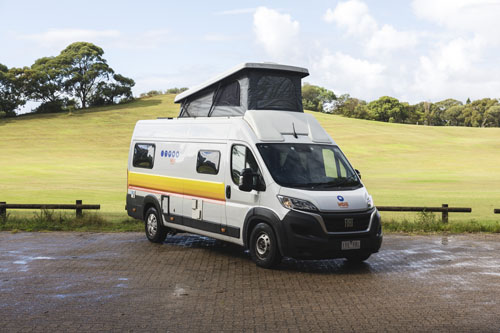
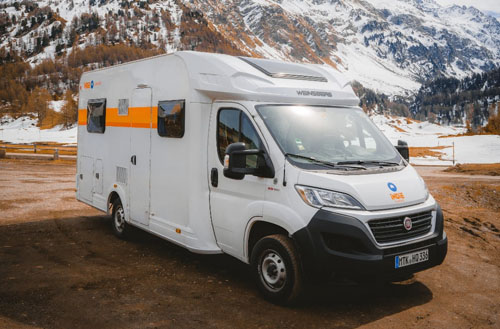
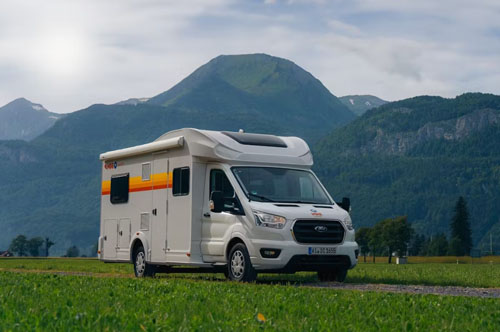
Class B Camper Vans, like the "Active Pop Top" which averages around 5.99m in length, are excellent for navigating narrow village streets, making them ideal for couples or small families (2-3 adults). These vehicles are also easy to park. Class SI Semi-integrated RVs, such as the "2 Berth Rover" (average length around 7.0m), offer more spacious living and storage areas, suitable for 3-4 adults, while still being manageable on most main roads. While larger Class A Motorhomes or Class C Alcove RVs (averaging 7.5m in length, like the "24' Class C Motorhome") provide abundant sleeping places (up to 6 berths), their increased size can pose challenges on tighter turns and in some ferry situations to the islands. For those interested in premium options, the "Luxury RV Rental in Greece - Premium Prices 2026" guide offers further insights.
Should I Choose a Compact Van Instead of a Large RV in Greece?
The choice between a compact campervan and a larger motorhome for a long-term rental in Greece depends on your priorities for maneuverability versus onboard living space.
Compact vans, like a "Category Van" or "Duo" from Bandana's fleet (averaging 5-6 meters in length), excel in navigating very narrow streets in historic centers and finding parking in bustling towns like those in Athens or Thessaloniki. However, for longer trips, larger rental RVs, such as Class SI Semi-integrated models (around 7 meters) or Class C Alcove models (7-8 meters), provide significantly more living space, a full bathroom with shower and toilet, and more extensive kitchen facilities. These amenities offer substantial advantages for extended stays, allowing for comfortable cooking and relaxation on board (for RV-friendly recipes, check our RV-friendly recipes playlist). Importantly, most primary and secondary roads in Greece are perfectly suitable for larger motorhomes, meaning the added comfort and convenience of a bigger vehicle are often a preferable choice for long-term journeys, without undue stress on driving. Drive slowly and carefully, and you can drive almost anywhere without issues. No need to stress - just use common sense and pay attention.
Can I Park Anywhere? Free & Wild Camping Rules in Greece
Wild camping, or parking overnight outside of officially designated campsites, is generally prohibited by Greek law, though enforcement can vary depending on the specific region and season.
For legal and secure overnight stays during your long-term RV rental, utilizing Greece's extensive network of official campsites is the recommended and safest option. While discreet overnight parking might occasionally be tolerated in less-touristed areas, particularly during the off-season, this should never be assumed or relied upon. It's crucial to always check local regulations and adhere strictly to local law before parking overnight, prioritizing official campsites for complete peace of mind. Many national and state parks reserve only 25-30% of spots; the rest are first-come-first-serve, so you'll find a spot. If not at the first campground, then the next one; just call ahead before driving.
Can I Drive an RV Into the City Center? Heights, Tunnels & Local Signage
Most rental RVs can typically be driven into Greek city centers, provided you carefully observe local signage for height limits, narrow passages, and pedestrian-only zones.
Drivers should pay close attention to signs indicating height restrictions, particularly for tunnels, underpasses, and parking garages, as well as weight limits on older bridges. Many historic city centers and smaller, traditional villages, such as those found in Crete or Rethimno, feature extremely narrow streets where larger motorhomes may struggle or be restricted to residents-only access. In such cases, it's best to park your motorhome on the outskirts of the city and utilize public transportation to explore the central areas. While environmental zones are not widespread for general RV access in Greece, specific cities like Athens have 'Daktylios' (ring) systems that restrict private vehicle access to the city center on certain weekdays based on license plate numbers. Remember, drive slowly and carefully, and you can drive almost anywhere without issues. No need to stress - just use common sense and pay attention.
How much does it cost to rent an RV in Greece for an extended period?
The total cost for a long-term RV rental in Greece encompasses several factors: the base rental fee, comprehensive insurance, fuel, tolls, ferry charges (especially for island hopping), campsite fees, and personal expenses like groceries and dining.
Base rental fees for extended durations, such as a month or more, typically benefit from a reduced daily rate compared to shorter trips, varying significantly by RV class (e.g., a Class B campervan like the "Active Classic" versus a larger Class C "Benimar Sport 323"), season, and specific rental duration. Daily rates for long-term rentals can range from approximately €70-€150+ per day. You should budget around €150-€250 per week for campsites, noting that prices fluctuate based on location and amenities. Fuel costs for Bandana's RVs average 8-12 Liters/100 km, which should be factored into your daily budget. Ferry charges to popular islands, including Crete or Corfu, can be substantial, adding another layer to your budget. Additionally, consider a contingency fund for unexpected maintenance or travel adjustments. Remember, prices are dynamic, much like flight tickets, and the final price is set at the actual booking time. For managing all these expenses, RV PLANET routes allow travelers to itemize and track every cost along the way for easy budgeting.
What is the best time of year for a long term RV trip in Greece?
The shoulder seasons of spring (April to May) and autumn (September to October) are widely considered the optimal times for a long-term RV trip in Greece, offering ideal weather conditions, fewer tourist crowds, and more favorable rental prices.
During spring, the Greek landscape is lush and vibrant, with average temperatures between 18-25°C, making historical sites like ancient Olympia pleasant to explore before the intense summer heat. Autumn provides comfortably warm weather, especially along the coast (20-28°C), with the sea still inviting for swimming, and the grape harvest season adding a delightful cultural charm. Summer (June to August) brings very high temperatures, often exceeding 30°C, along with peak tourist crowds and significantly higher prices for both RV rentals and campsites, as seen in our "RV Rental Deals in Greece - Latest Offers 2026" guide. Winter (November to March) can be cold and wet, with many coastal and island services, including some campsites, operating on reduced hours or being closed entirely. Many national and state parks only reserve 25-30% of spots, leaving the majority available on a first-come, first-served basis, meaning you'll often find a spot even if you travel outside of peak booking windows. If not at the first campground, then the next one; just call ahead before driving.
What are the essential documents needed for an RV rental in Greece?
For a long-term RV rental in Greece, essential documentation typically includes a valid national driver's license, an International Driving Permit (IDP) for non-EU license holders, a passport, and a credit card for the security deposit.
EU citizens generally only need their national driver's license, provided it is valid and accompanied by a form of photo ID such as a national identity card. Non-EU citizens are legally required to carry an International Driving Permit (IDP) alongside their valid national driver's license, as mandated by Greek law for translation purposes. A major credit card in the primary driver's name is crucial for the rental deposit, which can be substantial for a motorhome, and for processing any additional charges. Remember, the minimum driver age for an RV rental in Greece is 21 years, with no young driver surcharges or class restrictions based on age, a key differentiator for Bandana RV.
Can I take an RV on a ferry to Greek islands?
Yes, most Greek ferries are well-equipped to accommodate RVs, offering long-term travelers a fantastic opportunity to explore the diverse islands by motorhome.
Advance booking for RVs is highly recommended, especially during peak season (June-August) and for popular routes to islands like Crete, Corfu, or the Cyclades, as vehicle spots are limited and can sell out quickly. When making your booking, it is critical to provide accurate dimensions (length, height, width) of your rental RV, as ferry prices and available space are strictly determined by these measurements. Ferry travel costs can be significant, particularly for larger motorhomes and longer routes to more distant islands, requiring careful budget planning for your long-term trip. Always check ferry company websites for specific requirements and pricing for your chosen vehicle class, ensuring your journey is as smooth as the Aegean Sea.
Are there specific campsites or apps for long term RV stays in Greece?
Greece provides numerous dedicated campsites across both its mainland and islands that are well-equipped for long-term RV stays, offering essential amenities such as electricity, fresh water, and waste disposal points.
Popular RV-focused apps like Park4Night, iOverlander, and Campercontact are invaluable resources for locating official campsites, service points, and occasionally identifying tolerated overnight parking spots throughout Greece. While distinct "long-stay campsites" aren't a separate category, many regular campsites offer discounted rates for extended periods, making them ideal for long-term travelers. For legal and secure parking during your long term RV rental trip, always prioritize using designated campsites, especially given that wild camping is generally prohibited in Greece. Remember, even in national or state parks, often only 25-30% of spots are reserved, with the rest available first-come-first-serve, so you'll usually find a spot. If not at the first campground, then the next one; just call ahead before driving.
What are some recommended itineraries for a long term RV rental in Greece?
🎬 Video coming soon
For a long-term RV rental in Greece, recommended itineraries often focus on immersive exploration of regions like the Peloponnese Peninsula, the northern mainland, or a dynamic combination of mainland and island hopping.
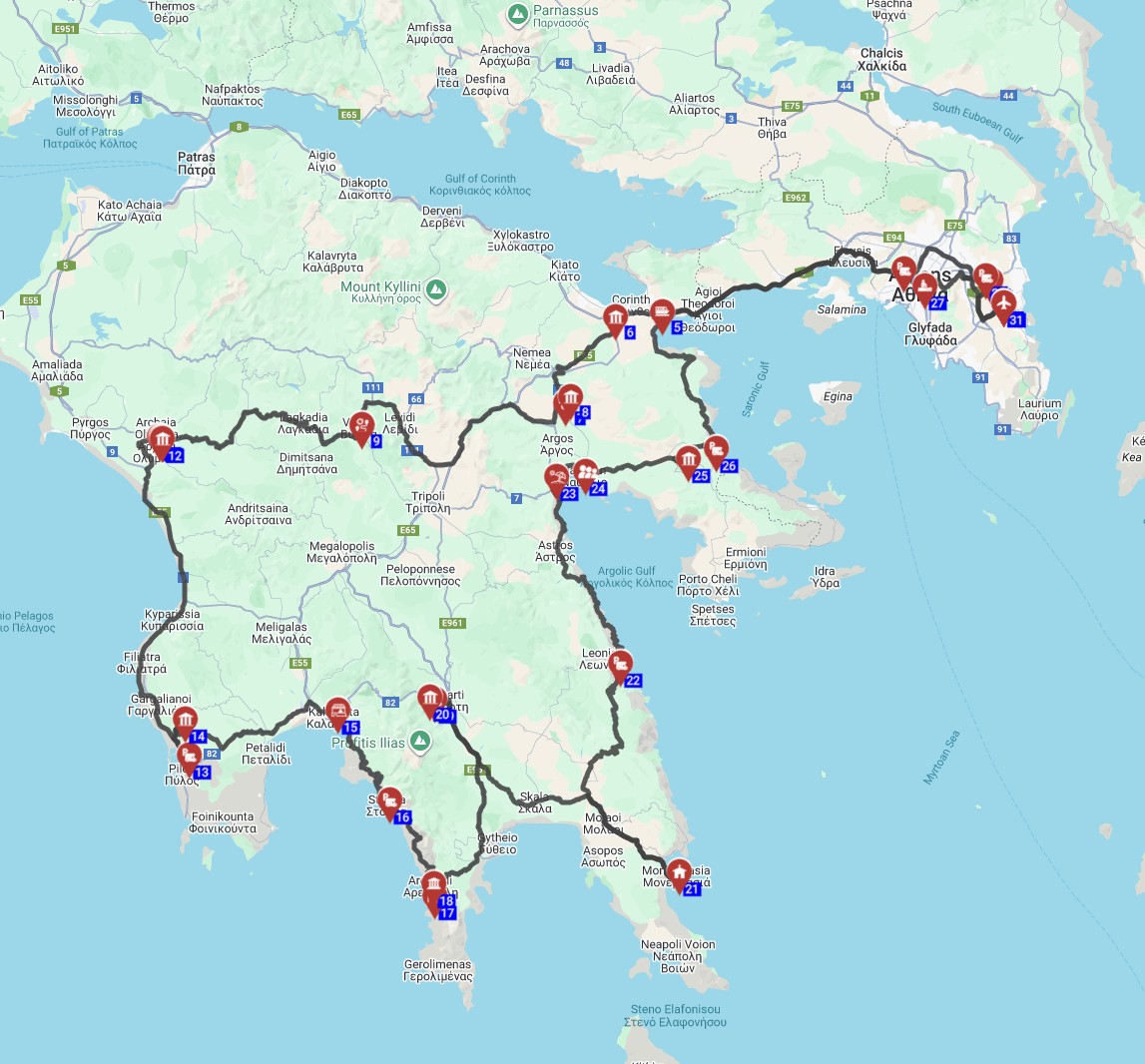
A classic 'Peloponnese Loop' (easily visible on maps showing regions like Peloponnese, Mystras, and ancient Olympia) offers a rich historical and scenic journey, allowing for in-depth exploration over 2-4 weeks. Northern Greece presents stunning natural beauty, from the awe-inspiring monasteries of Meteora to the dramatic Vikos Gorge and the beautiful Halkidiki peninsula, which is ideal for a 3-week journey. For those craving island experiences, a mainland tour combined with ferry trips to accessible islands such as Lefkada (connected by a bridge, offering easy RV access), Corfu, or Crete provides a diverse and memorable long-term adventure. Remember to travel slowly, averaging a maximum of 100-150 km per day, to truly feel the place, connect to the culture, the food, and the scenery. For professionally curated route plans, explore the 1,300+ pre-planned routes across 5 continents available via RV PLANET (rvplan.net), our sister company, and don't forget you can get a 25% planning discount when using their services.
What should I pack for a long term RV rental trip in Greece?
For a long-term RV rental trip in Greece, essential packing includes versatile clothing for varied weather, comfortable walking shoes, sun protection, basic cooking supplies, and necessary navigation and safety gear.
Given Greece's Mediterranean climate, pack light, breathable clothing, but also include layers for cooler evenings or visits to mountainous regions, along with swimwear for coastal areas and island excursions. Essential kitchen items not always included in rentals are spices, coffee, tea, and perhaps a small Moka pot, allowing you to prepare delightful meals in your motorhome's kitchen. While basic bedding and towels are typically provided, it's always wise to confirm with your rental company. Don't forget a comprehensive first-aid kit, insect repellent, adapters for European sockets, external battery packs for your devices, and offline maps or a reliable GPS for navigation, especially if exploring areas like Chania or Heraklion on Crete. For delightful meal ideas on the road, check out our RV-friendly recipes playlist.
What are the considerations for pets during a long term RV rental in Greece?
Traveling with pets on a long-term RV rental in Greece requires careful planning to ensure compliance with entry requirements, access to pet-friendly facilities, and managing their comfort and safety throughout your journey.
Pets entering Greece from other EU countries need an EU Pet Passport, microchip, and up-to-date vaccinations, especially rabies. Non-EU pets may have additional requirements, so it's vital to check the latest regulations well in advance. While many campsites in Greece are pet-friendly, it is crucial to confirm this when booking, and be aware that pets may not be allowed in all public spaces, beaches, or archaeological sites. Consider the Greek climate, particularly during the hot summer months; ensure adequate ventilation, plenty of fresh water, and ample shade for your pets in the RV, and never leave them unattended in hot weather. Many rental motorhomes, such as the "Active Original" or "Family Standard," are pet friendly, but always confirm the specific rental vehicle's policy.
How do I deal with waste disposal and water refills during a long term RV rental in Greece?
Effectively managing waste disposal (both grey and black water) and ensuring consistent fresh water refills during a long-term RV rental in Greece is primarily facilitated through designated service points found at official campsites and some larger petrol stations.
Campsites are the most reliable and convenient locations for both emptying your RV's waste tanks and refilling fresh water, as they provide dedicated facilities for sanitary disposal. Some larger petrol stations, particularly those catering to trucks or located on major highways, may also offer facilities for fresh water refills and waste disposal, often for a small fee. It is imperative to always practice responsible waste management by utilizing designated facilities and never disposing of grey or black water in undesignated areas, to protect Greece's beautiful environment and respect local communities. Before your trip, familiarize yourself with common waste disposal practices in Europe by reading general guides like "RV Rental Europe - Complete Guide 2026".
Are there any cultural etiquette tips for RV travelers in Greece?
Adhering to local customs and demonstrating respect for Greek traditions will significantly enhance an RV traveler's long-term experience and foster positive interactions with local communities across Greece.
When visiting sacred sites such as churches or monasteries (like those at Meteora), always dress modestly, ensuring shoulders and knees are covered; many sites provide wraps if needed. Engage with locals using basic Greek greetings like 'Kalimera' (good morning) or 'Yassas' (hello), and a polite 'Efharisto' (thank you) is always genuinely appreciated. Be mindful of noise levels, especially when camping or parking your rental motorhome near residential areas, and support local businesses by purchasing local goods and dining in traditional tavernas. Embracing slow travel, moving at a maximum of 100-150 km per day, allows you ample time to immerse yourself in the culture, savor the delicious Greek food, and connect deeply with the stunning scenery.
What You Shouldn't Miss
- The Peloponnese Peninsula: Spend several weeks exploring this rich region. Visit the ancient site of Olympia, where the Olympic Games began, the breathtaking Byzantine city of Mystras, and the charming coastal towns.
- Meteora Monasteries: Witness the awe-inspiring monasteries perched atop towering rock pillars. Park your campervan at a designated spot and wake up to a view that feels out of this world.
- Crete's Diverse Landscapes: Drive your RV across Greece's largest island, from the Venetian harbors of Chania and Rethimno to the stunning Samaria Gorge and the pristine beaches.
- Northern Greece and Halkidiki: Journey through the dramatic Vikos Gorge, explore the serene beauty of the Prespa Lakes, and unwind on the golden beaches of the Halkidiki peninsula. Thessaloniki offers a vibrant city experience before or after your nature excursions.
- Coastal Road Trip to Cape Sounion: Enjoy a scenic drive from Athens along the "Greek Riviera" to the majestic Temple of Poseidon at Cape Sounion, offering unparalleled sunset views over the Aegean Sea.
Looking for expert insights from Avi Bandana?
Top 5 Adventures - recommendations from Avi Bandana
Final Thoughts
A long-term RV rental in Greece offers a unique and intimate way to discover its ancient wonders, stunning coastlines, and vibrant culture. With the flexibility to craft your own itinerary and the comfort of your mobile home, you're set for an extraordinary adventure. Remember our advice on slow travel, ensuring you truly absorb every moment and connection Greece offers.
We at Bandana RV are more than just a booking platform; we're your partners in planning a journey that reflects your dreams. With our commitment to full transparency, dedicated support, and extensive network of top suppliers, you can embark on your Greek odyssey with complete confidence.
Why wait? Discover top destinations, planning tips, all in one place! Plan a trip itinerary in advance with minimal effort and maximum enjoyment. Get inspired for your next trip! Find long term RV Rentals in Greece today.