In This Guide
- Can You Drive an RV in East Canada? License & Age Rules
- Road Conditions & Terrain in East Canada
- RV Size Limits, Bridges & Restricted Zones
- Fuel: Diesel vs. Petrol & Cost per 100 km
- Tolls, Vignettes & Border Rules
- Driving Tips for long term rv rental Travelers
- Recommended RV Class for East Canada Roads
- Should I Choose a Compact Van Instead of a Large RV in East Canada?
- Can I Park Anywhere? Free & Wild Camping Rules in East Canada
- Can I Drive an RV Into the City Center? Heights, Tunnels & Local Signage
- What is the 3-3-3 rule for RV travel?
- Can Americans RV in Canada?
- Do you need a different license to drive an RV in Canada?
- Where can I park my RV for free in Canada?
- Can you live permanently in an RV in Canada?
- What licence do I need to drive an RV in Canada?
- How much is RV insurance in Canada?
- How much does full-time RV insurance cost?
- What You Shouldn't Miss
- Why Book with Bandana Caravan
- Final Thoughts
- Frequently Asked Questions
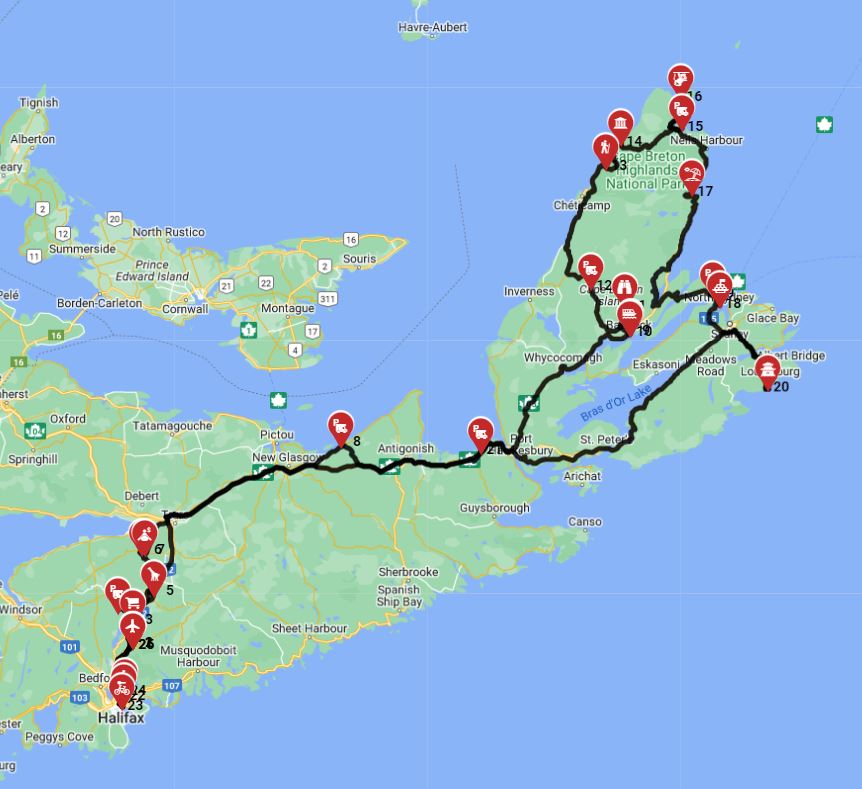
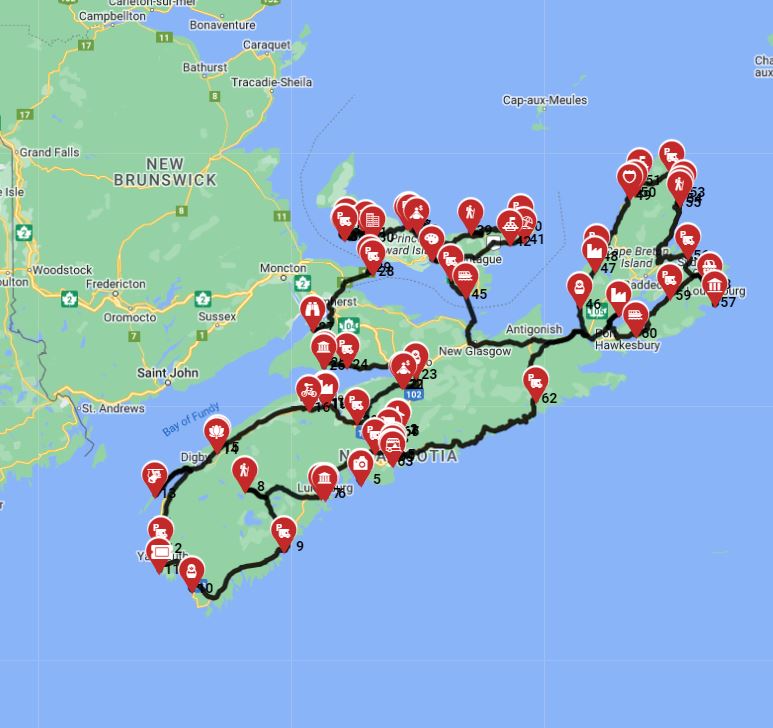
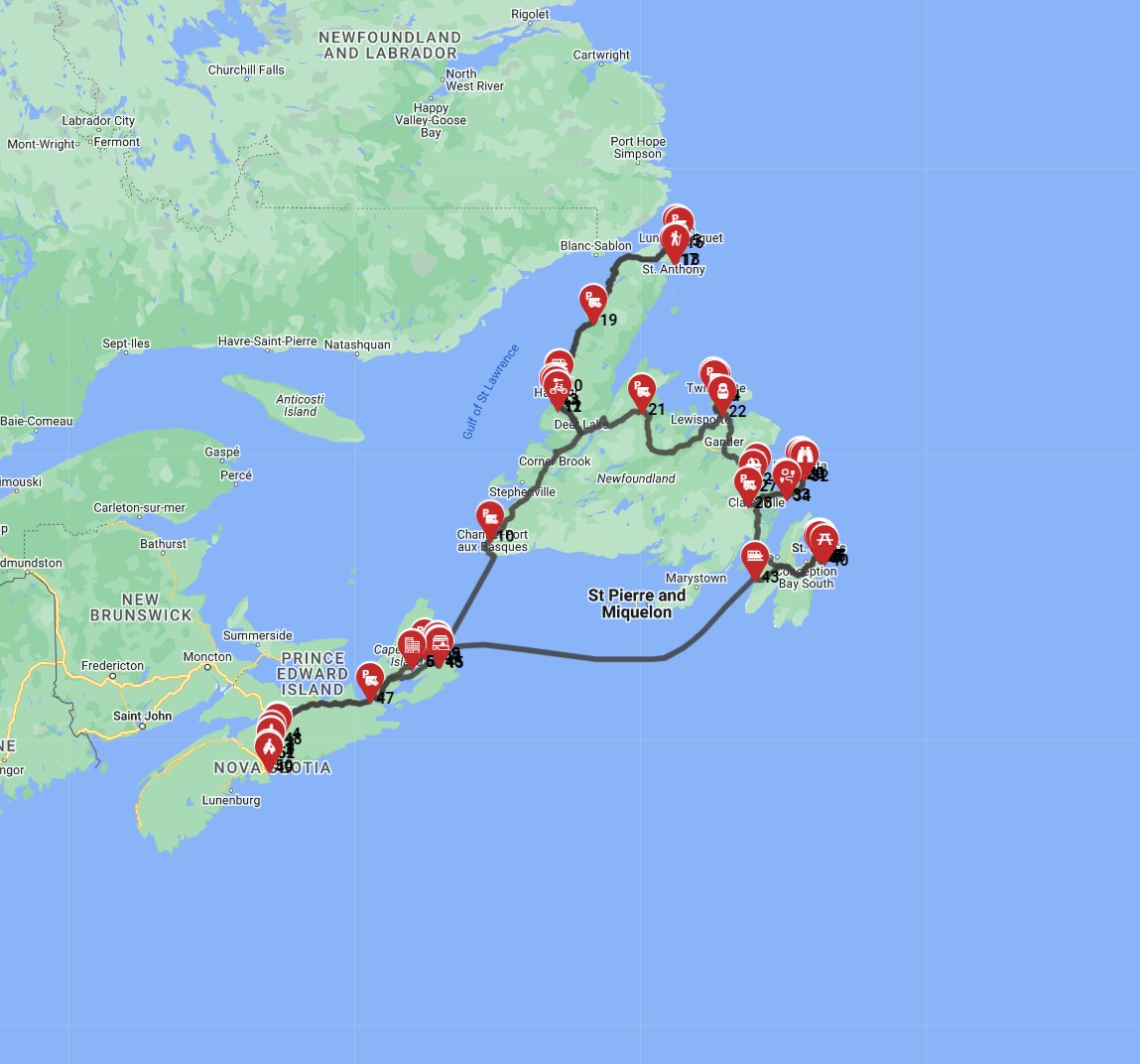
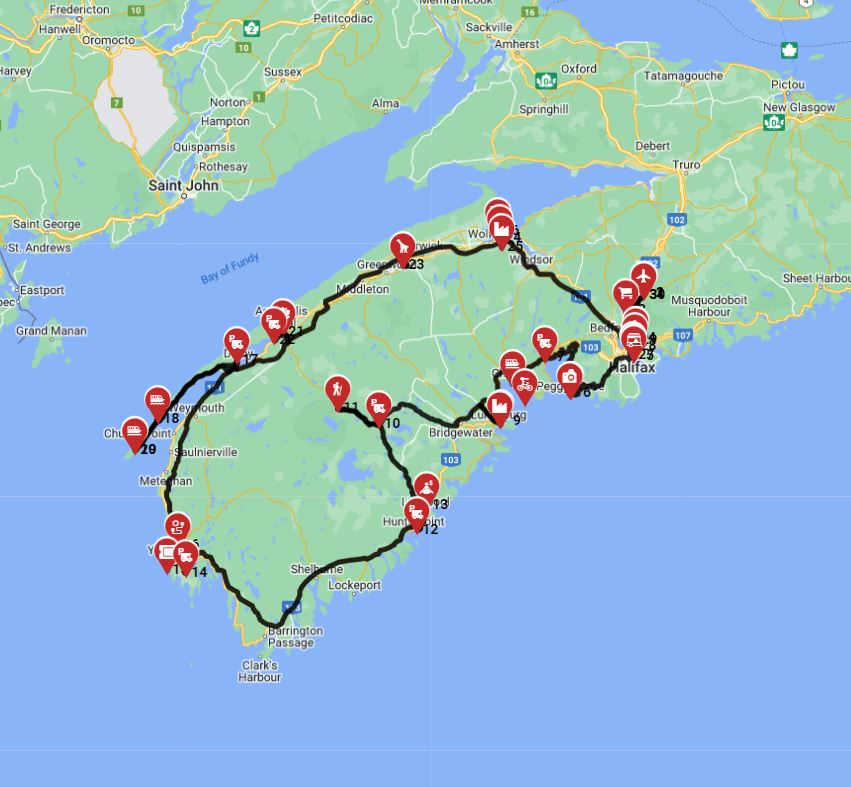
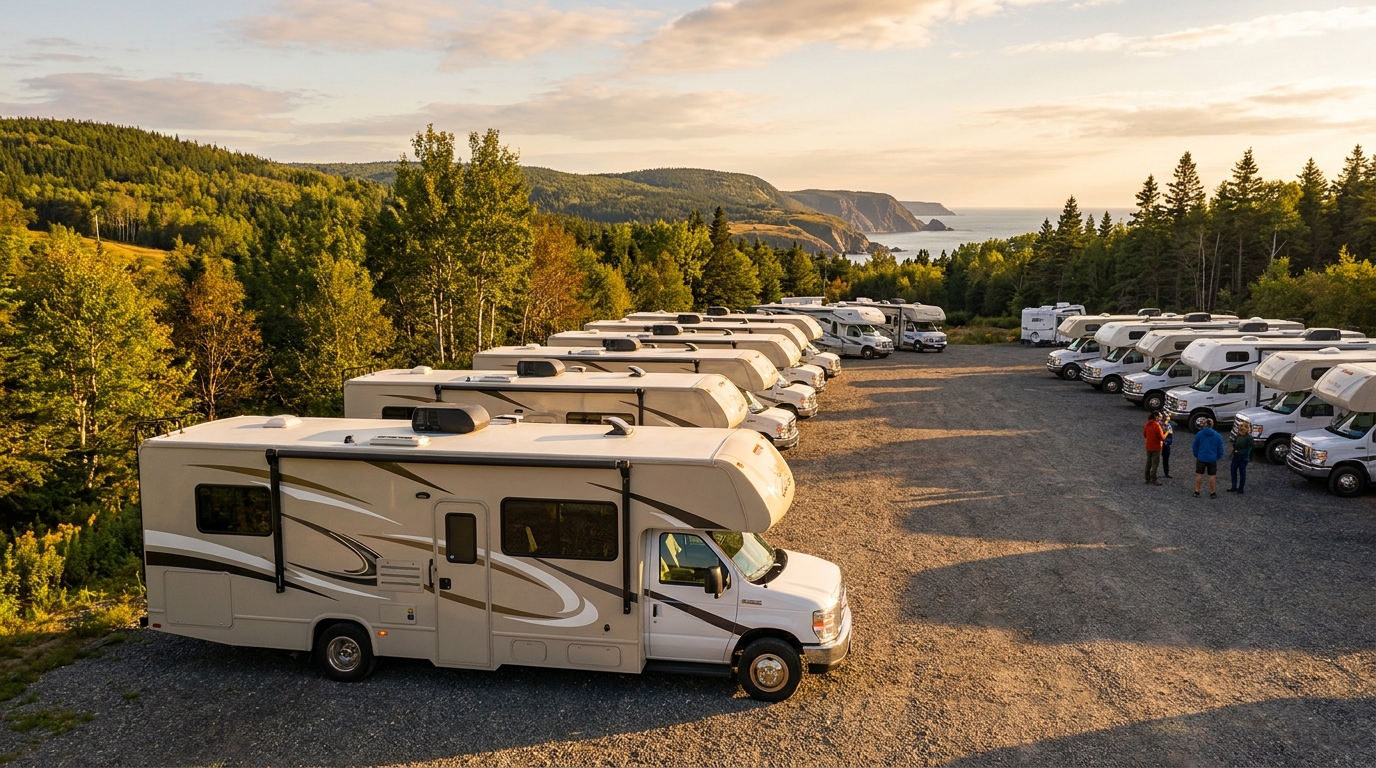
East Canada, with its rugged coastlines, charming fishing villages, and vibrant cities, offers an unparalleled canvas for a long-term RV adventure. Imagine waking up to the sound of ocean waves in Nova Scotia, exploring the historic streets of Quebec City, or discovering the dramatic fjords of Newfoundland, all from the comfort of your rented motorhome. At Bandana RV, we're true RV specialists, dedicated to making your journey seamless and unforgettable. For live availability and current prices, start with our RV Rental East Canada - Complete Guide 2026 guide.
Can You Drive an RV in East Canada? License & Age Rules
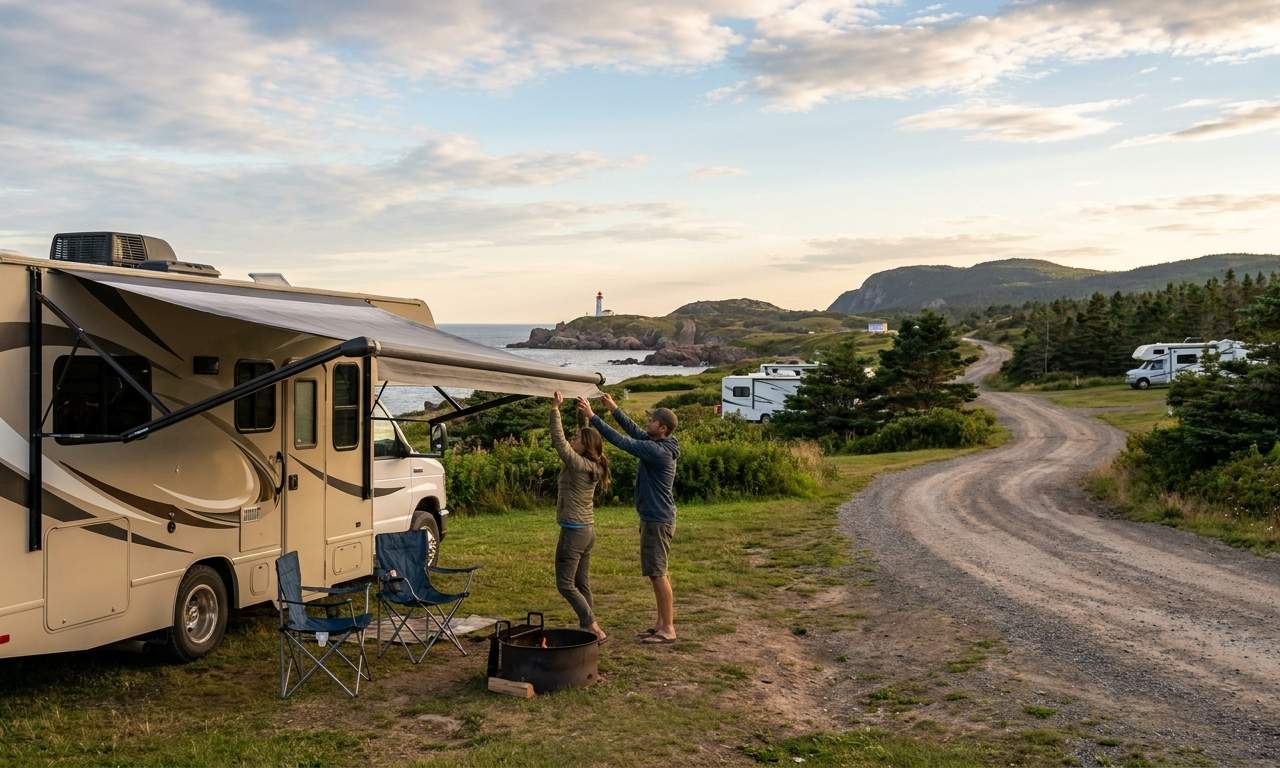
Yes, you can confidently drive a rented RV throughout East Canada with minimal hassle. Most rental RVs in East Canada can be driven with a standard Class 5 (or equivalent) driver's license from your home country, provided the vehicle weighs under 11,000 kg (24,250 lbs). This covers all common Class A, Class B, and Class C motorhomes and campervans available for rent.
The minimum age for RV rental in East Canada is typically 21 years old across most Bandana partner suppliers. Unlike some destinations, there are generally no young driver surcharges or vehicle class restrictions based on age in East Canada, making it accessible for a wider range of adventurers. For foreign drivers, including US citizens, a valid driver's license from your home country is generally sufficient. However, if your license is not in English or French, an International Driving Permit (IDP) is highly recommended to avoid any misunderstandings with local authorities. While provincial regulations may vary slightly across Nova Scotia, New Brunswick, Prince Edward Island, Newfoundland & Labrador, and Quebec, the general weight threshold for a standard license remains consistent, ensuring a smooth journey across the region.
Road Conditions & Terrain in East Canada
East Canada offers a diverse range of road conditions, from well-maintained Trans-Canada Highways to winding coastal routes, some with gravel or unpaved sections, providing varied driving experiences. The terrain includes flat agricultural lands in parts of Prince Edward Island, rolling hills in New Brunswick, the Appalachian mountain foothills in Quebec, and rugged coastal areas in Nova Scotia and Newfoundland. Long-term RV travelers should anticipate varying road quality, particularly on scenic routes such as the Cabot Trail in Nova Scotia or the Viking Trail in Newfoundland, which encourages a slower, more deliberate pace of max 100-150 km per day on average to fully enjoy the breathtaking landscapes.
Urban areas like Halifax, Quebec City, and Montreal feature denser traffic and narrower streets. However, there's no need to stress about navigating these areas in a larger RV; drive slowly and carefully, and you can drive almost anywhere without issues. Just use common sense and pay attention to signage. Overall, the roads are well-suited for a rented motorhome, offering a comfortable and scenic long-term exploration.
RV Size Limits, Bridges & Restricted Zones
General RV length limits in Canada are typically 12.5 meters (41 feet) for a single vehicle, and width usually does not exceed 2.6 meters (8.5 feet). East Canada's historic cities, such as Quebec City and parts of Halifax, feature older infrastructure with potential low bridges, narrow streets, and height-restricted tunnels, necessitating careful route planning. Always pay close attention to local signage indicating height and weight restrictions, especially when entering older town centers.
Ferry services, particularly for destinations like Newfoundland & Labrador or between Nova Scotia and Prince Edward Island, have specific length and weight restrictions and pricing tiers for RVs, requiring advance booking for larger units. It is highly advisable to book these ferries well in advance, especially during peak travel seasons, as space for larger vehicles can be limited. While environmental zones are less common than in Europe, some areas may have specific restrictions or advisories, which travelers should confirm locally by checking provincial tourism websites. Remember, with a rented motorhome, you have the flexibility to adapt your plans as needed.
Fuel: Diesel vs. Petrol & Cost per 100 km
The majority of rental RVs in Bandana's global fleet, especially Class SI - Semi-integrated and Class C - Alcove models, operate on diesel fuel, which is widely available across East Canada. Based on Bandana's global fleet averages, a Class SI - Semi-integrated RV typically consumes 10–11 Liters/100 km, while a Class C - Alcove averages 10–12 Liters/100 km. The average cost per 100 km for a rented RV in East Canada will vary with current dynamic fuel prices and specific vehicle efficiency, but using an average of 11 Liters/100 km for diesel provides a good estimate for budgeting. For managing all your trip expenses, from fuel to campground fees, remember that RV PLANET routes allow you to itemize and track every cost along the way for easy budgeting. On the routes offered through RV PLANET routes, you can itemize and track every expense along the way for easy budgeting.
Some RV rental agreements may include fuel discount cards or other perks, which can help mitigate long-term travel costs; it's advisable to inquire about these options directly with your supplier. At Bandana, we believe in full transparency, ensuring there are no hidden fees or surprises when it comes to understanding your total travel budget. When planning your monthly routes, keep an eye on fuel prices and plan stops accordingly, especially when venturing into more remote areas where stations might be less frequent.
Tolls, Vignettes & Border Rules
Travelers in East Canada will encounter tolls on specific routes, including the Cobequid Pass in Nova Scotia, sections of highways in New Brunswick (like parts of the Trans-Canada Highway), and the A-30 Express toll road in Quebec. There are no vignette systems in Canada; tolls are typically paid at booths using cash or credit card, electronically via transponder, or through license plate recognition. It’s always best to have a method of payment ready. For US citizens, border crossing into Canada requires a valid passport for each traveler, vehicle registration, proof of insurance, and the RV rental agreement. It's crucial to declare all items you bring into the country and be aware of restrictions on firearms, certain food items, and excessive quantities of alcohol or tobacco.
Pre-purchasing toll passes or electronic transponders, sometimes offered by certain RV rental providers, can streamline your travel and help avoid unexpected fines for missed tolls. Our commitment to full transparency means you'll understand all potential costs upfront, with no hidden fees, giving you peace of mind on your extended East Canada adventure. For more information on fees and costs, consider checking out "One-Way RV Rental in East Canada - Price Guide 2026" or "Cheap RV Rental in East Canada - Budget Guide 2026".
Driving Tips for long term rv rental Travelers
Planning your long term rv rental trip in East Canada requires thoughtful preparation to ensure a smooth and enjoyable experience. First, plan your route with adequate time, especially when traveling long distances or on scenic coastal roads, to allow for frequent stops and unexpected delays. We always recommend slow travel, aiming for a maximum of 100-150 km per day on average, allowing you to truly feel the place, connect to the culture, the food, and the scenery. For instance, enjoying a locally prepared meal with ingredients you picked up at a farmers market from your fully equipped kitchen in your rented motorhome adds an authentic touch to your journey. Find inspiration for your RV-friendly recipes playlist to make the most of your onboard cooking facilities.
Pre-book ferry services well in advance, particularly for popular routes like those to Newfoundland & Labrador, as space for RVs can be limited. Be vigilant for wildlife, especially at dawn and dusk, in rural and forested areas, and always respect posted speed limits which are consistently in kilometers per hour. Familiarize yourself with your RV's dimensions (height, length, weight) to navigate low bridges, ferry limits, and tight urban spaces safely. Finally, manage your fuel stops, especially in remote parts of East Canada, as services can be sparse; keep the tank topped up when opportunities arise. Our team at Bandana is here to support you before, during, and after your booking, helping you compare various options and ensure a perfectly planned trip.
🎬 Video coming soon
You can find even more local advice in our "RV Travel Guide to East Canada - Tips and Top Spots 2026".
Recommended RV Class for East Canada Roads
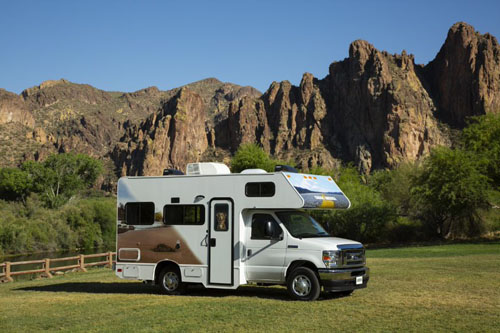
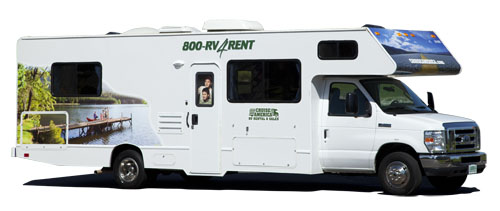
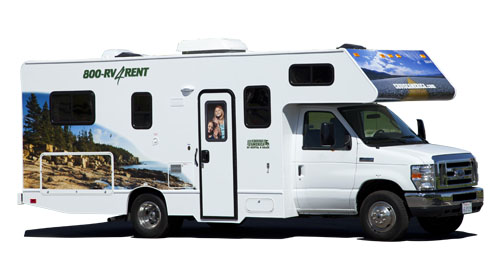
For long-term RV rentals in East Canada, a Class C - Alcove or Class SI - Semi-integrated RV offers an excellent balance of comfort, space, and maneuverability. Class C - Alcove RVs, such as an "Adak Argonaut 23 - Gold" or "29′ Class C Motorhome", typically range from 7 to 9 meters in length, with sleeping places for 5-7 people, providing ample living space and storage suitable for extended trips and families. These rented motorhomes often include a well-equipped kitchen, a comfortable dining area, and a private bathroom, making them ideal for living on the road for several weeks or months. For example, the "MHC28" model offers 7 sleeping places and a kitchen with a 3-4 burner gas stove and 4 cubic ft. 2-way refrigerator. The "MHC30" provides even more space with 9 sleeping places.
Class SI - Semi-integrated RVs, averaging around 6.5-7.5 meters in length with 3-4 sleeping places, offer a slightly more compact footprint while maintaining good interior amenities, making them versatile for diverse East Canadian roads. These motorhomes often feature a more streamlined profile, which can be advantageous on winding coastal routes. Both classes provide sufficient ground clearance for most paved and well-maintained gravel roads encountered in the region, ensuring a comfortable journey. For travelers seeking more luxurious amenities and spacious interiors, exploring options in "Luxury RV Rental in East Canada - Premium Prices 2026" might be worthwhile.
Should I Choose a Compact Van Instead of a Large RV in East Canada?
While East Canada is generally accommodating for larger RVs, the choice between a compact van (Class B campervan) and a large RV depends on your travel priorities and desired level of comfort for a long-term rental. Larger RVs like Class C or Semi-integrated models offer superior comfort, more indoor space, private bathrooms, and larger kitchens, which are significant advantages for extended travel durations with a family or group of friends. A typical "Euro Deluxe" Class C motorhome can sleep up to 6 people comfortably.
A Class B - Camper Van, averaging 5.8 meters (19 feet) in length like a "2 Berth Hi Top" or "Active Standard", provides greater maneuverability for tight city centers (e.g., Quebec City's historic district) and easier parking, acting more like a large car. For long-term trips emphasizing scenic routes and ample living space, a larger motorhome often provides a better trade-off, as most main roads and attractions in East Canada are accessible. Remember, drive slowly and carefully, and you can drive almost anywhere without issues, regardless of your chosen vehicle size. No need to stress - just use common sense and pay attention.
Can I Park Anywhere? Free & Wild Camping Rules in East Canada
Free or wild camping (often called boondocking or dispersed camping) for RVs in East Canada is generally restricted in municipal areas and on private lands without explicit permission. It's crucial to respect private property and local bylaws, which often prohibit overnight parking or camping outside designated campgrounds. However, designated Crown land in provinces like Nova Scotia, New Brunswick, and Quebec may permit dispersed camping, but travelers must research specific regulations and permit requirements for each area beforehand. Always check with local tourism offices or government websites.
Some large retailers, such as Walmart, may allow overnight RV parking in their lots; however, it's crucial to always ask permission from the store manager upon arrival. Provincial parks and private campgrounds are the most reliable options for overnight stays, offering amenities like electrical hookups, fresh water, and dump stations. Rules vary by region, so always check local regulations and follow local law before parking overnight. For finding campsites and campgrounds during your trip, we recommend using RV PLANET (rvplan.net) - a great resource for locating available spots along your route. You can even plan your stops days or weeks in advance using their professional route planning tools.
Can I Drive an RV Into the City Center? Heights, Tunnels & Local Signage
Yes, RVs can generally be driven into most city centers across East Canada, but drivers must be attentive to local signage, height restrictions, and parking availability. Cities like Quebec City have strict vehicle size limits in their historic Old Town, while others like Montreal have underground tunnels and parking garages with height restrictions that most RVs cannot access. Always observe local signage for height limits, weight restrictions, and environmental zones, which may restrict larger vehicles or require specific permits in certain urban areas. Drive slowly and carefully, and you can drive almost anywhere without issues. No need to stress - just use common sense and pay attention.
Parking a large RV in city centers can be challenging. We recommend looking for designated RV-friendly parking lots, often found on the outskirts of major cities, or considering parking there and using public transport to explore urban attractions. This approach allows you to experience city life without the stress of navigating tight streets and limited parking. Planning your city stops as part of your long-term itinerary through RV PLANET can help identify suitable parking solutions in advance.
What is the 3-3-3 rule for RV travel?
The '3-3-3 rule' for RV travel suggests driving no more than 300 miles (approximately 480 km) in a day, arriving at your destination by 3 PM, and staying at least 3 nights. This guideline promotes a slower, more enjoyable pace of travel, reducing driver fatigue and allowing ample time to explore each location thoroughly. Adhering to the 3-3-3 rule is particularly beneficial for long-term RV rentals in East Canada, encouraging immersion in local culture and scenic beauty rather than rushing through destinations. Imagine having three full days to explore the charming streets of Lunenburg, Nova Scotia, or hike the trails of Gros Morne National Park in Newfoundland.
Arriving by 3 PM provides sufficient time to set up camp, allowing for relaxation and addressing any campsite needs before dark, especially important during shoulder seasons when daylight hours are shorter. This approach also helps secure desirable campsites, as many national and provincial parks operate on a first-come, first-served basis for a significant portion of their spots. You'll find a spot; if not at the first campground, then the next one. Always call ahead before driving to confirm availability, especially for popular areas. This slow travel philosophy aligns perfectly with our vision at Bandana: travel slowly, max 100-150 km per day on average, and take time to feel the place, connect to the culture, the food, and the scenery.
Can Americans RV in Canada?
Yes, Americans are generally welcome to RV in Canada, provided they have the necessary documentation and adhere to Canadian border crossing and driving regulations. Essential documents for US citizens include a valid passport for each traveler, the RV's registration (which will be part of your rental agreement), a valid driver's license, and proof of vehicle insurance. Your Bandana rental agreement will include the necessary insurance documentation. Travelers should be aware of restrictions on bringing firearms, certain food items, and excessive quantities of alcohol or tobacco into Canada. It's advisable to check the latest entry requirements and travel advisories from both the US and Canadian governments before planning your trip.
Remember that Canada uses the metric system for distances and speed limits (kilometers per hour) and gasoline/diesel is sold in liters. For a broader perspective on RVing across the continent, you might find our "RV Rental USA - Complete Guide 2026" helpful, especially if combining your East Canada adventure with travels south of the border.
Do you need a different license to drive an RV in Canada?
No, for most rental RVs in Canada, including those available for long-term rentals in East Canada, a standard Class 5 (or equivalent) driver's license from your home jurisdiction is sufficient. This applies to the vast majority of Class B campervans, Class C motorhomes, and Class A motorhomes that are commonly available for rent, as they typically do not exceed 11,000 kilograms (24,250 lbs) in gross vehicle weight. A different license, such as a commercial or higher-class license, is usually only required for very large RVs or those towing extremely heavy trailers, which are rarely found in rental fleets.
The majority of Class B, Class C, and Class SI RVs fall well within the weight limits for a standard passenger vehicle license. Rental companies will confirm the specific license requirements for the rented RV you intend to drive, but rest assured, if you hold a valid car driver's license, you're all set for your East Canada motorhome adventure. Our goal is to make RV travel accessible and straightforward for everyone.
Where can I park my RV for free in Canada?
Free RV parking in Canada is primarily found on designated Crown land (public land), where boondocking or dispersed camping may be permitted, varying by provincial regulations. It is essential to research specific provincial and even local government websites for rules on Crown land camping in Nova Scotia, New Brunswick, Prince Edward Island, Newfoundland & Labrador, and Quebec. Obtaining any required permits or understanding stay limits is crucial before setting up camp.
Some commercial establishments, particularly large retail stores like Walmart or certain casinos, may allow overnight RV parking. However, always ask for permission from management first, as policies can change and vary by location. While rest stops are generally for short breaks, a few might permit overnight parking; however, this is not a guaranteed option and should be verified locally. Finding reliable free overnight parking can be challenging, particularly in popular tourist areas and within municipal limits, where bylaws often prohibit street camping. Always prioritize safety and respect local regulations; utilizing resources like RV PLANET (rvplan.net) can help locate legal free or low-cost parking spots, along with available amenities like dump stations and water refills.
Can you live permanently in an RV in Canada?
Legally living permanently in an RV in Canada is complex and generally not supported by federal or provincial housing, healthcare, and residency laws. To establish permanent residency, access healthcare, and manage finances, individuals typically need a fixed residential address, which an RV does not officially provide. While some long-term RV parks or seasonal campgrounds may allow extended stays, they often require residents to vacate during the winter months due to zoning or climate conditions. These are typically short-term rental arrangements, not permanent housing solutions.
Our focus at Bandana RV is on providing rental motorhomes and campervans for vacation travel, not for full-time living. We aim to help you discover the joy of temporary RV adventures, exploring new places and creating lasting memories. For those contemplating extended stays, it's crucial to be aware that provincial regulations regarding residency and services are tied to a fixed address. Always ensure you are compliant with local laws and regulations during your rental period.
What licence do I need to drive an RV in Canada?
To drive most recreational vehicles in Canada, including rental RVs for long-term trips in East Canada, you typically need a valid non-commercial driver's license from your country or province of residence. In most Canadian provinces, including Nova Scotia, New Brunswick, Prince Edward Island, Newfoundland & Labrador, and Quebec, a standard Class 5 (or equivalent) license is sufficient for driving RVs that do not exceed 11,000 kilograms (24,250 pounds) in gross vehicle weight. This encompasses nearly all Class B, Class C, and Class A motorhomes available for rent through Bandana partners.
For non-Canadian or non-US drivers, an International Driving Permit (IDP) alongside your original license is highly recommended, especially if your license is not in English or French. While not always mandatory, an IDP can ease communication with local authorities and rental agencies. Always confirm with your specific RV rental company about their exact licensing requirements; however, most standard car licenses will be perfectly adequate for your East Canada campervan or motorhome rental.
How much is RV insurance in Canada?
The cost of RV insurance in Canada varies significantly based on factors such as the RV's type, value, age, your driving history, the level of coverage chosen, and the province where the rental originates. For rental RVs through Bandana's partners, basic liability and collision insurance are usually included in the rental agreement, providing essential protection for your journey. However, renters often have the option to purchase supplemental coverage, such as a top-level deductible reimbursement, for extra peace of mind. This optional upgrade can significantly reduce your out-of-pocket expenses in the event of an incident, allowing you to travel with greater confidence.
It's essential to review your rental agreement or personal insurance policy carefully to understand what is covered and any applicable deductibles. At Bandana, we strive for full transparency, so all insurance options and costs are clearly presented, ensuring you have no hidden fees or surprises. When comparing options for long term rv rental in East Canada, always factor in the insurance details to choose the best package for your needs.
How much does full-time RV insurance cost?
Full-time RV insurance, designed for individuals who use their RV as their primary residence, generally costs more than standard recreational RV insurance due to the increased risk associated with continuous use. Costs for full-time RV insurance can range from approximately $1,000 to over $4,000 per year, depending on the RV's value, the coverage limits, the policyholder's claims history, and the province of residence. This type of insurance is different from what is typically included with a short-term RV rental for vacation purposes.
Unlike recreational policies, full-time RV insurance often includes coverages similar to homeowner's insurance, such as personal liability and personal effects coverage for items stored within the RV. Finding a policy requires providers specializing in full-time RV living, as not all standard insurers offer this specific type of coverage, necessitating careful comparison of options. As Bandana exclusively focuses on RV rentals for vacation travel, this type of specialized, long-term personal insurance typically isn't directly relevant to our renters, whose insurance needs are covered by the rental company's policy and optional upgrades.
What You Shouldn't Miss
- Explore the Cabot Trail, Nova Scotia: Drive this iconic 298 km (185 mile) scenic highway on Cape Breton Island, renowned for its coastal views, highland vistas, and charming Gaelic culture. Allow at least 3-4 days to savor every turn and hiking opportunity.
- Witness the Bay of Fundy Tides, New Brunswick: Experience the world's highest tides, which can reach over 16 meters (50 feet), at locations like Hopewell Rocks. Plan your visit to see both high and low tide for the full dramatic effect.
- Discover Old Quebec City, Quebec: Park your RV on the outskirts and explore the only walled city north of Mexico on foot. Wander through cobblestone streets, visit historic landmarks, and indulge in French-Canadian cuisine.
- Visit Gros Morne National Park, Newfoundland: Immerse yourself in a UNESCO World Heritage site with dramatic fjords, ancient mountains, and a diverse ecosystem. Take a boat tour on Western Brook Pond or hike Gros Morne Mountain.
- Relax on Prince Edward Island's Beaches: Enjoy the red sand beaches, lighthouses, and gentle rolling landscapes of PEI. Cavendish Beach in PEI National Park is a popular spot, perfect for a day of sun and relaxation.
- Sample Seafood Delights: From fresh lobster in Nova Scotia to mussels in PEI and cod in Newfoundland, East Canada is a seafood lover's paradise. Enjoy cooking up your catch in your rented motorhome kitchen.
Looking for expert insights from Avi Bandana? Top 5 Adventures - recommendations from Avi Bandana
Final Thoughts
Embarking on a long-term RV rental in East Canada offers an incredible opportunity to truly immerse yourself in the region's diverse landscapes and rich culture. From the maritime charm of the Atlantic provinces to the European flair of Quebec, a rented motorhome or campervan provides the ultimate freedom and flexibility. Remember to embrace the spirit of slow travel, allowing yourself to linger longer in places that capture your heart, savoring local cuisine and connecting with the communities you encounter.
With Bandana RV, you're not just booking a vehicle; you're gaining a partner dedicated to transparency, support, and helping you craft the perfect adventure. We're here to make the planning process enjoyable, ensuring you have all the information and tools needed for a hassle-free experience. So, pack your bags, prepare your RV-friendly recipes playlist, and get ready to hit the road.
Discover top destinations and planning tips, all in one place, and start charting your course through East Canada. Find long term rv Rentals in East Canada now and begin your journey!
In This Guide
- Can You Drive an RV in East Canada? License & Age Rules
- Road Conditions & Terrain in East Canada
- RV Size Limits, Bridges & Restricted Zones
- Fuel: Diesel vs. Petrol & Cost per 100 km
- Tolls, Vignettes & Border Rules
- Driving Tips for long term rv rental Travelers
- Recommended RV Class for East Canada Roads
- Should I Choose a Compact Van Instead of a Large RV in East Canada?
- Can I Park Anywhere? Free & Wild Camping Rules in East Canada
- Can I Drive an RV Into the City Center? Heights, Tunnels & Local Signage
- What is the 3-3-3 rule for RV travel?
- Can Americans RV in Canada?
- Do you need a different license to drive an RV in Canada?
- Where can I park my RV for free in Canada?
- Can you live permanently in an RV in Canada?
- What licence do I need to drive an RV in Canada?
- How much is RV insurance in Canada?
- How much does full-time RV insurance cost?
- What You Shouldn't Miss
- Why Book with Bandana Caravan
- Final Thoughts
- Frequently Asked Questions
East Canada, with its rugged coastlines, charming fishing villages, and vibrant cities, offers an unparalleled canvas for a long-term RV adventure. Imagine waking up to the sound of ocean waves in Nova Scotia, exploring the historic streets of Quebec City, or discovering the dramatic fjords of Newfoundland, all from the comfort of your rented motorhome. At Bandana RV, we're true RV specialists, dedicated to making your journey seamless and unforgettable. For live availability and current prices, start with our RV Rental East Canada - Complete Guide 2026 guide.
Can You Drive an RV in East Canada? License & Age Rules
Yes, you can confidently drive a rented RV throughout East Canada with minimal hassle. Most rental RVs in East Canada can be driven with a standard Class 5 (or equivalent) driver's license from your home country, provided the vehicle weighs under 11,000 kg (24,250 lbs). This covers all common Class A, Class B, and Class C motorhomes and campervans available for rent.
The minimum age for RV rental in East Canada is typically 21 years old across most Bandana partner suppliers. Unlike some destinations, there are generally no young driver surcharges or vehicle class restrictions based on age in East Canada, making it accessible for a wider range of adventurers. For foreign drivers, including US citizens, a valid driver's license from your home country is generally sufficient. However, if your license is not in English or French, an International Driving Permit (IDP) is highly recommended to avoid any misunderstandings with local authorities. While provincial regulations may vary slightly across Nova Scotia, New Brunswick, Prince Edward Island, Newfoundland & Labrador, and Quebec, the general weight threshold for a standard license remains consistent, ensuring a smooth journey across the region.
Road Conditions & Terrain in East Canada
East Canada offers a diverse range of road conditions, from well-maintained Trans-Canada Highways to winding coastal routes, some with gravel or unpaved sections, providing varied driving experiences. The terrain includes flat agricultural lands in parts of Prince Edward Island, rolling hills in New Brunswick, the Appalachian mountain foothills in Quebec, and rugged coastal areas in Nova Scotia and Newfoundland. Long-term RV travelers should anticipate varying road quality, particularly on scenic routes such as the Cabot Trail in Nova Scotia or the Viking Trail in Newfoundland, which encourages a slower, more deliberate pace of max 100-150 km per day on average to fully enjoy the breathtaking landscapes.
Urban areas like Halifax, Quebec City, and Montreal feature denser traffic and narrower streets. However, there's no need to stress about navigating these areas in a larger RV; drive slowly and carefully, and you can drive almost anywhere without issues. Just use common sense and pay attention. Overall, the roads are well-suited for a rented motorhome, offering a comfortable and scenic long-term exploration.
RV Size Limits, Bridges & Restricted Zones
General RV length limits in Canada are typically 12.5 meters (41 feet) for a single vehicle, and width usually does not exceed 2.6 meters (8.5 feet). East Canada's historic cities, such as Quebec City and parts of Halifax, feature older infrastructure with potential low bridges, narrow streets, and height-restricted tunnels, necessitating careful route planning. Always pay close attention to local signage indicating height and weight restrictions, especially when entering older town centers.
Ferry services, particularly for destinations like Newfoundland & Labrador or between Nova Scotia and Prince Edward Island, have specific length and weight restrictions and pricing tiers for RVs, requiring advance booking for larger units. It is highly advisable to book these ferries well in advance, especially during peak travel seasons, as space for larger vehicles can be limited. While environmental zones are less common than in Europe, some areas may have specific restrictions or advisories, which travelers should confirm locally by checking provincial tourism websites. Remember, with a rented motorhome, you have the flexibility to adapt your plans as needed.
Fuel: Diesel vs. Petrol & Cost per 100 km
The majority of rental RVs in Bandana's global fleet, especially Class SI - Semi-integrated and Class C - Alcove models, operate on diesel fuel, which is widely available across East Canada. Based on Bandana's global fleet averages, a Class SI - Semi-integrated RV typically consumes 10–11 Liters/100 km, while a Class C - Alcove averages 10–12 Liters/100 km. The average cost per 100 km for a rented RV in East Canada will vary with current dynamic fuel prices and specific vehicle efficiency, but using an average of 11 Liters/100 km for diesel provides a good estimate for budgeting. For managing all your trip expenses, from fuel to campground fees, remember that RV PLANET routes allow you to itemize and track every cost along the way for easy budgeting.
Some RV rental agreements may include fuel discount cards or other perks, which can help mitigate long-term travel costs; it's advisable to inquire about these options directly with your supplier. At Bandana, we believe in full transparency, ensuring there are no hidden fees or surprises when it comes to understanding your total travel budget. When planning your monthly routes, keep an eye on fuel prices and plan stops accordingly, especially when venturing into more remote areas where stations might be less frequent.
Tolls, Vignettes & Border Rules
Travelers in East Canada will encounter tolls on specific routes, including the Cobequid Pass in Nova Scotia, sections of highways in New Brunswick (like parts of the Trans-Canada Highway), and the A-30 Express toll road in Quebec. There are no vignette systems in Canada; tolls are typically paid at booths using cash or credit card, electronically via transponder, or through license plate recognition. It’s always best to have a method of payment ready. For US citizens, border crossing into Canada requires a valid passport for each traveler, vehicle registration, proof of insurance, and the RV rental agreement. It's crucial to declare all items you bring into the country and be aware of restrictions on firearms, certain food items, and excessive quantities of alcohol or tobacco.
Pre-purchasing toll passes or electronic transponders, sometimes offered by certain RV rental providers, can streamline your travel and help avoid unexpected fines for missed tolls. Our commitment to full transparency means you'll understand all potential costs upfront, with no hidden fees, giving you peace of mind on your extended East Canada adventure. For more information on fees and costs, consider checking out "One-Way RV Rental in East Canada - Price Guide 2026" or "Cheap RV Rental in East Canada - Budget Guide 2026".
Driving Tips for long term rv rental Travelers
Planning your long term rv rental trip in East Canada requires thoughtful preparation to ensure a smooth and enjoyable experience. First, plan your route with adequate time, especially when traveling long distances or on scenic coastal roads, to allow for frequent stops and unexpected delays. We always recommend slow travel, aiming for a maximum of 100-150 km per day on average, allowing you to truly feel the place, connect to the culture, the food, and the scenery. For instance, enjoying a locally prepared meal with ingredients you picked up at a farmers market from your fully equipped kitchen in your rented motorhome adds an authentic touch to your journey. Find inspiration for your RV-friendly recipes playlist to make the most of your onboard cooking facilities.
Pre-book ferry services well in advance, particularly for popular routes like those to Newfoundland & Labrador, as space for RVs can be limited. Be vigilant for wildlife, especially at dawn and dusk, in rural and forested areas, and always respect posted speed limits which are consistently in kilometers per hour. Familiarize yourself with your RV's dimensions (height, length, weight) to navigate low bridges, ferry limits, and tight urban spaces safely. Finally, manage your fuel stops, especially in remote parts of East Canada, as services can be sparse; keep the tank topped up when opportunities arise. Our team at Bandana is here to support you before, during, and after your booking, helping you compare various options and ensure a perfectly planned trip.
🎬 Video coming soon
You can find even more local advice in our "RV Travel Guide to East Canada - Tips and Top Spots 2026".
Recommended RV Class for East Canada Roads
For long-term RV rentals in East Canada, a Class C - Alcove or Class SI - Semi-integrated RV offers an excellent balance of comfort, space, and maneuverability. Class C - Alcove RVs, such as an "Adak Argonaut 23 - Gold" or "29′ Class C Motorhome", typically range from 7 to 9 meters in length, with sleeping places for 5-7 people, providing ample living space and storage suitable for extended trips and families. These rented motorhomes often include a well-equipped kitchen, a comfortable dining area, and a private bathroom, making them ideal for living on the road for several weeks or months. For example, the "MHC28" model offers 7 sleeping places and a kitchen with a 3-4 burner gas stove and 4 cubic ft. 2-way refrigerator. The "MHC30" provides even more space with 9 sleeping places.
Class SI - Semi-integrated RVs, averaging around 6.5-7.5 meters in length with 3-4 sleeping places, offer a slightly more compact footprint while maintaining good interior amenities, making them versatile for diverse East Canadian roads. These motorhomes often feature a more streamlined profile, which can be advantageous on winding coastal routes. Both classes provide sufficient ground clearance for most paved and well-maintained gravel roads encountered in the region, ensuring a comfortable journey. For travelers seeking more luxurious amenities and spacious interiors, exploring options in "Luxury RV Rental in East Canada - Premium Prices 2026" might be worthwhile.
Should I Choose a Compact Van Instead of a Large RV in East Canada?
While East Canada is generally accommodating for larger RVs, the choice between a compact van (Class B campervan) and a large RV depends on your travel priorities and desired level of comfort for a long-term rental. Larger RVs like Class C or Semi-integrated models offer superior comfort, more indoor space, private bathrooms, and larger kitchens, which are significant advantages for extended travel durations with a family or group of friends. A typical "Euro Deluxe" Class C motorhome can sleep up to 6 people comfortably.
A Class B - Camper Van, averaging 5.8 meters (19 feet) in length like a "2 Berth Hi Top" or "Active Standard", provides greater maneuverability for tight city centers (e.g., Quebec City's historic district) and easier parking, acting more like a large car. For long-term trips emphasizing scenic routes and ample living space, a larger motorhome often provides a better trade-off, as most main roads and attractions in East Canada are accessible. Remember, drive slowly and carefully, and you can drive almost anywhere without issues, regardless of your chosen vehicle size. No need to stress - just use common sense and pay attention.
Can I Park Anywhere? Free & Wild Camping Rules in East Canada
Free or wild camping (often called boondocking or dispersed camping) for RVs in East Canada is generally restricted in municipal areas and on private lands without explicit permission. It's crucial to respect private property and local bylaws, which often prohibit overnight parking or camping outside designated campgrounds. However, designated Crown land in provinces like Nova Scotia, New Brunswick, and Quebec may permit dispersed camping, but travelers must research specific regulations and permit requirements for each area beforehand. Obtaining any required permits or understanding stay limits is crucial before setting up camp.
Some large retailers, such as Walmart, may allow overnight RV parking in their lots; however, always ask for permission from the store manager upon arrival. Provincial parks and private campgrounds are the most reliable options for overnight stays, offering amenities like electrical hookups, fresh water, and dump stations. Rules vary by region, so always check local regulations and follow local law before parking overnight. For finding campsites and campgrounds during your trip, we recommend using RV PLANET (rvplan.net) - a great resource for locating available spots along your route. You can even plan your stops days or weeks in advance using their professional route planning tools.
Can I Drive an RV Into the City Center? Heights, Tunnels & Local Signage
Yes, RVs can generally be driven into most city centers across East Canada, but drivers must be attentive to local signage, height restrictions, and parking availability. Cities like Quebec City have strict vehicle size limits in their historic Old Town, while others like Montreal have underground tunnels and parking garages with height restrictions that most RVs cannot access. Always observe local signage for height limits, weight restrictions, and environmental zones, which may restrict larger vehicles or require specific permits in certain urban areas. Drive slowly and carefully, and you can drive almost anywhere without issues. No need to stress - just use common sense and pay attention.
Parking a large RV in city centers can be challenging. We recommend looking for designated RV-friendly parking lots, often found on the outskirts of major cities, or considering parking there and using public transport to explore urban attractions. This approach allows you to experience city life without the stress of navigating tight streets and limited parking. Planning your city stops as part of your long-term itinerary through RV PLANET can help identify suitable parking solutions in advance.
What is the 3-3-3 rule for RV travel?
The '3-3-3 rule' for RV travel suggests driving no more than 300 miles (approximately 480 km) in a day, arriving at your destination by 3 PM, and staying at least 3 nights. This guideline promotes a slower, more enjoyable pace of travel, reducing driver fatigue and allowing ample time to explore each location thoroughly. Adhering to the 3-3-3 rule is particularly beneficial for long-term RV rentals in East Canada, encouraging immersion in local culture and scenic beauty rather than rushing through destinations. Imagine having three full days to explore the charming streets of Lunenburg, Nova Scotia, or hike the trails of Gros Morne National Park in Newfoundland.
Arriving by 3 PM provides sufficient time to set up camp, allowing for relaxation and addressing any campsite needs before dark, especially important during shoulder seasons when daylight hours are shorter. This approach also helps secure desirable campsites, as many national and provincial parks operate on a first-come, first-served basis for a significant portion of their spots. You'll find a spot; if not at the first campground, then the next one. Always call ahead before driving to confirm availability, especially for popular areas. This slow travel philosophy aligns perfectly with our vision at Bandana: travel slowly, max 100-150 km per day on average, and take time to feel the place, connect to the culture, the food, and the scenery.
Can Americans RV in Canada?
Yes, Americans are generally welcome to RV in Canada, provided they have the necessary documentation and adhere to Canadian border crossing and driving regulations. Essential documents for US citizens include a valid passport for each traveler, the RV's registration (which will be part of your rental agreement), a valid driver's license, and proof of vehicle insurance. Your Bandana rental agreement will include the necessary insurance documentation. Travelers should be aware of restrictions on bringing firearms, certain food items, and excessive quantities of alcohol or tobacco into Canada. It's advisable to check the latest entry requirements and travel advisories from both the US and Canadian governments before planning your trip.
Remember that Canada uses the metric system for distances and speed limits (kilometers per hour) and gasoline/diesel is sold in liters. For a broader perspective on RVing across the continent, you might find our "RV Rental USA - Complete Guide 2026" helpful, especially if combining your East Canada adventure with travels south of the border.
Do you need a different license to drive an RV in Canada?
No, for most rental RVs in Canada, including those available for long-term rentals in East Canada, a standard Class 5 (or equivalent) driver's license from your home jurisdiction is sufficient. This applies to the vast majority of Class B campervans, Class C motorhomes, and Class A motorhomes that are commonly available for rent, as they typically do not exceed 11,000 kilograms (24,250 lbs) in gross vehicle weight. A different license, such as a commercial or higher-class license, is usually only required for very large RVs or those towing extremely heavy trailers, which are rarely found in rental fleets.
The majority of Class B, Class C, and Class SI RVs fall well within the weight limits for a standard passenger vehicle license. Rental companies will confirm the specific license requirements for the rented RV you intend to drive, but rest assured, if you hold a valid car driver's license, you're all set for your East Canada motorhome adventure. Our goal is to make RV travel accessible and straightforward for everyone.
Where can I park my RV for free in Canada?
Free RV parking in Canada is primarily found on designated Crown land (public land), where boondocking or dispersed camping may be permitted, varying by provincial regulations. It is essential to research specific provincial and even local government websites for rules on Crown land camping in Nova Scotia, New Brunswick, Prince Edward Island, Newfoundland & Labrador, and Quebec. Obtaining any required permits or understanding stay limits is crucial before setting up camp.
Some commercial establishments, particularly large retail stores like Walmart or certain casinos, may allow overnight RV parking. However, always ask for permission from management first, as policies can change and vary by location. While rest stops are generally for short breaks, a few might permit overnight parking; however, this is not a guaranteed option and should be verified locally. Finding reliable free overnight parking can be challenging, particularly in popular tourist areas and within municipal limits, where bylaws often prohibit street camping. Always prioritize safety and respect local regulations; utilizing resources like RV PLANET (rvplan.net) can help locate legal free or low-cost parking spots, along with available amenities like dump stations and water refills.
Can you live permanently in an RV in Canada?
Legally living permanently in an RV in Canada is complex and generally not supported by federal or provincial housing, healthcare, and residency laws. To establish permanent residency, access healthcare, and manage finances, individuals typically need a fixed residential address, which an RV does not officially provide. While some long-term RV parks or seasonal campgrounds may allow extended stays, they often require residents to vacate during the winter months due to zoning or climate conditions. These are typically short-term rental arrangements, not permanent housing solutions.
Our focus at Bandana RV is on providing rental motorhomes and campervans for vacation travel, not for full-time living. We aim to help you discover the joy of temporary RV adventures, exploring new places and creating lasting memories. For those contemplating extended stays, it's crucial to be aware that provincial regulations regarding residency and services are tied to a fixed address. Always ensure you are compliant with local laws and regulations during your rental period.
What licence do I need to drive an RV in Canada?
To drive most recreational vehicles in Canada, including rental RVs for long-term trips in East Canada, you typically need a valid non-commercial driver's license from your country or province of residence. In most Canadian provinces, including Nova Scotia, New Brunswick, Prince Edward Island, Newfoundland & Labrador, and Quebec, a standard Class 5 (or equivalent) license is sufficient for driving RVs that do not exceed 11,000 kilograms (24,250 pounds) in gross vehicle weight. This encompasses nearly all Class B, Class C, and Class A motorhomes available for rent through Bandana partners.
For non-Canadian or non-US drivers, an International Driving Permit (IDP) alongside your original license is highly recommended, especially if your license is not in English or French. While not always mandatory, an IDP can ease communication with local authorities and rental agencies. Always confirm with your specific RV rental company about their exact licensing requirements; however, most standard car licenses will be perfectly adequate for your East Canada campervan or motorhome rental.
How much is RV insurance in Canada?
The cost of RV insurance in Canada varies significantly based on factors such as the RV's type, value, age, your driving history, the level of coverage chosen, and the province where the rental originates. For rental RVs through Bandana's partners, basic liability and collision insurance are usually included in the rental agreement, providing essential protection for your journey. However, renters often have the option to purchase supplemental coverage, such as a top-level deductible reimbursement, for extra peace of mind. This optional upgrade can significantly reduce your out-of-pocket expenses in the event of an incident, allowing you to travel with greater confidence.
It's essential to review your rental agreement or personal insurance policy carefully to understand what is covered and any applicable deductibles. At Bandana, we strive for full transparency, so all insurance options and costs are clearly presented, ensuring you have no hidden fees or surprises. When comparing options for long term rv rental in East Canada, always factor in the insurance details to choose the best package for your needs.
How much does full-time RV insurance cost?
Full-time RV insurance, designed for individuals who use their RV as their primary residence, generally costs more than standard recreational RV insurance due to the increased risk associated with continuous use. Costs for full-time RV insurance can range from approximately $1,000 to over $4,000 per year, depending on the RV's value, the coverage limits, the policyholder's claims history, and the province of residence. This type of insurance is different from what is typically included with a short-term RV rental for vacation purposes.
Unlike recreational policies, full-time RV insurance often includes coverages similar to homeowner's insurance, such as personal liability and personal effects coverage for items stored within the RV. Finding a policy requires providers specializing in full-time RV living, as not all standard insurers offer this specific type of coverage, necessitating careful comparison of options. As Bandana exclusively focuses on RV rentals for vacation travel, this type of specialized, long-term personal insurance typically isn't directly relevant to our renters, whose insurance needs are covered by the rental company's policy and optional upgrades.
What You Shouldn't Miss
- Explore the Cabot Trail, Nova Scotia: Drive this iconic 298 km (185 mile) scenic highway on Cape Breton Island, renowned for its coastal views, highland vistas, and charming Gaelic culture. Allow at least 3-4 days to savor every turn and hiking opportunity.
- Witness the Bay of Fundy Tides, New Brunswick: Experience the world's highest tides, which can reach over 16 meters (50 feet), at locations like Hopewell Rocks. Plan your visit to see both high and low tide for the full dramatic effect.
- Discover Old Quebec City, Quebec: Park your RV on the outskirts and explore the only walled city north of Mexico on foot. Wander through cobblestone streets, visit historic landmarks, and indulge in French-Canadian cuisine.
- Visit Gros Morne National Park, Newfoundland: Immerse yourself in a UNESCO World Heritage site with dramatic fjords, ancient mountains, and a diverse ecosystem. Take a boat tour on Western Brook Pond or hike Gros Morne Mountain.
- Relax on Prince Edward Island's Beaches: Enjoy the red sand beaches, lighthouses, and gentle rolling landscapes of PEI. Cavendish Beach in PEI National Park is a popular spot, perfect for a day of sun and relaxation.
- Sample Seafood Delights: From fresh lobster in Nova Scotia to mussels in PEI and cod in Newfoundland, East Canada is a seafood lover's paradise. Enjoy cooking up your catch in your rented motorhome kitchen.
Looking for expert insights from Avi Bandana? Top 5 Adventures - recommendations from Avi Bandana
Final Thoughts
Embarking on a long-term RV rental in East Canada offers an incredible opportunity to truly immerse yourself in the region's diverse landscapes and rich culture. From the maritime charm of the Atlantic provinces to the European flair of Quebec, a rented motorhome or campervan provides the ultimate freedom and flexibility. Remember to embrace the spirit of slow travel, allowing yourself to linger longer in places that capture your heart, savoring local cuisine and connecting with the communities you encounter.
With Bandana RV, you're not just booking a vehicle; you're gaining a partner dedicated to transparency, support, and helping you craft the perfect adventure. We're here to make the planning process enjoyable, ensuring you have all the information and tools needed for a hassle-free experience. So, pack your bags, prepare your RV-friendly recipes playlist, and get ready to hit the road.
Discover top destinations and planning tips, all in one place, and start charting your course through East Canada. Find long term rv Rentals in East Canada now and begin your journey!