In This Guide
- Can You Drive an RV in Chicago? License & Age Rules
- Road Conditions & Terrain in Chicago
- RV Size Limits, Bridges & Restricted Zones
- Fuel: Diesel vs. Petrol & Cost per 100 km
- Tolls, Vignettes & Border Rules in Chicago
- Driving Tips for Long Term RV Rental Travelers in Chicago
- Recommended RV Class for Chicago Roads
- Should I Choose a Compact Van Instead of a Large RV in Chicago?
- Can I Park Anywhere? Free & Wild Camping Rules in Chicago
- Can I Drive an RV Into the City Center? Heights, Tunnels & Local Signage
- What is the 3-3-3 rule for RVs?
- What is the 4-4-4 rule for RVing?
- Do you need a license to drive an RV in Illinois?
- What is the best RV insurance for full timers?
- How much does full-time RV insurance cost?
- How much is insurance on a $200,000 RV?
Imagine yourself on a long-term adventure, driving your rented motorhome through the heart of America, with Chicago as your starting point or a key stop. Long-term RV driving in Chicago opens up incredible possibilities, allowing you to explore the Windy City's vibrant culture, stunning architecture, and nearby natural beauty at your own pace. With Bandana Caravan, we empower you to embark on these extended journeys with full transparency and unparalleled support, ensuring you have all the information needed for a smooth ride.
For live availability and current prices, start with our RV Rental Chicago - Complete Guide 2026 guide. We are true RV specialists, not just a travel agency side department, meaning we genuinely understand the nuances of RV travel and are here to help you every step of the way, handling the details so you can live the journey.
Can You Drive an RV in Chicago? License & Age Rules
Yes, you can absolutely drive a rented RV in Chicago, as most recreational vehicles under 26,001 pounds Gross Vehicle Weight Rating (GVWR) can be driven with a standard Class D driver's license in Illinois. This covers nearly all Class B campervans, Class C motorhomes, and many Class A motorhomes available for rental. Drivers must generally be at least 21 years old to rent an RV in Chicago, and Bandana Caravan proudly offers rentals to drivers starting at this age, with no young driver surcharges or vehicle class restrictions.
For international visitors planning a long term rv rental, a valid foreign driver's license is required, and an International Driving Permit (IDP) is highly recommended for legal operation within Illinois. This ensures clarity and ease if you encounter local authorities. Remember, driving slowly and carefully, you can drive almost anywhere without issues in your rented RV; no need to stress, just use common sense and pay attention.
Road Conditions & Terrain in Chicago
Chicago's road network primarily consists of flat urban and suburban asphalt, but drivers should prepare for typical city challenges like potholes and uneven surfaces, particularly following winter weather. Navigating dense city traffic, numerous intersections, and occasional construction zones on major expressways such as I-90 or I-290 requires cautious driving and vigilance. While there are no mountainous terrains in the Chicago area, RV drivers should anticipate frequent stops and the need for defensive driving due to high traffic volumes, particularly during rush hours on the Kennedy Expressway or the Dan Ryan Expressway. For a long term rv rental, adjusting to this dynamic urban environment and varying road quality is key to a comfortable journey.
RV Size Limits, Bridges & Restricted Zones
RV drivers in Chicago must pay close attention to height and weight restrictions, especially when approaching older bridges and underpasses within the city, such as those along Lake Shore Drive or near the Chicago River. Most major urban expressways and tunnels, like the Eisenhower Expressway (I-290), accommodate standard RV heights (e.g., 13'6" or 4.1 meters), but always check local signage before proceeding. Central business districts may impose weight restrictions or designate specific truck routes, which RVs should adhere to to avoid narrow streets and potential fines. Chicago does not have specific environmental zones restricting RVs, but parking larger vehicles can be challenging and costly in certain areas, particularly around downtown attractions like Millennium Park or Navy Pier.
Fuel: Diesel vs. Petrol & Cost per 100 km
Both diesel and petrol (gasoline) are readily available at fuel stations across Chicago and Illinois, with larger stations often accommodating RVs, especially along major interstate exits like I-80 or I-55. Many popular rental RV classes like Class SI - Semi-integrated and Class C - Alcove typically run on petrol fuel in the USA, although some models may be diesel. For example, a Class SI - Semi-integrated, like the "2 Berth Tamar," generally consumes about 10-11 Liters/100 km, while Class C - Alcove RVs such as the "cruise america rv rental example Explorer" average 10-12 Liters/100 km. More fuel-efficient Class B - Camper Vans, like the "2 Berth Hi Top," typically consume 8-10 Liters/100 km, offering better economy for urban driving and long journeys. While fuel costs fluctuate, planning your route and fuel stops carefully, perhaps by checking average prices at truck stops on the city outskirts, is always wise. For managing all ancillary trip costs like fuel, campground fees, and tolls, remember that RV PLANET routes allow you to itemize and track every expense for easy budgeting. On the routes offered through RV PLANET routes, you can itemize and track every expense along the way for easy budgeting.
Tolls, Vignettes & Border Rules in Chicago
Illinois features an extensive toll road system, notably the Illinois Tollway surrounding the Chicago metropolitan area, which RV travelers will frequently encounter on routes like I-90 (Jane Addams Memorial Tollway) or I-355 (Veterans Memorial Tollway). Tolls on major expressways are predominantly electronic, requiring payment via an I-Pass transponder, E-ZPass (compatible in Illinois), or online within 14 days of travel to avoid fines and late fees. Many long term rv rental vehicles may offer pre-purchased toll passes or transponders as an add-on, which can prevent fines and simplify travel through toll zones. It is highly recommended to inquire about these options when booking your rental. There are no 'vignette' systems or international border rules specific to Chicago, as it is centrally located within the U.S. Always ensure your rental RV is properly registered for tolls, or plan to pay online promptly.
Driving Tips for Long Term RV Rental Travelers in Chicago
Navigating Chicago in a rented motorhome, especially for an extended period, is an exciting challenge that becomes manageable with a few expert tips. First, utilize RV-specific GPS navigation systems to avoid low clearances, weight-restricted roads, and optimize routes for easier turning on Chicago's grid system. Strategize your travel times by planning driving for off-peak hours, ideally avoiding 6-9 AM and 3-6 PM weekdays, to mitigate heavy traffic on expressways like I-94 or I-57 and reduce stress. Seek out larger truck stops or gas stations on city outskirts or along interstates for easier maneuvering, wider entrances, and longer pumps, as many urban stations may be challenging for bigger rigs.
For exploring the city itself, embrace public transportation: park your RV at an outlying campground or dedicated lot, such as those near CTA Blue Line stations, and use Chicago's extensive CTA system (trains and buses) for efficient city exploration. This avoids the hassle of downtown RV parking. Pre-manage tolls by using an I-Pass or compatible transponder for seamless navigation of the Illinois Tollway system, preventing potential fines from missed payments. Remember to travel slowly, max 100-150 km (approximately 60-90 miles) per day on average, especially in an urban setting. This allows you to truly feel the place, connect to the culture, the food, and the scenery without feeling rushed, making your long term rv rental in Chicago a memorable experience.
Recommended RV Class for Chicago Roads
For navigating Chicago's blend of city and suburban roads during a long term rv rental, Class B - Camper Vans and Class SI - Semi-integrated RVs offer an optimal balance of maneuverability and living comfort. Class B - Camper Vans, like the "Active Pop Top" model, averaging around 5.8 meters in length, are highly agile, making them excellent for urban street driving and finding parking spots. They provide convenient kitchen amenities for preparing RV-friendly recipes playlist on the go. Class SI - Semi-integrated RVs, such as the "2 Berth Tamar," averaging 6.9 meters, provide more spacious interiors and amenities while remaining manageable on major Chicago thoroughfares and connecting routes like US-41 (Lake Shore Drive). While larger Class C - Alcove (avg. 7.5m, e.g., "24' Class C Motorhome") or Class A - Integrated (avg. 7.5m, e.g., "Class A - Thor ACE 30") RVs are certainly drivable, their increased dimensions can pose greater challenges for parking and navigating tighter city streets, especially around popular areas like Lincoln Park or the Magnificent Mile. We compare final prices across 50+ suppliers so you don't have to, helping you find the perfect size for your Chicago adventure.
Should I Choose a Compact Van Instead of a Large RV in Chicago?
While a compact van offers superior maneuverability and easier parking in dense urban areas, it's generally not strictly necessary to sacrifice the comfort and amenities of a larger RV for a long-term rental in Chicago. Larger RVs like Class SI - Semi-integrated or Class C - Alcove can effectively navigate Chicago's main roads and expressways, and the added living space, kitchen, and bathroom facilities are significant advantages for extended stays. A compact Class B - Camper Van (avg. 5.8m), like the "V3" model, genuinely helps if your itinerary prioritizes frequent, tight city parking or maximum agility above all else, especially if you plan to explore many downtown neighborhoods. However, for a long term rv rental, most travelers find the enhanced comfort, storage, and on-board facilities of a larger RV a better trade-off, especially when parking just outside the immediate city center and using public transport for inner-city exploration. This strategy gives you the best of both worlds: city access without the parking stress, and a spacious, comfortable mobile home to return to.
Can I Park Anywhere? Free & Wild Camping Rules in Chicago
In Chicago and throughout Illinois, "wild camping" or overnight parking outside designated campgrounds or private property is generally prohibited and can result in fines or towing. While some retail parking lots, such as a Walmart in a suburban area like Evergreen Park or a truck stop off I-57, may permit overnight RV parking, permission should always be confirmed with management first. For a long term rv rental, it is strongly recommended to book stays at established RV parks or campgrounds in the greater Chicago area, which provide necessary amenities and security. Sites like the Chicago South KOA Holiday in Beecher or Illinois Beach State Park in Zion offer a legal and safe option for overnight stays, often with convenient access to public transportation for exploring the city. Rules vary by region, so always check local regulations and follow local law before parking overnight. Finding campsites and campgrounds during your trip is easy using RV PLANET (rvplan.net), a great resource for locating available spots along your route.
Can I Drive an RV Into the City Center? Heights, Tunnels & Local Signage
Yes, you can generally drive an RV into Chicago's city center, but it requires careful attention to local signage, height restrictions, and traffic conditions. Major thoroughfares and expressways leading into the city, such as I-90/94 (Kennedy/Dan Ryan Expressways) are typically accommodating for RVs up to 13'6" (4.1 meters), but drivers must be vigilant for low bridges, specific tunnels, and overhead structures on smaller or older streets, especially around the Loop and River North neighborhoods. Chicago has specific height limits and parking regulations; be aware of residents-only parking, metered spots, and potential restrictions for larger vehicles on streets like Michigan Avenue or State Street. Utilizing RV-specific GPS navigation is crucial to avoid hazards and plan routes suitable for your vehicle's dimensions. For extensive city exploration, it is often most practical to park your RV at an outlying campground or designated RV-friendly lot, like the McCormick Place Truck Marshalling Yard (though confirm current policies), and use Chicago's extensive public transportation system, including the 'L' train from stations like those along the Blue Line. Drive slowly and carefully, and you can drive almost anywhere without issues; no need to stress, just use common sense and pay attention.
What is the 3-3-3 rule for RVs?
The 3-3-3 rule for RVs is a popular guideline for long-term trip planning, advocating driving no more than 300 miles (approximately 480 km) in a day, arriving at your destination by 3 PM, and staying for a minimum of 3 nights. This rule promotes a relaxed travel pace, allowing ample time for campsite setup, exploration, and avoiding the stress of rushed travel and late arrivals. Applying the 3-3-3 rule to a long term rv rental in Chicago suggests planning shorter drives to suburban campgrounds, such as those in the Indiana Dunes National Park area, and then settling in for several days to thoroughly explore the city without frequent RV repositioning. This approach lets you enjoy attractions like the Art Institute of Chicago or a Cubs game at Wrigleyville, while having a comfortable base nearby.
What is the 4-4-4 rule for RVing?
The 4-4-4 rule for RVing is another common trip planning guideline, similar to the 3-3-3 rule, which advises driving no more than 400 miles (approximately 640 km) daily, completing your driving 4 hours before dark, and staying for a minimum of 4 nights at each location. This guideline emphasizes avoiding driving in the dark, which can be particularly challenging for larger RVs, and provides a slightly longer stay duration for deeper destination exploration. For a long term rv rental around Chicago, adopting the 4-4-4 approach could allow for exploring more distant attractions like Starved Rock State Park or traveling into neighboring states like Wisconsin or Michigan, ensuring ample time for relaxation and experiencing each area fully. This slow travel philosophy aligns perfectly with discovering hidden gems and truly connecting with the places you visit.
Do you need a license to drive an RV in Illinois?
In Illinois, a standard Class D driver's license is generally sufficient for driving most recreational vehicles (RVs) with a Gross Vehicle Weight Rating (GVWR) of 26,000 pounds or less. This encompasses the vast majority of rental RVs, including common Class B, C, and many Class A and SI models available through Bandana's direct partnerships with 50+ leading RV suppliers worldwide. Only RVs exceeding 26,000 pounds GVWR, which are less frequently rented, typically require a non-CDL Class B or Class A license. It's always recommended to verify the specific GVWR of your rental RV and consult current Illinois DMV regulations for any updates, especially for extended rentals, though for most Bandana Caravan rentals, your regular license will be all you need.
What is the best RV insurance for full timers?
For individuals residing in their RVs as a primary home, the 'best' RV insurance is typically a specialized full-timer's policy, providing comprehensive coverage similar to a homeowner's policy. However, Bandana Caravan caters exclusively to RV rental travelers on vacation trips, not full-time living or ownership. For our long term rv rental customers, the rental agreement will outline the included insurance coverage, which typically features basic liability and collision with a deductible. You can upgrade to a top-level deductible for extra peace of mind, a key differentiator of booking with Bandana Caravan. We always recommend reviewing your personal auto insurance policy for additional coverage and considering travel insurance for unforeseen circumstances during your extended rental adventure.
How much does full-time RV insurance cost?
The cost of full-time RV insurance varies significantly, influenced by factors such as the RV's make, model, age, value, the driver's history, chosen coverage limits, and deductible. These policies are generally more expensive than recreational RV insurance due to their broader, homeowner-like coverage. However, since Bandana Caravan focuses purely on vacation RV rentals, full-time insurance costs are not relevant to our customers. Our rental prices include standard insurance, and for added protection, customers have the option to upgrade to a top-level deductible for extra peace of mind during their long term rv rental from Chicago. Remember, prices are dynamic like flight tickets, changing daily based on availability, seasonality, and supplier marketing decisions, with the final price set at actual booking time.
How much is insurance on a $200,000 RV?
The insurance cost for a $200,000 RV typically ranges from $1,500 to $4,000 annually for a recreational policy, and potentially higher for a full-timer's policy, depending on various factors such as the RV's depreciation, the driver's experience, and the state of registration. For rental purposes in Chicago, Bandana Caravan's offerings inherently include basic insurance coverage. Customers renting through our platform can opt for an upgrade to a top-level deductible for enhanced protection during their long term rv rental. This optional upgrade provides significant peace of mind, covering a larger portion of potential repair costs in the event of an accident, making your adventure worry-free. We believe in full transparency, so there are no hidden fees or surprises when it comes to understanding your rental's coverage.
What You Shouldn't Miss
- Explore Millennium Park: Wander through the iconic Cloud Gate (The Bean), visit the Crown Fountain, and enjoy outdoor art. Park your RV in a nearby suburban lot and take the 'L' train in.
- Architectural River Cruise: Discover Chicago's world-renowned architecture from the unique vantage point of the Chicago River, learning about historic skyscrapers and modern marvels.
- Museum Campus: Immerse yourself in history and science at the Field Museum, Shedd Aquarium, and Adler Planetarium, all conveniently located together with stunning lakefront views.
- Taste Deep Dish Pizza: Indulge in Chicago's famous deep-dish pizza at Lou Malnati's or Giordano's – a must-try culinary experience that can easily be a stop on your RV-friendly recipes playlist inspiration.
- Scenic Route along Lake Michigan: Drive your rented motorhome along Lake Shore Drive or explore coastal roads north of the city to Illinois Beach State Park for breathtaking views of the lake.
- Visit Navy Pier: Enjoy amusement rides, dining, and boat tours from this historic landmark on Lake Michigan, easily accessible by public transport from suburban RV parks.
Looking for expert insights from Avi Bandana? Top 5 Adventures - recommendations from Avi Bandana
🎬 Video coming soon
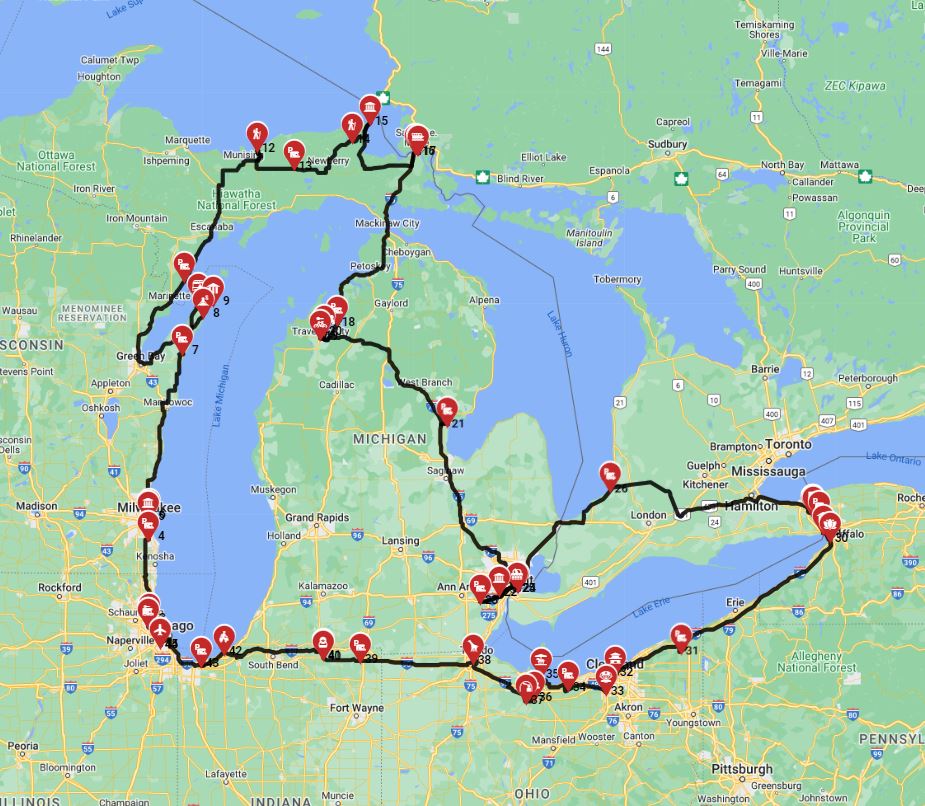
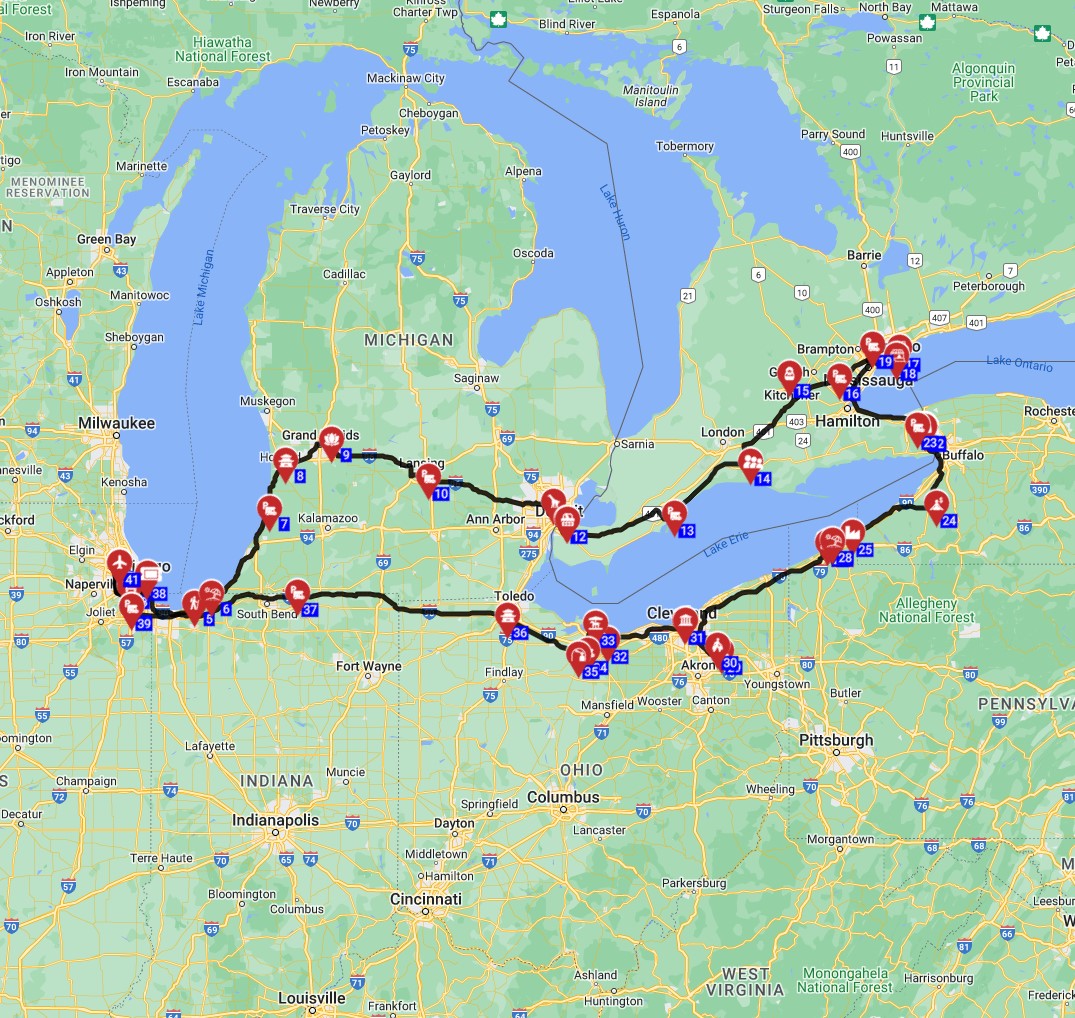
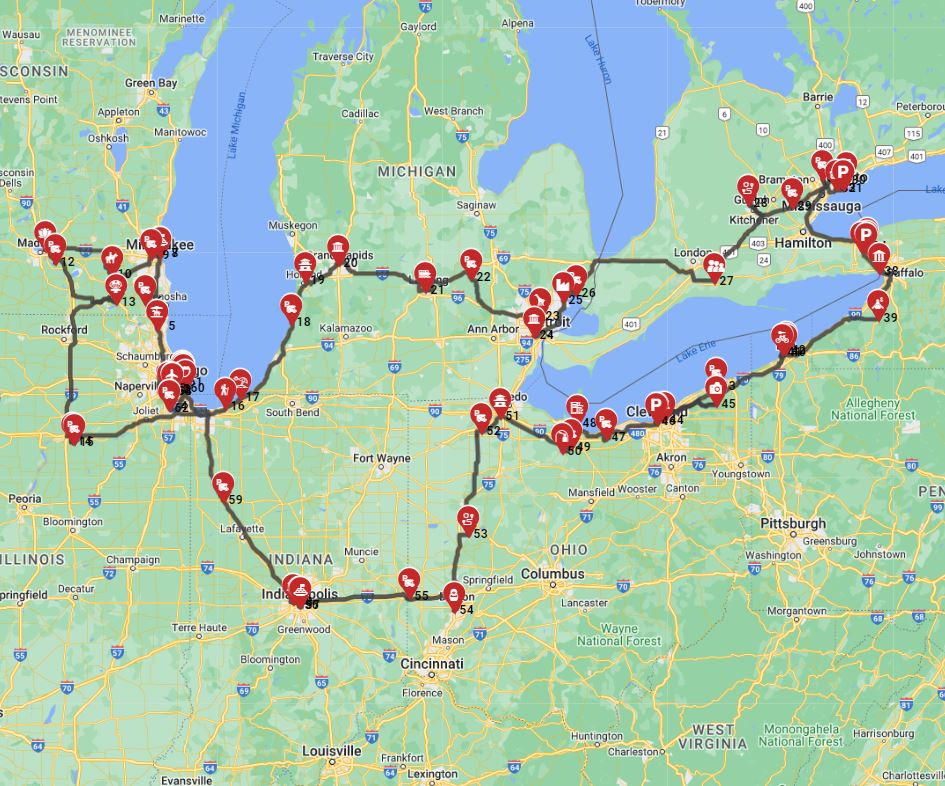
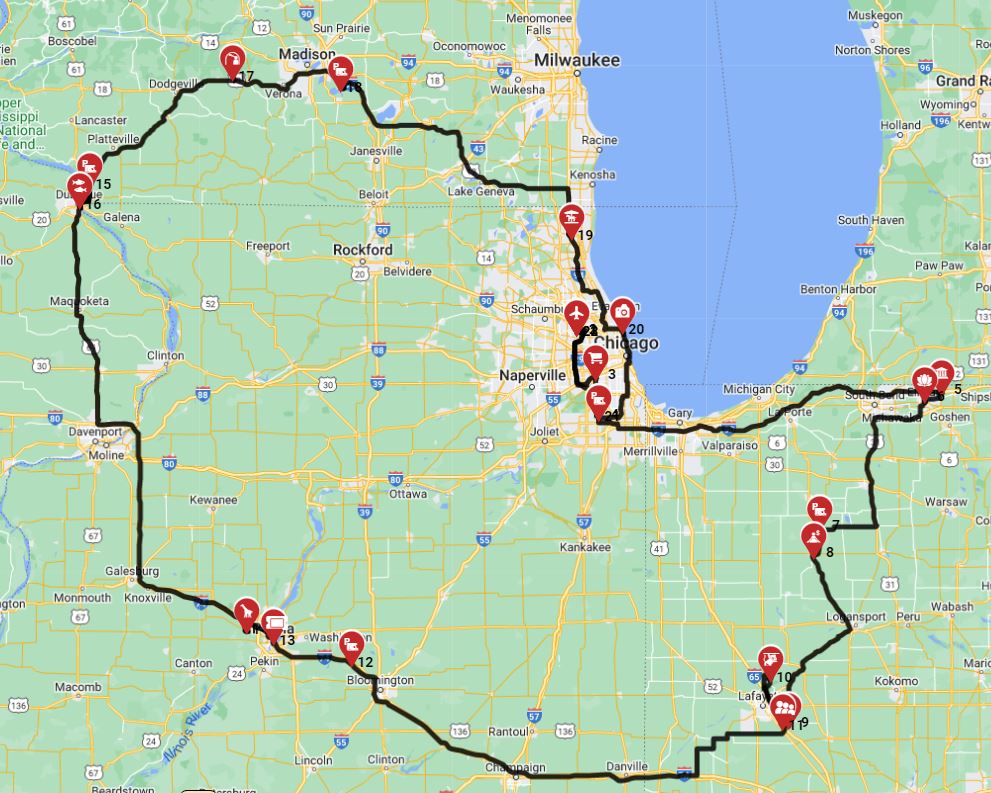
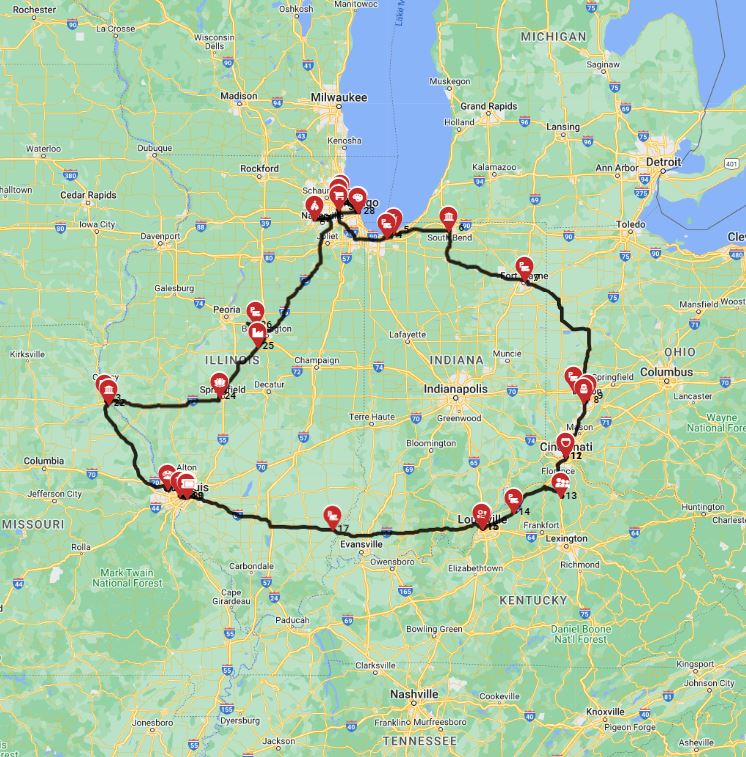
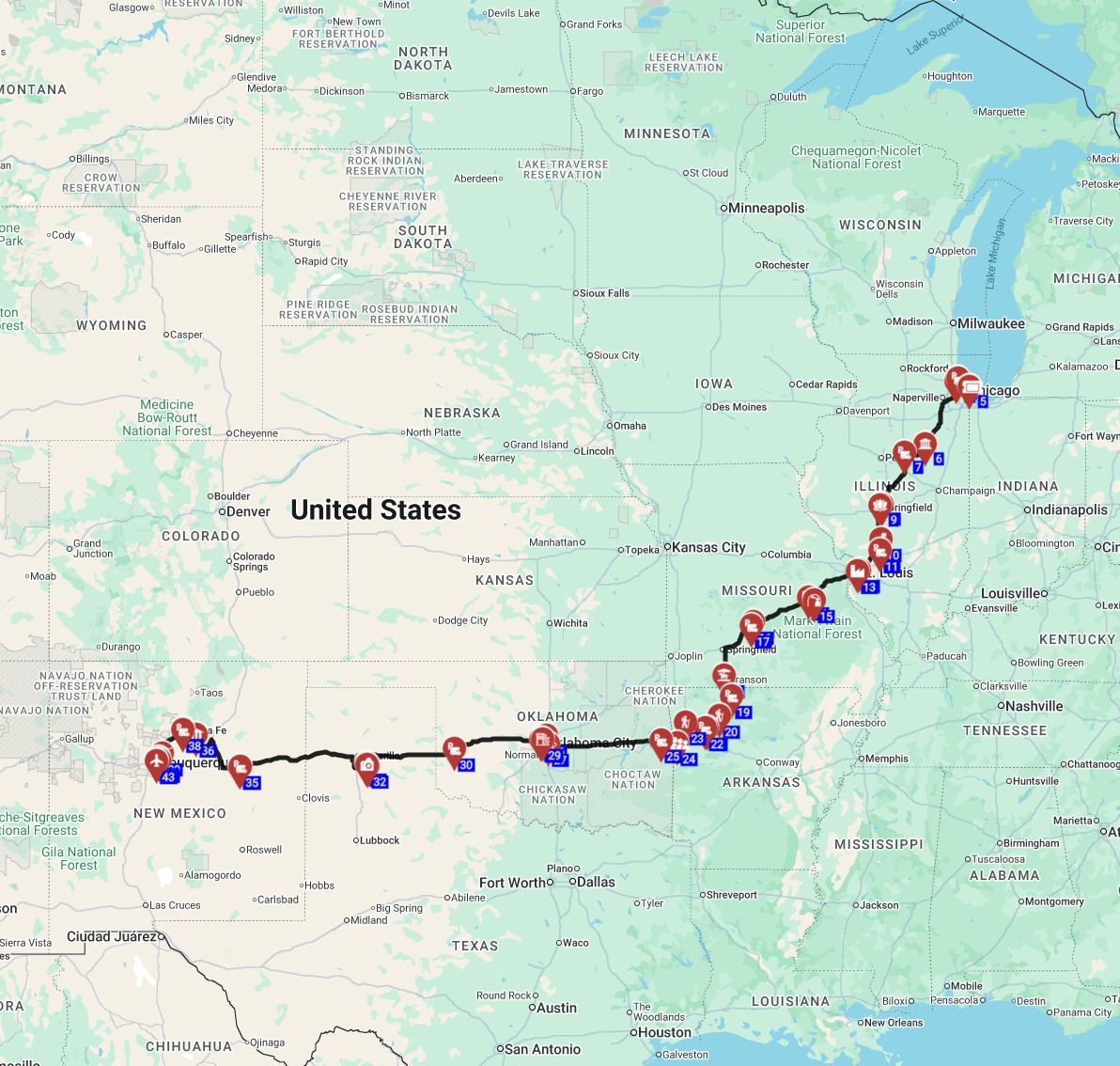
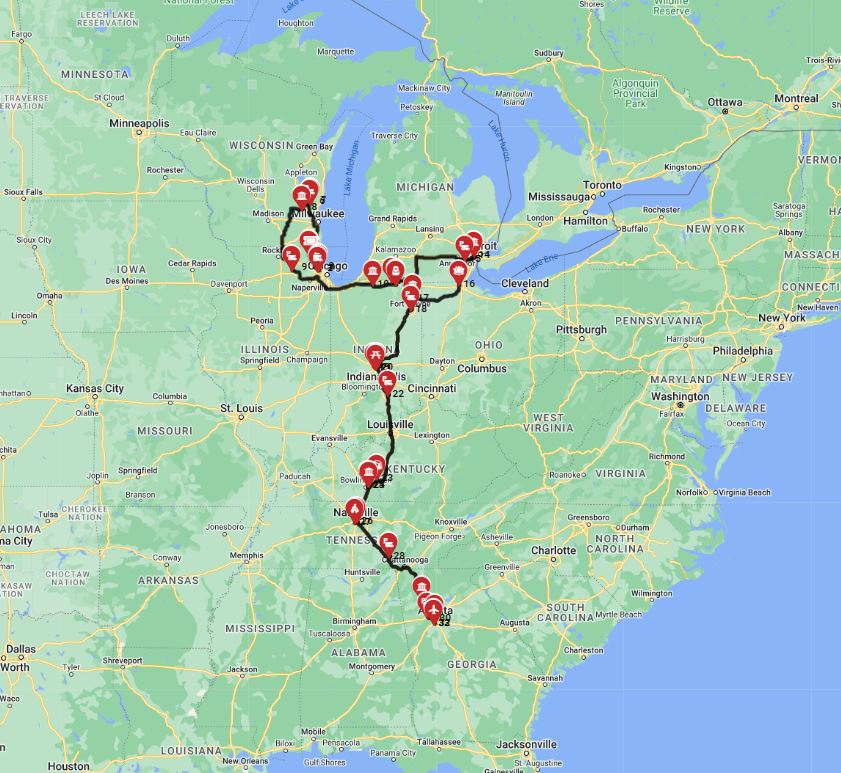
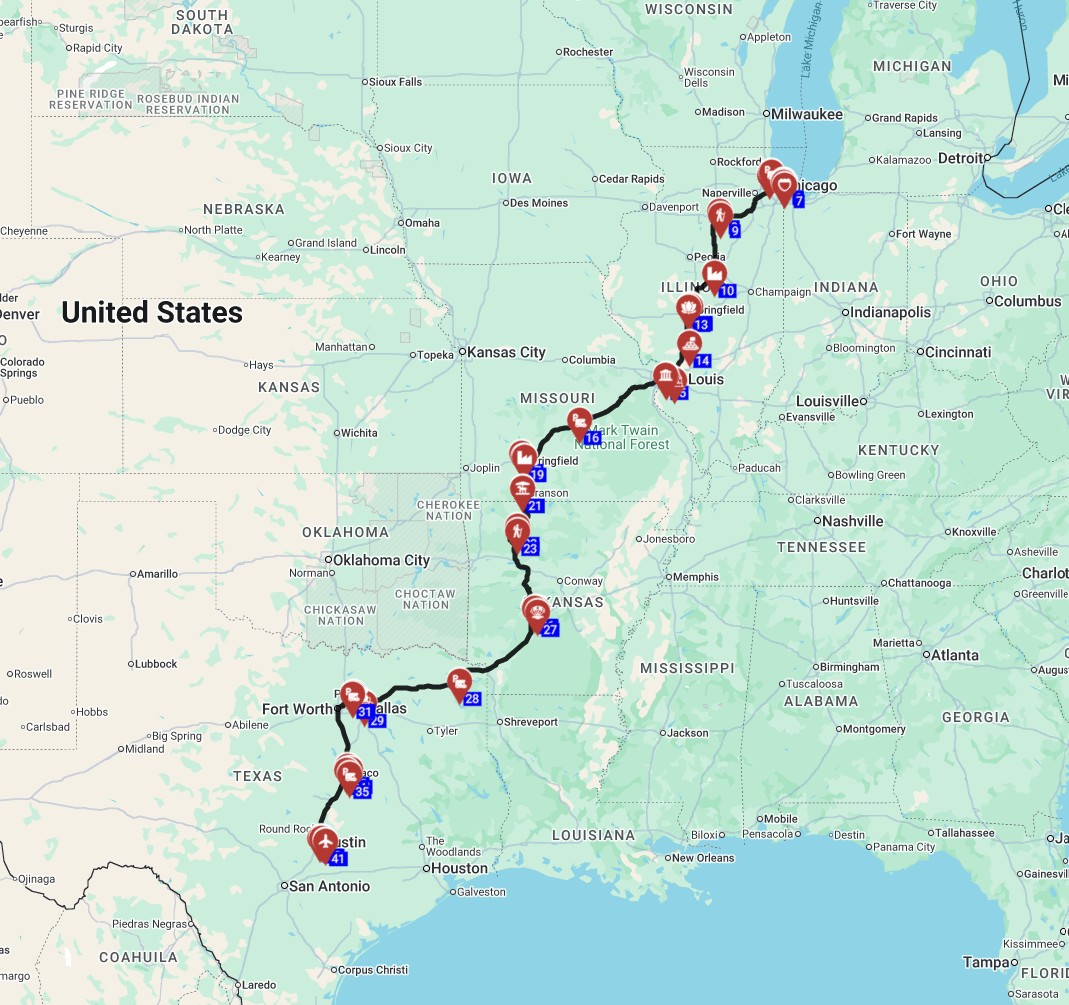
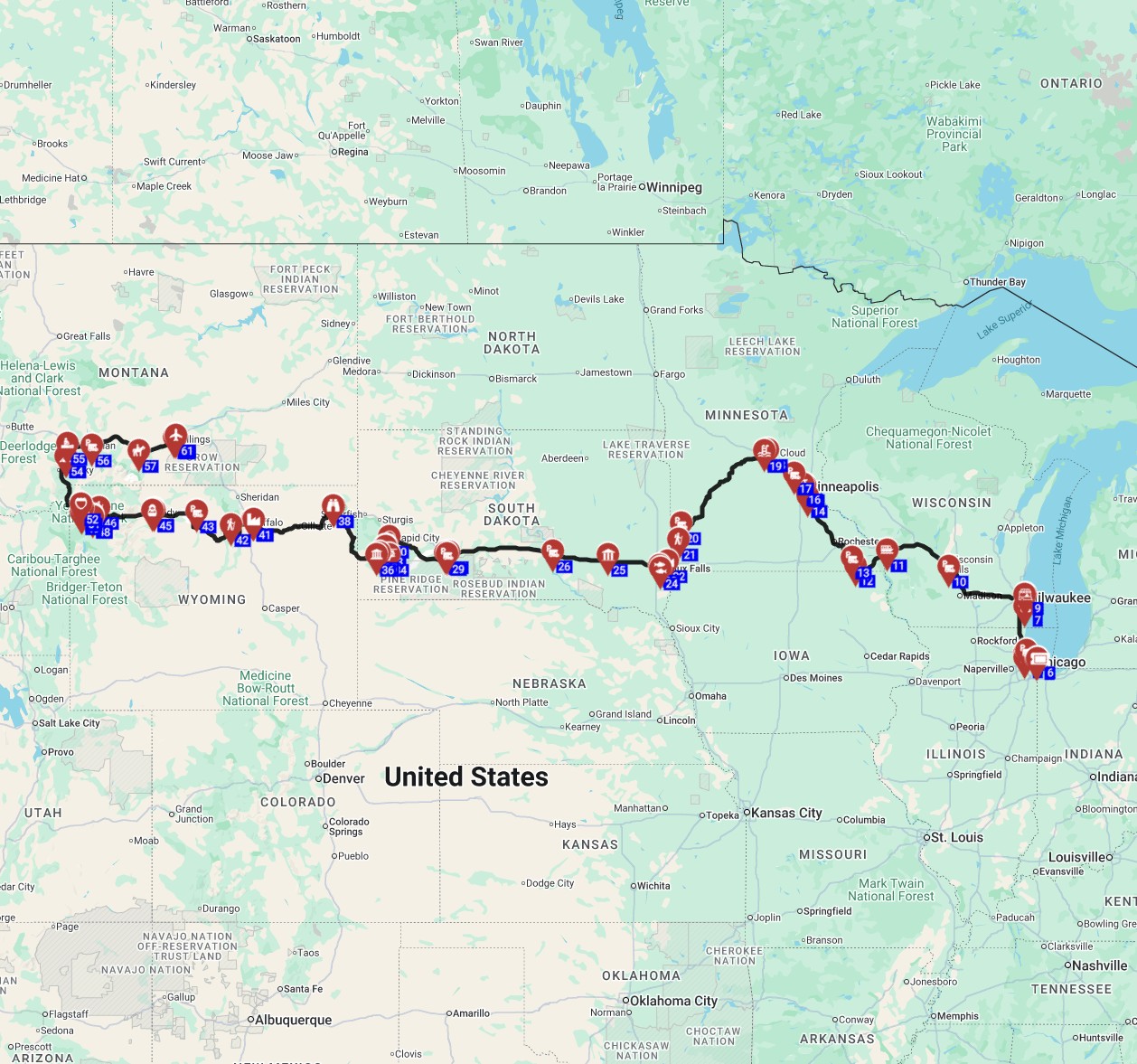
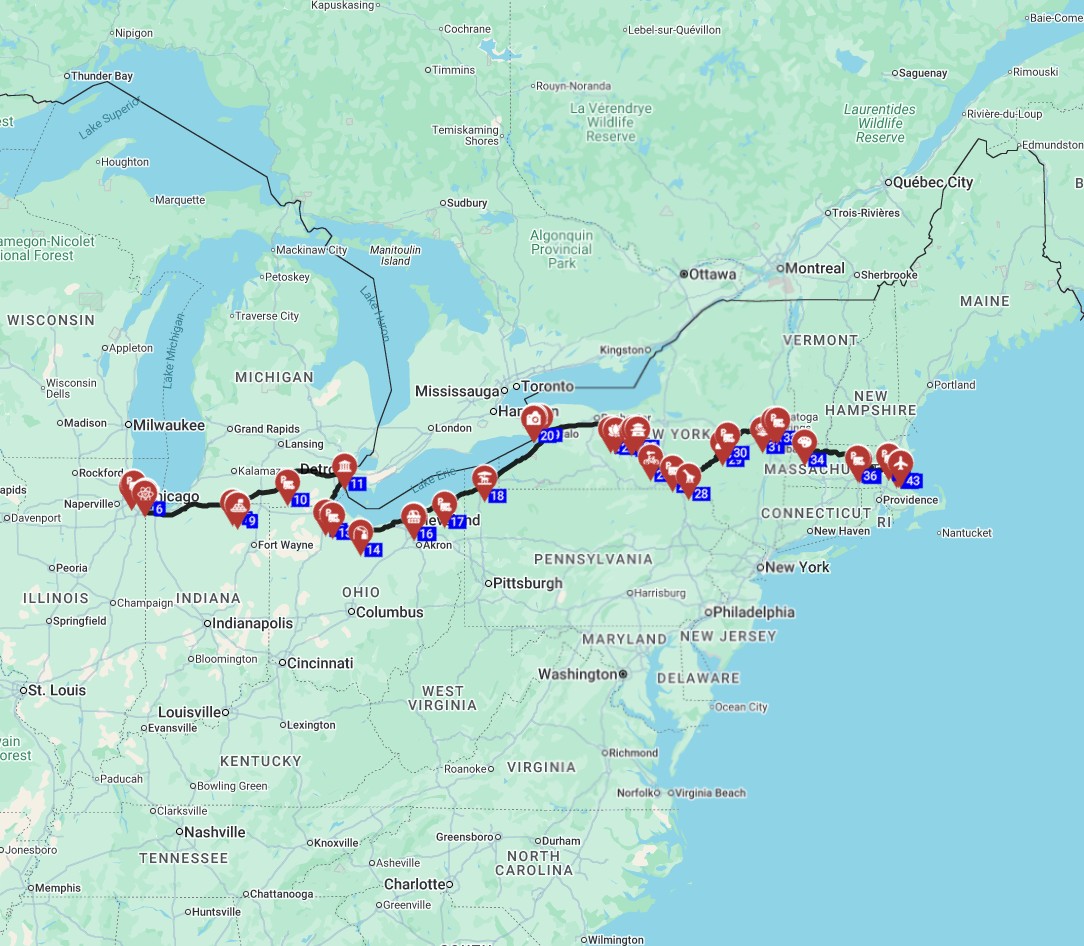
Consider these fantastic RV PLANET routes starting or ending in Chicago:
This 15-day route covering 2918.4 km offers 6 museums, 3 hiking areas, and 3 tourist attractions, ensuring a rich cultural and natural experience.
Journey 2657 km over 14 days, experiencing 5 museums, 2 historical sites, and even a water park on this northbound adventure.
This 11-day, 2101.4 km route includes 1 botanical garden, 2 museums, and 3 tourist attractions, perfect for a family adventure.
Final Thoughts
A long-term RV rental in Chicago offers the ultimate freedom to immerse yourself in the city's vibrant energy and explore the broader Illinois landscape. From navigating urban streets with ease in a nimble campervan to setting up a comfortable home base in a spacious motorhome at a nearby campground, your adventure awaits. With Bandana Caravan, you benefit from our specialist knowledge, transparent pricing, and unwavering support before and during your booking process.
Embrace the open road, discover hidden gems, and create lasting memories on your multi-week or month-long journey. Whether you're a meticulous planner or a spontaneous explorer, we're here to ensure your Chicago RV experience is everything you dreamed of. Life is now - so why wait?