In This Guide
- Can You Drive an RV in Center Europe? License & Age Rules
- Road Conditions & Terrain in Center Europe
- RV Size Limits, Bridges & Restricted Zones
- Fuel: Diesel vs. Petrol & Cost per 100 km
- Tolls, Vignettes & Border Rules
- Driving Tips for long term rv rental Travelers
- Recommended RV Class for Center Europe Roads
- Should I Choose a Compact Van Instead of a Large RV in Center Europe?
- Can I Park Anywhere? Free & Wild Camping Rules in Center Europe
- Can I Drive an RV Into the City Center? Heights, Tunnels & Local Signage
- What is the 3-3-3 rule for RV travel?
- How long can I stay in Europe in my motorhome?
- What is the 444 rule for RV?
- Can you sleep anywhere in a campervan in Europe?
- Do people drive RVs in Europe?
- What is the best travel insurance company for Europe?
- Who has the least expensive RV insurance?
- What You Shouldn't Miss
- Why Book with Bandana Caravan
- Final Thoughts
- Frequently Asked Questions
Embarking on a long-term RV rental in Center Europe offers an unparalleled opportunity to immerse yourself in rich history, diverse cultures, and stunning landscapes at your own pace. Imagine waking up to the rolling hills of Bavaria, brewing your coffee in your rented motorhome's kitchen, and setting off to a charming medieval town just a short drive away. This guide provides comprehensive, authoritative insights into navigating Center Europe with a rented campervan or motorhome, ensuring you have all the facts for an incredible, worry-free adventure. For live availability and current prices, start with our RV Rental Center Europe - Complete Guide 2026 guide.
Can You Drive an RV in Center Europe? License & Age Rules
Yes, you can absolutely drive an RV in Center Europe with ease, provided you adhere to specific licensing and age requirements. In Center Europe, most drivers holding a standard B-category driving license from their home country can operate rented RVs with a maximum authorized mass (MAM) up to 3,500 kg (3.5 tonnes), which covers many common campervans like a "Category Van" or "Active Standard" and semi-integrated models. For larger RVs exceeding 3,500 kg, such as many Class A integrated motorhomes or bigger Class C alcove models averaging 7.5m in length, a C1 (up to 7,500 kg) or C (over 7,500 kg) category license is typically required, depending on the vehicle's MAM. Non-EU drivers generally need an International Driving Permit (IDP) alongside their valid national driver's license for driving in Center Europe, as it provides a translation into multiple languages, though it is recommended rather than strictly mandatory in all cases. The minimum driver age for RV rentals in Center Europe is 21 years old across our suppliers, and notably, there are no young driver surcharges or vehicle class restrictions based on age, making long-term adventures accessible to a wider range of travelers. We've been helping tens of thousands of travelers explore the world by RV since 2001, making us true RV specialists who understand these local nuances.
Road Conditions & Terrain in Center Europe
Road conditions in Center Europe are generally excellent, featuring well-maintained motorways (often called Autobahns in Germany or A-roads in Austria) that efficiently connect major cities and regions, enabling smooth long-term RV travel. The terrain varies significantly across Center Europe, offering everything from the flat plains of Northern Germany and Poland to the rolling hills and picturesque valleys of Bavaria, Bohemia, and the majestic Austrian Alps. These diverse landscapes provide a wide range of driving experiences, from leisurely cruises to more adventurous mountain ascents. Mountain passes in countries like Austria and parts of Germany offer breathtaking scenic routes, but they require careful driving due to steep inclines, tight turns, and occasionally narrower roads. Secondary roads and routes through historic villages and rural areas can be narrower and less forgiving for larger motorhomes, such as a "Glamys 40" or "C-LARGE", but often lead to charming discoveries; embracing a slower pace, typically averaging 100-150 km per day, is key for a truly immersive long-term rental experience. While urban areas present challenges with traffic and parking, the overall infrastructure is quite RV-friendly, with many designated Stellplätze (motorhome parking areas) and campgrounds widely available. For detailed itineraries and routes that navigate these varied terrains, explore RV PLANET (rvplan.net) - a great resource for planning your journey.
RV Size Limits, Bridges & Restricted Zones
RV drivers in Center Europe must pay close attention to posted height, width, and weight restrictions, particularly when entering historic town centers, navigating tunnels, or crossing older bridges. Height limits, frequently 3.5m or 2.8m, are common for underground parking garages and some city underpasses, while weight limits, such as 3.5t or 7.5t, apply to certain bridges and roads. Many Central European cities, especially in Germany (Umweltzonen), Austria, and France (Crit'Air), have Low Emission Zones (LEZs) requiring specific environmental badges for vehicle entry, which can vary based on the rented RV's emission standard; always check if your vehicle complies before entering. Larger RVs, like Class C Alcove models (Bandana's fleet averages 7.5m in length) or Class A Integrated models (also averaging 7.5m), may encounter more maneuverability challenges and restricted access in very narrow or protected historic areas compared to compact campervans such as the "Koru Star 3 Freedom". Some ferries, especially those to islands or across lakes, have specific length and weight restrictions, and booking in advance is advisable for larger vehicles. Remember, our partners like El Monte and Cruise America, among our 50+ leading RV suppliers worldwide, offer diverse vehicle options to suit different route plans.
Fuel: Diesel vs. Petrol & Cost per 100 km
Most RVs available for long-term rental in Center Europe, particularly Bandana's fleet, run on Diesel fuel, which is widely available at service stations across the region. Petrol (gasoline) RVs are less common but also available; always confirm your rented RV's specific fuel type before fueling to avoid costly errors. Based on Bandana's global fleet averages, Class B Camper Vans typically consume 8-10 Liters/100 km, while Class SI Semi-integrated models average 10-11 Liters/100 km, and Class C Alcove models average 10-12 Liters/100 km. Considering an average diesel price of €1.80/Liter (prices fluctuate dynamically like flight tickets), a Class B Camper Van like a "Category Van" could cost approximately €14.40 - €18.00 per 100 km for fuel, while a Class C Alcove model such as "MI C" would be closer to €18.00 - €21.60 per 100 km. Some RV rental companies may offer fuel discount cards or programs, which can provide savings on longer trips; inquire about these perks when booking your long-term rental. For budgeting and tracking all ancillary trip costs like fuel, campground fees, and tolls, remember that RV PLANET routes allow travelers to itemize and track every expense along the way. On the routes offered through RV PLANET routes, you can itemize and track every expense along the way for easy budgeting.
Tolls, Vignettes & Border Rules
When driving a rented RV in Center Europe, travelers will encounter various road charging systems, including vignettes for motorways in countries like Austria, Czech Republic, Slovakia, Hungary, and Slovenia, and distance-based tolls or toll booths in Poland and parts of Germany. Vignettes, which are pre-paid stickers or digital passes for a specific duration (e.g., 10 days, 1 month, 1 year), must be purchased and displayed correctly before entering toll roads to avoid significant fines. Germany's Autobahns are generally free for RVs under 7.5 tonnes, but specific bridge crossings or tunnels may incur separate tolls; always check local signage. Border crossings within the Schengen Area are typically seamless, with no passport checks required for EU citizens; however, non-Schengen residents must be mindful of their visa-free stay limits, typically 90 days within a 180-day period. Many Bandana rental RVs may offer the option to pre-purchase necessary toll passes or vignettes as an add-on, which can save time and prevent fines, especially for longer journeys spanning multiple countries. This attention to small details is part of our commitment to full transparency, ensuring no hidden fees or surprises.
Driving Tips for long term rv rental Travelers
Planning your route with RV-specific navigation is crucial; utilize GPS systems or apps that allow you to input your rented RV's dimensions (height, weight, length) to avoid unsuitable roads, low bridges, or restricted zones in Center Europe. Embrace a slower pace for long-term travel, aiming for a maximum of 100-150 km per day on average, which allows extra time to truly feel the place, connect to the culture, the food, and the scenery, preventing travel fatigue and promoting deeper exploration. For example, a journey along the Romantic Road in Germany is best savored slowly. Mastering parking and maneuvering is key, so practice reversing and parking in open spaces before navigating crowded campgrounds or tighter spots. Stay organized and prepared by keeping all essential documents, such as your driver's license, International Driving Permit (IDP - recommended for non-English speakers), vehicle registration, insurance, and rental agreement, easily accessible. Carry local currency for smaller purchases or unexpected tolls. Utilize local resources, such as Stellplätze (designated RV parking spots), official campsites, and tourist information centers, for advice on routes, services, and local regulations specific to your long-term itinerary. Consider adding our Rent&Plan service for pre-planned routes designed by professionals, which also comes with a 25% planning discount when using rvplan.net.
Recommended RV Class for Center Europe Roads
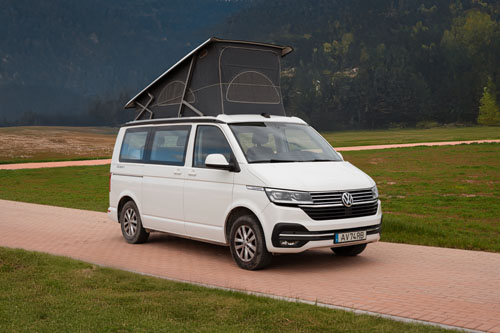
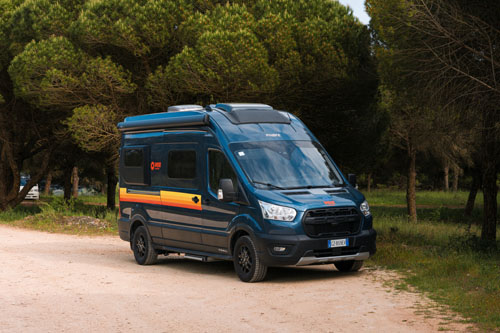
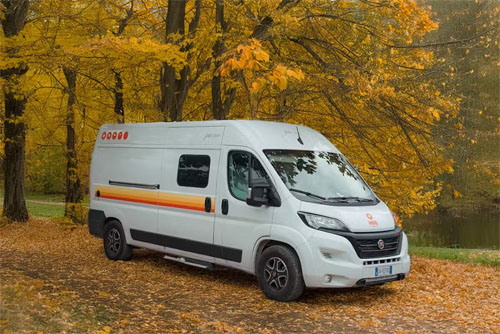
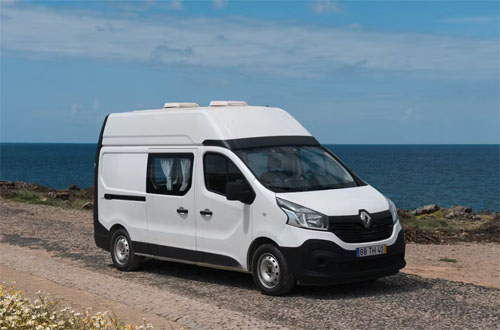
For long-term RV rental in Center Europe, a Class SI - Semi-integrated motorhome or a Class B - Camper Van is often highly recommended due to their excellent balance of comfort and maneuverability on European roads. Class B Camper Vans, averaging 5.8m in length in Bandana's global fleet like the "Active Pop Top", are incredibly versatile, offering easy navigation through smaller towns and more flexibility for parking, much like driving a large car, making them ideal for couples or solo travelers seeking a week-long trip or longer. Class SI Semi-integrated RVs, with an average length of 6.9m and typically sleeping 3-4 people, provide a good compromise, offering more living space and amenities, such as a full kitchen with a 3-burner gas stove (perfect for trying new RV-friendly recipes playlist) than a campervan while remaining manageable on most European roads. While Class C Alcove and Class A Integrated RVs (both averaging 7.5m in Bandana's fleet), like the "MH-A" or "Class A - Thor ACE 30", offer superior space and comfort for larger families or groups, their dimensions can make navigating very narrow historic streets, city parking, and some mountain passes more challenging, though not impossible with careful driving. For those planning extended stays primarily in urban areas or seeking maximum agility, a smaller Class B Camper Van offers unparalleled ease. As true RV specialists, we help you compare options across 50+ suppliers to find the perfect fit.
Should I Choose a Compact Van Instead of a Large RV in Center Europe?
While a compact van (Class B Camper Van) offers superior maneuverability and ease of parking, there is generally no inherent issue driving any RV size in Center Europe, as the primary roads are well-suited for all vehicle types. The decision between a compact van and a larger RV primarily hinges on your priorities for comfort, indoor space, and the specific nature of your long-term itinerary. A compact van truly excels when frequently visiting very tight historic centers with narrow streets, seeking easier street parking in cities, or navigating extremely winding mountain passes where agility is paramount. However, for a long-term rental of one week or more, the enhanced comfort, dedicated sleeping areas, more spacious kitchens (such as a large 150-liter refrigerator in a "C-30"), and larger bathrooms offered by a larger RV, like a Class SI Semi-integrated or Class C Alcove model, often outweigh the minor maneuverability benefits of a compact van. Sticking with a larger RV is often the better trade-off for extended trips if you prioritize living comfort, want to avoid daily setup and takedown of beds, or need more storage space for belongings, especially for families or longer stays. You'll enjoy the extra space in a "MH-B" for a family of 6.
Can I Park Anywhere? Free & Wild Camping Rules in Center Europe
No, generally, free or 'wild camping' is restricted or outright illegal in most of Central Europe, particularly in countries like Germany, Austria, Switzerland, Czech Republic, and Poland, due to land ownership laws and environmental protection regulations. Instead, designated motorhome parking areas known as 'Stellplätze' (in Germany and Austria), 'aires de services' (in France, often near Central Europe), or official campsites are the legal and preferred options for overnight RV parking. These designated spots often provide essential services like fresh water, waste disposal (grey and black water), and sometimes electricity hook-ups for a fee or as part of a night's stay. Parking overnight in undesignated public spaces, roadsides, or private land without explicit permission can lead to fines, particularly within national parks, nature reserves, or popular tourist areas. Rules vary significantly by region and even specific municipality - always check local regulations and follow posted signage before parking overnight. For finding campsites and campgrounds during your trip, we recommend using RV PLANET (rvplan.net) - a great resource for locating available available spots along your route, ensuring you comply with local laws and have a comfortable stay.
Can I Drive an RV Into the City Center? Heights, Tunnels & Local Signage
Yes, you can almost always drive a rented RV into city centers in Center Europe, but it requires careful attention to local signage regarding vehicle restrictions. Drivers must pay particular attention to signs indicating height limits, which are common for tunnels, underpasses, and multi-story parking garages, as well as weight limits and width restrictions on older or narrower streets. Many historic city centers and environmental zones, such as 'Umweltzonen' in Germany or 'Crit'Air' in France, require specific environmental badges or have restricted access for certain vehicle types or emission classes, so ensure your RV complies. Look out for 'residents-only' streets or pedestrian zones where RV access may be prohibited, and be mindful that large RVs, such as the 9.15m long "MHC30" motorhome, may struggle with very tight turns or crowded areas, even if legally allowed. It's often advisable to park your RV on the outskirts of major cities at a designated Stellplatz or campsite and use public transportation to explore the central areas for a stress-free experience, especially during peak tourist season. Drive slowly and carefully, and you can drive almost anywhere without issues. No need to stress - just use common sense and pay attention.
What is the 3-3-3 rule for RV travel?
The 3-3-3 rule for RV travel is a widely adopted guideline encouraging a relaxed pace: drive no more than 300 miles a day, arrive at your destination by 3 PM, and stay for at least 3 nights. This rule is particularly beneficial for long-term RV rentals in Center Europe, as it prevents travel fatigue, allows ample time to explore destinations, and helps avoid the stress of late-night arrivals at unfamiliar campgrounds. Adhering to the 3-3-3 rule gives travelers sufficient time to set up camp, provision the RV (stocking up the 170-liter refrigerator of an "rv rentals utah example Sunrise Escape", for instance), deal with any unexpected issues, and truly immerse themselves in local culture rather than constantly being on the move. By limiting daily mileage to around 300 miles (approximately 480 km), drivers can enjoy more scenic routes, take frequent breaks, and better adapt to varying road conditions or unexpected detours in Central European countries. Staying at least 3 nights reduces the overall packing and unpacking cycle, making a long-term rental feel more like a temporary home and less like a constant relocation.
How long can I stay in Europe in my motorhome?
For non-EU citizens, the maximum stay in the Schengen Area, which includes most of Center Europe, is 90 days within any 180-day period, regardless of whether you are traveling in a rented motorhome. This '90/180-day rule' is critical for long-term RV renters from outside the EU/Schengen zone, as overstaying can lead to fines, deportation, and future entry bans. If you plan a stay longer than 90 days, you will need to apply for a long-stay visa, such as a national D-visa, from one of the Schengen countries prior to your trip. Such a visa could allow for extended travel within that specific country and sometimes limited travel within other Schengen states. Renting an RV avoids the complex vehicle registration issues that can arise for an RV bought by a non-EU resident for extended stays. For EU citizens, there are generally no time limits for staying within other EU countries in your motorhome, though you may need to register your residency if staying in one country for an extended period, typically over 3-6 months. Our Europe overview guide, RV Rental Europe - Complete Guide 2026, offers more general information on continent-wide regulations.
What is the 444 rule for RV?
The 4-4-4 rule for RV travel is a variation of the 3-3-3 rule, suggesting travelers drive no more than 400 kilometers (approximately 250 miles) a day, stop by 4 PM, and stay at least 4 nights. This rule is designed to offer a slightly more relaxed pace than the 3-3-3 rule, especially useful for those seeking a deeper exploration of each destination during a long-term RV rental in Center Europe. Limiting daily driving to 400 km helps prevent driver fatigue, allows for spontaneous stops at hidden gems, and reduces the stress associated with navigating unfamiliar roads and traffic in foreign countries. Arriving by 4 PM provides ample daylight for setting up camp, exploring the immediate surroundings, relaxing, and preparing for the evening without rushing. Staying at least 4 nights allows for more in-depth sightseeing, participation in local activities, and a greater sense of immersion, making it ideal for a leisurely long-term Central European adventure, like exploring the stunning national parks of Slovenia. For more detailed insights, the RV Travel Guide to Center Europe - Tips and Top Spots 2026 offers further route plans.
Can you sleep anywhere in a campervan in Europe?
No, you generally cannot sleep anywhere in a rented campervan in Europe; 'wild camping' or unauthorized overnight parking is largely restricted or illegal in many Central European countries. Regulations vary significantly by country and even by municipality, but most nations, including Germany, Austria, Switzerland, and the Czech Republic, prohibit sleeping in a campervan outside of designated campsites or 'Stellplätze' (motorhome parking areas). While some countries may tolerate an overnight stop in a rest area or parking lot to combat driver fatigue, this is typically not considered wild camping and usually implies staying only for a few hours without setting up camp or extending awnings. To avoid fines, legal issues, or disturbing private landowners, it is always recommended to use official campsites, RV parks, or designated Stellplätze for overnight stays during your long-term rental. Always check local laws and signage, as some specific rural areas or private lands might permit overnight stays with explicit permission from the landowner. Planning ahead with RV PLANET (rvplan.net) can help you find suitable, legal overnight stops for your rented mobile home.
Do people drive RVs in Europe?
Yes, people absolutely drive RVs in Europe, and it is a hugely popular way to travel, with a well-developed infrastructure to support motorhome tourism, especially in Center Europe. Europe boasts an extensive network of 'Stellplätze' (motorhome parking areas) and campsites, offering facilities for water, waste disposal, and electricity, making RV travel convenient and accessible. Many Europeans own RVs, and a significant number of tourists from around the world choose RV rentals for exploring the continent's diverse landscapes, historic cities, and cultural attractions. The region's excellent road network, including motorways and scenic routes like the Deutsche Alpenstrasse (German Alpine Road), is generally well-suited for rented RVs, though drivers of larger vehicles should be mindful of narrow streets in historic towns. The increasing popularity of RVs for long-term travel underscores the viability and enjoyment of this mode of exploration across Central Europe, offering freedom and flexibility to discover places like Berlin, Vienna, Prague, Budapest, and Krakow at your own pace. Discover top destinations and planning tips to inspire your next adventure!
What is the best travel insurance company for Europe?
Determining the 'best' travel insurance for Europe depends on individual needs for a long-term RV rental, but providers like Allianz Travel Insurance, World Nomads, and SafetyWing are frequently recommended for comprehensive coverage. When selecting a travel insurance company for a long-term European RV trip, prioritize policies that offer robust medical coverage, emergency evacuation, trip interruption or cancellation benefits, and personal liability. For RV travelers, it's crucial to ensure the policy covers personal belongings inside the vehicle, provides emergency roadside assistance (if not already included with the RV rental), and offers specific coverage for travel in multiple countries, like a long term RV rental in Center Europe. Providers such as World Nomads are often favored by long-term and adventure travelers due to their flexible policies that can be extended while on the road and cover a wide range of activities. Always read the policy's fine print carefully to understand exclusions, deductible amounts, and the claims process, especially concerning any pre-existing medical conditions or specific high-value items, before you secure your travel insurance.
Who has the least expensive RV insurance?
For long-term RV rentals in Center Europe, the least expensive RV insurance is typically provided by the rental company itself, as basic liability coverage is usually included in the rental price. To keep costs down, renters can often opt for a higher deductible, which lowers the initial premium but means paying more out-of-pocket if an incident occurs. Many credit cards offer secondary rental car insurance, but it's essential to confirm if this extends to RVs, as many do not, and what specific coverage limits apply, especially for a long-term international rental. Purchasing collision damage waiver (CDW) or zero-deductible insurance directly from the rental company, while an additional cost, provides peace of mind and significantly reduces financial risk in case of damage. Bandana also offers top-level deductible reimbursement as an optional upgrade, allowing you to travel with extra peace of mind. Travel insurance (mentioned previously) is separate from vehicle insurance and primarily covers medical emergencies, trip interruptions, and personal belongings, not damage to the rented RV itself. We provide full price transparency on all insurance options so there are no hidden fees or surprises.
What You Shouldn't Miss
- **Explore Prague's Old Town:** Wander through the historic heart of Prague, Czech Republic, marveling at the Astronomical Clock and Charles Bridge. Park your rented motorhome on the city outskirts and use public transport for easy access.
- **Cruise the Danube River in Hungary:** Discover picturesque towns and scenic landscapes along the Danube, with many riverside campgrounds perfect for your long-term RV rental.
- **Hike in Triglav National Park, Slovenia:** Experience the pristine alpine beauty of Slovenia's only national park, offering numerous eco-friendly campsites and breathtaking trails.
- **Discover Bavarian Castles, Germany:** Drive the "Romantic Road" in Germany, visiting fairytale castles like Neuschwanstein and Hohenschwangau, with ample RV parking at nearby villages.
- **Indulge in Viennese Culture, Austria:** Park your campervan at a nearby Stellplatz and take public transport into Vienna to enjoy imperial palaces, world-class museums, and delicious Sachertorte.
- **Visit Auschwitz-Birkenau, Poland:** A somber but profoundly important historical site near Krakow, providing essential context for understanding European history.
Looking for expert insights from Avi Bandana? Top 5 Adventures - recommendations from Avi Bandana.
Why Book with Bandana Caravan
Full Transparency: We believe in honesty. What you see is what you get. Our prices are always transparent, with no hidden fees or surprises, so you can plan your long-term RV rental in Center Europe with complete confidence.
24/7 Support (Pre- and Post-Booking): Our dedicated team is with you before, during the booking process, and after, providing real people behind you for expert advice and seamless coordination. We help compare rental companies and booking options, and assist with any pre-trip questions.
Top-Level Deductible Reimbursement: Travel with peace of mind knowing you have the option to upgrade to a top-level deductible for enhanced coverage during your Central European adventure. This offers significant financial protection against unforeseen incidents.
Rent&Plan for Perfect Routes: Access 1,300+ meticulously pre-planned routes across 5 continents via our sister company, RV PLANET (rvplan.net). These professional itineraries take the guesswork out of planning and come with a 25% planning discount when you use the platform.
Since our founding in 2001, Bandana Caravan has spent over 23 years helping tens of thousands of travelers explore the world by RV. We maintain direct partnerships with 50+ leading RV suppliers worldwide, including trusted names like El Monte, Cruise America, Apollo, and Britz. Our extensive coverage spans 50+ countries, backed by local expertise and support, with bookings available in 30+ currencies, all with full price transparency and no conversion commissions.
Final Thoughts
Exploring Center Europe with a long-term RV rental is more than just a vacation; it's an invitation to a truly enriching and liberating travel experience. Imagine the freedom of waking up to a new view every day, with the comfort and convenience of your own mobile home. Whether you're drawn to historical cities, majestic mountains, or serene countryside, Center Europe offers an incredible tapestry of experiences that are perfectly suited for a leisurely RV adventure.
We are here to support you every step of the way, from comparing the best deals on long term RV rental in Center Europe to ensuring you have all the practical information you need for a smooth journey. Our commitment to full transparency and personalized support means you can plan your trip with confidence, knowing there are no hidden fees or surprises. So, why wait? Discover your perfect route plan and embark on an unforgettable journey.
Find long term RV rentals in Center Europe and start planning your incredible journey now. Plan a trip itinerary in advance with minimal effort and maximum enjoyment!