In This Guide
- Can You Drive an RV in Asia? License & Age Rules
- Road Conditions & Terrain in Asia
- RV Size Limits, Bridges & Restricted Zones
- Fuel: Diesel vs. Petrol & Cost per 100 km
- Tolls, Vignettes & Border Rules
- Driving Tips for long term rv rental Travelers
- Recommended RV Class for Asia Roads
- Should I Choose a Compact Van Instead of a Large RV in Asia?
- Can I Park Anywhere? Free & Wild Camping Rules in Asia
- Can I Drive an RV Into the City Center? Heights, Tunnels & Local Signage
- What is the 3-3-3 rule for RV living?
- What is the longest RV you can drive without a CDL?
- What is the 333 rule for campervan?
- Which countries are RV friendly?
- What is the 3-3-3 rule for RV travel?
- Is wild camping legal in Asia?
- Do you need a special license to drive a long RV?
- What country can I drive at 14?
- What is the best insurance for a full-time RV camper?
- What is the best travel insurance for Asia?
Embarking on a long-term RV driving adventure in Asia promises an unforgettable journey, rich with diverse cultures, breathtaking landscapes, and incredible culinary experiences. Imagine waking up to the serene cherry blossoms of Japan, navigating the bustling streets of India, or exploring the ancient history of Israel, all from the comfort of your rented motorhome. With Bandana Caravan, your long-term RV rental in Asia is made simple and transparent, ensuring you experience the true freedom of the open road without any hidden fees or surprises.
Asia is a continent of immense variety, making it a captivating destination for extended RV travel. Whether you're planning a month-long exploration or a several-week escapade, a rented RV or campervan provides the flexibility to truly immerse yourself in the local culture at your own pace. For live availability and current prices, start with our RV Rental Asia - Complete Guide 2026 guide. We are true RV specialists, with over 25 years in the business, dedicated to helping you find the perfect mobile home for your adventure.
🎬 Video coming soon
Can You Drive an RV in Asia? License & Age Rules
Foreign drivers typically require an International Driver's Permit (IDP) alongside their national license in most Asian countries. This is crucial for legal compliance and for smooth interactions with local authorities, especially for long-term RV rentals in Asia. The minimum driving age for an RV rental is 21 years old across most Bandana partner suppliers, not 25, with no young driver surcharges or vehicle class restrictions based on age.
A standard driver's license (often equivalent to a Class B in Europe) generally covers motorhomes up to 3,500 kg (7,700 lbs) Gross Vehicle Weight Rating (GVWR), which includes most Class B and Class C motorhome rentals. For example, Bandana offers a variety of Class B Camper Vans, averaging 5.8m in length, perfectly suited for many Asian roads and requiring only a standard license. Specific licensing requirements can vary significantly by country, so always check local regulations for your planned itinerary, whether it's for an adventure in "RV Rental in Asia - Prices and Best Deals 2026" or exploring specific countries.
Road Conditions & Terrain in Asia
Road conditions in Asia vary dramatically, from modern multi-lane highways in developed regions like Japan and South Korea to challenging unpaved or narrow roads in rural and mountainous areas. Urban centers often feature heavy traffic, scooters, and sometimes poorly marked lanes, requiring defensive driving and heightened awareness. Drive slowly and carefully, and you can drive almost anywhere without issues; there is no need to stress, just use common sense and pay attention.
Long-term RV travelers should anticipate diverse terrain, including steep mountain passes, winding coastal routes, and potentially gravel or dirt tracks, especially when venturing off main arteries. Encouraging a slower, more scenic driving pace allows for better navigation and a deeper appreciation of varying road quality and local environments. Traveling slowly, at a maximum of 100-150 km per day on average, allows you to truly feel the place, connect to the culture, the food, and the scenery.
RV Size Limits, Bridges & Restricted Zones
RV size limits, including height, weight, and length restrictions, are crucial considerations for long-term travel in Asia, especially when encountering low bridges, narrow roads, and specific city zones. Drivers must pay close attention to local signage for height clearances (e.g., tunnels, underpasses) and weight limits on smaller bridges, which can be significantly lower than in Western countries. While our compact Camper Vans like the "rv rental denver example Category Van" are highly maneuverable, even larger Class C Alcove motorhomes can be navigated with care.
Certain historical districts or ecological zones in Asian cities and national parks may have restricted access for larger vehicles or specific vehicle types. Ferry services, common for island travel in countries like Japan or Southeast Asia, impose strict length and weight limits, often requiring prior booking and adherence to their specific vehicle categories. Always check for local advisories and signage to avoid unexpected detours.
Fuel: Diesel vs. Petrol & Cost per 100 km
Most rental RVs in Asia typically operate on diesel fuel, which is generally widely available across the continent, though petrol stations are also common. Fuel costs per 100 km can vary significantly by country; for instance, Bandana's global fleet averages 8-10 Liters/100 km for Class B Camper Vans, 10-11 Liters/100 km for Class SI Semi-integrated RVs, and 10-12 Liters/100 km for Class C Alcove models. Budgeting for fluctuating prices is essential for long-term trips. On the routes offered through RV PLANET routes, you can itemize and track every expense along the way for easy budgeting.
Availability of fuel discount cards or specific payment methods (e.g., credit card acceptance) can vary, making it wise to carry local currency for fuel stops. For estimating your total trip cost, including fuel, campground fees, and other daily expenses, RV PLANET routes allow you to itemize and track every expense along the way for easy budgeting. Planning your "Weekly RV Rental in Asia - Pricing 2026" means considering these ancillary costs.
Tolls, Vignettes & Border Rules
Navigating tolls, vignettes, and complex border crossing procedures is an essential part of long-term RV travel across Asian countries, requiring careful planning for each specific border. Many Asian countries, such as Japan and South Korea, utilize extensive toll road networks, often collected electronically or manually at booths. While vignettes (pre-paid stickers for road usage) are less common than in parts of Europe, some regions may have specific road usage fees.
Border crossings between Asian nations can be complex, often requiring a Carnet de Passage for the vehicle, multiple visa entries, and thorough customs inspections. Some rental RVs may offer options for pre-purchasing toll passes or electronic toll devices, which can streamline travel and help avoid unexpected fines. Our true RV specialists can provide general guidance, but always consult embassy websites for the latest border requirements.
Driving Tips for long term rv rental Travelers
For long-term RV rentals in Asia, embracing defensive driving is crucial, as road rules and driving styles can differ significantly from Western norms, particularly concerning scooters, pedestrians, and large vehicles. Prioritize cultural sensitivity: familiarize yourself with local driving etiquette, parking norms, and how to interact respectfully with communities. Planning your routes meticulously, utilizing offline maps and local navigation apps, is highly recommended for extended trips to account for varying road conditions and potential detours.
Take frequent breaks, particularly for families, every 2 hours, to combat fatigue and allow passengers to stretch and explore, enhancing the long-term travel experience. Consider an automatic transmission RV, if available in Bandana's fleet, as it can significantly ease driving in congested urban areas and challenging terrain. Remember, we offer 24/7 support for pre-booking, booking, and post-booking coordination, ensuring you're well-prepared.
Recommended RV Class for Asia Roads
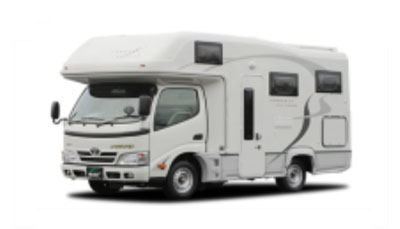
For long-term RV rentals in Asia, Class B Camper Vans and Class SI Semi-integrated motorhomes often provide the most suitable balance of maneuverability, comfort, and appropriate size for varying road conditions. Bandana's Class B Camper Vans, averaging 5.8m in length and accommodating 2-3 adults, are ideal for navigating narrower roads, congested cities, and remote areas with ease. These compact yet capable vehicles, like the "Paradise Family 5" or "Chaser", are perfect for couples or small families.
Class SI Semi-integrated RVs, typically 6.9m long and sleeping 3-4 adults, offer more living space and amenities while remaining manageable on most major Asian routes. While larger Class C Alcove RVs (averaging 7.5m), such as the "Cruise America Explorer" model with a 7.1m length, offer greater capacity for families (4-6 adults), they might present challenges in very tight spots or on less developed roads, making them better suited for travelers primarily sticking to main highways. Our fleet provides diverse options to suit your comfort and travel style.
Should I Choose a Compact Van Instead of a Large RV in Asia?
For many long-term travelers in Asia, a larger RV provides significantly more living comfort and interior space, which can be a better trade-off than the superior maneuverability of a compact van in tight urban centers and extremely narrow mountain passes. Most main roads and infrastructure in many Asian countries can accommodate larger RVs without significant issues, especially in more developed nations like Japan or South Korea, or when sticking to designated tourist routes.
The added comfort, storage, and amenities of a larger motorhome (such as a Class SI or Class C) can greatly enhance the quality of life during an extended trip, allowing for more extensive cooking in a well-equipped kitchen and greater relaxation. For instance, a Class C "MHC28" motorhome offers sleeping for up to 7, a 160-liter fresh water tank, and a 42 kg gas bottle, providing ample resources for longer journeys. Consider a compact van primarily if your itinerary heavily involves frequent city driving, challenging rural tracks, or if your group is small and prioritizes extreme agility over indoor spaciousness, as detailed in our guide on "One-Way RV Rental in Asia - Price Guide 2026". For ideas you can prep on the road, watch our RV-friendly recipes playlist on YouTube.
Can I Park Anywhere? Free & Wild Camping Rules in Asia
The legality and cultural acceptance of free or wild camping (boondocking) for rented RVs in Asia vary widely by country and specific region, generally requiring careful research and often permission. In many Asian countries, organized campsites, national park facilities, or designated RV parks are preferred or even mandatory, while wild camping can be restricted, illegal, or culturally inappropriate, potentially leading to fines or local discomfort. These organized spots offer facilities and security, making them a safer and more convenient choice for long-term stays.
Rules vary by region, so always check local regulations, respect private property, and follow local law before parking overnight to avoid issues. For finding campsites and campgrounds during your trip, we recommend using RV PLANET (rvplan.net), a great resource for locating available spots along your route.
Can I Drive an RV Into the City Center? Heights, Tunnels & Local Signage
Yes, it is almost always possible to drive an RV into city centers in Asia, but drivers must pay close attention to local signage indicating height limits, tunnel restrictions, low bridges, environmental zones, and resident-only streets. Urban areas in Asia can feature narrow roads, significant traffic, and height-restricted structures that require careful navigation, especially for larger motorhomes. Remember our rule: Drive slowly and carefully, and you can drive almost anywhere without issues. No need to stress - just use common sense and pay attention.
Parking in city centers is often challenging and expensive for RVs; researching designated RV parking or peripheral park-and-ride options is highly recommended. Environmental zones or specific congestion charges for larger vehicles might exist in some major Asian cities; always verify local regulations before entering. Planning ahead on RV PLANET can help identify suitable parking spots.
What is the 3-3-3 rule for RV living?
The '3-3-3 rule' for RV living is a popular guideline suggesting travelers aim to drive no more than 300 miles a day, arrive by 3 PM, and stay for at least 3 nights, promoting a slower, more relaxed travel pace. This rule helps prevent driver fatigue, allows ample time for setup and relaxation at each stop, and encourages deeper exploration of locations. Adhering to the 3-3-3 rule is particularly beneficial for long-term RV rentals in Asia, where travel can be more demanding and a slower pace allows for greater cultural immersion. Flexibility with the rule is important, but it serves as an excellent framework for sustainable and enjoyable RV adventures.
What is the longest RV you can drive without a CDL?
In most countries, you can drive an RV up to a certain Gross Vehicle Weight Rating (GVWR), typically 3,500 kg (7,700 lbs), on a standard Class B (car) license, regardless of its length, without needing a Commercial Driver's License (CDL). The key factor determining the need for a CDL or a higher non-commercial license is almost exclusively the vehicle's weight, not its physical length. Many popular RV models, including Bandana's Class B Camper Vans (avg. 5.8m) and Class SI Semi-integrated (avg. 6.9m), fall within the standard license weight category. Always confirm the specific GVWR of your chosen RV and the exact licensing requirements of each Asian country you plan to visit, as regulations can vary.
What is the 333 rule for campervan?
The '3-3-3 rule' for campervan travel is identical to the RV living rule, recommending driving no more than 300 miles a day, arriving at your destination by 3 PM, and staying for a minimum of 3 nights to foster a more enjoyable and less rushed journey. This guideline applies equally to campervans (like Bandana's Class B Camper Vans) as it does to larger motorhomes, promoting a sustainable and immersive travel experience. By following the 3-3-3 rule, campervan travelers can avoid burnout, fully appreciate each location, and maintain a healthier balance between driving and exploring. It's a useful strategy for long-term trips where the goal is to experience a region rather than just cover distance.
Which countries are RV friendly?
In Asia, countries like Japan, South Korea, Taiwan, and parts of Thailand and Malaysia are emerging as more RV-friendly destinations, offering improving infrastructure, rental options, and scenic routes for long-term travel. Japan and South Korea boast well-developed road networks, numerous '道の駅' (roadside stations) or rest stops suitable for RVs, and a growing number of designated campsites. These countries are excellent choices for a long-term RV rental in Asia.
Thailand and Malaysia offer stunning natural landscapes and some established camping facilities, though infrastructure outside major tourist areas can be less consistent. Other Asian nations may present greater challenges due to less developed RV infrastructure, stricter regulations, or cultural differences regarding vehicle sizes. When considering your "Weekly RV Rental in Asia - Pricing 2026", think about the RV-friendliness of your chosen countries.
What is the 3-3-3 rule for RV travel?
The '3-3-3 rule' for RV travel encourages a sustainable and leisurely pace, advising drivers to limit daily travel to 300 miles, reach their stopping point by 3 PM, and plan stays of at least 3 nights at each location. This principle is designed to reduce stress, prevent travel fatigue, and allow ample time to explore and enjoy each destination fully during extended RV journeys. Applying the 3-3-3 rule to a long-term RV rental in Asia helps in adapting to new environments, coping with diverse road conditions, and managing varying fuel availability and costs. While a guideline, it promotes a richer and more authentic travel experience over rushing from one place to another.
Is wild camping legal in Asia?
Wild camping, or boondocking, for rented RVs in Asia is generally illegal or highly restricted in many countries and often frowned upon culturally, making designated campsites or securing private permissions the safer and more respectful option. Unlike some Western countries, the concept of 'right to roam' or explicit legal allowance for wild camping is rare in Asia. Attempting wild camping can lead to issues with local authorities, trespass charges, or cultural misunderstandings, especially in areas with private land or traditional customs. Always prioritize legal and designated camping areas, or seek explicit permission from landowners if considering an overnight stay outside a formal campsite for your long-term RV rental in Asia.
Do you need a special license to drive a long RV?
You typically do not need a special license solely based on the length of an RV; instead, the requirement for a special license (like a higher class non-commercial license) depends on the RV's Gross Vehicle Weight Rating (GVWR), often above 3,500 kg (7,700 lbs). Most standard driver's licenses permit vehicles up to 3,500 kg GVWR, encompassing many semi-integrated and campervan models available for rental. For RVs exceeding this weight, particularly larger Class A Integrated models or some Class C Alcove models (e.g., Bandana's Class A averages 7.5m length), a higher license category might be necessary. It is imperative to verify the specific GVWR of your rental RV and cross-reference it with the licensing laws of each Asian country on your itinerary.
What country can I drive at 14?
There is no country in Asia, or indeed almost anywhere in the world, where a 14-year-old can legally drive an RV or any motor vehicle independently on public roads. Driving ages in Asian countries typically start at 16 or 18 for basic vehicles, with many requiring drivers to be 21 or 25 for RV rentals. The question of driving an RV at 14 is irrelevant for long-term RV rentals, as rental companies universally impose minimum age requirements well above this. Focus on meeting the minimum age (21 years old for Bandana's rentals) and license requirements for the specific country and rental company to ensure legal and safe travel.
What is the best insurance for a full-time RV camper?
The best insurance for a long-term RV rental in Asia will typically be a comprehensive policy that combines vehicle coverage (collision, comprehensive) with full-timer's liability, personal effects coverage, and potentially roadside assistance tailored for international travel. Medical coverage is paramount, given varying healthcare standards and potential for unique travel-related illnesses or accidents in Asia. Emergency medical evacuation is crucial for remote RV travel, ensuring transport to appropriate medical facilities if needed.
Look for policies that cover trip delays, interruptions, or cancellations due to unforeseen circumstances, which can be more common with long-term international travel. Consider adding riders for activities like off-roading (if applicable) or equipment breakdown to ensure complete peace of mind during your RV adventure. Remember, Bandana offers top-level deductible reimbursement as an optional upgrade for extra peace of mind.
What is the best travel insurance for Asia?
The best travel insurance for an RV trip in Asia should offer comprehensive medical coverage, emergency evacuation, trip interruption/cancellation benefits, and ideally, specific provisions or riders for adventure travel or RV-related incidents not covered by standard vehicle insurance. Medical coverage is paramount, given varying healthcare standards and potential for unique travel-related illnesses or accidents in Asia. Emergency medical evacuation is crucial for remote RV travel, ensuring transport to appropriate medical facilities if needed.
Look for policies that cover trip delays, interruptions, or cancellations due to unforeseen circumstances, which can be more common with long-term international travel. Consider adding riders for activities like off-roading (if applicable) or equipment breakdown to ensure complete peace of mind during your RV adventure. Always read policy details carefully to understand your coverage for your long-term RV rental in Asia.
What You Shouldn't Miss
- **Japan's Scenic Routes:** Drive the "Romantic Road" or explore Hokkaido's expansive national parks in a rented campervan, staying at Michi-no-Eki.
- **South Korea's Coastal Wonders:** Follow the East Coast Road, visiting picturesque fishing villages and vibrant cities like Busan.
- **Israel's Desert & Ancient Sites:** Explore the Negev Desert, visit Masada, and float in the Dead Sea, all from your mobile home base.
- **India's Cultural Immersion (Northern Regions):** Experience the majestic Himalayas in Ladakh or the colorful culture of Rajasthan with a robust RV.
Looking for expert insights from Avi Bandana? Top 5 Adventures - recommendations from Avi Bandana
Final Thoughts
A long-term RV rental in Asia is an invitation to an unparalleled adventure, offering freedom and flexibility to explore diverse cultures and stunning landscapes at your own rhythm. While the continent presents unique considerations for driving and camping, with careful planning and the right support, your journey will be nothing short of extraordinary. Bandana Caravan is here to support you every step of the way, from choosing the perfect motorhome to navigating local specifics.
Remember to travel slowly, savor each moment, and let the magic of Asia unfold around you. The experience of living on the road, with your home always by your side, truly transforms a trip into a journey of discovery. Get inspired for your next trip and discover top destinations, planning tips, all in one place!
Are you ready to discover the wonders of Asia on an extended RV adventure? Plan a trip itinerary in advance with minimal effort and maximum enjoyment. Compare Long-Term Motorhome Prices for Asia now and begin your journey!