In This Guide
- Can You Drive an RV in Alice Springs? License & Age Rules
- Road Conditions & Terrain in Alice Springs
- RV Size Limits, Bridges & Restricted Zones
- Fuel: Diesel vs. Petrol & Cost per 100 km
- Tolls, Vignettes & Border Rules
- Driving Tips for long term rv rental Travelers
- Recommended RV Class for Alice Springs Roads
- Should I Choose a Compact Van Instead of a Large RV in Alice Springs?
- Can I Park Anywhere? Free & Wild Camping Rules in Alice Springs
- Can I Drive an RV Into the City Center? Heights, Tunnels & Local Signage
- What is the 3-3-3 rule for RVs?
- What is the 4 4 4 rule for RVing?
- Do you need a special license to drive a long RV?
- What is the biggest RV you can drive with a regular license?
- How much is insurance on a $200,000 RV?
Embarking on an extended RV adventure from Alice Springs offers a unique opportunity to immerse yourself in the heart of Australia's Outback. Known as the 'Red Centre,' Alice Springs is the perfect launchpad for month-long routes that uncover stunning natural landscapes and rich cultural experiences. For live availability and current prices, start with our RV Rental Alice Springs - Complete Guide 2026 guide.
At Bandana RV, we specialize in helping you navigate the specifics of long-term motorhome rentals in this incredible region. We understand that planning an extended trip requires comprehensive knowledge, from vehicle suitability and road conditions to local regulations and budgeting for ancillary costs. Our expertise as true RV specialists, with over 23 years in the industry, ensures you have all the information you need for a transparent, stress-free booking experience. On the routes offered through RV PLANET routes, you can itemize and track every expense along the way for easy budgeting.
Imagine yourself traversing the iconic landscapes of the Northern Territory, with the freedom of your rented mobile home. Whether you're dreaming of a two-week exploration of the MacDonnell Ranges or a month-long overland journey to Uluru, understanding the local driving conditions is paramount. Our mission is to make RV travel accessible, transparent, and joyful for everyone.
Can You Drive an RV in Alice Springs? License & Age Rules
Yes, you can absolutely drive a rented RV in Alice Springs with a standard car license, provided the vehicle meets specific weight requirements. In Australia, a standard Class C (car) license is sufficient for operating most rental motorhomes, typically those with a Gross Vehicle Mass (GVM) under 4.5 tonnes (4,500 kg).
Foreign visitors must carry a valid overseas driver's license, and if it's not in English, an International Driving Permit (IDP) is highly recommended, though not mandatory in all situations. For long-term RV rentals in Alice Springs, the minimum driver age is generally 21 years old, with no young driver surcharges or vehicle class restrictions for those over 21. This contrasts with some other countries that impose age limits or fees for larger Class A motorhomes or drivers under 25.
Road Conditions & Terrain in Alice Springs
Road conditions around Alice Springs vary significantly, ranging from well-maintained sealed highways to extensive unsealed, corrugated tracks that delve deep into remote Outback areas. Travelers planning a long-term RV trip should expect diverse terrain including flat desert plains, the rugged beauty of the MacDonnell Ranges, and seasonal river crossings.
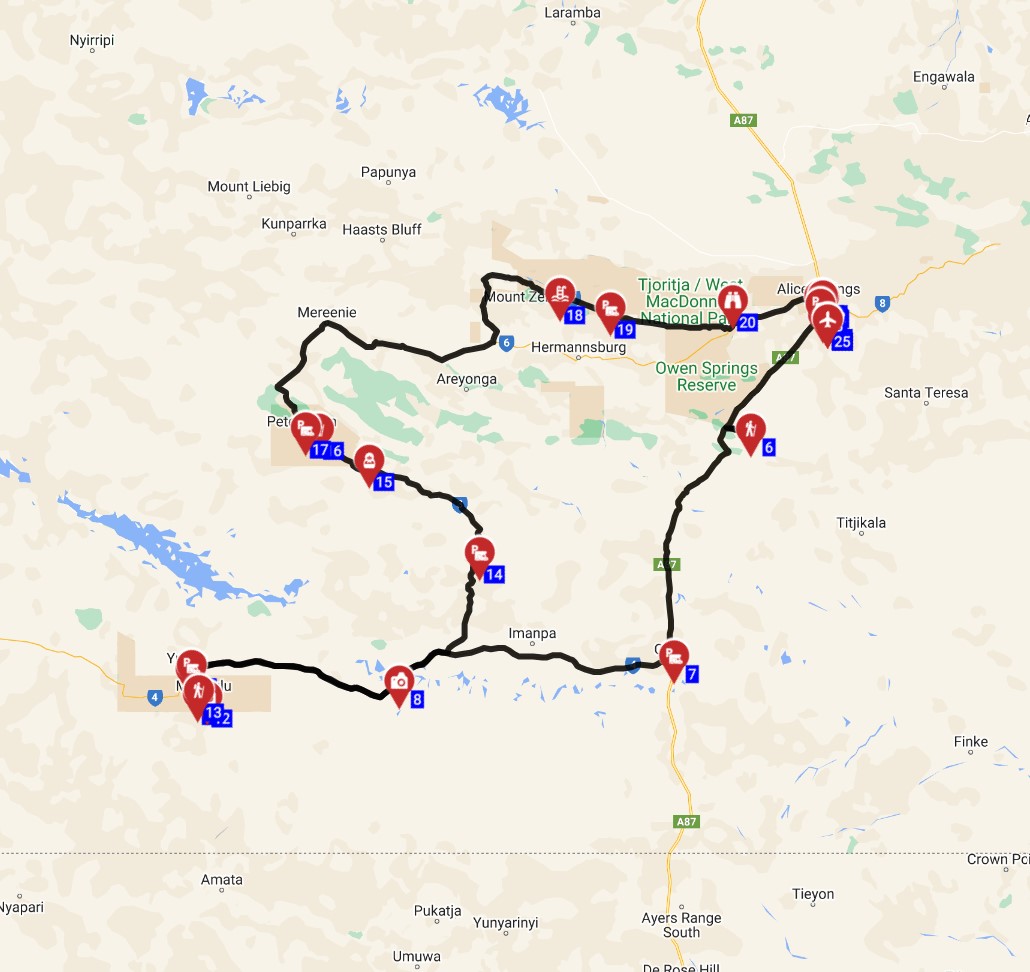
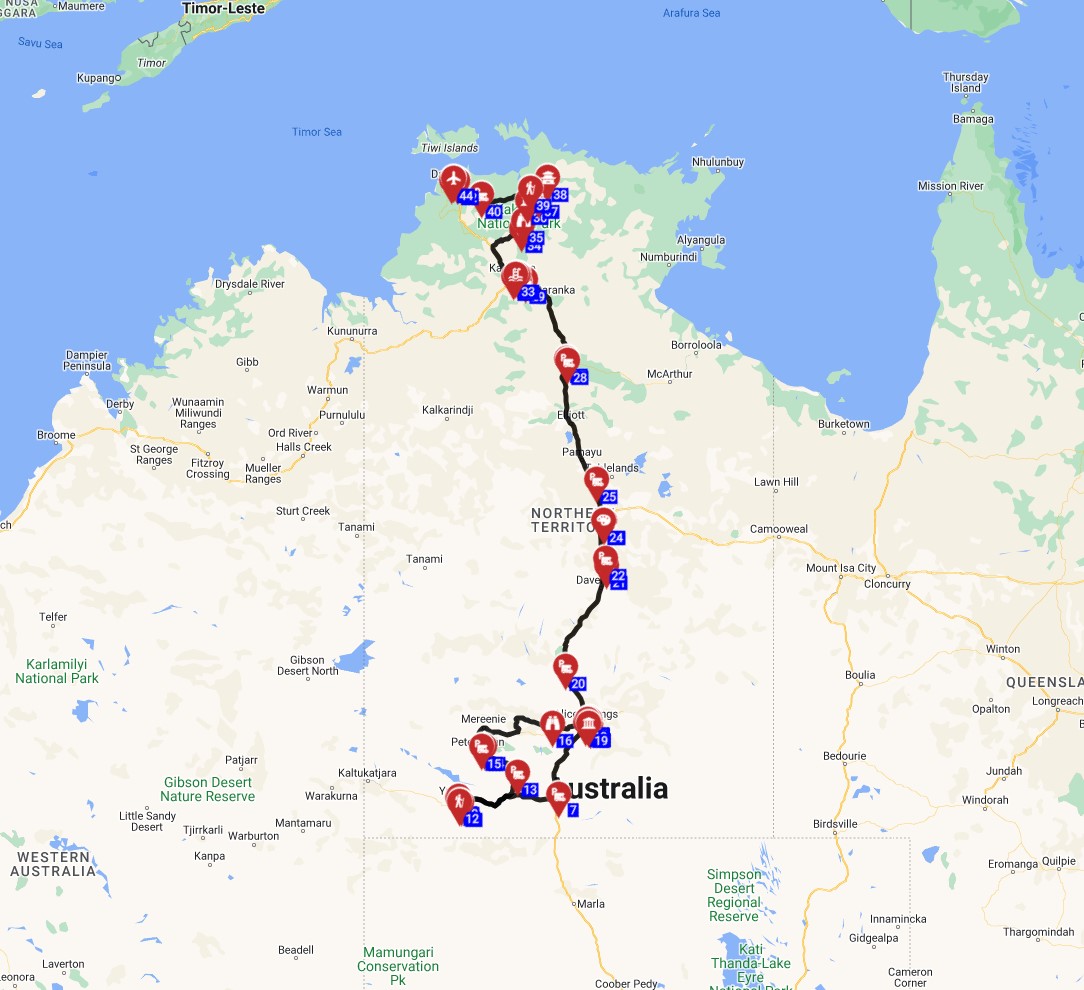
Driving on unsealed roads, such as parts of the Mereenie Loop or tracks within national parks, requires reduced speeds, vigilance for dust, corrugations, and potential wildlife. For instance, a drive on the Oodnadatta Track, a popular route that can be part of an "

RV Size Limits, Bridges & Restricted Zones
Alice Springs township itself generally accommodates all standard RV sizes without specific height or weight restrictions for bridges or tunnels. The town's infrastructure is built to handle larger vehicles common in regional Australia. However, access to some remote national parks or specific tracks, particularly those within the West and East MacDonnell Ranges, might have length or weight limits, or even require 4x4 vehicles.
It's crucial to always check local road conditions and potential closures, especially after heavy rainfall, which can significantly impact access to unsealed areas. Environmental zones are not typically a concern within Alice Springs itself, but respectful driving in natural areas is always encouraged. For example, some sections of the Larapinta Trail or other remote hiking areas may only be accessible by specific vehicles, so factor this into your long-term route planning for "RV Travel Guide to Alice Springs - Tips and Top Spots 2026."
Fuel: Diesel vs. Petrol & Cost per 100 km
Both diesel and petrol are readily available in Alice Springs, but diesel is typically the fuel of choice for larger rental RVs due to its efficiency over long distances. Fuel availability decreases significantly once you venture outside major towns, necessitating careful planning for vast Outback distances.
For example, Bandana's Class C Alcove RVs, like the Cruise America "Explorer" which has a 75-liter fuel tank, typically consume 14-18 Litres per 100km. Smaller Class B Camper Vans and Class SI Semi-integrated models, such as the "Combi Van" with an 80-liter fuel tank, average 9-13 Litres per 100km. Fuel costs are generally higher in remote Outback areas compared to metropolitan centers, so it's wise to budget for this increase when planning your month-long routes. When considering the total trip cost, remember that on RV PLANET routes, travelers can itemize and track every expense along the way for easy budgeting, including fuel, propane, and campground fees.
Tolls, Vignettes & Border Rules
There are no toll roads or vignettes required for driving within the Northern Territory, including Alice Springs and its surrounding areas, simplifying travel logistics within the region. This means you won't encounter unexpected charges as you explore the Red Centre.
Traveling between states in Australia also does not involve border checks or specific documentation beyond standard driving requirements. Your focus can remain on adhering to local road rules and speed limits, especially when transitioning from sealed highways to unsealed tracks. This straightforward system makes multi-state routes, like "
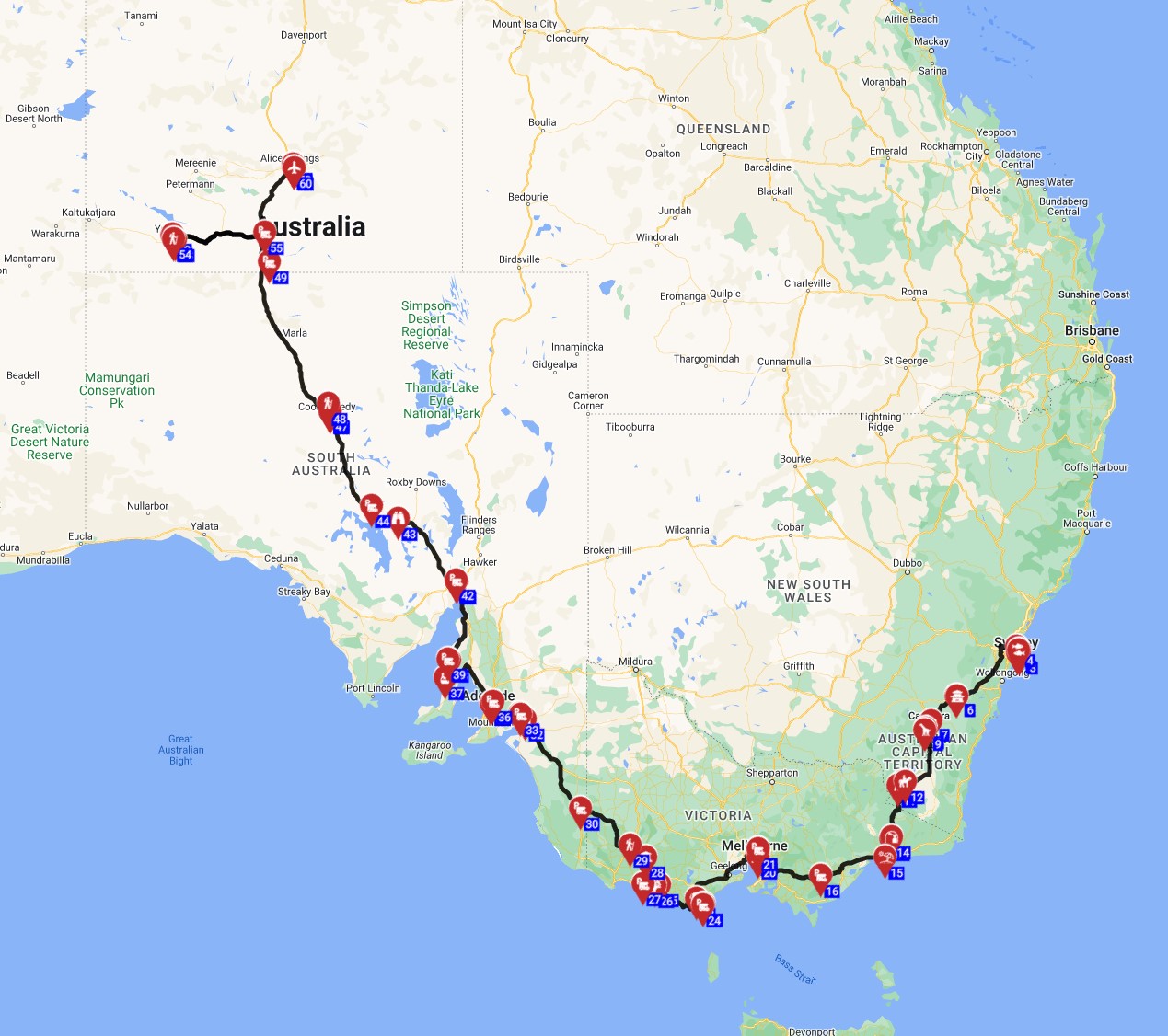
Driving Tips for long term rv rental Travelers
Successful long-term RV travel around Alice Springs demands meticulous preparation and a cautious approach to driving. Firstly, plan extensive fuel, water, and food supplies, especially for remote Outback routes, as services can be hundreds of kilometers apart. It is crucial to have a full tank and enough water before departing Alice Springs for destinations like Uluru or Kings Canyon.
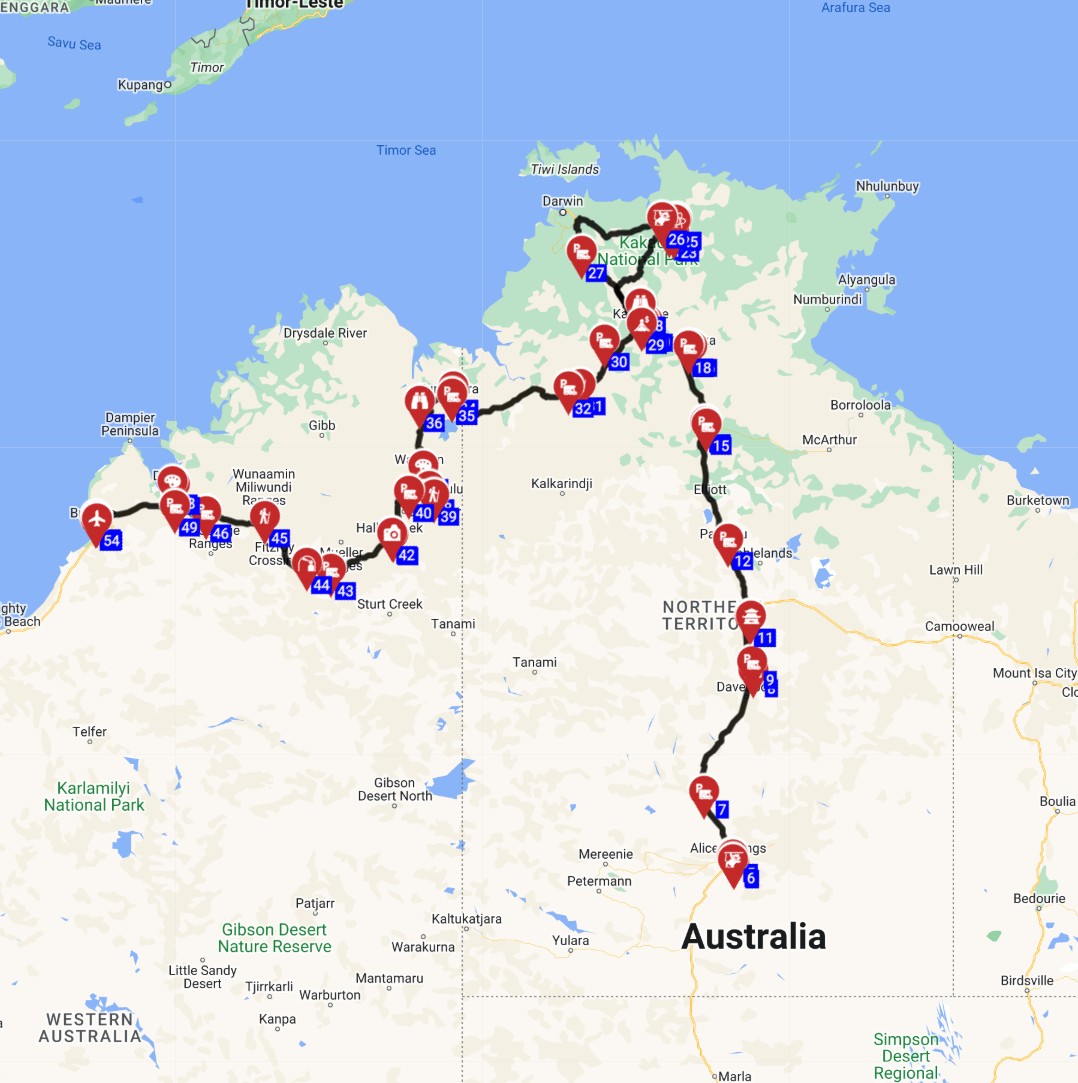
Secondly, reduce your speed significantly on unsealed, gravel, or corrugated roads to maintain control, prevent vehicle damage, and ensure a comfortable ride. Driving slowly and carefully, you can drive almost anywhere without issues; no need to stress – just use common sense and pay attention. Be highly vigilant for wildlife, such as kangaroos and cattle, on roads, particularly at dawn, dusk, and night, as they pose significant hazards. For communication, carry reliable devices like a satellite phone or UHF radio when venturing into areas with no mobile reception, which is common in vast sections of the Outback. Lastly, manage fatigue by taking regular breaks every 2-3 hours; the long, monotonous stretches of Outback driving can be surprisingly draining. For specific route plans and more detailed tips, explore resources like "Cairns to Alice Springs - Northern Horizons: A Journey Through Australia's Heartland."
Recommended RV Class for Alice Springs Roads
The ideal rental RV class for Alice Springs depends on your comfort needs, group size, and the ruggedness of the Outback destinations you plan to explore during your long-term trip. Class C Alcove motorhomes, with an average length of 7.9m and sleeping capacity for 5-6 people, offer excellent comfort and spacious living for families on longer trips, especially when sticking to well-maintained Outback routes like the sealed sections of the Stuart Highway.
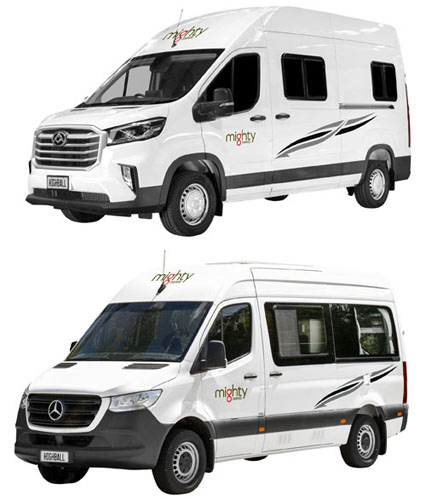
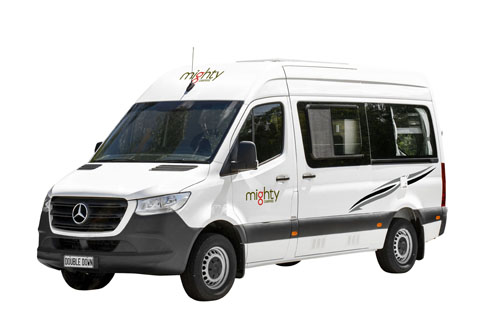
Class SI Semi-integrated RVs, averaging 6.9m in length with 2-4 sleeping places, provide a good balance of maneuverability and amenities, suitable for couples or smaller groups seeking a blend of comfort and flexibility. For example, a "2 Berth Rover" is a Class SI Semi-integrated RV with automatic transmission. Class B Camper Vans, averaging 6.2m in length and sleeping 2-3 people, offer greater agility and better suitability for rougher, unsealed tracks or exploring more deeply into national parks where larger vehicles might be restricted. The "Combi Van" is a Class B Camper Van with automatic transmission and sleeping for 4, ideal for couples or small families. RV-friendly recipes playlist can be a great resource for preparing meals in any of these vehicle types, making your long-term rental feel like a true home away from home.
Should I Choose a Compact Van Instead of a Large RV in Alice Springs?
For long-term journeys around Alice Springs and into the vast Australian Outback, larger RVs (like a Class C or Class SI motorhome) typically offer significantly more comfort, living space, and amenities, which can be invaluable over several weeks or months. Vehicles such as a "4 Berth Deluxe" Class C motorhome with roof air conditioning provide ample room for families.
Compact campervans (like a Class B Camper Van) provide greater maneuverability and are often better suited for challenging, less-maintained unsealed tracks and rougher terrain in remote areas. While large RVs can navigate Alice Springs' sealed roads easily, a compact van might offer more flexibility for exploring deeply into national parks or very remote areas that require a more agile vehicle. Ultimately, your decision should weigh the desire for interior comfort and comprehensive facilities against the need for off-road capability and easier access to the most remote Outback locations. Consider how much time you plan to spend off main roads versus at established campgrounds.
Can I Park Anywhere? Free & Wild Camping Rules in Alice Springs
Free or wild camping is generally prohibited within Alice Springs town limits and in most developed areas of the Northern Territory. Designated caravan parks, such as Big4 MacDonnell Range Holiday Park or G’day Parks Alice Springs Tourist Park, and some roadside rest areas (for limited overnight stays) are the primary legal options for parking your rented RV overnight.
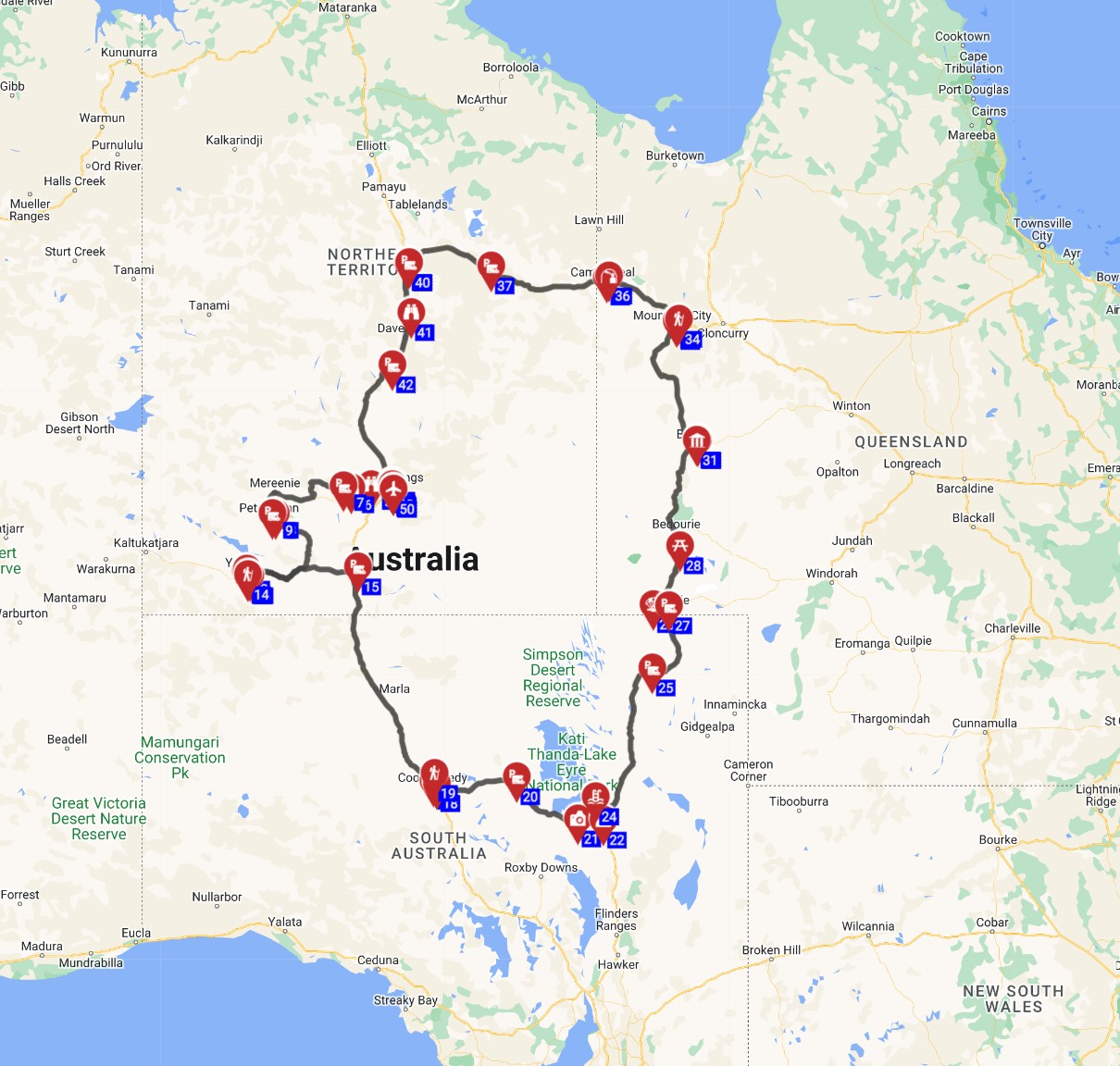
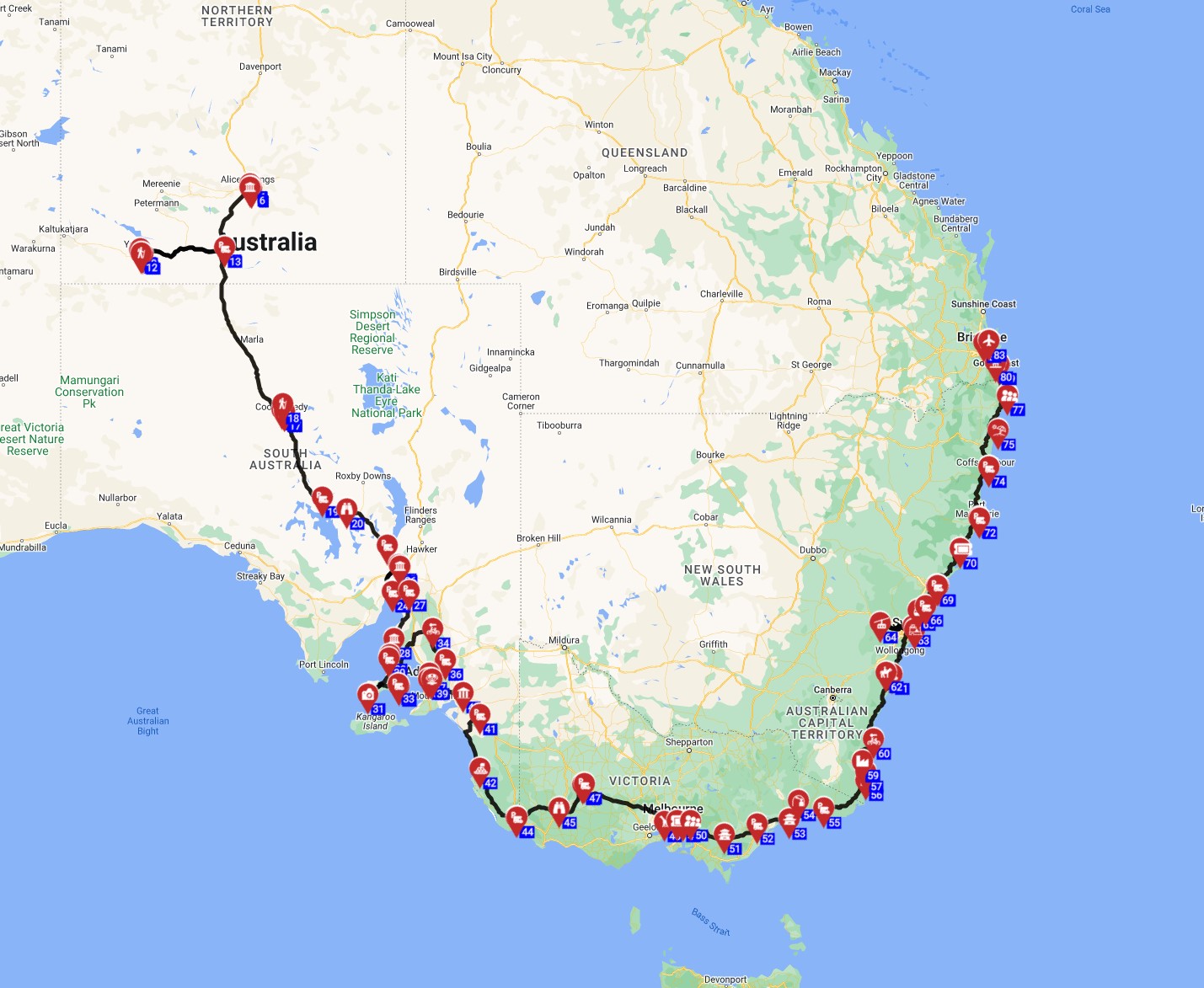
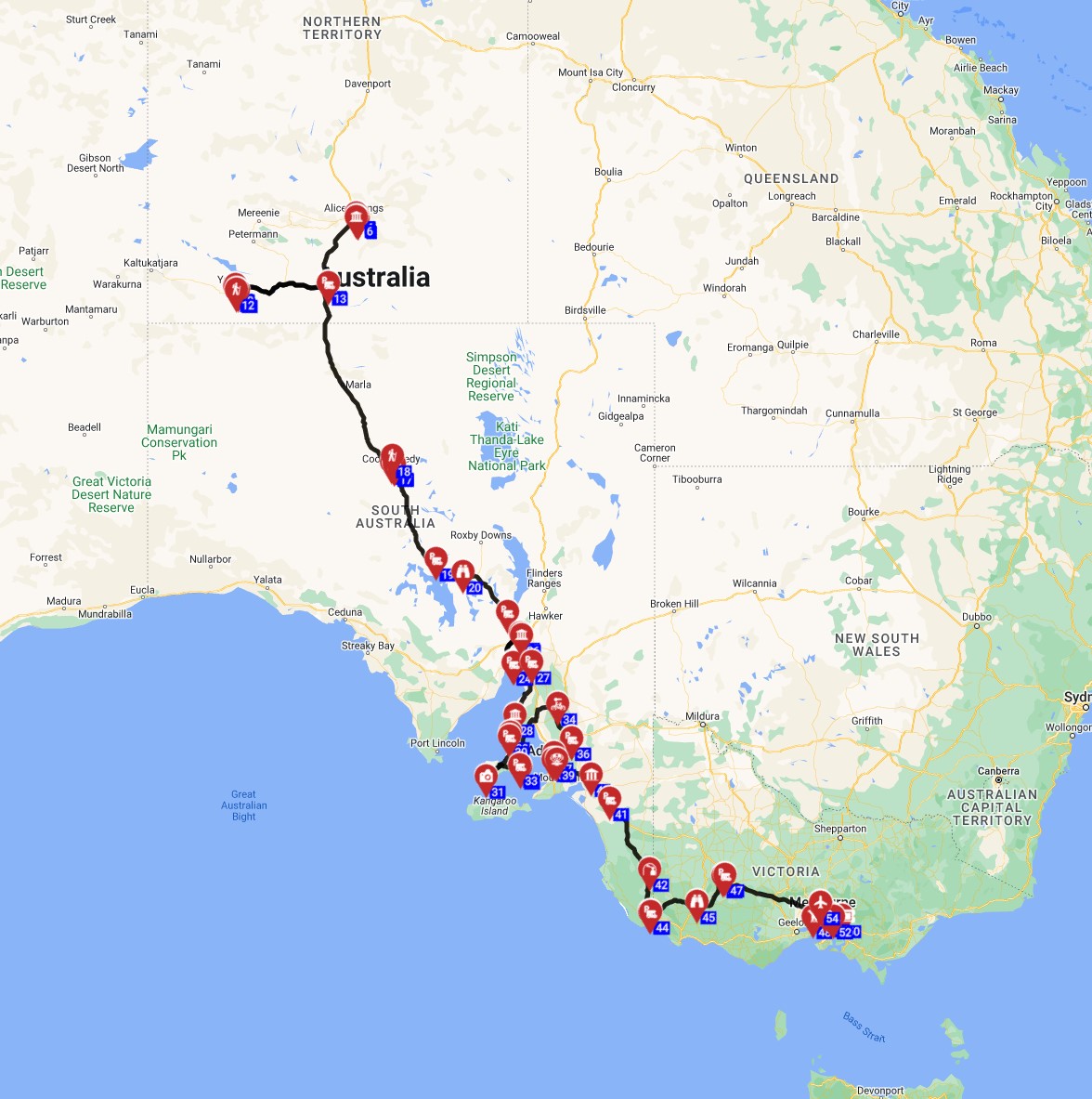
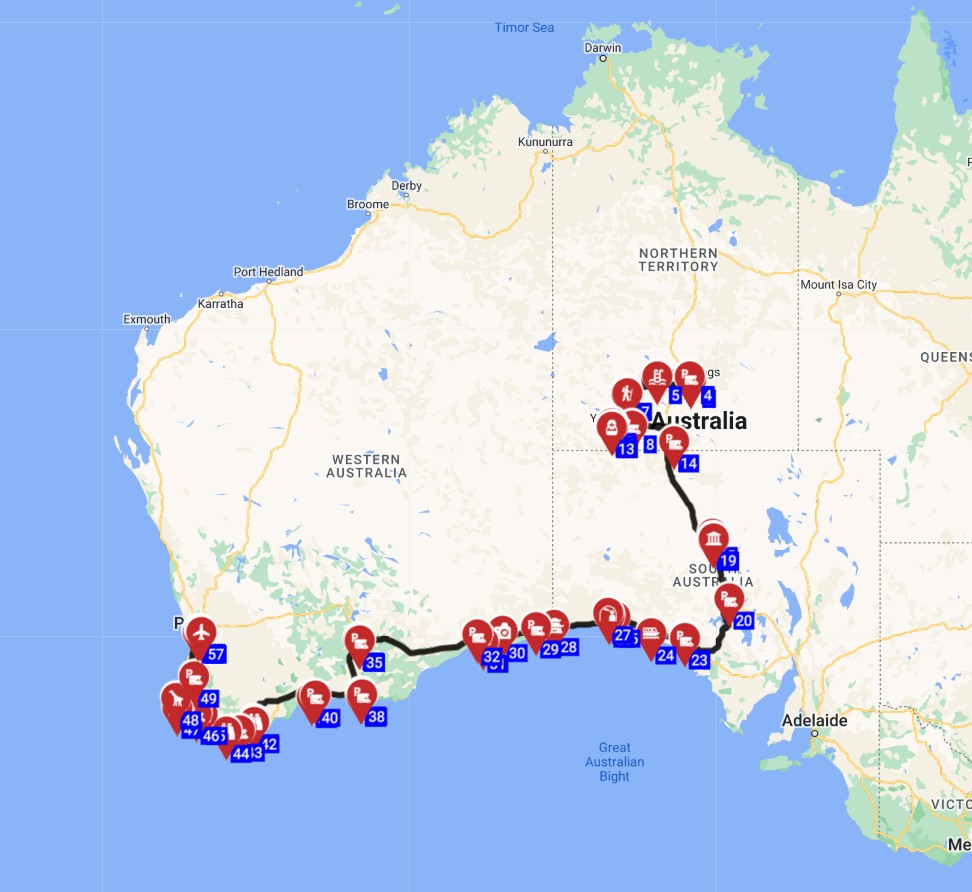
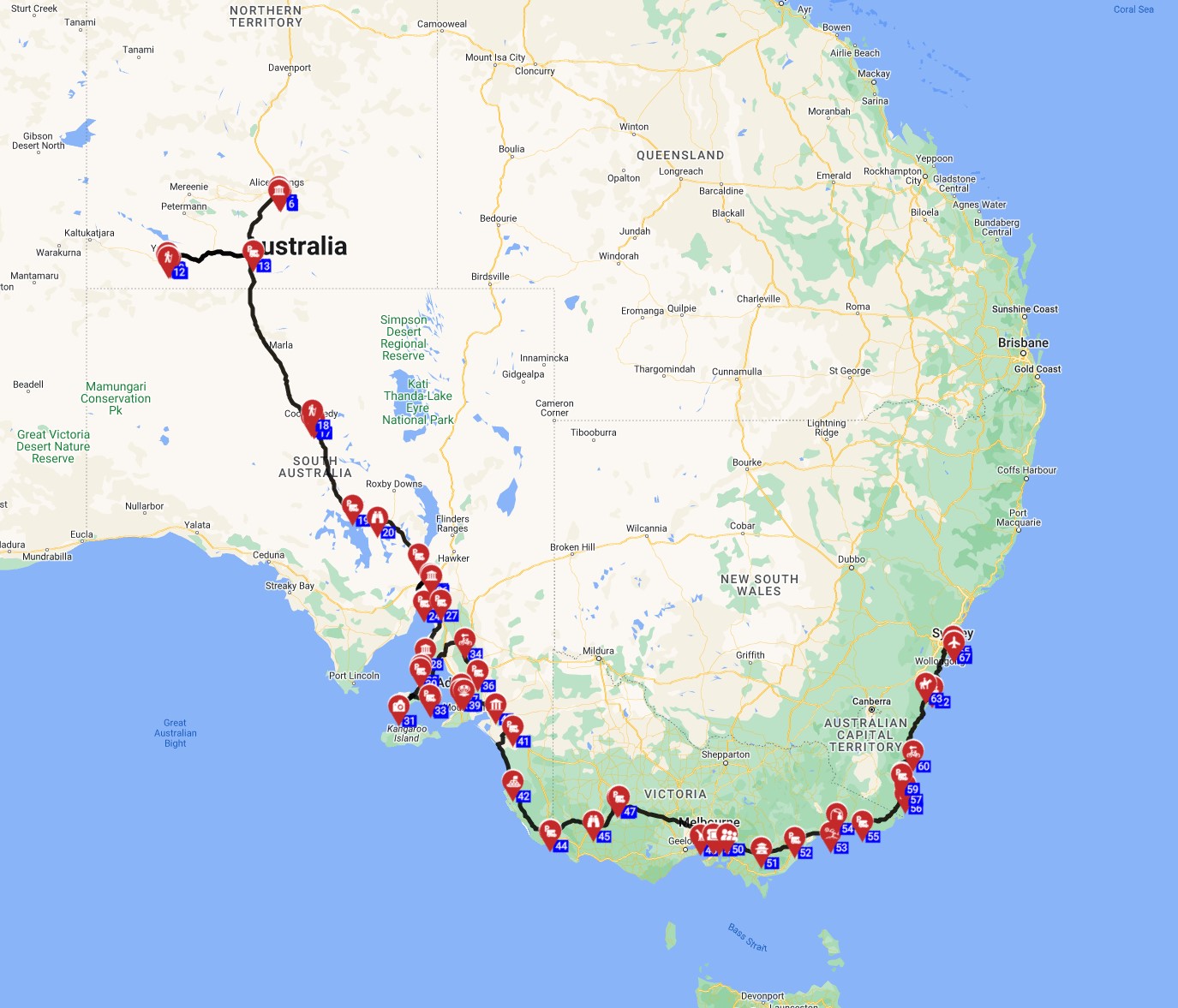
When venturing into national parks or remote Outback areas, camping on Indigenous lands often requires specific permits obtained in advance to ensure respectful and legal access. The rules vary significantly by region and land ownership, so always check local regulations and follow signs before parking overnight, especially in areas outside of established campgrounds. Being prepared means knowing where you can safely and legally spend the night. For finding available spots along routes like "Alice Springs to Adelaide," RV PLANET (rvplan.net) is an invaluable tool.
Can I Drive an RV Into the City Center? Heights, Tunnels & Local Signage
Yes, all standard rental RVs can be comfortably driven into the Alice Springs city center, as the town lacks significant height restrictions, low bridges, or tunnels that would impede larger vehicles. Alice Springs is a regional town with a straightforward road network, making navigation easy for motorhomes and campervans of all sizes.
The main considerations within the town center are finding suitable parking for a larger vehicle and adhering to general road rules and signage. Unlike major metropolitan cities, environmental zones or residents-only streets are not a concern in Alice Springs. You'll find ample space to maneuver and explore local attractions like Todd Mall or the Alice Springs Telegraph Station without stress.
What is the 3-3-3 rule for RVs?
The 3-3-3 rule for RVs is a popular driving guideline suggesting drivers stop every 3 hours, drive no more than 300 miles (approximately 480 km) in a day, and stay at least 3 nights in one location. This rule aims to prevent driver fatigue and encourage a more relaxed travel pace, which is particularly beneficial for long-term RV rentals.
When traveling in the Australian Outback from Alice Springs, the distance component (300 miles or 480 km) should often be adapted to account for varied road conditions, extreme heat, and slower speeds on unsealed roads. Adhering to the 'stop every 3 hours' principle is crucial for fatigue management on long Outback drives, where vigilance for wildlife and road hazards is paramount. Staying 3 nights in a location allows for deeper exploration of sights like the MacDonnell Ranges or preparing for excursions to Uluru, enriching the long-term rental experience and aligning perfectly with our recommendation to travel slowly, max 100-150 km per day.
What is the 4 4 4 rule for RVing?
The 4-4-4 rule is another RV travel guideline advising drivers to stop every 4 hours, drive no more than 400 miles (approximately 640 km) in a day, and stay at least 4 nights in one location. While this rule promotes a more leisurely pace for long-term adventures, the 400-mile daily distance is often too ambitious and potentially unsafe for driving in the Australian Outback around Alice Springs due to unique conditions.
Prioritize safety and driver well-being over covering maximum distance in the Outback, where harsh conditions, remote services, and abundant wildlife require extra caution. Stopping every 4 hours is still a good guideline for breaks, and staying 4 nights can offer a more relaxed pace for long-term rentals, allowing more time to feel the place, connect to the culture, the food, and the scenery. Always tailor driving hours and distances to specific Australian Outback conditions and your personal comfort levels, especially if you're exploring the more rugged terrain mentioned in our "RV Rental Australia - Complete Guide 2026" itinerary.
Do you need a special license to drive a long RV?
In Australia, a special license is generally required only for RVs with a Gross Vehicle Mass (GVM) exceeding 4.5 tonnes (4,500 kg), which typically applies to the heaviest Class A motorhomes or large combinations. Most rental RVs available for long-term hire in Alice Springs, including Class C Alcove and Semi-integrated models, comfortably fall under this 4.5-tonne GVM limit.
Therefore, a standard Australian Class C (car) license, or an equivalent foreign license with an International Driving Permit, is sufficient for the vast majority of motorhome and campervan rentals. It's essential to confirm the specific GVM of your chosen rented RV and verify your license category against Australian regulations to ensure compliance, though Bandana RV ensures our rental fleet meets standard license requirements for ease of travel.
What is the biggest RV you can drive with a regular license?
In Australia, the largest RV you can drive with a regular Class C (car) license typically has a Gross Vehicle Mass (GVM) up to 4.5 tonnes (4,500 kg). This GVM threshold covers almost all popular rental RV classes, including spacious Class C Alcove motorhomes, flexible Class SI Semi-integrated models, and agile Class B Camper Vans.
The physical length of the RV is generally not the determining factor for licensing requirements in Australia, but rather its GVM. This means you can enjoy a relatively spacious motorhome, like a "6 Berth Deluxe" Class C RV, for your long-term rental in Alice Springs without needing a commercial or heavy vehicle license. Always confirm the exact GVM with your rental provider to ensure your license covers the vehicle you choose for your adventure.
How much is insurance on a $200,000 RV?
Specific insurance costs for a high-value RV like a $200,000 model in Australia vary significantly based on vehicle type, driver history, coverage level, and intended use. For rental RVs in Alice Springs, comprehensive insurance is typically included in the rental agreement, but often comes with a substantial excess (deductible), sometimes in the thousands of dollars.
Renters usually have the option to upgrade to a top-level deductible for extra peace of mind by purchasing additional coverage from the rental company for an extra daily fee. It is crucial to thoroughly understand the rental agreement's insurance terms, especially regarding coverage for remote travel, unsealed roads, and potential wildlife damage in the Australian Outback, which can be unique considerations in this region. Our full transparency policy ensures no hidden fees or surprises when it comes to understanding your insurance coverage.
🎬 Video coming soon
What You Shouldn't Miss
- **West MacDonnell Ranges:** Drive your rented motorhome along Larapinta Drive to explore stunning gorges, permanent waterholes like Ellery Creek Big Hole (47 campsites nearby for overnights), and impressive geological formations.
- **Alice Springs Telegraph Station Historical Reserve:** Visit this historic site, the original Alice Springs settlement, to learn about early European communication in the Outback and enjoy scenic walking trails (part of the RV PLANET 'Alice Springs to Adelaide' route, which features 4 museums).
- **Royal Flying Doctor Service Visitor Centre:** Gain an incredible insight into this vital service for remote Outback communities, relevant for any long-term RV traveler considering remote area safety.
- **Alice Springs Desert Park:** Discover the unique flora and fauna of the Red Centre, with three distinct habitats and over 200 animal species, all easily accessible with your rented campervan.
- **Sunrise or Sunset at Anzac Hill:** Enjoy panoramic views of Alice Springs and the MacDonnell Ranges – a truly inspiring way to start or end your day in your mobile home.
- Looking for expert insights from Avi Bandana? Top 5 Adventures - recommendations from Avi Bandana
Final Thoughts
A long-term RV rental in Alice Springs offers an unparalleled opportunity to explore Australia's Red Centre at your own pace, delving into its natural wonders and rich indigenous culture. By understanding the unique driving conditions, licensing requirements, and practical tips for Outback travel, you can ensure your extended adventure is not just memorable, but also safe and enjoyable. Remember to plan slowly, spending max 100-150 km per day on average, allowing you to truly connect with the vast landscapes and the spirit of the Outback.
At Bandana RV, we are your trusted partners in this journey, offering full transparency, extensive vehicle choices, and expert advice from our more than two decades of experience. We take care of the small details, because we know they make a big difference in your travel experience. From comparing long term RV Rental in Alice Springs prices to helping you choose the perfect mobile home, we're with you every step of the way.
Ready to discover the magic of the Australian Outback? Your epic journey from Alice Springs awaits. Start planning your adventure today!
Find Motorhome Rentals in Alice Springs