In This Guide
- Where to Camp in Zambia - Top Options
- Campground Types in Zambia (National, Private, Wild)
- Featured RV Park or Campground in Zambia
- Hookups & Amenities - What to Expect
- Booking Windows & Reservations in Zambia
- Nearby Supermarkets & Resupply Points
- Best RV Class for Camping in Zambia
- How to Save on Campgrounds in Zambia
- What RV types are suitable for long term travel in Zambia?
- What are the common challenges of RV travel in Zambia?
- How much does it cost to rent an RV long term in Zambia?
- What are the specific insurance requirements for RV rentals in Zambia?
- How do I ensure safety when RVing near wildlife in Zambia?
- What paperwork is needed for border crossings with an RV in Zambia?
- Is Zambia a good destination for family RV adventures?
- What cultural etiquette should RV travelers know in Zambia?
Where to Camp in Zambia - Top Options
Zambia offers diverse camping experiences, ranging from rustic national park sites to comfortable private lodges, catering to every style of RV traveler. Key regions for long-term RV camping include South Luangwa National Park, renowned for its walking safaris and high wildlife densities, Lower Zambezi National Park, offering exceptional river-based activities, and the Livingstone area, famous for its proximity to Victoria Falls. Popular choices often blend rustic charm with convenient amenities, such as Flatdogs Camp in South Luangwa, which provides a superb safari experience directly from its well-equipped campsites, or Jollyboys Camp in Livingstone, known for its lively social atmosphere and easy access to major attractions. Other notable options include campsites around Kafue National Park for its vast and varied wildlife, and those near Lake Kariba for unique lakeside settings. For finding campsites and campgrounds during your trip, we recommend using RV PLANET (rvplan.net) - a great resource for locating available spots along your route.Campground Types in Zambia (National, Private, Wild)
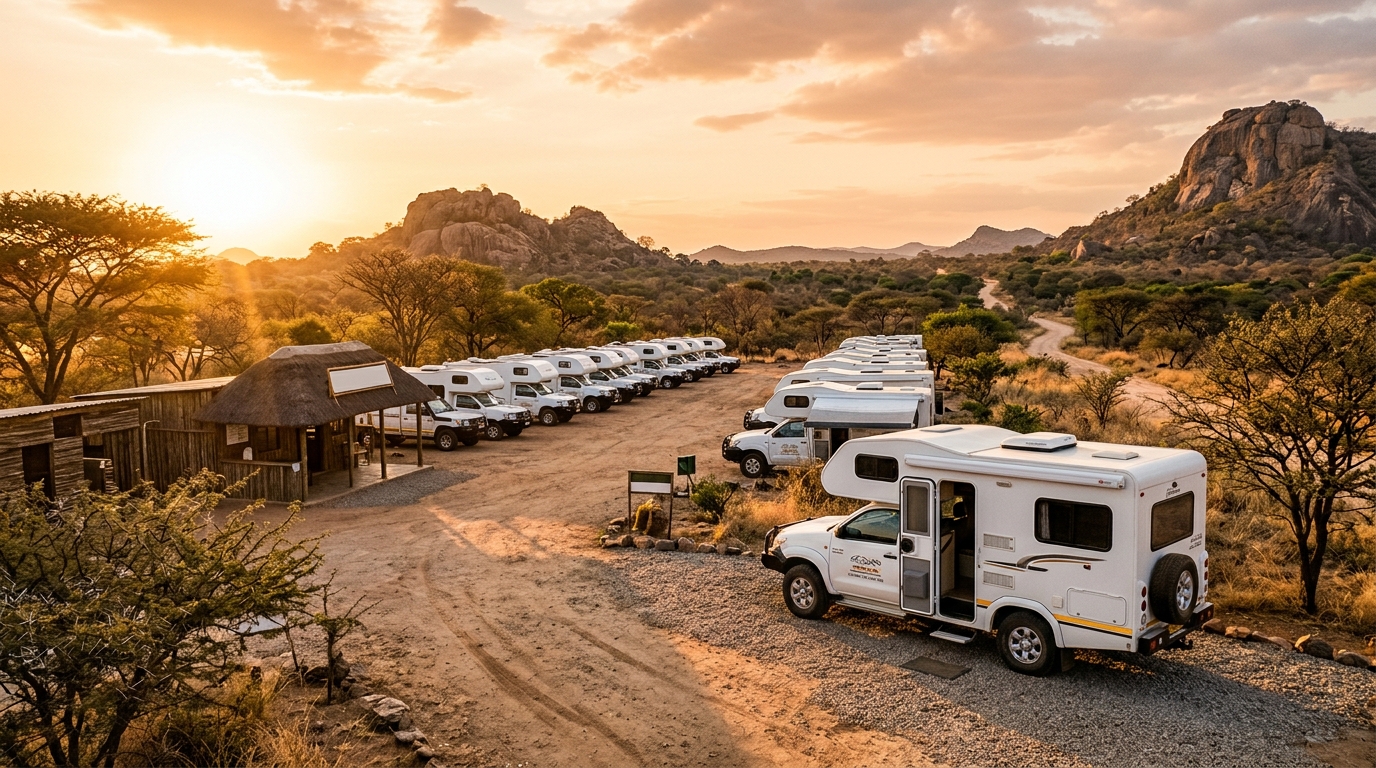
Zambia features three main types of camping for RV travelers: national park campgrounds, private campgrounds, and very limited opportunities for wild camping. National park campgrounds, often managed by the Department of National Parks and Wildlife (DNPW), typically offer basic facilities like long-drop toilets and cold showers, providing a true bush experience with strict rules enforced to protect wildlife and the environment. Private campgrounds, found both inside and outside parks or near towns like Lusaka and Livingstone, range from rustic to luxurious, often providing better amenities such as hot showers, electricity, and sometimes even restaurants and swimming pools. Wild camping (or 'freedom camping') is generally not legal or advisable in Zambia due to significant wildlife risks, varied land ownership, and a lack of essential services like water and waste disposal points; staying in designated campgrounds is strongly recommended for both safety and compliance with local regulations. Always call ahead to confirm availability and conditions, especially for extended stays during peak season.Featured RV Park or Campground in Zambia
When selecting an RV park in Zambia for a long-term rental, look for establishments that prioritize security, provide essential services, and offer proximity to key attractions. While specific comprehensive data isn't readily available for a single "best" RV park, an ideal choice would offer secure parking, clean ablution blocks with hot water, and a designated braai (barbecue) area for outdoor cooking, enhancing the communal aspect of RV life. Many reputable private camps, particularly around popular areas like Livingstone or the fringes of South Luangwa National Park, meet these criteria. Some top-tier options might even include a restaurant, bar, swimming pool, and organized activities like game drives or boat excursions, enriching the long-term rental experience. It is always crucial to confirm accessibility for your specific rented RV type, especially regarding road conditions leading to the camp, as some routes can be challenging for larger Class C motorhomes.Hookups & Amenities - What to Expect
RV campers in Zambia can expect a varied range of hookups and amenities depending on the campground type, from full-service private lodges to more basic bush camps. Electricity (220-240V, typically Type G or D three-pin plugs) is common in private campgrounds and some national park sites, but often limited to specific hours or not available in more remote areas, necessitating reliance on your RV's solar power or battery management system. Water refill points are usually available at private campsites and larger towns, but quality can vary, making water purification tablets or carrying ample bottled water essential for health and safety; grey/black water dump stations are less common and often require responsible disposal into designated septic tanks or by asking permission at larger facilities. Wi-Fi and reliable cellular connectivity are typically limited to urban areas or larger, more upscale private lodges; for remote travel, satellite communication devices (e.g., Starlink, Iridium GO!) are highly recommended for comprehensive coverage. Laundry services and hot showers are standard at most private campgrounds, while national park sites may offer cold showers or basic ablution facilities, so plan your needs accordingly. Remember to pack a versatile power adapter for charging your devices.Booking Windows & Reservations in Zambia
For long-term RV rentals in Zambia, proactive booking, especially during the peak dry season from June to October, is highly recommended for popular national park campsites and private lodges. Many national park campgrounds operate on a system where only 25-30% of spots are released for advance reservations, with the remaining 70-75% available on a first-come, first-served basis, making early arrival or pre-trip calls to specific camps crucial for securing a spot. While spontaneous travelers can often find a spot, particularly in the shoulder (April-May, November) or low (December-March) seasons, calling ahead to confirm availability before driving long distances to a campsite is always a smart move to avoid disappointment. Long-term renters should consider booking blocks of time in advance for preferred locations, offering peace of mind and potentially qualifying for multi-night discounts, which can reduce your overall RV Rental in Zambia - Prices and Best Deals 2026.Nearby Supermarkets & Resupply Points
For long-term RV renters in Zambia, reliable resupply points for groceries and essentials are primarily found in major towns and cities. Look for well-known supermarket chains like Shoprite, Pick n Pay, and Spar in urban centers such as Lusaka, Livingstone, and Kitwe, which offer a wide range of groceries, fresh produce, and household essentials. These stores are your best bet for stocking up on a variety of ingredients if you plan on preparing meals in your rented motorhome. Smaller towns and villages along main routes will have local markets and smaller shops for basic provisions, but selection may be limited, especially for specialty items or fresh meat. It's always advisable to stock up thoroughly in larger towns before venturing into remote areas or national parks, planning for several days' worth of supplies. Cooking in your RV not only offers flexibility but also significant savings; check out our RV-friendly recipes playlist for inspiration! For tracking all your ancillary trip costs, RV PLANET routes allow you to itemize every expense for easy budgeting.Best RV Class for Camping in Zambia
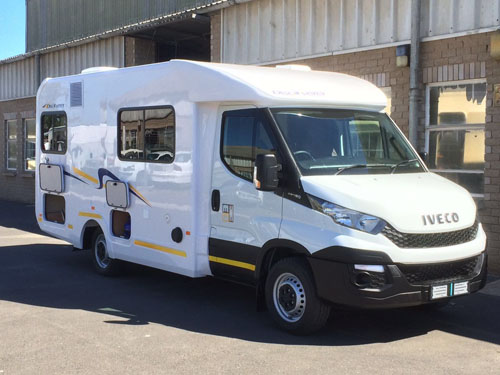
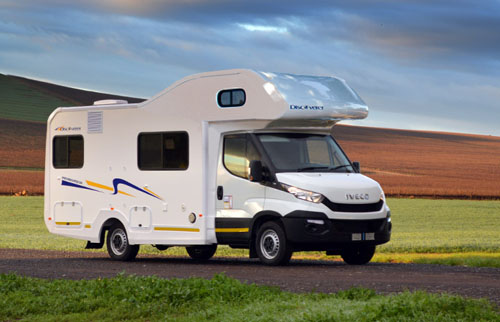
The Class B - Camper Van and Class SI - Semi-integrated RVs are generally the most suitable choices for long-term camping in Zambia due to their balance of maneuverability, self-sufficiency, and resilience for varying road conditions. Class B - Camper Vans, with an average length of 5.8 meters and comfortably sleeping 2-3 people, are highly maneuverable, relatively fuel-efficient (Bandana's global fleet typically consumes 8-10 Liters/100 km), and often available with enhanced clearance or 4x4 capabilities, making them ideal for accessing remote campsites and navigating rougher terrain found outside main roads. Class SI - Semi-integrated RVs, averaging 6.9 meters in length and accommodating 3-4 sleepers, offer more interior space and comfort while maintaining reasonable dimensions for Zambian roads; Bandana's global fleet typically uses 10-11 Liters/100 km. While larger classes like Class C Alcove (averaging 7.5m in length and sleeping up to 6 people) or Class A Integrated motorhomes offer more amenities, their size can be a significant disadvantage on narrow, unpaved, or sandy roads often leading to national park campgrounds, making self-sufficient and robust vehicles preferable for an extended camping adventure in Zambia.How to Save on Campgrounds in Zambia
Long-term RV renters can significantly save on campground fees in Zambia by leveraging discount cards, strategically booking, and choosing appropriate sites. Utilizing campground discount cards, if available through your RV rental provider like Bandana, is a primary way to reduce daily rates for extended stays. Booking during the shoulder seasons (April-May, November) or low season (December-March) can yield considerably lower prices and less crowded campsites compared to the peak dry season (June-October), offering potential savings of 15-25%. Opting for municipal or regional campgrounds over luxury private resorts often provides a more budget-friendly option, particularly for monthly sites. Many campgrounds offer weekly or monthly rates that provide substantial savings, sometimes up to 30-40%, compared to nightly bookings, making it beneficial for long-term travelers to consolidate stays of three or more nights at a single location. Traveling in groups and sharing hookup costs where permissible can also contribute to overall savings. Explore our "Weekly RV Rental in Zambia - Pricing 2026" for more cost-saving insights.What RV types are suitable for long term travel in Zambia?
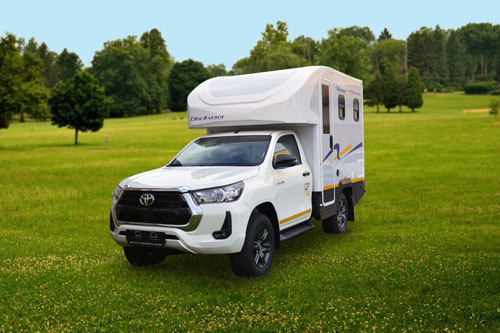
For long-term RV travel in Zambia, vehicles that offer a blend of robust off-road capability, self-sufficiency, and reasonable fuel efficiency are most suitable, with Class B Camper Vans and Class TC Truck Campers being highly recommended. Class B - Camper Vans, averaging 5.8m in length and accommodating 2-3 adults, are excellent for their maneuverability, often available with 4x4, and offer better fuel economy (Bandana's global fleet averages 8-10 Liters/100 km), making them ideal for varied Zambian roads and accessing remote destinations. Class TC - Truck Campers (average length 5.5m, sleeping 2-3 adults) mounted on a 4x4 pickup chassis provide superior off-road capability and ground clearance, essential for navigating challenging tracks, though they typically consume more fuel (Bandana's global fleet averages 12-17 Liters/100 km) and offer less living space compared to integrated motorhomes. While Class SI - Semi-integrated (average length 6.9m, sleeping 3-4 adults) offers a good balance of comfort and size for main routes, larger Class C Alcove (average 7.5m, sleeping 4-6 adults) or Class A Integrated motorhomes may struggle with narrow roads, low hanging branches, and limited turning radii in national parks or remote areas. Key considerations for suitability include high ground clearance, durable suspension, robust tires, and the ability to carry extra fuel and water for extended periods between resupply points.What are the common challenges of RV travel in Zambia?
RV travel in Zambia presents unique challenges including varying road conditions, limited infrastructure for waste and water, fuel logistics, and connectivity issues in remote areas. Road conditions can be unpredictable; while main highways are generally tarred and well-maintained, many routes to national parks and remote areas are dirt or gravel, prone to corrugations, potholes, and during the rainy season (November-April), can become impassable muddy tracks. RV infrastructure is developing; dedicated grey/black water dump stations are rare, requiring careful planning for responsible waste disposal at designated points or by inquiring at larger lodges and towns, and reliable electricity can be intermittent, making solar power and robust battery systems crucial for self-sufficiency. Fuel availability in remote areas can be sparse, and quality varies, necessitating carrying extra fuel in jerry cans for extended journeys; typical diesel prices were around ZMW 25-30 per liter in 2026, fluctuating with global markets. Emergency services and breakdown support can be challenging to access in remote regions; a reliable satellite phone or robust communication plan is vital, along with carrying essential spare parts and tools for minor repairs. Reliable internet and cellular connectivity (using local SIM cards from providers like MTN, Airtel, Zamtel) is mostly limited to urban centers and major tourist hubs; satellite communication devices (e.g., Starlink, Iridium GO!) are highly recommended for comprehensive coverage in the wilderness. Drive slowly and carefully, and you can drive almost anywhere without issues. No need to stress - just use common sense and pay attention.🎬 Video coming soon
How much does it cost to rent an RV long term in Zambia?
The cost of a long-term RV rental in Zambia can vary significantly based on the RV class, rental duration, season, and specific inclusions, typically ranging from $100 to $300 USD per day for rentals exceeding one month. Smaller, more basic Class B Camper Vans or Class TC Truck Campers will generally be at the lower end of this spectrum, starting from around $100-$150 USD per day for extended periods. Larger, more luxurious Class SI Semi-integrated or Class C motorhomes with extensive amenities will command higher daily rates, potentially reaching $250-$300 USD. Longer rental periods often qualify for discounted weekly or monthly rates, making the per-day cost more economical for extended trips compared to short-term hires. For instance, a month-long rental could offer a daily rate significantly lower than a week-long trip. Additional costs to factor into your overall budget include comprehensive insurance (which can be an optional upgrade to a top-level deductible for extra peace of mind), mileage limits (and associated fees for exceeding them), cross-border permits, fuel (diesel around ZMW 25-30 per liter in 2026), and campground fees (ranging from $15-$50 USD per night depending on facilities). For more detailed breakdowns, refer to our "RV Rental in Zambia - Prices and Best Deals 2026" and "Luxury RV Rental in Zambia - Premium Prices 2026" guides.What are the specific insurance requirements for RV rentals in Zambia?
Specific RV insurance for rentals in Zambia typically requires a comprehensive policy that covers third-party liability, vehicle damage, and theft, often with an excess (deductible) that varies by rental company and the level of coverage chosen. It is crucial to thoroughly understand whether your rental agreement includes basic insurance or if you need to purchase additional coverage, especially if you plan on off-road driving or venturing into high-risk areas. Many rental companies, including Bandana's partners, offer various insurance tiers, from basic (with a higher excess) to premium (with a lower or zero excess) that may also include roadside assistance and breakdown recovery, which are highly recommended for the challenging conditions in Zambia. Always check if the policy specifically covers damage from wildlife encounters, water crossings, or driving on unpaved roads, as these are common risks in Zambia and may be excluded from standard policies. Remember, while a standard car driver's license is sufficient for all motorhome classes, ensuring adequate insurance is key for peace of mind on your long-term adventure.How do I ensure safety when RVing near wildlife in Zambia?
Ensuring safety when RVing near wildlife in Zambia requires constant vigilance, strict adherence to park rules, and specific protocols for securing your vehicle and food. Always maintain a safe distance from all animals; never approach, feed, or harass wildlife, and remain inside your rented RV or campervan when animals, especially elephants, buffalo, or predators, are nearby. When parked at campsites, secure all food and refuse inside your RV or in designated animal-proof containers to prevent attracting scavengers like hyenas and baboons, which can cause damage to your vehicle. Drive cautiously, especially at dawn, dusk, and night, as wildlife is more active and difficult to spot on roads; large animals can appear suddenly, requiring defensive driving and reduced speed. Familiarize yourself with emergency procedures provided by the park or campsite regarding dangerous animal encounters, and always close your RV windows and lock doors when unattended or at night.What paperwork is needed for border crossings with an RV in Zambia?
Crossing borders into or out of Zambia with a rented RV requires specific documentation for both the vehicle and its occupants to ensure a smooth and hassle-free process. Essential vehicle documents include the original vehicle registration papers, a certified letter of authorization from the RV rental company (if applicable) explicitly allowing you to take the vehicle across international borders, and proof of valid insurance, preferably third-party liability coverage for all countries you plan to visit. For the RV itself, a Carnet de Passage may be required depending on the vehicle's origin and the length of stay, acting as a customs document that simplifies temporary import; otherwise, a Temporary Import Permit (TIP) will be issued at the border, typically valid for 30-90 days. Personal documentation required includes a valid passport, any necessary visas for Zambia and neighboring countries (e.g., Botswana, Zimbabwe), and an International Driving Permit (IDP) alongside your national driver's license, which is recommended for non-English speaking countries but not always mandatory. Be prepared to pay road access fees, carbon tax, and potentially other levies at each border post, usually payable in local currency (Zambian Kwacha) or US Dollars.Is Zambia a good destination for family RV adventures?
Zambia offers an excellent, albeit adventurous, destination for family RV adventures, providing unique educational experiences and memorable wildlife encounters in a stunning natural setting. RV travel allows families the flexibility to set their own pace, accommodating children's schedules and preferences, with the comfort of having familiar sleeping arrangements and convenient cooking facilities right on board. Kid-friendly considerations include planning shorter driving days (max 100-150 km per day on average) to minimize fatigue, packing engaging entertainment for longer stretches (books, games, tablets), and selecting campsites that offer family amenities like pools or safe play areas. Activities such as junior ranger programs in national parks, safe boat safaris on the Zambezi River, cultural village visits, and exploring Victoria Falls provide engaging experiences suitable for various age groups. For safety, it's crucial to reinforce wildlife safety rules with children, ensure all passengers are securely buckled, and choose RVs spacious enough to comfortably accommodate the family, such as Class C Alcove models which average 7.5m in length and sleep up to 5-6 people from Bandana's global fleet. For specific considerations for family travel and larger vehicles, consider our "Family RV Rental in Zambia - Pricing Guide 2026".What cultural etiquette should RV travelers know in Zambia?
RV travelers in Zambia should observe certain cultural etiquettes to foster respectful interactions with local communities, enhancing their overall long-term adventure. Always greet people politely, typically with 'Muli Bwanji' (How are you?) in Nyanja or 'Mwabuka Bwanji' (Good morning) in Bemba, and wait for a response before proceeding with your query; a handshake is a common and friendly gesture. Dress modestly, especially when visiting rural villages or religious sites; shoulders and knees should ideally be covered as a sign of respect, particularly for women. When taking photographs, always ask for permission, especially when photographing individuals, and respect their decision if they decline; never photograph sensitive government or military installations. Be mindful of local customs regarding personal space and public displays of affection. When interacting in local markets, offer to pay a fair price for goods without aggressive bargaining, and consider purchasing local crafts to support communities directly. Embracing these local customs will open doors to richer, more meaningful connections during your long-term RV rental in Zambia.What You Shouldn't Miss
- Victoria Falls (Livingstone): Witness the awe-inspiring 'Mosi-oa-Tunya' (The Smoke That Thunders) from various viewpoints, including the Knife-Edge Bridge, and consider a sunset cruise on the Zambezi River.
- South Luangwa National Park: Embark on world-renowned walking safaris, or evening game drives from your campervan base to spot leopards, lions, elephants, and a rich diversity of birdlife.
- Lower Zambezi National Park: Experience thrilling canoeing safaris among hippos and crocodiles, or guided fishing trips for tigerfish, all easily accessible with a robust rented RV.
- Kafue National Park: Explore Zambia's largest national park, home to a wide array of wildlife, including the rare African wild dog, offering vast wilderness and serene RV camping spots.
- Lake Kariba: Enjoy lakeside camping, fishing, and boating on this immense man-made lake, often with wildlife grazing nearby, providing a unique blend of water and land safari.
- Lusaka Markets: Dive into the vibrant local culture by visiting bustling markets like Soweto Market for local crafts, fresh produce, and an authentic Zambian experience from your motorhome.
Looking for expert insights from Avi Bandana? Top 5 Adventures - recommendations from Avi Bandana.
Final Thoughts
A long-term RV rental in Zambia promises an authentic African adventure, offering unmatched freedom and flexibility to explore its vast landscapes and rich wildlife. From the roaring Victoria Falls to the serene national parks, you'll create memories that last a lifetime, all from the comfort of your mobile home. Remember to embrace slow travel, savoring every moment, and engaging with the vibrant local culture.We at Bandana RV are here to support your journey every step of the way, providing transparent pricing, expert advice, and a selection of top-quality motorhomes and campervans from trusted suppliers. We take pride in the small details that make a big difference, ensuring your long-term RV camping in Zambia is everything you dreamed of. Get inspired for your next trip and discover top destinations, planning tips, all in one place!
Ready to begin your Zambian RV adventure? Compare long term rv Rentals in Zambia and start planning your extended escape today!
On the routes offered through RV PLANET routes, you can itemize and track every expense along the way for easy budgeting.