In This Guide
- Where to Camp in North Canada - Top Options
- Campground Types in North Canada (National, Private, Wild)
- Featured RV Park or Campground in North Canada
- Hookups & Amenities - What to Expect
- Booking Windows & Reservations in North Canada
- Nearby Supermarkets & Resupply Points
- Best RV Class for Camping in North Canada
- How to Save on Campgrounds in North Canada
- Where can I park my RV for free in Canada?
- Can a US citizen go camping in Canada?
- What is the 3-3-3 rule for RV travel?
- How much does it cost to park an RV in Canada?
- Are there year-round RV parks in Canada?
- Do you need to book campsites in Canada?
- What is the best camping app in Canada?
- What You Shouldn't Miss
Embarking on a long-term RV camping trip in North Canada offers an unparalleled adventure into vast wilderness, breathtaking landscapes, and unique cultural experiences. Whether you're planning a month-long exploration of the Yukon, a two-week adventure through the Northwest Territories, or an extended road trip across northern British Columbia, understanding the logistics of long-term RV rental in North Canada is key to a successful journey. For live availability and current prices, start with our RV Rental North Canada - Complete Guide 2026 guide.
Where to Camp in North Canada - Top Options
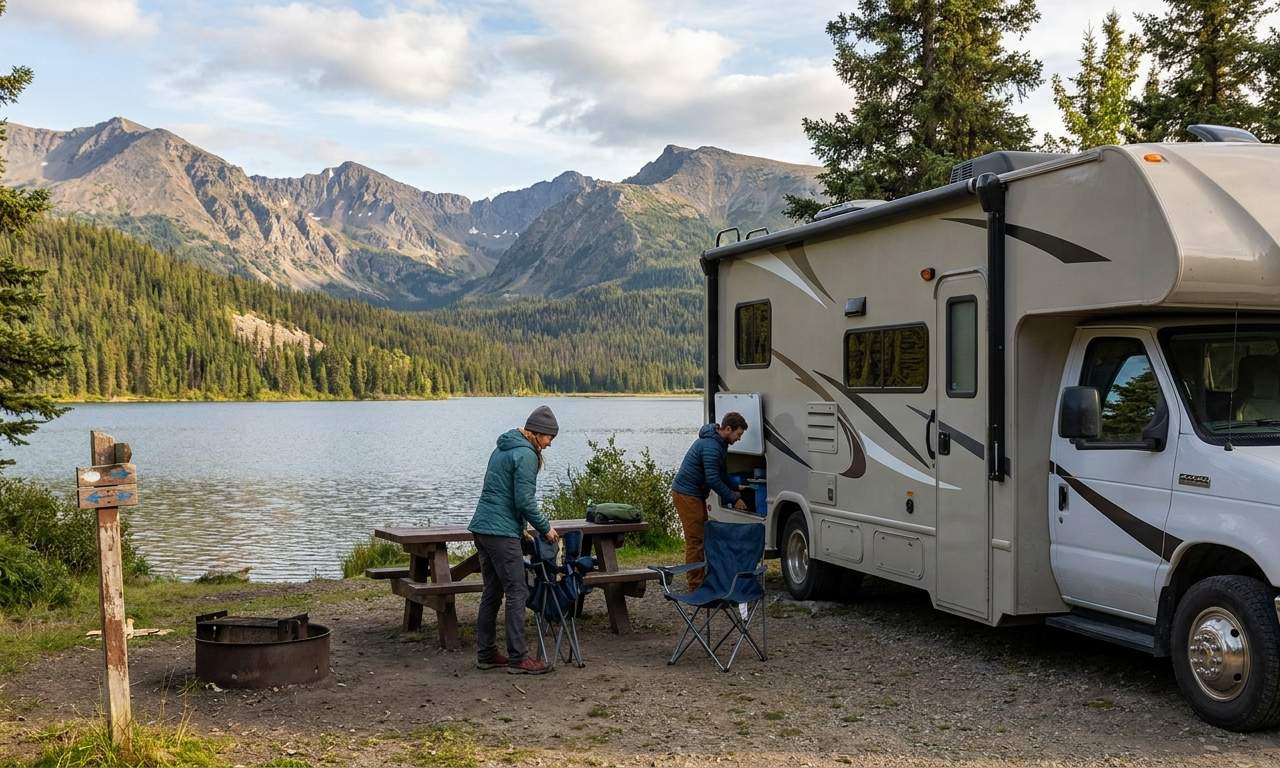
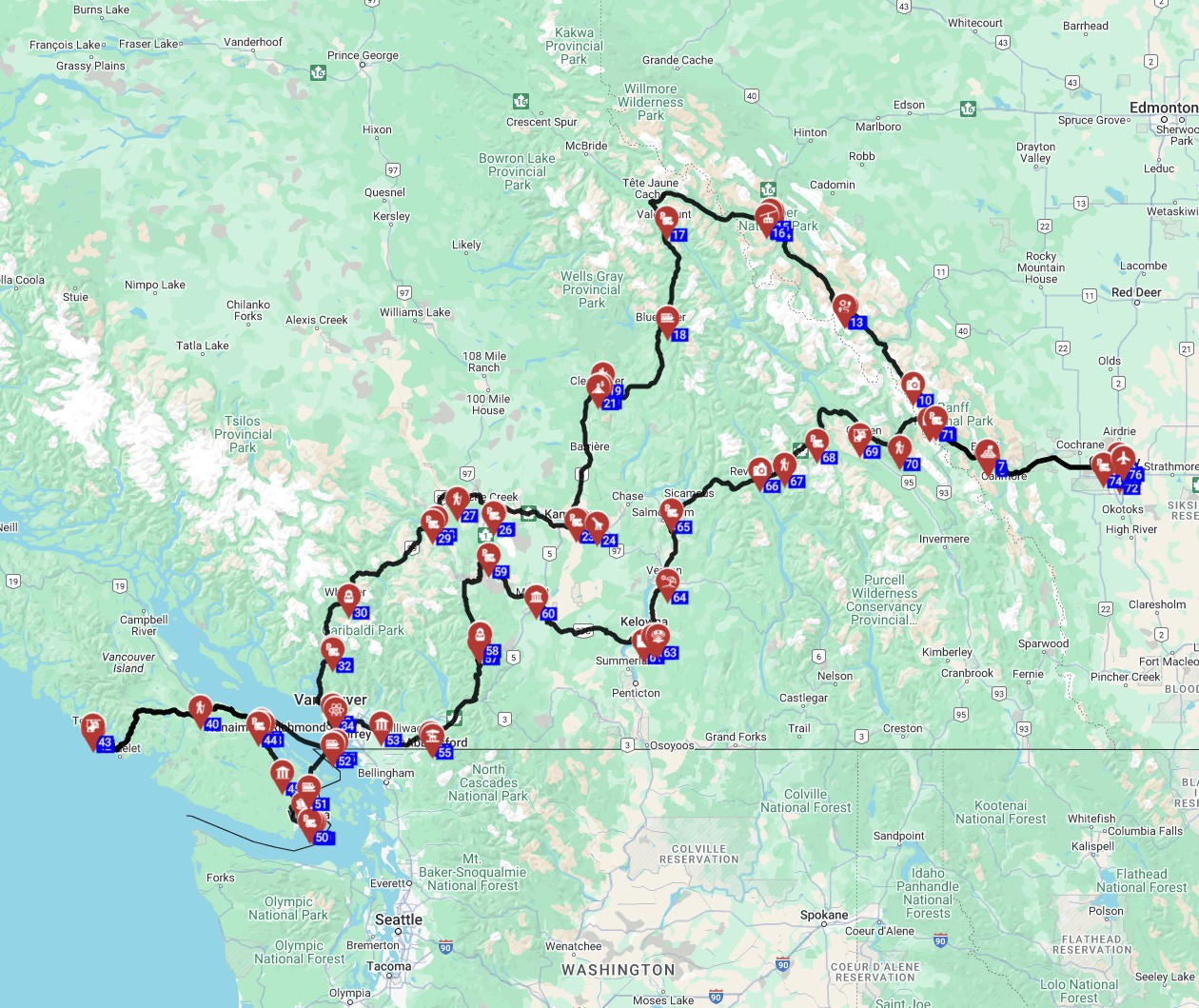
North Canada offers diverse and stunning camping experiences, ranging from well-serviced parks to remote wilderness sites, perfect for an extended stay with a rented motorhome or campervan. For long-term RVers, consider regions like the Yukon (e.g., the Kluane National Park region with its glacier-capped mountains), the Northwest Territories (e.g., along the Dempster Highway for arctic adventures), and northern British Columbia (e.g., the Alaska Highway corridor for a blend of accessibility and rugged beauty). These popular regions provide a mix of provincial parks, national park access, and private campgrounds, each offering unique amenities and experiences tailored for longer stays. Imagine waking up to serene lake views or mountain vistas, with ample time to explore without rushing. Remember to travel slowly, aiming for a maximum of 100-150 km per day on average, to truly connect with the culture, food, and scenery of each place. This unhurried approach is one of the joys of a long-term RV rental.
Campground Types in North Canada (National, Private, Wild)
In North Canada, national park sites managed by Parks Canada offer stunning natural beauty and typically provide basic to moderate services, often requiring reservations, especially in peak season. For instance, campgrounds within Kluane National Park and Reserve in Yukon provide scenic, often rustic sites. Private campgrounds, found near towns like Whitehorse or Yellowknife, generally offer more amenities suchs as full hookups, Wi-Fi, and laundry facilities, though usually at a higher cost. These can be ideal for resupply stops or when you desire more comfort during your long-term rental. Wild camping, also known as boondocking or dispersed camping, involves parking a rented RV on unserviced public lands for free. This is generally tolerated in many remote areas of North Canada but requires self-sufficiency and strict adherence to local regulations like Leave No Trace principles. Always check for local fire bans and ensure you're not on private property when choosing a wild camping spot.
Featured RV Park or Campground in North Canada
When planning a long-term RV rental in North Canada, identifying campgrounds that balance essential amenities with access to scenic routes and a welcoming atmosphere is vital. Consider options such as the campgrounds within Yukon's territorial parks system, like those near Whitehorse or Dawson City, which often provide potable water, vault toilets, and sometimes even electrical hookups. For example, Tombstone Territorial Park in Yukon offers stunning backcountry camping experiences, while campgrounds along the Alaska Highway in Northern BC provide convenient stops with varying amenities. Key features to prioritize for extended stays include sites with electrical hookups for continuous power, reliable potable water access to refill your onboard tanks, and a well-maintained dump station for waste disposal. Many remote campgrounds might have limited services, so confirm the availability of amenities like showers, laundry facilities, and Wi-Fi, or plan to be self-sufficient for longer periods with your rented motorhome. On the routes offered through RV PLANET routes, you can itemize and track every expense along the way for easy budgeting.
Hookups & Amenities - What to Expect
Campgrounds in North Canada vary widely in their available hookups and amenities, ranging from full-service sites to basic dry camping, catering to diverse long-term RV rental needs. At private and some provincial parks, you can generally expect electrical hookups (typically 15, 30, or 50 amps at 120V AC), water hookups for potable water, and sewer hookups for waste disposal. These full-service sites are ideal for comfortable extended stays, allowing you to use all your RV's appliances. Many remote or national park campgrounds, however, may only offer basic services like vault toilets, communal water pumps, and central dump stations. In these more rustic settings, Wi-Fi and laundry facilities are less common but often found in larger towns or private resorts. When preparing meals in your rented campervan, a well-equipped kitchen makes a big difference. For inspiration on what to cook, check out our RV-friendly recipes playlist.
Booking Windows & Reservations in North Canada
For long-term RV rentals and camping in North Canada, securing popular campsites, particularly in national parks and sought-after provincial parks, is best done well in advance, often several months before the peak summer season. Pre-planners who like everything organized can book campsites, for example, 3-6 months ahead for prime spots in areas like Banff or Jasper (though technically more southern, the reservation system is similar). However, spontaneous travelers need not worry excessively, as many national park campgrounds only release 25-30% of their spots for reservations, with the remaining 70-75% being allocated on a first-come, first-served (FCFS) basis. This means you will almost certainly find a spot during your long-term rented motorhome adventure; if not at the first campground, then at the next one. Always call ahead before driving a long distance to confirm availability. This flexibility is part of the charm of RV travel in North Canada. If you need assistance finding available spots, we recommend using RV PLANET (rvplan.net) - a great resource for locating campsites along your route, perfect for finding a spot for your rented motorhome or campervan on the fly.
Nearby Supermarkets & Resupply Points
For long-term RV rentals in North Canada, meticulous planning of resupply stops is crucial due to the vast distances and often limited services between towns. Major communities like Whitehorse (Yukon), Yellowknife (Northwest Territories), and Fort St. John (British Columbia) are your primary hubs for groceries, fuel, and other essentials. You'll find familiar grocery chains like Your Independent Grocer or Superstore in these larger centers, alongside smaller, locally-run co-ops that offer unique regional products. Always carry extra provisions, especially potable water, and sufficient fuel when venturing into remote regions, as services can be sparse and significantly more expensive than in southern areas. Keeping track of these ancillary trip costs, including fuel, groceries, and campground fees, is easy with RV PLANET routes, which allow you to itemize and track every expense along your journey for simple budgeting. This helps ensure your long-term RV adventure remains smooth and enjoyable.
Best RV Class for Camping in North Canada
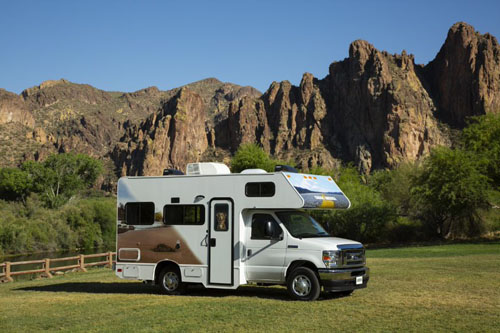
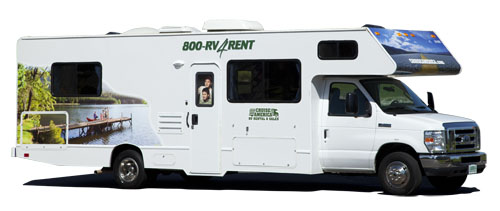
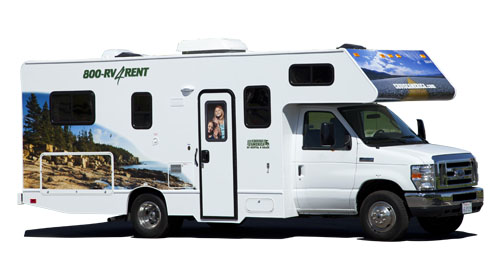
For long-term RV camping in North Canada, a Class B - Camper Van or a Class C motorhome often provides the best balance of maneuverability, fuel efficiency, and comfortable living space. Class B Camper Vans, such as the "Combi Van" which seats 4 people and has a fresh water tank of 60 liters, or models like the "Active Pop Top" (sleeping 4) are excellent for navigating smaller roads and accessing more remote boondocking sites. Their compact size, often around 5.0 to 5.99 meters in length, makes parking easier, and their common fuel consumption is around 9-12 Liters/100 km. If you need a bit more space, a Class C motorhome like the "MH-A" (sleeping 6) offers more amenities and storage. These often have a fresh water tank capacity of 167 liters and a larger refrigerator, perfect for longer trips. Remember, a standard car driver's license is sufficient for driving all motorhome classes (Class A, Class B, and Class C) in Canada, so no special license is required for your rented vehicle.
How to Save on Campgrounds in North Canada
To significantly save on campground costs during your long-term RV rental in North Canada, a primary strategy is to utilize campground discount cards, which are often available for purchase or may be included with certain rental packages from providers like Bandana. Booking your trip during the shoulder seasons (late spring or early fall) can reduce rates by up to 20-30% compared to peak summer prices. Opting for municipal, regional, or provincial campgrounds over private resorts frequently yields more budget-friendly prices, with many offering weekly or monthly discounts for stays of 3+ nights, translating to considerable savings over a long-term trip. Additionally, embrace boondocking where legal and safe on Crown land to eliminate overnight parking fees entirely. With careful planning and flexible dates, you can find affordable long-term RV camping deals in North Canada and compare final prices across suppliers to ensure what you see is what you pay, with no surprise fees at pickup.
Where can I park my RV for free in Canada?
In Canada, free RV parking, also known as boondocking or dispersed camping, is generally permitted on Crown land (public land managed by provincial or federal governments), especially in the vast, remote areas of North Canada. While specific designated free spots are rare, many undeveloped roads, forest service roads, and gravel pits in regions like the Yukon and Northwest Territories offer suitable, legal overnight parking for your rented RV. Always check provincial and territorial regulations for specific rules on Crown land camping, respect private property boundaries, practice Leave No Trace principles, and be aware of any fire bans or restrictions in effect. You can drive almost anywhere without issues, just drive slowly and carefully, use common sense, and pay attention.
Can a US citizen go camping in Canada?
Yes, US citizens can absolutely go camping in Canada, provided they meet standard Canadian border entry requirements, including a valid passport. For temporary visits, US citizens typically do not need special permits for their rented RV. Ensure your personal and vehicle insurance policies cover travel in Canada, and be aware that an International Driving Permit (IDP) is recommended for visitors from non-English speaking countries, though it is not mandatory in most cases for US citizens. US citizens can typically stay in Canada as visitors for up to 6 months, making long-term RV camping trips perfectly feasible within this timeframe, but extensions may be possible through immigration authorities if you wish to stay longer.
What is the 3-3-3 rule for RV travel?
The '3-3-3 rule' for RV travel suggests limiting your daily driving to no more than 300 miles (approximately 480 km), stopping by 3 PM, and staying at least 3 nights in one location. This rule is a highly recommended guideline designed to prevent driver fatigue, allow ample time for setup and relaxation at each stop, and encourage a slower, more enjoyable pace of travel, particularly beneficial for long-term trips in vast and scenic regions like North Canada. Adhering to the 3-3-3 rule helps ensure safety, provides rich opportunities to explore local attractions and hidden gems, and significantly reduces the stress associated with hurried RV journeys. It allows you to truly immerse yourself in the natural beauty and local culture, making the most of your rented motorhome experience.
How much does it cost to park an RV in Canada?
The cost to park a rented RV in Canada varies significantly based on the type of campground, its location, and the amenities provided, ranging from free boondocking options to over $100 CAD per night for luxury resorts. National and provincial park campgrounds typically charge between $25-$50 CAD per night for a basic site, offering access to beautiful natural settings. Private campgrounds, which often include full hookups and enhanced amenities like pools or Wi-Fi, can range from $40-$80+ CAD per night. Municipal and regional parks generally offer more affordable rates, usually in the $20-$40 CAD range, and many campgrounds, especially private ones, provide weekly or monthly discounts for long-term stays, making extended trips more economical. Always check pricing in advance, as rates are dynamic and change daily based on availability and seasonality.
Are there year-round RV parks in Canada?
Yes, there are year-round RV parks in Canada, though they are less common in the colder, more remote northern regions compared to southern provinces. These facilities typically offer winterized hookups and specific amenities to support cold-weather camping, catering to hardy winter adventurers. Such parks usually provide heated water lines, insulated power pedestals, and often recommend specific RV preparations, like heated tanks and skirting, to withstand freezing temperatures. While availability may be limited, some private parks near major northern towns like Whitehorse or Yellowknife do remain open, offering a unique opportunity for long-term winter RVing. For those considering winter RV driving in North Canada, be sure to consult safety guides for optimal preparation.
Do you need to book campsites in Canada?
For popular destinations and during peak season, typically July and August, booking campsites in Canada, especially in national and provincial parks, is highly recommended and often essential for a long-term RV rental. Many sought-after campgrounds in North Canada can be fully booked months in advance by pre-planners. However, a significant portion (often 70-75%) of spots in national and provincial parks operates on a first-come, first-served (FCFS) basis, offering flexibility for spontaneous travelers. During shoulder seasons (late spring or early fall) or for less popular, more remote sites, spontaneous arrivals typically find availability. It's always wise to check online booking systems or call ahead before driving, especially with a long-term rental, to confirm spot availability and avoid unnecessary travel. This ensures a smooth and enjoyable journey with your rented camper or motorhome.
What is the best camping app in Canada?
The "best" camping app for your long-term RV rental in Canada depends on your specific needs, but several popular and highly-rated options are available. For finding boondocking and wild camping spots, iOverlander is an excellent community-driven resource, providing detailed information on free overnight parking across North Canada. For discovering and booking both private and public campgrounds, apps like The Dyrt or Hipcamp offer extensive databases with user reviews and amenity filters, which are crucial for detailed long-term planning. Other valuable resources include Campendium and RV Parky, which also provide comprehensive listings of RV parks and campgrounds. For national and provincial park reservations, using the official Parks Canada Reservation Service and respective provincial park booking websites directly is always the most reliable and recommended method for securing your long-term spots.
🎬 Video coming soon
What You Shouldn't Miss
- Explore Kluane National Park and Reserve: Discover immense icefields, towering mountains, and abundant wildlife, perfect for extended hikes or scenic drives with your rented motorhome.
- Drive the Dempster Highway: Experience Canada's only public all-weather road to cross the Arctic Circle, leading to the Arctic Ocean at Tuktoyaktuk, an ultimate northern adventure.
- Visit Dawson City, Yukon: Step back in time to the Klondike Gold Rush era, explore historic sites, and try your hand at gold panning during a multi-day stay.
- Witness the Northern Lights: Between late August and April, the clear, dark skies of North Canada offer spectacular displays of the Aurora Borealis, an unforgettable experience from your campsite.
- Paddle the Yukon River: Take a multi-day canoe or kayak trip along sections of this historic river, with your rented campervan as your base camp at launch and take-out points.
- Experience the Midnight Sun: During summer, especially north of the Arctic Circle, enjoy continuous daylight for weeks, allowing for extended exploration and sightseeing.
- Discover the Signpost Forest in Watson Lake: Add your own unique marker to this quirky and ever-growing roadside attraction along the Alaska Highway.
Looking for expert insights from Avi Bandana? Top 5 Adventures - recommendations from Avi Bandana.
Final Thoughts
A long-term RV camping adventure in North Canada is more than just a trip; it's an immersive experience that allows you to truly connect with one of the world's last great wildernesses. From the stunning vistas of the Yukon to the unique culture of the Northwest Territories, having your own rented motorhome or campervan provides the freedom and flexibility to explore at your own pace. Remember to embrace slow travel, enjoy the quiet moments, and savor every mile of your journey.
We understand that planning such an extensive trip requires careful thought, and we are here to support you every step of the way, from comparing long-term RV rental options to understanding the intricacies of Canadian camping. So, pack your sense of adventure, choose your ideal mobile home, and get ready for an unforgettable exploration of North Canada.
Discover top destinations, planning tips, all in one place! Compare Long-Term RV Rental Prices in North Canada and start planning your epic journey today.