In This Guide
- Where to Camp in Italy — Top Options
- Campground Types in Italy (National, Private, Wild)
- Featured RV Park or Campground in Italy
- Hookups & Amenities — What to Expect
- Booking Windows & Reservations in Italy
- Nearby Supermarkets & Resupply Points
- Best RV Class for Camping in Italy
- How to Save on Campgrounds in Italy
- How much does it cost to rent an RV in Italy long term
- What do I need to know about RVing in Italy
- Can I rent an RV in Italy and travel Europe
- Is it worth renting an RV in Italy
- What is the best time to RV in Italy
- How do you dispose of human waste in an RV in Italy
- What are the rules for camping in Italy
- Is it safe to RV in Italy
- Can you sleep in an RV anywhere in Italy
- How do I find free RV camping in Italy
- Do you need a special license to drive an RV in Italy
- What are the best RV routes in Italy
- What are the best RV apps for Italy
- Are there tolls for RVs in Italy
- Is it hard to drive an RV in Italy
Where to Camp in Italy — Top Options
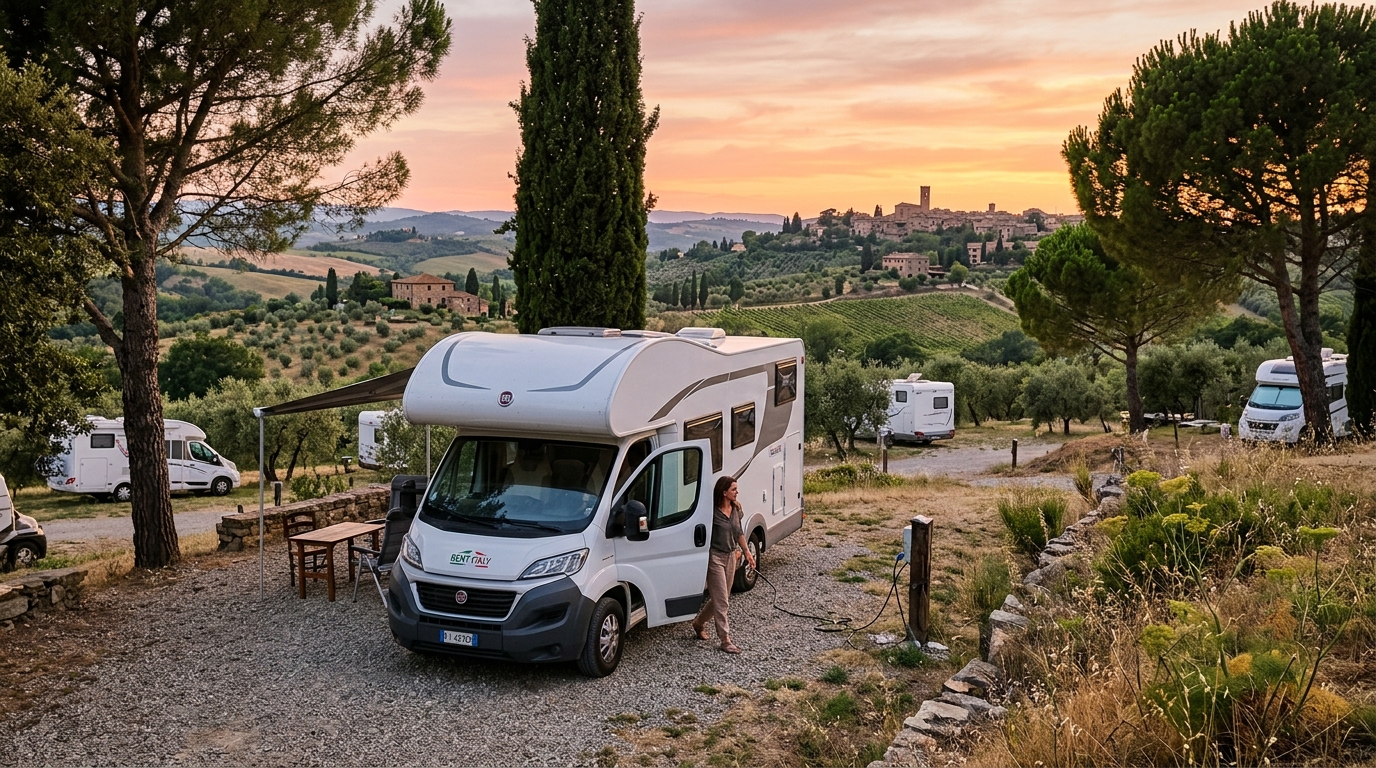
Italy offers diverse long-term RV camping options, including well-equipped private campgrounds, simpler municipal sites, and designated 'aree di sosta' (rest areas for motorhomes). Imagine yourself winding through the sun-drenched hills of Tuscany, parking your rented motorhome near a historic village, or waking up to the dramatic peaks of the Dolomites. For live availability and current prices, start with our RV Rental Italy - Complete Guide 2026 guide. Popular regions for RVers seeking scenic beauty and cultural immersion include Tuscany for its rolling hills and historic towns, the Dolomites for mountainous adventures, and the coastal areas of Puglia or Sicily for Mediterranean charm. Travel slowly, a maximum of 100-150 km per day on average, to truly immerse yourself in the local culture, savor the food, and soak in the breathtaking scenery. While specific locations for long-term stays are abundant, travelers can expect a range from bustling family-friendly resorts offering daily rates as low as €25/night to quiet, secluded spots often found near national parks or agricultural areas. Many agriturismos (farm stays) also welcome RVs, offering a unique opportunity to experience local culture and cuisine, often with hookups available. For finding campsites and campgrounds during your trip, we recommend using RV PLANET (rvplan.net) - a great resource for locating available spots along your route.Campground Types in Italy (National, Private, Wild)
Italy features three primary types of RV camping: private campgrounds, municipal/regional sites, and designated 'aree di sosta', with strict regulations generally prohibiting wild camping. Private campgrounds typically offer extensive amenities like electricity (230V with a CEE blue plug, ensuring your rented mobile home is compatible), fresh water, dump stations for grey and black water, showers, laundry facilities, and sometimes even pools or restaurants. These are often the most comfortable option for extended stays, with many offering weekly or monthly discounts. Municipal or regional campgrounds often provide more basic facilities at a lower cost, emphasizing proximity to natural attractions or small towns. These can be excellent for a more rustic and budget-friendly long-term adventure. 'Aree di Sosta' are dedicated motorhome rest areas, varying from simple parking lots with essential services (water, dump stations) to more equipped facilities. Some are free, while others charge a small fee, making them a distinctive alternative to traditional campgrounds for travelers in a rented campervan. Wild camping (parking overnight outside designated areas) is generally illegal throughout Italy, particularly in protected natural areas, urban centers, and coastal zones. While toleration may vary in very remote, unpopulated areas, it is always advisable to check local regulations to avoid fines. Responsible waste disposal at designated points is paramount to preserve Italy’s stunning environment. To explore broader European RV adventures, our RV Rental Europe - Complete Guide 2026 provides an excellent overview.Featured RV Park or Campground in Italy
When selecting an RV park in Italy for a long-term stay with your rented camper, look for locations that balance essential amenities with cultural access and scenic beauty. An ideal RV park for an extended visit might offer spacious pitches, robust electricity and water hookups, reliable Wi-Fi, laundry facilities, and proximity to public transport for exploring nearby cities without driving the RV. Consider parks located near vineyards in Tuscany, within easy reach of hiking trails in the Dolomites, or those with shuttle services to historic centers, providing both comfort and immersive experiences. Many top-rated sites also feature on-site restaurants serving local cuisine, swimming pools, and organized activities, enhancing the long-term rental experience beyond just a place to park. For families or retired couples seeking a blend of relaxation and exploration, these larger, amenity-rich parks provide a comfortable base for your adventures. Prioritizing sites with good connectivity and accessible services will make your longer stay in a rented motorhome much more enjoyable and convenient. As true RV specialists, we understand the importance of a comfortable "home base" for your extended travels.Hookups & Amenities — What to Expect
RV travelers in Italy can typically expect standard hookups and amenities at most designated campgrounds, ensuring a comfortable long-term stay. Electricity is usually 230V with a CEE blue plug, so ensure your rented RV or adapter is compatible with European standards. Fresh water hookups and grey/black water dump stations are universally available at proper campgrounds and many 'aree di sosta', making waste management straightforward. Most private and many municipal campgrounds offer additional amenities such as Wi-Fi (though speed can vary), laundry facilities, hot showers, and often on-site shops or restaurants. For long-term rentals, look for campgrounds with robust waste management and recycling facilities, aligning with sustainable travel practices. These amenities ensure that even on a long-term trip, you maintain the comforts of home inside your rented camper. Remember, with Bandana, you get full transparency, so you'll know exactly what's included and what might be an optional add-on for your booking.Booking Windows & Reservations in Italy
For long-term RV rentals in Italy, securing campground reservations well in advance is highly recommended, especially during peak season (June-August) and popular holidays. Pre-planners, who like everything organized, should aim to book several months ahead for sought-after destinations like coastal areas, the Dolomites, or campsites near major cities to ensure availability for their long-term stay. This proactive approach can also lead to better rates, with booking 90+ days in advance potentially saving you an average of 25%. However, spontaneous travelers need not worry excessively; last-minute availability certainly exists. Many national and state park campgrounds, for example, reserve only 25-30% of their spots for advance reservations, with the remainder available on a first-come, first-served basis. You'll find a spot; if not at the first campground, then the next one. It's always advisable to call ahead before driving to a specific location to confirm availability for your rented caravan. While long-term renters benefit significantly from the security and stability of pre-booked sites, particularly for stays exceeding a few days, flexibility can also open doors to unexpected discoveries. For those who love to plan, our Rent&Plan service allows you to craft detailed itineraries by professionals, giving you a 25% planning discount when you use rvplan.net. For additional insights on extended stays, check out our guide to Long-Term RV Rental in Italy - Monthly Rates 2026.Nearby Supermarkets & Resupply Points
Resupplying your rented RV in Italy is convenient, with a variety of supermarket chains and local markets readily accessible throughout the country. Major supermarket chains like Conad, Coop, Esselunga, and Eurospin are widespread, offering a full range of groceries, fresh produce, and household essentials. This means you can keep your motorhome fridge stocked for delicious home-cooked meals on the road. For an authentic Italian experience and to truly immerse yourself in local culture, prioritize visiting regional and municipal markets ('mercati') for fresh, seasonal produce, local cheeses, cured meats, and other specialty items. These markets often provide better value and a more diverse selection of local goods than supermarkets, making them ideal for long-term RVers looking to cook traditional Italian meals. You'll find plenty of inspiration in our RV-friendly recipes playlist. Many towns will also have smaller 'alimentari' (grocery stores) for quick stops, especially useful in more remote or off-the-beaten-path locations.Best RV Class for Camping in Italy
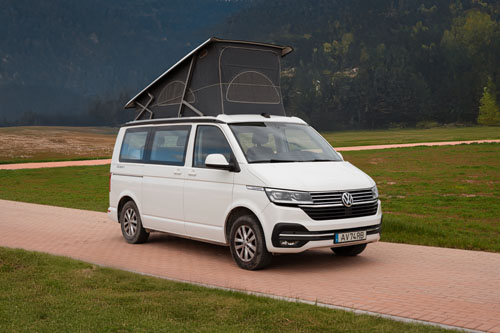
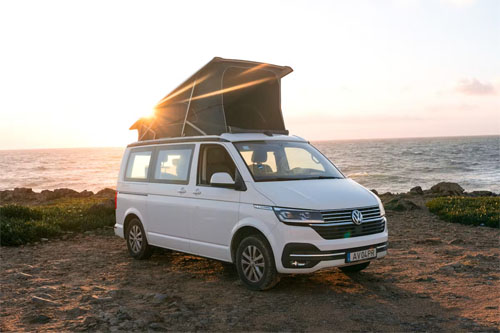
For camping extensively in Italy, particularly when navigating narrow roads and charming village streets, a compact RV class like a Class B Camper Van or a Class SI Semi-integrated model is generally the most suitable. Our fleet averages show Class B Camper Vans at approximately 5.8 meters in length, sleeping around 3.2 people, with fuel consumption typically 8-10 Liters/100 Km. These are highly maneuverable and fuel-efficient for Italian conditions. An example is the "cruise america example EX-Group A", which is a compact 5.99m motorhome with 2 sleeping places. Class SI Semi-integrated RVs, averaging 6.9 meters in length and sleeping about 3.8 people, offer a good balance of interior space and drivability, consuming approximately 10-11 Liters/100 Km. These smaller classes facilitate easier parking, access to a wider range of campsites, and better navigation through Italy's historic centers and winding regional roads, which larger RVs (like Class A or Class C) might find challenging. While larger RVs offer more amenities, the trade-off in maneuverability often makes the compact options superior for experiencing Italy's diverse landscapes and charming towns over a long rental period. Drive slowly and carefully, and you can drive almost anywhere without issues. No need to stress - just use common sense and pay attention.How to Save on Campgrounds in Italy
To significantly reduce long-term RV rental costs in Italy, leverage campground discount cards and strategic booking practices. Many private campgrounds, for instance, offer discounts of 10-20% for stays exceeding a week or month. Booking during the shoulder seasons (April-May, September-October) not only offers better weather and fewer crowds but also typically lower campsite fees compared to peak summer prices, which can be 30-50% higher. Opt for municipal or regional campgrounds over private resorts, as they often provide essential services at a more budget-friendly price point, sometimes as low as €15-€25 per night. Many campgrounds offer weekly or monthly rates, so planning longer stays at single locations can result in considerable savings per night. Exploring 'aree di sosta' - designated motorhome parking areas - can also provide more affordable or even free overnight options, though amenities may be limited. Consider unique overnight stays like agriturismos, some of which allow free RV parking if you purchase their local products or dine at their restaurant, offering an off-the-beaten-path cultural experience. For more budget-conscious advice, review our Cheap RV Rental in Italy - Budget Guide 2026.How much does it cost to rent an RV in Italy long term
The long-term cost of renting an RV in Italy extends beyond the rental fee, encompassing fuel, tolls, camping fees, groceries, and potential unexpected expenses. Monthly rental costs for a long-term RV in Italy can range from €1,000 to €3,000+ (approx. $1,080 to $3,240 USD), varying significantly based on RV class, age, season, and duration; booking off-season and for longer periods generally secures better rates. For a more detailed breakdown of rental prices, check our RV Rental in Italy - Prices and Best Deals 2026 and RV Rental Deals in Italy - Latest Offers 2026 guides. Beyond rental, daily operational costs include fuel (diesel, typically 10-12 Liters/100 km for common RV classes from Bandana's fleet), which fluctuates but can be a major expense over months. Budget for tolls on Italy's 'autostrade' (motorways), typically calculated by distance and vehicle class, and consider a Telepass for convenience. Camping fees vary from free 'aree di sosta' to €20-€50+ per night for full-service private campgrounds; factoring in an average of €25-€35/night for diverse camping over a month adds substantial costs. Grocery costs can be managed by shopping at local markets and cooking in your rented mobile home, which is more economical than dining out frequently. Unexpected costs might include ZTL (Limited Traffic Zone) fines, minor repairs, or veterinary care if traveling with pets; a contingency fund is advisable for comprehensive budgeting. On RV PLANET routes, travelers can itemize and track every expense along the way for easy budgeting.What do I need to know about RVing in Italy
RVing in Italy requires understanding local driving regulations, cultural nuances, and infrastructure specifics to ensure a smooth and immersive long-term trip. Be aware of 'ZTLs' (Zone a Traffico Limitato) in many city centers, which restrict vehicle access and result in hefty fines if entered without permission. Plan your routes to avoid them or use public transport from campsites. Italian roads, particularly in rural areas and historic towns like those in Umbria or Tuscan hill towns, can be narrow and winding, making smaller RVs like a Class B Camper Van or Class SI Semi-integrated more practical for navigation. Familiarize yourself with Italian road signs and customs, such as indicating turns even on roundabouts, and always yield to pedestrians. Embrace local markets for food shopping to experience authentic Italian culture and access fresh, regional ingredients, rather than relying solely on large supermarkets. If traveling with children or pets, research pet-friendly campsites and attractions in advance, and locate veterinary services along your route; ensure your pet's microchip and vaccination records are up to date for EU travel. Practice sustainable and responsible RVing by proper waste disposal at designated points, conserving water, and respecting local communities and their quiet hours at campsites. With Bandana RV, we're dedicated to helping you discover the joy of RV travel with confidence and support.Can I rent an RV in Italy and travel Europe
Yes, you can typically rent an RV in Italy and travel across Europe, but it requires specific preparations regarding rental agreements, insurance, and international travel documentation. Most RV rental companies in Italy permit cross-border travel within the Schengen Area and often beyond, but it is crucial to confirm the specific countries allowed with your rental provider beforehand. Ensure your rental agreement explicitly covers international travel, as additional insurance or fees might apply for taking the rented motorhome outside Italy. Always carry your 'Green Card' (Carta Verde), an international insurance certificate proving you have minimum third-party liability coverage, which is mandatory for some non-Schengen countries. For non-EU citizens, ensure your visa and International Driving Permit (if required) are valid for all countries you plan to visit. Be mindful of differing road regulations, tolls, and speed limits in each country, and always check for country-specific vignette requirements or environmental zone restrictions. Long-term renters should also factor in potential administrative requirements for stays exceeding 90 days in any Schengen country, depending on their nationality. Our RV Rental Europe - Complete Guide 2026 offers further details on cross-border travel.Is it worth renting an RV in Italy
Renting an RV in Italy for a long term is highly worthwhile for travelers seeking unparalleled flexibility, cultural immersion, and potentially significant cost savings compared to traditional hotel and car rental models. The freedom to create your own itinerary allows you to explore Italy's diverse regions at your own pace, from the rolling vineyards of Tuscany to the dramatic peaks of the Dolomites or the lesser-known coastal towns of Puglia. Imagine parking your rented campervan right by a picturesque lake or a charming village square for a month-long stay. RVing facilitates a deeper cultural immersion, enabling you to discover off-the-beaten-path villages, local markets, and unique culinary experiences, staying closer to authentic Italian life. For families or groups, a rented RV often offers more space and privacy than multiple hotel rooms, with the convenience of a mobile kitchen and living area, making it ideal for pet and child-friendly travel. While initial costs may seem high, long-term RVing can be more economical than a combination of hotels, car rentals, and restaurant meals, especially when utilizing 'aree di sosta' and self-catering. Challenges include navigating narrow roads and ZTLs in cities, but these are manageable with proper planning and choosing a suitable RV size, ultimately contributing to a more adventurous and memorable journey. We believe in full transparency, so you'll always know the full cost of your adventure upfront, with no hidden fees.What is the best time to RV in Italy
The best time to RV in Italy, especially for a long-term rental, is during the shoulder seasons of spring (April to early June) and autumn (September to October), offering ideal weather, fewer crowds, and more favorable pricing. Spring provides vibrant landscapes with blooming wildflowers, comfortable temperatures for hiking and exploring, and pre-season rates for campgrounds, often 20-30% lower than summer. Autumn brings harvest festivals, rich colors in the vineyards and forests, pleasant warmth, and the opportunity to experience local culinary traditions without the peak summer rush. During these periods, popular destinations like Florence, Rome, and the Amalfi Coast are more accessible, and regional specialties like truffle hunting in Umbria or wine tasting in Piedmont are in full swing. Summer (July-August) is peak tourist season, characterized by high temperatures, crowded campsites and attractions, and significantly higher rental and camping prices. Winter (November-March) is suitable for skiing in the Dolomites or exploring southern Italy, but many campsites and tourist services may be closed, particularly in the north, and weather can be unpredictable.How do you dispose of human waste in an RV in Italy
Proper disposal of human waste in a rented RV in Italy is crucial for environmental protection and adherence to local regulations, with designated facilities readily available. The primary method is using official dump stations ('scarico acque grigie e nere') found at almost all private campgrounds and many public 'aree di sosta'. These facilities are designed to safely empty your grey water (from sinks/showers) and black water (from the toilet cassette). It is strictly prohibited and environmentally damaging to dispose of waste water or toilet contents anywhere other than these designated points. Fines for improper disposal can be substantial, so always err on the side of caution. Many 'aree di sosta' also offer fresh water refilling points alongside their dump stations, making them convenient for both waste disposal and resupply. For long-term RVers, maintaining a clean and functional waste system in your motorhome, including using appropriate chemicals for your toilet, is essential for hygiene and responsible travel. This simple practice helps ensure beautiful Italian landscapes remain pristine for everyone.What are the rules for camping in Italy
Camping in Italy adheres to specific rules primarily designed to protect the environment, ensure public safety, and respect local communities. Wild camping or 'free camping' outside designated areas is generally illegal throughout Italy, particularly in national parks, coastal areas, and urban centers; violators may face fines ranging from €100 to €500. Overnight stays are permitted in official campgrounds, 'aree di sosta' (motorhome service points), and some authorized private properties like agriturismos that welcome RVs. Always observe local quiet hours, typically from late evening until early morning (around 10 PM to 7 AM), to avoid disturbing other campers and nearby residents. Respect environmental regulations by properly disposing of all waste at designated points, minimizing noise, and refraining from damaging natural habitats. When parking a rented RV in public areas, ensure your mobile home is self-contained and does not extend beyond its footprint (e.g., no awnings or tables), as this could be considered camping rather than just parking and could lead to fines. Be especially mindful of 'ZTLs' (Limited Traffic Zones) in city centers, which restrict vehicle access and can result in significant fines for unauthorized entry.Is it safe to RV in Italy
RVing in Italy is generally safe, offering a secure and enjoyable way to explore the country, though common-sense precautions are always advisable. The primary safety concerns are petty theft, particularly in crowded tourist areas or major cities like Rome or Florence, so it's essential to secure your rented RV, lock doors, and keep valuables out of sight. When you are parked, ensure all windows and doors are secured. Campgrounds and 'aree di sosta' are typically safe environments, often with surveillance or on-site staff; choosing well-lit and official sites is recommended for overnight stays. Driving safety involves navigating Italy's diverse road conditions, from busy motorways (autostrade) to narrow country roads and mountain passes. Adjust your speed and driving style accordingly, especially in less familiar areas. Familiarize yourself with Italian traffic laws and road signs, and be prepared for assertive local drivers, especially in urban areas. Keep emergency numbers handy: 112 for general emergencies (Europe-wide), 113 for police, 118 for medical emergencies, and 115 for fire services. Always inform someone of your itinerary, especially if venturing into more remote areas, and ensure your RV has adequate breakdown assistance coverage for peace of mind. Our 24/7 support means there are real people behind you, ready to assist before and after your booking, ensuring your journey starts smoothly.Can you sleep in an RV anywhere in Italy
No, you cannot legally sleep in a rented RV anywhere in Italy; national and local regulations strictly limit overnight parking and camping to designated areas. While parking your RV in a legal parking spot during the day is generally permitted (provided it doesn't obstruct traffic or violate local signs), extending this to an overnight stay or setting up camp (e.g., deploying awnings, setting out chairs) is typically considered illegal 'wild camping'. Official campgrounds, private RV parks, and 'aree di sosta' (motorhome rest areas) are the only legal places for overnight RV stays and sleeping. Fines for illegal wild camping can be significant, especially in protected natural areas, coastal regions, or urban zones, often starting from €100. Some less strict local regulations might tolerate overnight parking in very remote, non-touristy areas, but this is always at your own risk and subject to change. For guaranteed legality and access to amenities, always plan to stay at a recognized RV-friendly location, which also helps minimize your environmental impact and respect local communities.How do I find free RV camping in Italy
Finding free RV camping in Italy primarily involves utilizing specific 'aree di sosta' (motorhome service areas) and seeking out informal arrangements, though true wild camping is generally illegal. Many 'aree di sosta' are free, offering basic services like fresh water and waste disposal, while others may charge a small fee for enhanced amenities. Dedicated RV apps like Park4Night and Campercontact are excellent resources for locating these, often providing user reviews, photos, and amenity details for hundreds of spots. Some agriturismos (farm stays) may offer free overnight parking if you dine at their restaurant or purchase their products, providing an authentic, off-the-beaten-path experience and supporting local businesses. This unique option is a fantastic way to immerse yourself in Italian rural culture with your rented campervan. In very remote or less-trafficked areas, you might find spots where overnight parking is tolerated, but this is always at your own risk, without services, and subject to local discretion; ensure no 'Divieto di sosta camper' (no RV parking) signs are present. Leverage RV-specific forums and social media groups for up-to-date information and hidden gems shared by experienced long-term RVers in Italy. Always be respectful of private property and local signage, and practice 'leave no trace' principles to help preserve these opportunities for other responsible travelers.Do you need a special license to drive an RV in Italy
No special license is required for most rental motorhomes in Italy; a standard B category driving license (equivalent to a regular car license in most countries) is sufficient for RVs under 3,500 kg Gross Vehicle Weight Rating (GVWR). This applies to all motorhome classes (Class A, Class B, and Class C) typically rented through Bandana. If the RV's GVWR exceeds 3,500 kg but is under 7,500 kg, you will typically require a C1 license (or equivalent, such as a 'light rigid' license in some countries), though these are less common for standard vacation rentals. For non-EU citizens, an International Driving Permit (IDP) is legally required in Italy alongside your valid national driver's license, as it translates your license details into multiple languages. While not always strictly enforced, it is highly recommended to carry one to avoid potential issues with local authorities or insurance claims. The minimum rental age for any motorhome class in Italy is 21, and there are no young driver surcharges or vehicle class restrictions based on age. Always verify the specific weight and license requirements with your RV rental company and ensure your license covers the vehicle you plan to operate, preventing legal issues during your long-term Italian adventure.What are the best RV routes in Italy
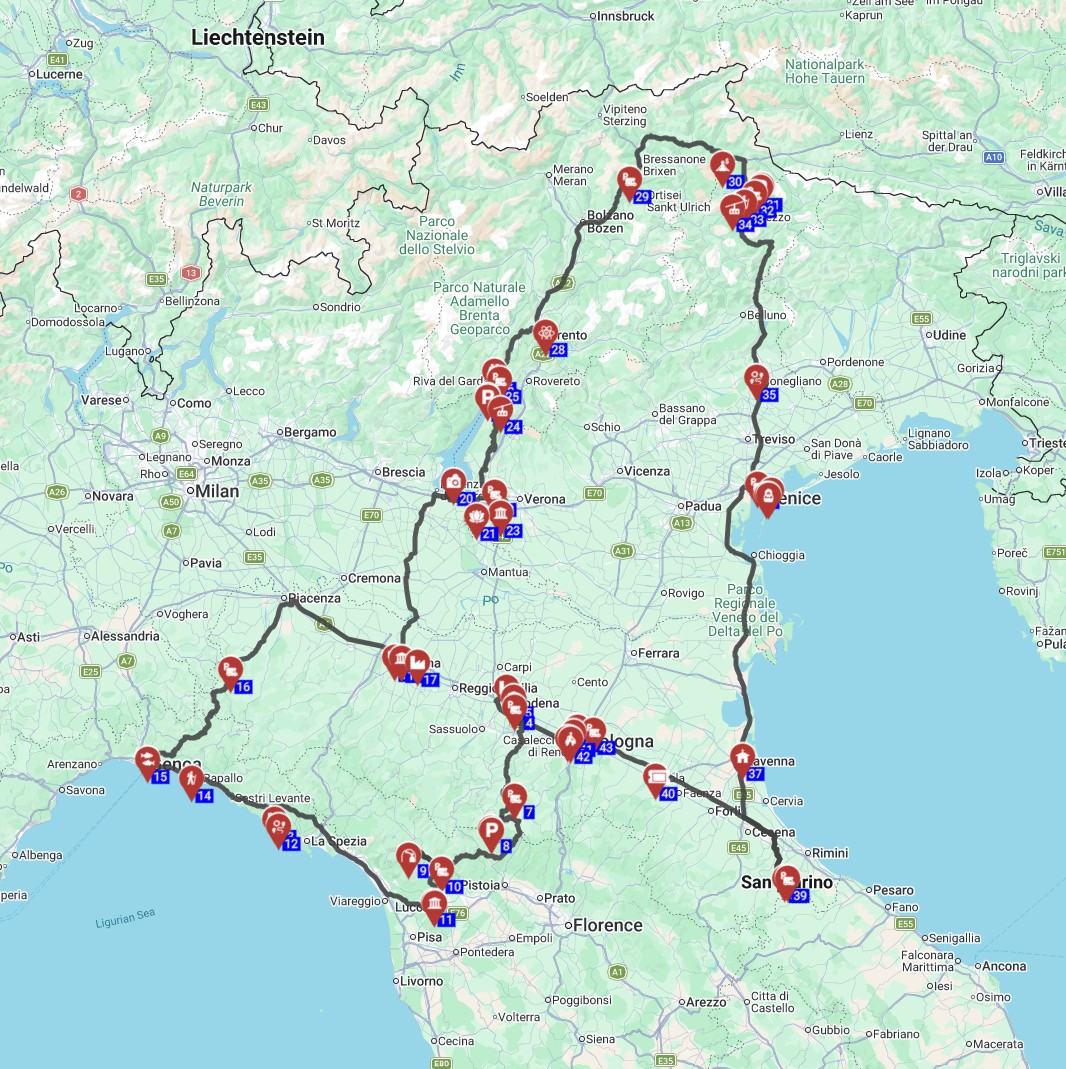
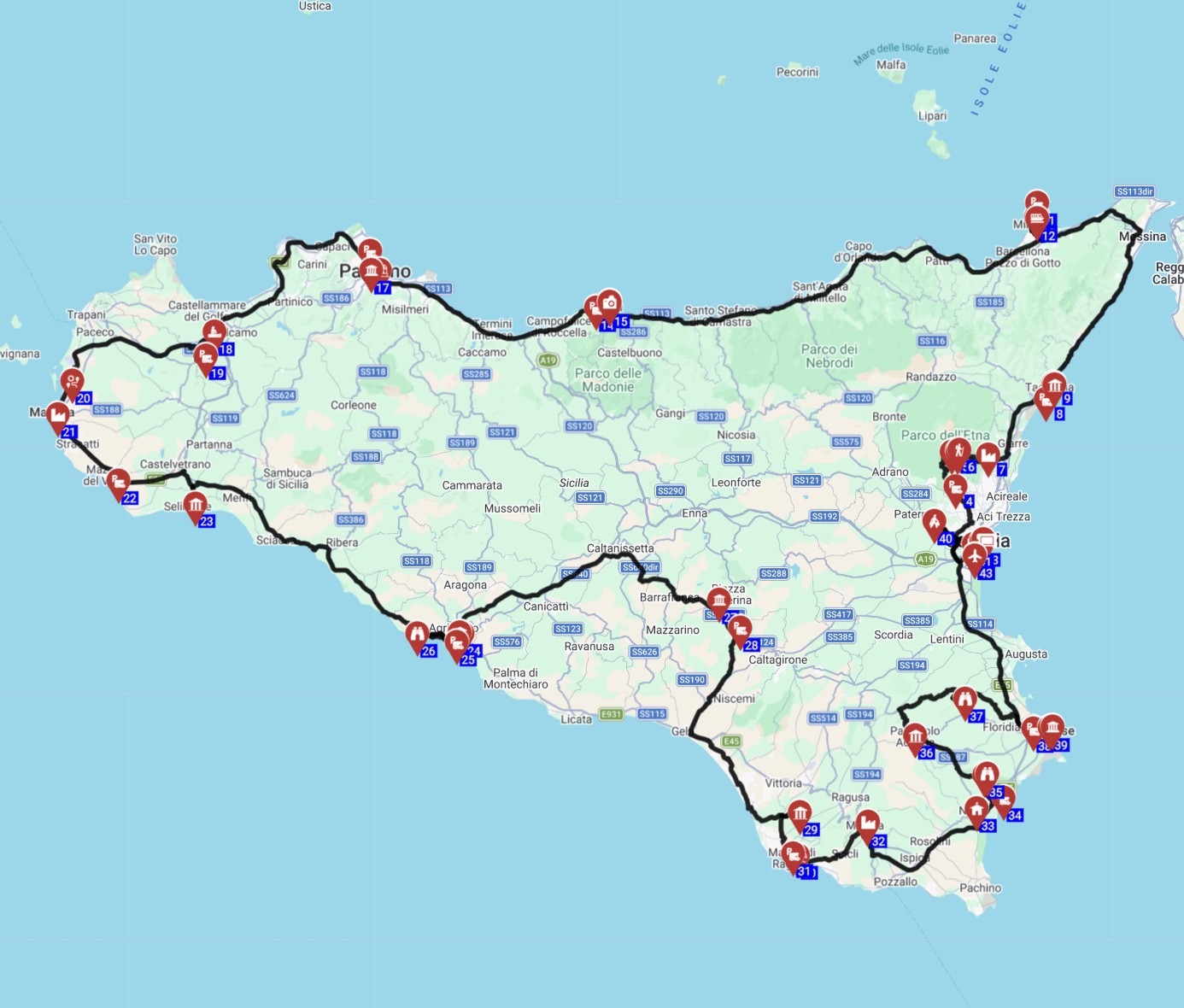
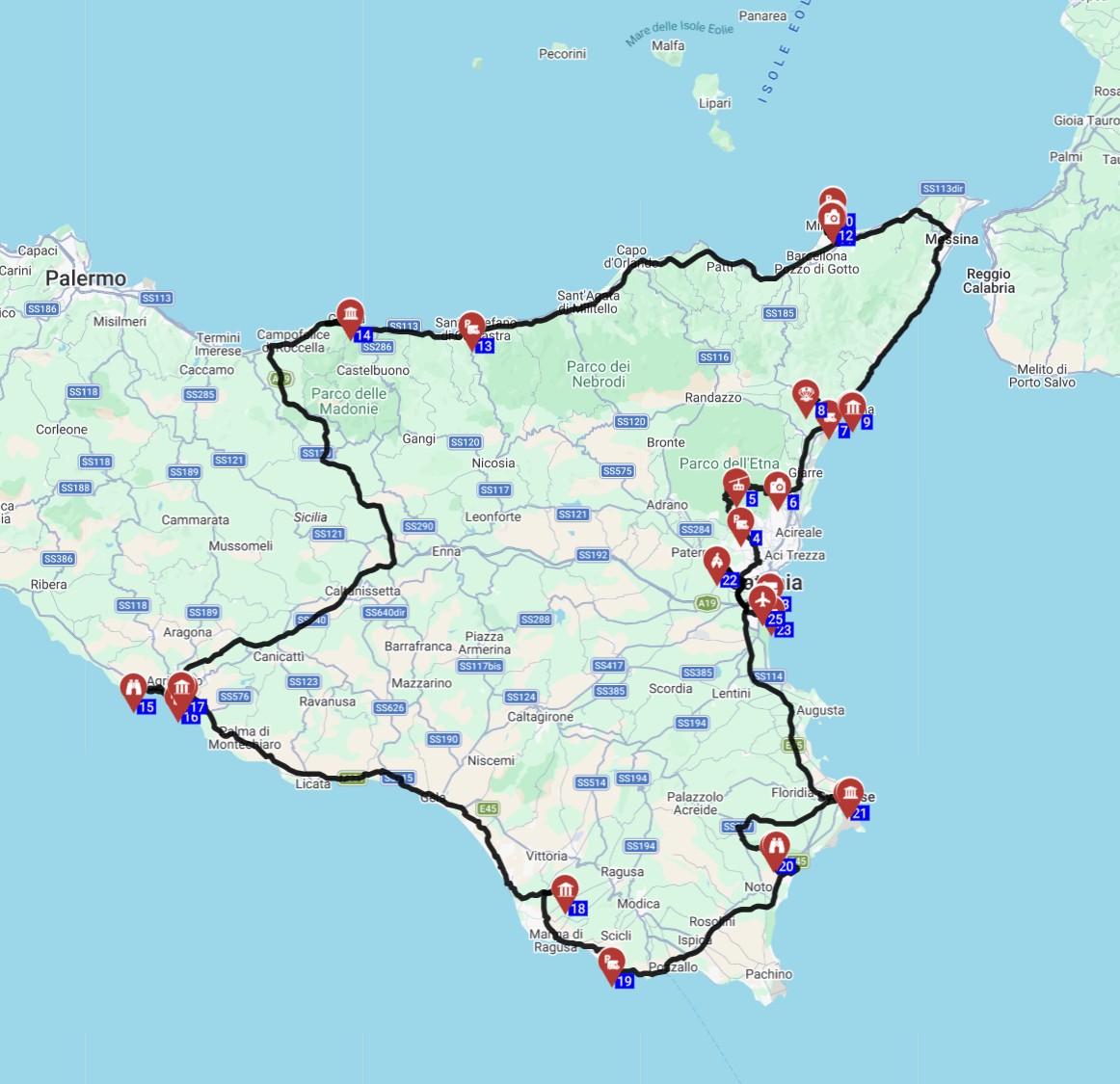
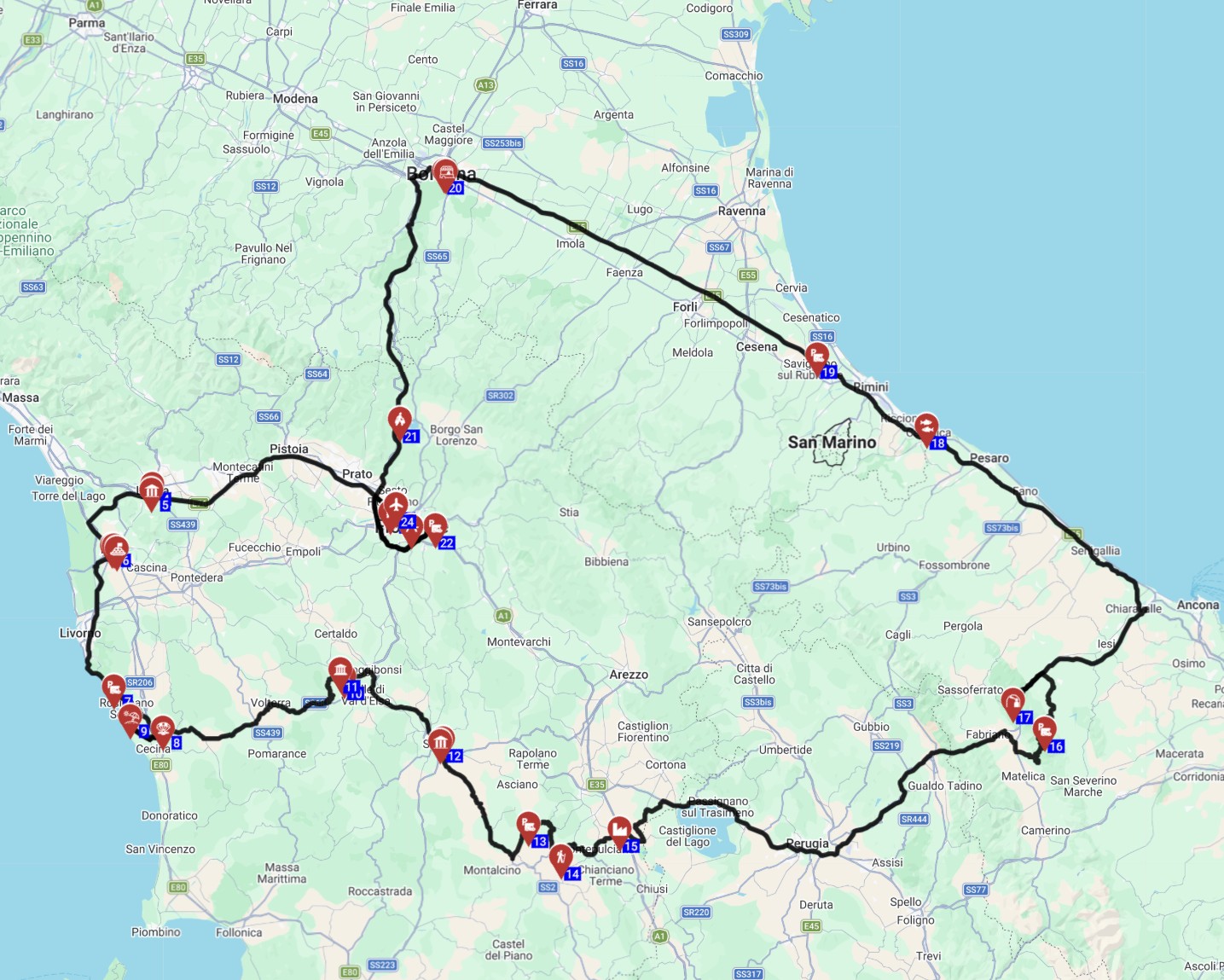
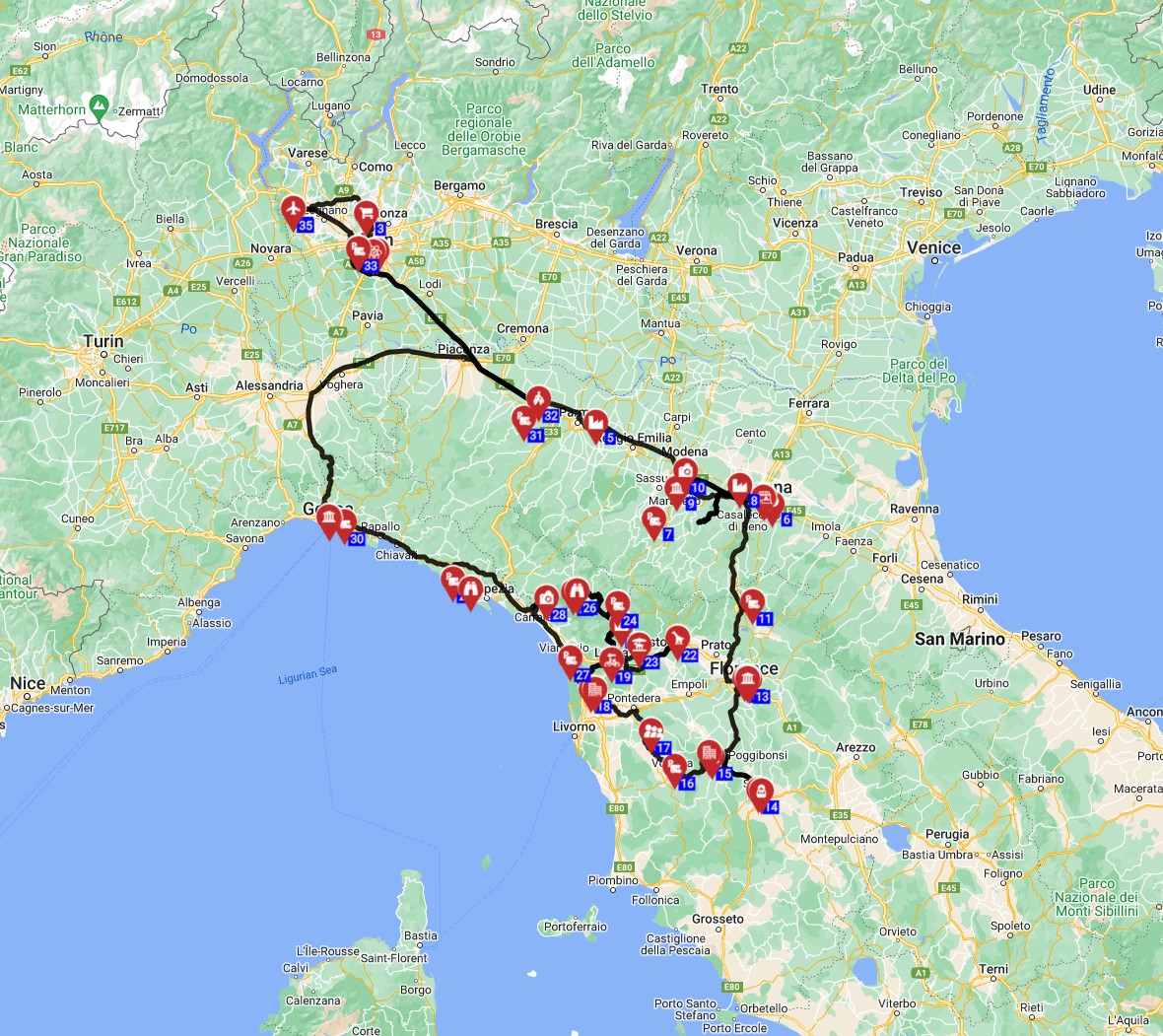
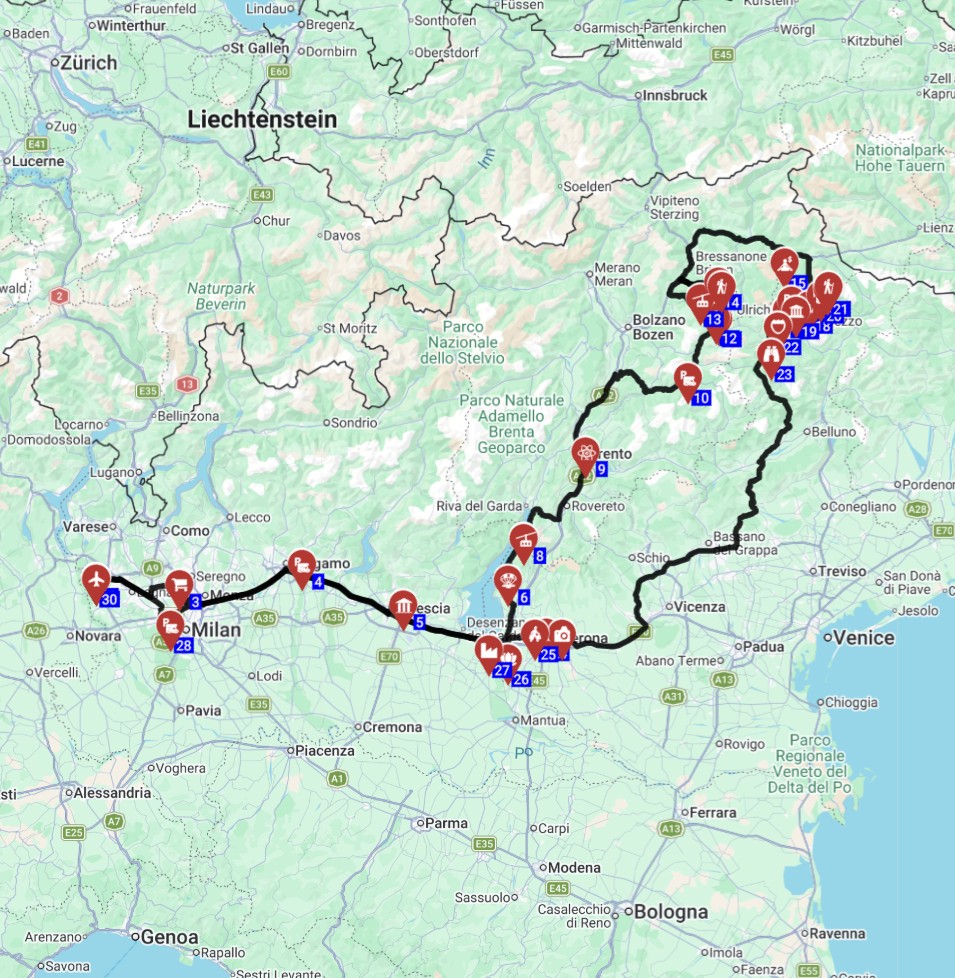
Italy offers an abundance of incredible RV routes, with the best options for long-term rentals focusing on regional exploration to uncover cultural depth and hidden gems. Imagine embarking on a journey that takes you through the heart of Italian beauty and history with your rented camper. **Tuscan Hill Towns & Vineyards**: This classic route winds through Siena, San Gimignano, and Montepulciano, offering agriturismo stays, wine tastings, and opportunities to explore local markets beyond the main tourist hubs. **Dolomites Mountain Passes**: Ideal for scenic drives and hiking, exploring towns like Cortina d'Ampezzo and visiting national parks, noting specific challenges like narrow mountain roads in certain areas. This region offers over 150 unique campsites perfect for a week-long stay. **Puglia's Adriatic Coast**: A less-traveled route showcasing unique 'trulli' houses in Alberobello, baroque architecture in Lecce, and stunning coastal drives, with opportunities for fresh seafood from local fishermen. **Sicilian Wonders**: Circumnavigate Sicily to discover ancient Greek temples, volcanic landscapes around Mount Etna, and vibrant local food culture in Palermo and Catania, being mindful of varying road conditions. This region offers countless unique stops for a two-week adventure. **Umbria's Green Heart**: Explore Italy's 'green heart' with medieval towns like Assisi and Orvieto, offering a more serene experience, but be aware of very narrow roads and limited parking in some historic centers. This itinerary is perfect for a week or longer. For adventurers looking to combine Italy with neighboring countries, consider the "Ljubljana Roundtrip - Adriatic sea Round -> Slovenia, Croatia & Italy". This 16-day, 2060 km route offers 2 amusement parks, 1 botanical garden, and 3 historical sites.
Slovenia, Croatia & Italy" class="rvplan-route-image" style="display:block;max-width:600px;width:100%;height:auto;margin:0 auto 12px;border-radius:12px;" loading="lazy">
Explore this route
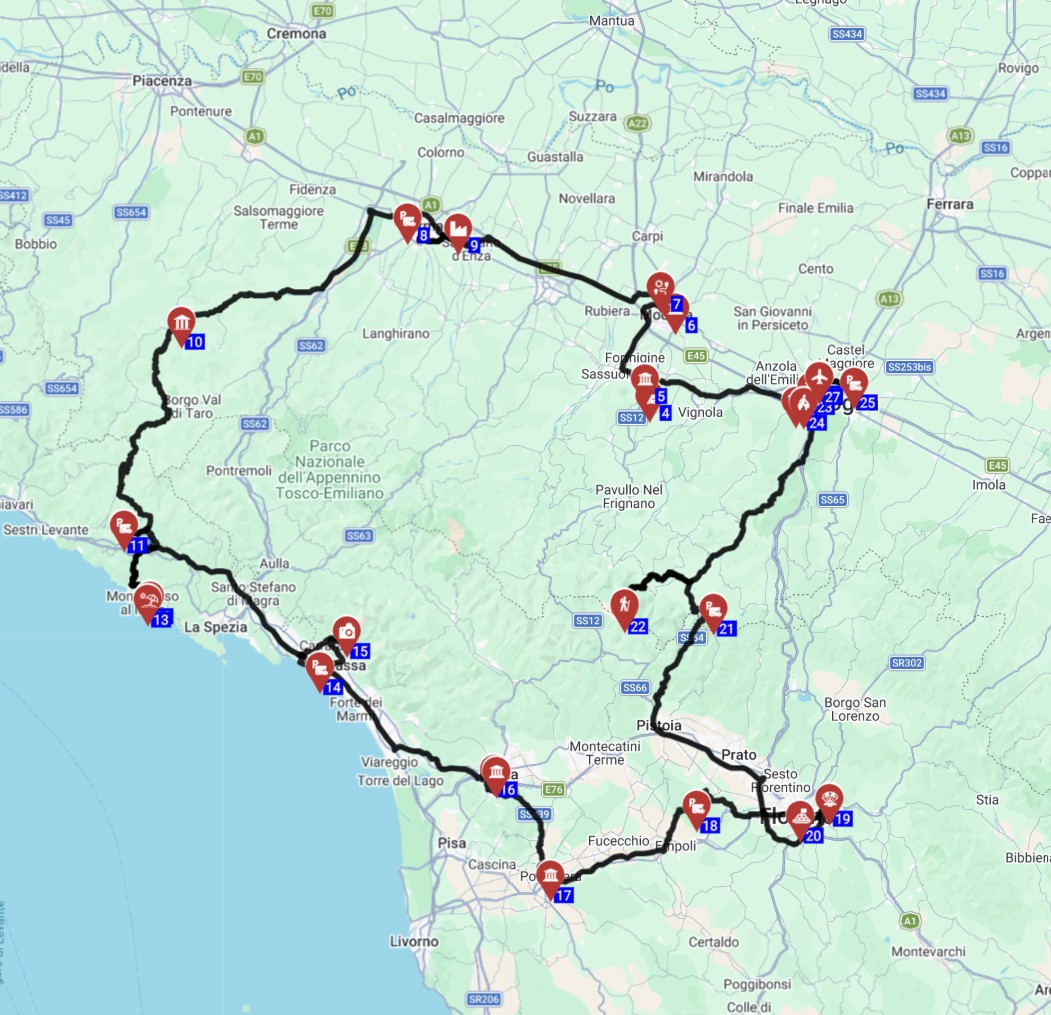
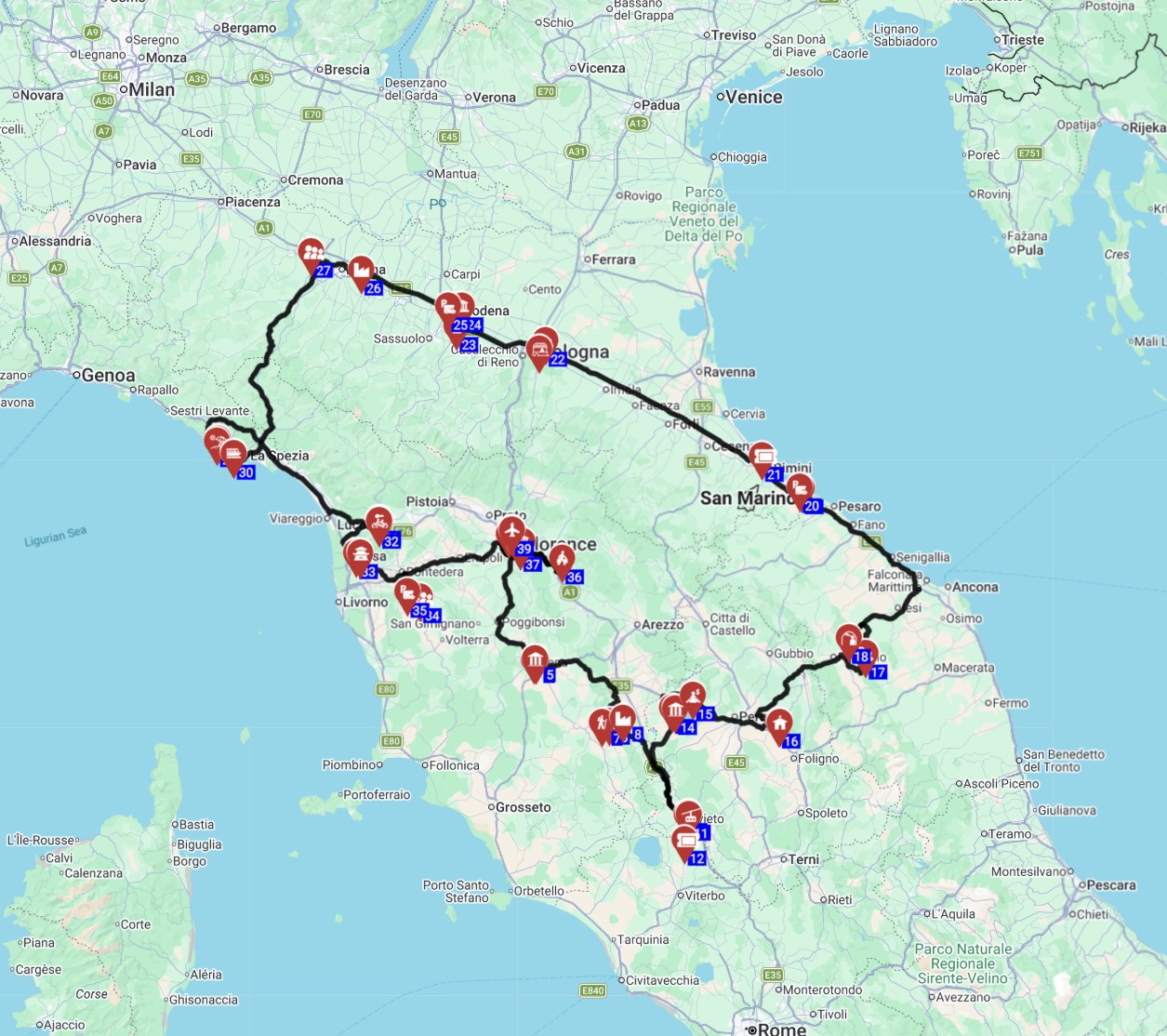
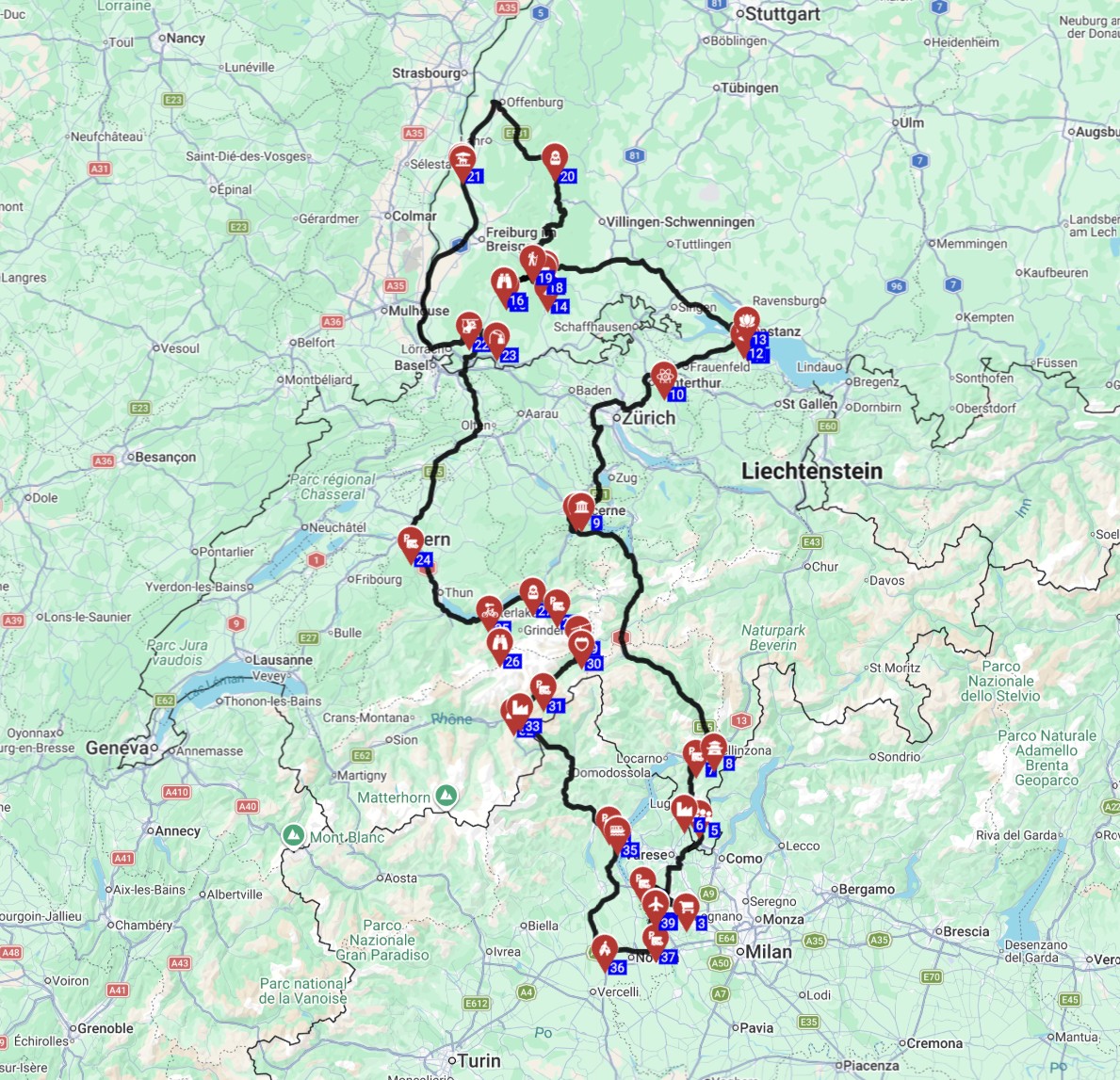
Another excellent option for expanding your horizons is the "Nice Roundtrip - French Riviera toward North Italy, Switzerland, and the French Alps". This 15-day, 1743 km itinerary includes 1 aquarium, 1 beach, and 2 historical sites, seamlessly blending Italian and French cultural experiences.
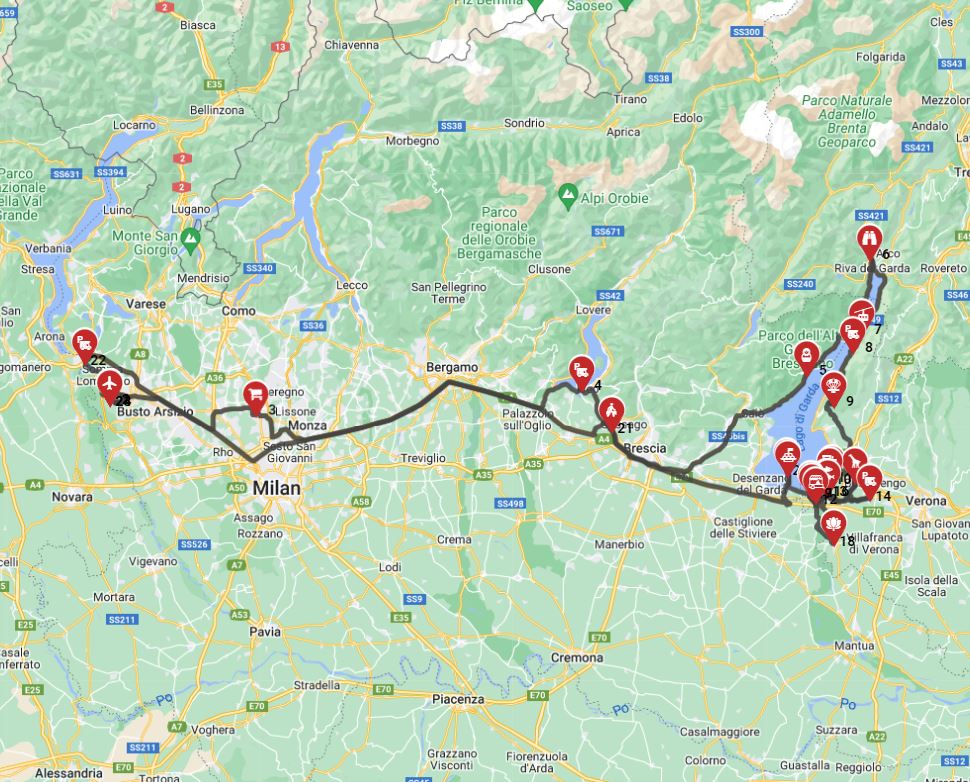
And for those who love Italy's iconic lakes, the "
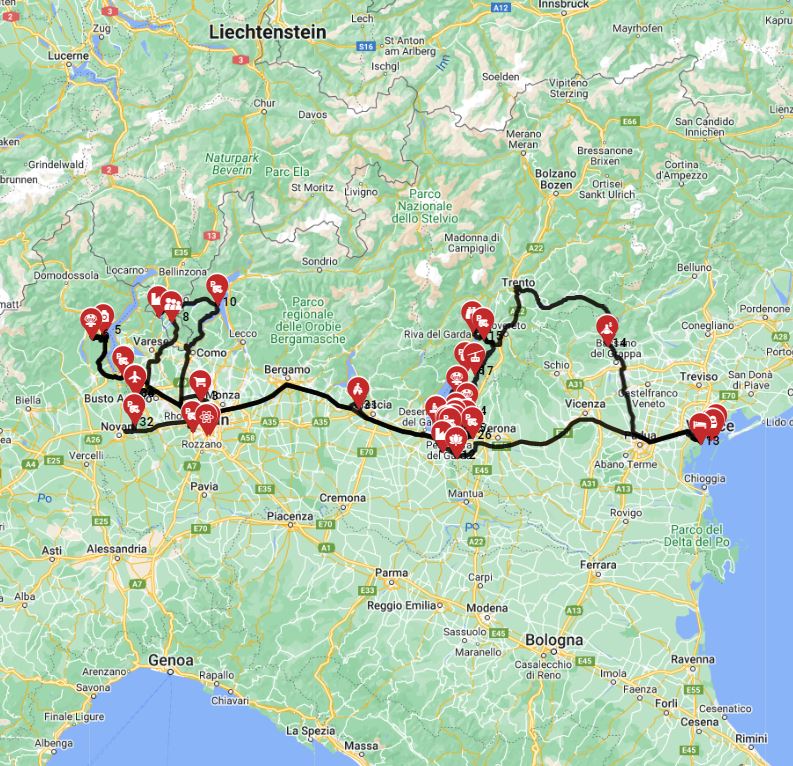
Milano Roundtrip - The Lakes of North Italy
What are the best RV apps for Italy
Several indispensable RV apps can significantly enhance a long-term rental experience in Italy, aiding navigation, campsite discovery, and local exploration. **Park4Night** and **Campercontact** are paramount for finding campgrounds, 'aree di sosta' (free and paid), and even informal overnight parking spots. They come complete with user reviews, photos, and amenity details for hundreds of locations across Italy. **Google Maps** or **Maps.me** (for offline use) are essential for general navigation, but use them in conjunction with RV-specific apps to avoid ZTLs and unsuitable narrow roads. **iOverlander** is another community-driven app useful for discovering wild camping spots and services, though always cross-reference with local Italian regulations regarding wild camping. For cultural immersion and local discoveries, consider apps like **TripAdvisor** or local tourism board apps to find authentic restaurants, markets, and off-the-beaten-path attractions. A reliable weather app is also crucial for planning routes and activities, especially when traversing mountainous regions or coastal areas where conditions can change rapidly. For managing tolls, consider the **Telepass** app if you opt for the device, providing seamless payment on Italy's 'autostrade'.Are there tolls for RVs in Italy
Yes, RVs traveling on Italy's 'autostrade' (motorways) are subject to tolls, which are calculated based on the distance traveled and the vehicle's class. RVs are typically categorized into specific classes based on their height and axle count; most standard rental RVs, including campervans and motorhomes, will fall into 'Classe B' (vehicles with two axles and a height over 1.3 meters at the front axle) or higher, which impacts the toll rate. Tolls can be paid manually at booths with cash or credit card, or more efficiently using an electronic toll collection device like Telepass. Telepass allows automatic payment and faster passage through toll gates, saving valuable travel time. For long-term RV rentals, a Telepass device can be a worthwhile investment or included in your rental package from certain suppliers, simplifying travel across Italy's extensive motorway network. Budgeting for tolls is an important part of a long-term RV trip, as costs can accumulate significantly, especially when covering long distances or frequently using motorways. It's advisable to check estimated toll costs for your planned routes using online calculators provided by Italian motorway operators to accurately plan your expenses beyond basic rental and fuel.Is it hard to drive an RV in Italy
Driving a rented RV in Italy presents unique challenges, but with proper preparation and a suitable vehicle, it is an achievable and rewarding experience for long-term renters. The most significant challenge often lies in navigating Italy's notoriously narrow roads, particularly in historic city centers, charming hill towns (like those in Umbria or Tuscany), and smaller villages. Drive slowly and carefully, and you can drive almost anywhere without issues. No need to stress - just use common sense and pay attention. Understanding and avoiding 'ZTLs' (Limited Traffic Zones) in urban areas is critical, as unauthorized entry results in automatic fines; plan routes carefully and utilize public transport from peripheral campsites. Parking an RV can be difficult in cities; always seek out designated RV parking or peripheral lots, and consider using smaller RV classes like a Camper Van (e.g., Bandana's Class B Camper Van, avg. 5.8m) or a Semi-integrated (avg. 6.9m) to enhance maneuverability. Italian drivers can be assertive; confident driving, clear signaling, and defensive techniques are beneficial, especially on busy motorways and urban streets. Mountain passes in regions like the Dolomites can be steep and winding, requiring careful driving, but they offer breathtaking scenery that makes the effort worthwhile. Choosing a smaller RV significantly eases the driving experience, making it less daunting and more enjoyable for extended exploration.What You Shouldn't Miss
- **Explore Venice, Florence, or Rome from a Nearby RV Park**: Park your motorhome just outside these iconic cities and use public transport to explore their historic centers, avoiding traffic and ZTLs. It’s the perfect way to experience the magic without the urban driving stress.
- **Indulge in an Agriturismo Stay**: Find an agriturismo in Tuscany or Umbria that welcomes RVs. Enjoy farm-to-table meals, local wine tasting, and connect directly with Italian rural life. You might even get free overnight parking with a purchase!
- **Drive the Amalfi Coast (with a smaller RV)**: Navigate the breathtaking coastal roads, stopping at Positano, Amalfi, and Ravello. Plan carefully for parking, and consider going in the shoulder seasons for a less crowded experience.
- **Hike in the Dolomites**: Embrace the stunning alpine scenery with a parked RV as your base. Explore dramatic peaks, pristine lakes, and charming mountain villages like Cortina d'Ampezzo.
- **Discover the Trulli Houses of Alberobello, Puglia**: Witness the unique, conical-roofed homes of Alberobello, a UNESCO World Heritage site. Puglia offers a different, captivating side of Italy for your RV adventure.
🎬 Video coming soon
Looking for expert insights from Avi Bandana?
Top 5 Adventures – recommendations from Avi Bandana
Final Thoughts
An extended RV trip through Italy offers a truly unique way to experience its rich history, diverse landscapes, and vibrant culture. From the ancient ruins of Rome to the sun-kissed beaches of Sicily and the majestic peaks of the Dolomites, having your own rented motorhome provides unparalleled freedom and flexibility. You can linger longer in places that capture your heart, savor local cuisine prepared in your own kitchen, and truly connect with the rhythms of Italian life. Planning a long-term adventure might seem like a big undertaking, but with resources like Bandana RV and RV PLANET, you have expert support every step of the way. We're here to ensure your booking is transparent, your vehicle is perfect for Italy's roads, and your journey is filled with unforgettable moments. So, take a deep breath, embrace the spirit of slow travel, and prepare for the Italian adventure of a lifetime.On the routes offered through RV PLANET routes, you can itemize and track every expense along the way for easy budgeting.