In This Guide
- Where to Camp in Hungary - Top Options
- Campground Types in Hungary (National, Private, Wild)
- Featured RV Park or Campground in Hungary
- Hookups & Amenities - What to Expect
- Booking Windows & Reservations in Hungary
- Nearby Supermarkets & Resupply Points
- Best RV Class for Camping in Hungary
- How to Save on Campgrounds in Hungary
- How much does it cost to rent an RV in Hungary?
- What do I need to know about driving an RV in Hungary?
- Is Hungary RV friendly?
- Can I travel to Hungary with an RV?
- What is the best time of year to RV in Hungary?
- Do I need a special license to drive an RV in Hungary?
- How do I deal with language barriers in Hungary?
- What are popular RV routes in Hungary?
- Can I bring my pet on an RV trip to Hungary?
- Are there options for combining RV travel with public transport in Hungary?
Hungary, with its thermal spas, historic cities, and scenic landscapes, offers an inviting destination for long-term RV travelers. Imagine yourself spending a month or more exploring this beautiful Central European country from the comfort of your own mobile home, waking up to new vistas each day. Opting for a long term RV rental in Hungary gives you the ultimate freedom to immerse yourself in the local culture at your own pace, whether you're savoring the tranquility of Lake Balaton or discovering charming villages nestled in rolling hills. At Bandana Caravan, we specialize in helping you compare final prices across 50+ leading RV suppliers worldwide, ensuring full price transparency and no hidden fees.
For live availability and current prices, start with our RV Rental Hungary - Complete Guide 2026 guide. We are true RV specialists, not just a travel agency side department, and our expertise means we genuinely know RV travel and love helping people discover it, supporting you before, during, and after your booking.
🎬 Video coming soon
Where to Camp in Hungary - Top Options
Hungary offers diverse camping experiences for long-term stays, ranging from well-appointed lakeside resorts to tranquil national park proximity, with popular regions including Lake Balaton, the Danube Bend, and the historical areas around Eger. For extended relaxation, Lake Balaton boasts numerous well-equipped campsites, such as the popular Lakeside Camping Balatonfüred, perfect for month-long stays and water activities. If nature immersion and hiking are your priorities, the areas surrounding Bükk National Park provide many family-run campgrounds, often with a simpler, more rustic charm. Near Budapest, several large campgrounds, including Haller Camping and Zugligeti Niche Camping, offer excellent facilities and convenient access to the capital's attractions via public transport, allowing you to blend city exploration with comfortable RV living.Campground Types in Hungary (National, Private, Wild)
Hungary features a range of campground types, including private resorts, municipal sites, and a highly regulated approach to wild camping, which is generally not permitted outside designated areas. Private campgrounds, often found near tourist hotspots like Lake Balaton or major cities, typically offer comprehensive amenities, enhanced security, and varied pitch options suitable for longer stays, with many providing weekly or monthly rates. Municipal or regional campsites, though fewer in number and often smaller, tend to be more budget-friendly and provide essential services, often located in picturesque smaller towns or natural areas. Wild or free camping in Hungary is largely prohibited and can result in significant fines, with authorities actively monitoring national parks, protected landscapes, and private lands. Legal alternatives to traditional wild camping include seeking permission from landowners for farm stays (vendéglátóhely), utilizing designated motorhome parking areas (often with minimal services), or joining a 'Motorhome Stopover' network if available, which can offer safe, permitted overnight parking on private land or at vineyards for a truly local experience.Featured RV Park or Campground in Hungary
When selecting a long-term RV park in Hungary, look for sites that offer robust infrastructure, a welcoming atmosphere, and convenient access to local attractions and amenities. Ideal long-stay RV parks often feature spacious pitches (averaging 70-100 square meters), consistent utility hookups (220-240V electricity with a CEE blue two-pin connector, fresh water, and waste disposal), and on-site laundry facilities, which are crucial for extended trips. Many top-rated campgrounds, particularly around Lake Balaton or near thermal spas (e.g., Thermal Camping in Egerszalók), provide additional amenities such as swimming pools, restaurants, children's play areas, and organized activities, perfect for families planning a multi-week adventure. Consider parks with reliable Wi-Fi access and proximity to supermarkets or local markets for ease of resupply during extended stays; for instance, the campsite at Lake Balatonfüred offers pitches within walking distance to the lake and nearby shops.Hookups & Amenities - What to Expect
In Hungarian RV parks, you can generally expect comprehensive hookups and amenities designed for comfortable long-term stays, ensuring your rental motorhome feels like a true home away from home. Standard pitches typically offer electrical hookups (220-240V with a CEE blue two-pin connector, providing reliable power for your appliances), fresh water connections, and greywater/blackwater disposal points, making extended trips much easier. Most well-maintained campgrounds provide modern, clean shower and toilet facilities, often heated for comfort during cooler seasons, and laundry services including washing machines and dryers, which are essential for long-term travelers. Wi-Fi is increasingly common, though its speed and reliability can vary; some sites offer free basic access, while others charge a small fee for premium services. Additional amenities might include waste sorting facilities, picnic tables, communal BBQ areas, and sometimes on-site shops or restaurants, allowing you to easily prepare meals using your RV kitchen; don't forget to check out our RV-friendly recipes playlist for inspiration!Booking Windows & Reservations in Hungary
For long-term RV rentals in Hungary, proactive booking is advisable, especially for popular destinations and peak season (June-August), but spontaneous travel remains feasible. If you are a pre-planner, securing your RV rental and key campground spots several months in advance ensures availability and often better rates, with potential savings of up to 20% by booking 3-6 months ahead. Spontaneous travelers can often find same-day or next-day availability at many campgrounds, particularly outside peak season or in less frequented regions, though popular sites might be full. While some national park campgrounds may only release a portion of their spots for advance reservations, keeping the rest for first-come, first-served arrivals, this practice is less common for private RV parks. You will almost certainly find a place to stay - if not at your first choice, then usually at a nearby alternative; it is highly recommended to call ahead before driving to a specific campground to confirm availability, especially during busy periods. Don't worry about last-minute long term RV rental deals in Hungary, as prices are dynamic and availability still exists, though the best rates are usually found further in advance. You can also explore flexible travel dates and off-peak seasons for the cheapest long term RV rental options.Nearby Supermarkets & Resupply Points
Resupplying your long-term RV rental in Hungary is convenient, with major supermarket chains and local markets readily accessible throughout the country. Look for international supermarket chains like Lidl, Aldi, Tesco, and Spar, which are widespread and offer a comprehensive range of groceries, household items, and fresh produce at competitive prices. Local Hungarian chains such as CBA and Príma also provide good options, often featuring regional products and specialties that are perfect for experiencing local flavors. In smaller towns and villages, you'll find smaller grocery stores ('ABC' or 'Élelmiszerbolt') and vibrant farmers' markets ('Piac') offering fresh, seasonal produce, meats, and local delicacies directly from producers. Many RV parks are situated within a short drive or even walking distance of these resupply points, making it easy to stock up for extended stays and keep your RV kitchen well-stocked. You can find more detailed resupply points on RV PLANET routes, where you can itemize and track every expense along the way for easy budgeting.Best RV Class for Camping in Hungary
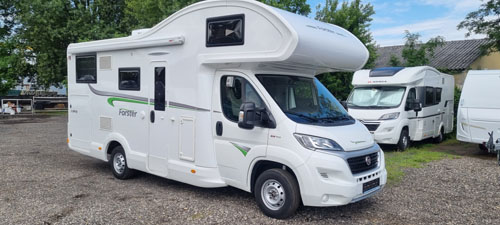
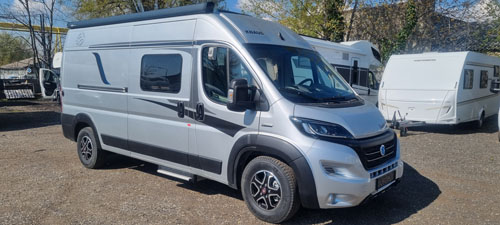
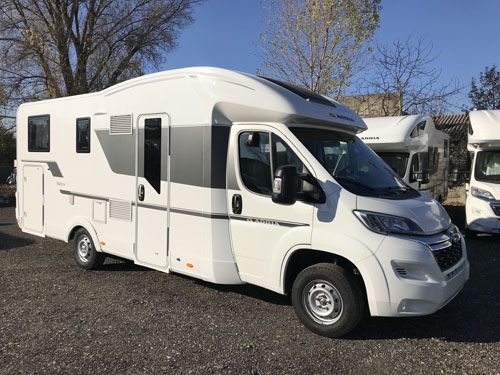
The best RV class for long-term camping in Hungary depends on your travel style and group size, with Class B Camper Vans and Class SI Semi-integrated motorhomes offering excellent versatility for European roads. Class B Camper Vans are ideal for solo travelers or couples seeking flexibility and ease of navigation on Hungary's smaller roads and in city centers; for instance, a rented 'V3' Camper Van, averaging 6.36 meters in length, typically sleeps 2 people and consumes about 11-13 Liters/100 km of fuel. For greater comfort and more amenities suitable for longer stays or small families (3-4 people), a Class SI Semi-integrated RV is often preferred, balancing maneuverability with more living space. A 'K4' Semi-integrated motorhome, at around 7.12 meters long, sleeps 2-4 people comfortably, offering a 140-liter fresh water tank and consuming 12-14 Liters/100 km. Larger families or those desiring maximum space for extended periods might consider a Class C Alcove RV, like an 'MHC24', averaging 7.3 meters long with 6 sleeping places, which offers ample room but can be less agile on very narrow roads, typically consuming around 13-17 Liters/100 km. Remember, a standard car driver's license is sufficient for all motorhome classes up to 3,500 kg, which covers the vast majority of our rental fleet.How to Save on Campgrounds in Hungary
To save on campground costs for a long-term RV rental in Hungary, leveraging discount cards and strategic booking can significantly reduce expenses. Headline savings can be achieved through campground discount cards, such as ACSI, ADAC, or CampingCard International, which offer reduced rates (often 10-25%) during off-peak and shoulder seasons at participating sites across Hungary and Europe. Booking your long-term stay during the shoulder seasons of late spring (May-June) and early autumn (September-October) often provides lower nightly rates and fewer crowds compared to the peak summer months (July-August). Choosing municipal or regional campgrounds over private resorts can lead to substantial savings, as they generally offer more basic amenities at a lower cost, with daily rates sometimes as low as €15-20. Many campgrounds, especially those catering to long-stay travelers, provide weekly or monthly rates that are significantly cheaper per night than daily rates, making a month-long trip much more economical. Consider sharing hookups with another RV if traveling in a group and allowed by the campground, which can sometimes split utility costs. For more information on finding affordable options, consult our "Cheap RV Rental in Hungary - Budget Guide 2026".How much does it cost to rent an RV in Hungary?
The cost of a long-term RV rental in Hungary varies significantly based on RV class, rental duration, season, and included amenities, typically ranging from €70 to €150 per day for extended periods. For example, a compact campervan like a 'Category Van' might start from €70-90 per day for a month-long rental in the shoulder season, while a larger family motorhome such as an 'Explorer' Class C could range from €120-150 daily. These prices are dynamic, changing daily based on availability, seasonality, and supplier marketing decisions, so the final price is set at the actual booking time. Budget for the RV rental itself, which for a long-term commitment (e.g., several weeks or months) often sees daily rates decrease due to loyalty or longer-term discounts. Fuel costs are a significant expense; a Class SI Semi-integrated RV from Bandana's fleet, for instance, typically consumes 10-11 Liters/100 km, while a Class C Alcove might use 10-12 Liters/100 km. Factor in mandatory tolls, primarily the e-vignette (e-matrica) for motorways, which can be purchased for different durations (10 days from €10, monthly from €16, or annual) and varies by vehicle category. Campsite fees generally range from €15 to €40 per night for a pitch with hookups, depending on location and amenities, with discounts often available for longer stays or with camping cards. Food expenses can be managed by cooking in your RV, utilizing local supermarkets like Lidl or Spar, but dining out will add to your budget, particularly in tourist areas. Miscellaneous costs include potential parking fees in cities, entrance fees to attractions, and any unforeseen maintenance or repair costs, making a buffer fund advisable. For detailed breakdowns and tips on finding the best rates, check out "RV Rental in Hungary - Prices and Best Deals 2026" or "RV Rental Deals in Hungary - Latest Offers 2026".What do I need to know about driving an RV in Hungary?
Driving an RV in Hungary requires familiarity with local road rules, vignette requirements, and an awareness of road conditions and safety practices to ensure a smooth journey. A vignette (e-matrica) is mandatory for using motorways and expressways, purchased online or at border crossings/petrol stations, and must correspond to your vehicle category (D1 for most RVs under 3.5t). Speed limits are generally 50 km/h in urban areas, 90 km/h on main roads, and 130 km/h on motorways, with strict enforcement and potential for radar speed traps, so pay close attention to signage. Road quality is generally good on major routes, but can deteriorate on smaller, rural roads, requiring cautious driving for larger RVs. Drive slowly and carefully, and you can drive almost anywhere without issues. No need to stress - just use common sense and pay attention. City parking can be challenging for RVs; consider parking on the outskirts of major cities like Budapest and using public transport, or utilizing dedicated RV parking areas which sometimes require SMS payment. Regarding safety, Hungary is generally safe, but common sense precautions against petty crime (e.g., car break-ins, especially in tourist hot spots or unmonitored parking) should be taken, always securing your vehicle and valuables. In case of emergency, dial 112 for general emergencies, 104 for ambulance, 105 for fire, and 107 for police; ensure you have breakdown assistance and local contact information readily available. Remember to travel slowly, max 100-150 km per day on average, to truly experience Hungary.Is Hungary RV friendly?
Hungary is generally considered RV-friendly, offering a growing infrastructure of campgrounds, diverse landscapes for exploration, and a welcoming attitude towards motorhome tourism. The country boasts a good network of motorways and main roads that are generally well-maintained, making travel between regions relatively smooth for a rented RV. Numerous well-equipped campgrounds are available, particularly around tourist hotspots like Lake Balaton, along the Danube, and near thermal spas, offering essential services and amenities like electrical hookups and fresh water. Road signage is clear and generally follows international standards, though having a GPS with updated maps is highly recommended for navigating local roads. While wild camping is largely prohibited to protect natural areas, the availability of official campsites and potential for farm stays ensures legal overnight parking options for your rented campervan. Many attractions, especially in rural areas and national parks, offer suitable parking for larger vehicles, making it easy to visit historical sites, natural wonders, and cultural events. The relative affordability of fuel, groceries, and many campsite fees, compared to Western Europe, contributes to Hungary's appeal for long-term RV travelers looking to explore Europe by RV.Can I travel to Hungary with an RV?
Yes, travelers can readily travel to Hungary with a rented RV, provided they meet standard vehicle and documentation requirements for international driving. For EU citizens, a valid driver's license from their home country is sufficient; non-EU citizens may need an International Driving Permit (IDP) in addition to their national license to be legally recognized. Your rented RV must be roadworthy, registered, and insured, with all necessary vehicle documents readily accessible throughout your journey. Ensure your RV has a valid green card (international motor insurance certificate) which covers travel in Hungary; some insurance policies may require an extension for longer trips, so always check with your supplier. Upon entering Hungary, be prepared for potential border checks, especially if arriving from a non-Schengen country, though checks are minimal for those within the Schengen Area. Familiarize yourself with Hungarian road safety equipment requirements, which typically include a first-aid kit, warning triangle, and reflective vest, all mandatory for every vehicle.What is the best time of year to RV in Hungary?
The best time of year to RV in Hungary for a long-term rental is during the shoulder seasons of late spring (May-June) and early autumn (September-October), offering pleasant weather and fewer crowds. Spring brings blooming landscapes and comfortable temperatures (15-25°C), ideal for hiking and exploring, with most attractions and campsites fully open but not yet overcrowded. Autumn offers warm, sunny days, vibrant foliage, and grape harvest festivals in regions like Eger and Villány, with temperatures usually ranging from 10-20°C, providing a relaxed travel experience. Summer (July-August) is popular for Lake Balaton and thermal baths, but it's also the peak tourist season with higher prices, more crowded campsites, and hotter temperatures (often 25-35°C), which might be less comfortable for extended stays. Winter (November-April) can be cold with potential for snow, making some rural roads challenging for RVs, though Christmas markets and thermal spas offer unique experiences for those prepared for colder conditions and fewer open campsites. Considering local festivals, like the Budapest Summer Festival or wine festivals, can also influence your preferred travel time, adding cultural immersion to your RV journey.Do I need a special license to drive an RV in Hungary?
Most travelers do not need a special license to drive a rented RV in Hungary, as a standard Category B (car) driving license is sufficient for the vast majority of motorhomes up to 3,500 kg (3.5 tons) Maximum Authorized Mass (MAM). This covers most common RV classes, including Class B Camper Vans, Class SI Semi-integrated, and many Class C Alcove models, which typically fall within this weight limit. If you plan to drive a larger RV with a MAM exceeding 3,500 kg, you will likely require a Category C1 or C driving license, depending on the exact weight, in accordance with European licensing standards. Always verify the MAM of your chosen RV rental against your driving license categories to ensure compliance, especially for long-term rentals where specific models might vary. For non-EU citizens, remember that an International Driving Permit (IDP) may be required alongside your national license to be legally recognized in Hungary, though it's often recommended but not mandatory. The minimum rental age is 21, and there are no young driver surcharges or vehicle class restrictions based on age with Bandana Caravan.How do I deal with language barriers in Hungary?
Navigating language barriers in Hungary is manageable for RV travelers, particularly in tourist areas and among younger generations where English is increasingly spoken, but a few Hungarian phrases and a data plan are highly beneficial. In Budapest and major tourist regions around Lake Balaton, many hotel staff, restaurant servers, and attraction personnel will speak adequate English, especially in larger establishments. Outside these areas, especially in rural villages or when dealing with local mechanics or smaller shops, English proficiency may be limited, making basic Hungarian phrases very useful ('hello - szia', 'thank you - köszönöm', 'please - kérem', 'do you speak English? - Beszél angolul?'). Consider downloading an offline translation app (like Google Translate) before your trip, which can translate text and speech, assisting with menus, signs, and conversations while on the road. Purchasing a local Hungarian SIM card (from providers like Vodafone, Telenor, or Telekom) offers affordable mobile data, crucial for navigation, translation, and staying connected with your loved ones back home. When accessing local services like medical care or vehicle repair, use technology for translation, and if available, seek assistance from campground staff or local tourism offices who may be able to help bridge communication gaps, providing real people behind you even if Bandana doesn't offer roadside concierge during your trip.What are popular RV routes in Hungary?
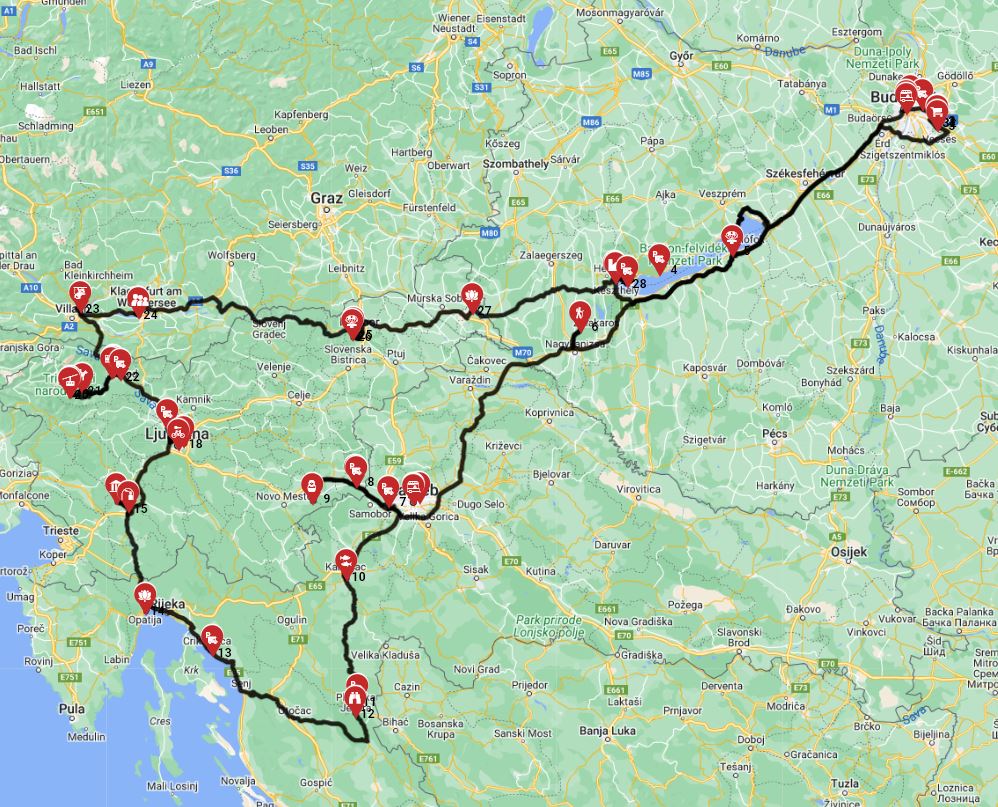
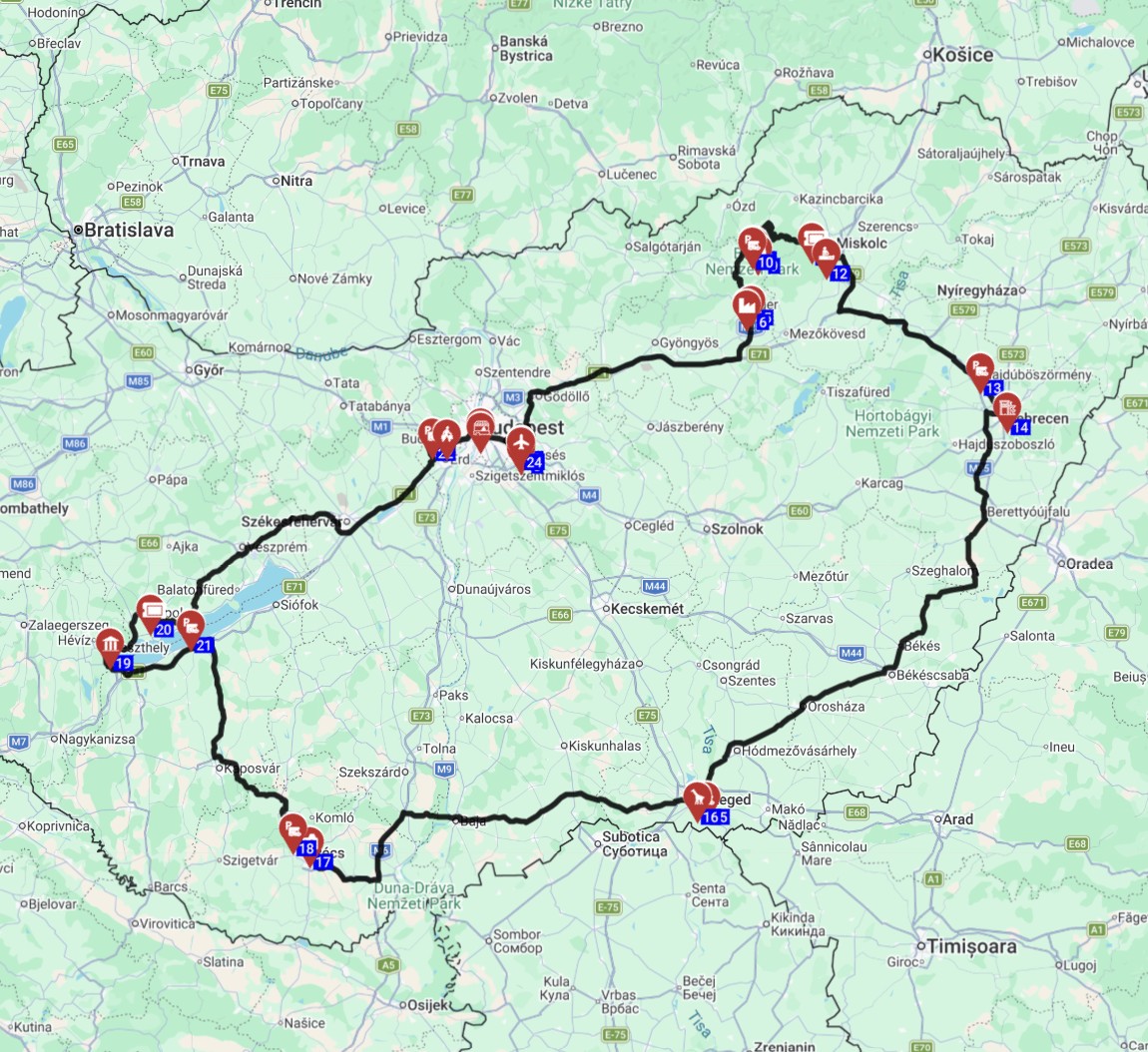
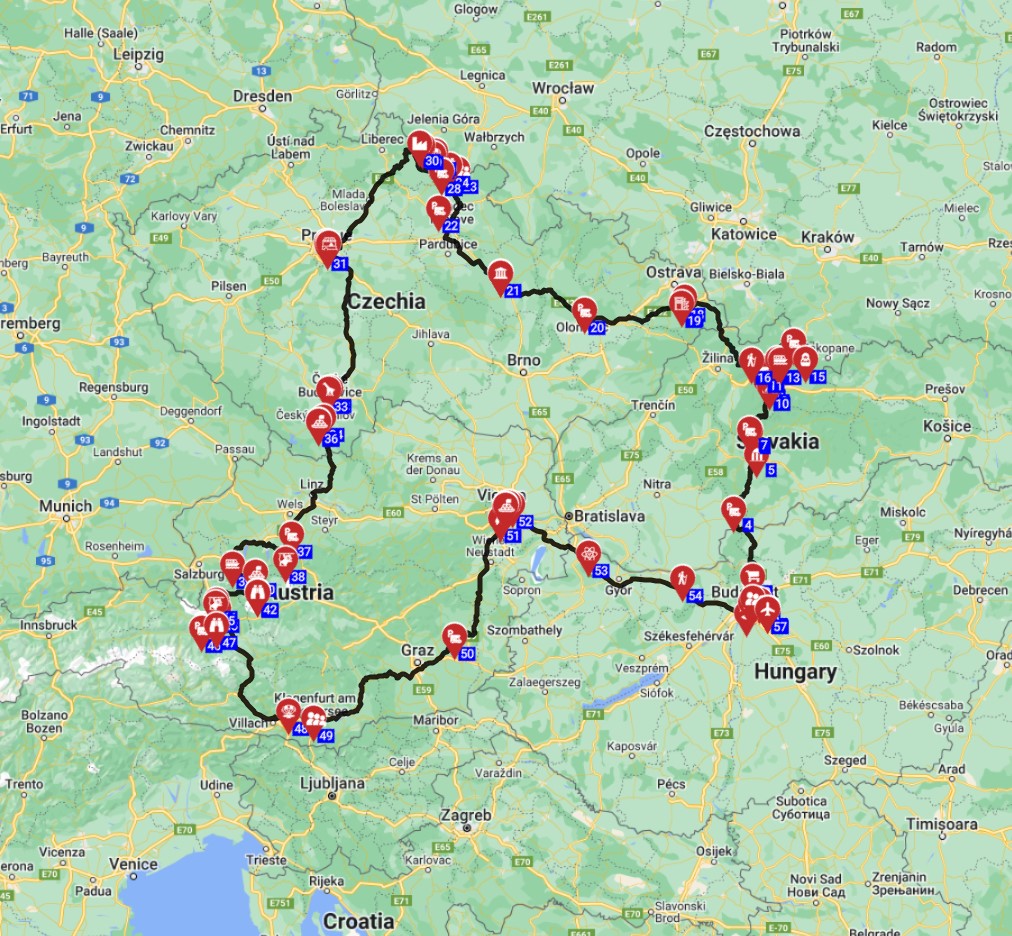
Popular RV routes in Hungary often connect natural beauty with historical sites and opportunities for cultural immersion, moving beyond major cities to explore diverse regions at a leisurely pace. The Lake Balaton circuit is a classic choice, offering a blend of beaches, renowned wine regions (like Badacsony on the northern shore), and charming towns (e.g., Tihany, Keszthely), with abundant campsites and local markets to experience Hungarian culinary delights. Another compelling route explores the Danube Bend, visiting historical towns such as Esztergom, Visegrád, and Szentendre, where you can delve into Hungarian history and art, often finding local artisans and unique food experiences that truly connect you to the culture. For a taste of the Great Hungarian Plain (Alföld), consider a route through Hortobágy National Park, known for its puszta landscape, spectacular horse shows (csikós show), and traditional farm-to-table cuisine. The Northern Hungary route takes you through the Bükk Mountains, with opportunities to explore caves, medieval castles (Eger, Diósgyőr), and sample the renowned Eger wines, allowing for interactions with local winemakers and villagers. Beyond specific attractions, focus on local markets ('Piac'), thermal spas ('Gyógyfürdő'), and village festivals for authentic cultural immersion, often more accessible with the flexibility of a rented RV. Our "RV Rental Europe - Complete Guide 2026" offers a broader perspective on European RV adventures.Can I bring my pet on an RV trip to Hungary?
Yes, bringing pets on an RV trip to Hungary is generally possible, provided all necessary border requirements are met and you adhere to local pet regulations and choose pet-friendly accommodations. Pets entering Hungary from other EU countries must have an EU pet passport, be microchipped, and be vaccinated against rabies at least 21 days prior to travel. For non-EU countries, additional requirements such as health certificates, specific blood tests, and potentially quarantine periods may apply; always check official Hungarian customs regulations well in advance of your long-term RV camping trip. Many Hungarian campsites are pet-friendly, but it is crucial to confirm their pet policy and any associated fees (which can range from €3-10 per night) before booking, especially for long-term stays. While traveling in your rented campervan, keep your pet restrained in the vehicle for safety and always on a leash in public areas; carry waste bags and clean up after your pet to comply with local etiquette and regulations. Be aware that pets may not be allowed in all public buildings, museums, or restaurants; always look for 'kutyabarát' (dog-friendly) signs, and plan accordingly. Access to veterinary services is widely available in larger towns and cities should your pet require medical attention during your trip.Are there options for combining RV travel with public transport in Hungary?
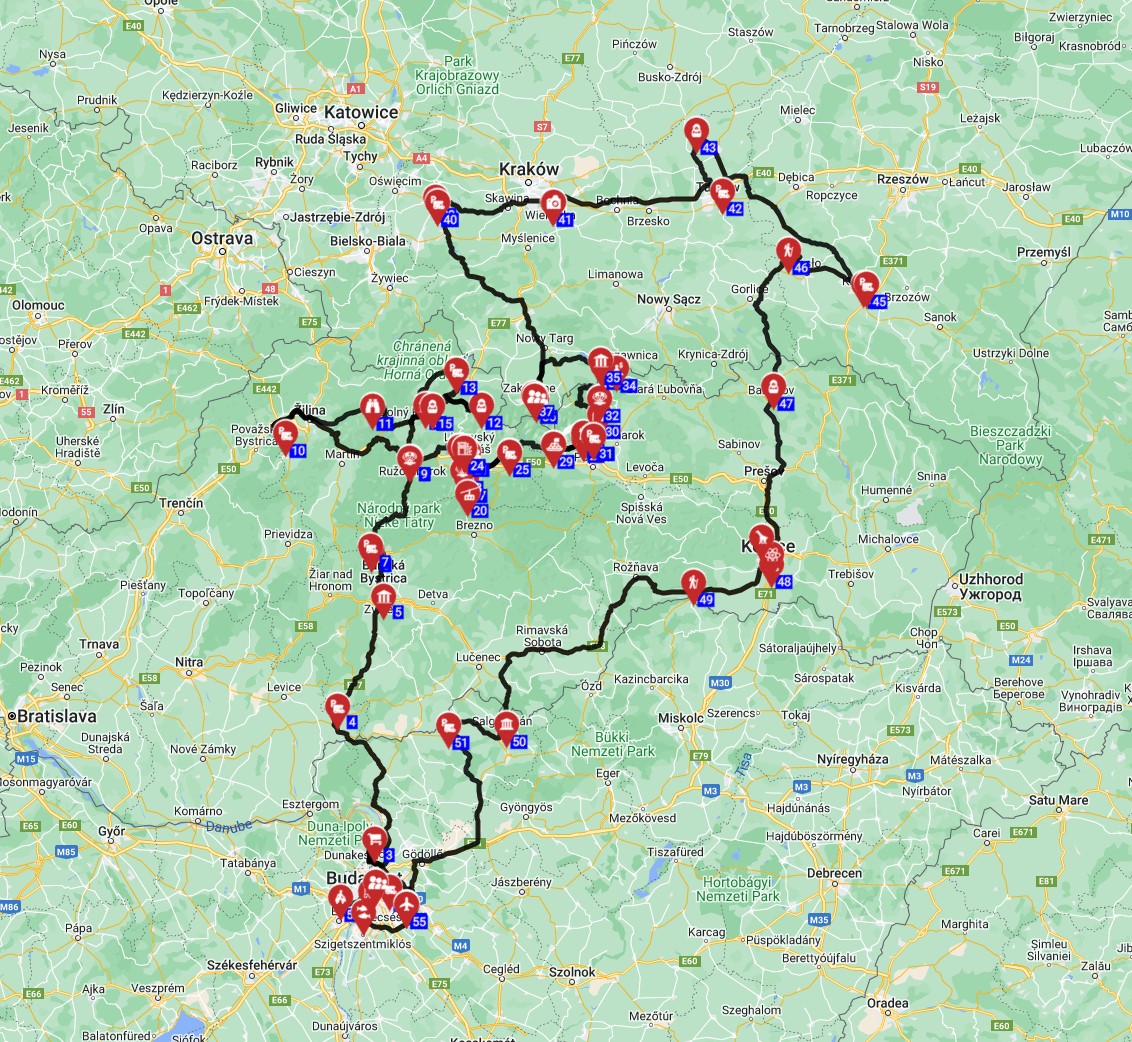
Combining RV travel with public transport in Hungary is an excellent strategy, particularly for exploring larger cities like Budapest, offering convenience and saving on parking hassles. Many RV parks located on the outskirts of major cities provide easy access to public transport networks, including buses, trams, and metro lines, with stops often within walking distance or a short drive from the campground. In Budapest, you can park your rented motorhome at a dedicated perimeter parking facility or a campsite outside the city center, such as Camping Zugliget, and use the efficient BKK (Budapest Transport Centre) system to reach attractions like the Parliament or Buda Castle. Tickets and passes for public transport are readily available at metro stations, ticket machines, and newsstands, with multi-day passes offering good value for extended city exploration. This approach allows you to enjoy the freedom of RV travel for touring the countryside and discovering places like the Danube Bend, while avoiding the challenges of navigating narrow city streets, finding suitable parking for a large vehicle, and paying potentially high city parking fees. Smaller towns and popular tourist sites also often have local bus services that can be utilized, giving you the flexibility to leave your RV parked at a comfortable long-term campsite and explore locally without moving your home on wheels. For pre-planned routes that seamlessly integrate RV travel with local exploration, explore RV PLANET (rvplan.net) - your ultimate planning companion.What You Shouldn't Miss
- Relax at Lake Balaton: Spend a week or two at a lakeside campsite, enjoying swimming, sailing, and exploring charming towns like Tihany. The northern shore offers picturesque vineyards and a relaxed atmosphere.
- Explore Budapest's Grandeur: Park your RV on the city outskirts and use public transport to discover iconic sites like the Parliament Building, Buda Castle, and the Chain Bridge. Don't miss a dip in a historic thermal bath!
- Discover Eger's Wine & Castle: Visit the historic town of Eger in Northern Hungary, famous for its castle, baroque architecture, and robust red wines like "Bull's Blood." Many local campgrounds offer easy access to vineyard tours and tastings.
- Immerse in Puszta Culture: Journey to Hortobágy National Park, a UNESCO World Heritage site, to experience traditional Hungarian cowboy (csikós) culture, witness horse shows, and explore the vast plains with your rented camper.
- Relax in Thermal Spa Towns: Beyond Budapest, explore towns like Hévíz (world's largest natural thermal lake) or Egerszalók (salt hills) for unique thermal spa experiences, often with adjacent RV camping facilities.
- Wander Szentendre: A short drive from Budapest, this charming riverside town in the Danube Bend is a haven for artists, with narrow cobbled streets, colorful houses, and numerous museums and galleries.
Looking for expert insights from Avi Bandana? Top 5 Adventures - recommendations from Avi Bandana
Final Thoughts
Hungary truly is a gem for long-term RV camping, offering a delightful blend of history, culture, and natural beauty perfect for an extended road trip. From the serene shores of Lake Balaton to the vibrant thermal baths and charming towns, every day brings a new discovery. The key to an unforgettable adventure lies in thoughtful planning and choosing the right home on wheels. At Bandana Caravan, we're dedicated to making your long-term RV rental in Hungary as smooth and enjoyable as possible. With our transparent pricing, expert knowledge, and range of support options, you can focus on the joy of discovery without any worries. Remember to travel slowly, immerse yourself in the local atmosphere, and savor every moment of this incredible journey. Ready to start your Hungarian adventure? Compare Long-Term RV Rental Prices for Hungary and find your perfect campervan or motorhome today!On the routes offered through RV PLANET routes, you can itemize and track every expense along the way for easy budgeting.