In This Guide
- Where to Camp in Germany — Top Options
- Campground Types in Germany (National, Private, Wild)
- Featured RV Park or Campground in Germany
- Hookups & Amenities — What to Expect
- Booking Windows & Reservations in Germany
- Nearby Supermarkets & Resupply Points
- Best RV Class for Camping in Germany
- How to Save on Campgrounds in Germany
- How much does it cost to rent an RV long term in Germany
- What do you need to rent an RV in Germany - Licenses and Requirements
- Can you wild camp in Germany in an RV
- What is the difference between a campground and a Stellplatz in Germany - And Can You Stay Long Term
- Are RVs allowed everywhere in Germany - Navigating Roads and Environmental Zones
- What is the RV culture like in Germany
- How do I get a SIM card for my RV trip in Germany - And Other Connectivity Tips
- What are the rules for pets in German campgrounds
- Exploring Germany's Hidden Gems by RV - Beyond Tourist Routes
Where to Camp in Germany — Top Options
Germany offers a vast network of camping options ideal for long-term RV travelers, catering to diverse preferences from the alpine south to the Baltic coast. Consider regional hubs like Bavaria for stunning mountain and lake access, the picturesque Rhine Valley for scenic routes, or the Baltic Sea coast for refreshing beach camping experiences. Many campgrounds are conveniently located near national parks such as Berchtesgaden for immersion in natural beauty, or close to cultural centers like Berlin, providing easy RV access for city exploration.
Crucially for long-term stays, many German campgrounds are open year-round, particularly outside the peak summer months of June to August, ensuring availability for those seeking extended adventures. For those planning a longer trip across the country, our guide to RV Rental Germany - Complete Guide 2026 can offer further insights into popular regions and travel styles.
Campground Types in Germany (National, Private, Wild)
Germany primarily offers private campgrounds, known as 'Campingplätze', and designated motorhome parking areas called 'Stellplätze'. True wild camping, in the sense of unpermitted overnight stays in natural areas, is generally illegal and strongly discouraged across Germany. However, highly tolerated, single overnight stays are sometimes permissible on private land if you have obtained explicit permission from the landowner.
Private campgrounds typically provide comprehensive amenities, including reliable electricity hookups, fresh water access, waste disposal facilities, clean shower and toilet blocks, and often on-site shops or restaurants, making them ideal for comfortable, long-term RV living. National park campgrounds prioritize environmental conservation; therefore, it's essential to always check the specific park's regulations regarding RV access and any designated camping areas before arrival.
Featured RV Park or Campground in Germany
When planning a long-term RV rental in Germany, it's beneficial to look for RV parks that offer a harmonious blend of essential amenities, strategic location, and a welcoming atmosphere conducive to extended stays. A highly-rated example might feature spacious pitches equipped with full hookups (electricity, water, grey/black water disposal) alongside modern washrooms, laundry facilities, and reliable Wi-Fi.
Prioritize locations that provide convenient access to local attractions, scenic hiking trails, or charming towns to minimize travel time for resupply and exploration, enhancing your long-term German RV experience. Many top-tier German RV parks also extend their hospitality to include on-site recreational activities, pet-friendly zones, and even specialized winter camping options, making them suitable for visitors year-round.
Hookups & Amenities — What to Expect
In Germany, RV campgrounds generally provide the essential hookups and amenities necessary for a comfortable long-term stay. Standard electrical hookups are typically 220-230V, usually requiring a blue CEE 17 plug, though a Schuko adapter might be needed for some European appliances.
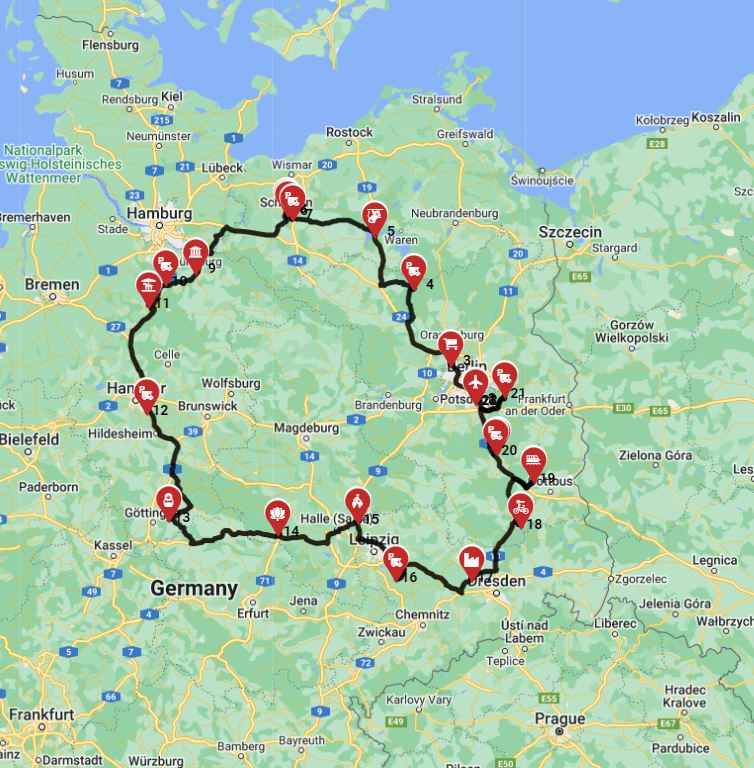
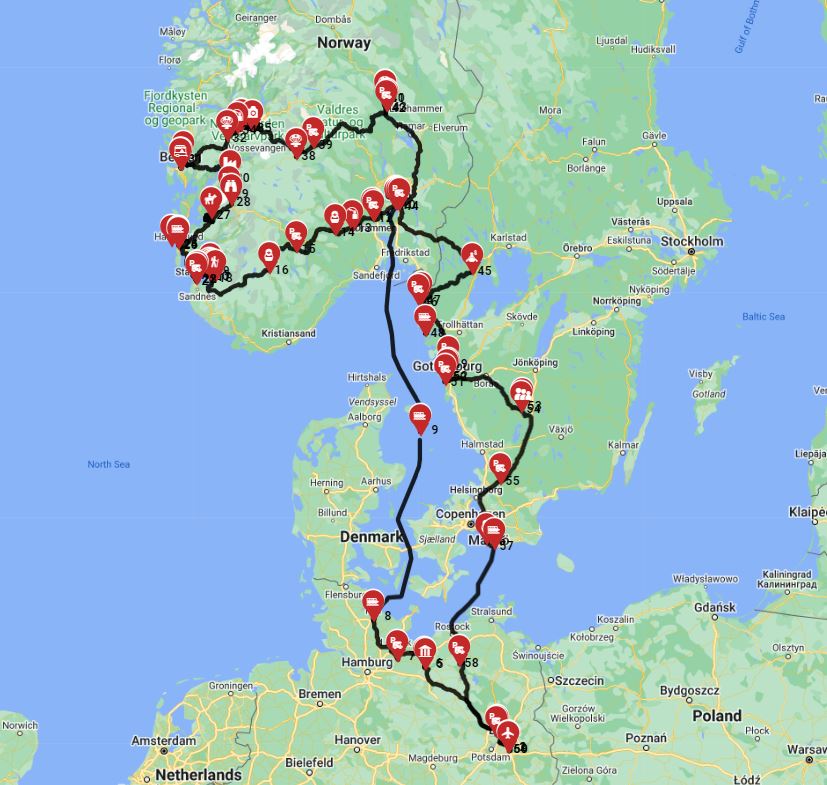
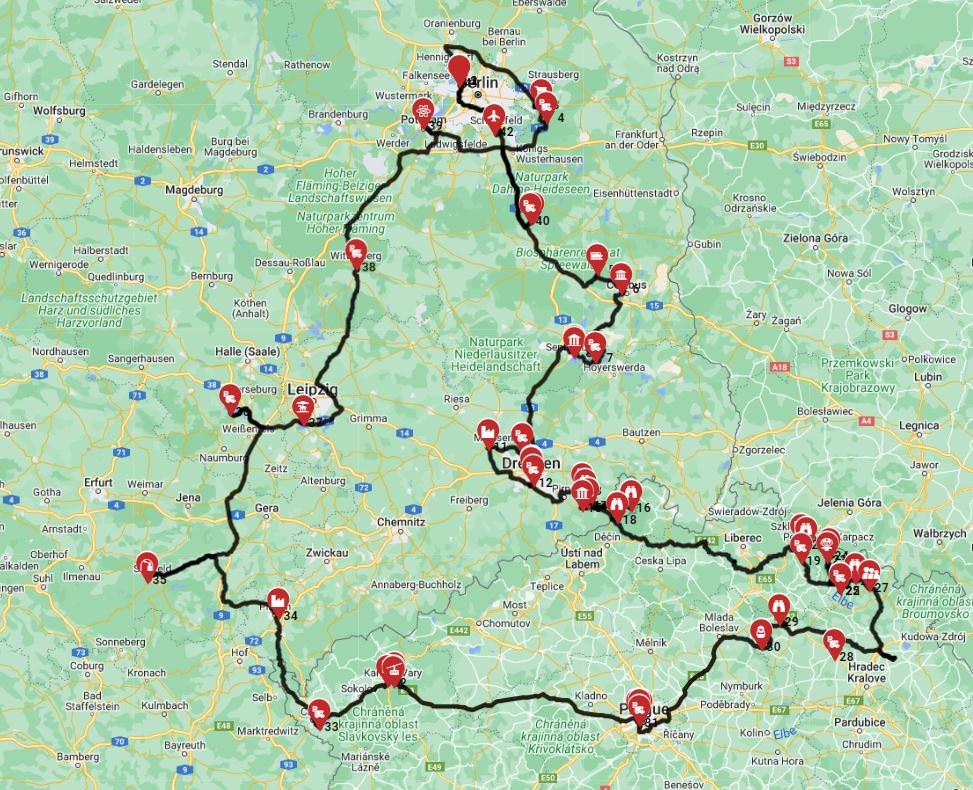
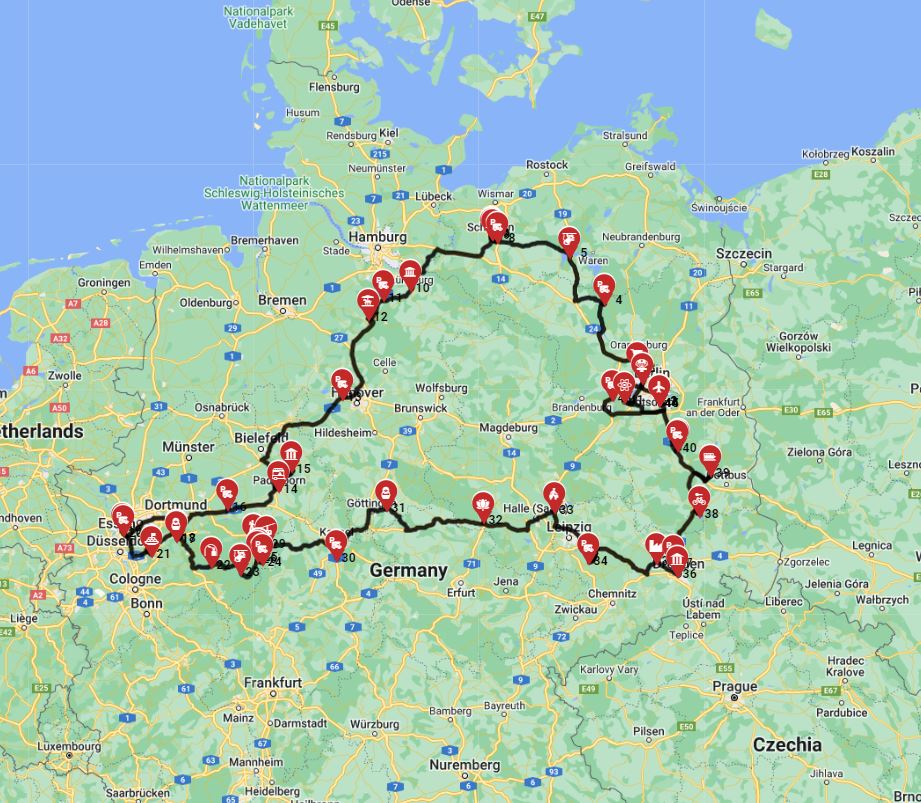
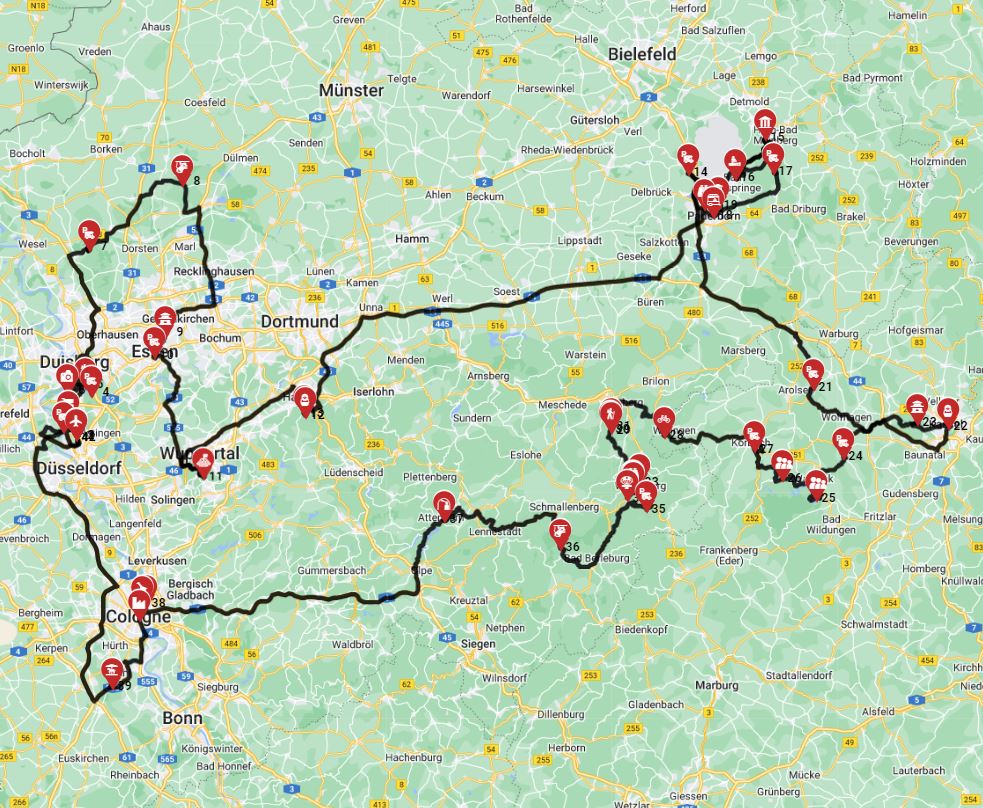
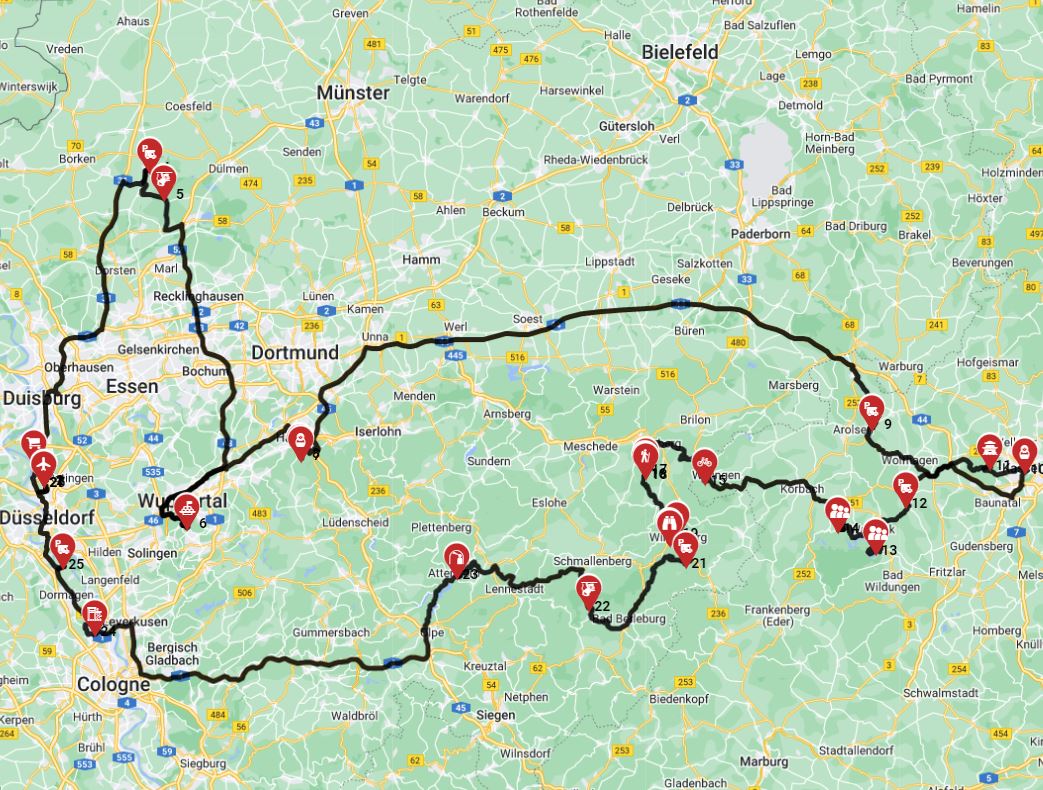
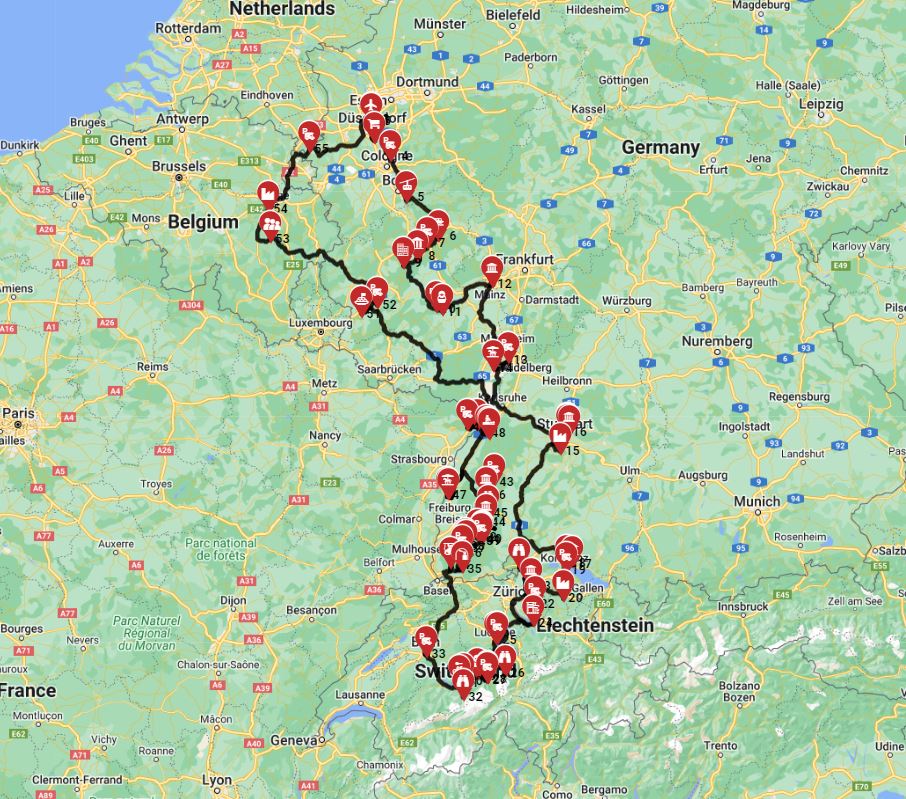
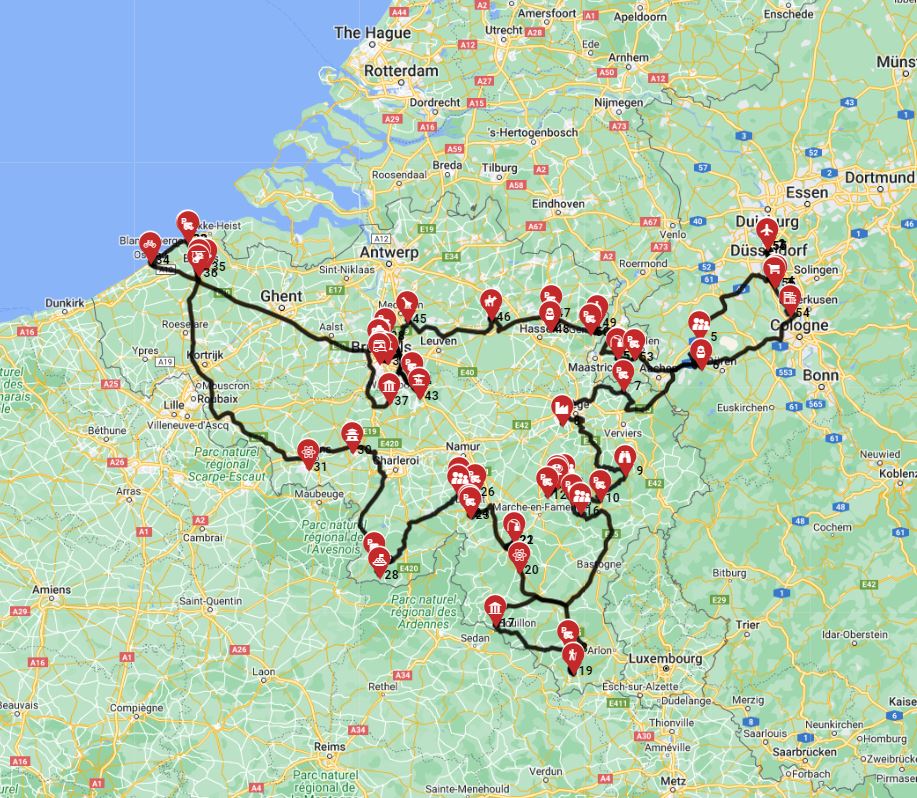
Water taps are readily available for fresh water refills at most sites, and dedicated grey and black water dump stations (known as 'Entsorgungsstation') are commonly included in the pitch fee. Modern and clean shower and toilet facilities are standard across most German campgrounds, ensuring a pleasant experience. Wi-Fi availability varies; some campgrounds offer basic Wi-Fi free of charge, while others provide premium, faster connections for an additional fee. Laundry facilities are also a common convenience for those on extended RV journeys. On the routes offered through RV PLANET routes, you can itemize and track every expense along the way for easy budgeting.
Booking Windows & Reservations in Germany
For long-term RV rentals in Germany, securing reservations is highly recommended, especially if you plan to travel during peak seasons, which typically run from June through August, or if you have your heart set on specific popular locations. Savvy planners should aim to book their desired spots several months in advance to guarantee availability.
Alternatively, spontaneous travelers might still find availability in less-trafficked areas or during the pleasant shoulder seasons of spring and autumn. It's common for some national park campgrounds to reserve only 25%–30% of their spots for advance bookings, leaving the remainder on a first-come, first-served basis. For those seeking last-minute long-term stays, a practical strategy is to call ahead to any potential campground or Stellplatz to inquire about availability before making the drive.
Nearby Supermarkets & Resupply Points
Resupplying your long-term RV rental in Germany is remarkably convenient, with a wide array of supermarkets and stores easily accessible throughout the country. Major German supermarket chains like Edeka and Rewe offer extensive selections of groceries, fresh produce, and household essentials at competitive prices.
Budget-conscious travelers will find discount chains such as Lidl and Aldi exceptionally well-stocked and affordable. Beyond these large chains, many towns feature smaller local shops, including bakeries ('Bäckereien') for fresh bread and butcher shops ('Metzgereien') for quality meats, as well as weekly markets that are perfect for discovering regional products. Gas stations also typically have small convenience stores for urgent needs, and most larger stores provide ample parking suitable for RVs.
Best RV Class for Camping in Germany
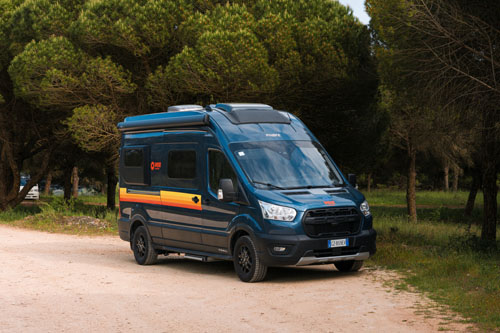
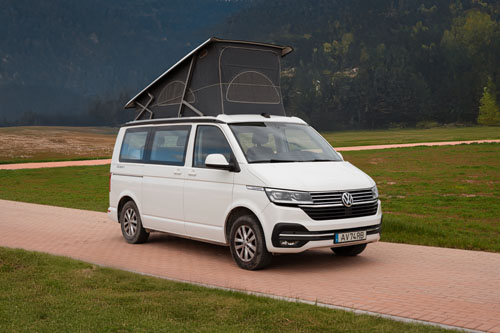
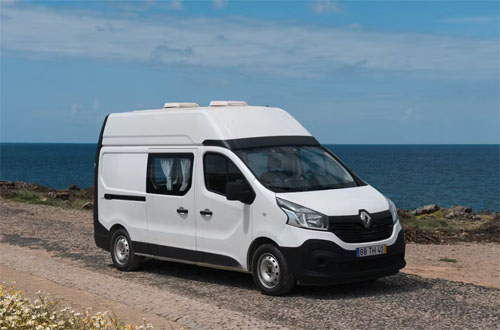
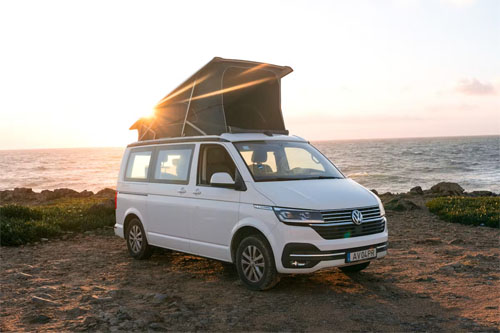
For extended RV camping adventures in Germany, Class B Camper Vans and Class SI Semi-integrated models often prove to be the most ideal choices. This is due to their excellent maneuverability, impressive fuel efficiency, and a well-balanced provision of amenities suitable for longer trips. For instance, the Class B Camper Van, averaging 5.8 meters in length and typically offering 3.2 sleeping places (based on Bandana's global fleet average), is exceptionally suited for navigating Germany's charming, narrower roads and urban centers, while still providing ample comfort for two to three adults.
Class SI Semi-integrated RVs, which average 6.9 meters in length and can accommodate around 3.8 sleeping places (according to Bandana's global fleet average), offer enhanced living space and storage capacity, making them particularly comfortable for extended journeys, yet they remain relatively easy to drive and park. Both these classes are well-suited for a mixed itinerary of Stellplatz and traditional campgrounds, providing the flexibility needed for various long-term travel styles.
How to Save on Campgrounds in Germany
Saving money on campgrounds during a long-term RV rental in Germany can be achieved through strategic planning and taking advantage of available discounts. Many rental providers, including Bandana, offer campground discount cards that can grant access to reduced rates at participating sites across the country, significantly lowering your daily expenses.
Booking your stays during the shoulder seasons, typically spring and autumn, or opting for municipal and regional campgrounds over private luxury resorts can also lead to substantial cost savings. Additionally, many campgrounds offer weekly or monthly rates that provide much better value for stays of three nights or longer. Consider discussing the possibility of sharing hookups with fellow travelers when permissible, as this can help split utility costs and foster a sense of community.
How much does it cost to rent an RV long term in Germany
The cost of a long-term RV rental in Germany can vary considerably, influenced by factors such as the RV class, the duration of the rental, the season of travel, and any additional services required. However, for extended periods exceeding a month, expect daily rental fees to generally range from approximately €80 to €150 for a Class C motorhome.
Beyond the base rental fee, it's crucial to budget for fuel, which is a significant long-term expense, as RVs like the Class SI (consuming 10-11 L/100km) and Class B (consuming 8-10 L/100km, per Bandana's fleet average) will have varying fuel needs. Additionally, factor in daily campsite fees, which typically range from €20 to €40 per night for full-service campgrounds, or lower Stellplatz fees (often €0-€20 per night). Groceries, activities, potential road tolls on specific routes, and a small allocation for unforeseen maintenance or insurance deductibles should also be included in your overall budget. Don't forget to consider the cost of environmental zone stickers ('Umweltplakette'), which are required for entry into many German cities, usually costing around €5-€15 for a one-time purchase.
What do you need to rent an RV in Germany - Licenses and Requirements
To rent an RV long term in Germany, you'll typically need a valid driver's license, and potentially an International Driving Permit (IDP) if you are a non-EU citizen. A credit card is usually required for the security deposit, and most rental companies have a minimum driver age requirement, often set at 21 or 23 years old, though some larger motorhomes may have higher age restrictions.
For most standard RVs weighing up to 3,500 kg, such as many Class B camper vans and Class SI semi-integrated models, a regular B category European driver's license is sufficient. If your foreign license is not in German or English, an IDP is recommended to accompany your national license. Larger RVs exceeding 3,500 kg but still under 7,500 kg (like some Class C alcove or Class A integrated models) will require a C1 license, while those over 7,500 kg necessitate a full C license. Ensuring you have adequate insurance coverage, usually a combination of third-party liability and comprehensive insurance provided by the rental company, is also essential. You'll often have the option to purchase additional coverage to reduce your deductible for added peace of mind.
Can you wild camp in Germany in an RV
In Germany, true wild camping in an RV is generally illegal and strongly discouraged, as it can lead to fines and negatively impact the reputation of RV travelers. However, certain alternatives exist for discreet overnight stays that often align with the spirit of freedom associated with RVing.
While explicit wild camping is forbidden, a single overnight stay solely to 'restore driver fitness' is often tolerated. This might include utilizing roadside rest areas or non-prohibited public parking spots, provided you do not set up 'camp' (meaning no chairs, awnings, or leveling blocks are deployed). Viable legal alternatives that offer a more comfortable and permitted experience include designated Stellplätze, farm stays often facilitated through memberships like 'Landvergnügen', or directly seeking explicit permission from private landowners.
What is the difference between a campground and a Stellplatz in Germany - And Can You Stay Long Term
A key distinction for RVers in Germany lies between a campground ('Campingplatz') and a Stellplatz. Campingplätze offer a full suite of amenities and are generally suitable for longer stays, often with advantageous weekly or monthly rates. Stellplätze, conversely, are primarily designated overnight parking spots for motorhomes, typically found in towns or scenic areas, and usually provide only limited services.
While Stellplätze are generally intended for short, overnight stops and may be free or low-cost, they usually do not permit 'camping behavior' such as setting out awnings or chairs. Critically, long-term stays are typically restricted at Stellplätze, making the more amenity-rich Campingplätze the preferred and more practical choice for extended RV travel and immersive exploration of Germany.
Are RVs allowed everywhere in Germany - Navigating Roads and Environmental Zones
RVs are generally permitted on most German roads, including the famous Autobahns and federal highways, but specific restrictions apply concerning vehicle size, speed limits, and entry into designated environmental zones. Larger RVs, particularly those exceeding 3.5 tonnes, face lower speed limits – often 80 km/h (50 mph) on rural roads and 100 km/h (62 mph) on Autobahns, compared to the higher limits for cars.
Many German cities have implemented 'Umweltzonen' (environmental zones) that require vehicles to display a specific 'Umweltplakette' (emissions sticker) to enter. Renting a newer RV typically ensures compliance with these regulations, but it’s always wise to confirm this with your rental provider before you depart. To ensure a smoother journey, always utilize RV-specific navigation apps that can help you avoid low bridges, narrow roads, or routes unsuitable for larger vehicles.
What is the RV culture like in Germany
German RV culture is notably characterized by a strong sense of orderliness, deep respect for rules, a pragmatic emphasis on self-sufficiency, and a profound appreciation for nature and well-maintained facilities. RVers in Germany consistently prioritize cleanliness and quiet, especially at Stellplätze and campgrounds, with strict adherence to designated quiet hours ('Ruhezeiten') being a common expectation.
While there's a strong underlying community aspect, with many RVers belonging to clubs or associations, social interactions tend to be subtle and highly respectful of personal space. A friendly 'Hallo' or 'Guten Tag' is always appreciated and can open doors to pleasant, albeit brief, interactions. German RVers are typically well-prepared and organized, often traveling with their own bicycles or outdoor gear to actively explore the surrounding areas, valuing both efficiency in their travels and the richness of the experience.
How do I get a SIM card for my RV trip in Germany - And Other Connectivity Tips
For consistent and reliable internet access during your long-term RV rental in Germany, purchasing a local SIM card is the most dependable option. These are readily available from major mobile providers such as Telekom, Vodafone, and O2, ensuring widespread coverage.
Prepaid SIM cards with generous data packages ('Daten-Flatrates') can be purchased conveniently at mobile phone stores, supermarkets, or even gas stations. Remember to bring your passport for registration, as this is a legal requirement in Germany for all SIM card purchases. Alternatively, consider an e-SIM compatible with your smartphone or a dedicated mobile Wi-Fi hotspot (MiFi device) for connectivity across multiple devices, ensuring you have navigation, communication, and entertainment readily available on the go. While many campgrounds offer Wi-Fi, it can sometimes be unreliable or slow, making a personal SIM card the best guarantee for uninterrupted connectivity, especially for tasks requiring a stable internet connection.
What are the rules for pets in German campgrounds
Most German campgrounds are generally welcoming to pets, particularly dogs, but specific rules regarding leashing, designated pet areas, and additional fees are commonly enforced. It is crucial for long-term RV travelers with animals to check these specific regulations in advance when booking or upon arrival.
Pets, especially dogs, must typically be kept on a leash at all times within campground premises, and owners are universally expected to clean up after their animals promptly. Some campgrounds may designate specific areas or pitches exclusively for pet owners, and certain communal facilities, such as restaurants or shower blocks, might have restrictions on animal access. Always carry your pet's valid vaccination records and an EU pet passport if traveling internationally; be prepared for additional fees for pets, as these are common and should be clarified during your long-term stay arrangements.
Exploring Germany's Hidden Gems by RV - Beyond Tourist Routes
For the discerning long-term RV renter seeking authentic experiences, Germany offers a wealth of lesser-known regions and niche routes that provide unique cultural and natural encounters far beyond the typical tourist paths. Venture off the beaten track into areas like the Harz Mountains for its historic timber-framed towns and extensive hiking trails, or explore the Spreewald region, known for its canoe-friendly waterways and distinct Sorbian culture.
Consider delving into Germany's renowned themed routes, such as the scenic 'Deutsche Weinstraße' (German Wine Route) that winds through picturesque vineyards, or explore historical trails that connect charming, ancient villages, each with its own story. Utilizing local apps, regional websites, or seeking recommendations from local RV enthusiasts can be invaluable for discovering authentic regional experiences and less-trafficked nature parks, ultimately enriching your long-term German RV adventure.
What You Shouldn't Miss
- The Fairytale Route: Drive a segment of the 'Märchenstraße' (Fairy Tale Route), connecting towns associated with the Brothers Grimm and iconic fairytales, for a whimsical journey through medieval villages and castles.
- The Baltic Coast: Explore the Mecklenburg Baltic coast with your RV, visiting Hanseatic cities like Lübeck and Wismar, and enjoying the sandy beaches and seaside resorts.
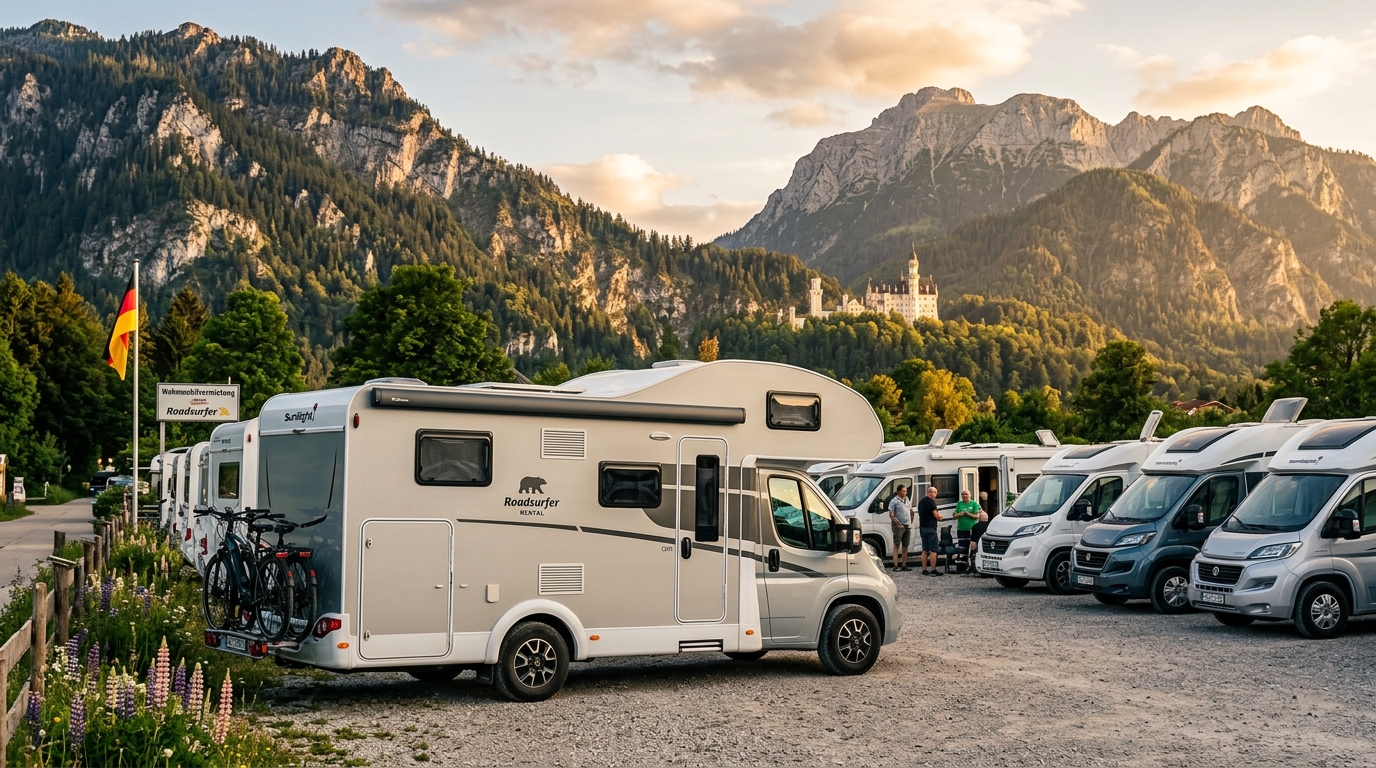
- Bavarian Alps: Venture into Bavaria to experience the majestic Alps, visit Neuschwanstein Castle, and enjoy stunning lakeside scenery, with numerous well-equipped campgrounds available.
- Rhine Valley Castles: Cruise along the Rhine Valley, stopping your RV to explore the numerous castles perched on hillsides, amidst vineyards and charming riverside towns.
- Berlin's Urban RV Experience: Discover Berlin by RV, utilizing designated city campsites or Stellplatz with good public transport links to explore the vibrant capital, its historical sites, and cultural attractions.
Final Thoughts
Embarking on a long-term RV rental in Germany offers an unparalleled way to immerse yourself in the country's diverse landscapes and rich cultural tapestry. From the historic charm of medieval towns to the serene beauty of its natural parks, a rented RV provides the freedom and flexibility to explore at your own pace.
Remember to travel slowly, embracing the journey as much as the destination. Take the time to connect with the local culture, savor the regional cuisine, and truly experience the scenery that Germany has to offer. With careful planning and the support of platforms like Bandana Caravan and RV PLANET (rvplan.net), your extended German RV adventure promises to be both memorable and deeply rewarding.