In This Guide
- Where to Camp in Botswana — Top Options
- Campground Types in Botswana (National, Private, Wild)
- Featured RV Park or Campground in Botswana
- Hookups & Amenities — What to Expect
- Booking Windows & Reservations in Botswana
- Nearby Supermarkets & Resupply Points
- Best RV Class for Camping in Botswana
- How to Save on Campgrounds in Botswana
- What is the best time of year for a long term RV rental in Botswana
- How much does it cost to rent an RV in Botswana for a month
- What kind of RV is best for a safari in Botswana
- Are long term RV rentals available in Botswana
- What are the requirements for driving an RV in Botswana
- Is it safe to drive an RV through Botswana
- How do you manage water and fuel on a long term RV trip in Botswana
- What are the rules for wild camping in Botswana
- What should I pack for an RV safari in Botswana
- What You Shouldn't Miss
- Why Book with Bandana Caravan
- Final Thoughts
- Frequently Asked Questions
Botswana, a jewel of Southern Africa, offers an unparalleled long-term RV adventure for those seeking vast wilderness, abundant wildlife, and truly immersive experiences. Imagine waking up to the sounds of the African bush from your comfortable rented motorhome, ready to explore pristine national parks and remote landscapes for weeks on end. Here at Bandana RV, we understand the allure of extended travel and are committed to helping you discover the magic of long-term RV camping in Botswana. For live availability and current prices, start with our RV Rental Botswana - Complete Guide 2026 guide.
Embarking on a long-term motorhome trip in Botswana requires thoughtful planning, but the rewards are immeasurable. With Bandana RV, you benefit from our deep expertise and dedication to full transparency. We provide all the information upfront, ensuring there are no hidden fees and no surprises when you book your adventure. We’ve been helping tens of thousands of travelers explore the world by RV since our founding in 2001, forging direct partnerships with 50+ leading RV suppliers worldwide, including trusted names like Apollo and Britz.
Where to Camp in Botswana — Top Options
Botswana offers diverse camping experiences from arid deserts to lush deltas, catering to a range of long-term RV travelers looking for a truly authentic African safari. Popular regions for extended RV camping include the iconic Okavango Delta, encompassing areas like Moremi Game Reserve, where you can witness diverse ecosystems and abundant wildlife. Chobe National Park, particularly Savuti and Linyanti, is another premier destination renowned for its large elephant herds and predator sightings.
For those seeking even more remote and vast landscapes, the Central Kalahari Game Reserve offers a starkly beautiful, arid wilderness perfect for self-sufficient motorhome exploration. Other notable areas for longer stays include Nxai Pan National Park, famous for its baobab trees and zebra migrations, and the Makgadikgadi Pans, providing unique landscapes and an otherworldly sense of isolation. Each of these destinations offers distinct wildlife viewing opportunities and varying levels of camping infrastructure, making Botswana an ideal destination for a varied and extended RV adventure.
Campground Types in Botswana (National, Private, Wild)
Botswana features three main types of camping: national park campgrounds, private concessions/campsites, and very limited, often discouraged, wild camping. National park sites, managed by the Department of Wildlife and National Parks (DWNP), prioritize a raw wilderness experience, typically offering basic facilities such as rudimentary long-drop toilets and showers, often with unfenced camps where wildlife can roam freely. These sites, while less amenity-rich, provide an unparalleled immersive experience within the heart of Botswana's prime wildlife areas.
Private campgrounds, frequently part of lodges or dedicated sites outside national parks, generally provide more amenities like hot showers, flush toilets, and sometimes electricity or Wi-Fi, offering a more comfortable and structured camping experience. Wild camping is generally prohibited within national parks or reserves to protect both visitors and wildlife. Outside these protected areas, it is only legally tolerated on vast private land with explicit owner permission or in very remote, non-protected areas, but is highly discouraged due to significant wildlife and safety concerns.
Featured RV Park or Campground in Botswana
When selecting an RV park or campground for a long-term stay in Botswana, prioritizing establishments that balance accessibility with an authentic safari experience is key. For example, Third Bridge Campsite in Moremi Game Reserve is highly regarded for its stunning location within the Okavango Delta and frequent wildlife sightings right from your campsite. This site offers basic ablution facilities and water (often untreated, so purification is essential), providing an immersive wilderness experience while still being a designated camping area.
Look for features such as secure parking, reliable (even if untreated) water sources, basic ablution facilities, and proximity to key wildlife viewing areas when planning your itinerary. Many premier campsites within national parks, like those in Moremi or Chobe, are unfenced, offering incredible wildlife encounters but requiring constant vigilance and strict adherence to safety protocols. These camps typically accommodate self-contained motorhomes and campervans, reinforcing the need for your rented RV to be well-equipped for off-grid living.
Hookups & Amenities — What to Expect
RV hookups and amenities in Botswana vary significantly, ranging from fully serviced private camps to rudimentary national park sites requiring complete self-sufficiency. Electricity, if available, is typically 220-240V with Type M (South African) or Type G (UK) sockets, so carrying appropriate adapter plugs and surge protectors is essential for your rented motorhome. Water availability can be scarce and often untreated in remote national park campgrounds, necessitating a robust water purification system (filter/UV sterilizer) and ample carrying capacity in your RV, typically 80-100 liters for drinking and basic hygiene.
Dump stations for grey and black water are rare outside of larger towns and dedicated private resorts, requiring careful waste management and often 'leave no trace' disposal methods in designated areas. Wi-Fi and laundry facilities are primarily found at private lodges or campsites near urban centers; satellite phones or two-way satellite messengers are highly recommended for remote communication and emergencies, as mobile phone signal is virtually non-existent in much of the wilderness. Showers, if present in national parks, are often communal and may be bucket showers or gas-heated, while private sites offer more conventional and reliable options. On the routes offered through RV PLANET routes, you can itemize and track every expense along the way for easy budgeting.
Booking Windows & Reservations in Botswana
For a long-term RV rental in Botswana, booking popular national park campsites well in advance-sometimes up to a year-is crucial, especially for peak dry season travel from May to October. The Department of Wildlife and National Parks (DWNP) booking system can be competitive; many national park campgrounds traditionally release a limited percentage (e.g., 25%-30%) of spots for direct public reservations, with the remainder often managed by tour operators or less reliably available on a first-come, first-served basis. While spontaneous travelers might occasionally find a spot, securing a desired site for long-term stays requires meticulous planning and confirmed reservations. It's highly recommended to call ahead to your chosen campgrounds before driving long distances to confirm availability, as conditions can change rapidly. Remember, if a spot isn't available at your first choice, there's always the next one. For finding campsites and campgrounds during your trip, we recommend using RV PLANET (rvplan.net) - a great resource for locating available spots along your route. For additional planning and deals, consider exploring "RV Rental Deals in Botswana - Latest Offers 2026".
🎬 Video coming soon
Nearby Supermarkets & Resupply Points
For long-term RV rentals in Botswana, primary resupply points are concentrated in major towns, necessitating careful planning for provisions in remote areas. Major supermarket chains like Spar, Shoprite, and Choppies are found in urban centers such as Maun, Kasane, Francistown, and Gaborone. These towns are your best bet for stocking up on fresh produce, a wide variety of goods, and specialized items.
Smaller villages and settlements may have basic general dealers offering limited staples, but it is imperative to carry sufficient provisions, including water, fuel, and non-perishable food, for at least 7-10 days when venturing into remote national parks or game reserves due to the vast distances between supply points. When planning your route and budgeting for these ancillary trip costs, know that RV PLANET routes allow travelers to itemize and track every expense along the way for easy budgeting.
Best RV Class for Camping in Botswana
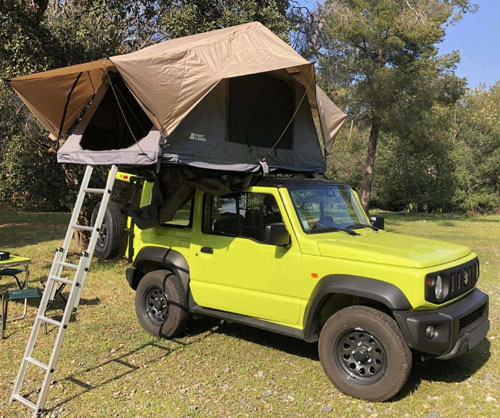
For camping in Botswana's challenging and remote terrain, the best RV classes are typically robust vehicles designed for off-road conditions and self-sufficiency, such as Class TC (Truck Campers) or highly capable 4x4 Class B (Camper Vans). Larger vehicles like Class A or larger Class C motorhomes often lack the necessary ground clearance and 4x4 drivetrain, making them generally unsuitable for the deep sand, corrugations, and seasonal water crossings common in Botswana's national parks.
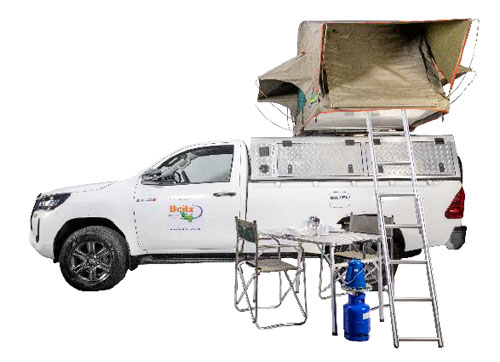
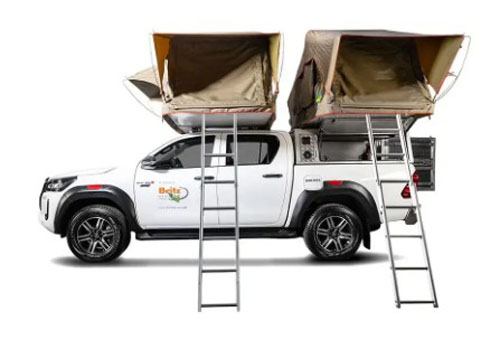
Bandana's global fleet offers excellent options for a Botswana adventure. For example, a "Patagonia Camper 4x4 double cab" is a strong choice, categorized as a Class TC - Truck Camper. It features 4 Wheel Drive and front air conditioning, ideal for a couple, and typically consumes around 12-17 Liters/100 km. Similarly, a well-equipped Class B Camper Van, like the "Active Bunk Auto" which is a smaller RV, also features automatic transmission, front air conditioning, and is pet-friendly, making it suitable for 2-4 travelers. An ideal RV for Botswana prioritizes high ground clearance, 4x4 drive, robust suspension, and substantial fuel and water carrying capacity, emphasizing boondocking and self-reliance over extensive hookup availability.
How to Save on Campgrounds in Botswana
To save on campgrounds in Botswana for a long-term RV rental, strategic planning and leveraging available discounts are key. Booking during the shoulder seasons (e.g., April-May or September-October) can yield lower rates and fewer crowds compared to the peak dry season, offering a more tranquil and cost-effective experience. Opting for simpler, government-run (DWNP) campsites over private luxury resorts, where available, can substantially reduce accommodation costs, though amenities will be basic.
Staying 3 or more nights at a single location often qualifies you for weekly rates, lowering the overall per-night expense, especially beneficial for long-term RV travelers. Additionally, comparing options for "RV Rental in Botswana - Prices and Best Deals 2026" can help you identify suppliers that may offer campground discount cards or programs, which can provide significant savings on nightly rates. Always ask about long-stay discounts when making reservations.
What is the best time of year for a long term RV rental in Botswana
The best time of year for a long-term RV rental in Botswana is generally the dry season, from May to October, offering optimal wildlife viewing and more manageable road conditions. During these months, wildlife congregates around permanent water sources, making sightings more predictable and easier to find, particularly in areas like the Okavango Delta and Chobe National Park. Road conditions, especially in national parks, are significantly drier, reducing the likelihood of getting stuck in deep sand or mud and minimizing difficult water crossings.
However, the dry season can also mean dusty roads and higher temperatures, particularly from September to October, which may require careful management of your RV's water supply and personal comfort. The shoulder seasons (April, early November) can offer a desirable balance of good wildlife viewing, fewer crowds, and potentially lower prices for a long-term RV rental, though road conditions may start to become more unpredictable with the onset of rains in November. Planning for "Weekly RV Rental in Botswana - Pricing 2026" during these times can be a smart financial move.
How much does it cost to rent an RV in Botswana for a month
The cost to rent an RV in Botswana for a month varies significantly based on vehicle type, rental company, season, and included equipment, typically ranging from $3,000 to $8,000+ USD per month. Smaller, older 4x4 camper vans or truck campers, such as Bandana's Class TC or Class B models, will generally be on the lower end, while newer, larger, or more luxuriously equipped vehicles with full safari outfitting will command higher prices. Long-term rentals (often exceeding 28 days) usually benefit from a reduced daily rate compared to short-term hires, providing better value for extended trips.
Additional costs to budget for include fuel (which can be substantial given Botswana's vast distances and 10-17 Liter/100 km consumption for common RV types), national park entry fees (which vary greatly per park and duration), campsite fees (ranging from basic DWNP sites to pricier private lodges), comprehensive insurance, and provisions. A realistic starting point for budgeting a self-drive safari in Botswana, encompassing rental, fuel, and park fees, is an average of $100-$250 USD per day for a long-term rental, highlighting the value of careful financial planning using RV PLANET routes to itemize all your expenses.
What kind of RV is best for a safari in Botswana
The best RV for a safari in Botswana is typically a 4x4 capable vehicle with high ground clearance, designed for extensive self-sufficiency and rugged off-road conditions, such as a specialized Class B Camper Van or a Truck Camper. Vehicles like Bandana's "Patagonia Camper 4x4 double cab" (Class TC) averaging 5.5m in length, or robust 4x4 Class B Camper Van models (avg. 5.8m) are ideal due to their maneuverability, off-road capabilities, and relatively lower fuel consumption (10-17 Liters/100 km). Essential vehicle features include a robust 4x4 drivetrain, raised suspension, all-terrain tires (ideally with a heavy-duty tread), and a snorkel for potential water crossings. Drive slowly and carefully, and you can drive almost anywhere without issues. No need to stress - just use common sense and pay attention.
An ideal RV is equipped with a long-range fuel tank (or carries extra jerry cans), sufficient water carrying capacity (at least 60-80 liters), a dual battery system for power, and a robust fridge/freezer for your meals. Beyond the vehicle, a comprehensive recovery kit (hi-lift jack, shovel, recovery straps, air compressor, tire repair kit) and basic spares (extra tires, belts, fuses, filters) are paramount for Botswana's challenging and remote terrain. For families, consider a larger Class C motorhome like the "cruise america rv rental example Explorer", which is 7.1m long and sleeps 4, perfect for well-maintained main roads.
Are long term RV rentals available in Botswana
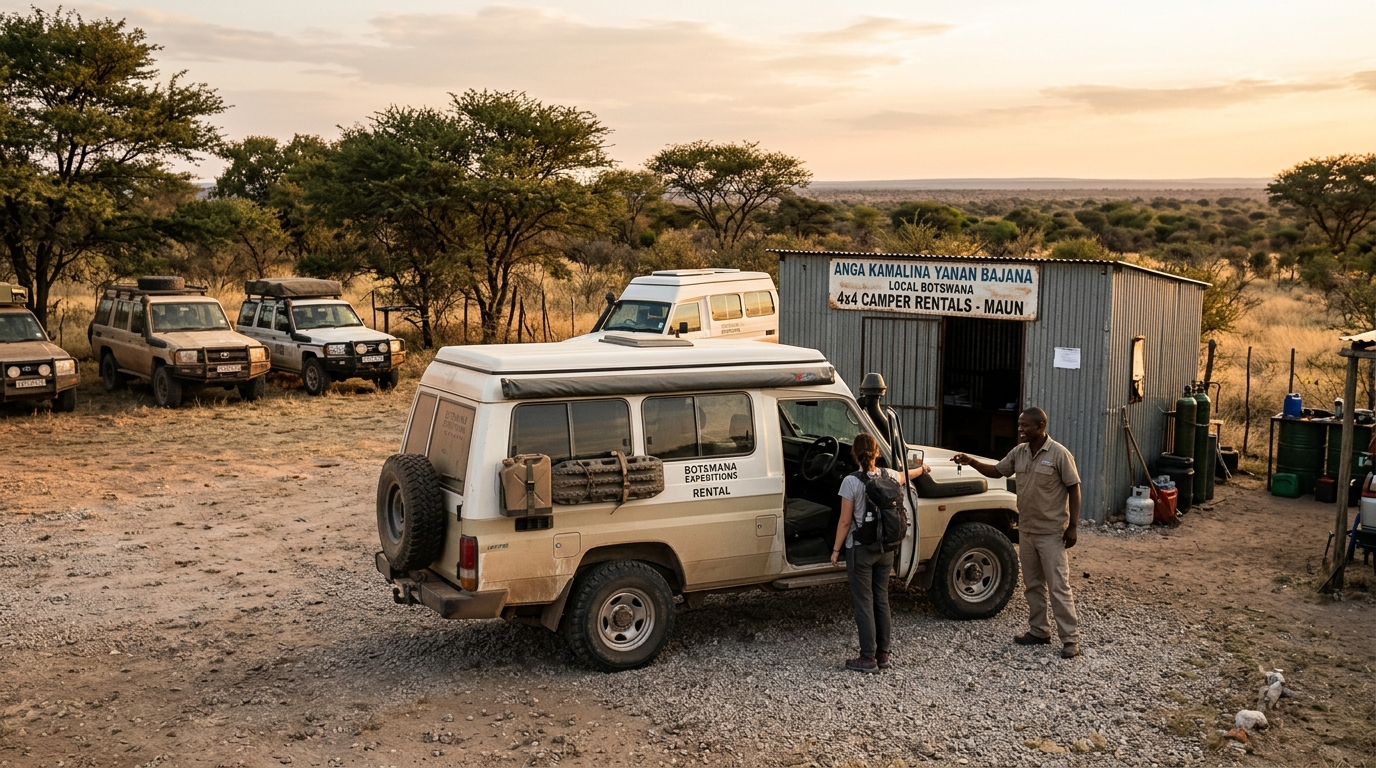
Yes, long-term RV rentals are available in Botswana, primarily through specialized safari vehicle rental companies that cater to extended self-drive adventures. These rentals are typically offered for periods exceeding two weeks to a month or more, with many providers offering discounted daily rates for longer durations to incentivize extended exploration. For example, Bandana RV offers options for "long term rv rental cost for couples vs. families with kids in Botswana", ensuring you find the right vehicle for your group size and budget.
Rental companies often base operations in major entry points like Maun or Kasane, providing RVs fully equipped for self-sufficient safari travel in remote areas. It's crucial to book long-term rentals well in advance, particularly for popular dry season months, as the specialized fleet designed for Botswana's unique conditions is limited. Long-term rentals are ideal for travelers who want to explore Botswana comprehensively, offering the flexibility to spend more time in remote areas like the Central Kalahari, the Makgadikgadi Pans, or the Okavango Delta.
What are the requirements for driving an RV in Botswana
Driving an RV in Botswana requires a valid national driver's license, with an International Driving Permit (IDP) highly recommended for visitors from non-English-speaking countries, although it is not mandatory in most cases. A standard car driver's license is sufficient for driving all motorhome classes (Class A, Class B, and Class C) in Botswana. Road conditions demand a capable vehicle; while major routes between towns like Gaborone, Maun, and Kasane are tarred, safari areas feature challenging deep sand, severely corrugated tracks, and seasonal water crossings, often requiring a 4x4 motorhome or campervan.
In-depth driving challenges include mastering deep sand driving techniques (e.g., lowering tire pressure to around 1.8 bar, maintaining consistent momentum, and avoiding sudden stops or sharp turns), managing severe corrugations (reducing speed to 30-40 km/h to prevent damage and discomfort), and assessing water crossing preparedness (checking depth, engaging low range, and allowing ample space for opposing traffic). For national parks and reserves, a DWNP (Department of Wildlife and National Parks) booking is mandatory for both vehicle entry and pre-booked campsites, with separate daily fees for vehicle and occupants. Cross-border travel, for example, from South Africa or Namibia, necessitates a certified copy of the vehicle's registration, a letter of authorization from the rental company, and potential COMESA (Yellow Card) third-party insurance.
Is it safe to drive an RV through Botswana
Driving an RV through Botswana is generally safe for experienced overland travelers, provided proper precautions are taken, particularly concerning wildlife encounters, remote driving, and communication. Detailed actionable safety advice includes maintaining a safe distance from all wildlife, never feeding animals, and exercising extreme caution when driving at dawn, dusk, and night due to heightened animal movement on roads. Always give elephants, lions, and other large animals the right of way and maintain a respectful distance of at least 20-30 meters.
In the event of a breakdown in remote areas, it is critical to remain with your vehicle, use a satellite phone or emergency beacon to call for help, and always carry sufficient water, food, and shelter for unexpected delays of 24-48 hours. Communication and connectivity solutions for remote areas are vital; a satellite phone (Iridium or Thuraya) or a two-way satellite messenger (e.g., Garmin InReach) is highly recommended as mobile phone signal is virtually non-existent outside of major towns. Always inform someone of your detailed itinerary and expected return dates, and consider traveling in a convoy with another vehicle when venturing into extremely remote or challenging regions like the Kgalagadi Transfrontier Park. You can upgrade to a top-level deductible for extra peace of mind, minimizing financial worry in unforeseen circumstances.
How do you manage water and fuel on a long term RV trip in Botswana
Managing water, fuel, and provisions on a long-term RV trip in Botswana requires meticulous planning, as resupply points can be hundreds of kilometers apart in remote safari areas. For water, aim to carry a minimum of 5-10 liters per person per day for drinking and basic hygiene, which means a family of four on a 7-day trip would need 140-280 liters; a good water purification system (e.g., a high-quality filter or UV sterilizer) is essential for topping up from boreholes or non-potable sources when available. Detailed logistics for fuel involve planning your route to include specific resupply points in major towns like Maun, Kasane, and Ghanzi, ensuring your vehicle has a long-range tank or carrying extra jerry cans (typically 40-60 liters extra capacity is recommended).
Always refuel at every opportunity, even if your tank is half full, as the next station might be unexpectedly closed, out of stock, or further than anticipated. For provisions, stock up heavily in major towns, focusing on non-perishable goods and ensuring your fridge/freezer is well-maintained; fresh produce will need to be replenished more frequently. Recommended carrying capacities for deep remote travel include at least 80-100 liters of potable water, 200+ liters of fuel, and enough food for at least a week beyond your planned itinerary. Imagine enjoying a hearty breakfast prepared in your motorhome kitchen; for inspiration, check out our RV-friendly recipes playlist.
What are the rules for wild camping in Botswana
Wild camping (or 'bush camping') is generally prohibited within Botswana's national parks and game reserves, requiring travelers to stay in designated, pre-booked campsites. These designated sites, though often rustic, ensure minimal human impact on the environment and concentrate wildlife viewing responsibly. Outside of protected areas, wild camping is legally ambiguous and largely discouraged due to significant wildlife hazards and the absence of readily identifiable public land; explicit permission from private landowners is essential if considering it, which is rarely granted.
Ethical wildlife viewing and cultural etiquette are paramount: maintain a respectful distance from animals (at least 20 meters), never disturb their natural behavior with noise or bright lights, and always yield to wildlife, especially on roads and in camps. Leave No Trace principles are crucial: pack out all trash, dispose of human waste properly (digging catholes at least 60 meters away from water sources and burying waste), minimize campfire impact (or use a gas stove), and leave the environment exactly as you found it. Never approach wildlife on foot, store all food and scented items securely to prevent animal encounters, and always be aware of your surroundings, especially at night, as many campsites in Botswana are unfenced and active with wildlife.
What should I pack for an RV safari in Botswana
Packing for an RV safari in Botswana requires a comprehensive list that considers both personal comfort and vehicle readiness for challenging conditions. Essential personal items include lightweight, neutral-colored clothing for game viewing, a wide-brimmed hat, sunglasses, high-SPF sunscreen, strong insect repellent with DEET (especially for malaria zones), and a comprehensive first-aid kit with any personal medications. Layering clothing is essential for fluctuating temperatures, from cool mornings to hot afternoons.
For vehicle preparation, beyond just a 4x4 motorhome, ensure you have two spare tires (correctly inflated and in good condition), a high-quality air compressor, tire pressure gauge, robust recovery gear (snatch strap, shackles, shovel, hi-lift jack or exhaust jack), and basic tools for minor repairs and maintenance (e.g., spare belts, fuses, filters). Navigation aids are crucial: a reliable GPS with offline maps (e.g., Tracks4Africa), physical paper maps as a backup, a compass, and binoculars for wildlife viewing. Don't forget adequate water and fuel carrying containers, a robust cooler or fridge/freezer, cooking equipment (gas stove, pots, pans, cutlery for your RV-friendly recipes playlist), a reliable headlamp or flashlight, and a multi-plug adapter for charging devices. Bring a good quality camera with a zoom lens to capture wildlife responsibly from a distance, without disturbing them.
What You Shouldn't Miss
- **Mokoro Excursion in the Okavango Delta:** Glide silently through the Delta's waterways in a traditional dugout canoe, experiencing the intricate ecosystem up close.
- **Chobe River Sunset Cruise:** Witness hundreds of elephants coming to drink and bathe in the Chobe River at sunset, an iconic and breathtaking sight.
- **Stargazing on the Makgadikgadi Pans:** Spend a night on the vast salt pans during the dry season for an unparalleled dark sky experience, truly feeling the immensity of the African night.
- **Moremi Game Reserve Self-Drive Safari:** Navigate the challenging yet rewarding sandy tracks of Moremi in your 4x4 motorhome, encountering diverse wildlife like lions, leopards, and wild dogs.
- **Visit a Local Village:** Experience Botswana's rich culture by visiting a local village, respecting traditions and interacting with communities for an authentic cultural immersion.
Looking for expert insights from Avi Bandana? Top 5 Adventures - recommendations from Avi Bandana
Final Thoughts
A long-term RV rental in Botswana promises an incredible, in-depth safari and cultural experience unlike any other. It’s an opportunity to truly immerse yourself in the vastness and beauty of the African wilderness, all from the comfort and flexibility of your own mobile home. Remember to travel slowly, averaging a maximum of 100-150 km per day, to truly feel the place, connect to the culture, the food, and the breathtaking scenery.
While planning for remote conditions is paramount, the journey itself is designed for freedom and discovery. We're here to support you every step of the way, from comparing prices for different vehicle types in Botswana to coordinating your booking. So go ahead, dream big, and start planning that extended Botswanan adventure you've always envisioned!
Discover top destinations, planning tips, all in one place! Find long term rv rentals in Botswana and start your unforgettable journey.