In This Guide
- Where to Camp in Alaska - Top Options
- Campground Types in Alaska (National, Private, Wild)
- Featured RV Park or Campground in Alaska
- Hookups & Amenities - What to Expect
- Booking Windows & Reservations in Alaska
- Nearby Supermarkets & Resupply Points
- Best RV Class for Camping in Alaska
- How to Save on Campgrounds in Alaska
- Can I park my RV anywhere in Alaska?
- What is the 3 3 3 rule for RVs and campers?
- Where is the best place to park an RV for free?
- Is boondocking legal in Alaska?
- Can you park an RV anywhere in Alaska?
- What does FF mean in camping?
- What is the best time of year to RV to Alaska?
- How much are campsites in Alaska?
- What is the 3-3-3 rule for camping?
- What is the 200 rule for camping?
- What You Shouldn't Miss
Imagine yourself traversing vast wilderness, waking up to glacial views, and spotting incredible wildlife right from your doorstep. Long-term RV camping in Alaska offers an unparalleled adventure, giving you the freedom to truly immerse yourself in the Last Frontier. Renting a motorhome or campervan for a month or more allows you to experience this majestic state at your own pace, creating a mobile home base for extended exploration.
At Bandana RV, we believe in full transparency: no hidden fees, no surprises, just honest pricing and dedicated support every step of the way. We're true RV specialists, not just a side department, meaning our entire focus is on ensuring your RV journey is smooth and memorable. For live availability and current prices, start with our RV Rental Alaska - Complete Guide 2026 guide.
Where to Camp in Alaska - Top Options
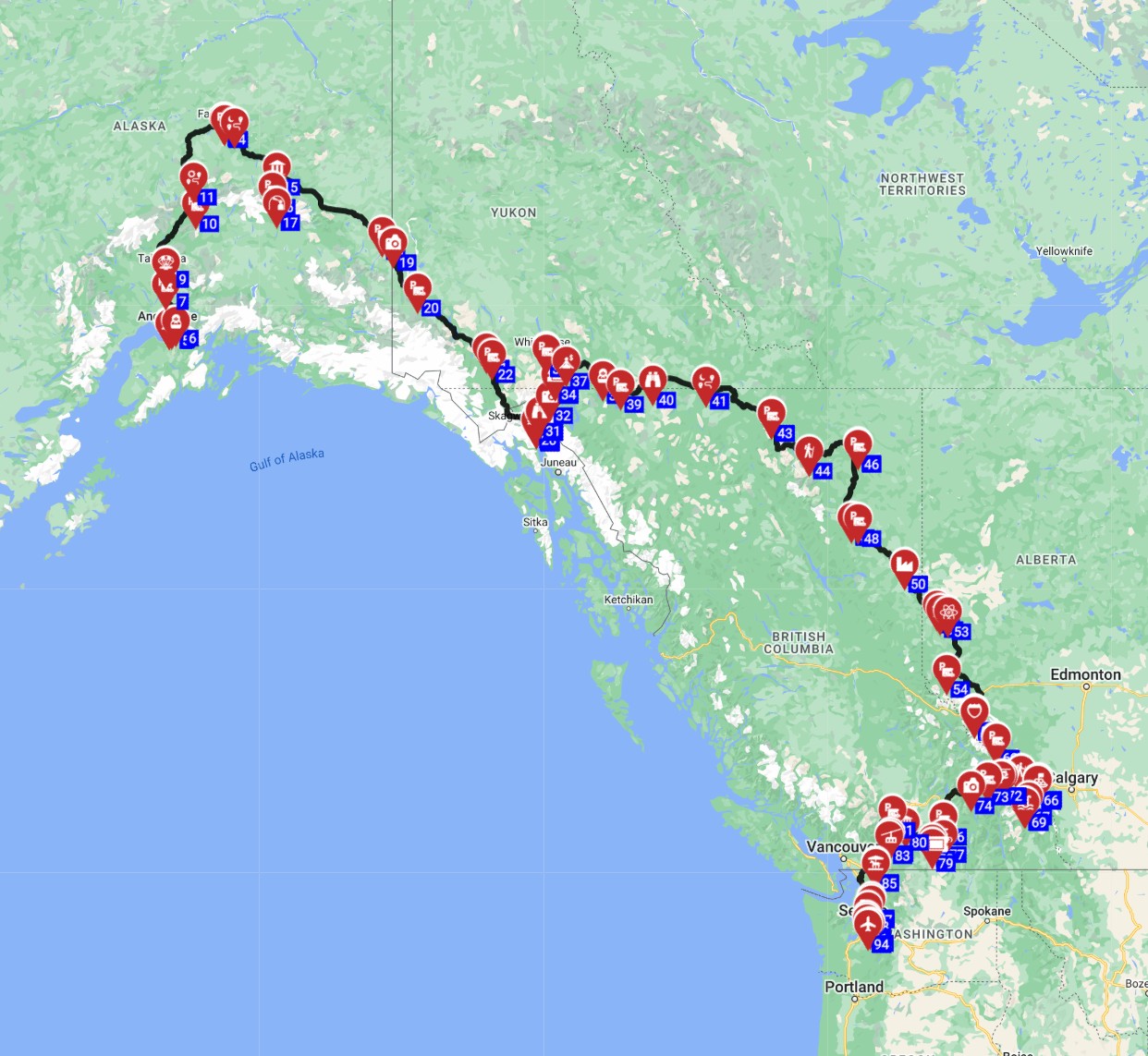
Alaska offers diverse and breathtaking camping experiences, ranging from developed campgrounds in iconic national and state parks to remote dispersed camping locations. Popular destinations for RV camping include Denali National Park, where spots like Teklanika River Campground and Riley Creek Campground provide direct access to the park's shuttle system and incredible wildlife viewing opportunities. The Kenai Peninsula boasts numerous state parks, such as Seward Waterfront and Russian River, offering stunning coastal views and salmon fishing. Additionally, the Chugach National Forest provides a mix of developed and more primitive sites, perfect for those seeking tranquility.
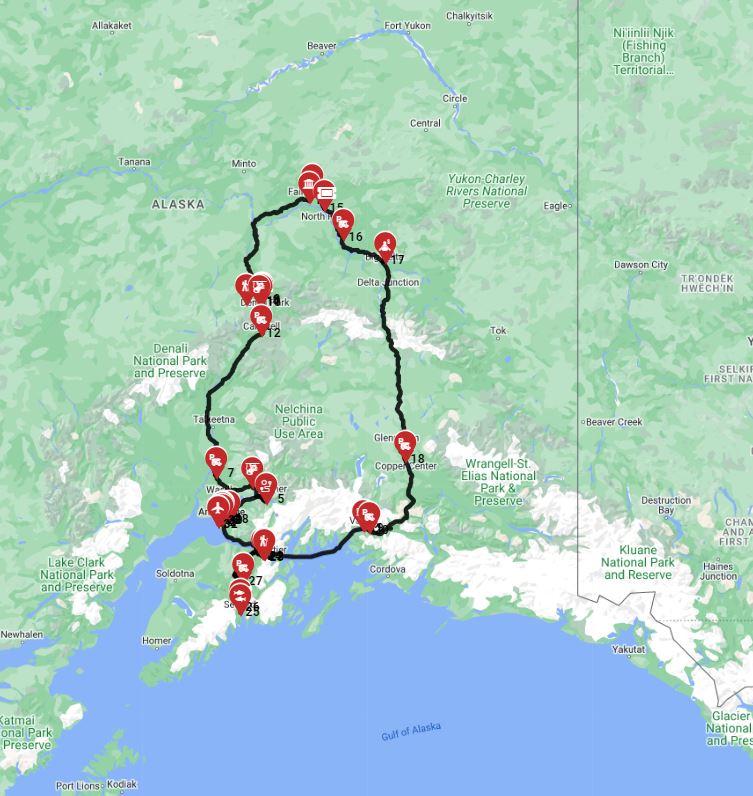
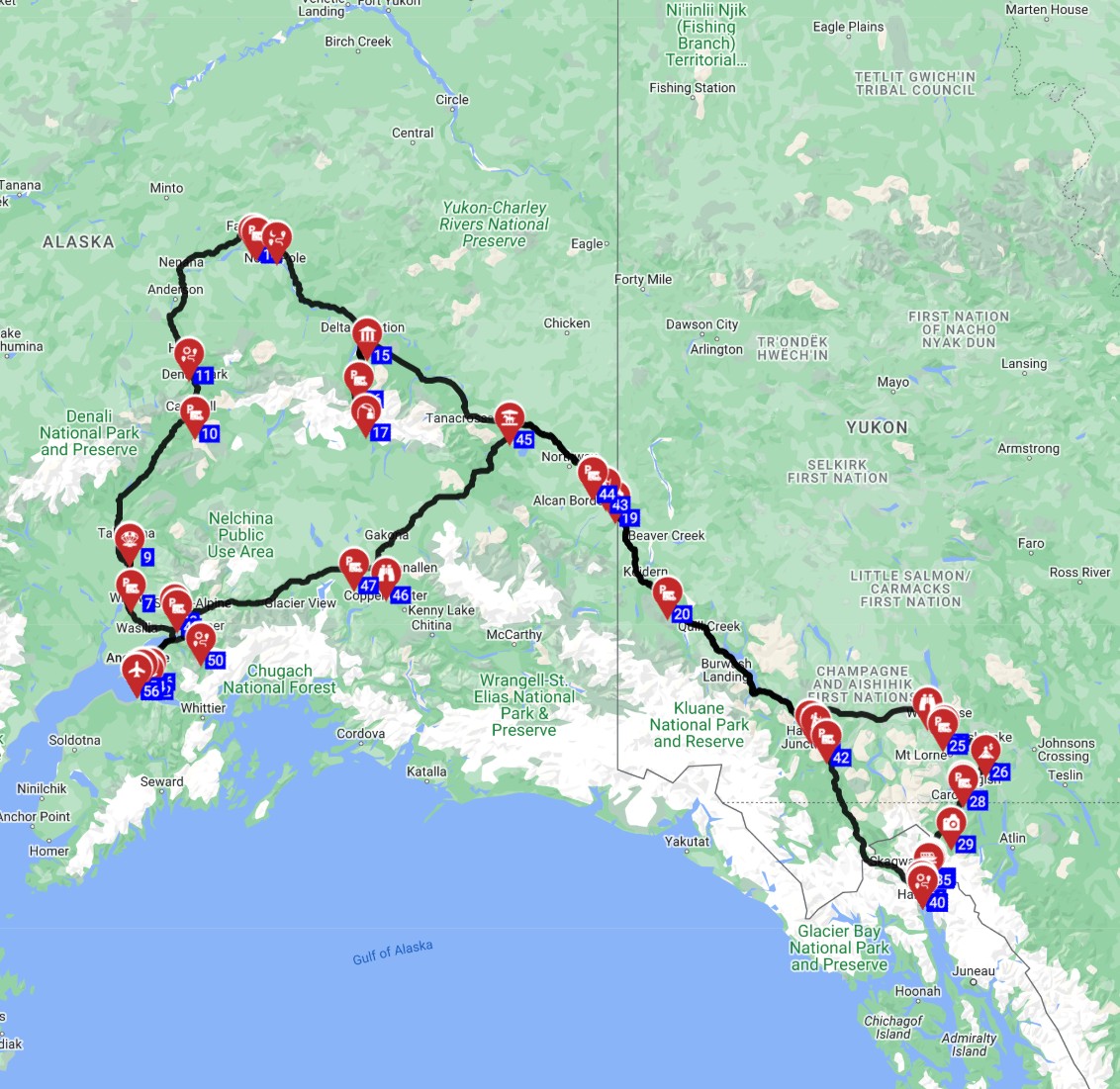
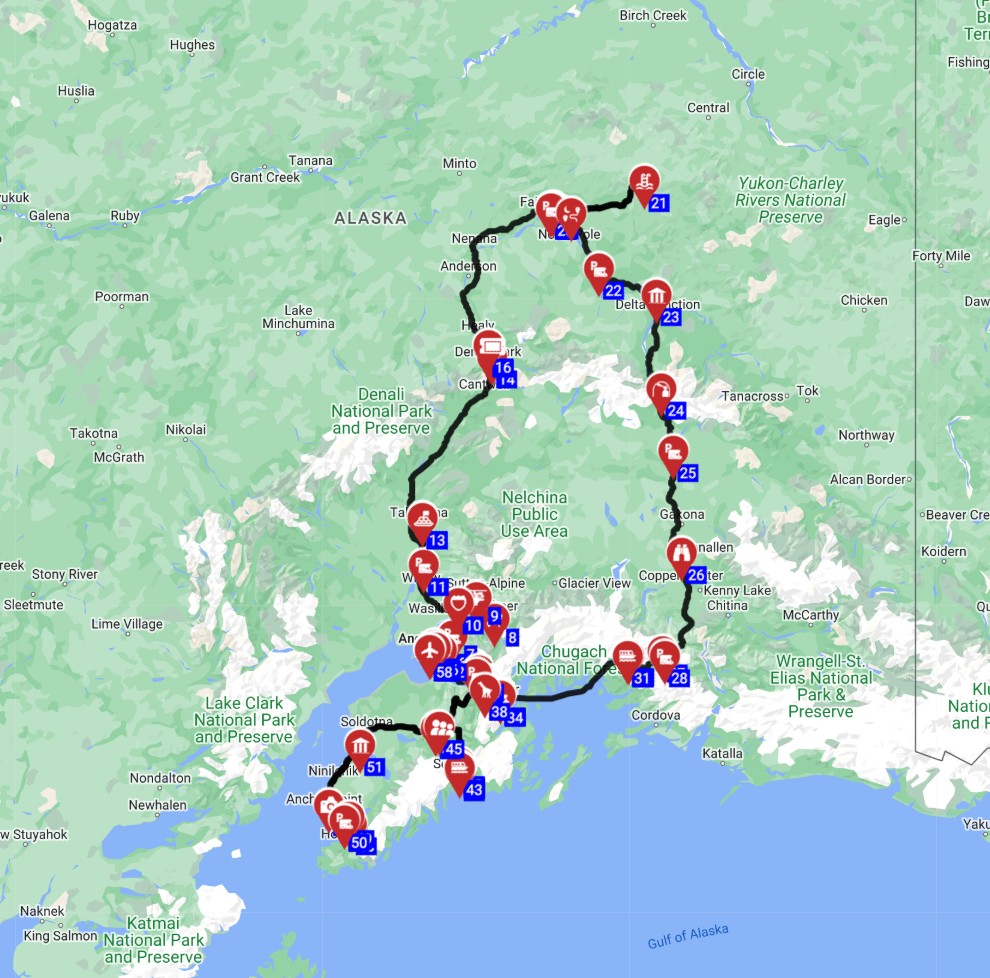
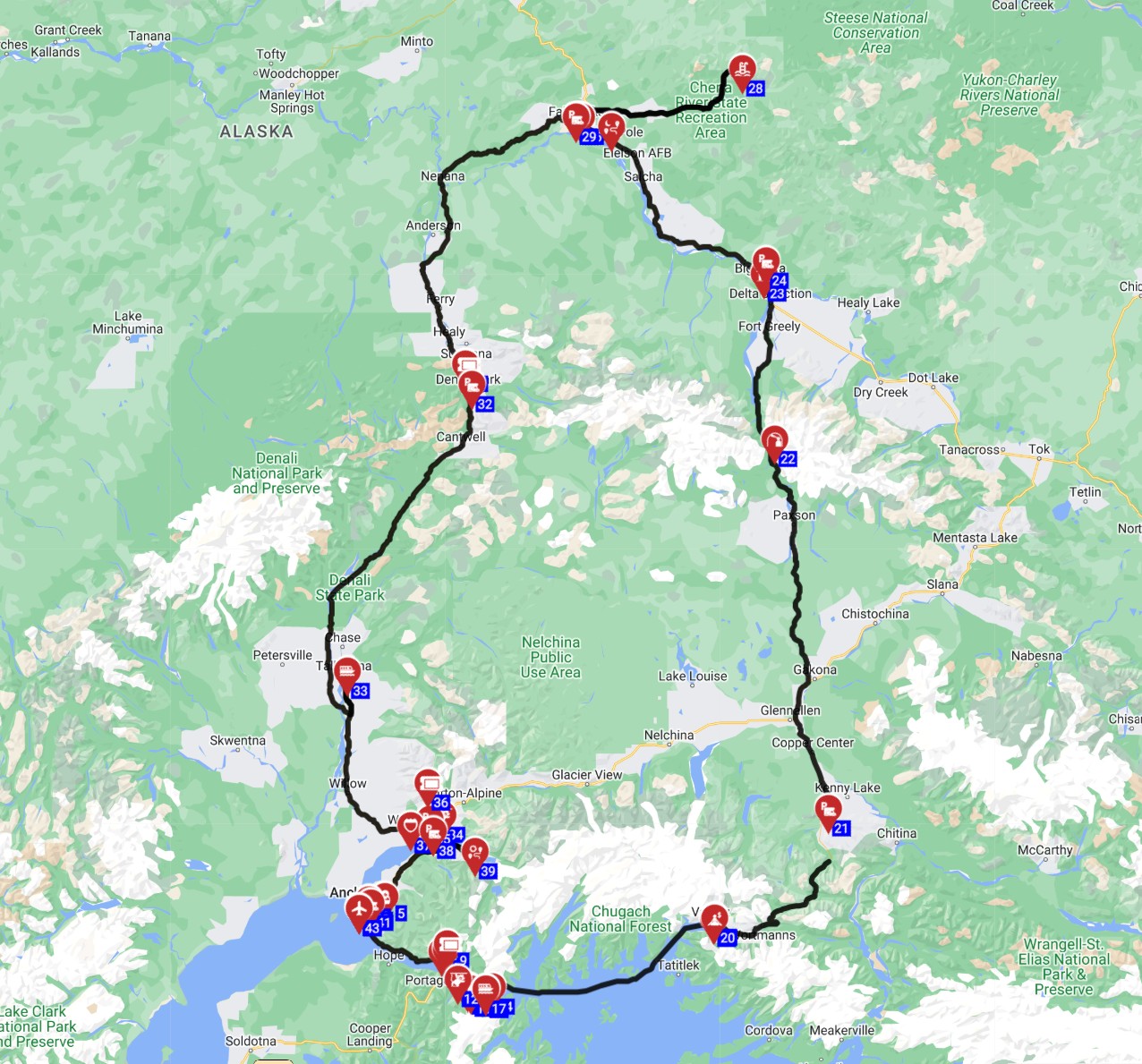
Consider looking into regional borough and city campgrounds for convenient access to amenities and local attractions like those found on the
Campground Types in Alaska (National, Private, Wild)
Alaska features a wide range of campground types, each with its own unique character and amenities. You'll find National Park Service sites, State Park campgrounds, Bureau of Land Management (BLM) land, and private RV parks. National and State Park campgrounds often require reservations, especially for the high season, and typically offer basic amenities like picnic tables and fire rings, with some including vault toilets and water spigots. Private RV parks, on the other hand, usually provide full hookups (water, electric, sewer), Wi-Fi, laundry facilities, and hot showers, catering to those who prefer more comfort and convenience.
Wild camping, also known as boondocking or dispersed camping, is legal and widely available on much of Alaska's federal land, including BLM and National Forests. This offers a free and immersive wilderness experience but requires strict adherence to Leave No Trace principles and local regulations. Before you embark on this type of adventure, always ensure you understand the specific rules for the area, which can vary significantly.
Featured RV Park or Campground in Alaska
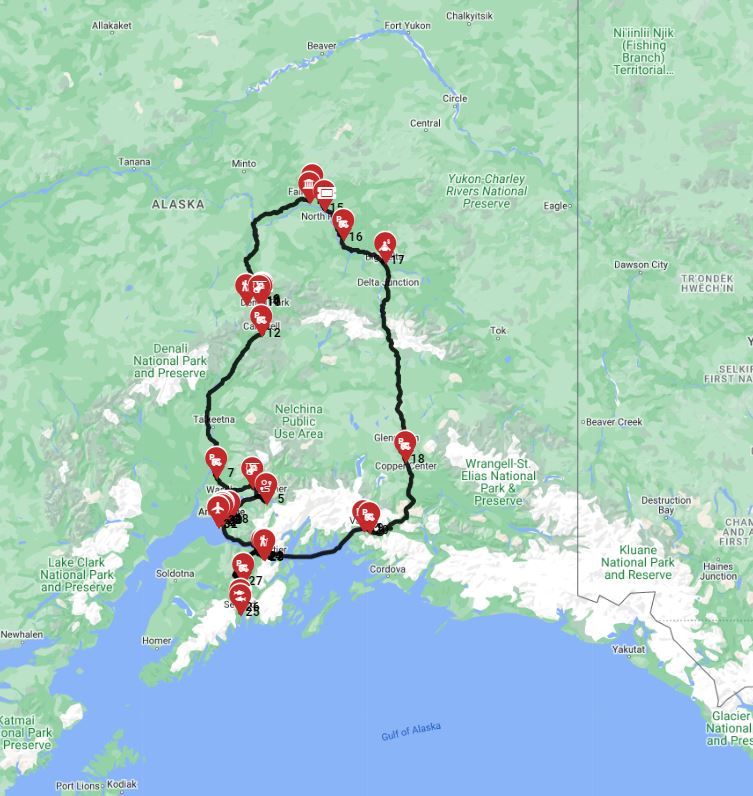
When choosing an RV park in Alaska, a balance of amenities, location, and access to desired activities is key. Seward Waterfront Park Campground is an excellent option for its stunning bay views and immediate proximity to downtown Seward, offering easy access to marine wildlife tours and local shops. Alternatively, Denali RV Park & Motel is a popular choice for its prime location near the Denali National Park entrance and convenient shuttle services into the park. A top-tier featured RV park provides reliable hookups, clean facilities, and often offers easy access to local attractions, hiking trails, and essential services.
It's always wise to research individual park reviews for specific details on site sizes, noise levels, and family-friendliness. For extensive routes like the
Hookups & Amenities - What to Expect
RV campgrounds in Alaska offer a spectrum of hookups and amenities tailored to different preferences. Full hookups generally include 30 or 50 amp electric service (standard 120V North American outlets), fresh water connections, and sewer connections for convenient waste disposal. Many public campgrounds, whether state or federal, may provide partial hookups (electric and water only) or no hookups at all, requiring RVers to be self-sufficient with their fresh, grey, and black water tanks.
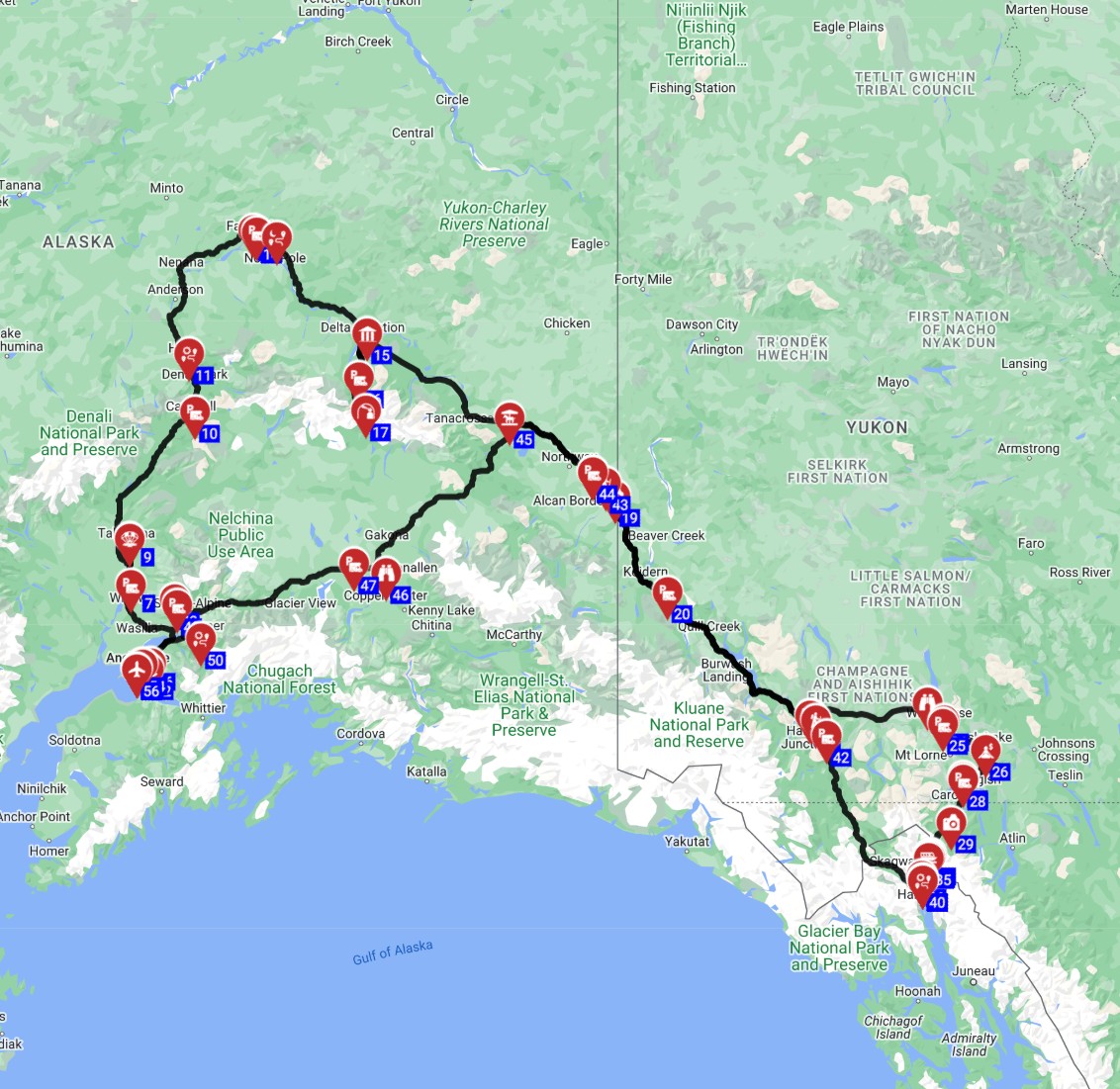
Common amenities at private parks can include Wi-Fi, laundry facilities, hot showers, dump stations, picnic tables, and fire rings. Public campgrounds typically offer more basic facilities like vault toilets, potable water spigots, and designated dump stations. When you see "FF" in a camping context, it can typically mean either "Full Hookups" or "First-Come, First-Served," so it's essential to clarify the meaning with the specific campground. On the routes offered through RV PLANET routes, you can itemize and track every expense along the way for easy budgeting.
Booking Windows & Reservations in Alaska
Securing campsites in popular Alaskan destinations like Denali National Park or the Kenai Peninsula often requires advance reservations, particularly for the peak season of June through August. For those who like everything organized, booking national and state park campgrounds 6-12 months in advance is highly recommended, as many coveted spots fill quickly upon release. However, spontaneous travelers can still find campsites by targeting less popular areas, utilizing first-come, first-served (FCFS) sites, or seeking out private RV parks which may have last-minute availability. Many national and state parks reserve a percentage (typically 25%-30%) of sites for FCFS travelers, offering a chance for those without reservations; calling ahead before driving to a FCFS campground is highly advisable to check current availability.
Prices are dynamic, much like flight tickets, changing daily based on availability, seasonality, and supplier marketing decisions. The final price is always set at the actual booking time. We ensure full transparency, so you'll never encounter hidden fees with Bandana RV. We're with travelers before, during, and after their booking, offering personal service from day one until your booking is confirmed.
Nearby Supermarkets & Resupply Points
Access to supermarkets and resupply points is absolutely crucial for extended RV travel in Alaska, where distances between towns can be vast. Major towns like Anchorage, Fairbanks, and Juneau offer extensive options, including chains like Fred Meyer (a Kroger affiliate) and Safeway, providing a wide range of groceries and supplies for your motorhome kitchen. Smaller towns will have local grocery stores, though sometimes at higher prices, or convenience stores for essential items.
Always plan to stock up sufficiently before heading into remote areas, as services can be sparse and spread out. Outside of major towns, many Alaskan addresses and points of interest are primarily given by milepost number on highways rather than traditional street numbers. This unique navigation system means paying close attention to mile markers for finding services. When planning your budget for these trips, remember that RV PLANET routes allow you to itemize and track every expense along the way for easy budgeting, ensuring no surprises.
Best RV Class for Camping in Alaska
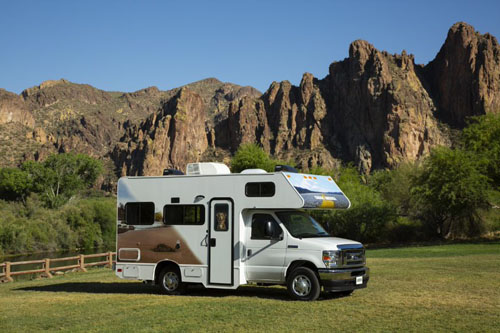
The best RV class for camping in Alaska largely depends on your travel style, balancing maneuverability for remote areas with comfort for longer stays. Class B campervans, often called Category Van, are ideal for adventurous travelers seeking maneuverability and ease of parking. Bandana's global fleet of campervans averages 5.8 meters in length, sleeps around 3.2 people, and offers efficient fuel consumption of 8-10 Liters/100 Km, making them suitable for tighter spots and spontaneous boondocking adventures. Imagine preparing delicious meals in your compact kitchen, perhaps using some ideas from our RV-friendly recipes playlist.
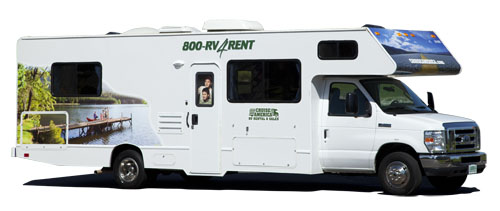
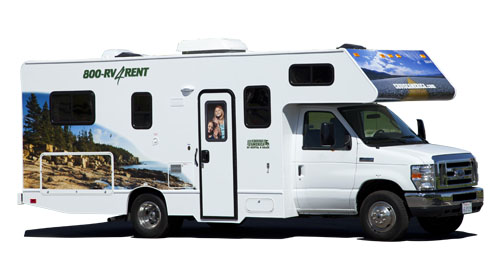
For families or groups desiring more space and amenities, a Class C Alcove RV provides a great balance. A popular choice like the cruise america rv rental example Explorer, at 7.1 meters long and sleeping 4, offers a comfortable living area, a full kitchen with 4 burners and a 90-liter refrigerator, and a separate shower and toilet. These vehicles consume about 11 Liters/100 Km. Another excellent option is the rv rentals utah example Sunrise Escape, measuring 7.6 meters and sleeping up to 5, featuring an oven, a 170-liter refrigerator, and a fuel consumption of 20-25 Liters/100 Km. Consider a Class B for extensive boondocking and accessing smaller roads, or a Class C for a mix of developed campgrounds and moderate backcountry access with enhanced comfort and storage for an extended road trip.
How to Save on Campgrounds in Alaska
Saving money on campgrounds in Alaska is achievable through various strategies, including utilizing discount programs and strategic booking. Look into discount cards or memberships for private RV parks, which can provide significant savings across Alaska and the broader USA region. Opt for municipal or regional campgrounds over private resorts, as they often offer lower rates while still providing adequate facilities. Booking during the shoulder seasons, such as late May to early June or late August to early September, can result in reduced rates and fewer crowds, enhancing your experience.
For long-term RV camping, consider staying 3 or more nights at one location to take advantage of weekly rates often offered by private campgrounds, which can be more cost-effective than nightly bookings. If traveling with friends or family, inquire about sharing hookups or splitting sites where permitted, further reducing per-person costs. Remember to also check for "RV Rental Deals in Alaska - Latest Offers 2026" to save on your rental itself.
Can I park my RV anywhere in Alaska?
No, you generally cannot park your rented RV just anywhere in Alaska; regulations vary significantly by land ownership, including federal, state, borough, and private lands. While Alaska offers vast public lands, unauthorized parking or camping on private property, within city limits, or in restricted areas of national or state parks is illegal and can result in fines or towing. Always verify local regulations for overnight parking and camping, especially when considering pull-offs or roadside spots, as not all are designated for overnight use. Drive slowly and carefully, and you can drive almost anywhere without issues. No need to stress - just use common sense and pay attention.
It's crucial to look for "No Overnight Parking" signs or consult local visitor centers for guidance on legal parking and camping areas to avoid any issues during your trip. Understanding these nuances is part of being a responsible RV traveler in Alaska.
What is the 3 3 3 rule for RVs and campers?
The 3-3-3 rule for RVs and campers is a popular guideline for safe and enjoyable travel, recommending driving no more than 300 miles per day, stopping by 3 PM, and staying at least 3 nights in one location. Driving no more than 300 miles (approximately 480 km) helps prevent driver fatigue, especially on long Alaskan roads which can be challenging due to winding terrain, gravel sections, and frequent wildlife crossings. Stopping by 3 PM allows ample time to find a campsite, set up your rented motorhome before dark (which can be very late during Alaska's summer), and relax after a day of driving. Staying at least 3 nights provides an opportunity to thoroughly explore an area without feeling rushed, fostering a more relaxed and immersive camping experience that truly lets you connect to the culture, the food, and the scenery.
Where is the best place to park an RV for free?
The best places to park a rented RV for free in Alaska often include designated Bureau of Land Management (BLM) lands, some National Forest areas, and specific pull-offs or public lands where dispersed camping is permitted. BLM lands throughout Alaska, such as those along the Denali Highway or Steese Highway, are prime locations for free dispersed camping, but require complete self-sufficiency and strict adherence to Leave No Trace principles. Many National Forests, including the Chugach and Tongass, also permit free dispersed camping, typically requiring campers to be a certain distance from developed areas, roads, and water sources (often 200 feet). Always consult local ranger districts or BLM offices for current regulations, road conditions, and any fire restrictions before attempting to boondock. This proactive approach ensures a legal and safe free camping experience for your Alaskan adventure.
Is boondocking legal in Alaska?
Yes, boondocking, also known as dispersed camping, is legal in many parts of Alaska, particularly on extensive federal lands managed by the Bureau of Land Management (BLM) and National Forests, provided you adhere to specific regulations and Leave No Trace principles. Boondocking is generally permitted on BLM lands for up to 14 consecutive days within a 30-day period in the same area, after which you must move at least 25 miles away. In National Forests, dispersed camping is usually allowed outside of developed campgrounds, often requiring you to be a certain distance from roads, water, and trails. Always research the specific land management agency (e.g., BLM, Forest Service) for the area you plan to visit, as rules can vary, and absolutely avoid boondocking on private property without explicit permission. This kind of flexibility is why renting a campervan or motorhome like a Class B "rv rental denver example Category Van" is so popular for Alaskan exploration.
Can you park an RV anywhere in Alaska?
You cannot park a rented RV anywhere in Alaska without legal authorization; parking regulations are strict in urban centers and vary across different public and private lands. In cities like Anchorage or Fairbanks, street parking for RVs overnight is generally prohibited, and fines or towing are possible for violations. Drive slowly and carefully, and you can drive almost anywhere without issues. No need to stress - just use common sense and pay attention. Specific areas within state and national parks are designated for camping, and parking outside these zones for overnight stays is not permitted. Always look for signs indicating parking restrictions, and when in doubt, consult local law enforcement or visitor information centers to avoid any issues.
What does FF mean in camping?
In camping contexts, "FF" can typically mean either "Full Hookups" or "First-Come, First-Served," depending on the specific information source or campground designation. When referring to campsite amenities, "FF" commonly stands for "Full Hookups," indicating that the site provides water, electric, and sewer connections for your rented motorhome. In the context of campsite availability, "FF" often denotes "First-Come, First-Served," meaning that sites are available on a walk-in basis without prior reservations. It's essential to clarify the meaning based on the context, such as a campground map legend or booking system, to understand if it refers to amenities or reservation policy, especially when navigating Alaska's diverse camping options.
What is the best time of year to RV to Alaska?
The best time of year to RV to Alaska is generally from late May through early September, as this period offers the most favorable weather, longest daylight hours, and full availability of campgrounds and attractions. June, July, and August constitute the peak season, characterized by abundant wildflowers, optimal wildlife viewing opportunities, and nearly 24 hours of daylight in some northern regions like Fairbanks. This extended daylight is fantastic for exploration, but RVers should pack good blackout curtains for restful sleep! Traveling in the shoulder seasons of late May-early June or late August-early September can offer advantages such as fewer crowds and potentially lower prices for renting a camper or motorhome, while still providing pleasant weather. Winter RVing in Alaska is possible for experienced cold-weather campers but involves significant challenges due to extreme cold, limited road access, and many closed campgrounds.
For flexible travelers, checking "Weekly RV Rental in Alaska - Pricing 2026" during these shoulder seasons might offer better value. Our 25% Planning Discount when using rvplan.net for pre-planned routes also helps you save, no matter the season!
How much are campsites in Alaska?
Campsite prices in Alaska vary widely based on location, amenities, and type of campground, typically ranging from free for dispersed camping to over $70 per night for premium private RV parks. Dispersed camping on BLM or National Forest lands is generally free, but requires complete self-sufficiency, including managing your fresh water and waste. State and federal campgrounds, managed by agencies like the National Park Service or Alaska State Parks, usually range from $20 to $30 per night for basic sites, with some offering partial hookups at a slightly higher cost. Private RV parks, especially those near popular attractions or in major towns, can range from $40 to $70+ per night for full hookups and amenities like Wi-Fi, laundry, and showers. When planning a long-term trip, budgeting for these varying costs is essential, and remember that prices are dynamic and can change daily.
What is the 3-3-3 rule for camping?
The 3-3-3 rule for camping emphasizes a relaxed and safe approach to RV travel by suggesting you drive no more than 300 miles (480 km), arrive at your destination by 3 PM, and stay for at least 3 nights. The "stay 3 nights" component of the rule is particularly beneficial for RVers in Alaska, allowing ample time to explore local trails, attractions, and wildlife without feeling rushed to pack up and move. Adhering to this rule helps prevent burnout from constant setup and teardown, fosters deeper engagement with each location, and ensures sufficient rest between long drives. This approach is especially practical in Alaska where attractions are spread out and travel days can be long due to vast distances and potentially challenging road conditions, ensuring you travel slowly and truly connect with the spectacular scenery.
What is the 200 rule for camping?
The "200 rule" in camping frequently refers to critical safety and environmental guidelines: keeping food and scented items 200 feet from your campsite in bear country, and ensuring your camp is 200 feet from water sources and trails. In Alaska's abundant bear country, storing food and all scented items (even toothpaste!) at least 200 feet (approximately 70 adult paces) away from your sleeping area and utilizing bear-resistant containers or food lockers is a vital bear safety practice to prevent attracting wildlife. Another interpretation of the "200 rule" in Leave No Trace principles suggests setting up camp, including tents and cooking areas, at least 200 feet from all water sources, roads, and trails to minimize environmental impact and maintain wilderness aesthetics. Adhering to these "200 rules" is essential for personal safety, wildlife protection, and preserving Alaska's pristine natural environments for future visitors to enjoy with their rented motorhome.
What You Shouldn't Miss
Alaska is a land of endless wonders, and even with a long-term RV rental, it's impossible to see it all. But some experiences are simply unforgettable:
- Denali National Park Road: Drive the first 15 miles in your motorhome, then explore deeper by bus to witness stunning wildlife like grizzly bears, moose, and caribou.
- Kenai Fjords National Park: Take a scenic cruise from Seward to see tidewater glaciers, sea otters, and whales. Consider the 1928.5 km Anchorage Roundtrip - Alaska itinerary to fit this in.
- Alaska Marine Highway System: For a truly unique experience, put your rented RV on the state ferry and sail through the Inside Passage, visiting coastal towns inaccessible by road, like Juneau.
- Fairbanks and the Northern Lights: If your long-term trip extends into late August or September, position yourself near Fairbanks for the best chance to witness the spectacular Aurora Borealis.
- Homer Spit: Enjoy world-class fishing, unique shops, and stunning Kachemak Bay views at this iconic peninsula.
Looking for expert insights from Avi Bandana? Top 5 Adventures - recommendations from Avi Bandana
My personal recommendation for an extended stay in Alaska involves taking the time to explore one region deeply. The Kenai Peninsula, for instance, offers a microcosm of Alaska's beauty, from the coastal wildlife of Seward to the fishing hotspots of Homer, all easily accessible with a Class C motorhome.
Final Thoughts
Long-term RV camping in Alaska is an incredible way to experience the vastness and beauty of this unique state. It offers the flexibility to linger longer in breathtaking spots, explore hidden gems, and truly immerse yourself in the Alaskan wilderness. Whether you're chasing the midnight sun or the aurora, a rented motorhome or campervan gives you the freedom to make your adventure truly your own.
Remember to plan your route, understand local camping regulations, and embrace the slow travel philosophy – average around 100-150 km per day. This allows you to truly feel the place, connect to the local culture, savor the food, and soak in the magnificent scenery. With Bandana RV, you get the confidence of booking with true RV specialists and the assurance of full transparency.
Ready to embark on your extended Alaskan journey? Discover top destinations and planning tips, all in one place. Your ultimate freedom adventure awaits!