In This Guide
- Top 5 Tips for last minute rv rental RV Rental in Spain
- Before You Book - Class, Dates, Insurance
- Pre-Trip Prep - Packing Checklist for Spain
- On the Road - Driving, Fueling, Navigation
- At the Campground - Setup, Hookups & Etiquette
- last minute rv rental-Specific Tips for Spain
- Common Mistakes to Avoid in Spain
- How much does it cost to rent an RV in Spain for a week
- What is the best month to RV in Spain
- Is it easy to RV in Spain
- Can you wild camp in Spain with an RV
- What is the best way to tour Spain
- Do I need an international driving permit for Spain
- What documents do I need to rent an RV in Spain
- How old do you have to be to rent an RV in Spain
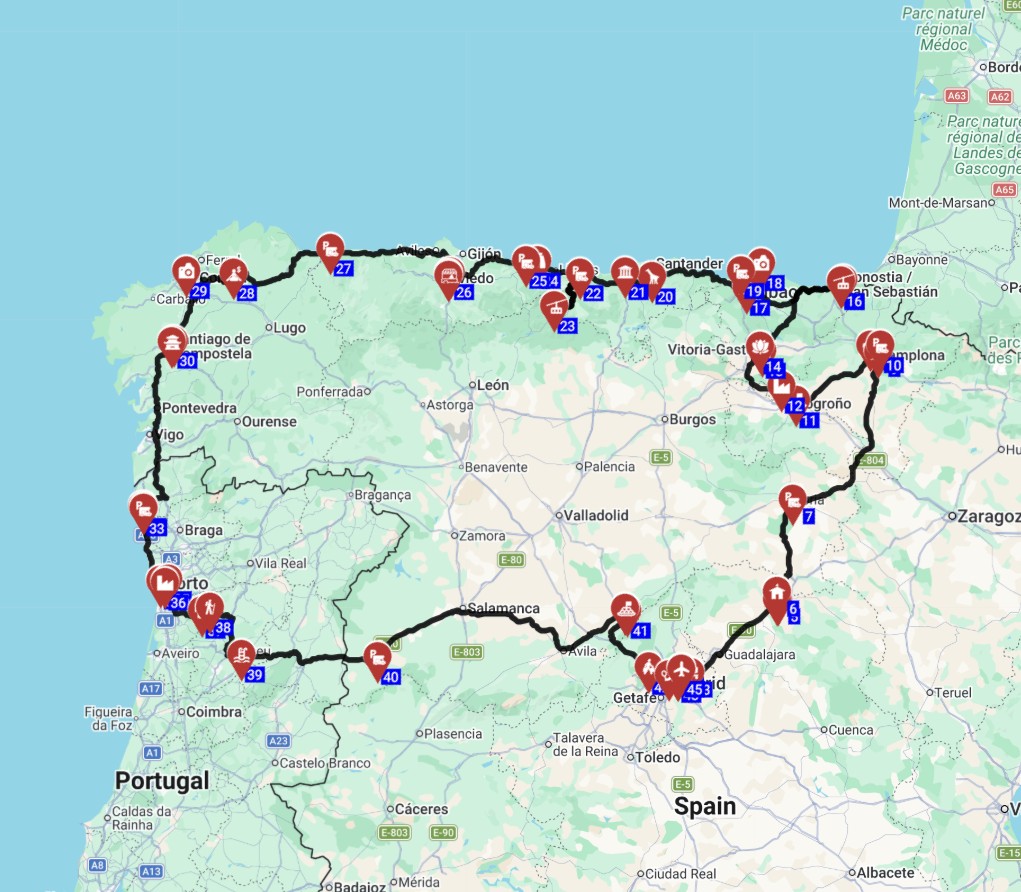
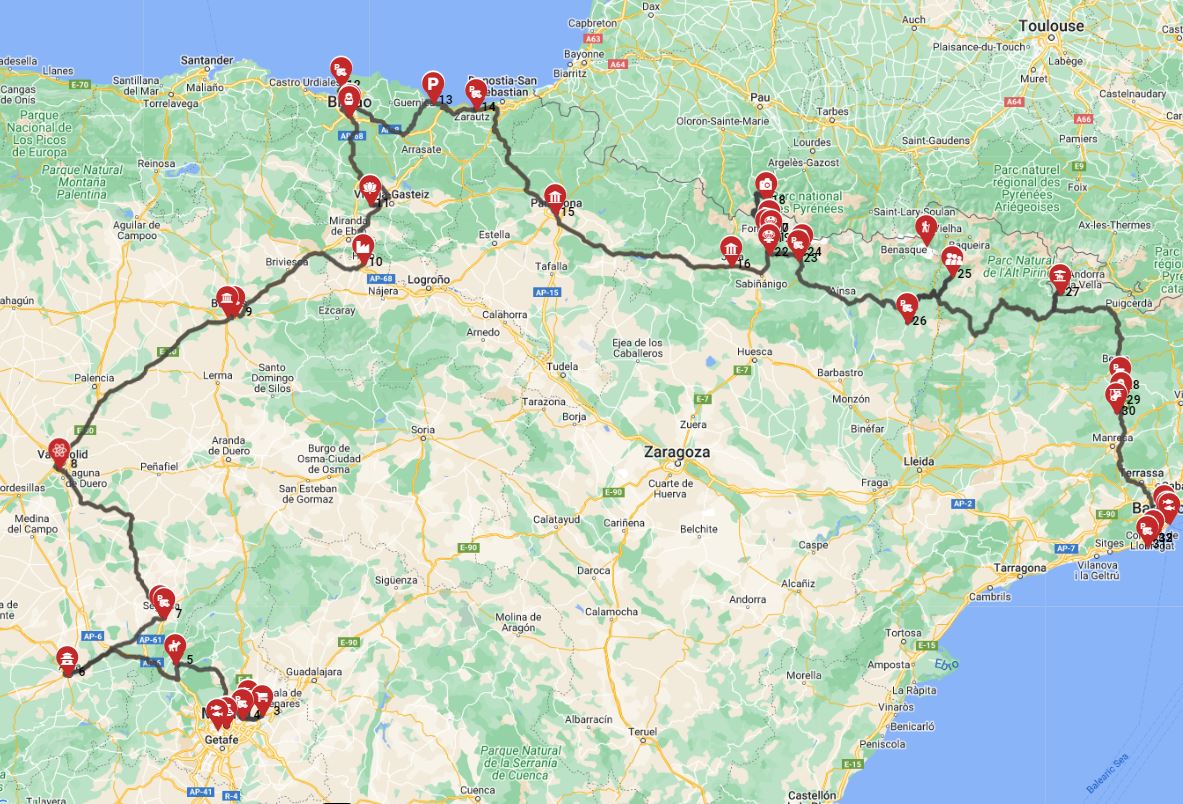
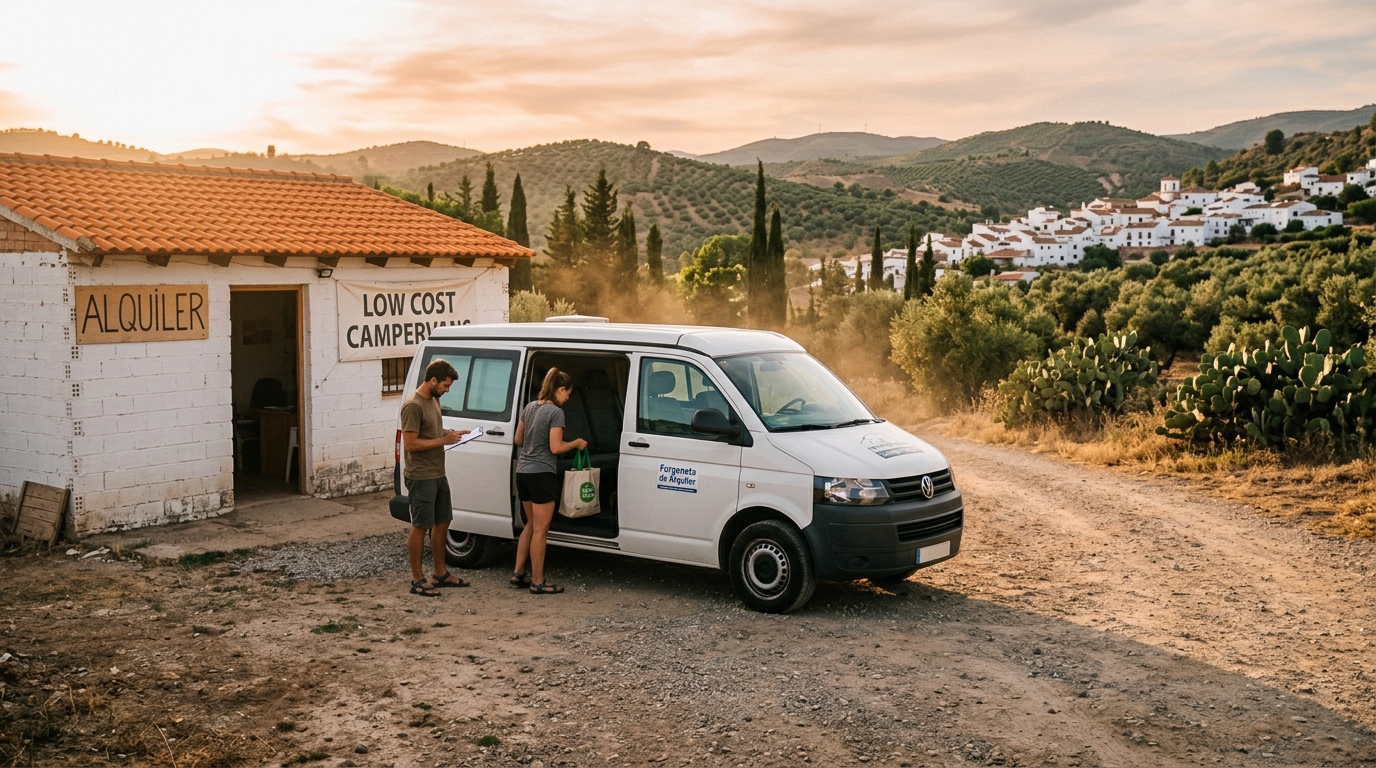
Spain, with its diverse landscapes, vibrant culture, and fantastic road network, is an ideal destination for a spontaneous motorhome adventure. A last-minute RV rental in Spain offers the ultimate freedom to explore sun-drenched coasts, historical cities, and majestic mountain ranges at your own pace. For live availability and current prices, start with our RV Rental Spain - Complete Guide 2026 guide, where you'll find comprehensive details to kickstart your journey. Whether you're a seasoned RVer or a first-timer, preparing for a spontaneous trip to Spain is exciting and manageable with the right tips.
Top 5 Tips for last minute rv rental RV Rental in Spain
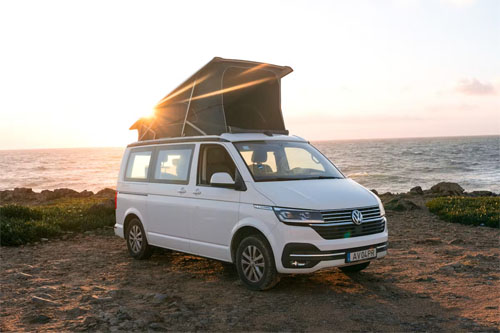
Securing a last-minute RV rental in Spain effectively means being strategic and flexible with your plans. First, be flexible with your dates and pick-up locations to significantly increase the availability of suitable motorhomes or campervans, potentially offering up to 30% more options. Second, opt for smaller RV classes or campervans, like a Class B van such as the "V2L" or a compact Class C model, as they are often more readily available on short notice compared to larger luxury RVs. Third, while comparison platforms offer great choices, also check rental company websites directly, as not all last-minute inventory appears on aggregators immediately. Fourth, prepare all essential documents in advance, including your valid driving license, passport, and any recommended International Driving Permit (IDP) to expedite the rental process at pickup. Finally, consider traveling during the shoulder or off-season (e.g., March, November) for better last-minute availability and potentially lower prices, avoiding the peak summer rush (July-August) when demand is highest. We believe in full transparency, so what you see regarding availability and pricing is what you get, with no hidden fees or surprises at pickup.
Before You Book - Class, Dates, Insurance
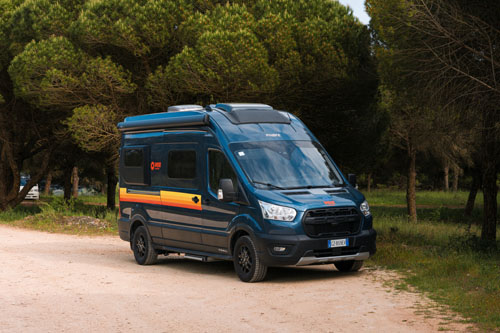
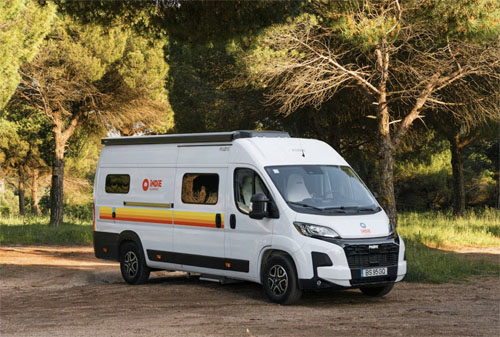
Choosing an RV class for a last-minute rental in Spain typically involves selecting from readily available options, with smaller campervans or compact motorhomes being more frequently accessible than larger Class A models. For couples or small families, a campervan like the "Paradise S/T" (ideal for a couple, automatic transmission) or a compact Class C like the "MHC24" (sleeping up to 6, automatic) offers great maneuverability and easier last-minute availability. To secure a last-minute rental, it is crucial to lock in your dates and preferred vehicle class as soon as possible, as popular options diminish rapidly, especially during high demand periods. Standard rental agreements in Spain include basic third-party liability insurance, but various upgrade options exist for more comprehensive coverage; an insider tip from Bandana is that basic insurance is always included, and you can see prices including the most comprehensive coverage by selecting that option during your search. We also offer optional upgrades to a top-level deductible reimbursement for extra peace of mind, ensuring you travel without unnecessary stress.
Pre-Trip Prep - Packing Checklist for Spain
A well-prepared packing list for an RV trip in Spain ensures comfort and compliance with local regulations, adapting to diverse climates from the sunny south to cooler northern regions. Essential items include suitable clothing for varied temperatures, layers are always a good idea, and comfortable walking shoes for exploring cities and natural parks. For cooking meals in your rented motorhome, remember to pack basic kitchen essentials like spices, a good knife, and reusable containers; you can find fantastic local produce at markets across Spain. Check out our RV-friendly recipes playlist for inspiration on delicious meals you can whip up on the road. Don't forget safety gear such as a first-aid kit, reflective vests, and a warning triangle (mandatory in Spain). Always have all necessary personal and vehicle documents, including your passport, driving license, rental agreement, and insurance details, readily accessible for any checks. For ideas you can prep on the road, watch our RV-friendly recipes playlist on YouTube.
On the Road - Driving, Fueling, Navigation
Driving a rented RV in Spain requires familiarity with local road signs, potential low emission zones (ZBE), and diverse terrain, ensuring a smooth and enjoyable journey. Spanish roads are generally well-maintained, with motorways (autopistas) charging tolls, though alternative toll-free routes (autovías) are available. Always remember to drive on the right side of the road, and be aware of speed limits: typically 120 km/h on motorways, 90 km/h on national roads, and 50 km/h in urban areas. Drive slowly and carefully, and you can drive almost anywhere without issues; no need to stress, just use common sense and pay attention. Fueling stations are widespread, with options for diesel (gasóleo), unleaded petrol (gasolina sin plomo), and LPG (Autogas) often available at major stations on key routes. Navigation can be simplified with up-to-date GPS systems or apps that account for vehicle dimensions, helping avoid narrow city streets or unsuitable mountain passes, especially in regions like the Pyrenees. For broader European travel insights, our RV Rental Europe - Complete Guide 2026 offers valuable context. On the routes offered through RV PLANET routes, you can itemize and track every expense along the way for easy budgeting.
At the Campground - Setup, Hookups & Etiquette
Setting up your rented RV at a Spanish campground generally involves a precise sequence of steps starting with leveling the vehicle, then connecting to electricity, followed by fresh water, and finally, managing wastewater disposal. Proper hookup order ensures safety and prevents system damage, with electrical connections typically made first and disconnected last. Many campgrounds offer 220V electrical hookups and fresh water access. Adhering to campground etiquette, such as observing quiet hours (often between 10 PM and 8 AM), keeping noise to a minimum, and maintaining cleanliness in shared facilities, contributes to a pleasant experience for all travelers. For finding campsites and campgrounds during your trip, we recommend using RV PLANET (rvplan.net), a great resource for locating available spots along your route. You'll find a spot; if not at the first campground, then the next one, just remember to call ahead before driving. With our Rent&Plan service and a 25% planning discount when you use rvplan.net, you can easily map out your stops and enjoy seamless travel.
last minute rv rental-Specific Tips for Spain
Optimizing a last-minute RV rental in Spain for different traveler profiles involves tailoring choices to suit specific needs, from family entertainment to budget-conscious touring. For families with children, prioritize RVs with ample sleeping areas like the "Family Plus" (with bunk beds) or "MH-A" (a 6-berth motorhome with 167 liter fresh water tank) and consider routes with kid-friendly attractions and designated rest stops for naps. Senior travelers benefit from ergonomic RV classes with easy access and automatic transmissions, ensuring comfort on longer drives, such as the "Euro Mini" campervan. Budget-conscious renters can save significantly by seeking out free overnight parking spots in designated 'Áreas de Servicio para Autocaravanas' and cooking most meals in their rented RV. Luxury seekers might consider premium Class A motorhome models with advanced amenities, perhaps picking up from a larger airport city like Barcelona - Airport, and pre-book campsites with high-end facilities and services. Remember, Bandana RV specializes exclusively in RV rentals, ensuring we are true RV specialists, not a travel agency side department.
🎬 Video coming soon
Common Mistakes to Avoid in Spain
Avoiding common pitfalls when RVing in Spain can significantly enhance your trip, from understanding local regulations to managing expectations. Instead of attempting extensive wild camping, familiarize yourself with specific regional laws regarding 'parking vs. camping' to avoid fines; always use designated 'Áreas de Servicio para Autocaravanas' or established campsites for overnight stays to be safe. Do not underestimate driving in Spanish cities; instead, plan to park on the outskirts and use public transport to navigate urban centers, especially to avoid low emission zones (ZBE) in cities like Madrid and Barcelona. Drive slowly and carefully, and you can drive almost anywhere without issues. Avoid overpacking; instead, bring essentials and plan to purchase groceries and supplies locally, which can be part of the rich cultural and culinary experience. Do not rely solely on cash; ensure you have multiple payment methods, including credit cards, as many tolls and services are card-only. For more budget-friendly tips, consult our Cheap RV Rental in Spain - Budget Guide 2026.
How much does it cost to rent an RV in Spain for a week
The cost to rent an RV in Spain for a week can vary significantly, ranging from approximately €600 to €1500 or more, depending on the season, RV size and model, and included amenities. For instance, a compact campervan like the "V2L" might cost around €600-€900 per week in the low season, while a larger Class C motorhome such as the "MH-A" could be €1000-€1500+ during peak summer. Prices are dynamic, similar to flight tickets, changing daily based on availability, seasonality, and supplier marketing decisions; the final price is set at the actual booking time. During peak season (June-August), prices are generally higher, while off-peak travel offers more competitive rates and better last-minute availability. A detailed budget breakdown should include not only the rental fee but also estimated costs for fuel (around €1.40-€1.70 per liter), tolls (which vary by region and vehicle type, e.g., the AP-7 from Barcelona to Valencia can cost around €20), campsite fees (€20-€40 per night), groceries (budget €50-€100 for specific Spanish items like jamón, queso, and fresh produce), and attraction entry fees. On RV PLANET routes, travelers can itemize and track every expense along the way for easy budgeting. For more detailed pricing insights, refer to our RV Rental in Spain - Prices and Best Deals 2026 guide.
What is the best month to RV in Spain
The best month to RV in Spain largely depends on your desired activities and regions, with spring (April-May) and autumn (September-October) generally offering the most favorable conditions nationwide. These shoulder seasons provide pleasant temperatures, fewer crowds than peak summer, and beautiful landscapes perfect for exploring, especially in popular areas like Andalusia or the Basque Country. Average temperatures during these months typically range from 18-25°C, making outdoor activities and city sightseeing very comfortable. For specific regional nuances, consider RVing in the Picos de Europa in late spring or early autumn to avoid summer heat and winter snow, while coastal regions like the Costa del Sol are enjoyable even in winter for their mild temperatures. Conversely, summer (July-August) can be extremely hot in central and southern Spain, leading to crowded beaches and higher prices, while winter can bring snow to mountain passes and cooler, wetter weather to the Atlantic coast. Planning a week-long trip during these optimal months will offer the best experience, as detailed in our Weekly RV Rental in Spain - Pricing 2026.
Is it easy to RV in Spain
RVing in Spain is generally considered easy and highly rewarding, supported by a robust infrastructure and a welcoming attitude towards motorhome travelers. The country boasts an extensive network of motorhome service areas ('Áreas de Servicio para Autocaravanas'), offering essential services like fresh water, greywater disposal, and sometimes electricity, often free or for a minimal fee. Finding LPG (Autogas) is straightforward at many petrol stations, particularly on major routes, ensuring your cooking and heating needs are met in your rented campervan. Mobile data coverage is excellent across most of Spain, making navigation and communication seamless, and major supermarket chains (Mercadona, Carrefour, Lidl) are well-equipped for RVers to stock up on provisions, including specific Spanish delicacies. While main roads are well-maintained, be prepared for narrower village streets and challenging mountain passes, particularly in regions like the Pyrenees or Galicia; however, with common sense and careful driving, these are easily manageable. Safety measures, including awareness of common theft prevention strategies in tourist areas, contribute to a stress-free trip. As true RV specialists, we at Bandana are here to support your journey from planning to booking.
Can you wild camp in Spain with an RV
Wild camping with a rented RV in Spain is generally restricted and not explicitly permitted nationwide; however, the legal landscape is nuanced, distinguishing between 'parking' and 'camping.' It is broadly permissible to park an RV overnight on public land where other vehicles are allowed to park, provided you are 'parking' (i.e., not deploying awnings, tables, or leveling jacks, and remaining within the vehicle's footprint), but 'camping' (setting up an outdoor living space) is typically prohibited outside designated areas. Legality varies significantly by region and municipality; some regions or natural parks have specific regulations or outright bans, while others are more lenient, particularly in rural areas. Utilizing specific low emission zones (ZBE) in cities like Madrid and Barcelona also requires attention, as some RVs might be restricted or require permits. For guaranteed legality and access to services like fresh water and waste disposal, it is always recommended to use designated campsites or the extensive network of 'Áreas de Servicio para Autocaravanas' available across Spain.
What is the best way to tour Spain
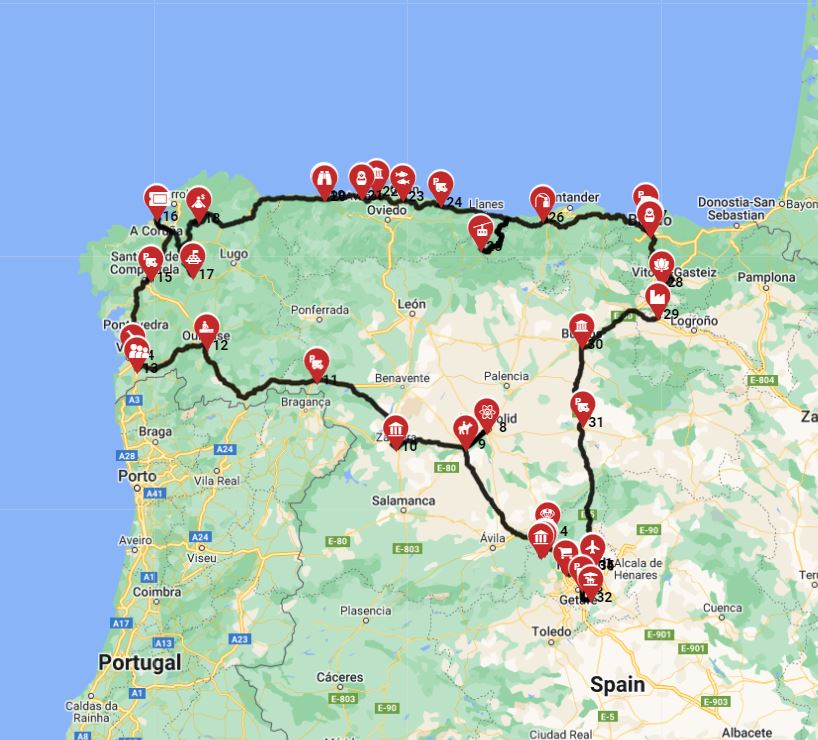
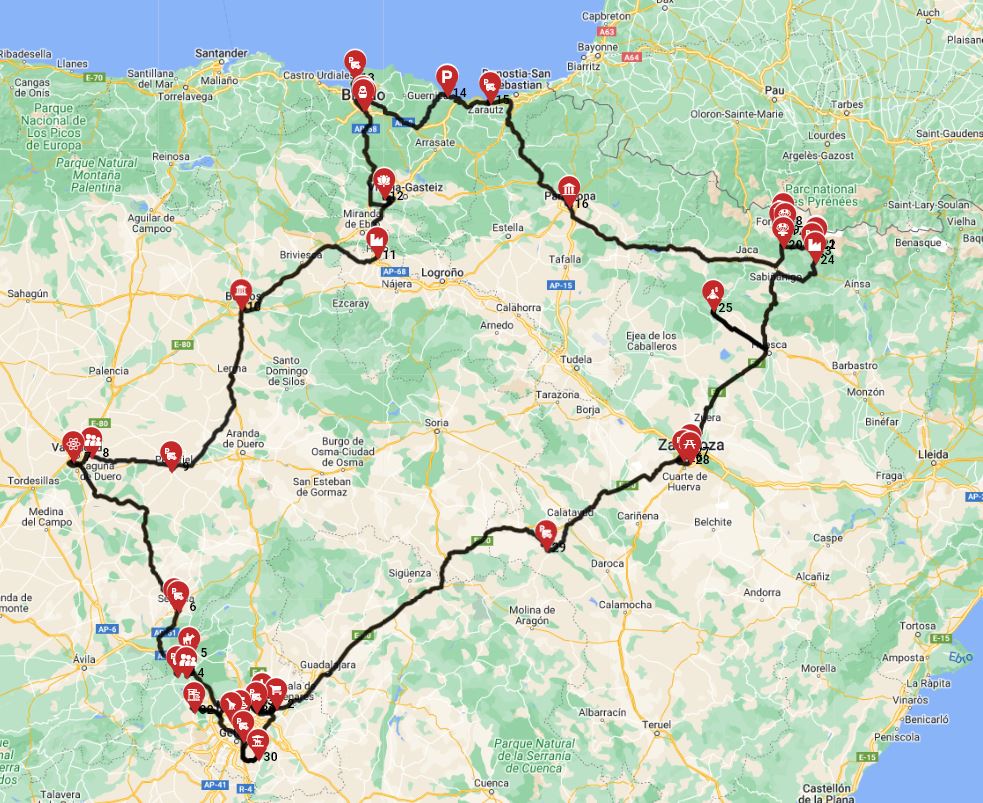
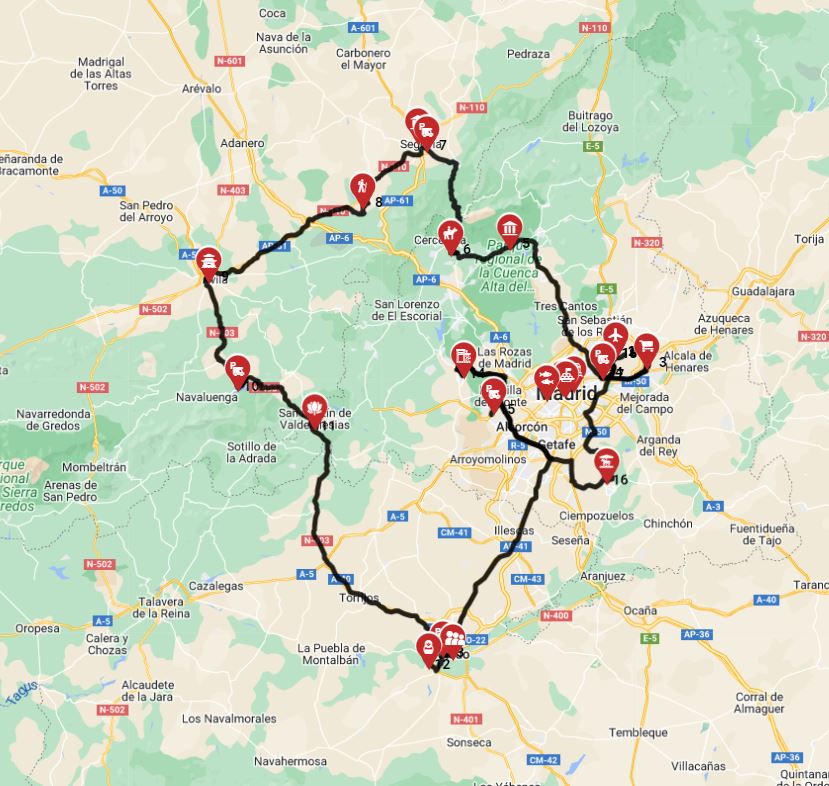
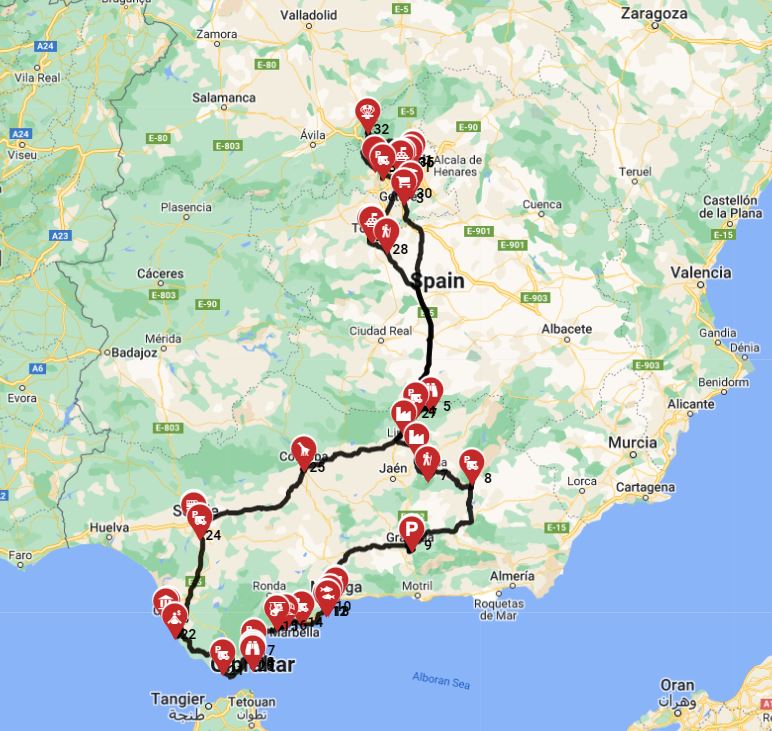
The best way to tour Spain with an RV involves a blend of structured planning and spontaneous exploration, allowing for deep dives into local culture and off-the-beaten-path experiences. We always recommend slow travel, aiming for a maximum of 100-150 km per day on average, to truly take time to feel the place, connect to the culture, the food, and the scenery. An RV provides unparalleled flexibility to discover hidden gems beyond popular tourist destinations, such as the lesser-known natural parks of Extremadura, the historical villages of Castile-Leon, or the unique regional festivals like 'Las Fallas' in Valencia or 'La Tomatina' (which requires pre-booking). Prioritize experiencing local culinary traditions beyond standard tapas, visiting regional markets, and engaging in authentic cultural interactions by venturing into smaller towns and villages, especially when preparing meals in your RV's kitchen. Consider thematic routes such as the 'Ruta de la Plata' or coastal drives, allowing for stops at diverse attractions, from Roman ruins to modern art museums. Balancing popular sights with unique local immersion ensures a comprehensive and memorable Spanish adventure, perhaps even a one-way trip from Alicante to Barcelona, which you can read more about in our One-Way RV Rental in Spain - Price Guide 2026.
Do I need an international driving permit for Spain
Yes, travelers holding a non-EU/EEA driving license are generally required to possess an International Driving Permit (IDP) to legally drive an RV in Spain, alongside their valid national driver's license. The IDP translates your national license into multiple languages and confirms its validity, acting as an official complement rather than a standalone document. It is strongly recommended to obtain an IDP before arriving in Spain if your national license is not issued by an EU/EEA country. EU/EEA citizens can drive in Spain with their national driving license without an IDP, as long as it is valid. Crucially, a standard car driver's license is sufficient for driving all motorhome classes (Class A, Class B, and Class C) rented in Spain; no special license, CDL, or additional permits are required.
What documents do I need to rent an RV in Spain
To rent an RV in Spain, you will typically need a valid national driver's license, a passport or national ID card, and a major credit card for the security deposit and payment. For non-EU/EEA citizens, an International Driving Permit (IDP) is also usually required alongside your national license, serving as an official translation. Ensure your driver's license has been held for a minimum period, usually 1 or 2 years, depending on the rental company and specific vehicle class, so always check the supplier's terms and conditions. The minimum rental age is 21, and there are no young driver surcharges or vehicle class restrictions based on age with Bandana's partners. Having these documents ready and in order before you book and pick up your vehicle will ensure a smooth and transparent rental process, free from hidden fees or surprises.
How old do you have to be to rent an RV in Spain
The minimum age to rent an RV in Spain is typically 21 years old across most rental companies and vehicle categories. Unlike some other destinations, there are no young driver surcharges applied, nor are there any vehicle class restrictions based on age when booking through Bandana. In addition to the age requirement, drivers usually need to have held a valid driving license for a minimum of 1 or 2 years, with some specific rental companies having their own policies, so it's always wise to confirm this detail. This accessibility makes Spain an excellent choice for younger adventurers and families alike who are looking to embark on an RV journey. Whether you are a young couple looking for a compact "Combi Van" or a family of 2+2 considering a larger Class C motorhome like the "MHC24", your standard driving license will be sufficient as long as you meet the age and license holding period criteria.
What You Shouldn't Miss
- Explore the Alhambra in Granada: A stunning Moorish palace and fortress complex that is a UNESCO World Heritage site and an absolute must-see.
- Drive the Andalusian White Villages Route: Wander through charming white-washed towns like Ronda and Grazalema, experiencing authentic Spanish village life from your rented motorhome.
- Experience Barcelona's Architectural Wonders: Park your RV on the outskirts and explore Antoni Gaudí's masterpieces like the Sagrada Familia and Park Güell using public transport. Don't forget to check out our A Coruña - Airport, Alicante, Almeria, Barcelona - Airport guides for convenient pickup options.
- Hike in the Picos de Europa National Park: Discover the rugged beauty of northern Spain's mountains, with numerous trails and breathtaking vistas accessible by campervan.
- Indulge in Tapas Culture in Seville: Immerse yourself in the local culinary scene, enjoying delicious small plates and regional wines from your comfortable RV base.
Looking for expert insights from Avi Bandana? Top 5 Adventures - recommendations from Avi Bandana
Final Thoughts
Embracing a last-minute RV rental in Spain is an invitation to discovery, allowing you to chase the sun, explore ancient cities, and savor local flavors with unparalleled freedom. The key lies in flexibility, thorough preparation of essential documents, and leveraging the extensive network of campervan service areas the country offers. Imagine yourself waking up to the sounds of the Mediterranean, enjoying a freshly prepared breakfast in your rented motorhome, and setting off for a new adventure each day.
With Bandana, you're not just renting a vehicle; you're gaining a partner dedicated to making your journey seamless and transparent. We're with you from comparing options to confirming your booking, ensuring clarity on pricing and providing peace of mind with our support. So, go ahead, let spontaneity be your guide, and discover the magic of Spain on your own terms. Your unforgettable road trip awaits!
Ready to plan your spontaneous Spanish adventure? Compare Last Minute RV Rental Prices for Spain now and find your perfect motorhome.